
15. Remoras and Large Marine Animals: The Reef’s Hitchhikers
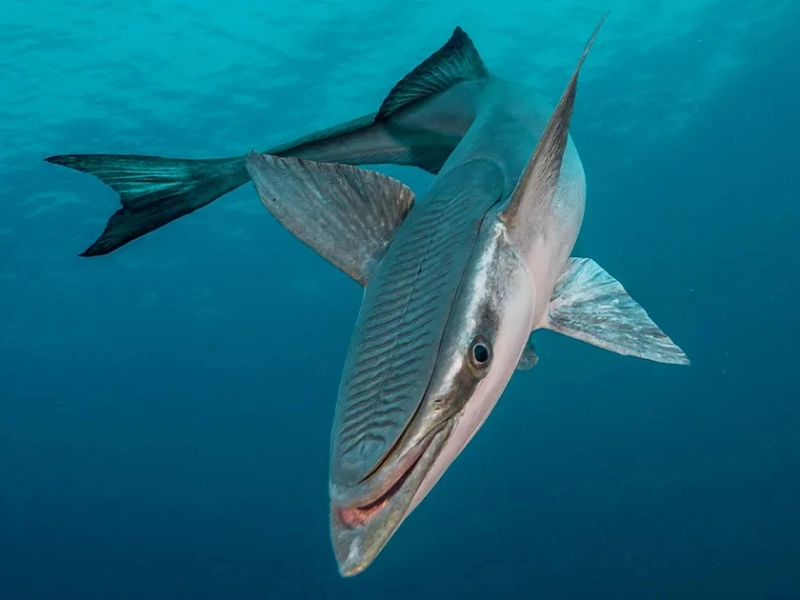
One of the most obvious and fascinating alliances in coral reef systems is the symbiotic one between remoras and bigger marine life like sharks, manta rays, and sea turtles. Remoras, sometimes called suckerfish, have developed a distinctive disc-like form on top of their heads that lets them cling to the bodies of bigger marine life. Though newer studies point to some mutual benefits, this connection is essentially commensal, whereby the remora benefits while the host is largely unaffected. Attaching to a bigger animal gives many benefits for the remora. First of all, it provides a simple means of mobility thus the remora may cover great distances without using any effort. Since they may eat parasites from the host’s skin, leftovers from her meals, and even the host’s faeces, this mobility improves the remora’s access to food sources. Since few species will attack a remora fastened to a big shark or whale, the relationship also offers defence against predators. Although studies have indicated certain advantages, from the host’s point of view the relationship was long believed to be neutral. Remoras may be cleansers, eliminating dead skin and parasites from their hosts so enhancing the host’s condition. Feeding on particles in the thin layer of water adjacent to the host’s body helps them to also minimise drag when the host swims. This interaction is very important in coral reef ecosystems in linking several areas of the sea. Attached remoras accompany big animals like sharks or manta rays as they migrate across several reef systems or from coastal areas into the open ocean. This mobility may help other small organisms that might momentarily adhere to the remora be distributed as well as help to distribute genetic variation among remora populations. The remora-host interaction highlights the intricate web of life that exists inside and around coral reefs and is evidence of the many and often unexpected ways that various species could interact and coexist in marine environments.