
11. Damselfish and Their Algae Gardens: Underwater Farmers
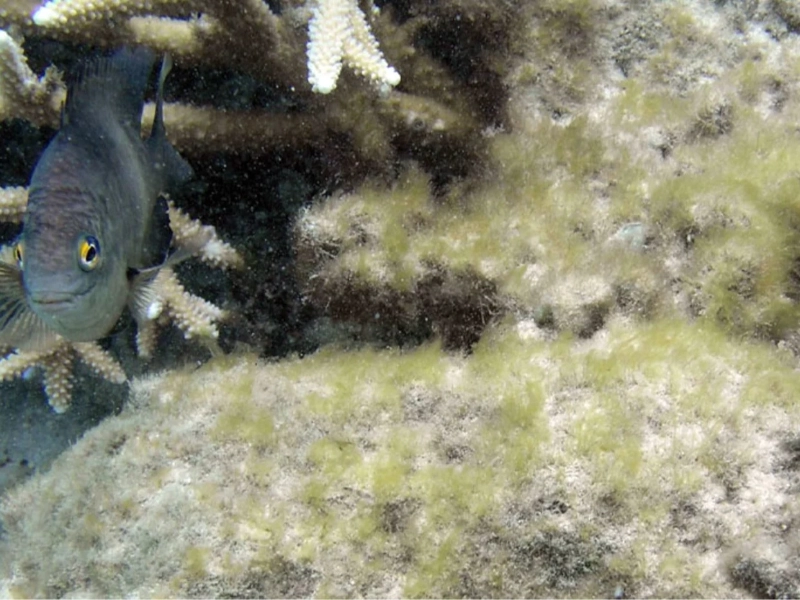
One amazing example of marine life’s agriculture is the interaction between some kinds of damselfish and the algae they raise. These little, territorial fish diligently control areas of algae on the reef, producing what are effectively underwater gardens. This behaviour represents a smart survival strategy with broad consequences on the reef environment, not only a quirky habit. Carefully tending to their algal patches, damselfish remove undesired species and trash while encouraging the growth of particular kinds of algae they enjoy eating. From other herbivorous fish, they zealously protect these areas, producing a patchwork of algae farms over the reef. In the crowded reef habitat, this gardening behaviour gives the damselfish a consistent food supply. Still, the effects of this interaction go beyond simple damselfish feeding. The microhabitats the algal patches provide can support a range of tiny invertebrates, which draws other fish species. This raises the general local biodiversity. Furthermore, damselfish can indirectly affect coral distribution and condition on the reef by regulating algae development in their areas. Sometimes coral recruits find safety in their territory, which shields them from herbivores until they are established. Conversely, in places with high damselfish density, their algal gardens may occasionally overgrow and smother coral, changing the reef scene. This intricate relationship shows how the behaviour of one species could have cascading consequences all around the ecosystem. Emphasising the complex balance of these many ecosystems, the damselfish-algae relationship is a classic illustration of how symbiotic interactions in coral reefs can affect the physical structure of the environment and impact community composition.