
2. The Geological Formation of Deep-Sea Hydrothermal Vents
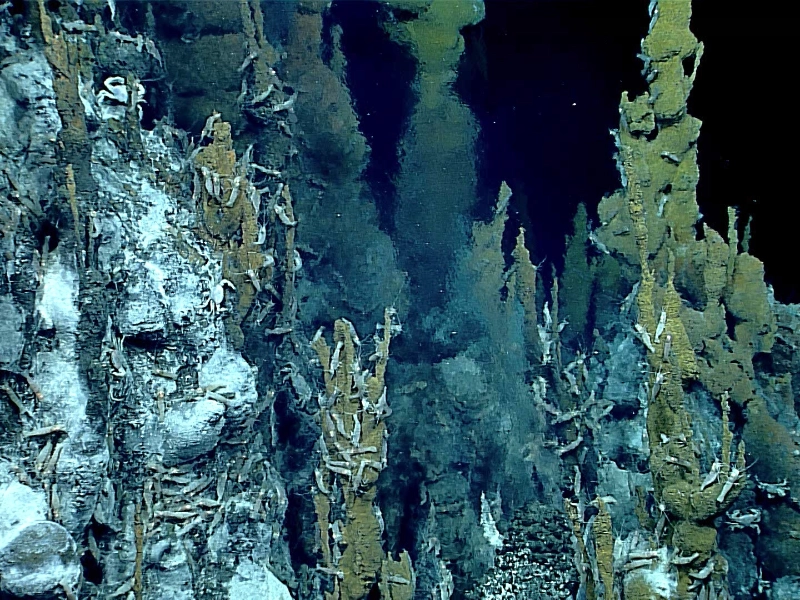
Deep beneath the ocean floor, a remarkable interaction of geological events generates hydrothermal vents. Usually located in mid-ocean ridges, where tectonic plates are gradually separating, these systems Magma emerges from the Earth’s mantle as the plates divide to produce fresh oceanic crust. Where the underlying magma chambers heat seawater seeps into fissures in this recently created crust, Rich in dissolved minerals, this superheated water is subsequently sent back up through the seafloor to produce the distinct plumes of hydrothermal vents. Chemical reactions brought on by the strong heat and pressure drain minerals from the nearby rocks, therefore enriching the vent fluid with different elements. The unique chimney-like structures of hydrothermal vents arise as this mineral-rich water precipitates out against the chilly ocean water. Some of these chimneys soar to amazing heights—some more than 60 meters. The dynamic environment created by ongoing mineral deposition and erosion is always shifting and developing. Not only are the geological processes forming hydrothermal vents vital for the existence of these unusual ecosystems, but they also greatly affect the Earth’s total heat budget and element cycling between its interior and the oceans. Knowing these mechanisms helps one to better appreciate the interior dynamics of the Earth and the intricate interaction among geological, chemical, and biological systems in the deep oceans. Although the environmental consequences of such activities remain a subject of continuous discussion and inquiry, the study of hydrothermal vent creation has also helped us to understand ore deposit formation and the possibility for deep-sea mining.