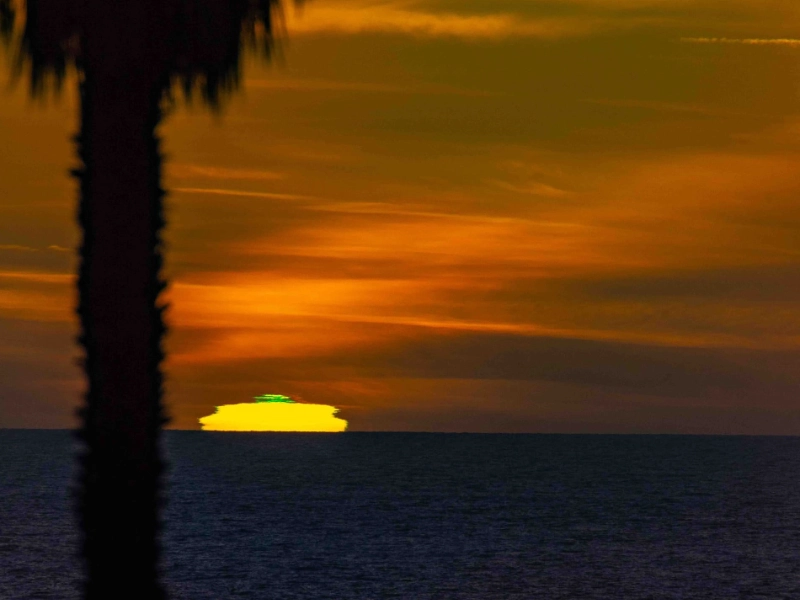
Just as the sun sets or rises beyond the horizon, a fascinating visual phenomena known as the green flash happens. Often lasting just a few seconds, this fleeting and transient phenomenon enthrals onlookers with its vivid green colour. The science underlying the green flash, its cultural relevance, and advice on how to see this rare display are discussed in this page.
1. What Is the Green Flash?
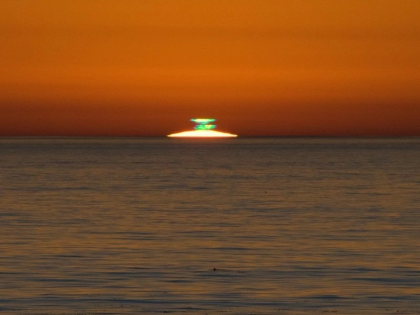
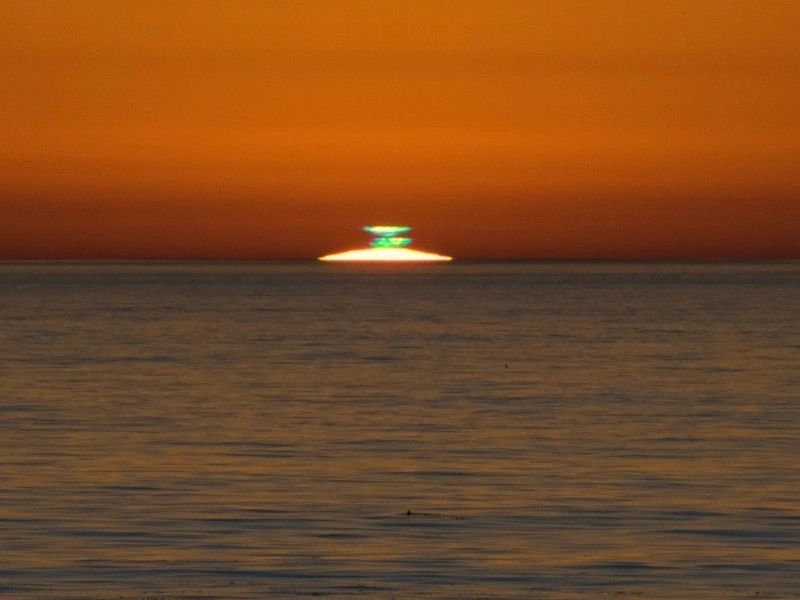
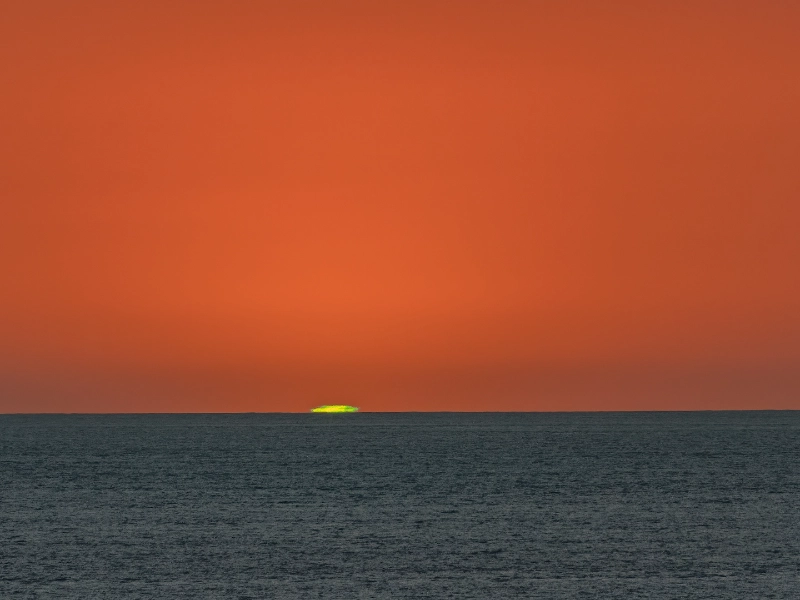
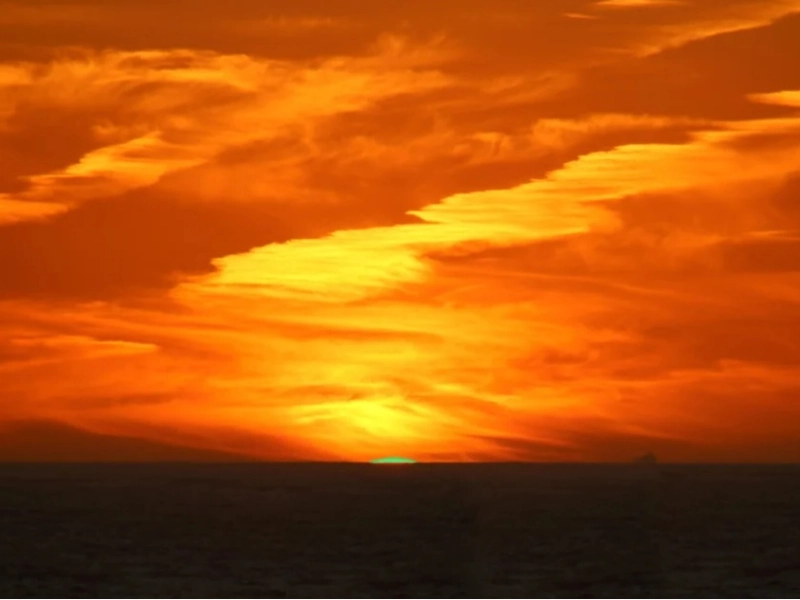
The green flash is a rare atmospheric phenomenon that occurs when the sun is just below the horizon. As the sun sets or rises, the light it emits can create a brief flash of green visible for a few seconds. This phenomenon is most commonly observed over the ocean, where the horizon is unobstructed. The green flash is caused by the refraction of light in the Earth’s atmosphere, which bends the sunlight and separates it into different colors.When the sun is near the horizon, its light passes through a thicker layer of the atmosphere compared to when it is higher in the sky. This increased thickness causes the light to bend more significantly, allowing the shorter wavelengths of light—particularly green—to become visible. The phenomenon is often described as a “flash” because it appears suddenly and disappears almost as quickly.The green flash is not only a beautiful sight but also a reminder of the complex interactions between light and the atmosphere. Although it can occur anywhere in the world, it is most frequently seen in coastal areas during clear weather conditions. The rarity of the green flash adds to its allure, making it a sought-after experience for nature lovers and photographers alike.In summary, the green flash is a stunning optical phenomenon that occurs at sunrise or sunset, characterized by a brief appearance of green light on the horizon. Its unique occurrence and the science behind it make it a fascinating subject for anyone interested in natural wonders.
2. The Science Behind the Green Flash
Understanding the green flash requires a basic grasp of optics and atmospheric science. The phenomenon occurs due to the refraction of light, which is the bending of light waves as they pass through different mediums. In the case of the green flash, sunlight passes through the Earth’s atmosphere, which is denser than the vacuum of space.As sunlight enters the atmosphere, it encounters various particles, gases, and changes in temperature. These factors cause the light to bend at different angles, leading to the separation of colors. The shorter wavelengths of light, such as blue and green, are refracted more than the longer wavelengths, like red and orange. This bending effect is what allows the green light to become visible just as the sun dips below the horizon.The phenomenon is most easily observed when the sun is at a low angle, such as during sunrise or sunset. During these times, the light must pass through a greater thickness of the atmosphere, increasing the chances of encountering the right conditions for a green flash to occur. Factors such as atmospheric clarity, humidity, and temperature inversions can all influence the visibility of the green flash.Interestingly, the green flash is not limited to just one color. In some cases, observers have reported seeing blue flashes or even violet hues. However, the green flash is the most commonly recognized and documented version of this phenomenon. Its fleeting nature makes it a special event, often leaving those who witness it with a sense of wonder and appreciation for the beauty of the natural world.In essence, the green flash is a fascinating interplay of light and atmospheric conditions, showcasing the wonders of physics and nature. Understanding the science behind it enhances the experience for those lucky enough to catch a glimpse of this fleeting moment.
3. Where and When to See the Green Flash
To increase your chances of witnessing the green flash, choosing the right location and time is crucial. Ideal conditions for observing this phenomenon include a clear horizon, minimal light pollution, and calm weather. Coastal areas, especially those with unobstructed views of the ocean, are often the best spots to catch a glimpse of the green flash.The green flash is most commonly seen during sunset, although it can also occur at sunrise. During sunset, the sun’s descent is often accompanied by beautiful colors in the sky, creating a stunning backdrop for the green flash. Locations with a western view are particularly favorable for sunset observations. Beaches, cliffs, and open fields near the ocean offer excellent vantage points.For sunrise sightings, locations with an eastern view are ideal. Early risers who venture to the coast can enjoy the tranquility of dawn while keeping an eye on the horizon for the elusive green flash. The best time to observe the green flash is during the summer months when the sun sets later in the day and the weather is typically clearer.To maximize your chances of seeing the green flash, it’s essential to monitor the weather conditions. Clear skies with minimal clouds are ideal, as clouds can obstruct the view of the horizon. Additionally, atmospheric conditions such as temperature inversions can enhance the likelihood of witnessing the phenomenon. Checking local weather forecasts and seeking out areas known for their clear views can significantly improve your chances.In summary, the best opportunities to see the green flash occur during sunset or sunrise in coastal areas with clear horizons. By choosing the right location and time, you can increase your chances of experiencing this breathtaking natural wonder.
4. Cultural Significance of the Green Flash
The green flash has captured the imagination of people across cultures and throughout history. Its fleeting beauty and rarity have led to various myths, legends, and interpretations surrounding the phenomenon. In many cultures, witnessing the green flash is considered a good omen or a sign of good luck.In literature and art, the green flash has been used as a symbol of fleeting beauty and the transient nature of life. Writers and poets often reference the phenomenon to evoke feelings of wonder and appreciation for the natural world. The idea that something so beautiful can exist for only a brief moment resonates with many, prompting reflections on the impermanence of life and experiences.In some cultures, the green flash is associated with love and romance. The idea of sharing a moment of beauty with a loved one during a sunset can create lasting memories. Couples often seek out opportunities to witness the green flash together, viewing it as a shared experience that enhances their connection. This romantic aspect has contributed to the allure of the green flash, making it a sought-after experience for many.Additionally, the green flash has found its way into popular culture, appearing in films, television shows, and music. Its mystique has made it a topic of fascination for many, leading to increased awareness and appreciation for this natural phenomenon. As more people learn about the green flash, its cultural significance continues to grow, inspiring individuals to seek out and celebrate this fleeting moment.In essence, the green flash holds cultural significance as a symbol of beauty, love, and the transient nature of life. Its presence in literature, art, and popular culture reflects humanity’s deep connection to the natural world and the emotions it evokes.

 zi ang