
6. Safety Measures and Best Practices
Although beekeeping can be a very fulfilling pastime, you must first give safety for your bees, your community, and yourself top priority. Following top standards and using correct safety precautions will help you to reduce hazards and guarantee a good beekeeping experience. Let’s discuss the main safety issues and recommended procedures every beekeeper should be familiar with.
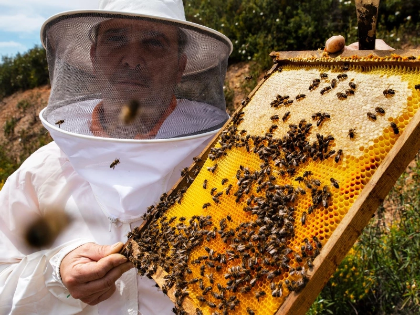
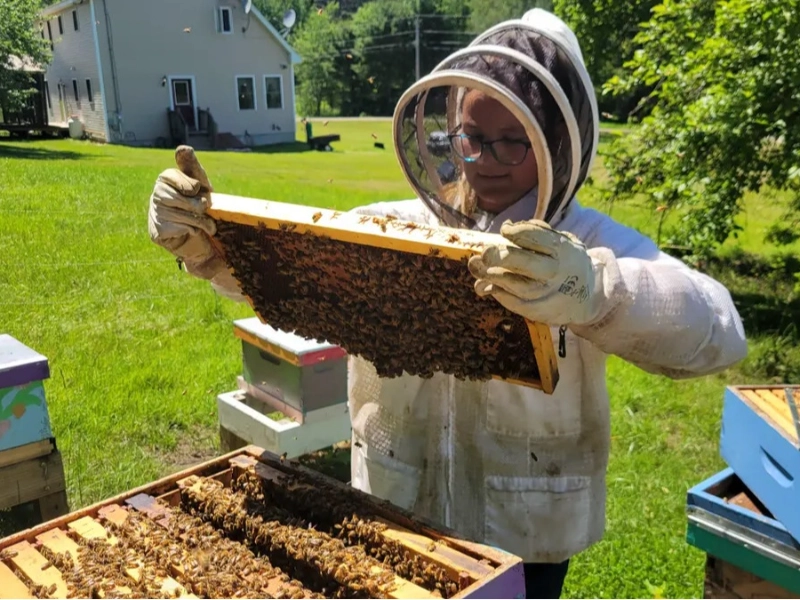
Your primary line of protection from stings is PPE. Working with your hives, always wear suitable gear:
1. An attached veil on a bee suit or jacket shields your face and torso.
2.The second is strong gloves to cover wrists and hands.
3. High socks or boots to stop bees from climbing your legs.
4. Given bees are less likely to view light-colored clothes as a threat, think about dressing in such colors.
It’s always advisable to err on the side of safety even if working without complete protection seems appealing as you get more at ease with your bees. If a gentle bee feels their hive is under attack, they can grow defensive.
Safe hive management depends on correct usage of your smoker:
1. Before opening the hive, light your smoker such that it generates cold, white smoke.
2. Use smoke sparingly; a few puffs under the inner cover and at the hive entrance is suffocating enough.
3. Keep your smoker on all through the examination in case the bees get upset.
4. Never overuse smoking since it disturbs the colony and stresses the bees.
Working with your hives, always pay close attention to your actions and the behavior of the bees:
1. Go gently and deliberately to not frightend the bees.
2. Steer clear of obstructing the hive entrance, which might excite returning forager bees.
3. Know the weather; bees can become more defensive on overcast, windy days or before storms.
4. Should bees grow too hostile, seal the hive and go back another day.
Safety depends on a neat and orderly apiary.
1. Clear overgrown vegetation and trash from the area around your hives to cut off bug hiding places.
2. Proper storage of tools helps to avoid them serving as a habitat for diseases or invading insects.
3.To stop the infections from spreading across hives, routinely sterilize and clean your tools.
Get ready for the prospect of allergic reactions:
1. Before beginning beekeeping, if you’re not sure how you would respond to bee stings, think about taking an allergy test.
2.Should someone in your house have a known bee sting allergy, keep an epinephrine auto-injector (EpiPen) on hand.
3. Recognize the symptoms of a severe allergic reaction and, should one be required, be ready to seek quick medical assistance.
Tell your neighbors about your beekeeping pursuits:
1. Tell them about bees’ advantages and take care of any worries they might have.
2. Think about offering some honey to your neighbors right now as a kind deed.
3.Respond to any problems or worries your community raises.
Engage in ethical beekeeping to keep your neighbourhood in peace:
1.Make sure your yard provides a water source for your bees so they won’t become a nuisance at neighbor pools or birdbaths.
2. Arrange your hives such that areas of human activity do not cross the pathways of the bees.
3. Especially in urban or suburban environments, consider the quantity of hives you maintain.
Remain current with bee diseases and pests.
1.One should Look examine your hives often for evidence of a pest or disease outbreak.
2. Learn about typical bee diseases and their symptoms.
3. Plan how quickly and successfully you will cure diseases or insect infestations.
Safe and effective beekeeping depends on lifelong learning:
1. Join neighbourhood beekeeping groups to get tips from seasoned beekeepers.
2. To keep current on best practices and fresh research, go to seminars and workshops.
3. To learn more, consult credible beekeeping books and magazines.
Following these best practices and safety precautions will help you to provide a safe surroundings for your community, bees, and yourself. Remember, good beekeeping not only guarantees your safety but also helps to present a good picture of beekeeping, so securing its future in your local region.
 zi ang