
3. The Evolution of Modern Sharks
Sharks underwent a new phase of evolution following the great extinction event at the end of the Mesozoic era that would produce current shark species. Beginning about 66 million years ago, the Cenozoic era was a period of major oceanic biological transformation. Sharks kept diversifying and adapting as the temperature changed and new habitats developed.
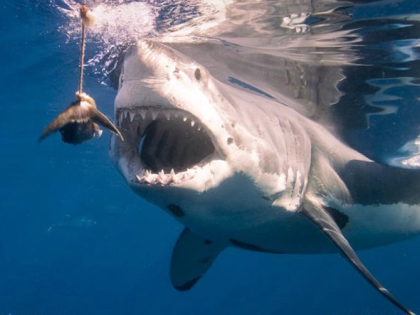
Many of the shark families we know now started to develop during this time. For instance, the family Lamnidae—which comprises porbeagle sharks, mako sharks, and great white sharks—emered and diversified. These sharks evolved strong tails and streamlined bodies that would help them to become effective open water hunters.
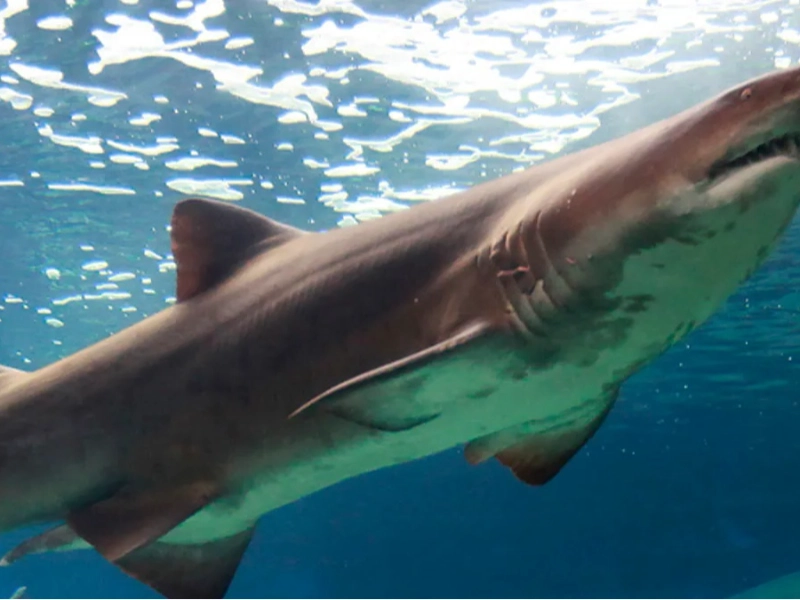
The Carcharhinidae family—which comprises hammerhead sharks, bull sharks, and tiger sharks—also developed during this period. From coastal waters to deep-sea settings, these animals evolved to fit different habitats. Their success and broad distribution were a result of their capacity to flourish in many habitats.
Modern sharks’ evolution also witnessed the emergence of original hunting techniques and behaviours. For example, hammerhead sharks are well-known for their unique head form, which improves their sensory capacity and helps them to more precisely find prey. This adaptation highlights the creative means in which sharks have developed to maximise their habitats.
It is abundantly evident as we investigate the evolutionary background of sharks that their survival has been much influenced by their flexibility and resilience. Sharks have persisted in flourishing despite many obstacles over millions of years, changing into the varied array of species we know today.