

2. Machine Learning Algorithms for Pattern Recognition
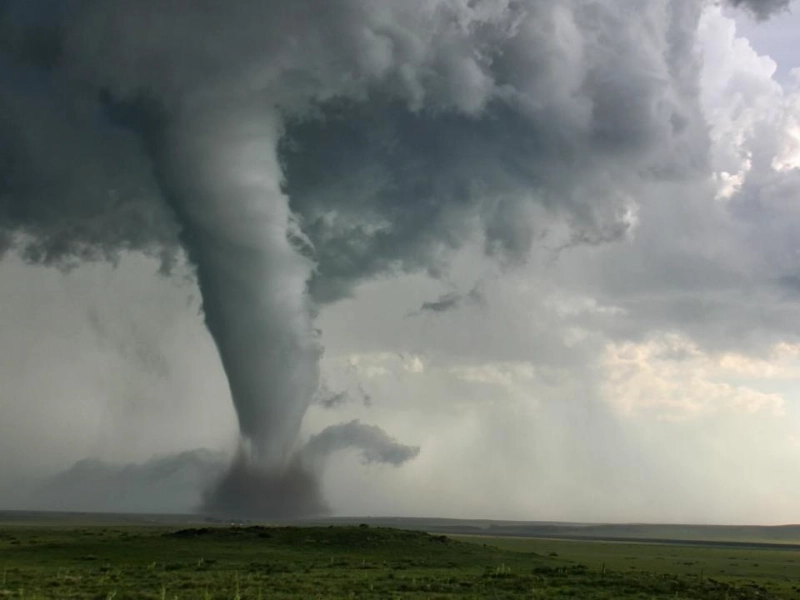
Applying machine learning techniques to large volumes of historical meteorological data has made great advancement possible for researchers. These advanced artificial intelligence systems can now identify minor weather variables and intricate patterns before tornado development. Analysing thousands of prior tornado incidents has helped these computers get more skilled in spotting the antecedents to tornadic activity, hence enabling more accurate forecasts and longer lead times for warnings. In places likely to see fast tornado development, this discovery is very important.
By means of neural networks and deep learning approaches, these systems have been able to handle and comprehend enormous volumes of data that would be impossible for human forecasters to examine in real-time: These artificial intelligence algorithms can find relationships between several meteorological factors that might not be immediately clear to human observers. They can, for example, identify minute variations in humidity, temperature gradients, and wind patterns that together suggest a strong likelihood of tornado development. By learning from every new tornado incident, these machine learning algorithms are also always raising their accuracy, hence gradually increasing their dependability. Some sophisticated models can now estimate possible tornado courses and intensities hours before conventional forecasting techniques, therefore providing emergency responders and the public with vital extra time to get ready. By ensuring people take warnings seriously, the combination of these artificial intelligence systems with current forecasting techniques has resulted in a notable decrease in false alarms, hence boosting public confidence in tornado warnings and maybe saving lives.