
4. Ground-Based Lightning Mapping Arrays
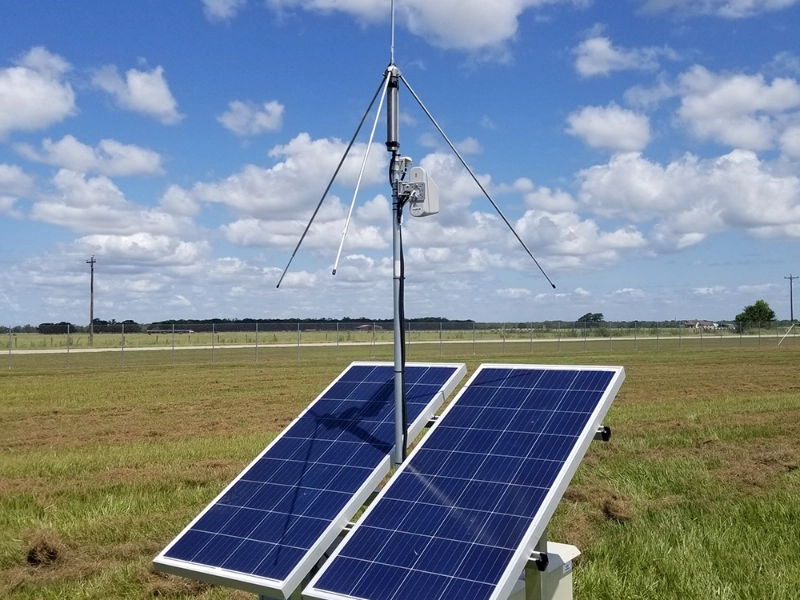
Detecting and researching blue lightning has been a very effective use for ground-based lightning mapping systems. These arrays have several stations dispersed over a large region, each furnished with sensitive radio receivers set to identify the very high frequency (VHF) emissions generated by lightning discharges—including those related with blue lightning.
These arrays can locate and follow the development of lightning channels in three dimensions by precisely timing the arrival of radio signals at various sites. Studying blue lightning benefits especially from this ability since it enables scientists to precisely map the vertical expanse and structure of these high-altitude discharges.
Blue lightning’s distinct characteristics are separated from those of normal lightning using advanced signal processing methods. This include investigating the frequency content, duration, and intensity of the found radio transmissions. To automatically recognise and categorise various kinds of lightning events, including blue jets and massive jets, some contemporary systems also include machine learning algorithms.