
6. The Social and Cultural Implications of Stonehenge’s Precision
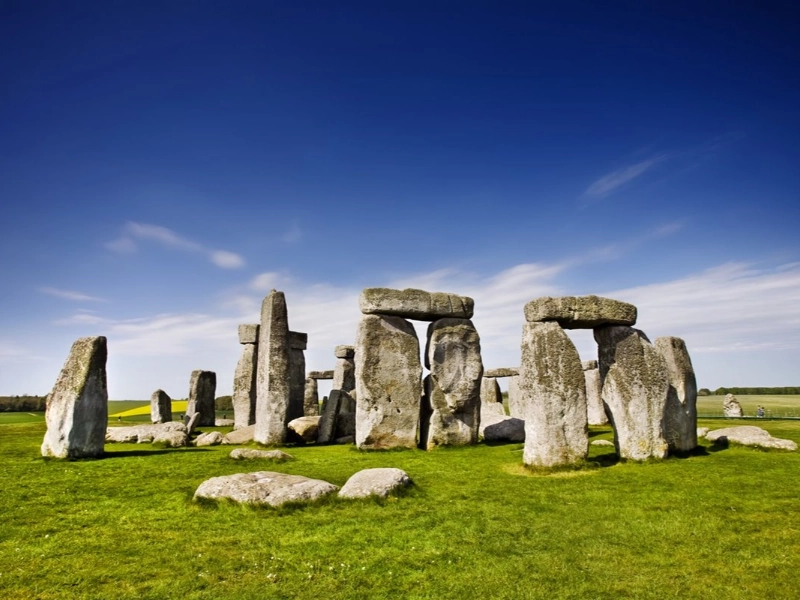
Stonehenge’s astronomical accuracy has enormous consequences for our knowledge of Neolithic life and culture. The way the monument was built and used points to a degree of social organisation, shared knowledge, and cultural complexity much above what is usually connected with prehistoric societies.
First of all, Stonehenge’s sheer enormity and the work needed to create it point to a well ordered civilisation. Hundreds, if not thousands of people would have had to work together to carry and build the enormous sarsen stones, some weighing up to forty tonnes. This degree of collaboration points to a society with well defined leadership systems and the capacity to organise sizable workforce for long-term initiatives.
The astronomical information included in Stonehenge also suggests the presence of a class of competent priests or astronomers able to decipher celestial events. These people would have had great social prestige since their capacity to foretell occurrences like eclipses or seasonal changes would have been considered as a kind of supernatural knowledge or power. This implies a tiered society with specialised roles and a sophisticated belief system based on celestial events.
Furthermore, Stonehenge’s accuracy points to a society that gave marking of astronomical events and timekeeping enormous significance. This attention to celestial cycles could have come from agricultural methods, religious ideas, or both. For an agricultural culture, the capacity to precisely forecast the changing of seasons would have been vital; conversely, the alignment with solstices and other astronomical occurrences points to events with great spiritual or cultural value.
Furthermore indicating the length and stability of the civilisation that produced Stonehenge is its use and modification over almost a thousand years. This suggests the existence of organised systems of education or apprenticeship since it indicates a civilisation capable of passing down difficult knowledge across many generations.
Moreover, the parallels between Stonehenge and other Neolithic sites all throughout Britain and Europe point to a shared cultural and astronomical legacy covering a large geographical area. This suggests the presence of commercial networks and cultural interactions that let ideas and methods travel great distances.