
3. The Precision of Stonehenge’s Astronomical Calculations
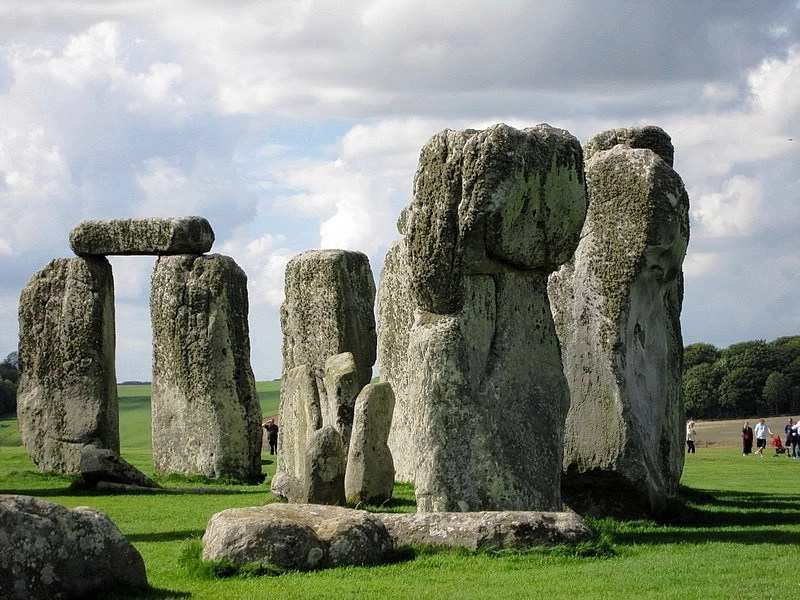
Given the age Stonehenge was constructed in, the astronomical accuracy displayed there is quite remarkable. Modern research has shown that the alignments of Stonehenge are far from coincidental, displaying a degree of accuracy difficult to reach even with current technologies.
Stonehenge’s accuracy is particularly amazing in that it can mark the solstices. The monument’s orientation towards the summer solstice dawn and the winter solstice sunset is exact to within a fraction of a degree. This degree of accuracy calls for not only diligent observation over many years but also the capacity to make minute changes to enormous stone constructions.
The precision covers more than only the solstices. For example, the station stones very precisely mark the most extreme points of moonrise and moonfall. Only every 18.6 years, a cycle known as the lunar standstill, these extreme points arise. Stonehenge’s constructors’ ability to recognise and include this long-term cycle into their monument tells volumes about their astronomical understanding and observational prowess.
Furthermore, new studies imply Stonehenge might have been a sophisticated calculator for lunar and solar eclipse prediction. Combining the Aubrey Holes’ layout with a movable marker system could have let ancient astronomers very precisely monitor the sun and moon’s movements. Some scientists think this technique may have forecast eclipses with a 75% or greater accuracy, an amazing achievement even by current standards.
Given the tools and techniques Stonehenge’s builders may have used, the accuracy of its astronomical alignments becomes even more amazing. They produced a structure that precisely tracks difficult celestial motions without telescopes, compasses, or documented mathematical systems. This success called not just sharp observational abilities but also the capacity to precisely transfer those observations into a physical form.