
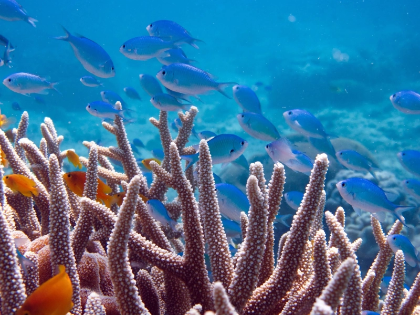
5. Some Corals Glow in the Dark
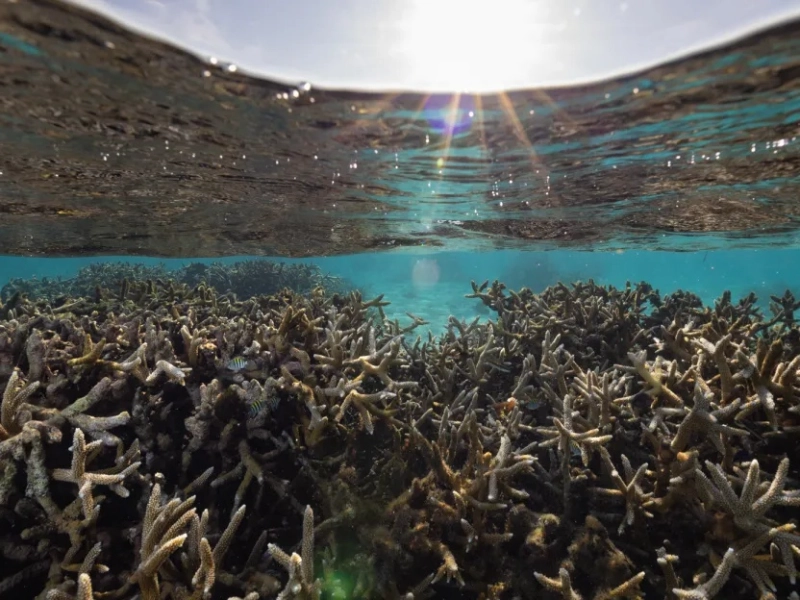
The ability of corals to glow in the dark—a phenomena known as biofluorescence—is among the most aesthetically beautiful and scientifically fascinating facts available about them. Scientists and the general people have been enthralled with this discovery since it reveals a hidden world of colour under the waves invisible to the unaided eye under normal conditions. Many coral species create fluorescent proteins that absorb blue light and emit either red, green, or orange light. Under the correct conditions, this produces an amazing show—especially in deeper seas or at night when blue light penetrates more than any other colour. Scientists first found this ability perplexing, but more study has clarified its possible uses. One hypothesis holds that biofluorescence protects coral symbiotic algae from too much light exposure, so acting as a natural sunscreen. Another hypothesis proposes that it enhances photosynthesis in low-light conditions, helping the symbiotic algae within the corals to produce energy more efficiently. Some researchers even believe that the glowing proteins might play a role in attracting prey or deterring predators, adding another layer of complexity to coral ecology. The discovery of coral biofluorescence has not only provided new insights into coral biology but has also led to advancements in medical research, with scientists exploring the use of these fluorescent proteins in various biomedical applications. For instance, these proteins are now used as markers in cellular and molecular biology studies, allowing researchers to track specific cells or proteins in living organisms. This unexpected connection between coral reefs and medical research highlights the often unforeseen benefits of biodiversity and the importance of preserving these unique ecosystems.