
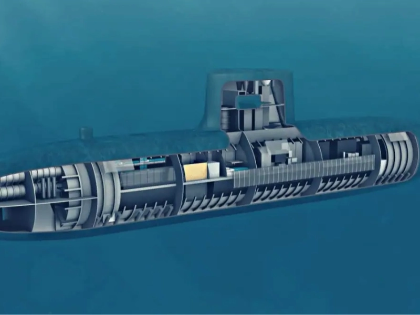
3. Air-Independent Propulsion (AIP) Systems
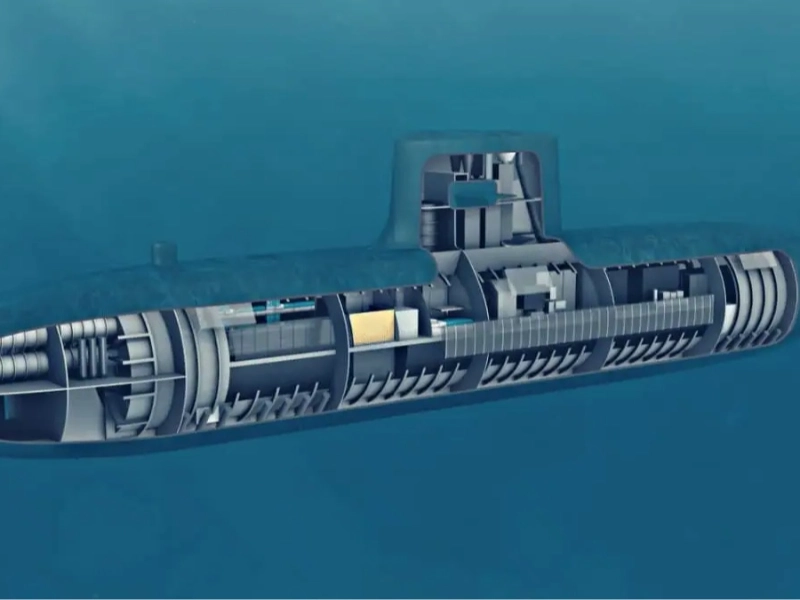
Modern AIP systems mark a major progress in non-nuclear submarine propulsion. By allowing conventional submarines to stay down for weeks instead of days, these devices greatly increase their operational capacity. The most recent AIP technologies create just water as a waste by running fuel cells combining hydrogen and oxygen to generate energy. This neat and effective mechanism increases underwater endurance and offers almost silence. For smaller navies unable to operate nuclear submarines, advanced fuel cell systems now have better hydrogen storage options and enhanced oxygen generating systems, which makes them more sensible and affordable.
4. Hybrid Electric Propulsion
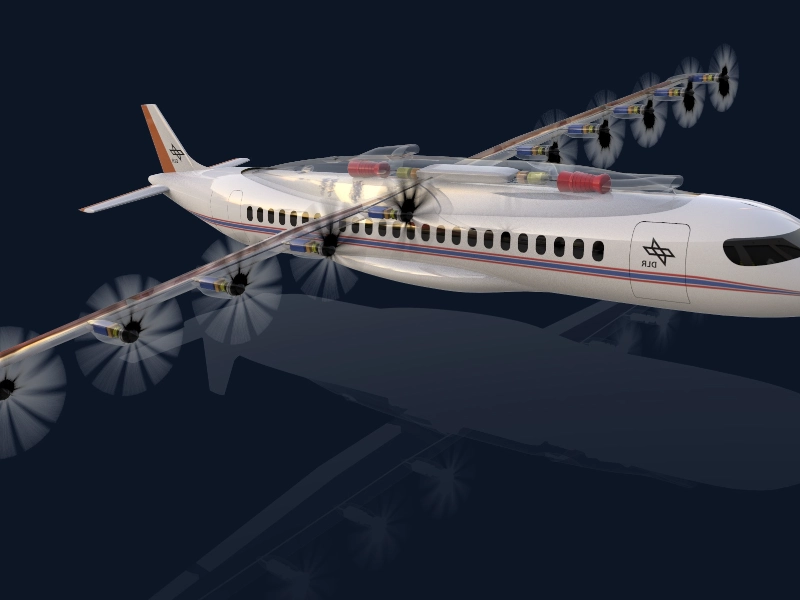
Combining several power sources allows the most recent hybrid electric propulsion systems to maximize submarine performance under various operating environments. Under control of sophisticated power management systems, these systems combine alternate power sources, diesel generators, and modern batteries. From ultra-quiet electric propulsion for stealth missions to high-power diesel-electric mode for transit, the technology lets submarines run in several states. Particularly lithium-ion and solid-state batteries, recent advancements in battery technology have greatly enhanced energy density and shortened charging periods, which makes hybrid systems rather appealing for modern submarine designs.
 zi ang