
61. Seven-Eleven Evangelion Limited Edition
Year Made: 2014
Estimated Cost: $151,839*
Seven-Eleven Japan Co. unveiled this super-trippy car, which was based on an anime, Neon Genesis Evangelion. The Seven-Eleven Evangelion was based on the Orochi, a supercar from Mitsuka. Seven-Eleven said it would allow one buyer to buy the Evangelion, and it would determine that buyer through a lottery.
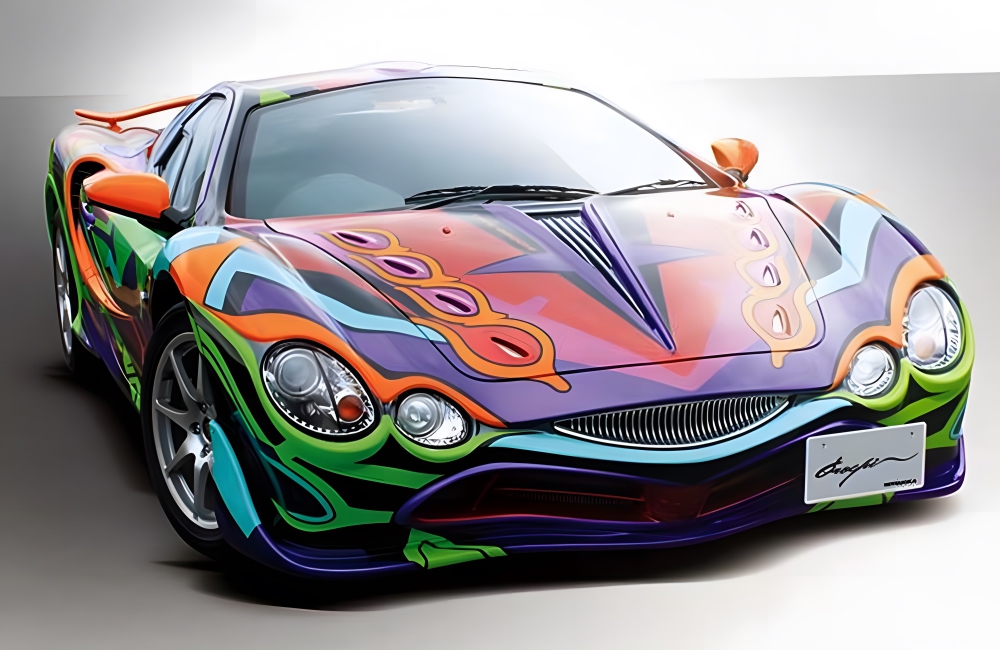
Seven Eleven Evangelion Limited Edition @MyGarageToyz / Twitter.com
Ikuto Yamashita designed the Evangelion car, and the designer also designed robots for the anime as well. The vivid yellow, green, and purple color scheme made the Evangelion look like Evangelion Unit 01, which was a “mecha” in the series. Seven-Eleven and Neon Genesis Evangelion have had campaigns together before, and the store chain even sold twenty-five Unit 01 life-size statues. The statues sold out in two minutes.
62. Nissan S-Cargo
Year Made: 1989-1992
Estimated Cost: $8,995*
Business Week listed this car as one of the “50 Ugliest Cars” of the past five decades. The retro S-Cargo was inspired by a delivery van, the Citroen Fourgonnette. The interior style was also inspired by Citroen, particularly its single-spoke wheel. The S-Cargo stood for not only “Small Cargo,” but also escargot, the French snail dish.
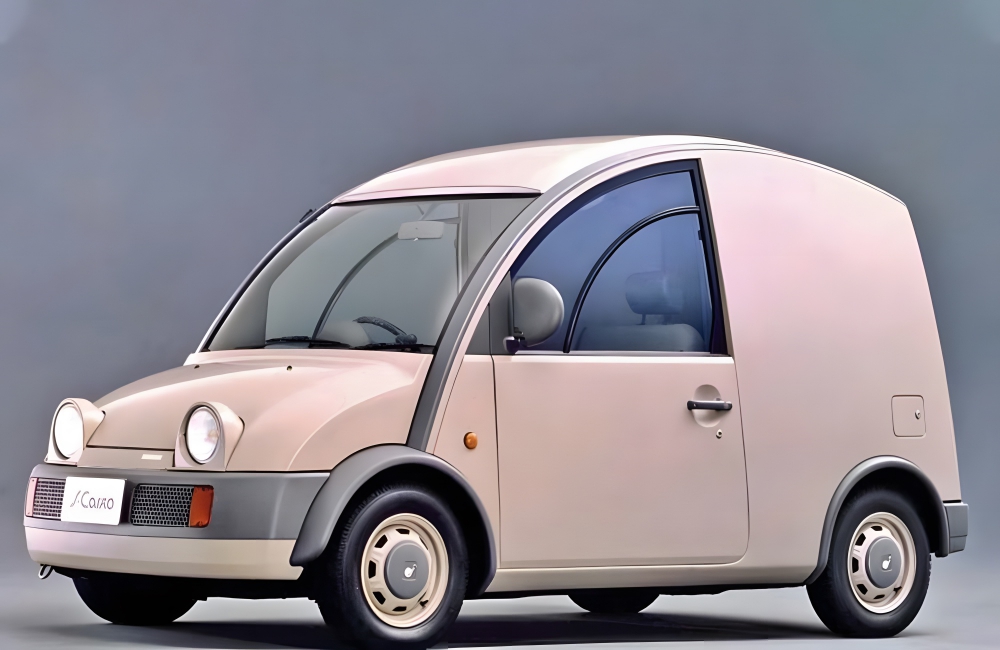
Nissan S-Cargo @Furmadamadam / Twitter.com
The Nissan S-Cargo did resemble a snail, but, despite that, it didn’t sell too poorly. Nissan introduced the van at the 1989 Tokyo Motor Show. At the time, it was available by reserve-only, and there was no Nissan branding. 8,000-12,000 of these S-Cargo vans were produced from 1989 to 1992.
63. Orochi Devilman
Year Made: 2018
Estimated Cost: $175,000*
Another anime-inspired car is the Orochi Devilman, a Devilman Crybaby coupe. The Devilman is a red-and-black supercar, and Mitsuoka based it on the anime series, which Masaaki Yuasa directs. Devilman Crybaby is based on the manga by Go Nagai. The series is about a person named Akira Fudo, who has to harness the power of demons to save humans from bad demon.
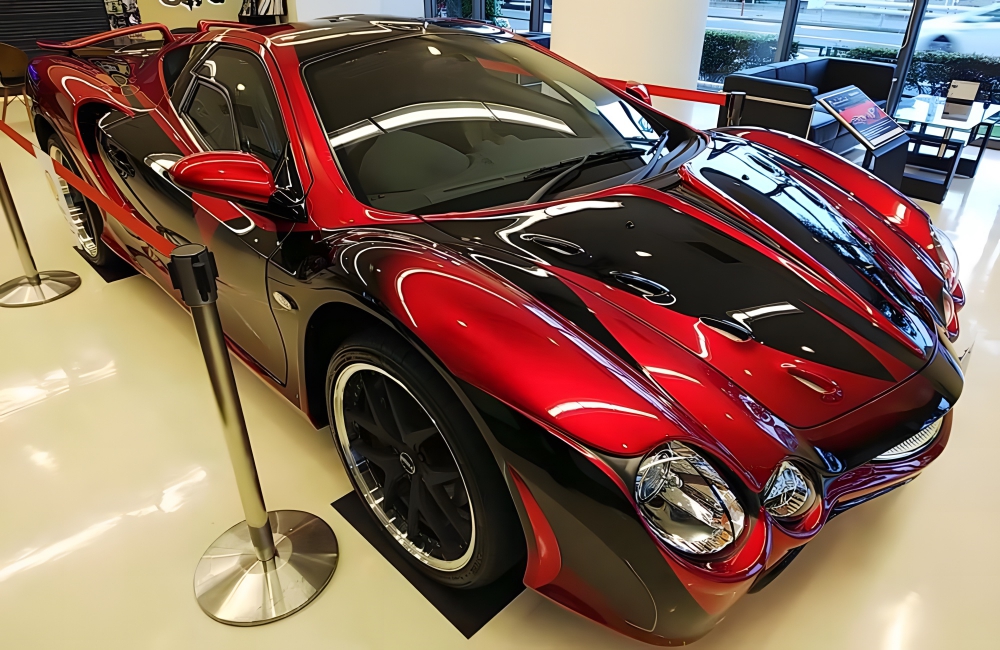
Orochi Devilman @Laciel_Celeste / Facebook.com
In the series, Fudo’s counterpart, Ryo Asuka, drives a Mitsuoka Orochi. Mitsuoka made a name for itself creating cars like this one-off sports car, often revamping old Hondas or Nissans to turn them into cars that look like they came straight out of an anime.
64. Toyota WiLL Vi
Year Made: 2000-2001
Estimated Cost: $15,000-$20,000* (List Price)
Toyota was one of many companies (including Kao, Asahi, Panasonic, Ezaki Glico, Kokuyo, and more) who participated in the marketing approach known as WiLL. This brand approach was designed to target a younger group of consumers, and it was all the rage from 1999 until 2004. The WiLL marketing experiment was based on the philosophy of Kansei engineering.
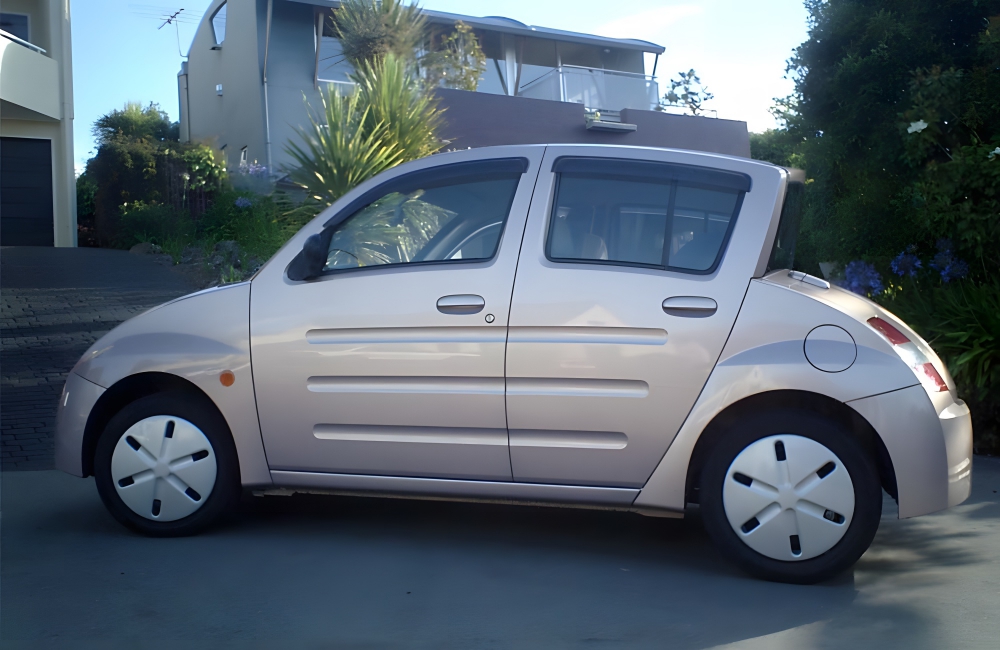
Toyota WiLL Vi @Hooneriphic / Twitter.com
Food, clothes, air fresheners, cars, and more used this marketing approach to lure in young buyers. The WiLL Vi was one of several cars that used the approach, and it had a “neo-retro” look. It was painted in pastels and the wheel covers looked like sand dollars.
65. Nissan PIVO III
Year Made: 2011
Estimated Cost: Under $10,000*
This concept car, created by Nissan, looks like something out of a cartoon. The Pivo 3’s first-gen predecessor was introduced in 2005 at the TMS. The car is a 360-degree three-seater cabin that can rotate on its four-wheel chassis. There is, therefore, no need to reverse, which makes parking way easier.
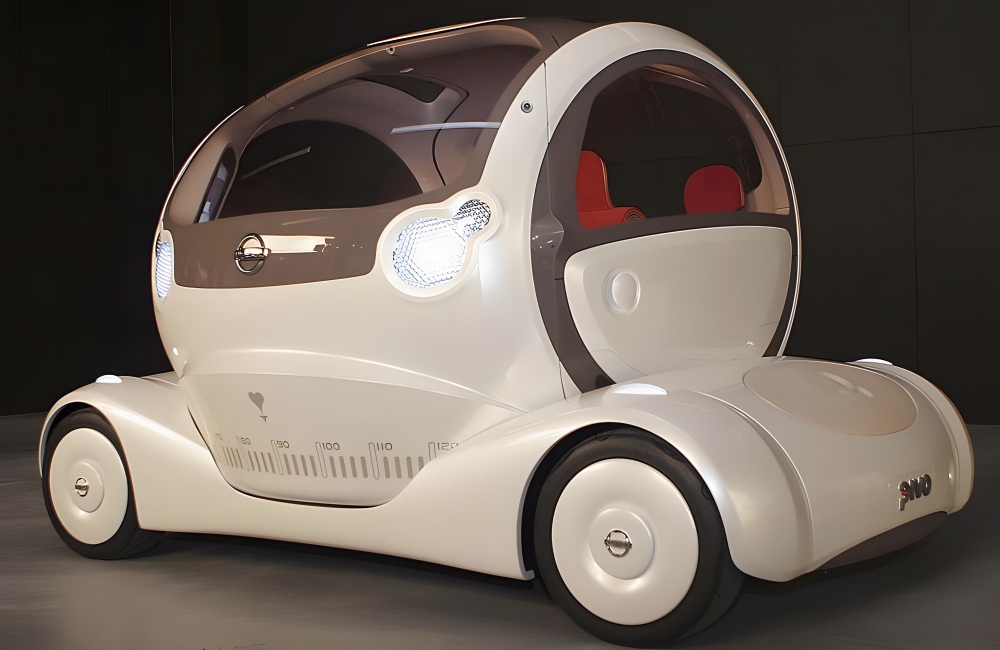
Nissan PIVO III ©Koichi Kamoshida / Gettyimages.com
Powered by a lithium-ion battery, the Pivo 3 was the third in the lineup, and it debuted at the 2011 TMS. The 3 had Automated Valet Parking, which let the car autonomously park itself and recharge while parked. The 3 could also be remotely maneuvered using your smartphone.
66. Nissan Figaro
Year Made: 1991
Estimated Cost: $20,000-$25,000* (New)
20,073 of these cars were produced during its lone 1992 model years, all of which were advertised at Nissan Cherry Stores. The front-engine, two-door, fixed-profile convertibles were similar to the Gutbrod Superior, a German car that fell by the wayside in the mid-fifties. Figaros were made at the Pike Factory, and they became known as “Pike cars.”
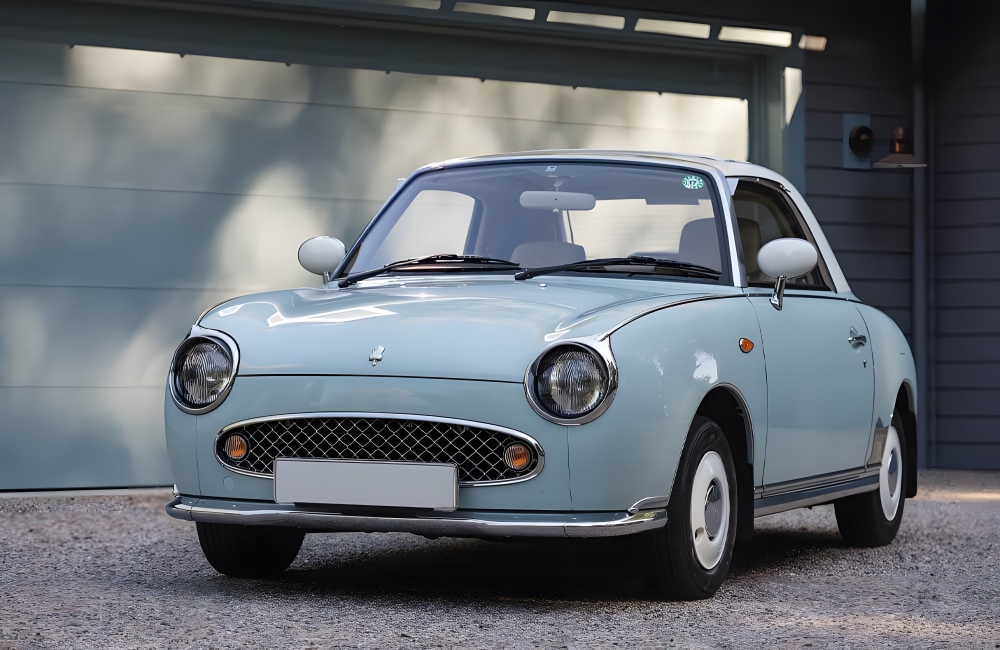
Nissan Figaro @slate_akita / Twitter.com
Pike cars were advertised using strategies that were adapted from other industries, particularly the personal electronic sector. Design critic Phil Patton called the Figaro a perfect example of “postmodernism,” describing its appearance as “unabashedly retro” and a mashup of cars from Citroen, Renault, MINI, and Fiat.
67. Toyota Sera
Year Made: 1990-1996
Estimated Cost: $15,256*
Another unique 1990s car was the Toyota Sera, which was produced from 1990 until 1996. The sport compact car was a three-door hatchback, and it came with butterfly doors. There were configuration options for its cold climate, sound system, brakes, and transmission. The Sera sold 15,941 units, 18,852 of which were registered in Japan.
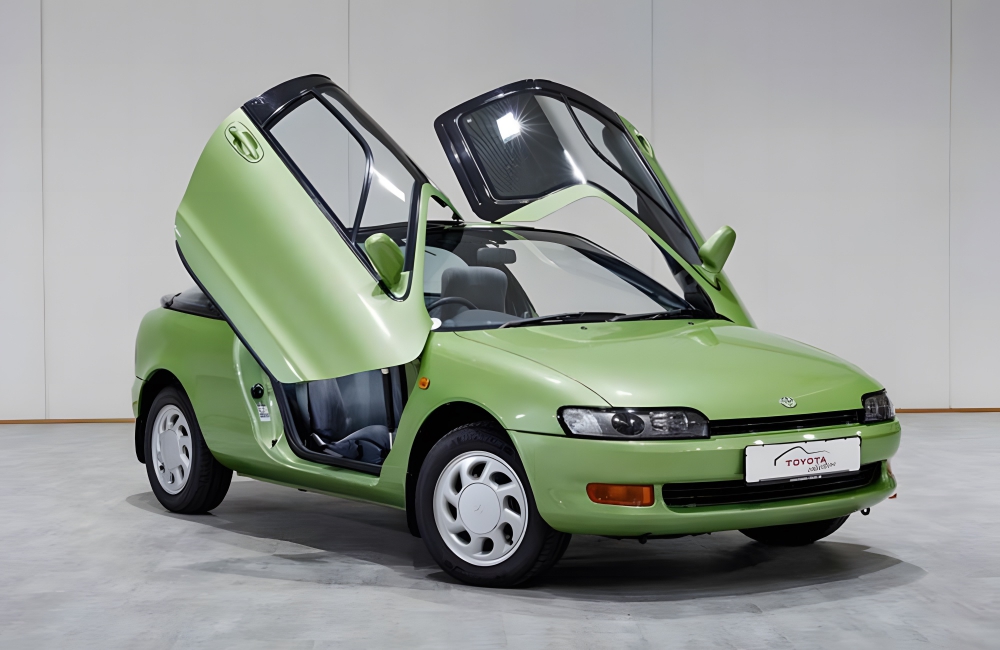
Toyota Sera @Pokhilaa / Twitter.com
The Sera came with some pretty interesting add-ons. These applied to all of its “Phases” (i.e. generations). The Sera came with options to add a car-phone or carfax, ski racks, window tinting, stereo head units, stripe stickers, parking sensors, and a variety of patterned floor mat and seating materials.
68. Orochi Zero
Year Made: 2008
Estimated Cost: $125,000*
Mitsuoka released its Orochi, the anime-inspired sports car with a wickedly-cool appearance, in 2001 as a concept car. The Orochi was revised in 2003 and 2005. Then, it was put into production in 2006 and 2007. Different iterations of the Orochi were differently-priced, and the Orochi Zero was Mitsuoka’s attempt to make the sports car affordable.
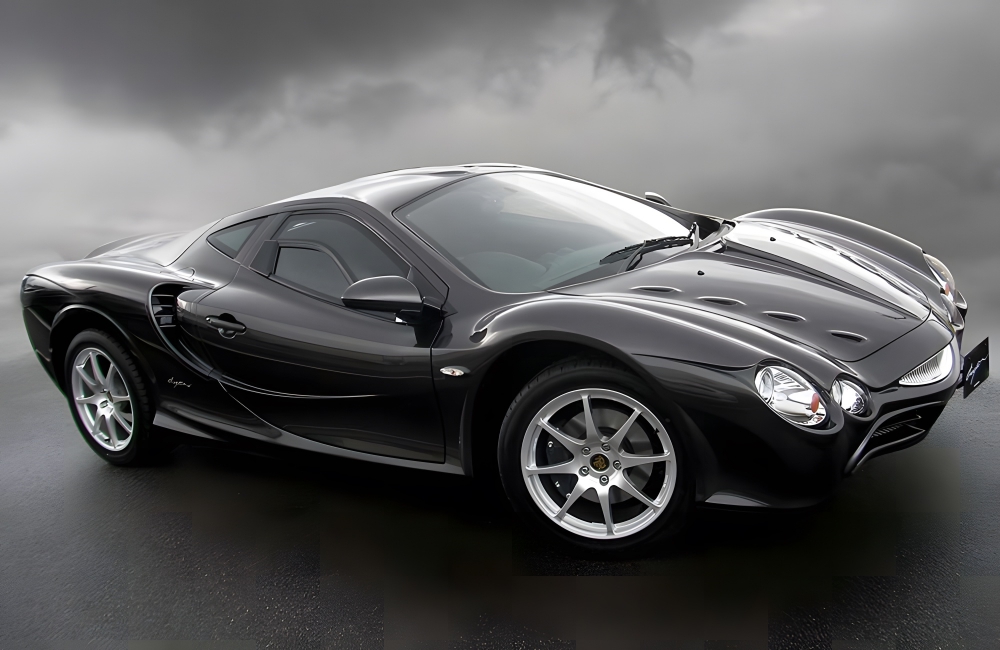
Orochi Zero @tokusakabe / Pinterest
The Zero didn’t come with all the bells and whistles of the more luxurious (and expensive) Orochis. It had fewer metal accessories, and its engine had reduced soundproofing. The leather was synthetic, and the paint and interior color couldn’t be customized. Only 20 of the Zeroes were made each year.
69. Suzuki Hustler
Year Made: 2014-Present
Estimated Cost: $3,201-$8,693*
This five-door hatchback is called the Suzuki Hustler. Its boxy frame is something that isn’t out of the norm for Suzuki (though we couldn’t really expect to see Ford or GM come out with a similar production vehicle). The Hustler has been produced since 2014, and it is assembled in Kosai.
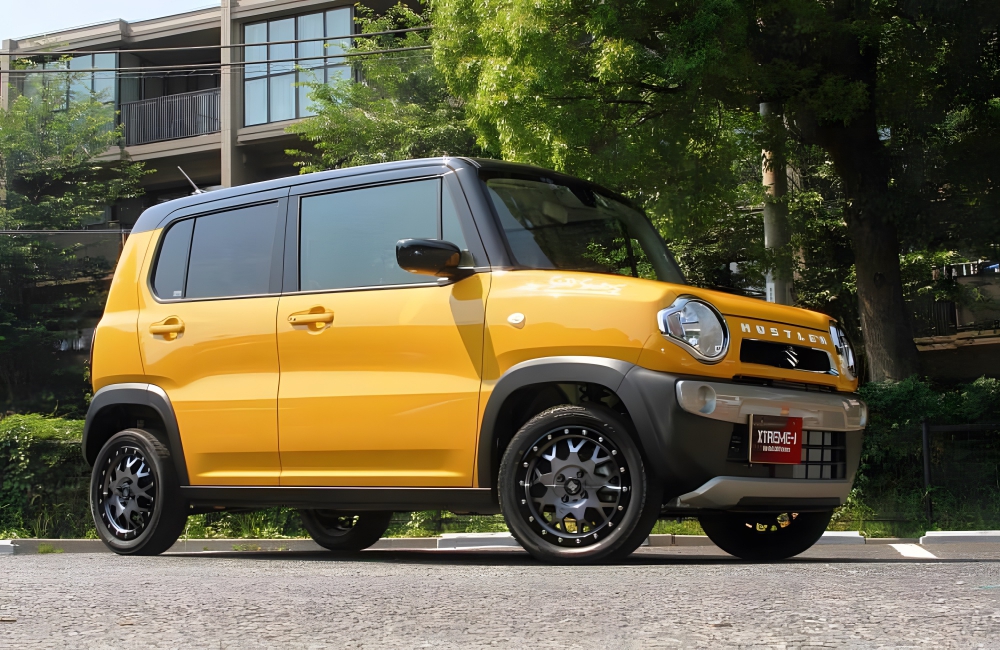
Suzuki Hustler @MljIncorporated / Facebook.com
The crossover kei car is also called the Mazda Flair Crossover, thanks to an OEM agreement between the two automakers. The Hustler comes in either front- or four-wheel drive, and it rides on the HEARTECT platform. The Hustler just released its second generation in 2020, six years after its first.
70. Mitsuoka Nouera
Year Made: 2005-2008
Estimated Cost: $23,212-$34,683* (New)
Made by Mitsuoka, the Noera is a four-door saloon. It’s actually based on the Accord by Honda (one of the brand’s most popular cars). The front and rear style differs from the Honda, and two circular headlamps were added to give the Noera a more classical English look. The interior looks like the Accord’s, though Mitsuoka offers leather seating and wood trim.
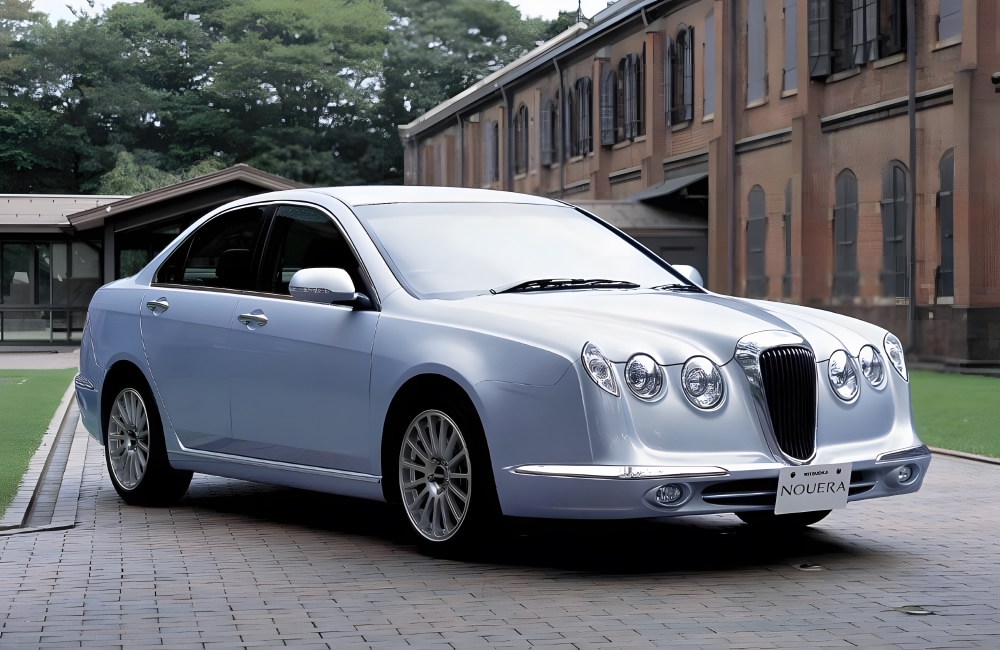
Mitsuoka Nouera @mitsuokamotorjp / Twitter.com
There are three Noera models, the 20ST, 20X, and 24LX. The Noera was distinctive because it was the first car Mitsuoka made that wasn’t based on a Nissan. That was likely because the Mitsuoka couldn’t make its own version of the unusually futuristic Nissan Primera.