
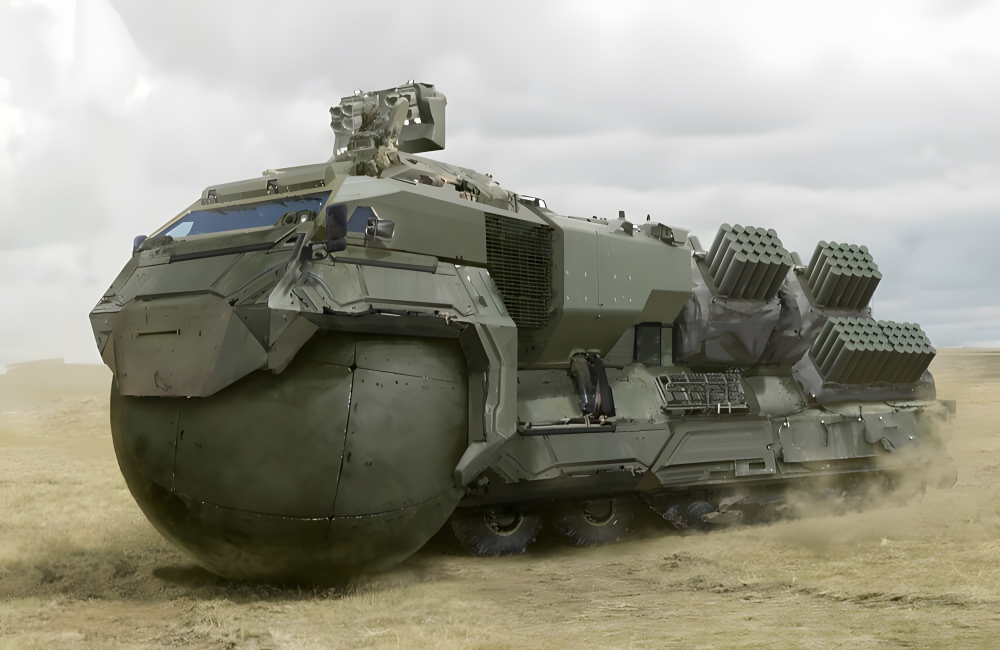
Concept design © camilkuo/Shutterstock
The modern global defense industry is one of the most profitable in the world. The United States is the leader for military expenditures, comprising 38% of the total world defense spending. But other countries including China, India, Russia, and Saudi Arabia are major big spenders. All in all, the global defense industry will reach $2.1 trillion in 2023.
Lockheed Martin (based in Maryland) is the largest defense contractor in the world, employing 110,000 people. In addition to Lockheed and other American companies, international firms like Almaz-Antey, Leonardo, BAE Systems, and Airbus also design and manufacture some of the most cutting-edge military tech on the market.
Kiplinger put together a list of some of the most amazing advances in military technology so far, including self-steering bullets, unmanned submarines, laser cannons, plasma protection fields, invisibility, extra-stealth bombers, and satellite meters. Military.com also revealed that there is a chance that robots/artificial intelligence could even join human military squads. Read on to see some of the most expensive military vehicles travailing the world’s seas, land and skies.
1. F/A-18 Hornet – Canada
Manufacturer: McDonnell Douglas, Northrop, Boeing
Primary Users: Kuwait, Israel, France, U.S., Canadian & Swiss Air forces
Program Cost: $270.53 million*
Unit Cost: $70.64 million* (FY2017)
Originally made by McDonnell Douglas, the Hornet is the Canadian version of the American F/A 18-Hornet. This famous fighter jet was awarded to McDonnell Douglas after the defense company won the New Fighter Aircraft Project in 1980. Deliveries of the Hornet to the Canadian Forces started in 1982.
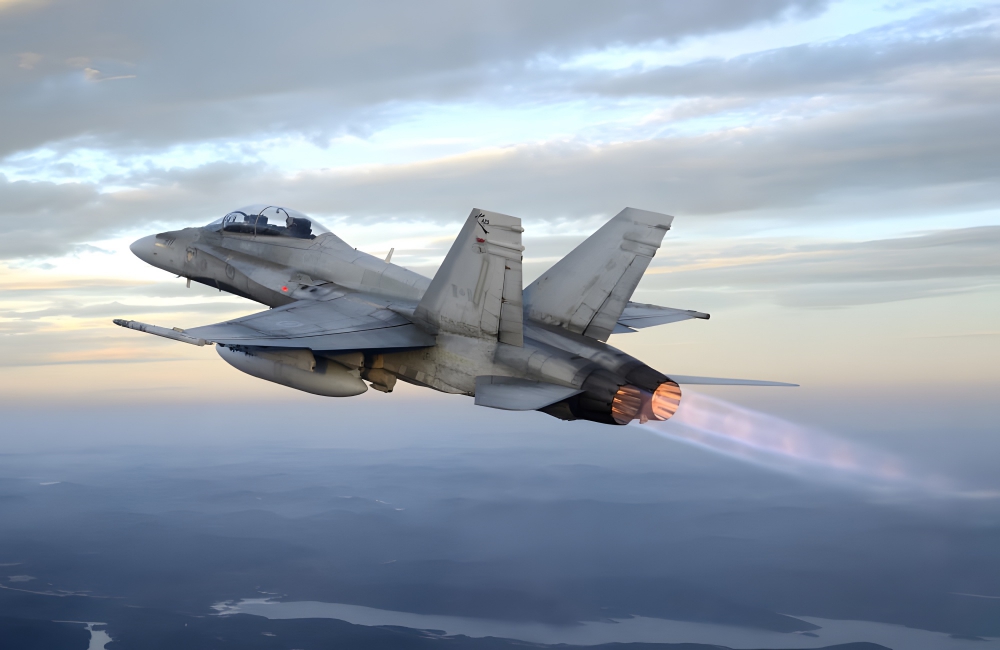
F/A-18 Hornet Canada @MilitaryPhotosHQ / Facebook.com
CF-18s are a huge part of NORAD (North American Aerospace Defense Command) patrols. The CF-18 Hornets have two variants: A and B. The CF-18A is a single-seater fighter/ground attack aircraft, of which 98 were built. The CF-18B is a two-seater aircraft that is used for training. Only 40 have been built. CF-18As have flown air-strike missions all the way up until February 15, 2016.
Improvements and design chances to the F/A-18 Hornet came from the Incremental Modernization Project, which took two phases to complete after it was launched in 2001. The improvements included upgrades to the sensors and defensive suite, as well as improved air-to-ground and air-to-air combat abilities. The datalinks were also replaced, along with the communications system.
2. Type 10 Tank – Japan
Manufacturer: Mitsubishi Heavy Industries
Primary Users: Japan Self-Defense Forces
Program Cost: $890.4 million*
Unit Cost: $8.4 million* (FY2014)
This next-generation battle tank is already slated to be the primary battle tank of the Japanese military. The Type 10 is made by Toyota competitor Mitsubishi, which has a military-related subsidiary, Mitsubishi Heavy Industries. When compared to other tanks in the Japanese Ground Self Defense Force, the Type 10 has made some major improvements, particularly to its anti-tank warfare response.
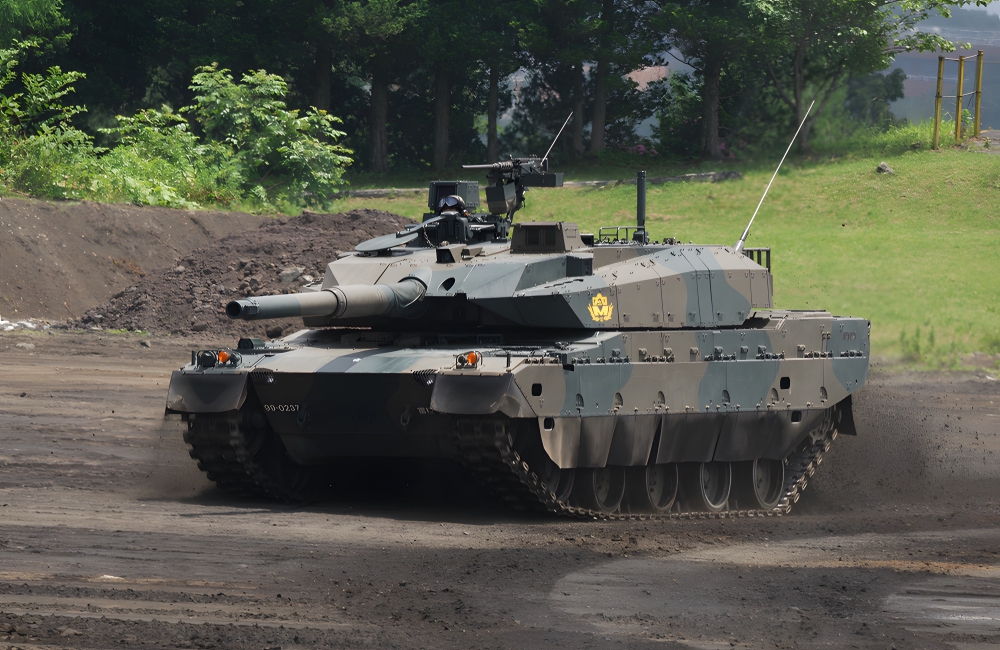
Japan Ground Self-Defense Force Mitsubishi Type 10 MBT ©viper-zero/Shutterstock
The Type 10 has an operational range of nearly 311 miles. The Type 10 uses an all-new gun, developed right in Japan. The Type 10 has a longer-barrel of 50-55 calibers. The new cannon can fire both JM33 APFSDS mortars, as well as NATO ammunition (the standard 120mm).
Japan has been reluctant to export the Type 10, despite interest from Turkey. In 2014, Turkey tried to license deals for tank engines, but negotiations with Japan completely crumbled. Within a few months, the deal was off the table. Reasons for the failure included Turkey’s own military intentions, as well as stringent arms export laws in Japan.
3. Typhoon-Class Submarine [Akula class] – Russia
Manufacturer: Amur Shipyard, Sevmash
Primary Users: Russian Navy, Indian Navy
Program Cost: $1.55 billion (FY1995)*
Unit Cost: $700 million*
Akula means “shark” in Russian; a fitting name for this stunning military craft. This Typhoon class submarine was designated as Project Akula by the Soviet Union, which made this nuclear-powered submarine. The Typhoon class is the largest class of submarines in existence, even larger than subs from US-based companies like Huntington Ingalls Industries.
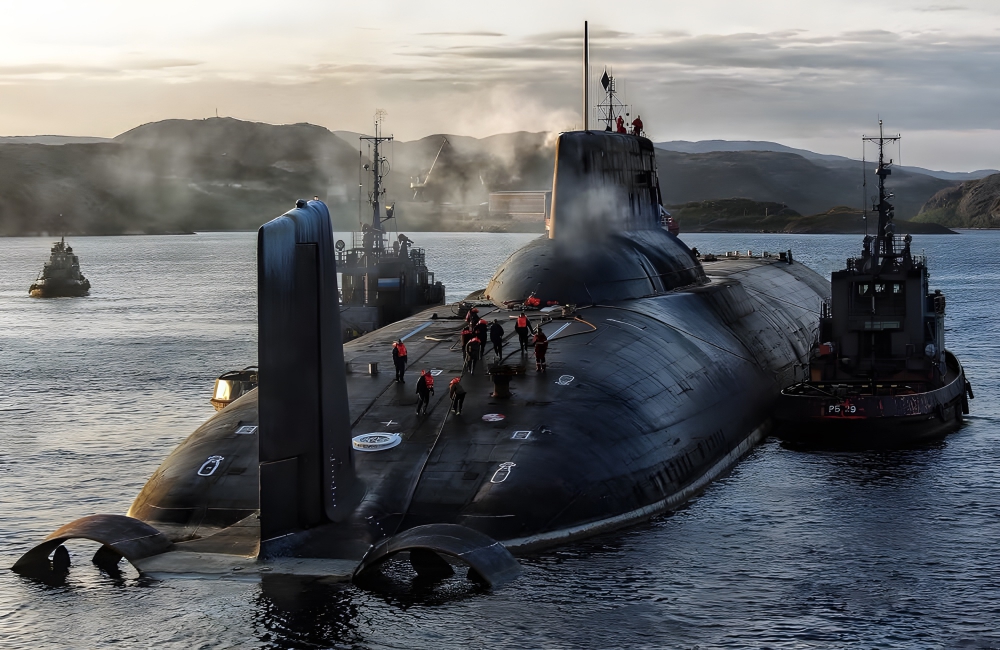
Typhoon-Class Submarine [Akula class] (Russia)@CcibChris / Twitter.com
Six Typhoon-class submarines have been completed out of a planned seven. The submarines can house 160 crew comfortably. The Typhoon class’ development was reportedly a reaction of the Soviet Union to the new Ohio class of submarines that the U.S. Navy developed during the Cold War. Russia canceled its modification plans for the Typhoon class in 2012, claiming the cost was too prohibitive.
The costs would be as pricey as constructing two completely new Borei submarines. Russia also announced at the time that it had eliminated the Sturgeon SLMBs in 2012. Just one Typhoon is still in service to this day, and the Typhoon-class submarine, titled Dmitry Donskoy, has RSM-56 Bulava SLBM armaments.
4. 8×8 Boxer CRV – Australia
Manufacturer: Rheinmetall Defence
Primary Users: Australian Army
Program Cost: $5.2 billion*
Unit Cost: $24.64 million*
This multi-armored fighting vehicle has been around since the 2010s, though the nations behind the program have changed as the Boxer’s design developed. The Boxer was originally crafted by an international consortium of nations, as opposed to one single company like Lockheed or BAE, and the development is managed by the OCCAR (Organization for Joint Armament Cooperation).
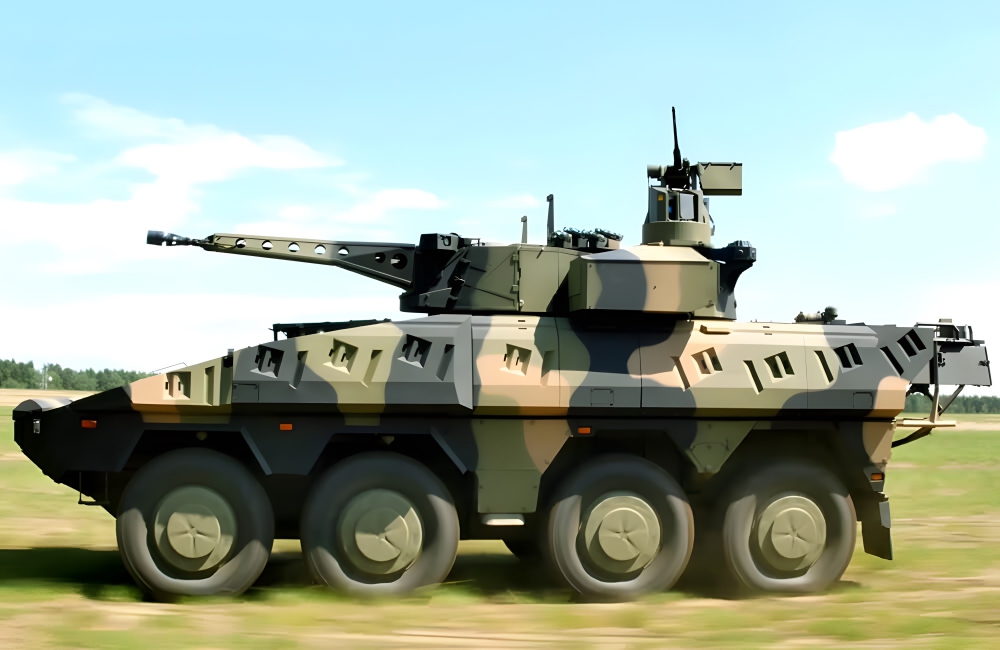
8×8 Boxer Combat Reconnaissance Vehicle (Australia) @Rheinmetall Defence / Youtube.com
Australia is one such operator of this 8×8 fighting vehicle. The Boxer was one of two vehicles competing for the Land 400 Phase contract, which would determine which vehicle would become the Australian Army’s replacement for the ASLAV fleet. The Boxer won, and it will replace 257 ASLAVs by 2021.
The fighting vehicle’s development dwarfed most of its contemporary vehicles by 20,000 pounds. As years have gone on, the size difference between Boxers and the rest of the vehicles have decreased. The Boxer’s main competitors in the market include the Patria AMV, General Dynamics Piranha V, and the Nexter VBCI, among others.
5. Northrop Grumman X-47B – USA
Manufacturer: Northrop Grumman
Primary Users: U.S. Navy
Program Cost: $813 million*
Unit Cost: $405 million*
This unmanned combat aerial vehicle (also known as a UCAV) was part of the J-UCAS program from legendary developer DARPA. It is a tailless jet-powered aircraft with a blended-wing body. It has aerial refueling and semi-autonomous operation capabilities. The X-47B had its first flight in 2011, and, four years later, became an integral part of the US Navy.
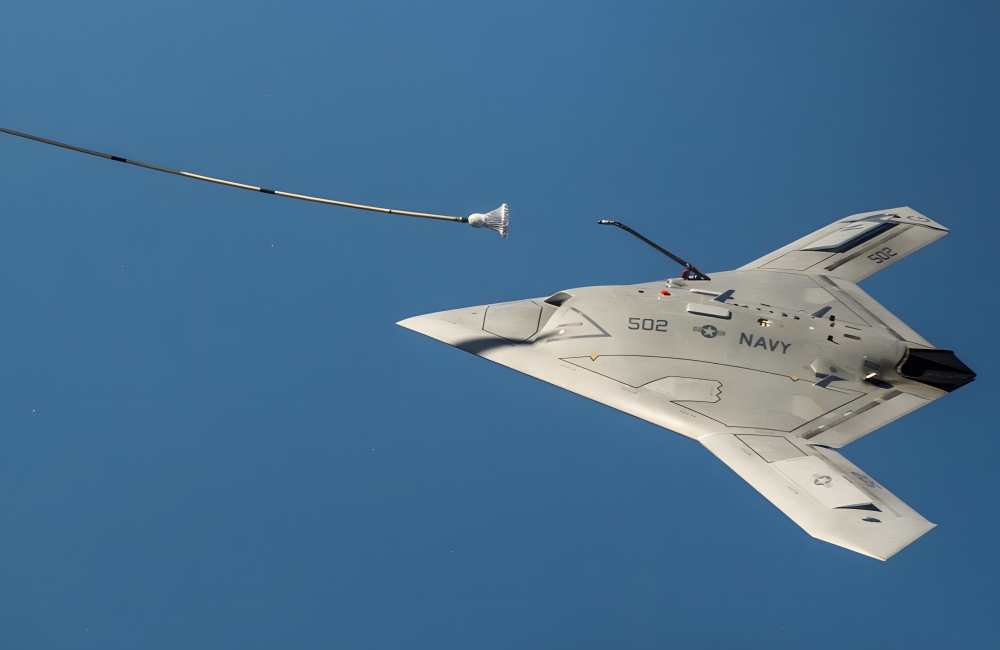
Northrop Grumann X-47B (USA) @carlos_alva0448 / Pinterest
However, the X-47B has yet to be tested through actual combat. Only two exist, and the Navy is keeping them in pristine condition for “future developments.” Northrop Grumman pulled the plane from the MQ-25 competition, citing problems with the contract’s terms. The X-47B’s predecessor is the X-47A Pegasus.
The Northrop Grumman X-47B’s cancelation was murky. Northrop Grumman didn’t go into detail, saying only in October of 2017 that it would have been “unable” to complete the program “under the terms” of the proposal request. Northrop Grumman had to pay to not only transport the Northrop Grumman X-47B from Palmdale, it had to pay to have it shipped back after the defense tycoon changed its mind.
6. P-8A Poseidon – India
Manufacturer: Boeing
Primary Users: Indian Navy, U.S. Navy, RAAF & Royal Air Force
Program Cost: $33.638 billion* (FY2013)
Unit Cost: $256.5 million* (procurement cost FY2015)
Built by Boeing, the P-8 Poseidon (formerly known as the Multimission Maritime Aircraft) is a modification of the 737-800ERX. The U.S. Navy, Indian Navy, Royal Australian Air Force, and the Royal Air Force are its main operators. The Boeing P-8 operates in several roles, including interdiction, anti-surface warfare, and anti-submarine warfare.
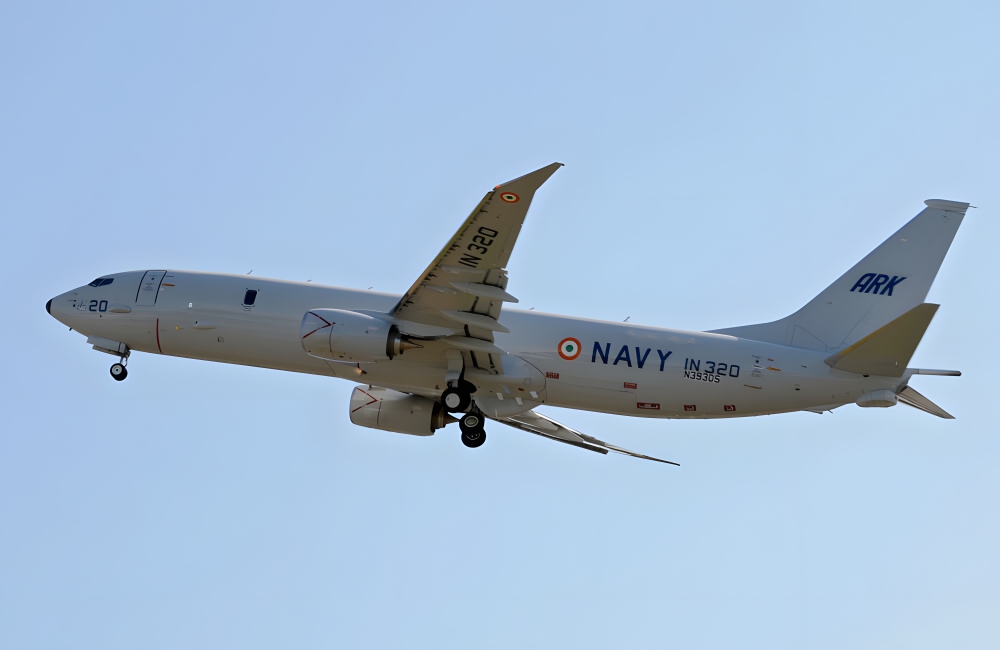
P-8A Poseidon (India) @areamilitarof / Twitter.com
The P-8 is armed with Harpoon anti-ship missiles, torpedoes, and a HAAWC ALA, which can turn a Mark 54 torpedo to a glide bomb, deploying the bomb from up to 30,000 feet. The P-8 has improvements over its predecessor, the P-3, both in terms of avionics and weapons. It also offers a smoother flight with less fumes and turbulence.
The P-8A Poseidon has a few derivatives, including a modified P-8 that it wanted to replace the E-8s with. The derivative, which would be used by the U.S. Air Force, would have AESA radar, GMTI, and SAR capabilities. It would also get a pod-mounted radar that would prevent the engine nacelles from obstructing its line of vision.
7. Le Terrible Triomphant-Class Submarine – France
Manufacturer: DCNS
Primary Users: French Navy
Program Cost: $17.1 billion* (FY2009)
Unit Cost: $3.1 billion* (FY2009) for Terrible
In English, this Triomphant-class submarine’s name translates to the “Next-Gen Device Launching Nuclear Submarine” from its original French title. The Terrible has been in service since 1997, with building beginning in 1986. Building ended in 2010, with four of the class completed (all that was planned).
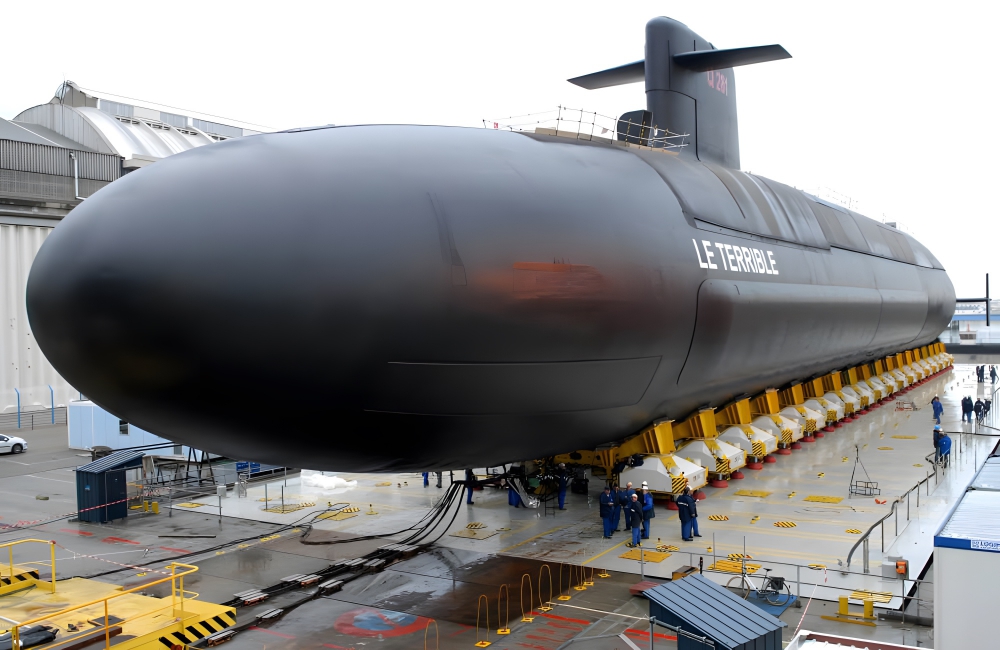
Le Terrible Triomphant-Class Submarine (France) @Bill Thomas / Pinterest
The Triomphant class replaced the Redoutable class, which was aging. The Triomphant provides the Force oceanique strategique for France. The nuclear deterrent capabilities of the Terrible include sixteen M51 SLBM missiles (made by Boeing competitor Airbus), as well as Exocet anti-ship missiles and conventional torpedoes. Le Terrible joins Le Vigilant, Le Temeraire, and Le Triomphant in the class’ lineup.
Le Terrible was launched in 2008 and put into service in 2010. It is armed with sixteen M51 missiles, as well as a brand-new System de Combat Barracuda SSBN. The SYCOBS will also be installed on all Barracuda-class SSNs. In January of 2010, Le Terrible had a successful missile launch test, hitting its target from 1,200 miles away.
8. F-35 Lightning II – USA
Manufacturer: Lockheed Martin, Northrop Grumman, and BAE Systems
Primary Users: U.S. Air Force, U.S. Marine Corps, U.S. Navy, Royal Air Force
Program Cost: $428.4 billion* (through 2044 in then-year dollars)
Unit Cost: $77.9 million*
The F-35 Lightning II is a class of single-engine, single-seat, stealth multirole combat fighter jets that can perform both strike and air superiority missions. Built by Lockheed Martin with assistance from BAE Systems and Northrop Grumman, the Lightning II jets have three variants: A, B, and C.
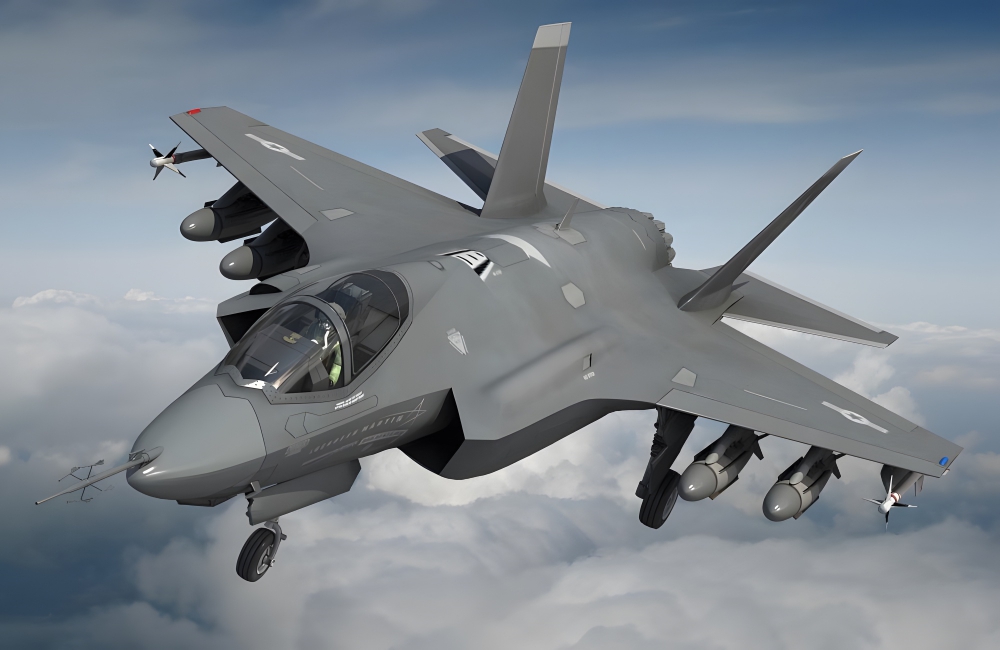
F-35 Lightning II (USA) @3dexport / Pinterest
The Lightning II won the JSF program contract in 2001, famously beating out Boeing the project. The US is the primary operator of the F-35, but the program was funded in part by NATO and other U.S. allies. The US Air Force uses the Lightning II for SEAD missions (Suppression of Enemy Air Defense), mainly because of the jet’s advanced mission systems and sensors.
The weapons system on the F-35 Lightning II also isn’t anything to scoff at. The F-35 has two weapons bays and four weapons stations, and its armaments include JDA, Paveway bombs, JSOW, cluster munitions, GBU-39 SDBs,, and SPEAR 3 anti-tank missiles. The total weapons ordnance capacity is 2,500 pounds maximum.
9. TAI Anka – Turkey
Manufacturer: Turkish Aerospace Industries
Primary Users: Turkish Armed Forces
Program Cost: $200+ million*
Unit Cost: $100 million*
The TAI Anka, made by Turkish Aerospace Industries, is an unmanned combat aerial vehicle that bears a strong similarity to drones made by General Atomics and Lockheed Martin. The TAI Anka is named after the Zumrud-u Anka (in Turkish, the Anka kusu), which is a phoenix from Turkish mythology.
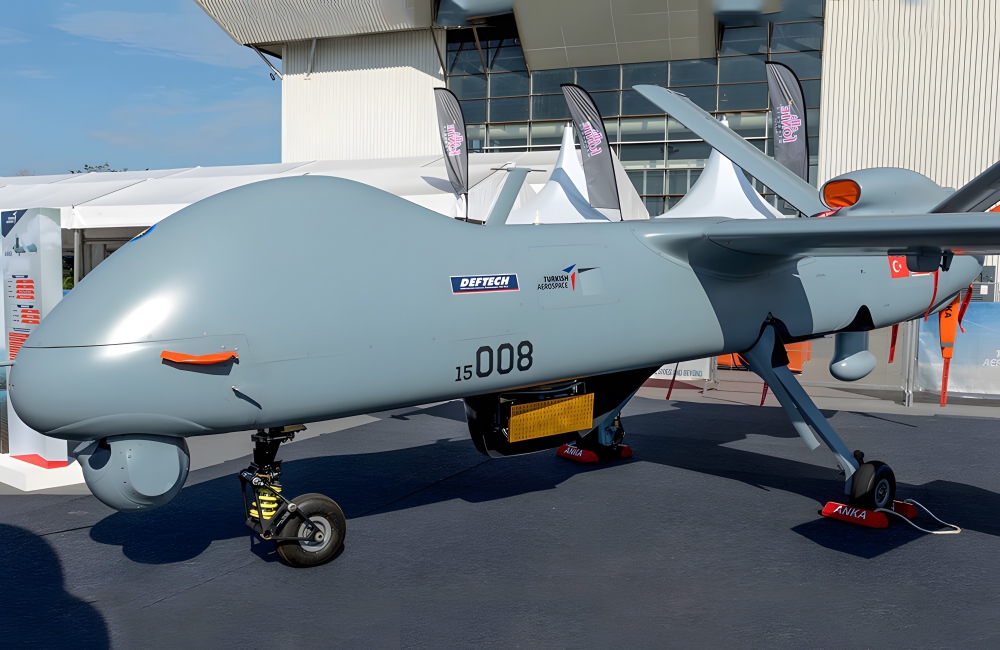
TAI Anka (Turkey) @Murad Hashan / Facebook.com
The TAI Anka is used by the Turkish Armed Forces. The basic model, the Anka-A, is a MALE UAV (Medium Altitude Long Endurance Unmanned Aerial Vehicle). The Anka has become a modular platform, as it has satellite communication, synthetic aperture radar, and precise weapons systems. Anka variants include the Anka-A, -B, -S, -1 and -2.
The TAI Anka can carry several payloads, including an EO day TV, EO/FLIR/LRF/LDS camera, SAR/GMTI, and ISAR. The testing of the TAI Anka was fraught with problems, but it eventually took off, though there were a few crashes. Testing began in 2010, and the UAV crashed after fifteen minutes. It got itself straightened out eventually.
10. K2 Black Panther – South Korea
Manufacturer: Hyundai Rotem
Primary Users: Republic of Korea Armed Forces
Production Cost: $7.8 billion*
Unit Cost: $8.5 million* (constant FY2009)
The K2 Black Panther is a next-gen battle tank that will be used by South Korean forces. It was designed by the Agency for Defense Development, and the manufacturer is Hyundai Rotem (Rotem is owned by Honda competitor Hyundai as somewhat of a military-related subsidiary).
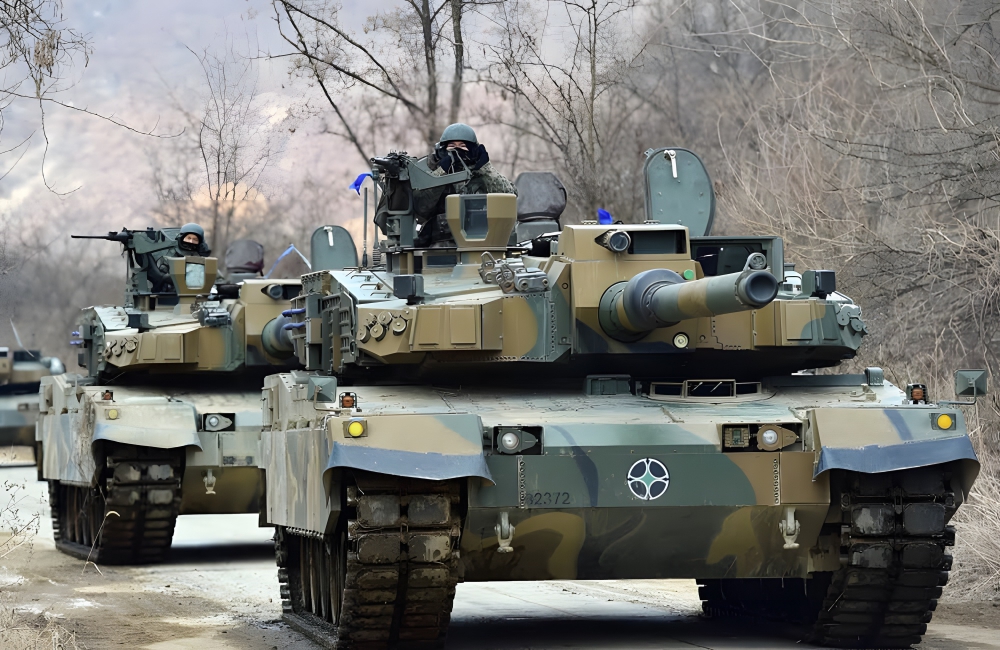
K2 Black Panther (South Korea) @South Korean Military Channel / Youtube.com
The Black Panther’s main armament is an auto-loaded 120mm 55 caliber machine gun. It has soft-kill active protection capabilities, combined with highly-advanced composite armor. The Black Panther’s production began in 2013, and the Korean military received the first K2s in 2014. 100 have been produced so far. Another 160 are in the works (106 in “Lot 2” and 54 in “Lot 1”).
The K2 Black Panther holds the distinction of being one of the most expensive tanks in service of any country in the world. Each unit costs over $8.5 million. The K2 Black Panther’s first model was the XK2, an experimental tank. The K2 was the first variant, with 206 planned. The Altay and K2PL are both variants on the K2.
11. Arleigh Burke DDG 51 Destroyer – USA
Manufacturer: Ingalls Shipbuilding, Bath Iron Works
Primary Users: United States Navy
Program Cost: Undisclosed
Unit Cost: $1.843 billion per ship* (DDG 114–116, FY2011/12)
The Arleigh Burke DDG 51 Destroyer is the flagship of the Arleigh Burke-class, which was named after Admiral Arleigh Burke, who was a destroyer officer during WWII and later became the Chief of Naval Operations. The lead ship of the class was developed during the former Chief’s life. This class of DDGs numbers 68 so far. Seven are in development now, and three more are on order.
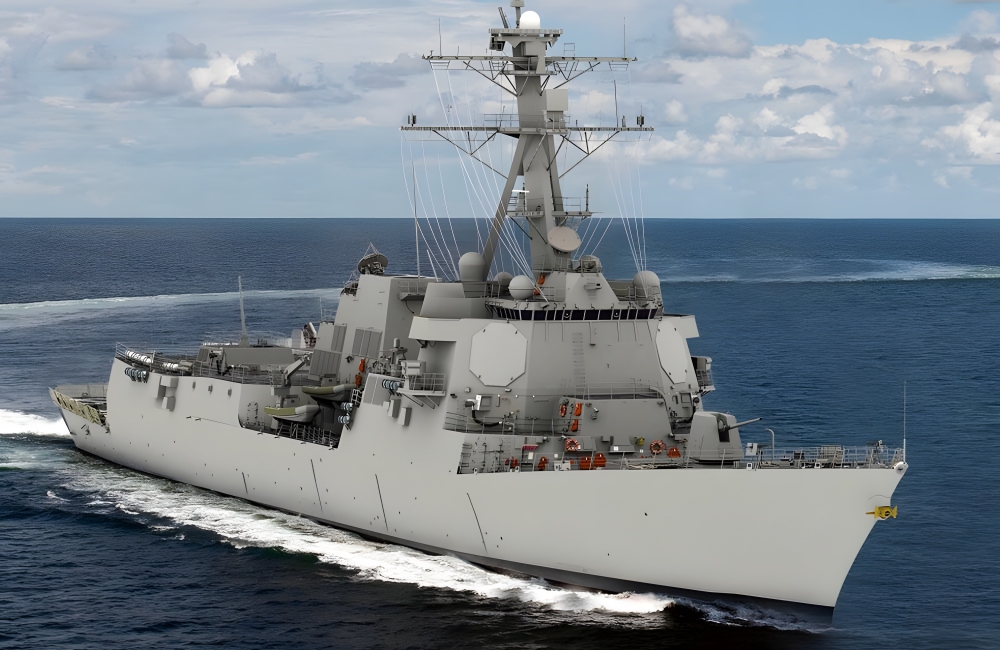
Arleigh Burke DDG 51 Destroyer (USA) @beiruttime / Pinterest
The Arleigh Burke-class, made by Huntington Ingalls Industries, is much more heavily-armed and larger than other DDGs. It measures almost 510 feet long, displaces up to 9,700 tons, and has over ninety missiles onboard. Some of this class’ highlights include Aegis radar, ASW, anti-submarine rockets, surface-to-air missiles, and ASuW Harpoon missiles.
Currently, there are plans in place to replace the Arleigh Burke with a “Future Surface Combatant” class, but that is a long way off. The U.S. Navy doesn’t think the FSC class will be ready until the early 2030s. Emerging technologies, such as on-board power generations, AI, lasers, and more next-gen weapons will be featured.
12. F-22 Raptor – USA
Manufacturer: Lockheed Martin, Boeing
Primary Users: U.S. Air Force
Program Cost: $67.3 billion* (FY2010)
Unit Cost: $150 million* (flyaway cost for FY2009)
The F-22 Raptor is a twin-engine, single-seat, all-weather tactical fighter that was developed for the US Air Force. Made by Lockheed Martin, this fighter jet numbers 187 operational aircraft and eight tester craft. The F-22 was produced from 1996 until 2011. The F-22 is the product of the Advanced Tactical Fighter Program.
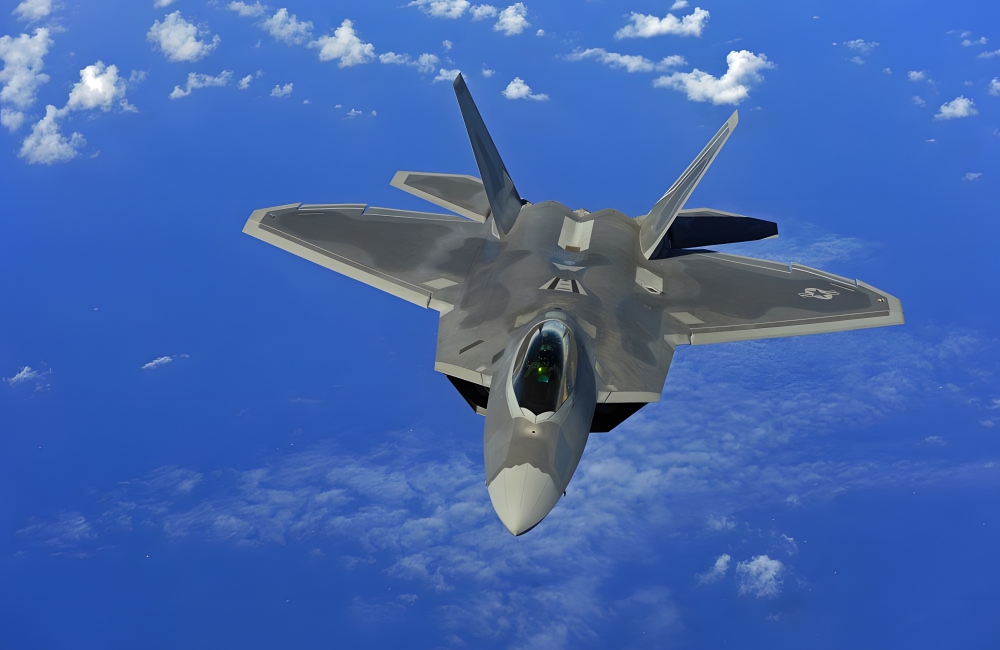
Lockheed Martin F-22 Raptor (USA) ©Everett Collection / Shutterstock
The F-22 is an air superiority fighter. It also has signal intelligence, electronic warfare, and ground attack capabilities. Though Lockheed built the weapons systems and airframe, Boeing made the training systems, avionics integration, aft fuselage, and wings. The Air Force has stated that the F-22 is critical to its tactical airpower and air combat capabilities.
Originally, military officials planned to buy 750 ATFs. However, in 2009, that was cut significantly to just 187 aircraft because of high costs, bans on certain exports, and the development of the F-35, a more versatile aircraft. There was also a lack of air-to-air missions because fighter programs in Russia and China were delayed.
13. Queen Elizabeth-Class Aircraft Carrier – UK
Manufacturer: Aircraft Carrier Alliance
Primary Users: United Kingdom’s Royal Navy
Program Cost: $7.6 billion*
Unit Cost: $3.8 billion*
The Queen Elizabeth class consists of two aircraft carriers, one named after Queen Elizabeth I and the other named after the Prince of Wales. The HMS Queen Elizabeth was the first of its class, christened on July 4, 2014. The class is used by the UK’s Royal Navy. The HMS Prince of Wales launched on December 21, 2017.
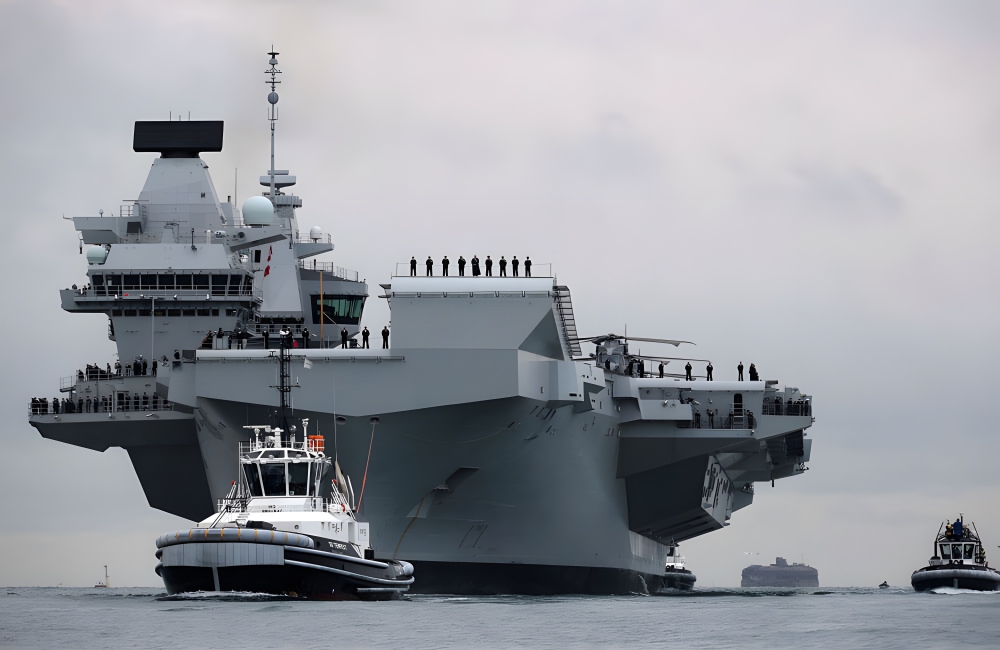
Queen Elizabeth-class aircraft carrier (UK) @LargestAircraftCarriers / Facebook.com
The carriers are configured in a STOVL arrangement, and they deploy the Lockheed Martin F-35B. Though Prince of Wales was originally intended to be built to a CATOBAR configuration, the rising costs of that project (nearly twice the original quote), led the British government to scrap that plan in 2012.
The ship can hold 1,600 people, including crew. The average crew size is far below that, according to the UK government, who said that there are 672 people aboard. The ship’s displacement is 65,000 tons, but the design allows for an extra 5,000 tons to be added as the class is upgraded over its lifetime.
14. Sikorsky CH-53K King Stallion – USA
Manufacturer: Sikorsky Aircraft
Primary Users: U.S. Marines
Program Cost: $25 billion* (FY2015)
Unit Cost: $87 million*
The CH-35K King Stallion is an interesting departure from the usual US Marine Corps aircraft, which generally is designed by Boeing, General Dynamics, or other American companies. The King Stallion is actually made by Sikorsky Aircraft, a Russian corporation. Sikorsky won the contract over Boeing Vertol.
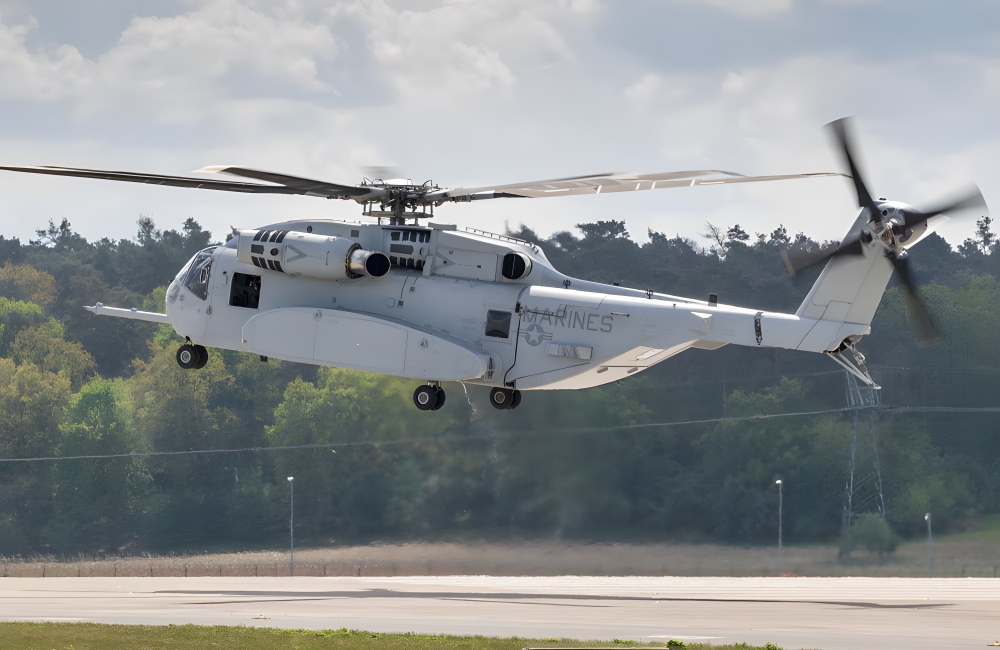
Sikorsky CH-53K King Stallion (USA) ©VanderWolf Images / Shutterstock
The King Stallion is a heavy-lift cargo helicopter. It differs from prior CH-53 variants because it has a wider aircraft cabin, three 7,500HP engines, and new composite blades. The King Stallion will be the largest, heaviest helicopter in the entire US military. The Marines ordered 200 of these helicopters, the first of which was delivered in 2018.
The King Stallion wasn’t ready for combat until late 2019, though a test showed that one was able to lift a payload of nearly 36,000 pounds. There were delivery delays that revealed technical flaws in testing, which meant the entire program had to be restructured. The delivery of CH-53Ks, ready for combat, was pushed until May of 2020.
15. Barracuda-Class Submarine – France
Manufacturer: Naval Group
Primary Users: French Navy
Program Cost: $9.9 billion* (FY2013)
Unit Cost: $1,300 million* (FY2013)
Not to be confused with the General Dynamics ships from WWI which share the same name, the Barracuda-class is far newer and possesses cutting-edge weapons and avionics technology. Also called the Suffren-class, the Barracuda-class is a nuclear attack submarine. Naval Group, a French shipbuilder, constructed the class, which will be used by the French Navy, beginning sometime in 2020.
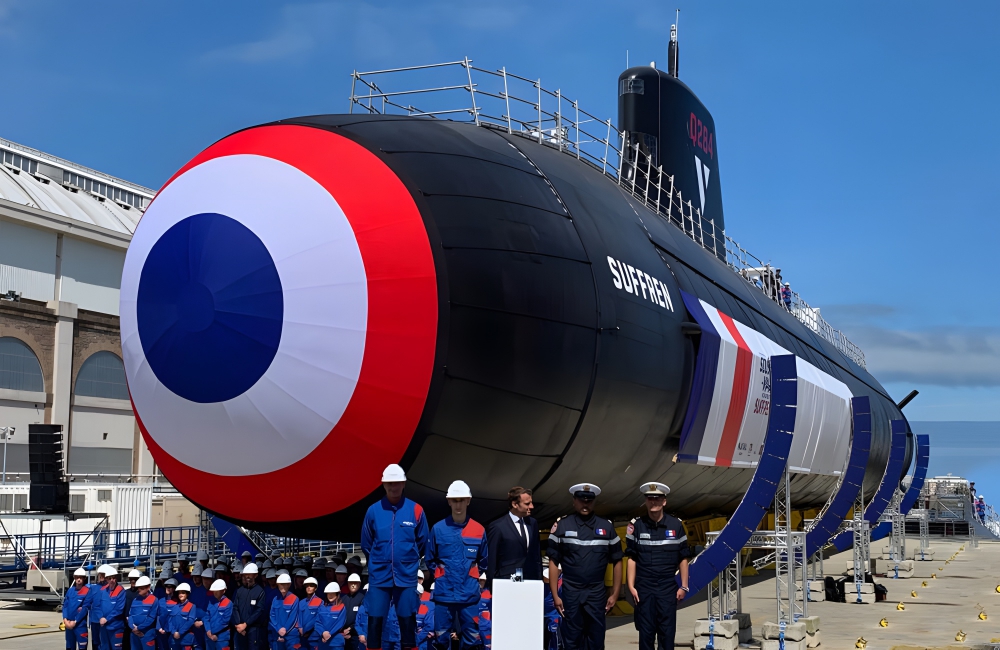
Barracuda-Class Submarine (France) @manjeetnegilive / Twitter.com
The Barracuda-class uses much of the same technology from the Triomphant-class. Barracuda-class ships will be fitted with equipment for anti-submarine warfare, land attack, anti-surface, intelligence gathering, special ops (accommodating up to fifteen commandos in a mobile pod), and crisis management missions.
There is also a variant called the shortfin Barracuda, which is a diesel-electric variation on the design. Naval Group submitted the proposal in 2015, and it was selected in 2016 to build twelve of these variants. Much of the details are being kept under wraps, and construction is expected to begin sometime in 2021.
16. Chengdu J-10 – China
Manufacturer: Chengdu Aircraft Design Institute
Primary Users: People’s Liberation Army Air Force
Program Cost: $74 million* (allocated in 1982)
Unit Cost: $28 million* (FY2010)
Though Chengdu might not have the size of some of the largest defense firms like Lockheed Martin, it is still the firm behind some of China’s most impressive military planes. The Chengdu J-10 (with a NATO reporting name of “Firebird”) is also called the Menglong (meaning “vigorous dragon”) in China.
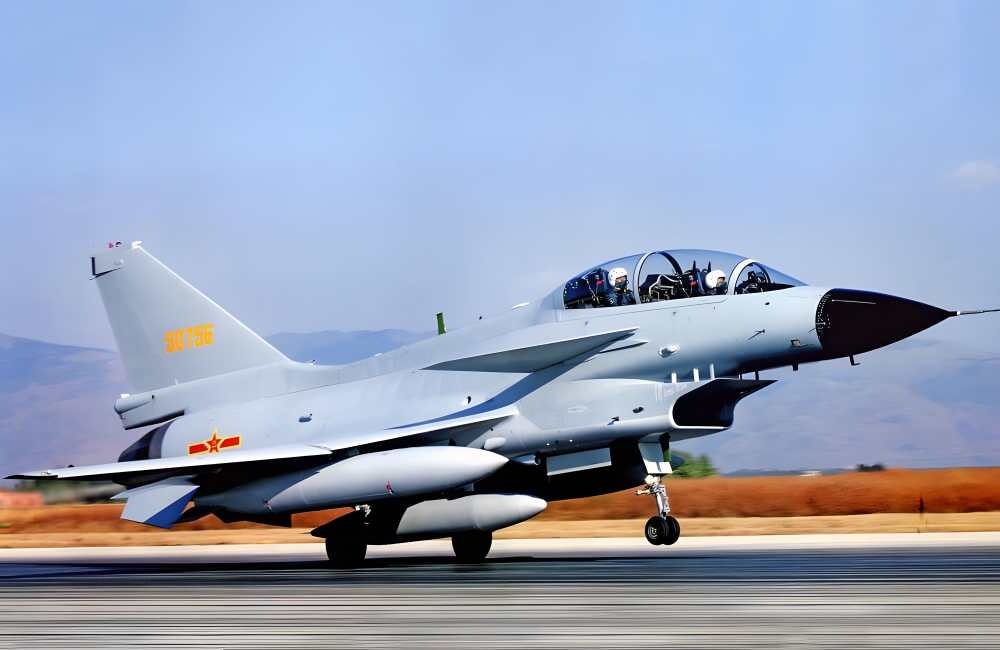
Chengdu J-10 (China) @Avions et, armement&espace / Facebook.com
The J-10 is a single-engine, lightweight, multirole fighter jet that is capable of operating in all weathers. It has a canard and delta wing design, as well as fly-by-wire flight controls. The J-10 was initially supposed to be a specialized fighter, but it later became a multi-role jet used for both ground-attack and air-to-air combat.
The internal armament on the J-10 includes a Gryazev-Shipunov twin-barrel cannon, air-to-air missiles like the PL-10 and PL-8, laser-guided bombs, the KD-88 air-to-surface missile, and the YJ-91A anti-ship missile. The Chengdu can also carry the YJ-91, an anti-radiation missile. All in all, the aircraft can hold 13,228 of either bombs, missiles, drop-tanks, or avionics equipment.
17. Tu-95 “Bear” Bomber – Russia
Manufacturer: Joint Stock Company Tupolev
Primary Users: Russian Aerospace Forces
Program Cost: $103 million*
Unit Cost: $34.33 million*
At the height of the Soviet Union, Andrei Tupolev’s design bureau based many of its plane designs on those already done by US companies. For that reason, the Tupolev Tu-95 is based on the Boeing Superfortress B-29. The Tu-95 is a heavy strategic bomber with four engines and a turboprop-powered platform.
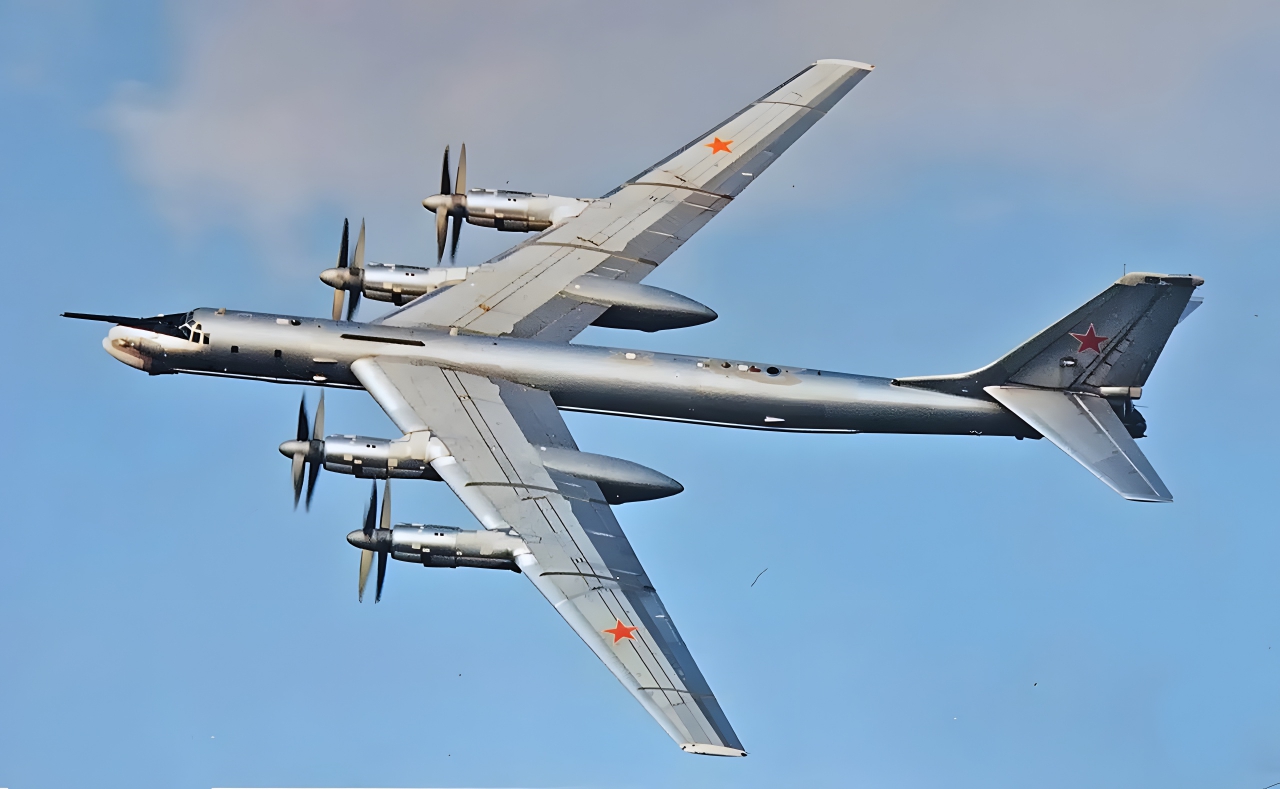
Tu-95 “Bear” Bomber (Russia) @aviationphotodigest / Facebook.com
The Tu-95 entered service in the fifties, and it is expected to be a staple of the Russian Aerospace Forces until 2040, if not longer. The Tu-142 is the maritime patrol version of the bomber. The passenger airline derivative of the Tu-95 is the Tu-114. Over 500 Tu-95 planes have been built, making it unique for propeller-driven, swept-wing aircraft.
The Bear has a few derivatives, including an airliner variation, called the Tu-114. The Tu-116 is a Tu-95 fitted with several passenger cabins, and the Tu-142 is a maritime recon and anti-submarine derivative. Other modifications have existed, though the Western intelligence either didn’t pick up on them or they were scrapped by the Soviet Union before reaching operational status.
18. F-15 Eagle C – Israel
Manufacturer: McDonnell Douglas Boeing Defense Space & Security
Primary Users: Israeli Air Force U.S. Air Force, Royal Saudi Air Force, Japan Air Self-Defense Force
Program Cost: $3.594 billion*
Unit Cost: $65 million*
The F-15 Eagle (designed by McDonnell Douglas) has been around since 1976. In addition to servicing the US Air Force, it has also served the Israeli Air Force, the Japan Air Self-Defense Force,and the Royal Saudi Air Force. The F-15C is an improved version of the base models for the Eagle.
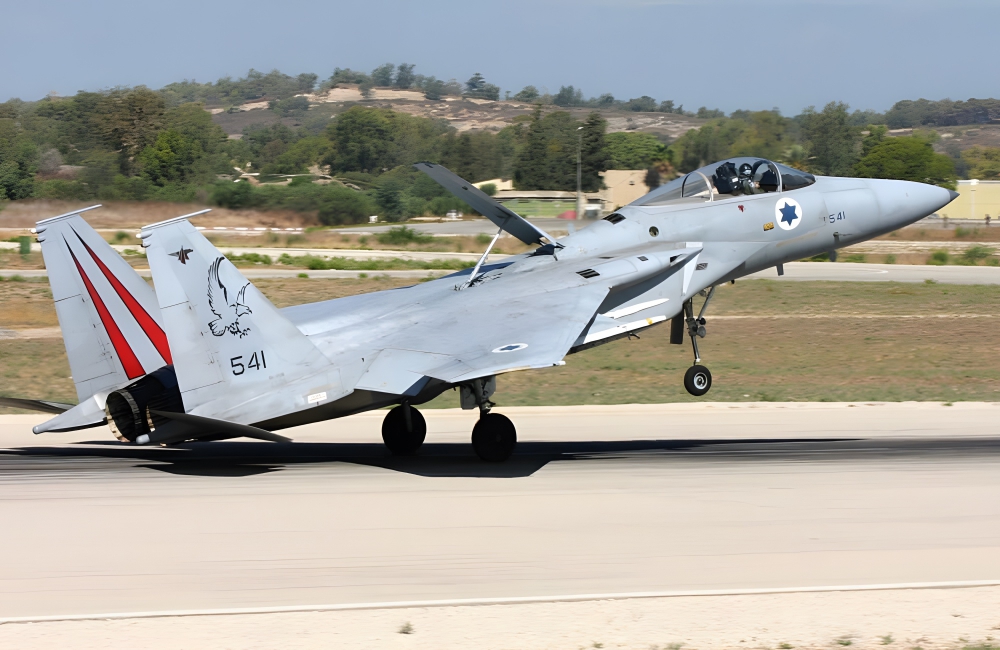
F-15 Eagle C (Israel) @Udi Sapir / Pinterest
The F-15C is a single-seat air superiority fighter jet that can fly in any weather. 483 F-15C jets were built from 1979 until 1985, and the final 43 of that 483 have AN/APG-63(V)1 radar (upgraded from AN/APG-70 radar). The Israeli and South Korean models may be getting an upgrade in the near future, but for now, the F-15 2040C is still just a prototype.
The F-15C can carry any number of air-to-air weapons. There is an automated weapons system, which allows the pilot to release the weapons safely and effectively through the use of head-up display that automatically provides visual guidance when the pilot changes from one arms system to another. The aircraft can be armed with four different weapons systems in total.
19. USS Gerald Ford – USA
Manufacturer: Newport News Shipbuilding, Northrop Grumman
Primary Users: U.S. Navy
Program Cost: $11.5 billion*
Unit Cost: $40.2 billion* (for three ships)
Named after President Gerald Ford (who did combat duty in the Pacific Theater aboard a light aircraft carrier called the Monterey), the USS Gerald R. Ford is the flagship aircraft carrier of its class. It was made by Newport News Shipbuilding and Northrop Grumman. Construction commenced in August of 2005.
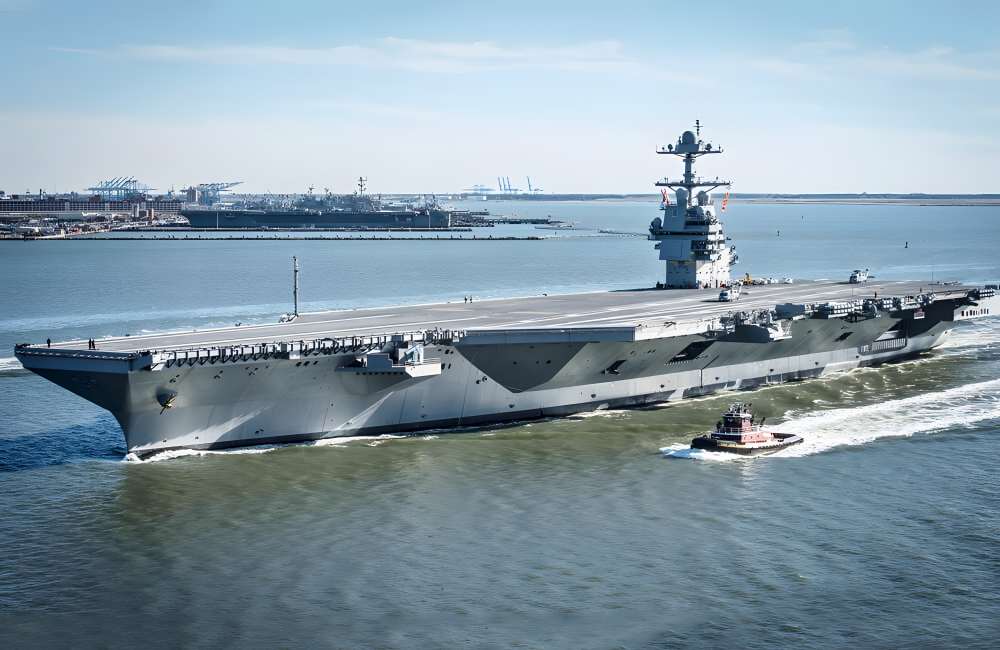
USS Gerald Ford (USA) ©U.S. Navy / Wikimedia.org
The Gerald R. Ford-class is a substantial improvement over the Nimitz class. The USS Gerald R. Ford is equipped with upgraded radar, weapons, and an EMALS (Electromagnetic Aircraft Launch System) which replaces the steam catapults. The EMALS means that the below-deck area will have more space, as the ship won’t have to generate/store steam for launches.
Unfortunately, the Gerald R. Ford is still struggling to become combat-ready. The GAO reported in the summer of 2020 that the ship was still having major problems with its weapons elevators. In early 2021, the Department of Defense confirmed that the EMALS only achieved 181 out of 4,166 aircraft launches.
20. Mil Mi-24 – Russia
Manufacturer: Mil Moscow Helicopter Plant
Primary Users: Russian Air Force
Program Cost: $1.953 billion*
Unit Cost: $15-$16 million*
With the NATO reporting name “Hind,” the Mil MI-24 is based in part on the American helicopters and gunships that were used during the Vietnam War. The majority of these gunships and helicopters were made by Lockheed Martin, Boeing, and Vought. Mikhail Mil was the designer behind the Hind.
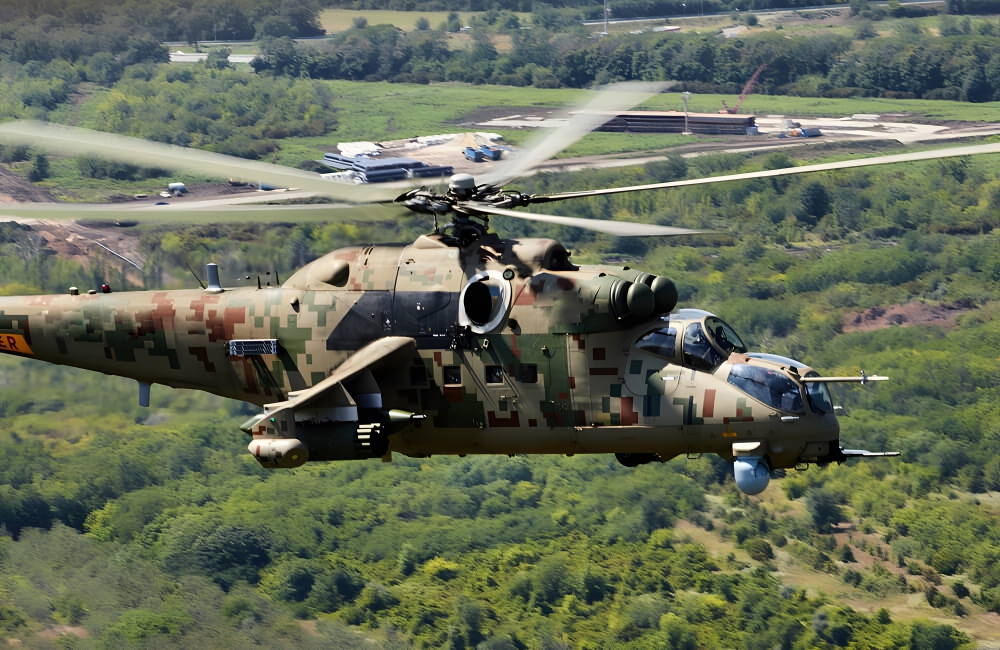
Mi-35P ©J_K/Shutterstock
Mil was originally opposed by senior members of the Soviet Union when he proposed the idea to them. He was finally able to persuade Andrey A. Grechko, a Soviet Marshal, to hold a panel on the need for armed helicopter ground support. Grechko’s and Mil’s panel led to the Soviet Union funding the MI-24 project.
The “Mi-24” is nicknamed the “flying tank” (летающий танк), which was historically used to designate Soviet ground-attack aircraft during WWII. The Russians also nicknamed their plans “Galina” or Crocodile because of the color scheme, as well as “Stakan” or “Drinking Glass,” due to the flat glass plates surrounding the earlier Mi-24 cockpits.
21. MQ-4C Triton – USA
Manufacturer: Northrop Grumman
Primary Users: U.S. Navy
Program Cost: $12.7665 billion*
Unit Cost: $120 million*
The MQ-4C Triton is a long endurance UAV that can fly at high altitudes. The Triton, which is made by Northrop Grumman, was developed for the Navy. The Navy uses it, along with the Royal Australian Air Force, for ISR missions over coastal and ocean regions. The Triton also conducts search and rescue missions and continuous maritime surveillance.
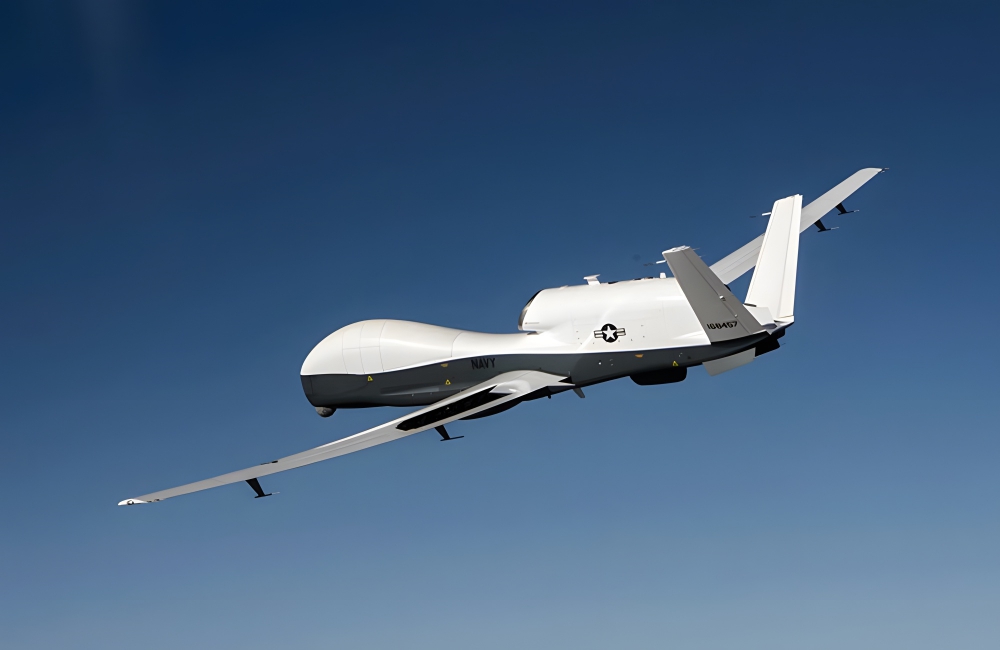
MQ-4C Triton (USA) @airlivenews / Facebook.com
The Triton is a complement to the P-8 Poseidon, though it is based on the RQ-4 Global Hawk. Unlike the Global Hawk, the Triton has new reinforcements to its wing and airframe. It has better de-icing and lightning protection systems. This allows the Triton to travel through clouds to get a better look at ships and other sea targets.
Full Operating Capability for the Triton is planned for 2023, a full twelve years after the SDD was delivered. The Triton can remain in the air for over thirty hours at 55,000 feet, traveling at speeds of up to 380MPH. The Triton is semi-autonomous. All operators have to do is set the controls and choose an operating area.
22. Bell Boeing V-22 Osprey – Japan
Manufacturer: Bell Textron, Boeing
Primary Users: Japan Ground Self-Defense Force, U.S. Marines, Air Force & Navy
Program Cost: $35.6 billion*
Unit Cost: $72.1 million* (FY2015)
After the failure that was Operation Eagle Claw, a botched operation during the Iranian Hostage Crisis of 1980, the U.S. military realized that it needed a new long-range, vertical-takeoff, high-speed aircraft. The Bell Boeing V-22 Osprey is what emerged from several years of programs dedicated to finding just that.
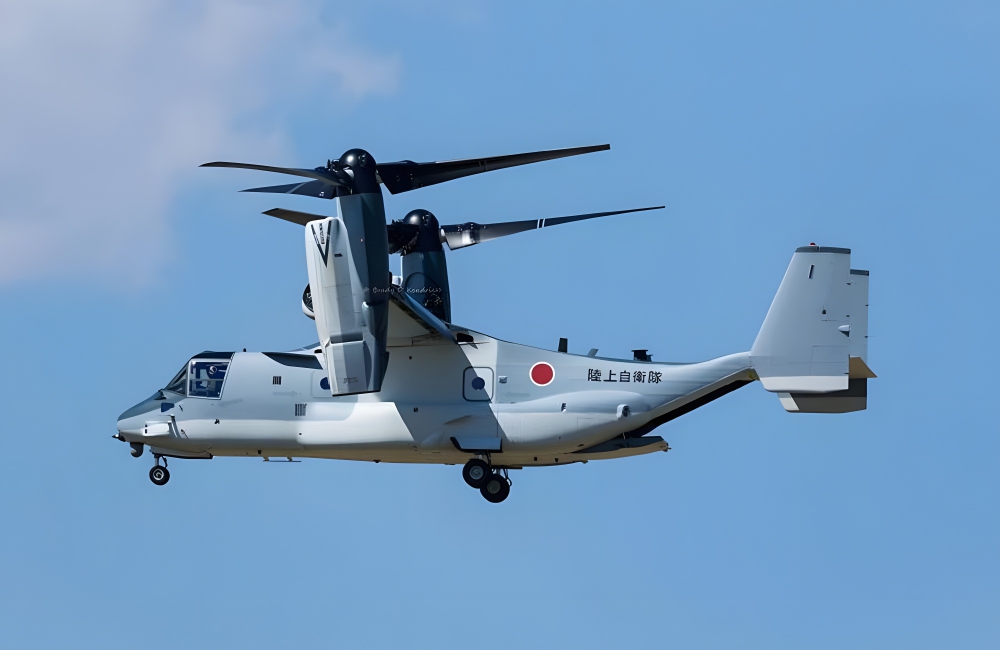
Bell Boeing V-22 Osprey (USA/Japan) @osprey.fan.club / Facebook.com
The large cost increases almost sank the program midway through. Development took a long time, and it was hotly debated. The budget was first set in 1986 at $2.5 billion, but, in just two years, the cost grew to $30 billion. By 2008, the budget expanded to nearly $55 billion, and that number only grew with maintenance and support costs.
The Osprey is a tiltrotor, multi-mission aircraft. It has VTOL and STOL capabilities, combining the functionality of a helicopter with the performance of a turboprop aircraft (especially in terms of long-range, high-speed cruising). The Osprey numbers 400 as of 2020, and production has continued steadily since 1988. In 2021, the Navy will be getting the CMV-22B, an upgraded COD variation of the V-22.
23. Seawolf-Class Submarine – USA
Manufacturer: General Dynamics Electric Boat
Primary Users: United States Navy
Program Cost: $15 billion* (FY2018)
Unit Cost: $5 billion* (FY2018)
The Seawolf-class is a SSN class that the U.S. Navy uses. 29 were scheduled for construction over a decade-long period, but that has been reduced, because of budget constraints and the end of the Cold War, to just three submarines. The Seawolf-class is unlikely to get any more members.
The Seawolf ended up leading to the construction of a smaller class of ships, the Virginia-class. Each Seawolf unit costs $3 billion, with the USS Jimmy Carter tacking on an extra $500 million to that. This makes the Seawolf the most expensive SSN in the history of SSNs, as well as the second-most-expensive submarine in the world.
Built by General Dynamics, the Seawolf-class was first developed in 1989. It is faster, larger, and far quieter than Los Angeles submarines. The Seawolf-class can carry more weapons, as it has twice the number of torpedo tubes. The Seawolf-class can carry up to fifty UGM-109 Tomahawks. These cruise missiles are used to attack both sea-surface and land targets.
24. B-2 Spirit – USA
Manufacturer: Northrop Grumman, Northrop Corporation, Hughes Aircraft Company
Primary Users: United States Air Force
Program Cost: $44.75 billion* (through 2004)
Unit Cost: $737 million*
Also called the Stealth Bomber, the B-2 Spirit is a heavy strategic bomber, built by Northrop Grumman. The B-2 Spirit has stealth technology that is specifically designed for penetrating even the densest anti-aircraft defenses. The B-2 Spirit has a flying wing design and requires a crew of two people.
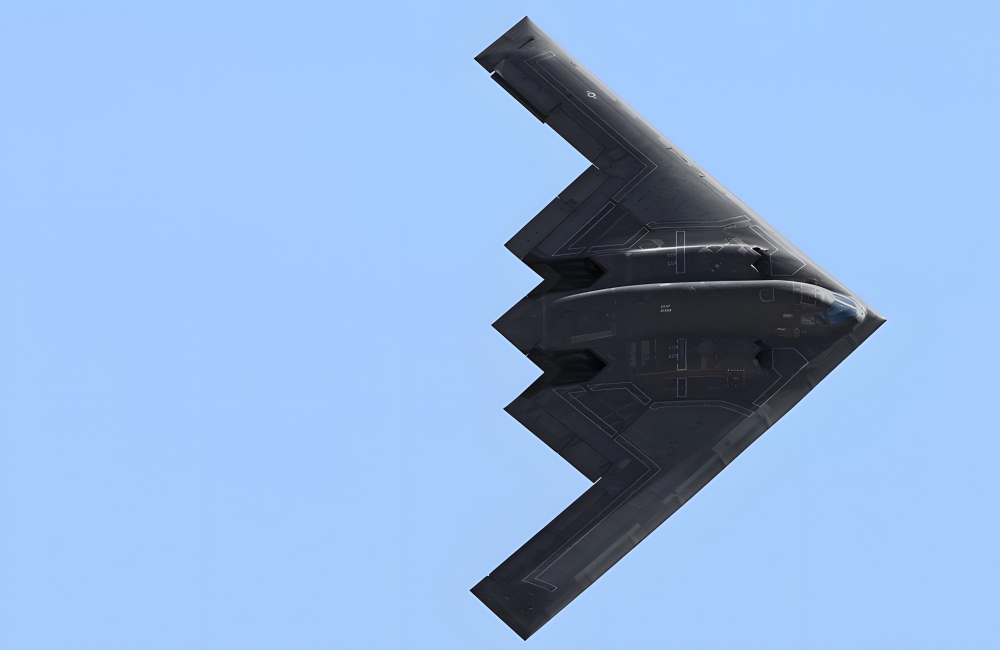
B-2 Spirit (USA) ©Angel DiBilio / Shutterstock
The bomber’s operating costs and capital required caused a stir in Congress. The Cold War wound down in the late 1980s, which meant that aircraft like the B-2 Spirit weren’t as urgent anymore. The B-2 Spirit’s purchase order was slashed in the early 1990s from 132 bombers to just 21.
The B-2 Spirit can carry out attack missions at altitudes of 50,000 feet. It has a range of over 6,900 miles using internal fuel. With one midair-refueling, the B-2 Spirit can travel over 12,000 miles. This bomber saw combat for the first time in the late nineties when it dropped non-nuclear, conventional ordnance on land targets.
25. Nimitz-class aircraft carrier – USA
Manufacturer: Newport News Shipbuilding Company
Primary Users: United States Navy
Program Cost: $93.6 billion (FY2019)
Unit Cost: $9.36* (FY2019)
Ten Nimitz-class nuclear-powered aircraft carriers exist. They are in service with the U.S. Navy. The leading ship of Nimitz is named after Fleet Admiral Chester W. Nimitz, who was a U.S. Pacific Fleet Commander during WWII. The Nimitz-class held the distinction of being the largest warships until 2017 when the U.S.S. Gerald R. Ford was commissioned.
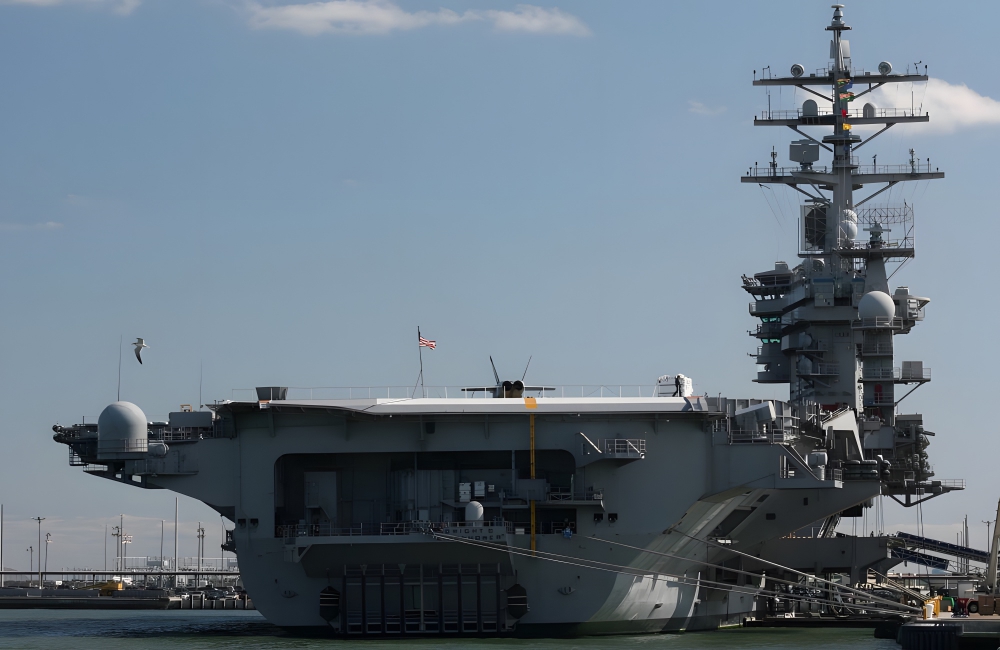
Nimitz-class aircraft carrier (USA) ©Jeffery Stone / Shutterstock
The Nimitz-class was built by Newport News Shipbuilding Company. The Nimitz-class has seen combat since the 1970s. The class has a CATOBAR configuration, and it uses arrestor wires and steam catapults for both launch and recovery. The Nimitz-class has faster flight-deck operations, and it can launch more aircraft than preceding warships (which predominantly used the STOVL configuration).
In 2018, the cost of each Nimitz-class aircraft carrier was $9.36 billion. Ten were planned, ten were completed, and ten were active. The carriers have a fifty-year active service life, and, at the end of their lives, they will be decommissioned, a process that will take between $750 and $900 million per ship. A conventionally-powered carrier costs just $53 million to decommission.
26. Admiral Kuznetsov Aircraft Carrier – Russia
Manufacturer: Nikolayev South, Nevskoye Planning & Design Bureau
Primary Users: Russian Navy
Cost: Program/Unit cost $2 billion* (FY2018)
Admiral Kuznetsov is a Russian class that rivals the US Navy’s carriers. The Admiral Kuznetsov, named after a former Admiral of the Fleet of the USSR, is a TAVKR – meaning that it is a heavy aircraft carrier. It is intended to defend and support the Russian Navy.
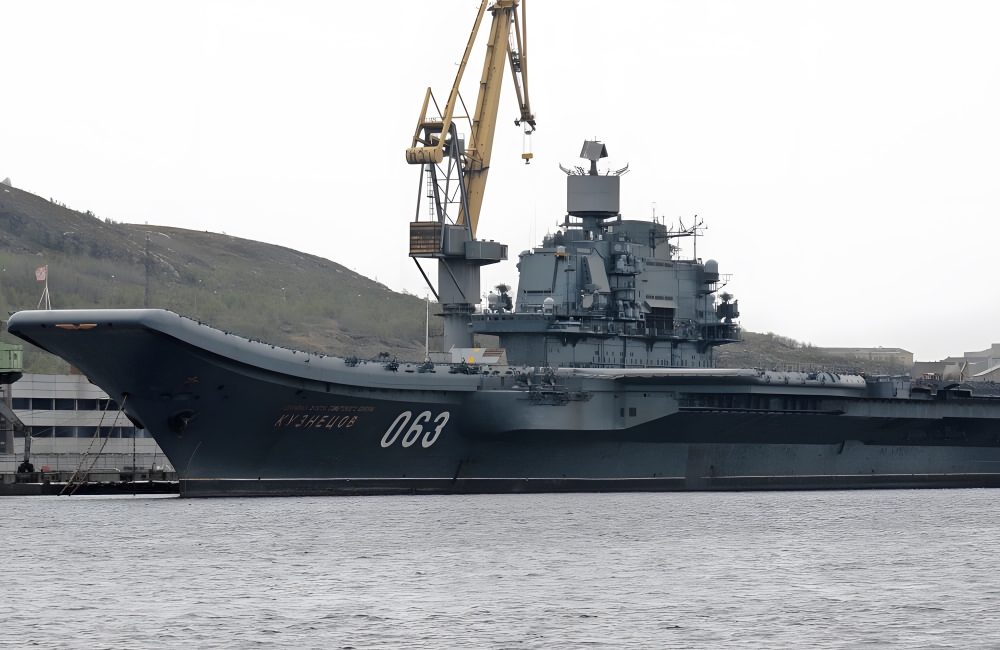
Admiral Kuznetsov Aircraft Carrier (Russia) ©VPales / Shutterstock
The Soviet Union was the first to use Admiral Kuznetsov, as it was launched in 1985. She was intended to be the lead ship of the class, but the Soviet Union disbanded in 1991 before the second member of the class, Varyag, was finished. Admiral Kuznetsov was refit in July 2018, and the refit is still ongoing.
27. A-10 Warthog – USA
Manufacturer: Fairchild Republic
Primary Users: U.S. Air Force
Cost: Program cost $33.15 billion* (FY2020) / Unit cost $46.3 million* (FY2020)
The A-10 Thunderbolt II is better known by its nickname the Warthog (or, simply, “The Hog”). The Warthog was designed for CAS of allies, as well as attacking tanks and armored vehicles. The Warthog also provides quick-action and air controller support. The Warthog was designed with a 30mm Avenger GAU-8 rotary cannon.
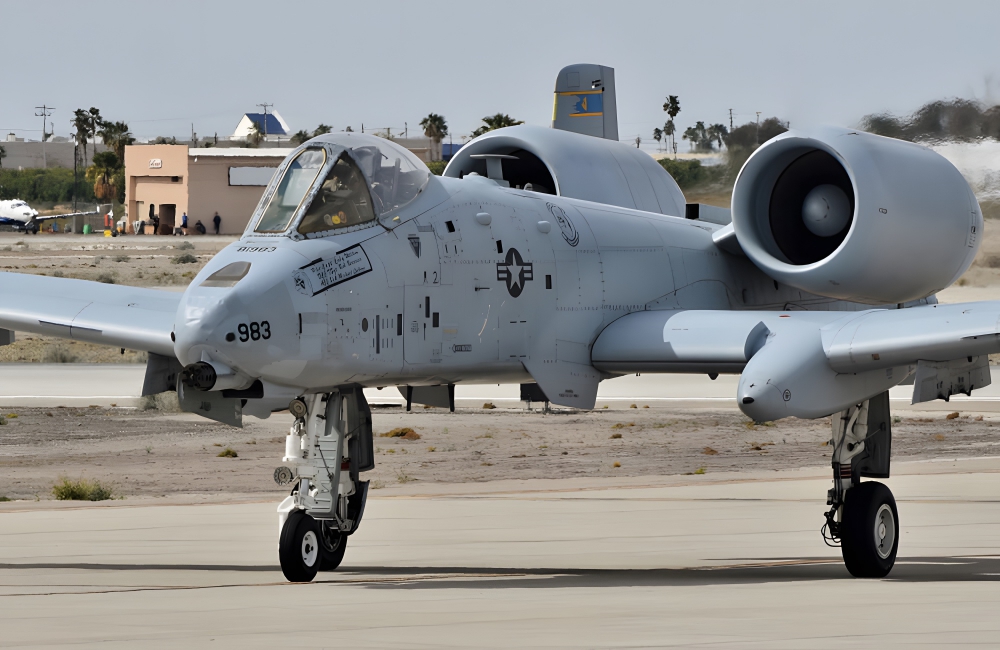
A-10 Warthog (USA) ©Michael Fitzsimmons / Shutterstock
The Warthog is as durable as the animal after which it is nicknamed. The airframe has 1,200 pounds of titanium armor around the cockpit. The Warthog was produced from 1972 until 1984, and 716 were built. It was officially introduced to the USAF in October of 1977. Each unit costs $46.3 million.
28. Liaoning Aircraft Carrier – China
Manufacturer: Mykolaiv South (hull), Nevoskye Planning and Design (hull), Dalian Shipbuilding Industry
Primary Users: People’s Liberation Army Navy Surface Force
Cost: Program/Unit cost $120 million* (FY2002)
The Liaoning was originally developed by the Soviet Union as the “Varyag.” However, the Soviet Union disbanded before Varyag was completed, so the Russian government cut its losses and sold Varyag to the Chinese, who renamed it Liaoning. Liaoning was sold off by the Soviets when it was 68% completed.
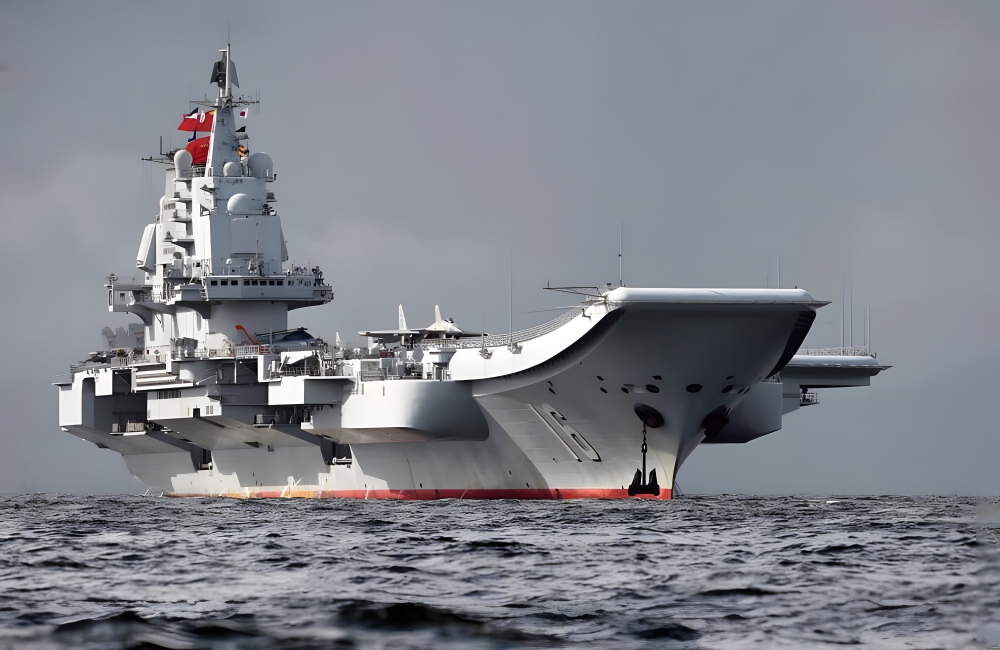
Liaoning Aircraft Carrier (China) @740kvor / Facebook.com
The Chinese Navy finished building it and commissioned it in 2002. Liaoning is a Type 001 aircraft carrier, the first of its kind to be used by the Chinese Navy. It was originally a training ship for the military, but the Chinese government-controlled media announced that Liaoning would become a combat ship in 2019.
29. Virginia Class Submarine – USA
Manufacturer: General Dynamics, Huntington Ingalls, Newport News
Primary Users: U.S. Navy
Cost: Program cost $118.8 billion* (FY2009) / Unit cost $1.8 billion* (FY2009)
Virginia class submarines benefit from America’s newest technologies, which allows each unit to have $1 billion less in building costs. The submarines are also called the SSN-774 class. They are nuclear-powered, fast-attack submarines that are the latest in the Navy’s undersea warfare platform. Virginia class submarines can do pretty much anything, from open ocean to littoral missions.
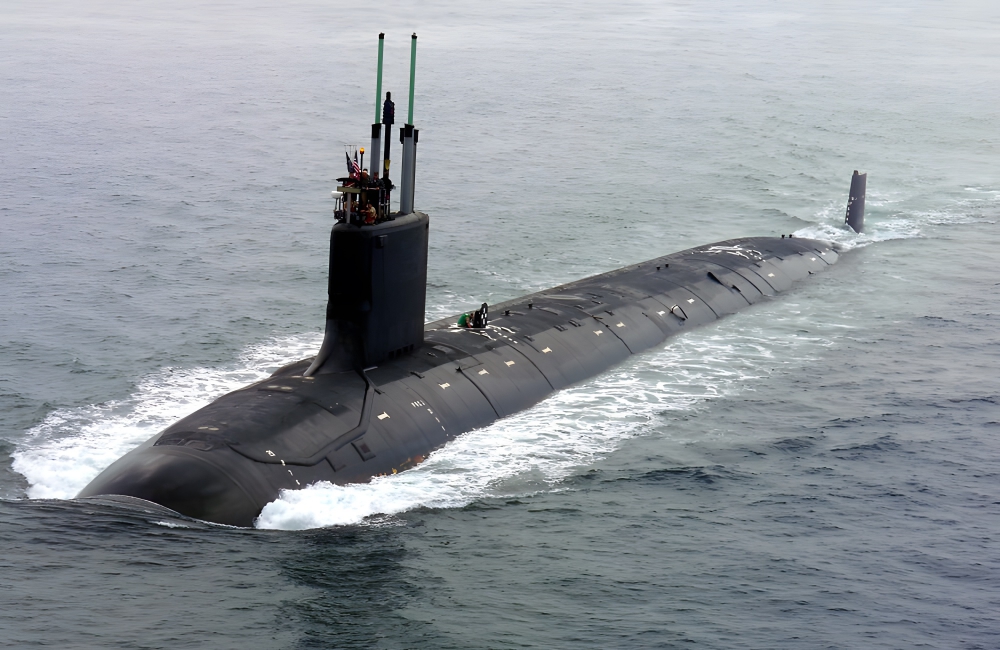
Virginia Class Submarine (USA) ©General Dynamics Electric Boat / Wikimedia.com
They are armed with Tomahawk missiles, RGM-84 Harpoons, and MK-48 torpedoes. Virginia-class submarines will replace the Los Angeles-class submarines, which are aging. 66 are planned. 19 have been completed and are in active service. Eleven are in the building process, and six are on order.
30. INK Vikramaditya Aircraft Carrier – India
Manufacturer: Black Sea Shipyard, JSC PO Sevmash, Chernomorskiy Yard, Nikolayev
Primary Users: Indian Navy
Cost: Program/Unit purchase price $2.35 billion* (FY2004)
Vikramaditya means “Brave as the Sun” in Sanskrit. This aircraft carrier is a former member of the Soviet Navy’s Kiev-class, where it was originally built under the name Baku. Baku was commissioned in 1987 and decommissioned nine years later. India bought it from the Russians in 2004 for $2.35 billion. It took years of negotiations before the deal was closed.
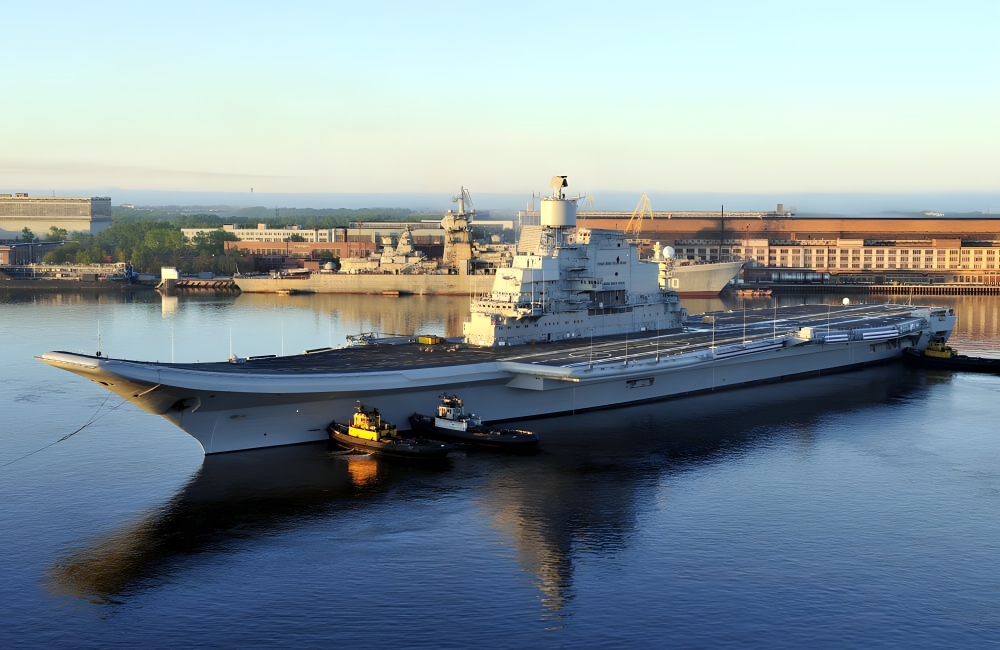
INK Vikramaditya Aircraft Carrier (India) @INSVikramadityaR33 / Facebook.com
Vikramaditya had to be overhauled before it could be launched in 2008. 99% of the structure and 50% of the cabling had to be replaced. New equipment (engines, diesel generators, and a deck that could handle an MiG-29K aircraft) was installed as well.
31. Bell AH-1Z Viper – USA
Manufacturer: Bell Helicopter
Primary Users: U.S. Marine Corps
Cost: Program cost $6.758 billion* (FY2020) / Unit cost $31 million* (FY2020)
This twin-engine attack helicopter was based on the legendary SuperCobra. The Bell AH-1Z Viper was developed for the Marines as part of the H-1 Program, which was a series of upgrades to and replacements of aging Marine aircraft. The Viper has a four-blade, composite rotor system. It also has a new target sighting system and uprated transmission.
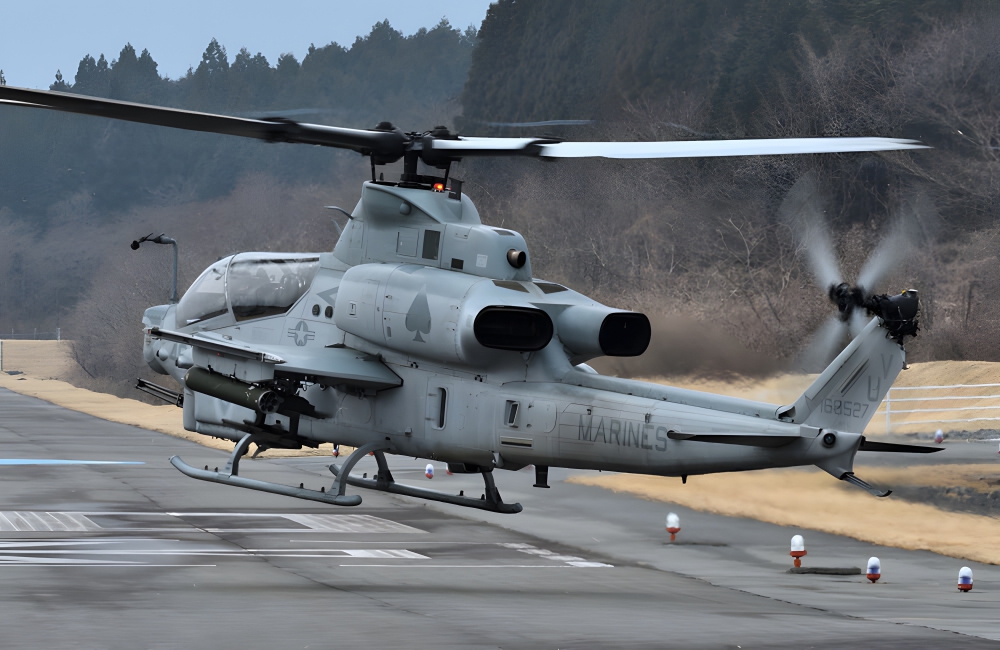
Bell AH-1Z Viper (USA) ©viper-zero / Shutterstock
The Viper is part of the Bell Huey family. It is nicknamed “Zulu Cobra.” Viper crew members have a Thales Top Owl helmet. The helmet-mounted sight/display system has 24/7 capabilities. It can see anything in day or night with its binocular display. The Thales helmets have FLIR projected onto the visor.
32. Charles De Gaulle Aircraft Carrier – France
Manufacturer: Naval Group
Primary Users: French Navy
Cost: Program/Unit cost $3.54 billion* (FY2001)
The Charles de Gaulle is the French Navy’s flagship, and it was amazing that it was completed at all considering the constant delays that plagued its construction in the 1990s. It was finally completed( five years behind schedule) in 2001. It is the French Navy’s tenth aircraft carrier, but the first surface vessel to operate using nuclear power.
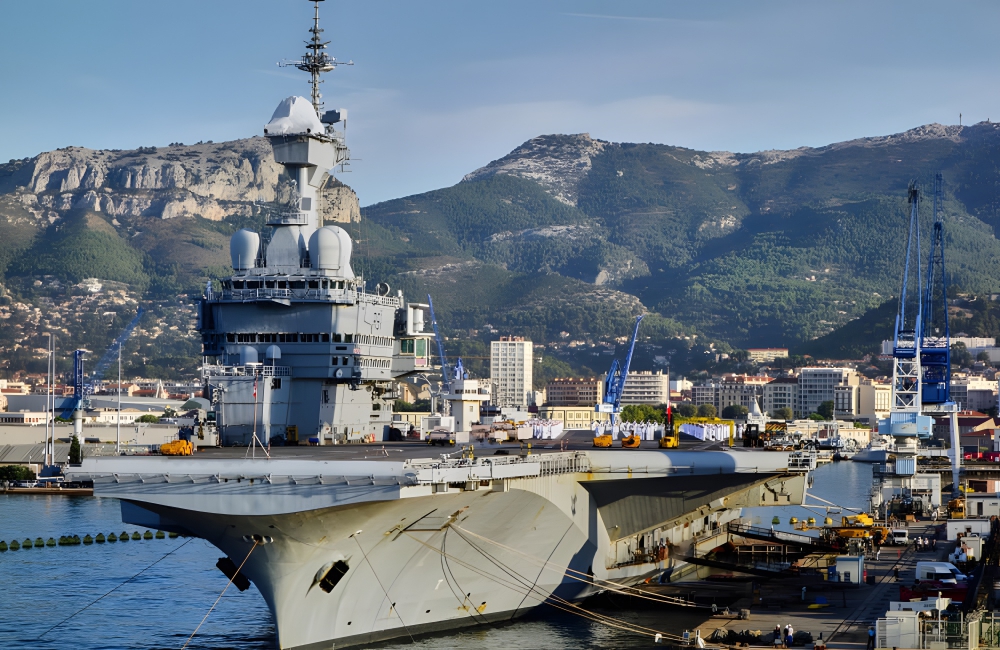
Charles De Gaulle Aircraft Carrier (France) ©Quirky Badger / Shutterstock
Charles de Gaulle is named after a French general and statesman. The ship can carry a wide range of aircraft, including E-2C Hawkeyes, Dassault Rafale Ms, EC725 Caracals, AS532 Cougars, and more. Charles de Gaulle has Aster missiles, cutting-edge electronics, and a CATOBAR configuration.
33. Astute Class Submarine – UK
Manufacturer: BAE Systems Maritime Submarines
Primary Users: Royal Navy
Cost: Program cost $14 billion* (FY2015) / Unit cost $2 billion* (FY2015)
The Astute class of submarines is the latest in service with the UK’s Royal Navy. These SSNs have upgraded communications facilities, stealth capabilities, and weapons loads. BAE Systems Maritime Submarines is constructing the Astute-class at Barrow-in Furness. Seven are planned, and three are active now.
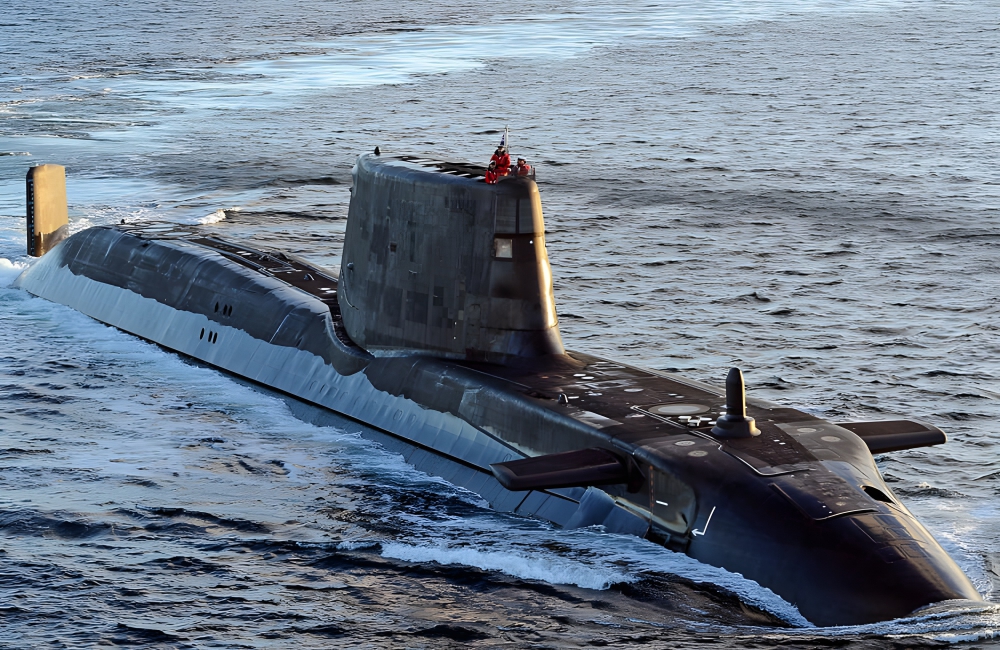
Astute Class Submarine (UK) ©Crown Copyright 2012 / Wikimedia.org
Astute is over 318 feet long. It has Thales Sonar, an Atlas DESO 25 echo-sounder, and a Raytheon Successor IFF. It can stow up to thirty-eight weapons, including Spearfish heavyweight torpedoes and Tomahawk Block IV cruise missiles. The test depth of the Astute-class is over 984 feet. Rolls-Royce, the luxury car company, built the reactor.
34. Cavour Aircraft Carrier- Italy
Manufacturer: Fincantieri
Primary Users: Italian Navy
Cost: Unit/Program cost $1.64 billion* (FY2010)
Cavour is the lead ship of the Italian Navy, and its motto is In arduis servare mentem. The aircraft carrier was laid down in 2001 and launched three years later. In March of 2008, it was commissioned, and it officially entered service on June 10, 2009. Fincantieri built Cavour. The spacious aircraft carrier has room for sixteen F-35B Lightning IIs.
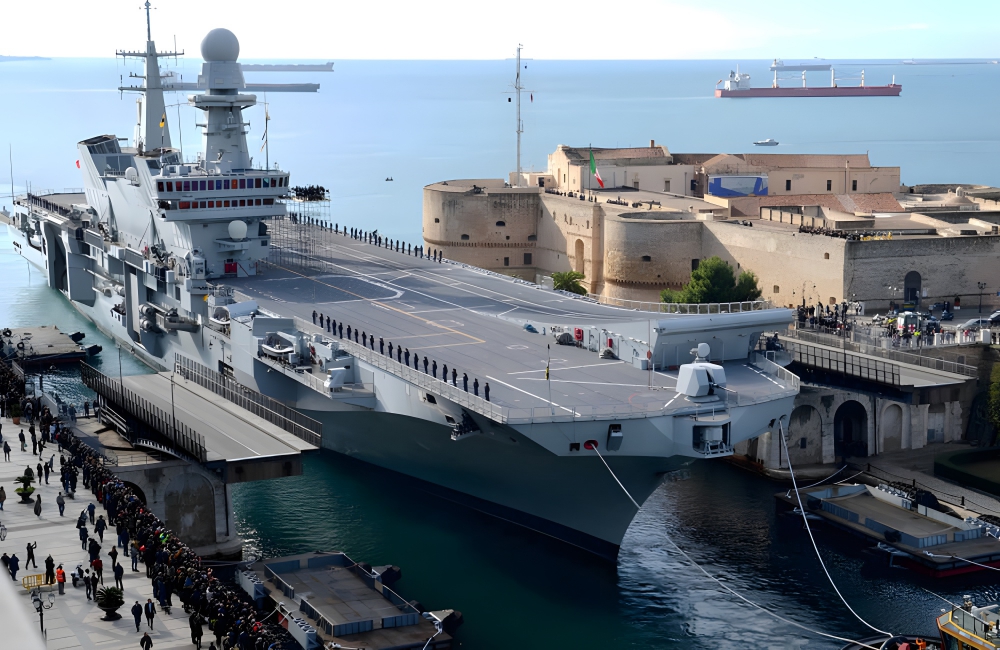
Cavour Aircraft Carrier (Italy) ©Massimo Todaro / Shutterstock
The aircraft carrier’s first mission was to Haiti. It was dispatched for Operation White Crane, which was Italy’s earthquake relief mission to Haiti. It supplemented further international efforts to victims of the catastrophic 7.0 earthquake, which killed between 220,000 and 316,000 people.
35. Kamov Ka-52 Hokum-A – Russia
Manufacturer: Kamov, Progress
Primary Users: Russian Army, Russian Special Forces, Russian Air Force
Cost: Program cost $512 million* / Unit cost $16 million* (FY2011)
Designed by Kamov, the Ka-50 is known as the “Black Shark.” The Ka-52, which was designed by Kamov as well, is nicknamed “the Alligator.” The Kamov design bureau is known for its distinct coaxial rotor system.
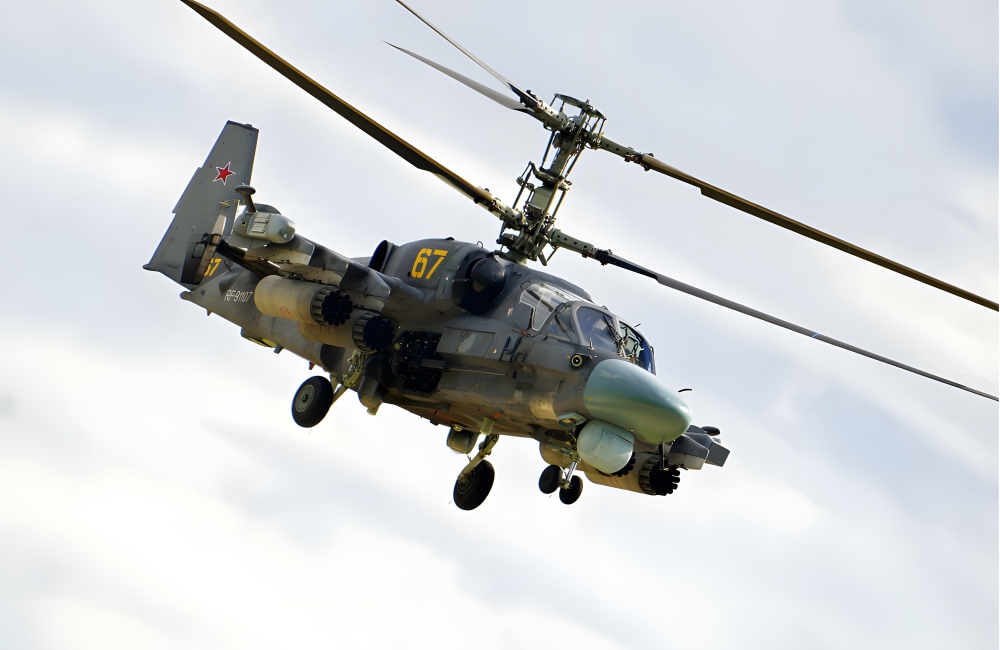
Kamov Ka-52 Hokum-B (Russia) ©VicColon / Shutterstock
The Ka-50 was designed in the eighties. It was officially introduced to the Russian Army in 1995. Though Kamov did the design, Progress, a builder in Arsenyev, built the helicopters. Though the Mil Mi-28 is the Russian Army’s main gunship, the Ka-50 is the support helicopter for Russian special forces. The Russian Air Force also has three units.
36. Juan Carlos I Aircraft Carrier – Spain
Manufacturer: Navantia
Primary Users: Spanish Navy
Cost: Unit/Program cost $500 million* (FY2005)
Named after King Juan Carlos I of Spain, a ruler who reigned from 1975 until 2014, the Juan Carlos I is a multi-role amphibious assault aircraft-carrier. It has similar equipment as other aircraft carriers, including a STOVL operation ski jump and an AV-8B Harrier II fighter jet. Juan Carlos I launched in 2009 and was commissioned one year later.
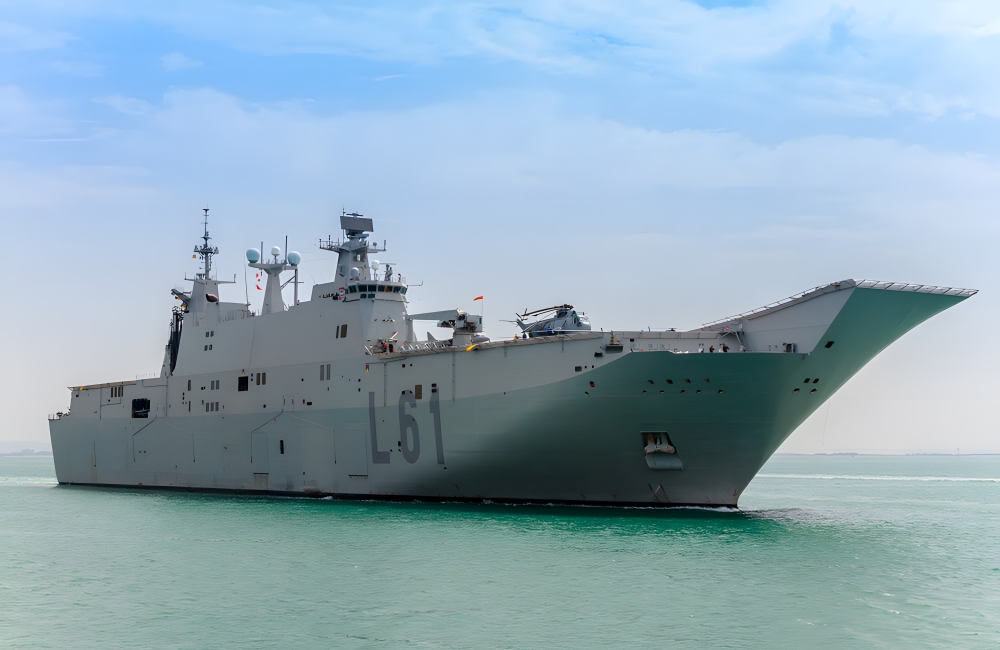
Juan Carlos I Aircraft Carrier (Spain) ©David Acosta Allely / Shutterstock
It took five years to build, costing $500 million in 2005. In addition to carrying the Harrier II, Juan Carlos I can also carry the Chinook, NH-90, and Sea King aircraft. It is armed with 12.7mm machine guns, 20mm guns, and BPDMS missiles.
37. Graney Class Submarine – Russia
Manufacturer: Sevmash, Malakhit
Primary Users: Russian Navy
Cost: Program cost $4.8 billion* (FY2011) / Unit cost $800 million* (FY2011)
Also called the Yasen-class, the Graney-class of submarines costs $800 million per unit. Yasen means “ash tree” in Russian. The Graney-class is a series of nuclear-powered cruise missile subs. Sevmash is the manufacturer, while Malakhit is the designer. Malakhit based its designs for the Graney-class on the Alfa- and Akula-class submarines.
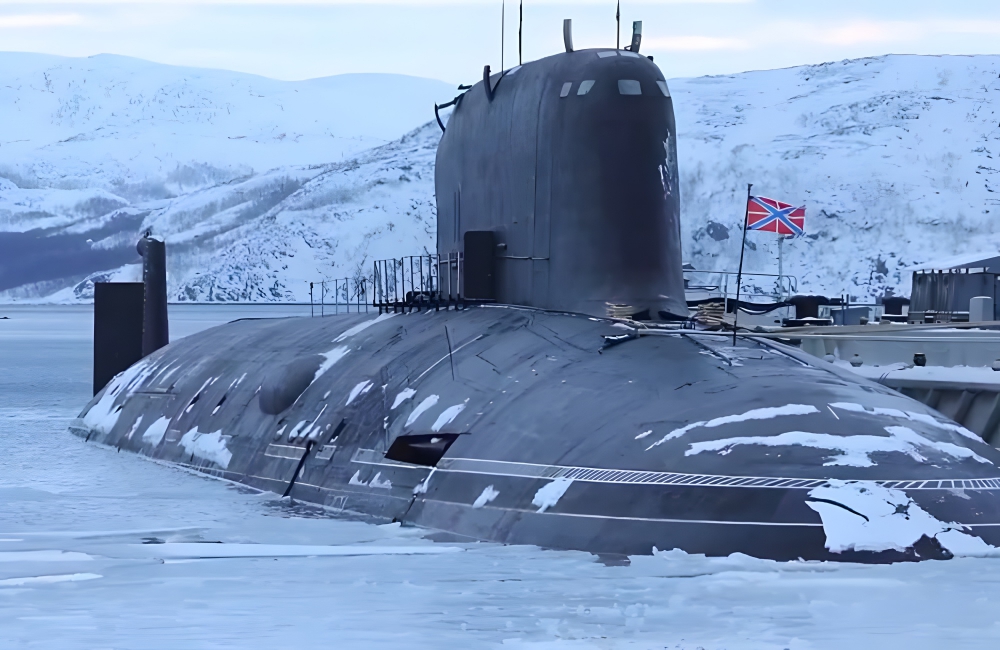
Graney Class Submarine (Russia) @10SlideInfo / Youtube.com
The Graney-class is slated to replace the current Russian nuclear attack submarines from the Soviet era, which are aging out of usefulness. The Graney-class is the first Russian submarine class to have spherical sonar. The design is armed with land-attack, anti-ship, and anti-submarine missiles from the Oniks and Kalibr families.
38. USS America Aircraft Carrier – USA
Manufacturer: Newport News Shipbuilding
Primary Users: U.S. Navy
Cost: Program $10.1 billion* (FY2015) / Unit cost $3.4 billion* (FY2015)
Part of the Kitty Hawk class of supercarriers (of which there were three), the USS America was commissioned in the mid-1960s. It was decommissioned in 1996. The motto of the ship is “Don’t tread on me,” and it is nicknamed “The Big A.” The USS America served in the Vietnam War, Desert Shield, and Desert Storm, among other intense conflicts.
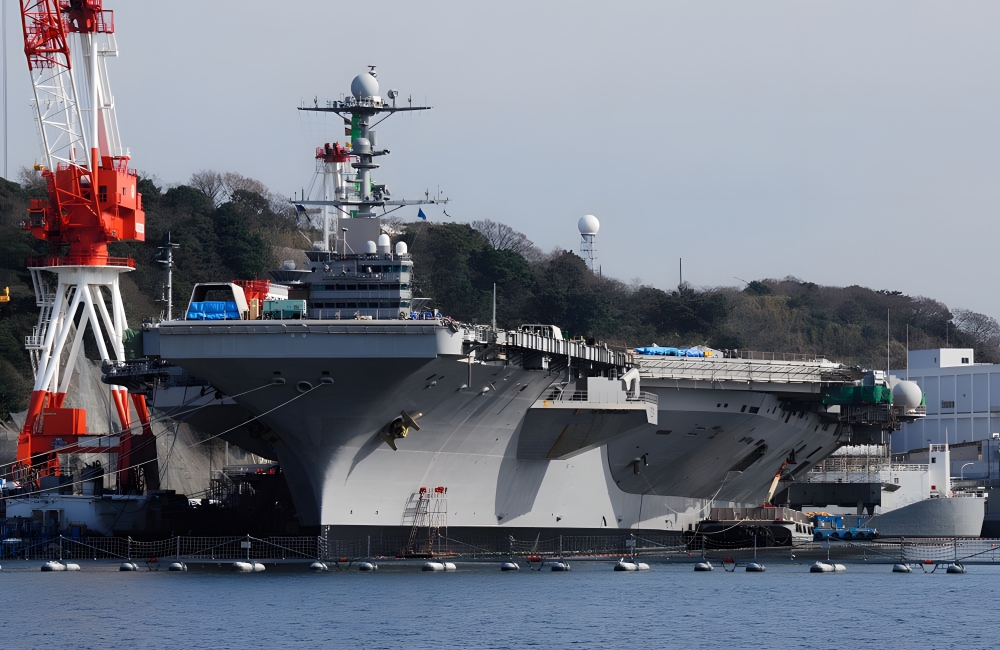
USS America Aircraft Carrier ©viper-zero / Shutterstock
The USS America, in 2005, years after decommissioning, was chosen for a live-fire test that would help design future aircraft carriers. On May 14, 2005, at 11:30AM, the Navy finished its tests and sank the ship. The wreck is in one piece still off the coast of Cape Hatteras. It lays 16,680 feet below the Atlantic Ocean’s surface.
39. Mil Mi-28 Havoc Helicopter – Russia
Manufacturer: Mil Moscow Helicopter Plant
Primary Users: Russian Air Force, Algerian Air Force, Iraqi Air Force
Cost: Program cost $2.016 billion* (FY2002 / Unit cost $15-$16 million* (FY2002)
With a top speed of 186 miles per hour, the Mil Mi-28 has the NATO reporting name of “Havoc.” The Mil Mi-28 is a two-seat attack helicopter. It has anti-armor, military tandem, all-weather, and day-night capabilities. It has no secondary transport capabilities, and it is better for this role than the Mil Mi-24 gunship.
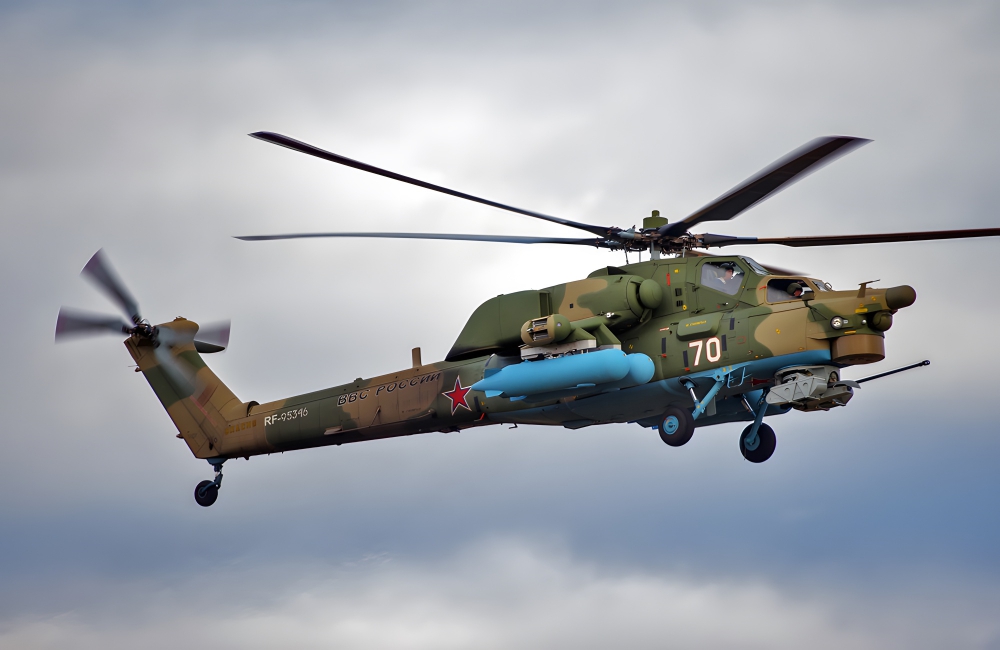
Mil Mi-28 Havoc Helicopter (Russia) @Media_works / Shutterstock
The Mi-28 has just one gun, which is carried in its under-nose barbette. It can also carry external loads on pylons under its stub wings. Each unit costs $15-$16 million. So far, 126 have been built by the Mil Moscow Helicopter Plant. The first Mi-28 was commissioned during the Soviet Union’s reign in 1982. It is still active today.
40. Kawasaki Ninja Helicopter – Japan
Manufacturer: Kawasaki Aerospace Company
Primary Users: Japanese Ground Self Defense Force.
Cost: Program cost $923.78 million* (FY2013) / Unit cost $24.3 million* (FY2013)
Nicknamed “Ninja,” the Kawasaki OH-1 is a scout helicopter made by the Kawasaki Aerospace Company for the Japanese Ground Self Defense Force. It has been produced from 1996 until 2013. 38 have been built so far. The Ninja is still in service, twenty years after it was officially introduced to the Japanese military.
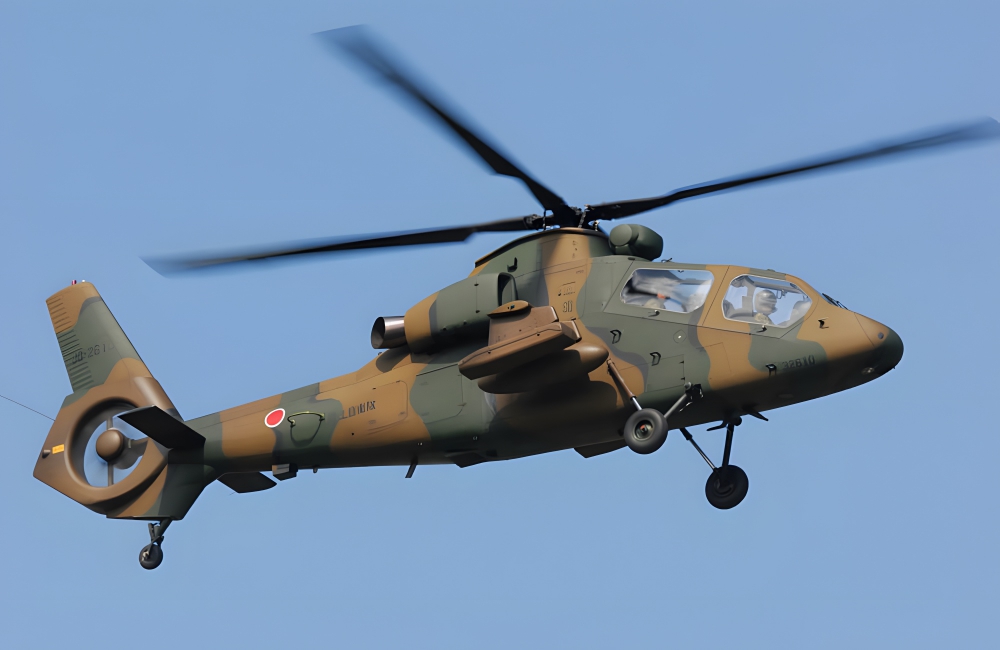
Kawasaki Ninja Helicopter (Japan) ©viper-zero / Shutterstock
The Ninja was developed as a replacement for the OH-6Ds. Though this is an observation helicopter, it can be armed. Weapons that the OH-1 is compatible with include air-to-air missiles, anti-tank missiles, and other self-defense munitions. The OH-1 was slated to have a utility variant, but that project was scrapped.
41. Sierra II Class Submarine – Russia
Manufacturer: Krasnoye Surmovo, Lazurit
Primary Users: Russian Navy
Cost: Unknown (date unreleased by the Russians)
In the Soviet Union, the Sierra-class submarine project was called the Project 945A Kondor and the Project 945 Barrakuda. Sierra was the NATO reporting name. The Sierra-class is a class of nuclear-powered attack submarines. Developed in 1979 and commissioned in 1984, the last of the Sierra-class was completed in 1992.
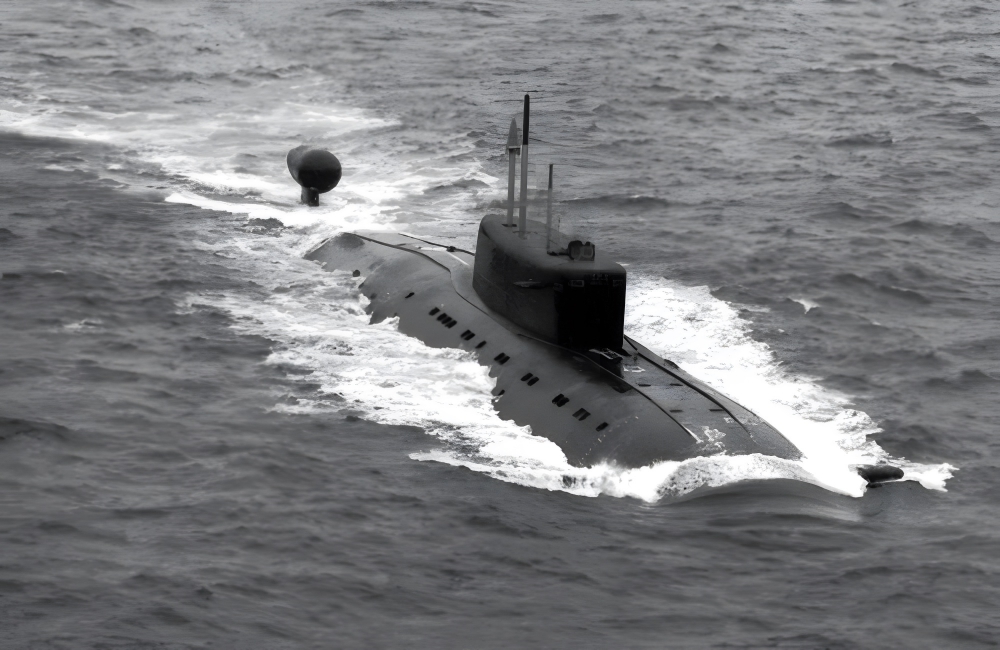
Sierra II Class Submarine (Russia) ©DoDMedia / Wikimedia.org
Now, the class is in use by the Russian Navy. Five were planned, but only four have been completed. Two are active now, as two are currently in the process of being modernized. The Sierra-class is distinctive because it has a titanium pressure hull. This light, strong hull lets the class’ submarines dive deeper, lower radiated noise, and increase torpedo attack resistance.
42. Rafale Jet – France
Manufacturer: Dassault Aviation, Safran, Thales
Primary Users: French Air Force, French Navy, Egyptian Air Force, Qatari Air Force
Cost: Program cost $62.7 billion* (FY2013) / Unit cost $249 million* (FY2016)
The Dassault Rafale’s name means “Gust of Wind” or “Burst of Fire,” depending on which translation you prefer. This canard delta wing, twin engine, multi-mission fighter jet is designed by Dassault Aviation. The Rafale can perform pretty much any task you ask of it, including aerial recon, interdiction, air supremacy, ground support, nuclear deterrence, and in-depth strike and anti-ship strike missions.
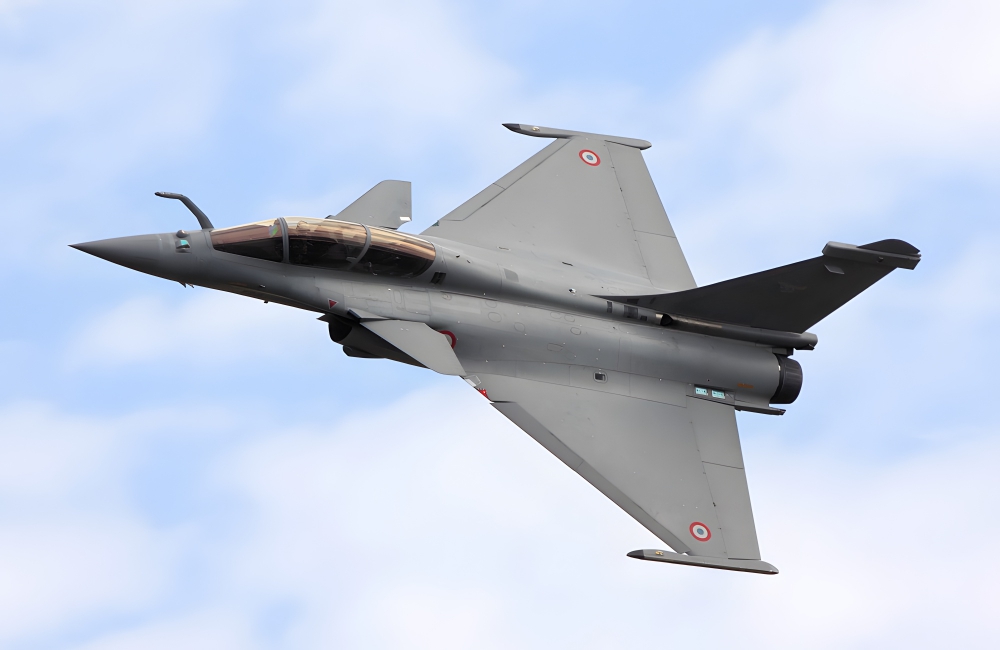
Rafale Jet (France) ©Tim Felce / Wikimedia.org
The Rafale was developed in the mid-1980s. The French Navy and French Air Force wanted to replace their aircraft fleets, which they felt were aging out. The Rafale is unique because it was built by just one country’s defense companies, something different for Europe, which usually enters into arrangements with neighboring allies.
43. Eurocopter Tiger – France & Germany
Manufacturer: Eurocopter, Airbus Helicopters
Primary Users: Germany Army, French Army, Australian Army, Spanish Army
Cost: Program cost $17.5 billion* (FY2012) / Unit cost $32.36 million* (FY2013)
An example of a European arrangement to create a military aircraft is the Eurocopter Tiger, which was created by a joint effort between Germany and France. The Eurocopter Tiger is used by both militaries, in addition to the Spanish and Australian Armies as well. The Tiger’s development began during the Cold War.
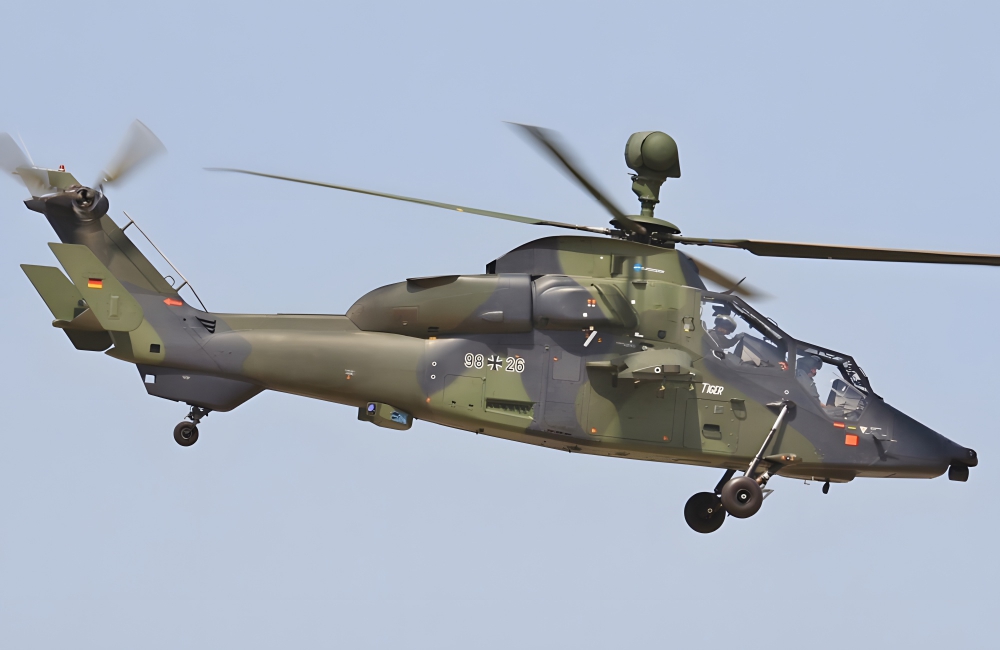
Eurocopter Tiger (France & Germany) ©Alan Lebeda / Wikimedia.org
France and Germany realized that they needed an anti-tank helicopter in the event that the Soviets invaded Western Europe. Far from launching a ground invasion of the West, the Soviet Union collapsed while the Tiger was still in development. France and Germany finished the project anyway, and the multi-mission attack helicopter was ready by 2008.
44. Shenyang J-31 – China
Manufacturer: Shenyang Aircraft Corporation
Primary Users: People’s Liberation Army
Cost: Program cost $140 million* (FY2018) / Unit cost $70 million* (FY2018)
The Shenyang FC-31 has several nicknames, including “Snowy Owl,” “Gyrfalcon,” and “Falcon Hawk.” The FC-31 is a mid-size, twin-engine jet fighter in its fifth generation. Two prototypes have been built so far by the Shenyang Aircraft Corporation. The FC-31 can carry 18,000 pounds of payload.
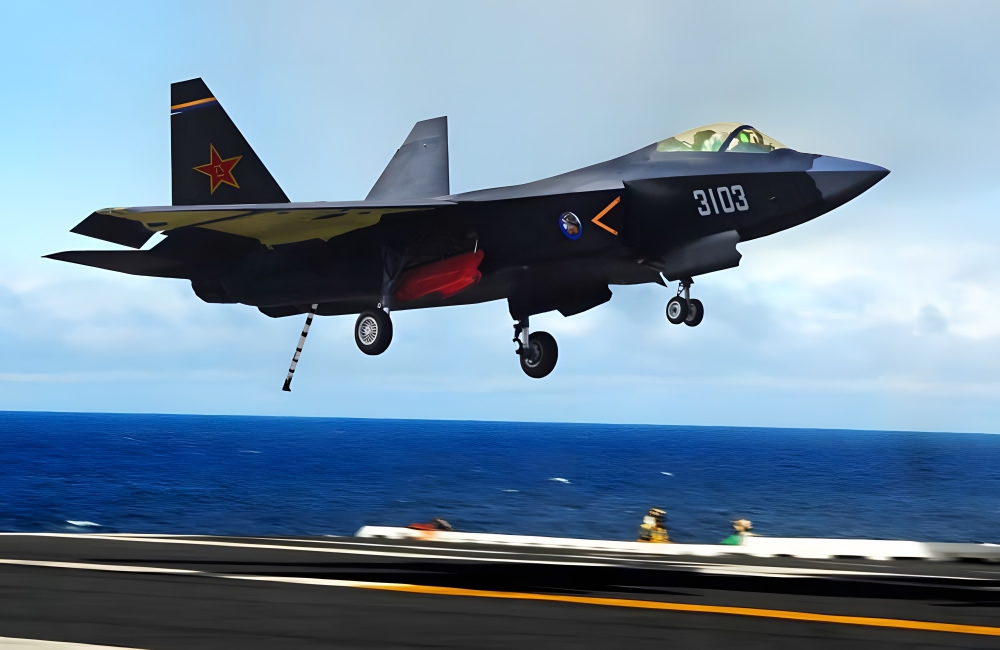
Shenyang J-31 @CustodioRubens / Twitter.com
It is compatible with 4,400 pounds of munitions, including PL-10 short-range missiles, PL-12 medium range missiles, and PL-21 missiles. The FC-31 has stealth coatings, as opposed to fiber-mat stealth that is “baked in.” AVIC officials claim that the FC-31 is impervious to Ku-band and L-band radar. The engine nozzles are currently being redesigned in order to reduce infrared and radar signatures.
45. Improved Los Angeles Class Submarine – USA
Manufacturer: Newport News Shipbuilding, General Dynamics, Raytheon
Primary Users: U.S. Navy
Cost: Program cost $98.58 billion* (FY2019) / Unit cost $1.59 billion* (FY2019)
The Los Angeles-class of submarines is aging, and it is being replaced by the Seawolf class. Each unit costs $1.59 billion, and sixty-two of these submarines have been completed thus far. 33 are active, and 29 are retired. Of the 33 active submarines, General Dynamics and Newport News are making some improvements.
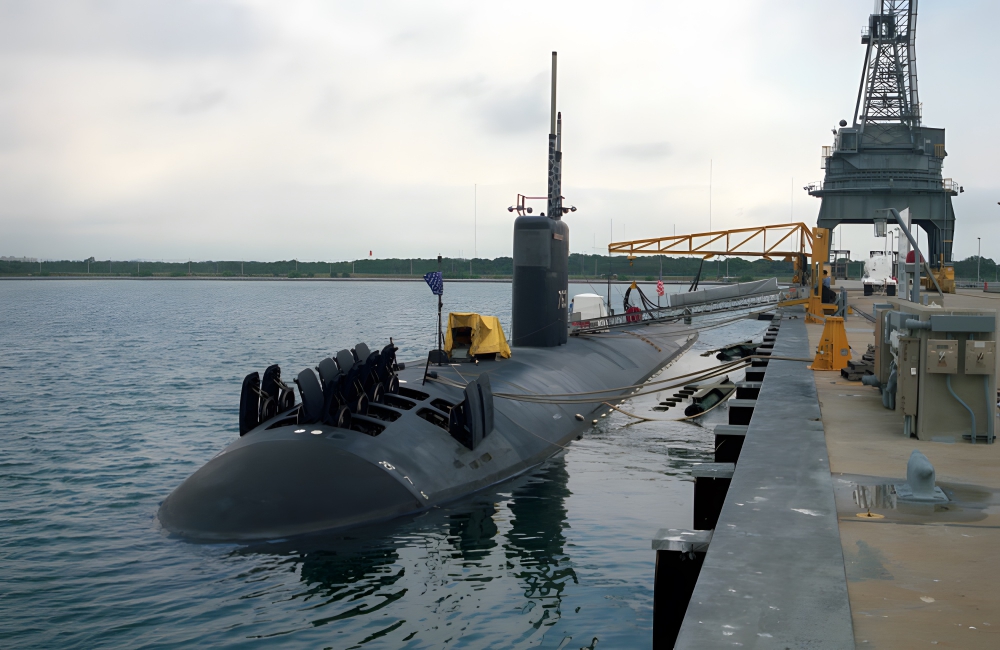
Improved Los Angeles Class Submarine (USA) ©Schlendrian / Wikimedia.org
The improved Los Angeles-class has a dramatically different control suite. Raytheon built the new MK2 A/B System. The MK2 provides VLS for the Tomahawk Block III, and it has also made improvements to the Towed Array Target Motion operability and the ADCAP Torpedo. New electronics, weapons, and avionics are on-deck for the new LA-class.
46. Tupolev Tu-160 – Russia
Manufacturer: Tupolev, Kazan Aircraft Production Association
Primary Users: Russian Air Force
Cost: Program cost $1.236 billion* (FY2006) / Unit cost $34.33 million* (FY2006)
Designed by Tupolev and built by Kazan, the Tu-160 is the largest, heaviest Mach 2 supersonic aircraft ever constructed. It is the second-longest, next to the XB-70 Valkyrie. The Tu-160 is a variable-sweep wing, supersonic, heavy strategic bomber that entered into service in the late eighties with the Soviet Union. Now, it is used by the Russian Air Force.
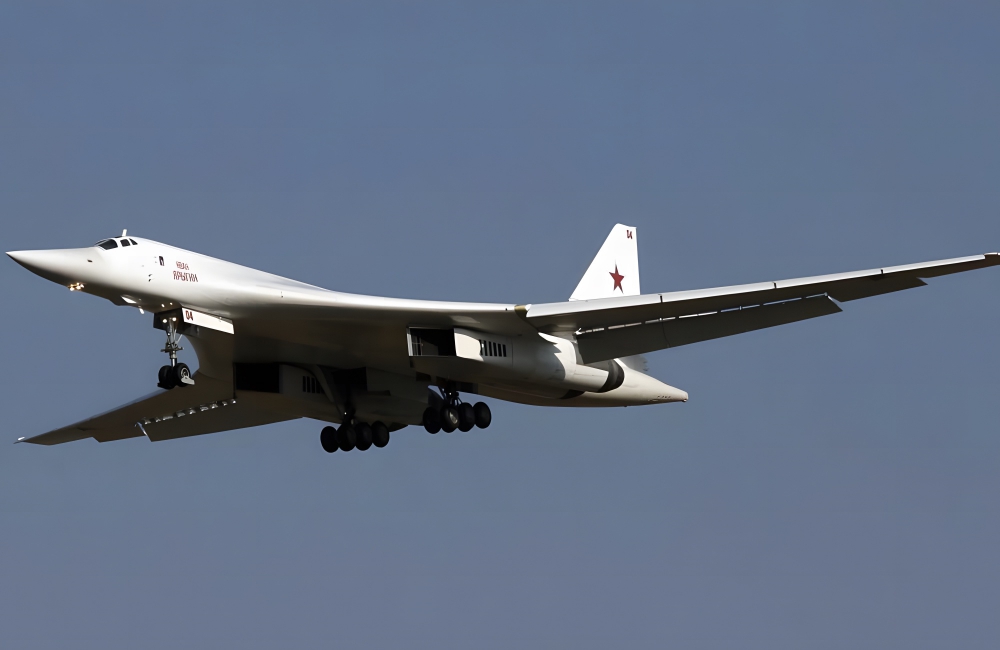
Tupolev Tu-160 @EmbassyofRussia / Twitter.com
The Tu-160’s modernization program commenced in the early 2000s. The first modernized Tu-160 was delivered in 2014. There are thirty-seven Tu-160s in existence today, and twenty-seven of those are serial. In 2018, the Russian President suggested converting a Tu-160 to civilian use, but the feasibility of that remains to be seen.
47. Denel AH-2 Rooivalk Helicopter – South Africa
Manufacturer: Denel Aviation (AKA Atlas Aircraft Corporation)
Primary Users: South African Air Force
Cost: Program cost $1 billion* (FY2007) / Unit cost $40 million* (FY2007)
Rooivalk means “Red Falcon” in Afrikaans. The Denel Rooivalk, designed by Denel Aviation when the company went under the name Atlas Aircraft Corporation, was developed in 1984. The development was closely related to the Atlas Oryx, a transport helicopter, and both the Oryx and the Rooivalk are based on the SA 330 Puma by Aerospatiale.
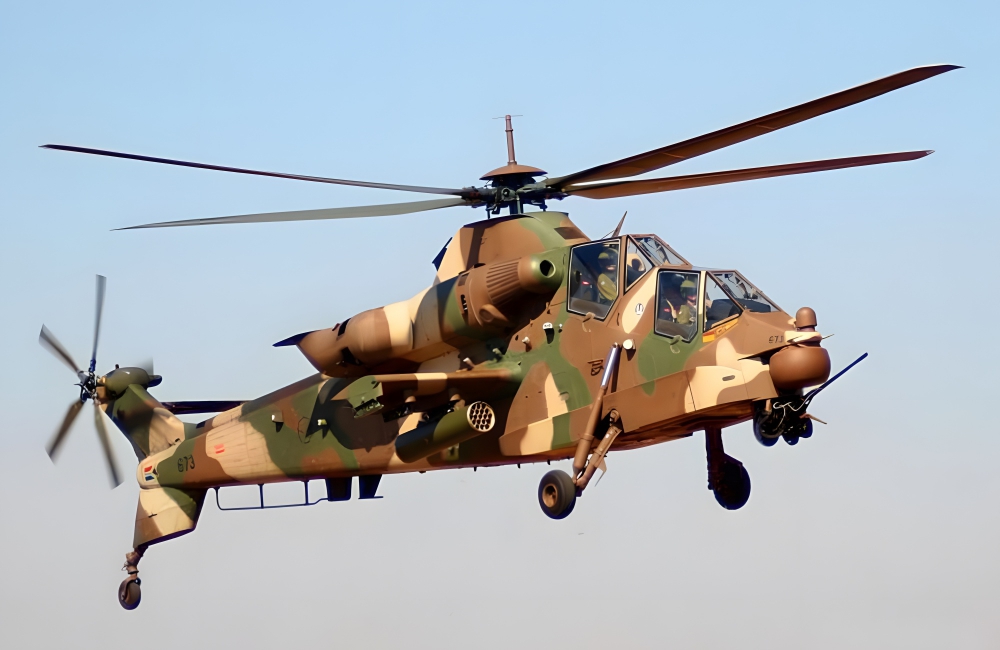
Denel AH-2 Rooivalk Helicopter (South Africa) @The Blues / Pinterest
The Rooivalk is an attack helicopter. Designated AH-2, the Rooivalk can operate for long periods of time in the harsh African climate without sophisticated support. The Rooivalk is equipped with a 20mm cannon, and it has the capacity to carry anti-armor and air-to-air missiles, as well as unguided rockets. Its fire control system uses Doppler and GPS.
48. Black Hawk Helicopter – USA
Manufacturer: Sikorsky Aircraft
Primary Users: U.S. Army, U.S. Navy, U.S. Coast Guard, U.S. Air Force, Japan Self Defense Forces, Republic of Korea Armed Forces, Columbian Armed Forces
Cost: Program cost $85.2 billion* (FY2012) / Unit cost $21.3 million* (FY2012)
Black Hawk, designed by Sikorsky, was named after a Native American warrior of the same name. The helicopter is a four-blade, medium-lift, twin-engine utility copter. The Black Hawk’s primary user is the U.S. Army, but it also has variations in use with the Coast Guard, Air Force, and Navy.
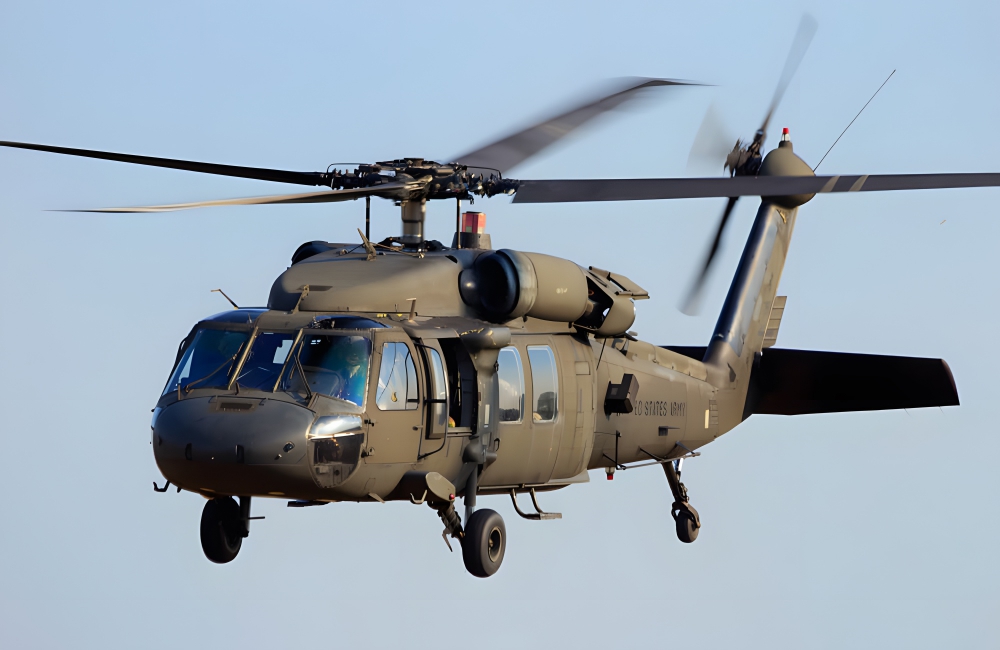
Black Hawk Helicopter (USA) ©VanderWolf Images / Shutterstock
The UH-60 Black Hawk has been in service since 1979. It had its first flight on October 17, 1974. Each unit costs $21.3 million, and 4,000 have been built since 1974. The Black Hawk has been with the American military branches in conflicts all around the world, from the Balkans to Africa.
49. Soryu Class Submarine – Japan
Manufacturer: Kawasaki Shipbuilding Corporation, Mitsubishi Heavy Industries
Primary Users: Japan Maritime Self Defense Force
Cost: Program Cost $5.903 billion* (FY2015) / Unit cost $536.7 million* (FY2015)
The Soryu class of submarines are attack submarines that run on a mix of diesel and electric power. The first boat in the Soryu class entered service in 2009 with the Japan Maritime Self-Defense Force. The design of the Soryu-class came from the Oyashio-class, though the Soryu is easy to distinguish because it has X-shaped rudders and diving planes on its stern.
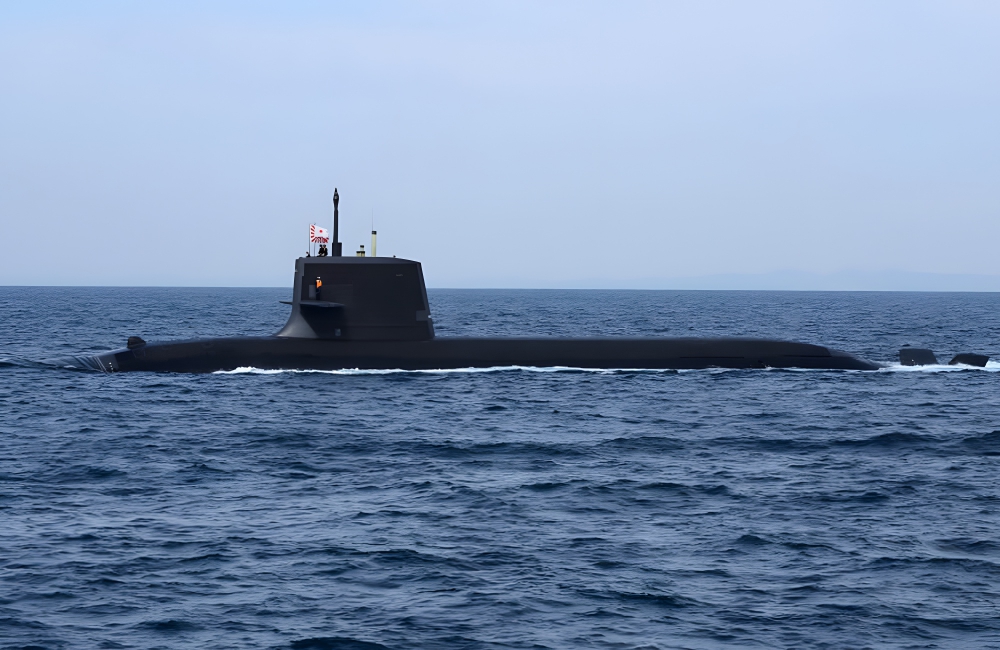
Soryu Class Submarine (Japan) ©viper-zero / Shutterstock
Twelve are planned, eleven have been completed, and one is in the process of building. The attack submarine has the largest displacement of any post-WWII submarine in Kapan (4,134 long tons when submerged). The Soryu class is the first Japanese submarine to use air-independent propulsion.
50. Apache Helicopter – USA
Manufacturer: Boeing (formerly Hughes Helicopters and McDonnell Douglas)
Primary Users: U.S. Army, Israeli Air Force, Royal Netherlands Air Force, Egyptian Air Force
Cost: Program cost $85.2 billion* (FY2014) / Unit cost $35.5 million* (FY2014)
The U.S. Army’s primary attack helicopter is the AH-64 Apache, made by Boeing. The helicopter was first flown on September 30, 1975. It was introduced in April of 1986. Over 2,400 have been produced as of April 2020. The Apache attack helicopter has been the pioneer of many advanced features, including the helmet-mounted display and the IHADDS.
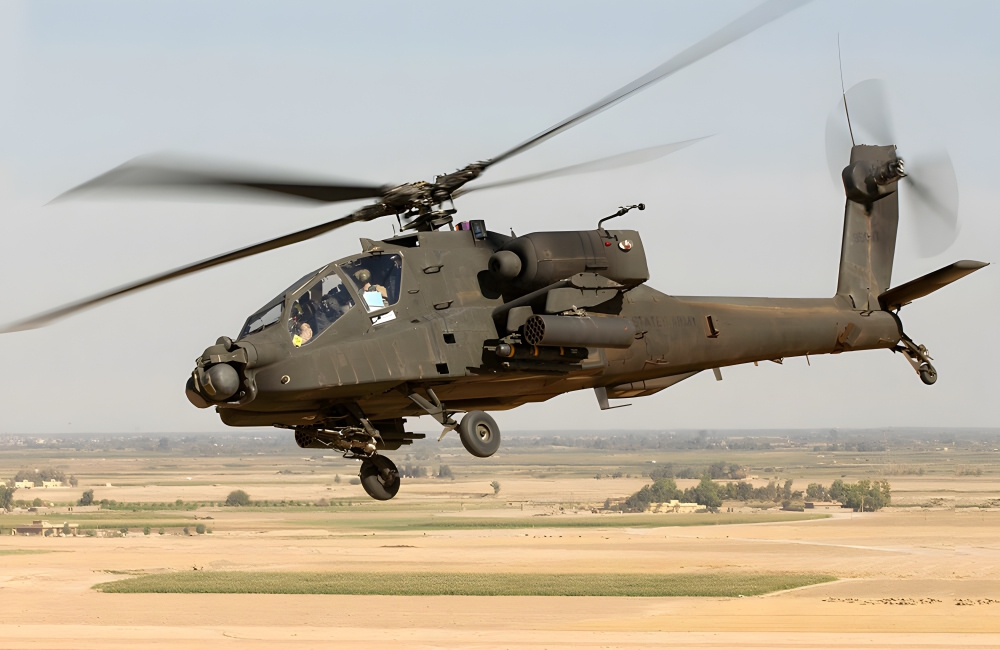
Apache Helicopter (USA) ©Andy Dunaway / Shutterstock
The pilot is able to slave the 30mm chain gun to the helmet, which means that the gun tracks head movements wherever the pilot looks. The Apache is designed to perform in the front lines of battlefields, and its TADS/PNVS, GPS, and passive infrared countermeasures, among many other features, make it a force to be reckoned with.
51. BvS 10 Viking – UK/Sweden
Manufacturer: BAE Systems Land Systems, Hagglunds
Primary Users: British Royal Marines, Netherlands Marine Corps
Cost: $990,740*
The BandvagenS 10, better known by its abbreviation, the BvS 10, is a BAE Systems all-terrain armored vehicle. It is similar to the BV206S, except it is larger and fully amphibious. Each unit costs nearly $1 million to produce, and the five-ton fighting vehicle is used by the British and Netherlands Marines.
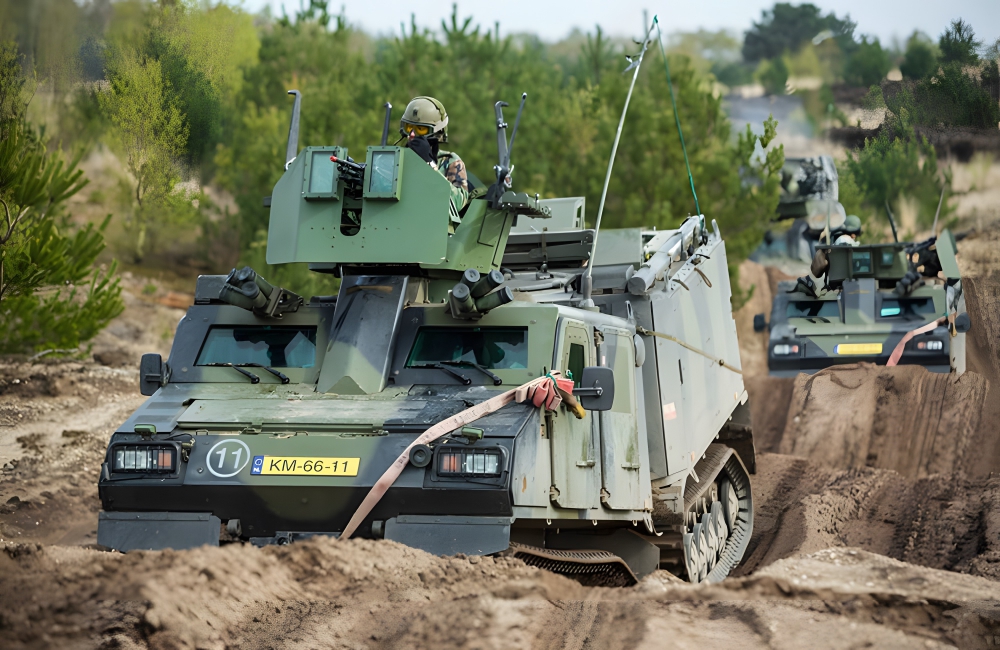
BvS 10 Viking (UK/Sweden) @markbrouwer2010 / Twitter.com
The BvS 10 is also on order from French, Swedish, and Austrian militaries. The armored vehicle I prized because it has a powerful Cummins 5.9L engine, better ground clearance, and a new chassis and powertrain, which make it faster and more comfortable on the road. It has a greater load capacity now, too.
52. Iveco Light Multirole Vehicle (LMV) / Panther – UK
Manufacturer: Iveco, BAE Systems (UK), MVPS (Russia)
Primary Users: Spanish Army, Russian Army, Norwegian Army, Belgian Army, Austrian Army, Albanian Army, Italian Army, British Army (Known As Panther)
Cost: $661,425*
Iveco developed the Iveco LMV (AKA, Light Multirole Vehicle). It’s known as the Panther within the British Army. This 6.5-ton tactical vehicle won the British Army’s Future Command and Liaison Vehicle competition, thanks to its resistance to IEDs.
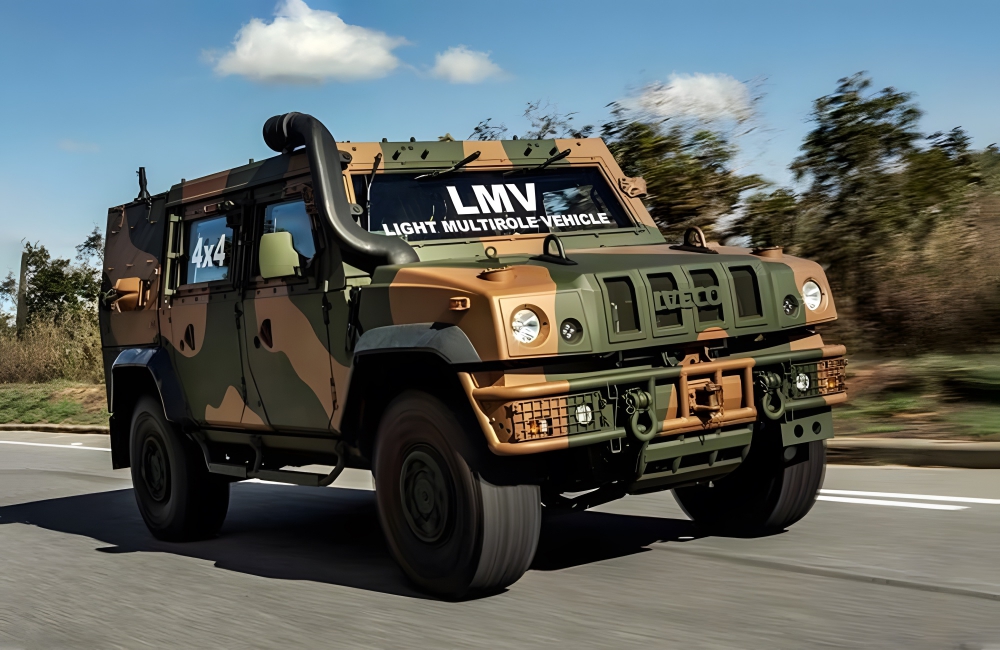
Iveco Light Multirole Vehicle (LMV) / Panther (UK) @DefesaNet / Twitter.com
The LMV is able to protect its occupants through its modular armor packs, which adjust to the appropriate level of protection as the mission requires. The ground clearance on the LMV has increased to nineteen inches without changing the overall height of this ingenious vehicle. Mine blasts are absorbed and deflected, thanks to a v-hull under the body, suspended seats, and a collapsible sandwich structure in the LMV’s floor.
53. LGS Fennek – Germany
Manufacturer: Dutch Defence Vehicle Systems, Kraus-Maffei Wegmann, FNSS Defence (Turkey)
Primary Users: German Army, Royal Netherlands Army
Cost: $1.904 million*
The Fennek is a 4WD armored recon vehicle made by Dutch Defence Vehicle Systems, in partnership with Kraus-Maffei Wegmann. The other producer is FNSS Defence, which makes the vehicle for Turkey. The German and Royal Netherlands Army replaced their current four-wheeled reconnaissance vehicles with Fenneks.
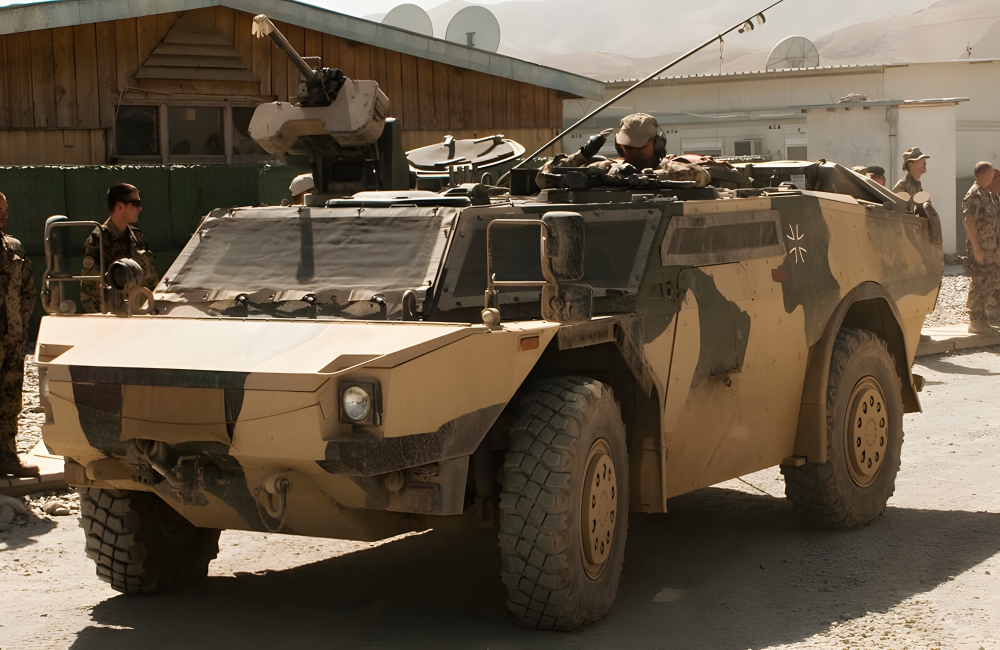
LGS Fennek (Germany) @gordonormiston / Pinterest
The Fennek runs on a Deutz diesel engine, which gives it a top speed of 71.4 miles per hour. The Fennek can fit various weapons, including a 12.7mm machine gun, Rafael Spike anti-tank missile, Rheinmetall MG3, and more. The vehicle can add additional armor if required, and it is baseline protected against 7.62mm rounds.
54. NMS 4×4 – Turkey
Manufacturer: Nurol Makina
Primary Users: Qatar Army, Multiple Orders Currently Undisclosed
Cost: $209,000*
The NMS 4×4 is one of the newer vehicles on this list. It’s made by Nurol Makina, and it was first unveiled to the public in May of 2017 at the International Defence Industry Fair in Istanbul. The NMS 4×4 is a light armored vehicle. It has anti-air-defense and anti-tank capabilities, two requirements that countries ordering this vehicle specified.
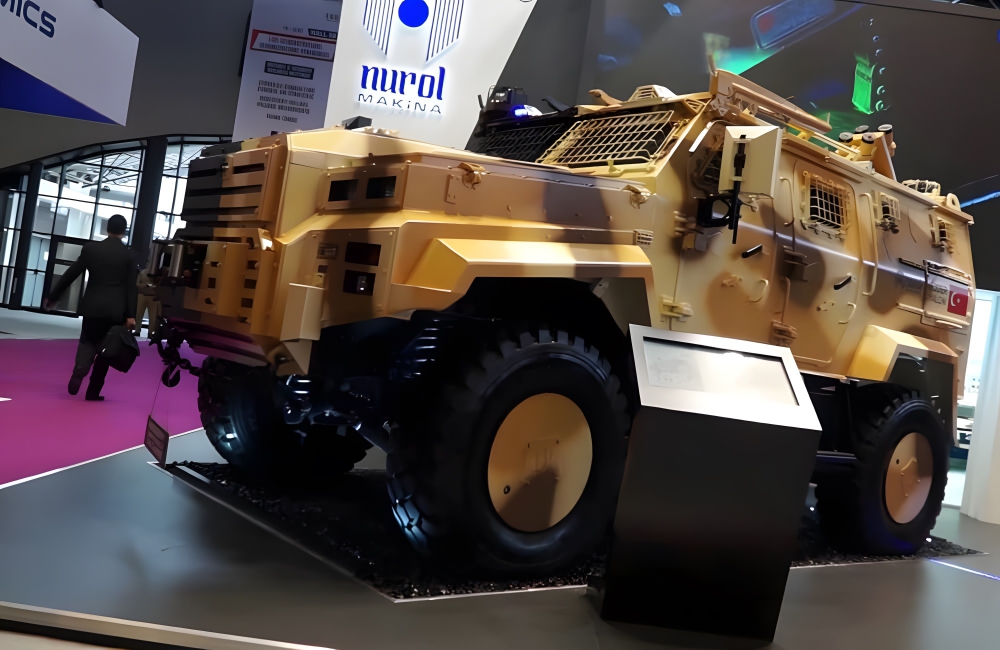
NMS 4×4 (Turkey) @muzafferunsaldi / Twitter.com
The NMS 4×4’s chassis is indigenously built, with four-wheel drive. The 4×4 has a modular design and a monocoque hull, the latter of which provides strength and flexibility for the vehicle, whatever the mission may be. The total gross weight of the NMS 4×4 is eleven tons.
55. Aardvark JSFU Mark 4 – USA/UK
Manufacturer: Aardvark Clear Mine Ltd.
Primary Users: British Armed Forces, U.S. Armed Forces. United Nations
Cost: Unlisted
Aardvark Clear Mine Ltd., a Scottish company, developed this ingenious mine flail vehicle. A mine flail system is a device mounted on a vehicle that cuts a safe path through a minefield, purposefully detonating landmines in front of it. The Aardvark JSFU Mark 4 is the vehicle on which the mine flail is mounted.
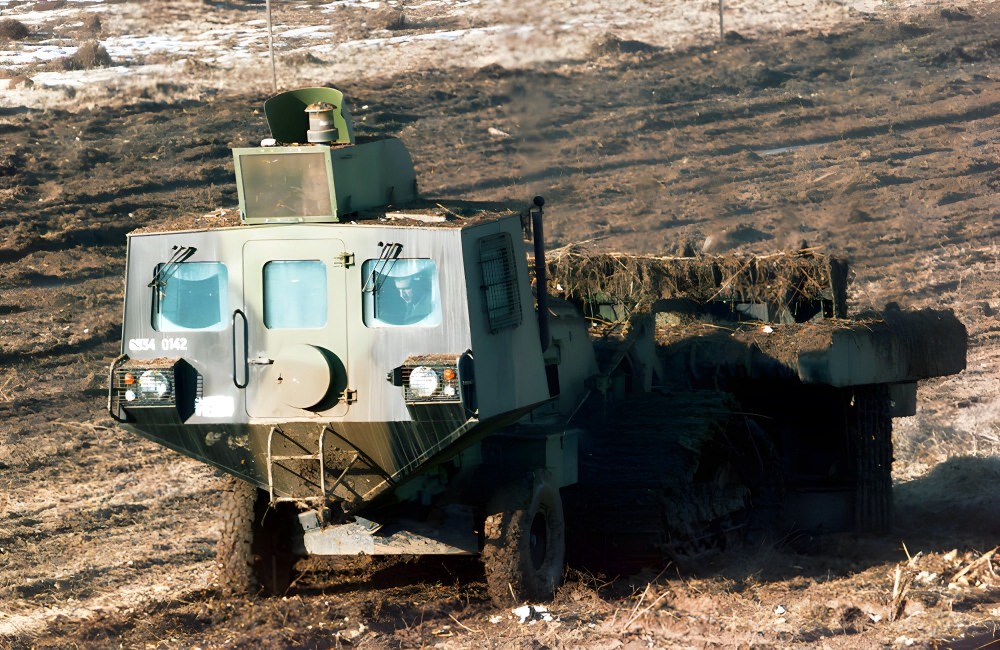
Aardvark JSFU Mark 4 (USA/UK) ©PHAN Charles L. Withrow / Wikimedia.org
The JSFU, in addition to its Aardvark clearance machine, has an armored cab with 56mm armored glass windows and a double-skin cab floor. The JFSU runs on a 160HP New Holland diesel engine that’s connected to a sixteen-speed transmission. The flail system has seventy-two chains and sixty-six tips.
56. Buffalo MPV – USA
Manufacturer: Force Protection Inc. (General Dynamics)
Primary Users: Militaries of US, France, Canada, Italy, Pakistan, United Kingdom
Cost: $2.09 million*
Designed by a division of General Dynamics, the Buffalo is based on the Casspir, a mine-protected vehicle made in South Africa. The Buffalo differs because it is a six-wheeled, not four-wheeled, MRAP. The Buffalo also has a giant articulated arm, which is used for disposing of ordnances.
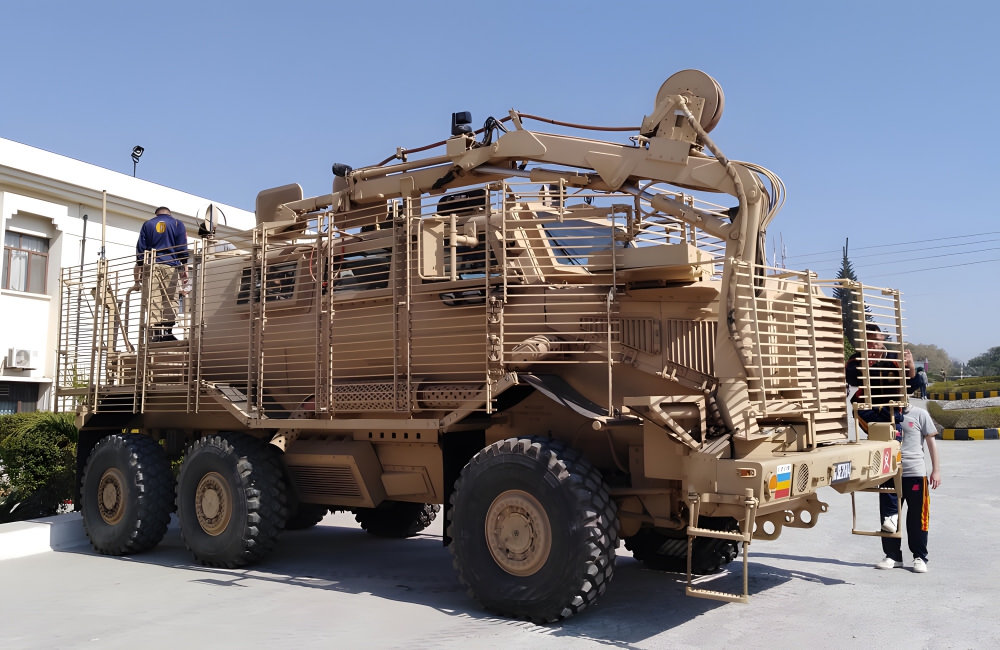
Buffalo MPV (USA) @AhmAdTipu7 / Twitter.com
The Buffalo MRAP has LROD cage armor from BAE systems, which protects the vehicle against RPG-7 anti-tank rounds. The glass armor is six inches thick, and run-flat tires are mounted on each of the six wheels. The Buffalo uses infrared technology to detect ordnances before dismantling them itself, providing ballistic and blast protection.
57. MPV-1 APC – India
Manufacturer: Defense Land Systems, Mahindra & Mahindra Limited, BAE Systems
Primary Users: Indian Military
Cost: $14 million*
The Mahindra Mine-Protected Vehicle is an armed personnel carrier that is made by Defense Land Systems, BAE Systems, and Mahindra & Mahindra Ltd. It was the first vehicle to come from this joint venture. The vehicle is an improved version of the South African Casspir. The MPV-I was designed for rugged forests and hilly terrains.
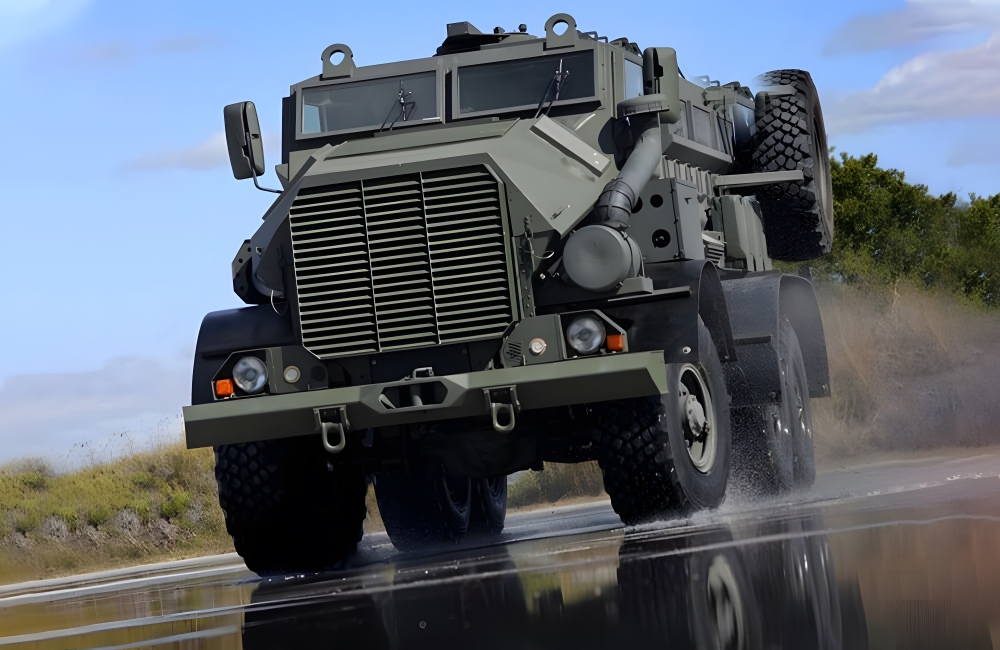
MPV-1 APC (India) @MahindraArmored / Twitter.com
It has a 230HP diesel engine and a 6×6 transmission. The MPV-I protects against land mines and ballistic missiles using a V-shaped hull. The hull is made of steel monocoque construction, which directs the blast away from the vehicle’s occupants. The MPV-I can withstand over 46 pounds of TNT explosions under any of its wheels.
58. L-ATV Joint Light Tactical Vehicle (JLTV) – USA
Manufacturer: Oshkosh Defense
Primary Users: U.S. Marine Corps, U.S. Army
Cost: $465,127*
The L-ATV Joint Light Tactical Vehicle, also known as the JLTV, is used by the U.S. Army and Marine Corps, and it is a partial replacement of the good old Humvee. The JLTV is more survivable than the Humvee, and it has a greater payload. Early studies for the vehicle’s program began in 2006, and Oshkosh Defense was selected for the building.
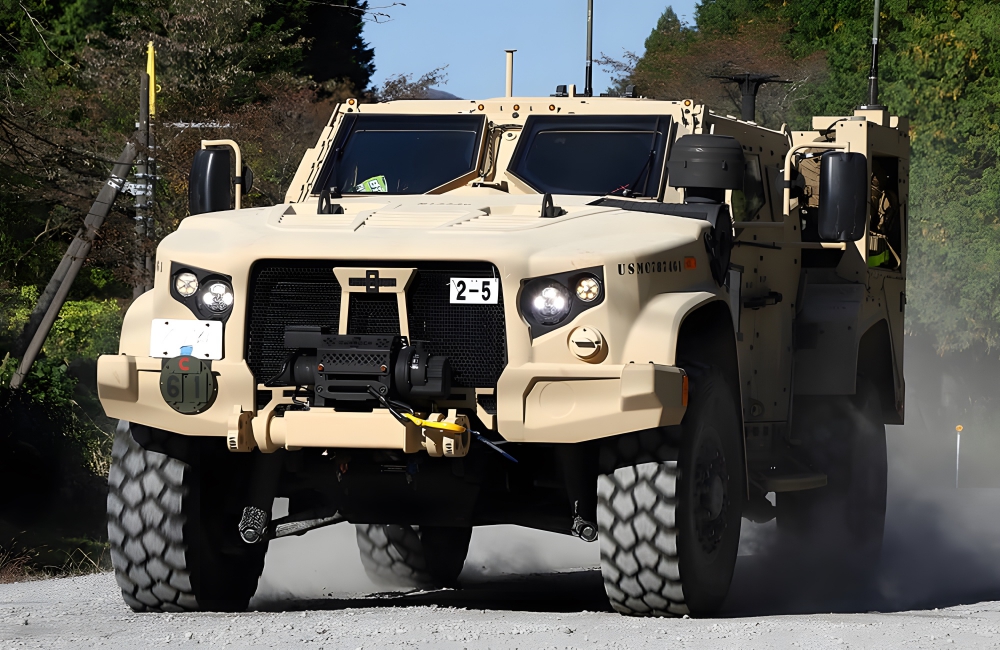
L-ATV Joint Light Tactical Vehicle (JLTV) (USA) @matsu20_1101 / Twitter.com
The JLTV can perform pretty much any task you ask of it, including ambulance, recon, command and control, utility, and armament carrying. The JLTV has two levels of armor protection, which is in accordance with the Long Term Armor Strategy from the U.S. Army.
59. Trojan Armored Vehicle Royal Engineers – UK
Manufacturer: BAE Land Systems
Primary Users: British Army, Royal Engineers
Cost: $6.694 million*
The AVRE (Trojan Armored Vehicle Royal Engineers) is constructed by BAE Land Systems, and all Trojans are made at the company’s factory in Newcastle upon Tyne. Originally, the contract for this combat engineering vehicle was awarded to Vickers, but BAE bought Vickers three years later, subsuming production.
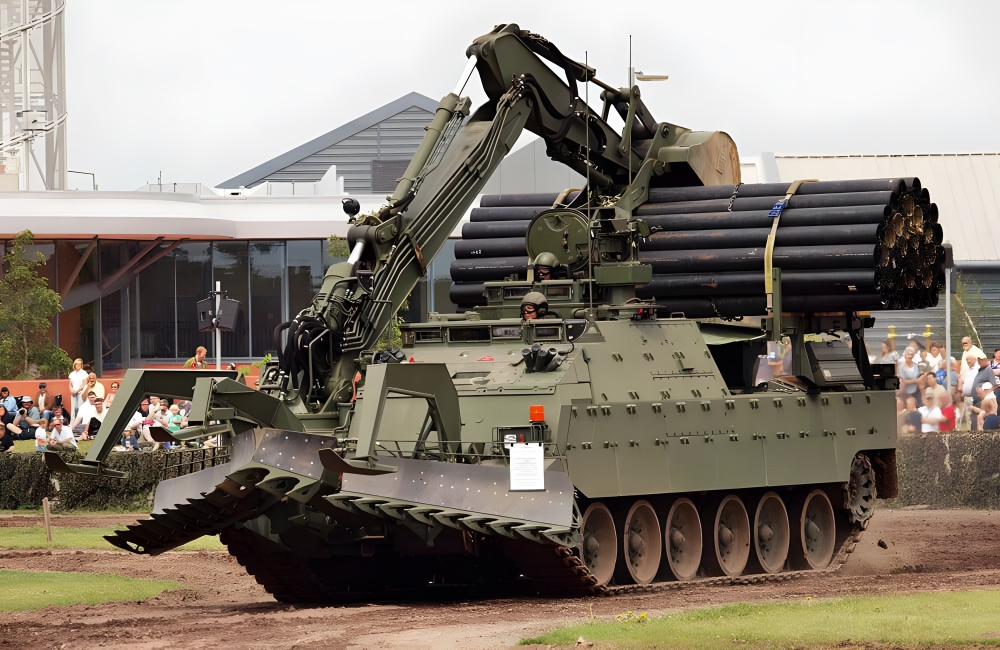
Trojan Armored Vehicle Royal Engineers (UK) @AncientAndModernWarfare / Facebook.com
The AVRE has nearly the same tank chassis as the Challenger 2, but it doesn’t have the main armament. Instead of a turret, it has a hydraulic excavator arm, which can clear obstacles, excavate areas, detonate mines on contact, and deposit fascine. Each unit costs nearly $6.7 million to build. Thirty-three have been built so far.
60. ShKH Vzor 77 DANA – Czech Republic
Manufacturer: Konstrukta Tencin, ZTS Dubnica nad Vahom
Primary Users: Militaries of Slovakia, Azerbaijan, Georgia, Poland, Libya, Czech Republic
Cost: Unlisted
The concept for the DANA began in the late seventies when Konstruka Trencin wanted to provide the Czech Army with a self-propelled, indigenous, indirect fire support weapon that wouldn’t require the Czechoslovakians to buy anything from the Soviet Union. The DANA project was completed and allowed into service in 1981.
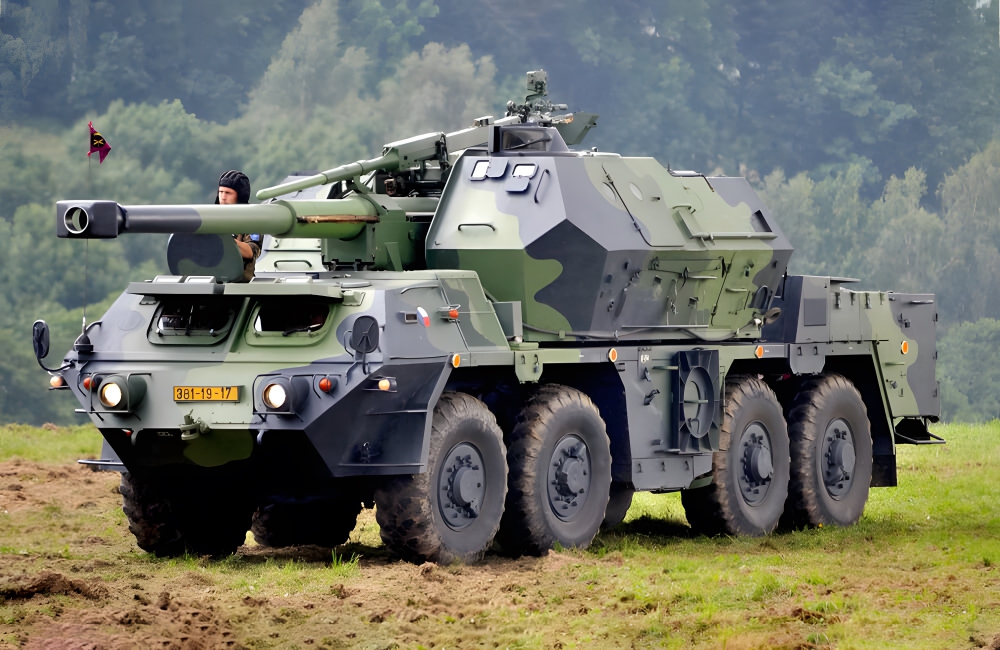
ShKH Vzor 77 DANA (Czechoslovakia) ©Thomas T. / flickr.com
The DANA’s major differential features included an innovative automatic loading system and wheeled chassis. It was the first of its kind at the time. The DANA’s main weapon is a 152mm howitzer, with a semi-automatic breech. The autoloader is able to load a cartridge and shell into any level of the barrel.
61. Matador – South Africa
Manufacturer: Paramount Group
Primary Users: Military of Jordan
Cost: $650,000*
Made by South Africa’s Paramount Group, the Matador is an APC (armored personnel carrier) and mine-protected military vehicle. It was introduced to the public for the first time in 2007, and it launched in 2008. The design was licensed to the Jordanian military. It weighs nearly twelve tons, and the combat version weighs almost seventeen tons.
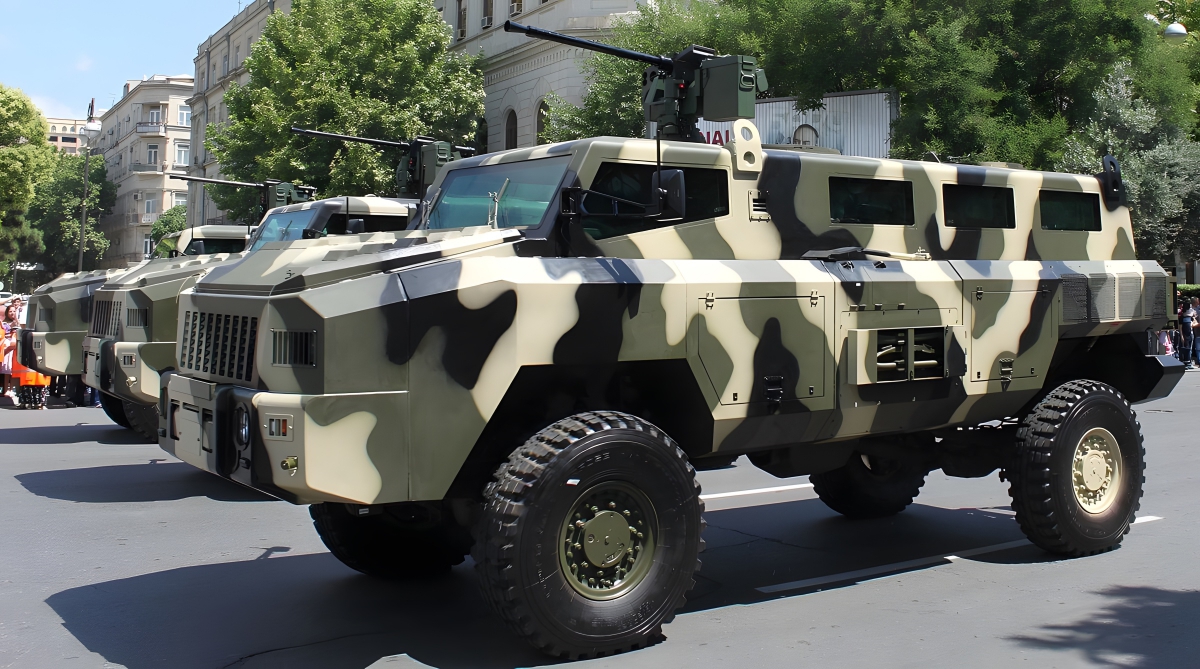
Matador (South Africa) ©Gulustan / Wikimedia.org
The Matador has an MAN engine with a twelve-speed automatic transmission. It is heavily armored, with a monocoque double-skin hull that gives it a sleek, modern look while protecting occupants against blasts as high as the highest level of tested protection: a STANAG 4569 Level III.
62. NIMR JAIS – UAE
Manufacturer: Nimr LLC, GAZ
Primary Users: UAE Army
Cost: $145,000*
The Nimr (which is the Arabic word for “tiger”) refers to a family of APC vehicles, and this APC is the result of a cooperative venture between Nimr LLC and GAZ. It is used by the UAE, and it has been designed specifically to withstand military missions in the harsh, hot desert climates that you find in the Middle East.
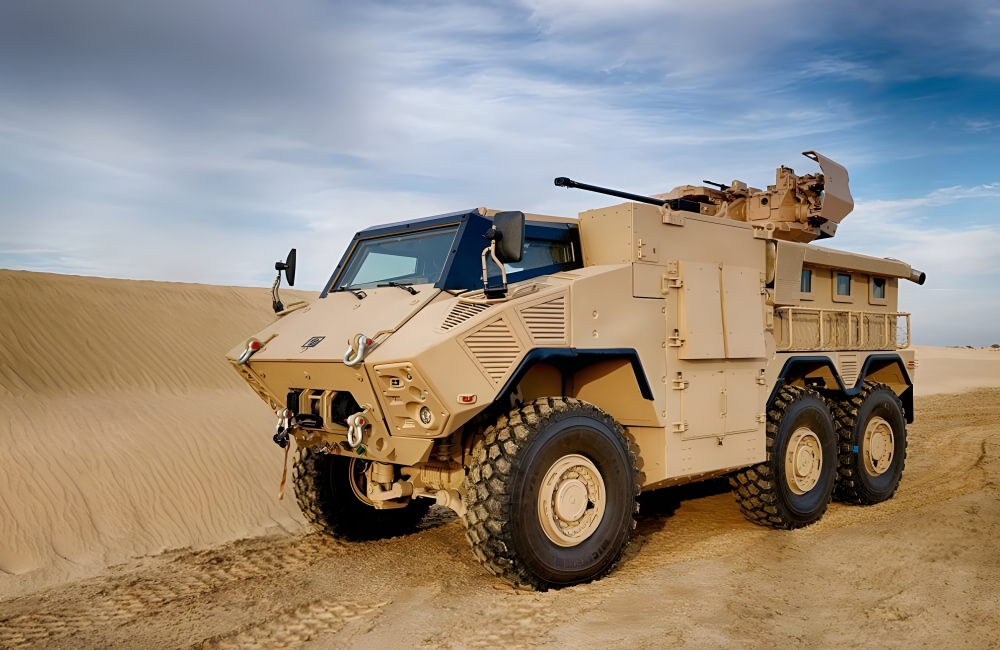
NIMR JAIS (UAE) @MajalahMiliterOnline / Facebook.com
The Nimr JAIS class comes in a 4×4 or 6×6 configuration. It can withstand temperatures as high as 150 degrees Fahrenheit to 26 degrees below Fahrenheit. In addition to the UAE, possible future operators include Turkmenistan, Jordan, Algeria, Lebanon, Libya, and the Czech Republic.
63. Cougar – USA
Manufacturer: Force Protection Inc., Spartan Motors
Primary Users: US Army, Navy, Marine Corps, Air Force
Cost: $644,000*
The Cougar is an MRAP and infantry mobility vehicle that is resistant to IEDs and landmines. Made by Force Protection Inc., which is known for its high-quality manufacturing of vehicles that are mine- and ballistic protected, the vehicles have been integrated by Spartan Motors. In addition to landmines and IEDs, they’re also protected against small arms.
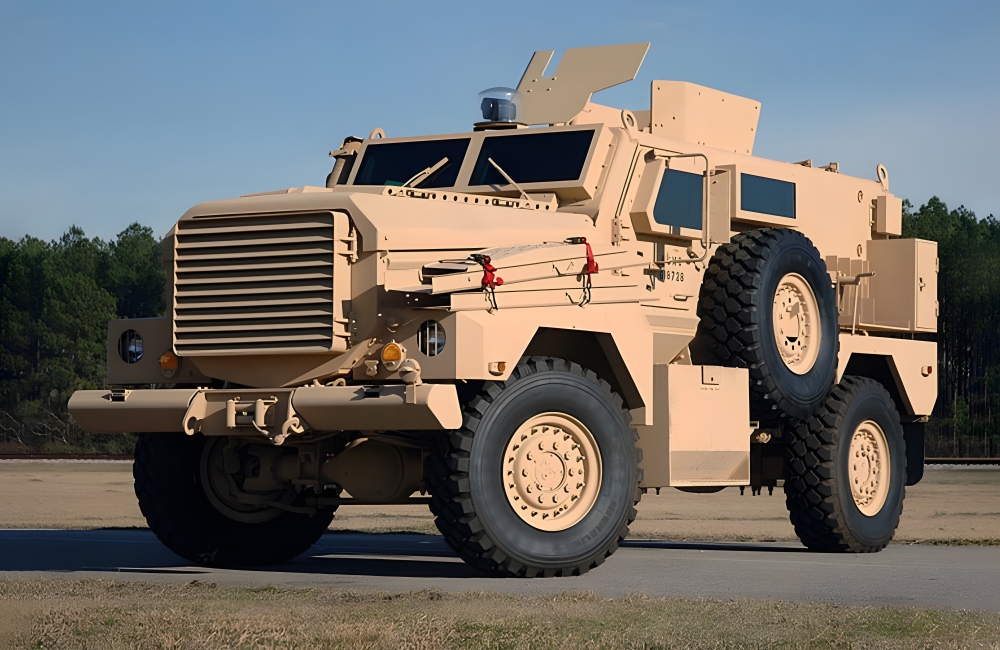
Cougar (USA) @bregvadzes / Pinterest
The design features that protect the crew and engine compartment include a V-shaped hull and monocoque layout that directs any blasts away from below the vehicle. Heavy-duty dual air conditions protect troops, in all their gear, from becoming overheated in temperatures of 100 degrees Fahrenheit or higher.
64. International MaxxPro 4×4 APC – Israel
Manufacturer: Navistar International, Plasan Sasa
Primary Users: U.S. Army, Marine Corps, Air Force
Cost: $905,709*
The International MaxxPro 4×4 APC is an infantry mobility vehicle designed in 2007. This MRAP was manufactured by Navistar International and Plasan Sasa. The MaxxPro was designed as part of the U.S. Marines’ MRAP program. The MaxxPro is mostly sold in Category I configuration, which is smaller and lighter.
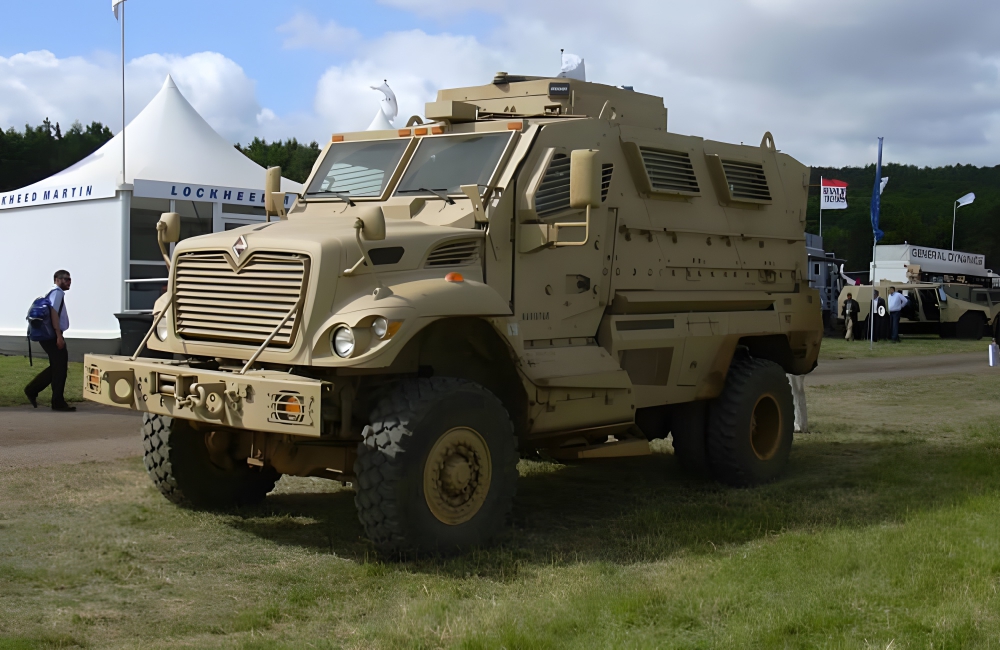
International MaxxPro 4×4 APC (Israel) @Silahlar Savaş Uçakları ve Savaş Teknolojisi / Facebook.com
Under the hood, you’ll find a heavy-duty MaxxForce 10 engine, which gets 375HP. There are MaxxPro Plus and Dash models, which have increased and decreased carrying capacity, respectively. 9,000 MaxxPro vehicles have been produced thus far, usually in contract sizes of several hundred. The cost per unit is $905,709.
65. Nexter TITUS – France
Manufacturer: Nexter
Primary Users: Albanian Land Force, Czech Army, RAID & BRI (No Order, Just Trials in 2016)
Cost: $3.048 million*
Nexter, a weapons manufacturer owned by the French government, manufactured the Titus, an infantry mobility vehicle. Like all IMVs, the Titus is designed as a security vehicle, capable of carrying out military recon and surveillance. The Titus has the same chassis as the Tatra, a Czech IMV.
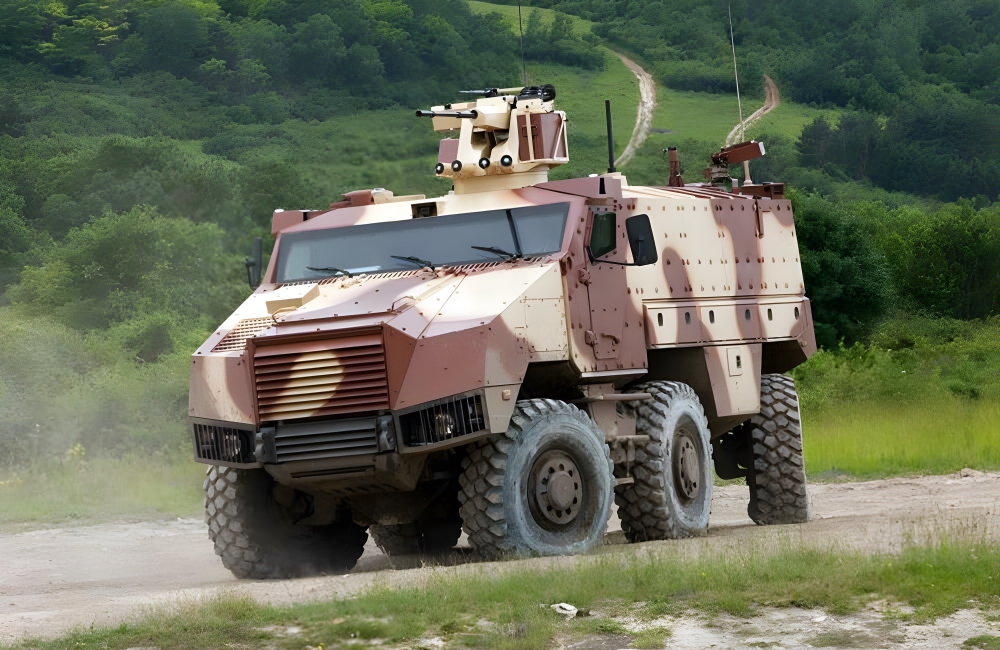
Nexter TITUS (France) @FOB – Forces Opérations Blog / Facebook.com
The Titus is somewhat new. It is in use by the Albanian Land Force and Czech Army. For the Albanian Army, the vehicles are still in the trial period, while the Czech Army has committed to 62 vehicles as of 2017. The maximum speed of the Titus is 56MPH, and the seventeen-ton vehicle’s main armament is a remote weapon station.
66. Lazar – Serbia
Manufacturer: Yugoimport SDPR
Primary Users: Serbian Army, Pakistan
Cost: $600,000*
The Lazar 1, 2, and 3 are part of a military vehicle family that is produced by Yugoimport SDPR, a Serbian defense company. The 8×8 vehicles serve in a multi-role capacity, and they weigh 31 tons. The Lazars are modified MRAPs, which have characteristics of MRAV vehicles as well. The Lazar 2 has more MRAV than MRAP qualities.
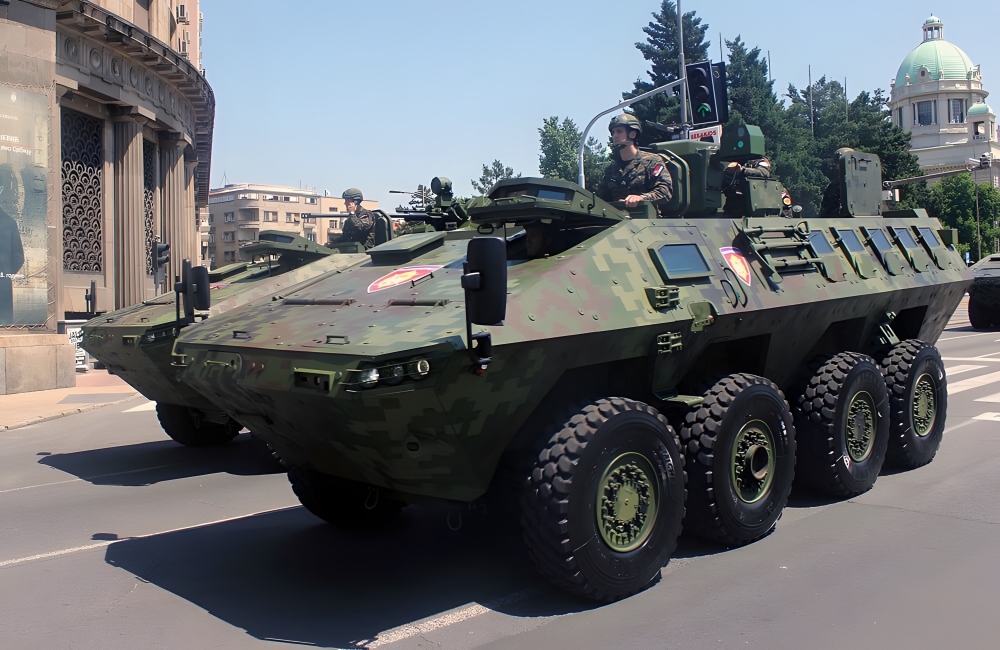
Lazar (Serbia) ©Srđan Popović / Wikimedia.org
The vehicle has a 500HP engine and independent suspension for each of its wheels, which ensures that it will retain high mobility even in areas of rough terrain. Other features include anti-mine protection, ballistic protection, and smokescreen protection. The vehicle can launch several smoke grenades to hinder enemy sight.
67. IAV Stryker – Canada
Manufacturer: General Dynamics Land Systems
Primary Users: U.S. Army
Cost: $5 million*
The Stryker is an ICV—an Infantry Carrier Vehicle. It is part of a family of 8×8 armored fighting vehicles, which are partially derived from the LAV III, a Canadian vehicle. General Dynamics produces Strykers for the U.S Army. So far, 4,900 have been made, 4,466 of which are in service with the Army.
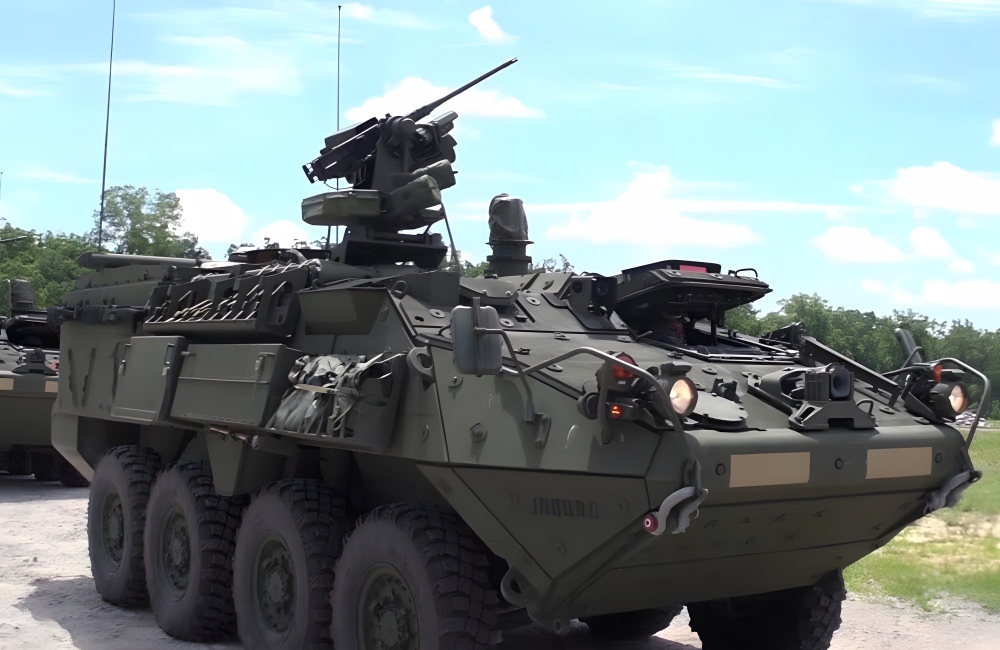
IAV Stryker (Canada) @U.S. Defense System / Youtube.com
Each unit costs around $5 million. The Stryker helps reduce friendly fire incidents, thanks to its extensive computer support. Each Stryker can track both friendly and enemy vehicles in the field, distinguishing easily between the two. The Stryker’s hull is made of high-hardness steel and bolt-on ceramic armor, which protects against a variety of attacks.
68. PL-01 Stealth Tank – Poland
Manufacturer: OBRUM
Primary Users: Polish Military
Cost: $22.95 million*
The PL-01 is a light tank, and its layout is similar to that of standard main battle tanks. The PL-01 has a ceramic-aramid shell, which can protect at a level 5+ (NATO Standard). The PL-01 also has additional armor panels on its hull and turret, and these panels protect against a wide range of projectiles.
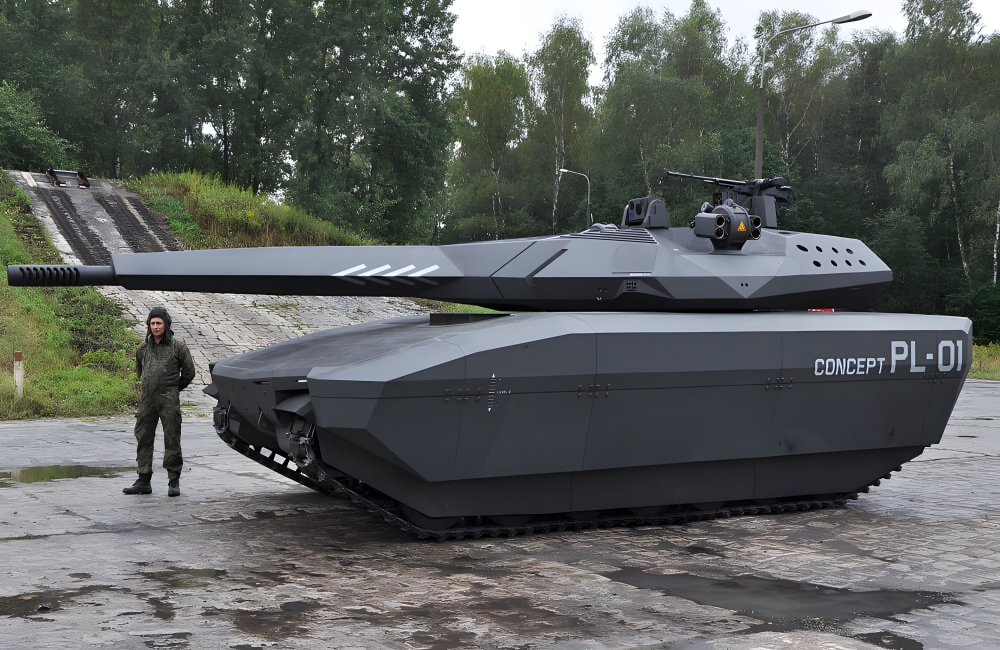
PL-01 Stealth Tank (Poland) @Alexander_Hays3 / Twitter.com
The vehicle’s hull protects against IEDs, as well as landmines. It has a diesel engine that gets 940HP and a seven-wheel suspension. The PL-01’s primary weapon is a 120mm or 105mm cannon with an unmanned turret, which can shoot conventional projectiles, as well as anti-tank missiles.
69. T-15 Armata – Russia
Manufacturer: Уралвагонзавод (UVZ)
Primary Users: Russian Ground Forces
Cost: $3.7 million*
The Russian T-15 Armata, also known as Object 149, is a heavy infantry fighting vehicle made by the Russian Ground Forces. This forty-eight-ton war machine is armored with a steel and ceramic composite that can stand up to 1,200-1,400mm rounds. The main armaments include a 30mm automatic cannon, 7.62mm coaxial machine gun, Kornet-EM anti-tank missiles, and more.
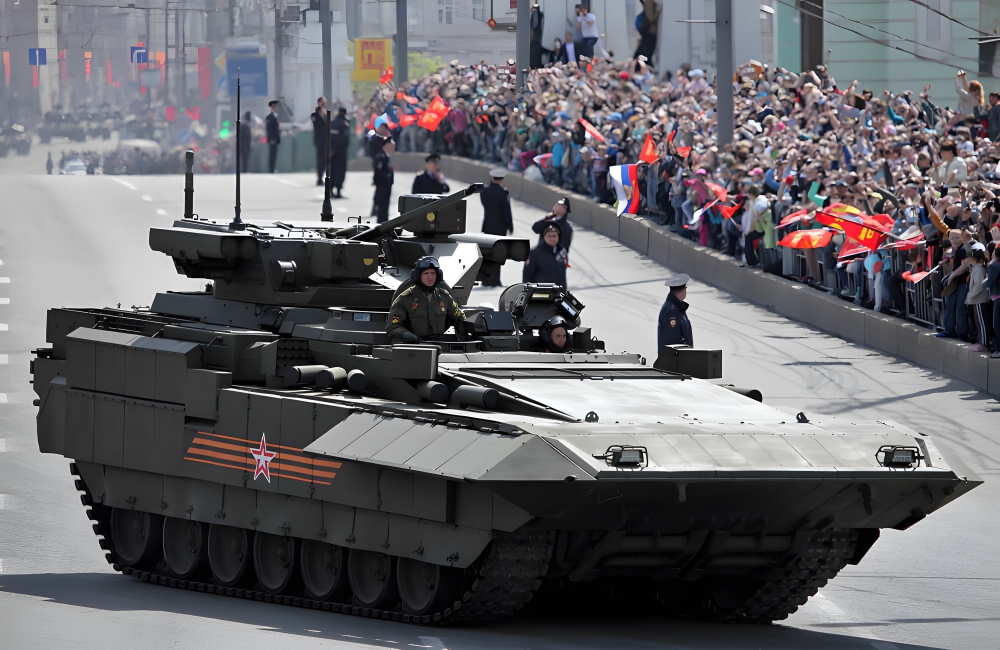
T-15 Armata (Russia) ©Vitaly V. Kuzmin / Wikimedia.org
The Armata was first seen in 2015 for rehearsals of the Moscow Victory Day Parade, though its turret was covered during those days. The Armata will replace the MT-LB and BMP-2 platforms, which are currently also in use by the Russian Ground Forces.
70. Leopard 2A – Germany
Manufacturer: Krauss-Maffei
Primary Users: German Army
Cost: $7.28 million*
The Leopard has been around for a long time, dating back to the 1970s, when it was first developed by Krauss-Maffei. The company developed it for the West German Army at the time, though it’s now, obviously, in use by the German Army as a whole. Each unit costs nearly $7.3 million to make.
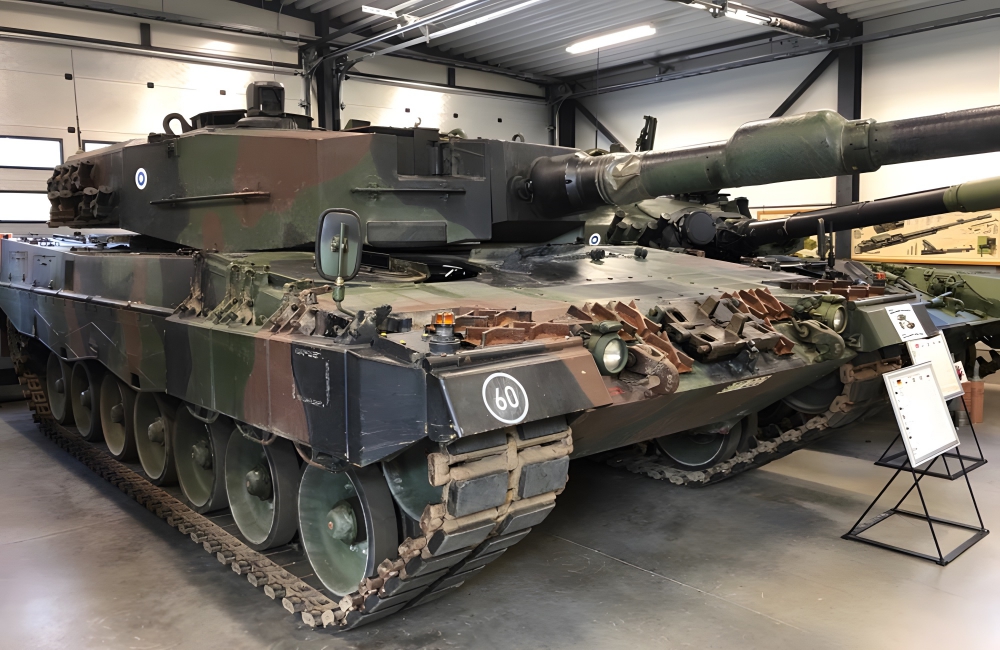
Leopard 2A (Germany) @916speed / Twitter.com
There have been 3,600 of these vehicles built since 1979. The Leopard 2A, its current iteration, is expected to leave service in 2030. Its replacement will be a successor to not only the Leopard 2A, but also the Leclerc tanks. The replacement design and development will be a joint venture between Germany and France.
71. M1A2 Abrams – USA
Manufacturer: General Dynamics Land Systems
Primary Users: U.S. Army, U.S. Marine Corps.
Cost: $8.92 million*
The M1A2 Abrams is a third-gen battle tank that General Dynamics Land Systems designed for the U.S. military. The Abrams was designed for ground armored warfare in modern times. Now, it is one of the heaviest battle tanks in service, weighing in at nearly 140,000 pounds.
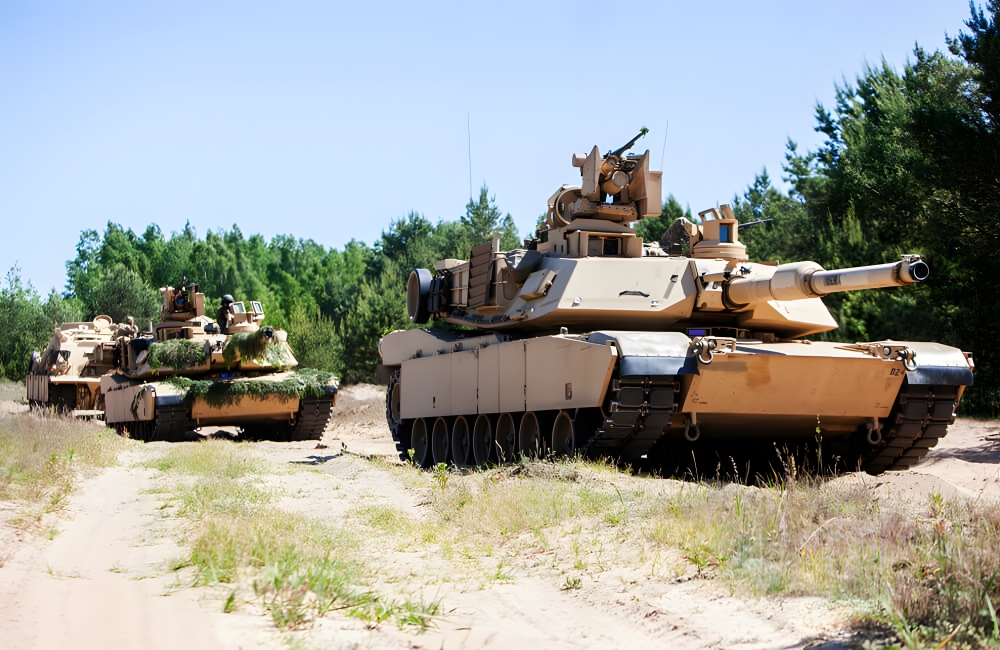
M1A2 Abrams (USA) ©Karolis Kavolelis / Shutterstock
The Abrams, named after General Creighton Abrams, has introduced many new features, such as Chobham composite armor, a multi-fuel turbine engine, separate ammo storage in a blow-out compartment, WMD protection, and a computerized fire control system. The tank entered service in the ‘80s, and it has been with the U.S. in every conflict since.
72. A-10 Thunderbolt II “Warthog” – USA
Manufacturer: Fairchild Republic (Now M7 Aerospace)
Primary Users: Germany, South Korea, UK, U.S. Air Force
Cost: $184 million*
The A-10 Thunderbolt II, nicknamed “The Warthog” or “The Hog” by U.S. military members, is a close air support attack warplane. The Warthog has 1,200 pounds of titanium armor, which protects the aircraft systems and cockpit, meaning the Hog can absorb a lot of damage without flinching.
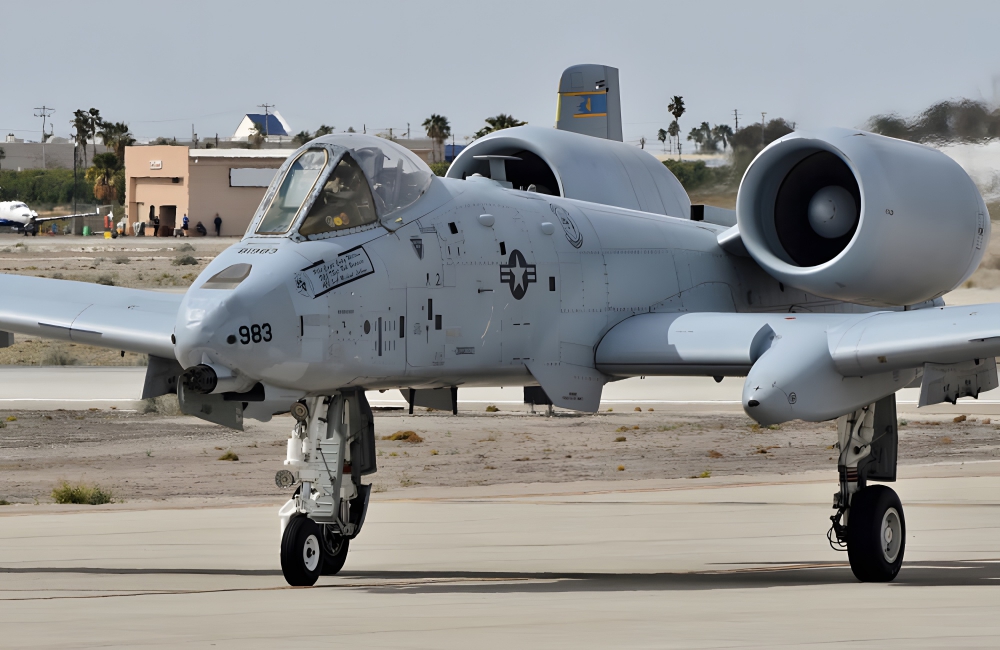
A-10 Thunderbolt II “Warthog” (USA) ©Michael Fitzsimmons / Shutterstock
The Warthog has short takeoff and landing capabilities, which means that it can operate within a short distance from airstrips to the front lines. The Warthog’s A-10A, a single-seater, was the only version ever produced. The Warthog, though it’s been around since the ‘70s, is going nowhere. The A-10’s service life is expected to last until 2040.
73. Ranger 2 AMPV – USA
Manufacturer: MEGA Defense
Primary Users: U.S. Army
Cost: $1.8 million*
The MEGA Defense Ranger 2 AMPV is still in development as of 2020, but it looks like the U.S. Army will be the first taker on this light-armored, heavily-protected 4×4. According to MEGA, the Ranger is designed for “greater crew protection,” “survivability,” “extreme maneuverability,” and “reliability.”
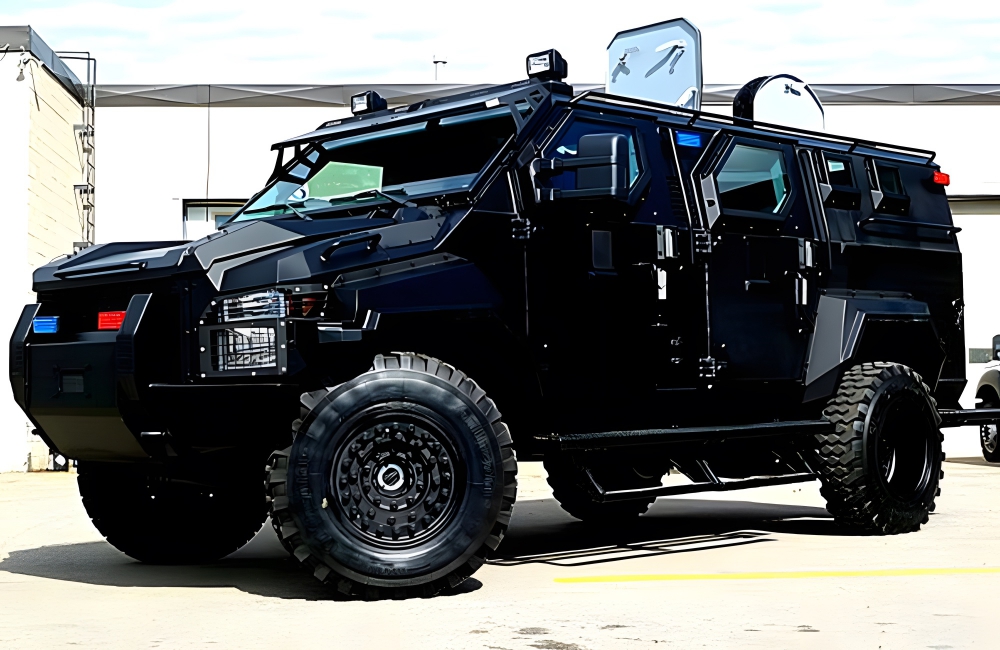
Ranger 2 AMPV (USA) @wattpad / Pinterest
The MEGA Ranger II is flexible in missions in even extremely harsh terrain. These vehicles are based on 6×6 and 4×4 chassis variations. There is an optional AEAV (Advance Electric Armored Vehicle) system, which lets the Ranger II run without depending on oil, a cost-cutting feature the Army is sure to appreciate.
74. A4 AVL 4×4 – France
Manufacturer: Auverland (Panhard)
Primary Users: French Army
Cost: $220,000* ($300,000* with development costs)
The A4 AVL 4×4 is, as France calls it, a Petite Vehicule Protégé, or a “Small Protected Vehicle.” The light, general-purpose armored 4×4 is used by the French Army and made by Auverland (now owned by Panhard). It is a successor to the P4, made by Peugeot.
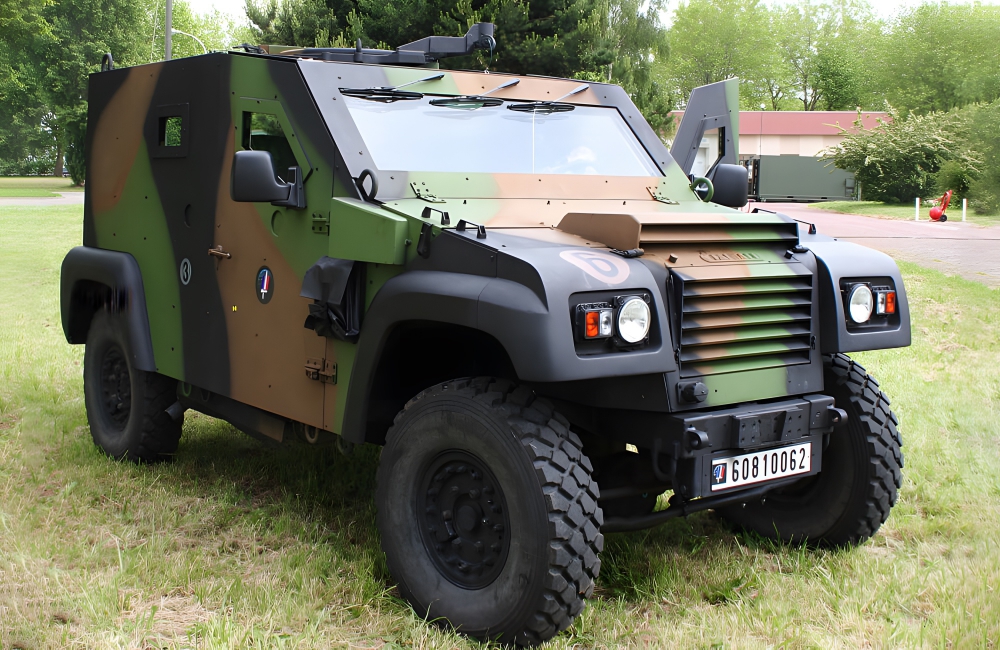
A4 AVL 4×4 (France) ©Crochet.david / Wikimedia.org
The A4 is designed for recon, detection, and communications, in addition to being a personnel and weapons carrier. So far, 1,133 have been produced since 2008. The modular design allows seats to be added or reduced, and the A4 can even be changed into a truck. It provides Level II protection for its crew, and the floor of the A4 is resistant against anti-personnel mines.
75. ACEC Cobra – Belgium
Manufacturer: ACEC SA
Primary Users: Belgian Army
Cost: Unlisted
The ACEC Cobra, made by ACEC SA, is a tracked APC with amphibious capabilities. It shares a similar concept to the BTR-50. It is in use with the Belgian Army, and its newer variation makes the vehicle lighter, it has more room than other vehicles. The finished design was completed in October of 1985.
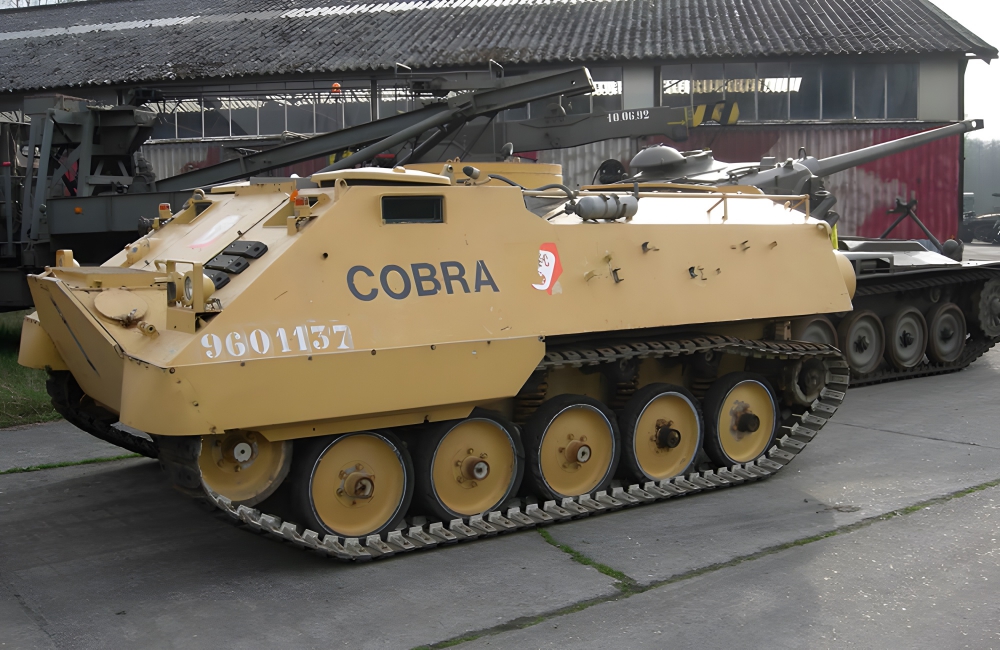
ACEC Cobra (Belgium) @William Testaert / Facebook.com
However, it didn’t make it into service for years because the Cold War ended shortly after the design was finished. The vehicle is noted for its excellent transmission, which provides it with top-tier maneuverability. The vehicle protects against armor-piercing projectiles, small arms fire, and shell splinters.
76. Paramount Marauder – Jordan
Manufacturer: Paramount Group
Primary Users: Jordanian Armed Forces, Azerbaijan, Kazakhstan, Singapore
Cost: $485,000*
Produced by South Africa’s Paramount Group, the Marauder is a mine-protected, armored vehicle that was launched in Abu Dhabi during the Middle East’s largest arms exhibition. The recon vehicle is designed for urban, building-heavy, confined areas, and it comes in a 4×4 or 6×6 configuration.
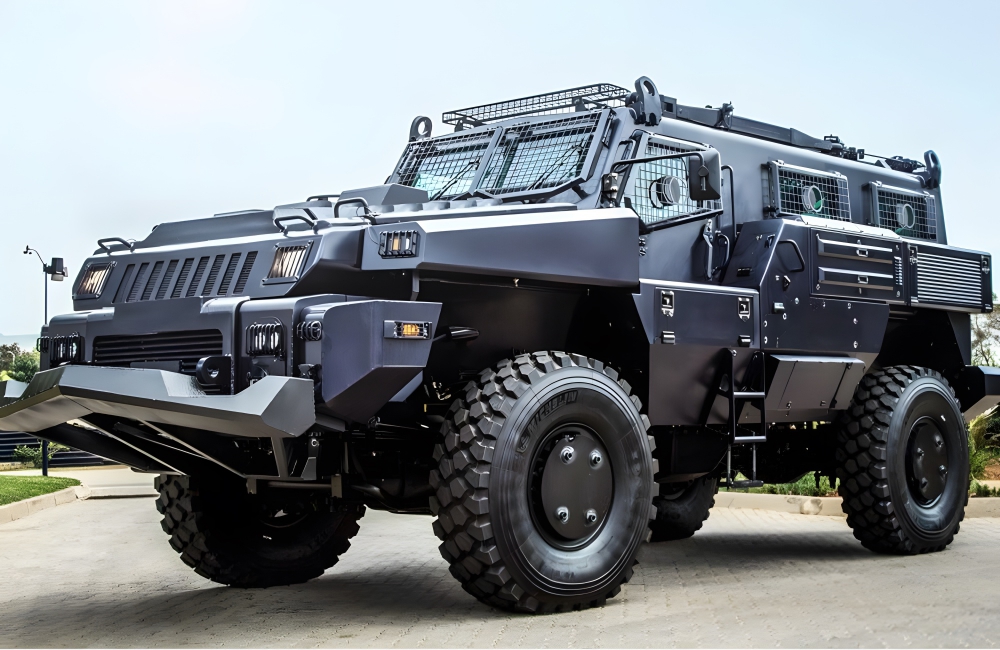
Paramount Marauder @ghoulbasement / Twitter.com
The Marauder has found customers in the Jordanian Armed Forces, Azerbaijan, Kazakhstan, and Singapore. The military vehicle’s payload allows for various weapons systems, including machine guns, cannon weapons, missile launchers, and control systems. The Marauder can be configured to allow mortars to be fired from the payload’s platform. It requires two to crew and can hold up to eight passengers.
77. Hagglunds Bandvagn 206 – Sweden
Manufacturer: BAE Global Combat Systems
Primary Users: Swedish Army
Cost: $4.81 million*
The Hagglunds Bandvagn 206 is currently in use by the Swedish Army. This military vehicle is an all-terrain, tracked articulated character. Hagglunds, which is a subsidiary of BAE, developed the vehicle, which has two units. The vehicle can carry seventeen passengers.
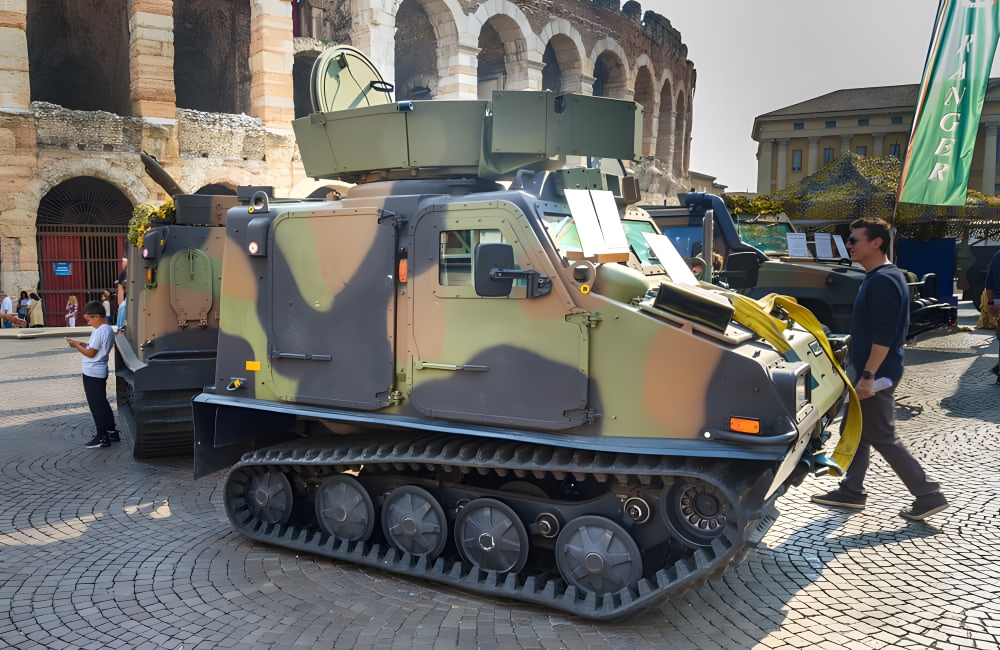
Hagglunds Bandvagn 206 ©Elena Odareeva / Shutterstock
Each of its trailer units can be adapted for various uses. The Bandvagn 206 started development in the seventies, and it took several years for the Swedish Defense Administration to authorize the vehicle for military use. It has an ambulance version, the 206A, which can carry stretchers in its rear compartment, making it combat- and medical-ready. The 206’s low ground pressure means it can cope with any number of difficult conditions.
78. Denel Casspir – South Africa
Manufacturer: Denel
Primary Users: South African Police
Cost: $300,000-$550,000*
The Casspir is an MRAP that has been used in South Africa by police and military forces since the eighties. The MRAP is a four-wheel-drive vehicle used to transport troops. The MRAP can hold two crewmembers and twelve additional soldiers, along with their equipment.
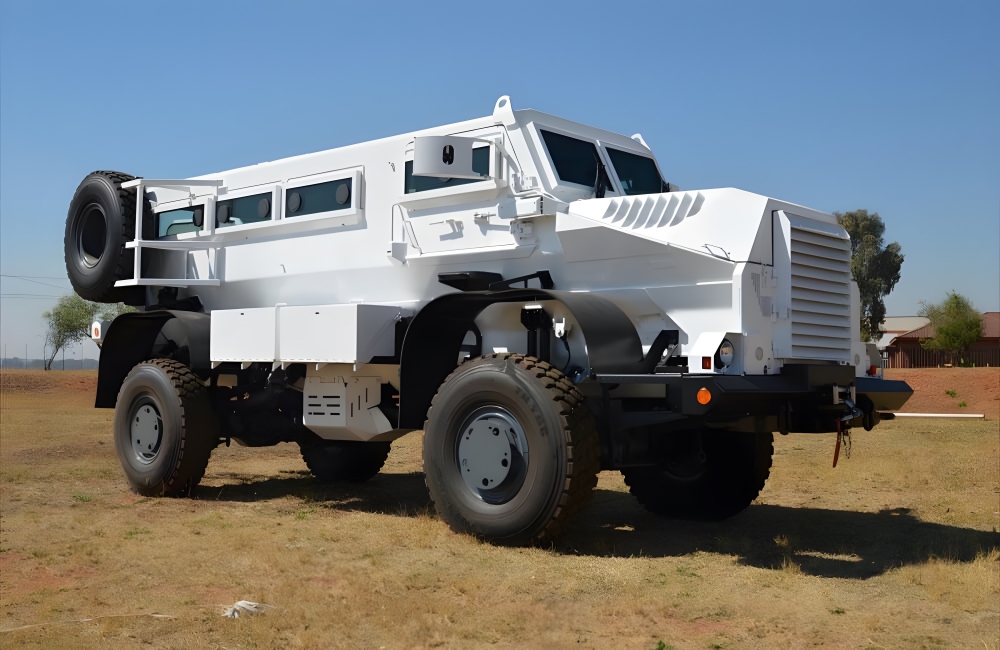
Denel Casspir @TimesLIVE / Twitter.com
The Casspir was extremely unique when it was first produced, and it helped the U.S. Marines develop guidelines for what they wanted from their new, contemporary Mine-Resistant Ambush Protected Vehicles. The Casspir’s unique feature was that it allowed for passive mine defense, as the vehicle’s steel body was hoisted high off the ground, protecting occupants in the event of a detonation.
79. Hatehof Wolf – Israel
Manufacturer: Carmor (Hatehof)
Primary Users: Israel Defense Forces
Cost: Unknown
The Israel Defense Forces came up with the idea for the Hatehof (then Carmor) Wolf when they realized they needed to upgrade to a vehicle better-equipped for transporting soldiers during missions in urban environments. The IMD ordered 150 Wolf Armored Vehicles for urban combat.
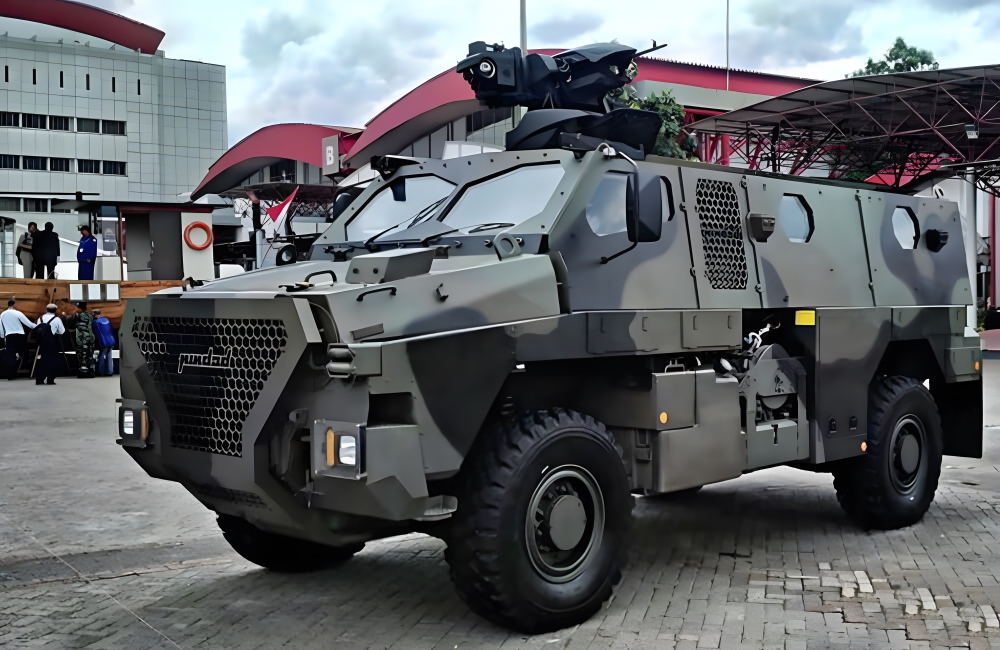
Hatehof Wolf @jakartagreater / Pinterest
The Wolf handles and protects better than the Bardelas M113, providing the IDF with a much-needed upgrade. The Wolf has a truck’s speed and maneuverability, as well as APC armor. These qualities are all necessary when involved in low-intensity confrontation. The Wolf’s chassis is actually based on the chassis of a Ford F-550 pickup truck, and it has a V8 under the hood.
80. SA-8 Gecko – Russia
Manufacturer: P.M. Chukadov
Primary Users: Middle Eastern Militaries, Russian Army
Cost: $48.44 million-$60.55 million*
The 9K33 Osa has the NATO reporting name “SA-8 Gecko.” The Gecko is a low-altitude, high-mobility, short-range surface-to-air missile system. The Soviets developed the Gecko in the sixties, and it was fielded in the early 1970s. Exporters know it as Romb.
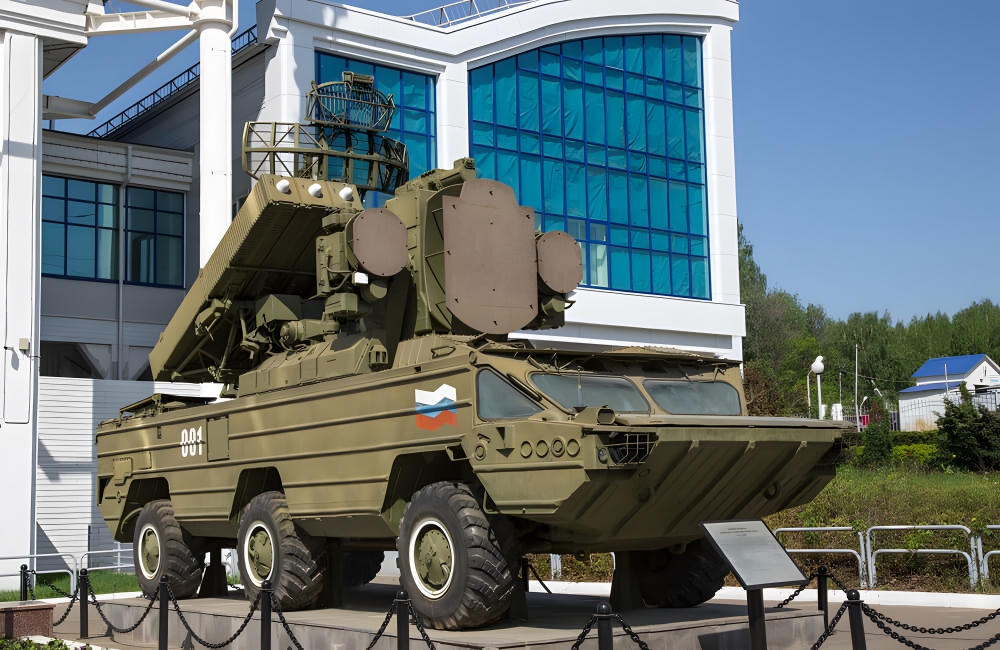
SA-8 Gecko ©Miraleks / Shutterstock
The Gecko was the first of its kind. It was a novel air defense missile system, which incorporated engagement radars onto a single vehicle. The Gecko weighs 17.5 tons, and it requires a crew of five soldiers to man. The vehicles were almost all produced at the Znamya Truda Plant. 1,200 rolled off the line until 1988, when production ceased near the end of the Soviet Union.
81. Komatsu LAV – Japan
Manufacturer: Komatsu
Primary Users: Japan Self-Defense Force
Cost: $270,000*
The Japan Self-Defense Force exclusively uses the Komatsu, a light armored vehicle that first rolled off the line in 2002. The Komatsu LAV (factory designation: KU50W) is similar to the Panhard VBL, which the French Army uses, but the Komatsu LAV differs because it has four doors and a much larger cabin, which is used to carry soldiers.
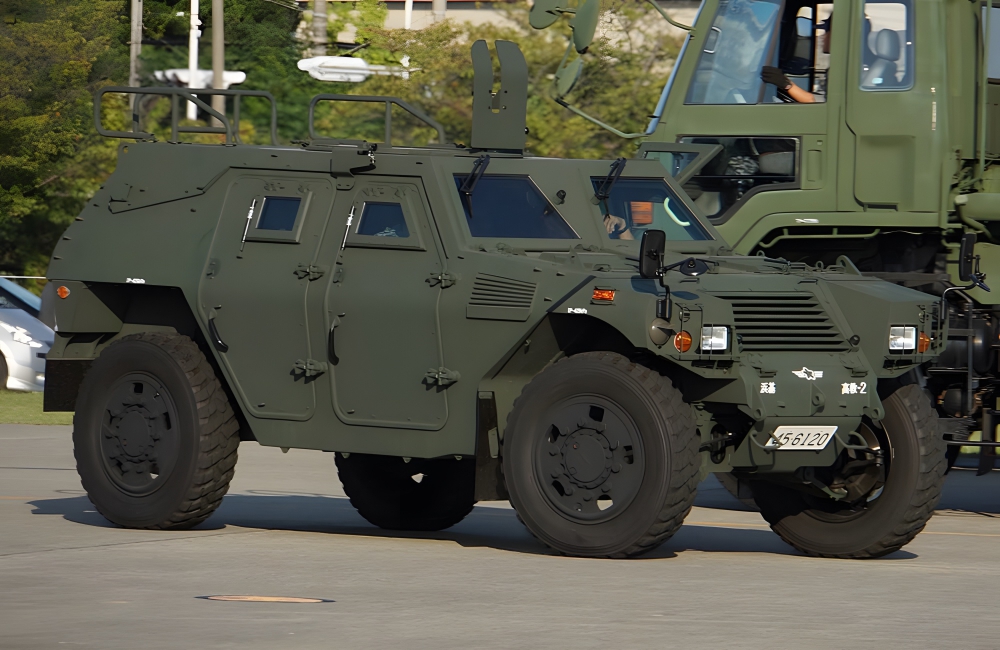
Komatsu LAV ©Hunini / Wikimedia.org
The KLAV first appeared in Kuwait, when the JGSDF deployed the vehicle to Samawah, Iraq for humanitarian operations. The KLAV was chosen over the Toyota High Mobility Vehicles, as well as the Mitsubishi Light Trucks, as neither provided protection from small arms fire.
82. NORINCO Type 92 – China
Manufacturer: Norinco
Primary Users: People’s Liberation Army (China)
Cost: Unknown
The Norinco Type 92, also known as the WZ-551, is a wheeled personnel carrier that is armed to the teeth. The 92 actually covers two different types of vehicles, both of which are used by the Chinese People’s Liberation Army. The 92 first appeared in the mid-eighties.
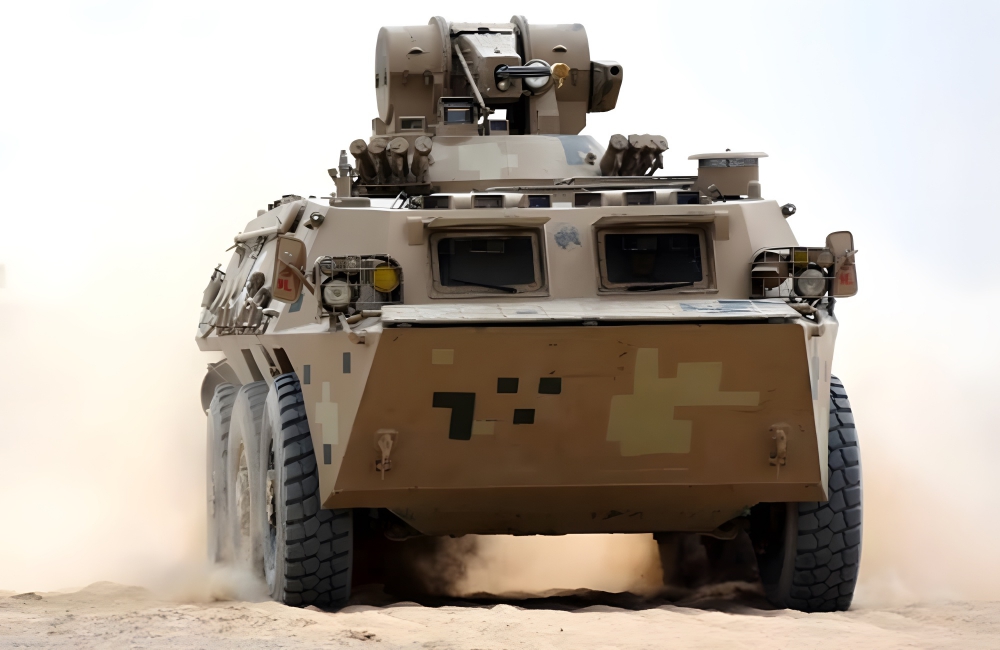
NORINCO Type 92 @PromoterBoxing / Twitter.com
However, the first versions did not impress the Chinese military, who had to modify the design to improve the chassis. The new and improved 92 entered military service nearly a decade later in 1995. The fully amphibious vehicle can be driven in the water using shrouded propellers. The platform in the Type 92 is the same one found on the Mercedes-Benz 2026 truck.
83. ERC 90 Sagaie – France
Manufacturer: Panhard
Primary Users: French Armed Forces
Cost: $333,016* (Hull Cost)
The ERC 90 Sagaie, made by Panhard, is a six-wheeled armored car in service with the French military. The ERC is NBC-proof, highly mobile, and amphibious. Many different models of the 90 were tested, but only two entered production: the Sagaie and the Lynx.
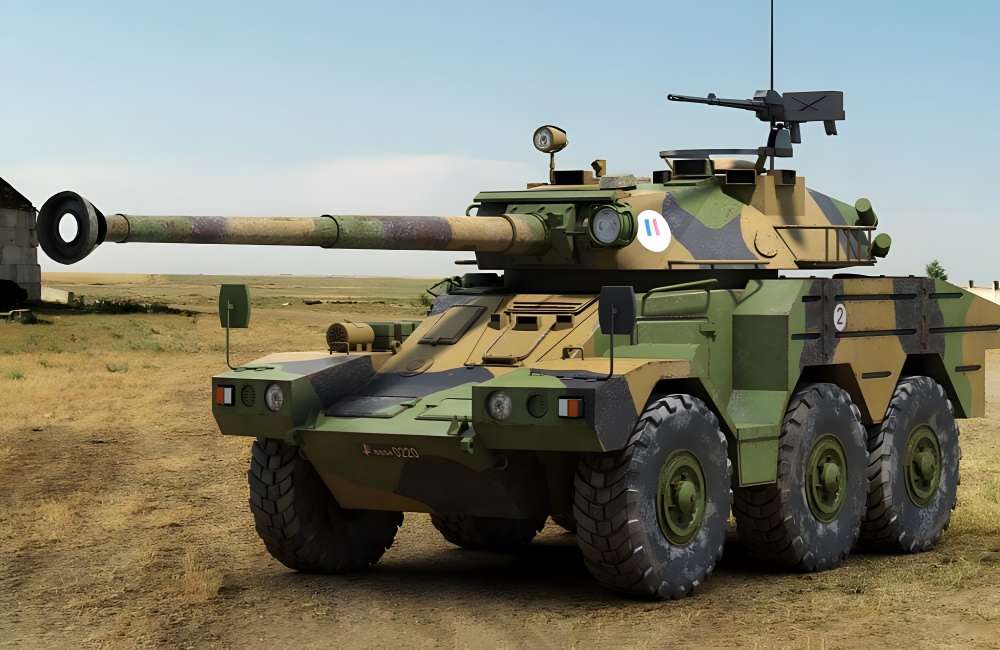
ERC 90 Sagaie @Raphal89032561 / Twitter.com
The main difference between the Lynx and Sagaie is the turret, as well as the 90mm gun that is fitted. Sagaie is the French word for “assegai,” which is a type of African spear. The Sagaie has been around since 1975, and several hundred of these 8.3-ton vehicles have been built. The Sagaie vehicles are a common sight at French military parades.
84. Nurol Edjer Yalcin – Turkey
Manufacturer: Nurol Makina
Primary Users: Hungarian, Senegalese, Moroccan, Tunisian, Turkish, Uzbekistani, and Qatari Armed Forces
Cost: $600,000*
The Nurol Edjer Yalcin is part of a family of armored vehicles that have been produced by Nurol Makina, a Turkish military company. “Edjer” means “Dragon” in Turkish. The Nurol Edjer Yalcin is the brand’s 4×4 armored combat vehicle. The vehicle is newer than many of those on the list, as mass production began in 2014.
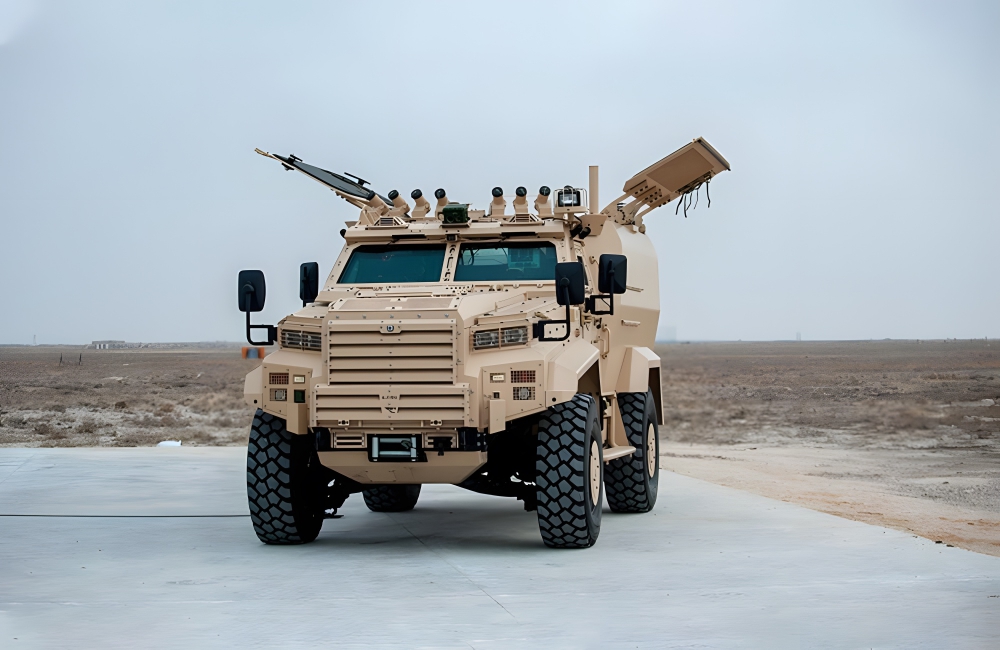
Nurol Edjer Yalcin @webteknocom / Pinterest
The Yalcin has a V-shaped hull, which integrates blast mitigation seating and floating floor plates, which protect against IEDs and mines. The Yalcin can fit up to eleven people, and it can carry a payload of four tons. The Yalcin was studied and in development for two years before Turkey approved it for production.
85. Nexter SERVAL – France
Manufacturer: Nexter and Texelis
Primary Users: French Armed Forces
Cost: $1.21 million*
The SERVAL is a newer vehicle, and it was developed by Nexter and Texelis, two companies who were notified in late 2020 by the French military that they had been selected for a new armored vehicle. The SERVAL is a fifteen-ton, multi-role armored vehicle that is similar to the SCORPION in many ways, though it has a lot of new features.
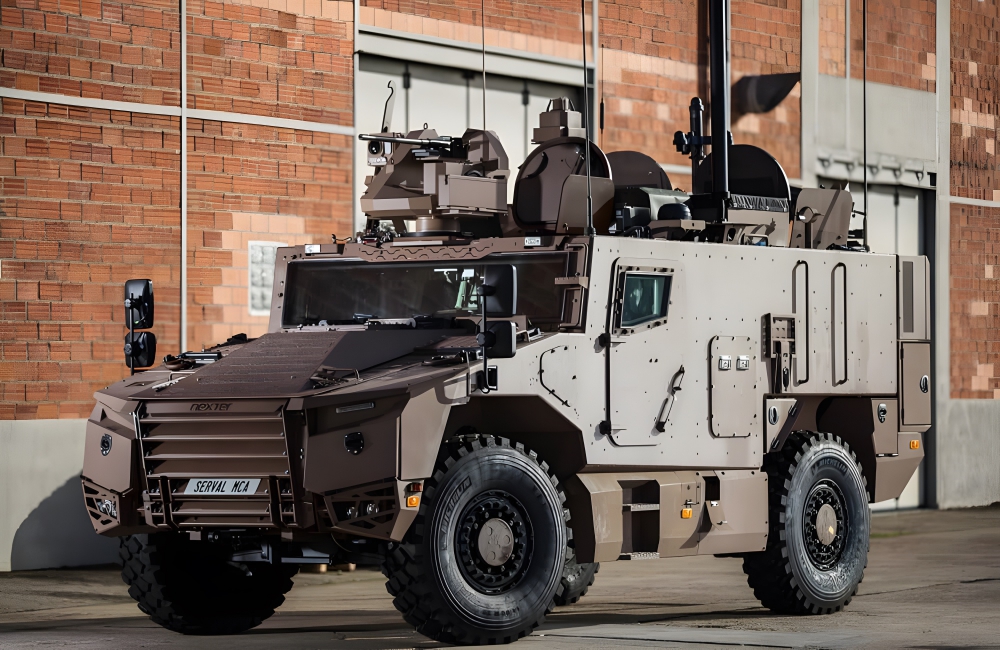
Nexter SERVAL @DefenceDatabase / Pinterest
It has the SCORPION’s electronic core and SICS, but it is even more flexible, with a greater payload. The SERVAL is intended to complement the GRIFFON in combat zones. Nexter and Texelis are still undergoing testing for this armored vehicle, and the first 364 SERVALs were ordered in January of 2021.
86. Pereh – Israel
Manufacturer: Rafael Advanced Defense Systems
Primary Users: Israel Defense Forces
Cost: Unknown
The Israel Defense Forces also use the Pereh, which is a guided missile carrier that is disguised as a tank. The vehicle has been around since the 1980s, but it was kept under strict classification until June 2015, when the Pereh was declassified.
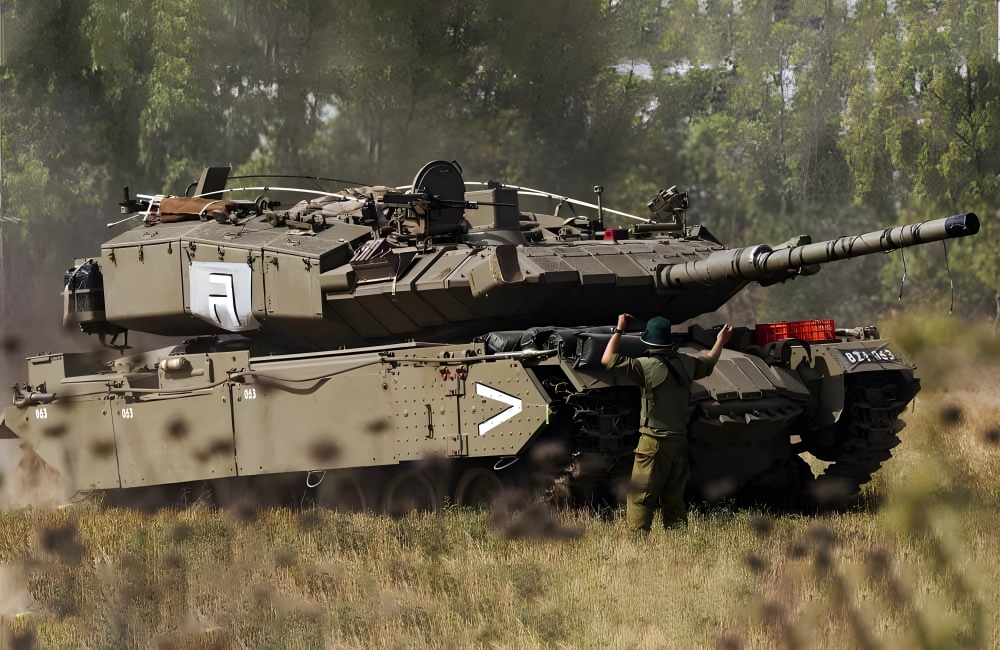
Pereh @u/patriot-renegade / Reddit.com
The tank destroyer has the same hull as the Magach 5, but it has an enlarged turret with twelve Spike missiles in a missile launcher at its rear. The launcher is camouflaged as a turret bustle. The Pereh has been involved in pretty much every single Israeli military operation in the past three decades, though the vehicle has been photographed very few times.
87. Otokar Cobra – Turkey
Manufacturer: Otokar
Primary Users: Turkish Armed Forces
Cost: $600,000*
The Cobra is one of a family of Otokar military vehicles, which are used by the Turkish Armed Forces. The Cobra has a monocoque steel V-shaped hull that protects against artillery shell shrapnel, small arms fire, and, to some extent, against tank mines, IEDs, and anti-personnel mines. The front wheel arches of the Cobra are designed to dissipate in an explosion, freeing blast pockets.
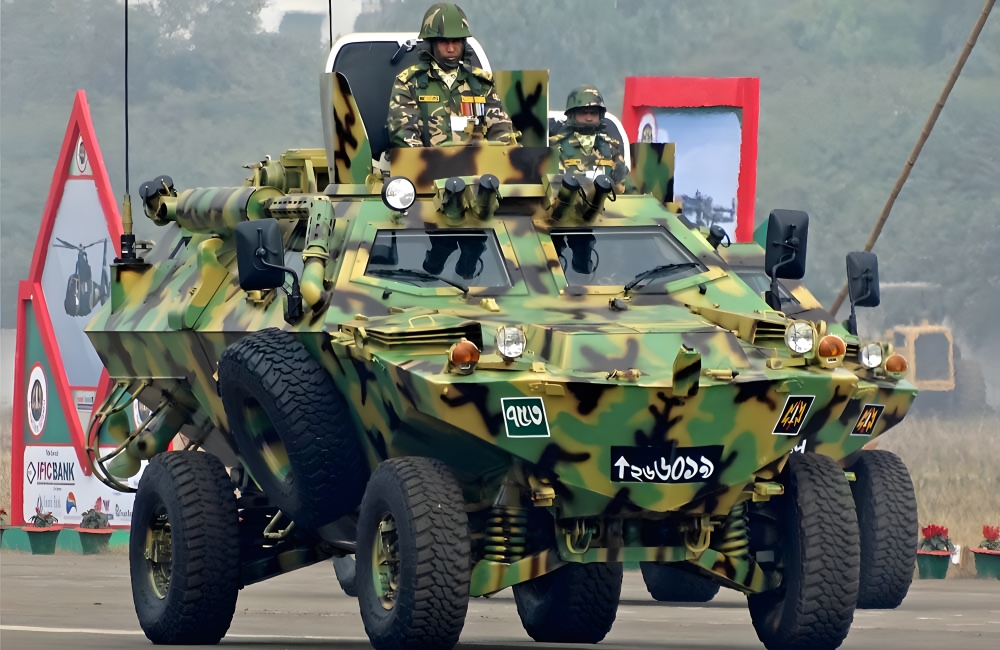
Otokar Cobra @DefenseDtb / Twitter.com
The armored vehicle is nothing to mess with. In 2016, footage of an attempted attack against a Otokar Cobra went viral when the Cobra survived a direct hit from an RPG. The crew inside was completely unharmed.
88. Zil 131 Hyd – Russia
Manufacturer: ZiL
Primary Users: Soviet Union (Now Russian Armed Forces)
Cost: $66,390-$75,484*
Made by ZiL, originally for the Soviet Union, the ZIL-131 is a 3.5-ton, 6×6 army truck that was used for general cargo transport. There are a few variants to the ZIL-131, including a dump truck, tractor-trailer, fuel truck, and a 6×6 used to tow a four-wheeled trailer.
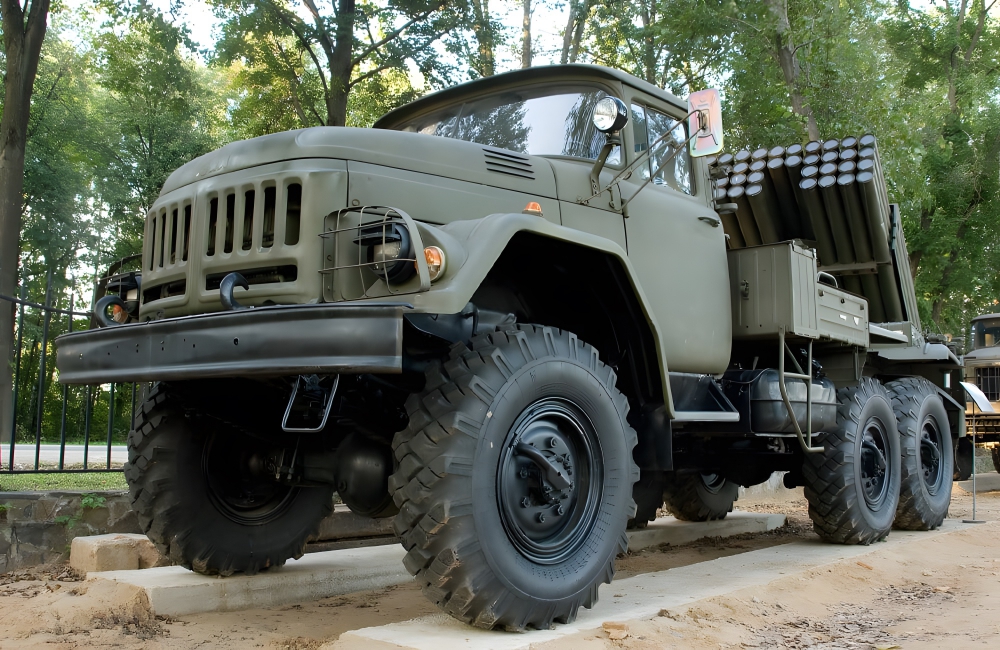
Zil 131 Hyd ©Dmitry A. Mottl / Wikimedia.org
The 131 is also a platform for the 9P138, a thirty-tube rocket launcher based on the BM-21 Grad. The ZIL-131 was first introduced in the mid-sixties, and it was in production at AMUR, a truck plant, until 2012. In 2012, AMUR filed bankruptcy and shut down. These trucks cost $7,300-$8,300 to produce in the 1960s.
89. Ratel 20 IFV 6 X 6 – South Africa
Manufacturer: Springfield Bussing, Sandock Austral
Primary Users: Middle Eastern Militaries, South Africa, Cameroon, Morocco
Cost: Unknown
The Ratel 20 IFV 6×6 is a South African infantry fighting vehicle, and it was the first of its kind to enter service worldwide. The 20 IFV is built on a MAN truck chassis, and it was designed when the South African army asked for a LAV that would be suited to the demands of offensives requiring strategic mobility and maximum firepower.
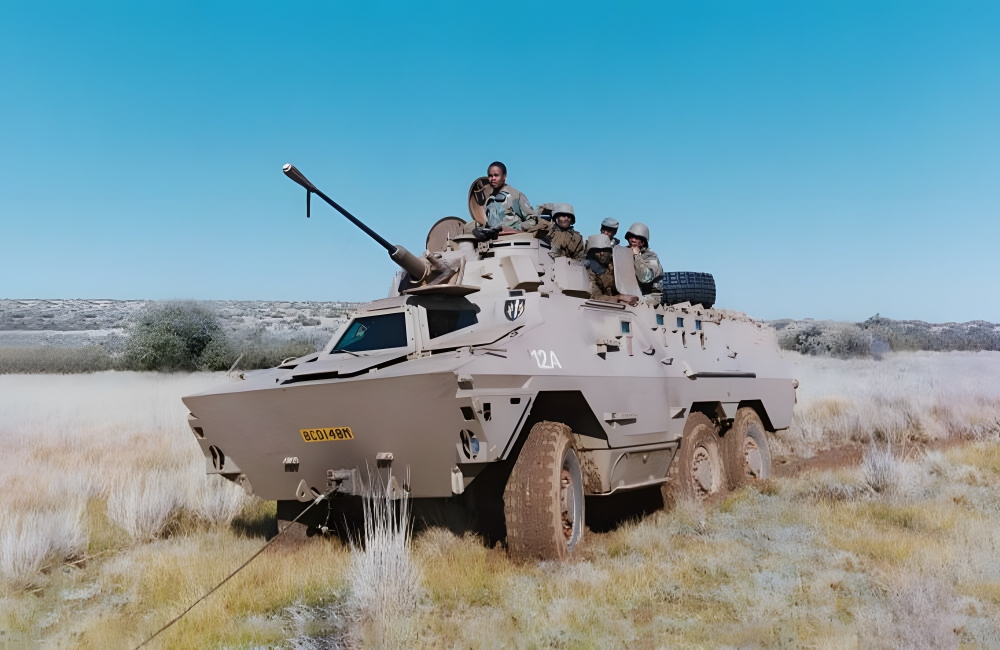
Ratel 20 IFV 6 X 6 @wietzesteyn / Pinterest
The 20’s design was simple and economical, and it helped reduce the logistical commitment that was necessary to keep heavy combat vehicles running in undeveloped regions. The 20 was a very influential concept, thanks to then-innovative features like a mine-resistant hull, extended operating range, and high-tech autocannon.
90. Kettenkrad – Germany
Manufacturer: NSU
Primary Users: Nazi Germany
Cost: $135,000* (Sale Price)
The Kettenkrad, also known as the Kettenkraftrad HK 101, was a WWII half-track motorcycle that had one front wheel. It began its military life as a light tractor used by German airborne troops. The Kettenkrad was designed to be delivered not by parachute, but by a landing Ju 52.
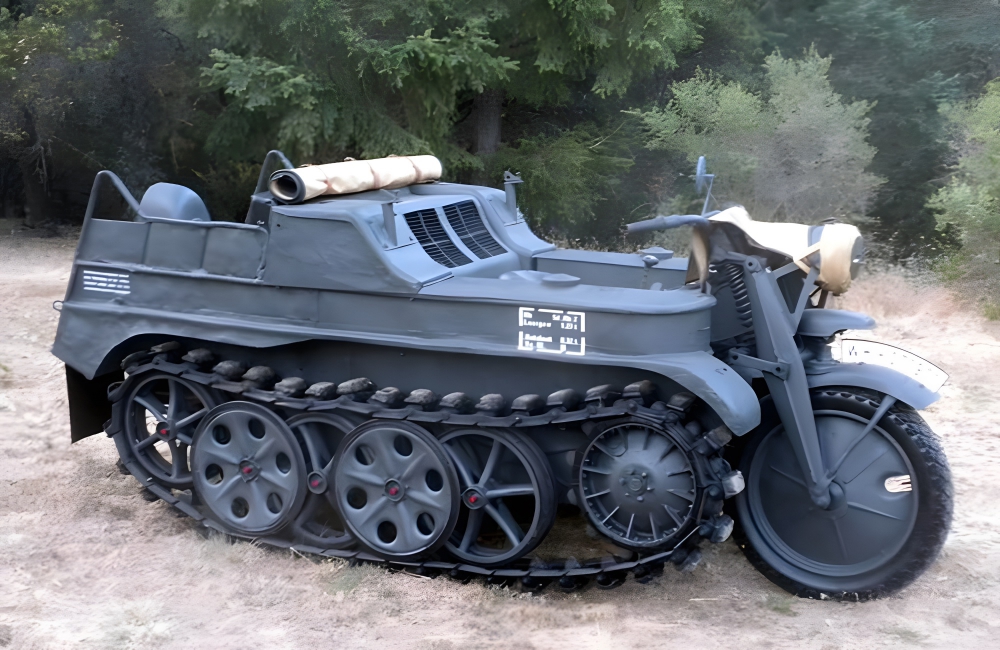
Kettenkrad @vikingviii / Pinterest
The Kettenkrad was the lightest-mass-produced German military vehicle to ever use the Schachtellaufwerk wheels. The Kettenkrad, designed by NSU, was in use from 1938 to 1948. When Nazi Germany collapsed, the Kettenkrad was mainly used for agricultural jobs, having completely been phased out of military service. The Kettenkrad saw action on the Western Front and in the North African Theater.
91. RM-70 – Czech Republic
Manufacturer: Raketomet
Primary Users: Czechoslovakian Army
Cost: $2,000*
The RM-70 is a self-propelled multiple rocket launcher that originated in Czechoslovakia. The RM-70 is a heavier variation of the BM-21 Grad, and it provides enhanced performance over the prior rocket system, which was introduced in the early 1970s.
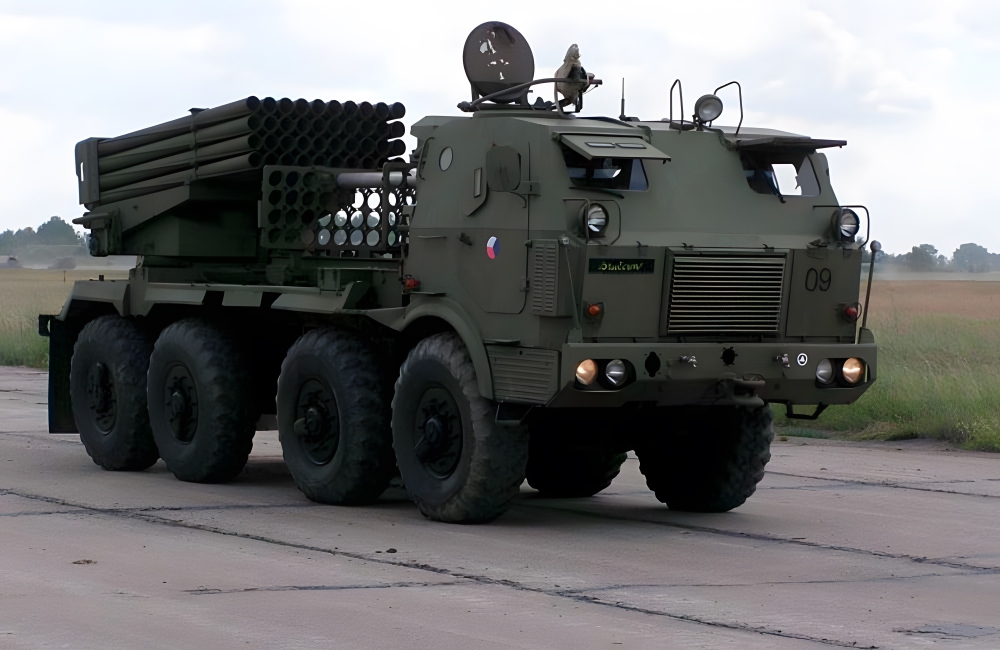
RM-70 ©Tomas Kovarik / Wikimedia.org
The RM-70 has been in service since the 1970s, and it was novel at the time for the Czech Army because it could carry forty additional 120mm rockets. The RM-70’s performance is similar to the Grad in terms of range and speed, and it can fire volleys and individual rounds of rockets, mainly by means of indirect fire. The steel-armored, 8×8 vehicle requires six people to crew it.
92. Vespa 150 TAP – France
Manufacturer: ACMA
Primary Users: French Army
Cost: $7,500*
The Vespa 150 TAP is certainly one of the more unique-looking vehicles on this list. It was made in the fifties from a Vespa scooter that was used by French paratroopers. It was produced by ACMA, which was the licensed Vespa assembler in France at the time.
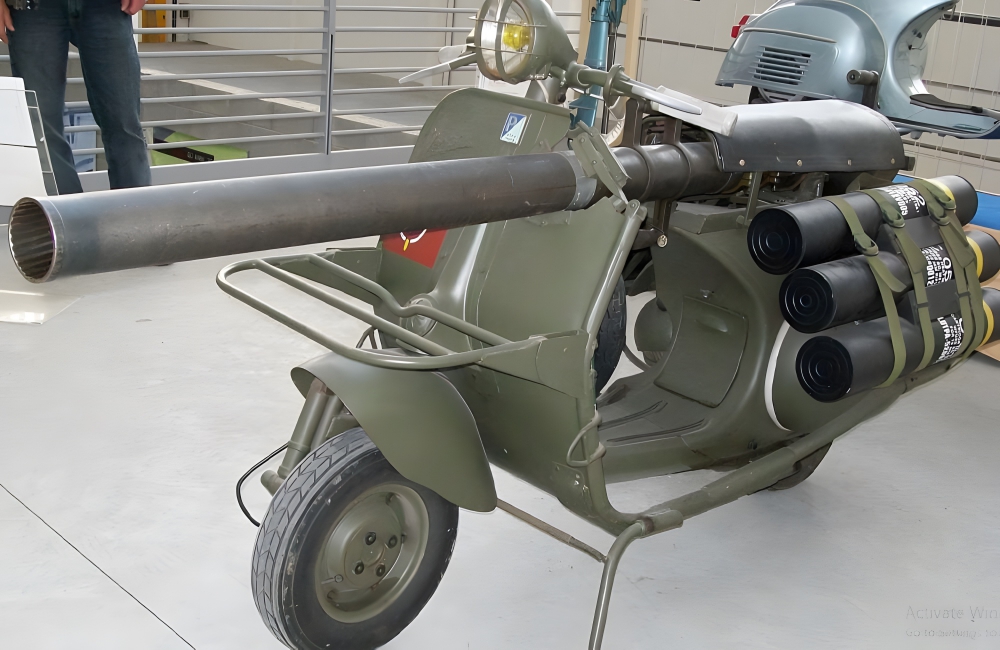
Vespa 150 TAP ©R.I.V.A.R.S. / Wikimedia.org
The 150 TAP had a mounted M20 75mm recoil rifle, which was a light anti-armor weapon made in America. The weapon was lightweight when compared to a 75mm cannon, but it could still penetrate through 100mm of armor, thanks to its HEAT warhead. The scooters were parachute-dropped in pairs, along with a two-man team. The gun was carried on one Vespa, while the ammo was carried on the other.
93. Kugelpanzer – Japan
Manufacturer: Unknown
Primary Users: Nazi Germany, Japanese Empire (Kwantung Army)
Cost: Unknown
“Kugelpanzer” means “spherical tank” in German, and the Kugelpanzer was exactly that. The round tank was a one-man armored vehicle that Nazi Germany and the Japanese Empire (AKA the Kwantung Army) used during WWII and the Sino-Japanese War.
Kugelpanzer @mach5hk / Pinterest
The Kugelpanzer’s history is a bit murky. Not much is known, other than the fact that only one was actually used by the Japanese. The machine is a mystery, thanks to its lack of records and the tattered condition of the sole surviving model. The 1.8-ton vehicle was used for light recon, as its armor was only 5mm thick. Beyond that, not much else is known.
94. Surcouf – France
Manufacturer: Cherbourg Arsenal
Primary Users: French Navy, Free French Naval Forces
Cost: $500 million-$1 billion*
This submarine served in the French Navy, as well as the Free French Naval Forces. The Surcouf served during WWII until she was lost at sea in mid-February in 1942. She was lost in the Caribbean Sea, giving rise to all sorts of Bermuda Triangle speculation.
Surcouf @u/Tsquare43 / Reddit.com
Surcouf may have collided with an American freighter, which also would have been lost in the wreck. She was the largest cruiser submarine the French Naval Forces had at the time, and her destruction came as a shock. So far, no one has dived down to confirm the wreckage, though, if its sinking location is correct, it is sunk 9,800 feet below the surface of the sea.
95. BV XCH-62 – USA
Manufacturer: Boeing Vertol
Primary Users: U.S Army (Prospective)
Cost: N/A (Never Produced)
The BV XCH-62, made by Boeing Vertol and also called the Model 301, was a heavy-lift helicopter designed for use by the U.S. Army. It was approved in the 1970s, and only one prototype of the military vehicle was created. The idea was officially relegated to the scrap heap in 2005.
BV XCH-62 @Rod808 / Pinterest
The XCH-62 was intended to bolster the Chinook, which was dwarfed by the payload capacities of Soviet Union heavy-lift copters. The Chinook had a payload of just 28,000 pounds, while Soviet copters could lift 44,000 pounds. The XCH-62 was deemed too expensive, though there were several attempts to finish the project. Congress declined funding in 1989 ($71 million was too much for one helicopter), and it went downhill since then.
96. Carmel Tank – Israel
Manufacturer: Elbit Systems, Israel Aerospace Industries
Primary Users: Israel Defense Forces
Cost: Unknown
The Israel Defense Forces realized that it needed a new type of tank after 2014, as its heavily-armored vehicles couldn’t traverse narrow city streets very well. Thus, the Carmel Tank was born. Currently, there are three prototypes in the works for this urban warfare tank.
Carmel Tank @defenseupdate / Youtube.com
The Carmel will be far narrower than a normal tank, though it will have a tank-like turret at the top for weapons. New technologies on the Carmel include modular transparent armor, IED alert and neutralization systems, hybrid engines, and next-gen cooperative active protection. The Carmel will also let two-man crew drive with a closed hatch, while still being able to see the entire field (or city street).
97. Bartini Beriev VVA-14 – Soviet Union
Manufacturer: Beriev, Robert Bartini
Primary Users: Soviet Union
Cost: $1.2 million*
The Bartini Beriev VVA-14 was a wing-in-ground effect craft that was intended to be an amphibious aircraft with VTOL capabilities. The craft was developed by the Soviets in the early seventies, and it was designed to take off from the water and then fly at a high speed for a long distance.
Bartini Beriev VVA-14 ©Jno / Wikimedia.org
It would be able to fly efficiently at the surface of the sea and at high altitudes. The VVA-14 was designed by Robert Bartini, who was tasked with coming up with a craft that could destroy an American-made Navy Polaris missile submarine. Two prototypes were made, but the project, ultimately, failed.
98. BRDM-2 – Russia
Manufacturer: V.K. Rubtsov, GAZ
Primary Users: Russian Armed Forces, 37 other countries
Cost: $12,100* (Sale Price)
The BRDM-2 is an armored amphibious patrol car used now by Russia and, formerly, the Soviet Union. The Boevaya Razvedyvatelnaya Dozornaya Mashina has been exported to many different countries and is still in use by thirty-eight of them, including its home country.
BRDM-2 ©AlfvanBeem / Wikimedia.org
The BRDM-2 is armed the same as a BTR-60PB armored personnel carrier. It might have heavy armaments, but it is a uniquely flawed vehicle. The only way in and out is through the front hatches, which means that it’s nearly impossible to leave the vehicle during combat, as any exit would put crew members directly into the line of fire. There have been modernizations, but this flaw remains on the majority of BRDMs.
99. SHKH VZ.77 DANA – Czech Republic
Manufacturer: Konstrukta Trencin, ZTS Dubnica nad Váhom
Primary Users: Czechoslovak People’s Army
Cost: $6,056* (Sale Price)
The SHKH VZ.77 DANA comes from the DANA family of wheeled, self-propelled artillery pieces. The VZ.77 is a Slovak upgrade of the DANA. It has higher accuracy and a higher rate of fire. The Slovak upgrade has a new, on-board control system, which enables a crew reduction of five to four and higher combat efficiency.
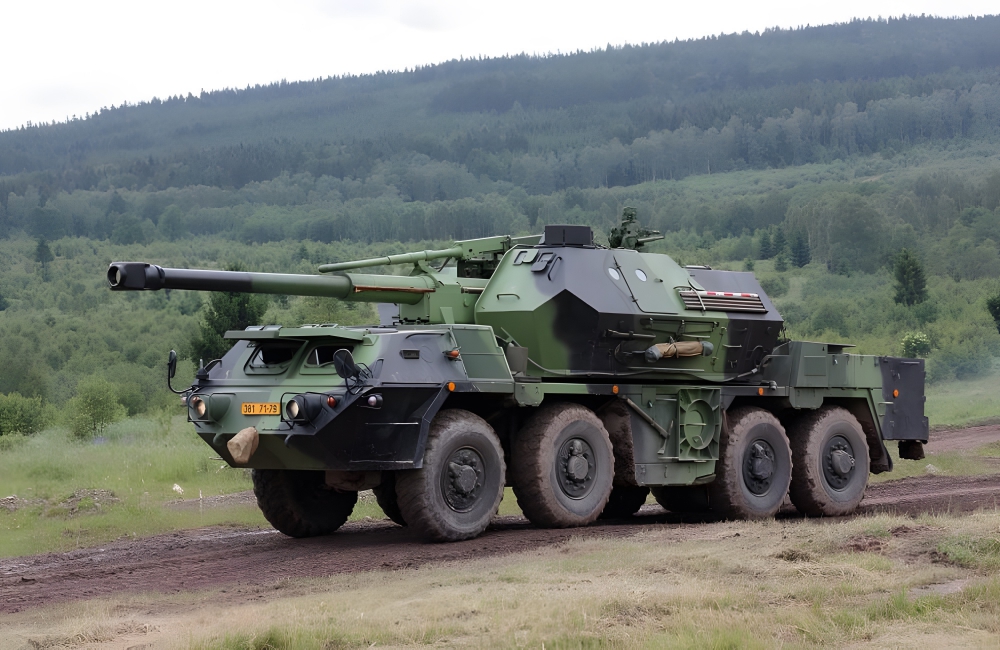
SHKH VZ.77 DANA @haigg1954 / Pinterest
The DANA was designed in the late seventies by Konstrukta Trencin. It provided the Czechoslovak People’s Army with a self-propelled, indigenous, indirect-fire support weapon. The indigenous nature of the DANA meant that the Czechoslovakians didn’t have to buy 2S3 Akatsiya SPG from the Soviet Union, so the government was thrilled at the development.
100. Carmor Mantis – Israel
Manufacturer: Carmor
Primary Users: Israel Defense Forces
Cost: Unknown
Previously called Hatehof, Carmor makes military vehicles for the Israel Defense Forces, including armored vehicles, special-purpose trailers, tankers, firefighter trucks, aircraft refuelers, and more. The Carmor Mantis is one such military vehicle from the company, which brings in nearly $250 million in revenue each year.
Carmor Mantis @shootingstar014 / Pinterest
The Mantis is a tactical armored fighting vehicle. Carmor designed the Mantis to provide front-line IDF units with high-end, multi-roll platforms that could complete a variety of missions. The Mantis is still in production since its big reveal in 2018, when The Drive called it a “futuristic, Lego-like” vehicle. Carmor said it was “answer[ing] the global demand” for LAVs when it came up with the Mantis concept.
101. Air Force One
Manufacturer: Boeing
Primary Users: The President of the United States
Cost: $5 billion*
Air Force One might not be a jet that’s built to go into the fray, but it’s still an important military aircraft in times of crisis. While the call sign has remained the same since 1953, the plane itself has changed multiple times since then.
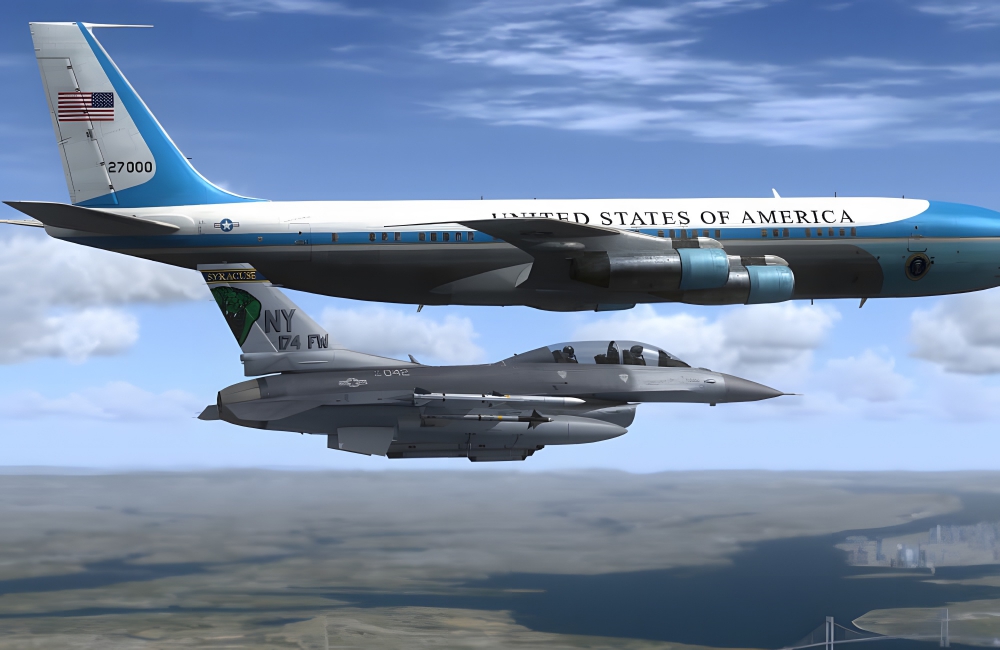
Air Force One @goodfon.com
It’s thought that the current version cost somewhere in the region of $5 billion, which is an impressive amount. Eagle-eyed plane fanatics will notice that on occasion, Air Force One is accompanied by fighter jets, but this depends on many things, such as where it is and whether there has been any other cause for concern in the lead up to the flight.
102. Z-MAG All-Terrain Vehicle – Israel
Manufacturer: Israel Aerospace Industries
Primary Users: IDF
Cost: $31 million project cost*
Israel Aerospace Industries is the manufacturer behind the Z-MAG ,which has captivated the public, thanks to its ability to maneuver even the most extreme terrain and topographical conditions. It was designed for the IDF and its Maneuvering Units. The IDF has signed a contract with IAI and, if they’re pleased with the off-roader, they’ll buy more in the next few years.
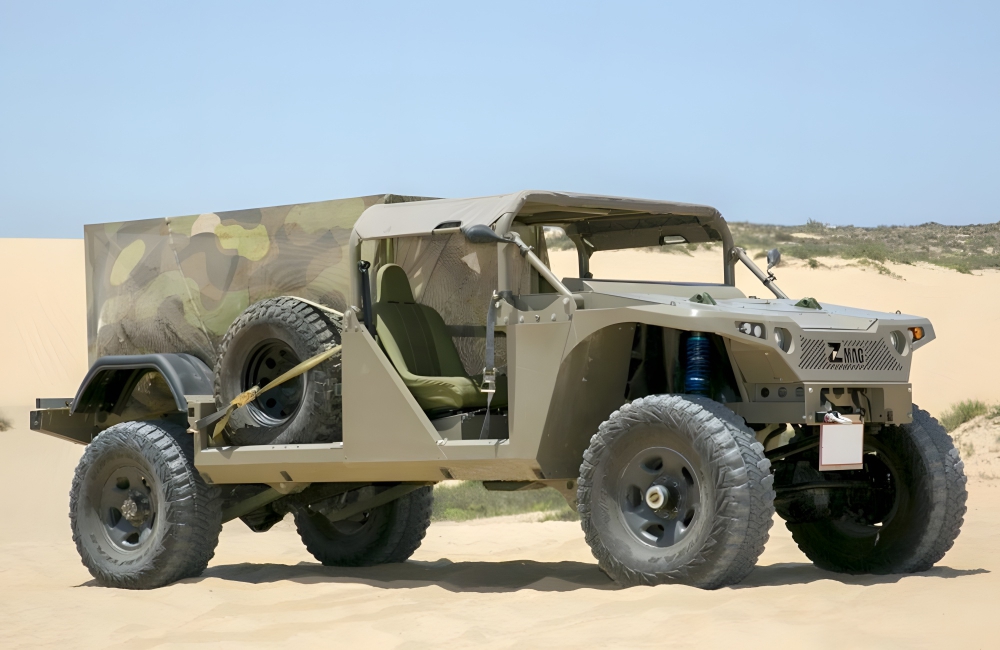
Z-MAG All-Terrain Vehicle (Israel) @ReviewVayu / Twitter.com
IAI certainly seems optimistic about its future with the IDF, as the military manufacturer has invested approximately $31 million into the project, and it’s building an assembly line for its “Z Vehicles.” Right now, the IDF is in line for nine Z-Mags. If all goes well, they have an option to order another twenty-one.
103. CV90 – Sweden
Manufacturer: Hagglunds, Bofors
Primary Users: Swedish Defense Materiel Administration
Cost: $5.11 million per unit*
Combat Vehicle 90 was designed in the eighties, specifically to navigate Nordic subarctic climates. The vehicle has no problem moving through wetlands and snow, and it can carry six to eight soldiers. The Combat Vehicle 90’s major strength is that it has a lot of variations.
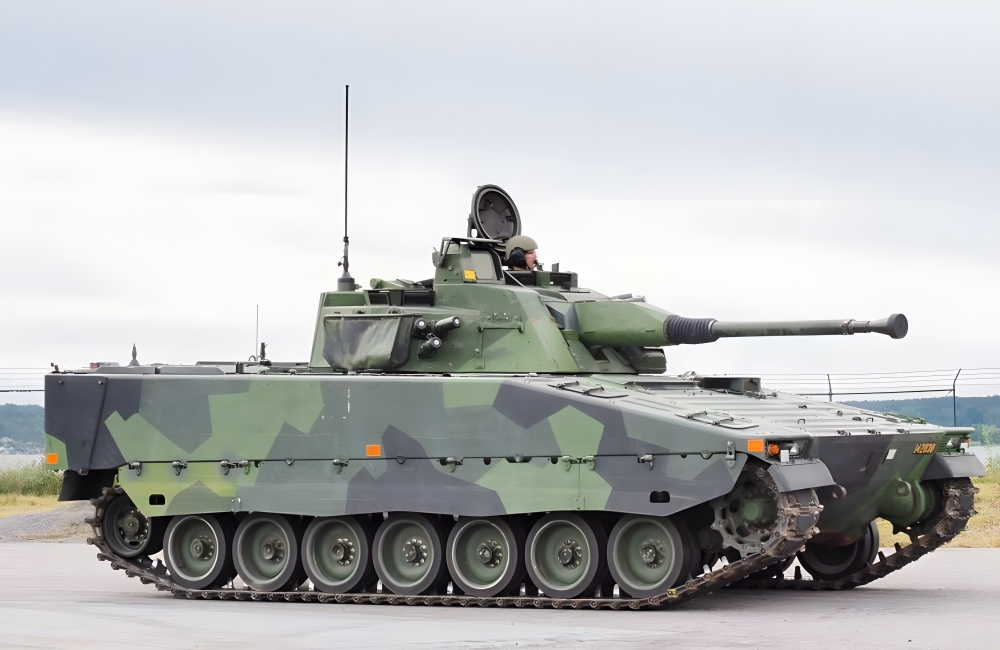
CV90 (Sweden) @FinabelEAIC / Twitter.com
Forward Observation, Armored Recovery Vehicle, Electronic Warfare, Command and Control, and more are variations of the CV90. Right now, there are fifteen variants of these vehicles in seven countries. 1,280 are in-service, with more to come. The Mk IV is the latest iteration, and it has cutting-edge developments, such as a Scania engine that gets 1,000 horsepower.
104. Xian MA60 – Zimbabwe
Manufacturer: Xi’an Aircraft Industrial Corporation
Primary Users: China Meteorological Administration, Angolan Air Force, Royal Cambodian Air Force, Cameroon Air Force
Cost: $22 million per unit*
The Xian MA60 (long name: Modern Ark 60) is an airliner produced under the AVIC in China. Though it is primarily in use with China’s Meteorological Administration, it is also used in the Air Forces of several smaller countries. The MA60 is a stretched-out version of the Y7-200A, which was made to operate with limited ground support in rugged conditions.
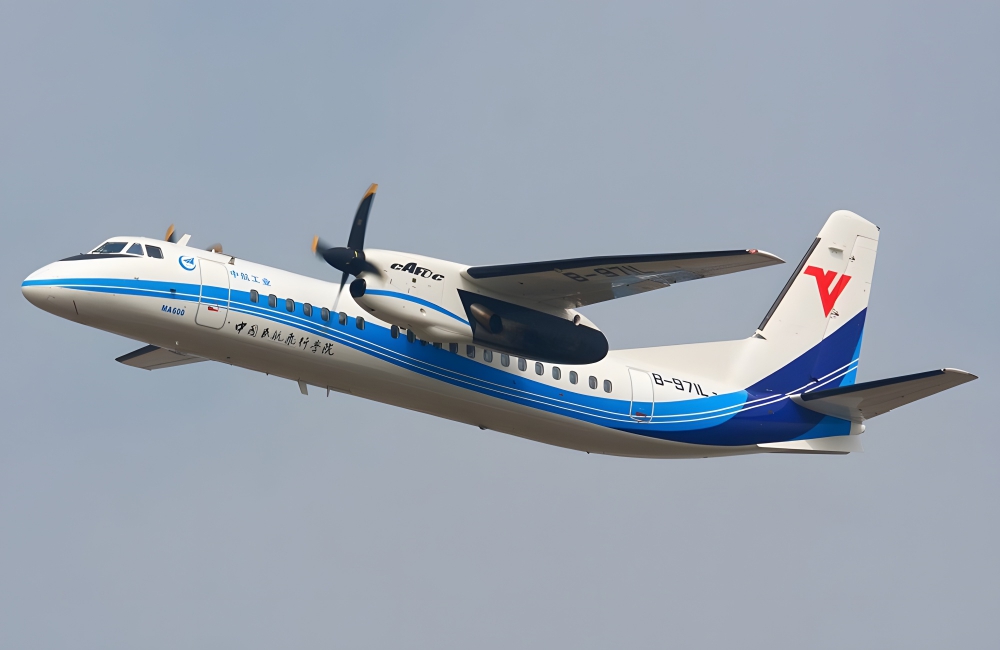
Xian MA60 (Zimbabwe) @bsupplyco / Pinterest
The MA60 has a short STOL capacity. So far, Okay Airways and Joy Air are the two primary users of these planes, and 110 have been delivered. 310 are currently in production. The Xian MA60 is a lot younger than a lot of the planes on its list, as it had its first flight in August of 2000.
105. WZ-7 Xianglong – “Soar Dragon” – China
Manufacturer: Guizhou Aircraft Industry Corporation, Chengdu Industry Aircraft Group
Primary Users: People’s Liberation Army Air Force
Cost: Unlisted
The Soar Dragon, also known as the WZ-7, is yet another high-tech Chinese aircraft to make this list. The primary user of this unmanned aerial vehicle is the People’s Liberation Army Air Force. The UAV is a HALE aircraft, meaning that it is designed for “High Altitude Long Endurance.”
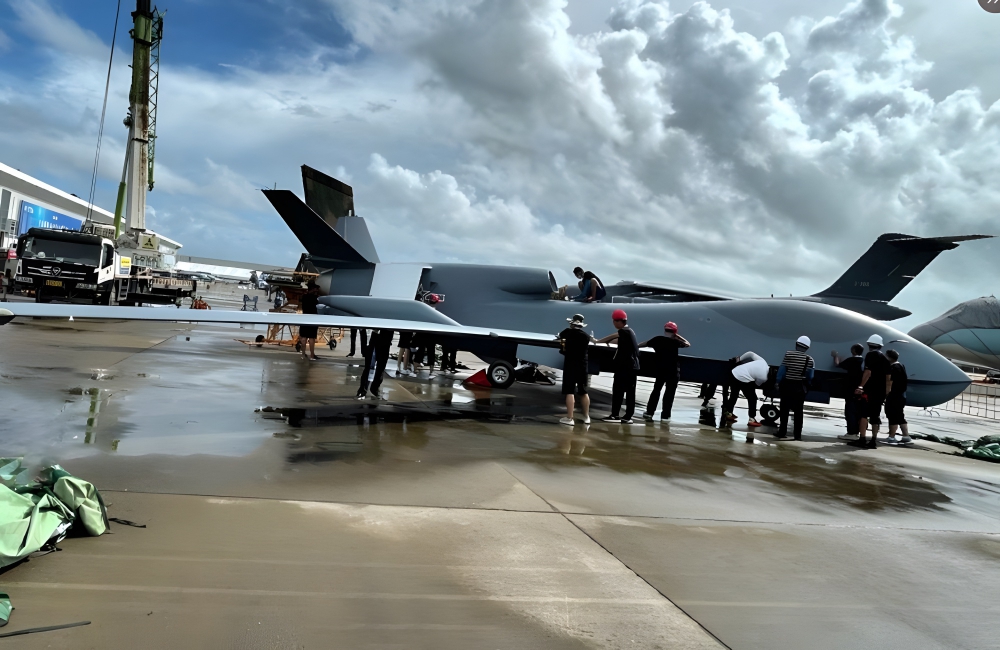
WZ-7 Xianglong – “Soaring Dragon” (China) @talhaahmad967 / Twitter.com
The Soar Dragon has an unusual-looking joined, tandem wingspan, which makes it easy to spot. The configurations have their benefits, including less complicated flight controls and a higher lift-to-drag ratio. Sixteen of these planes have been built so far, with the PLAAF using it for maritime patrol and reconnaissance missions.
106. Piranha V – Switzerland
Manufacturer: General Dynamics European Land Systems
Primary Users: Swiss Army, Danish Army
Cost: $4.2-$6.1 million per unit*
The Piranha V IFV is a fifth-generation variant of the Mowag Piranha Infantry Fighting Vehicle family. The vehicle was designed by GD’s European Land Systems Wing and produced by Mowag Motor Car Factory. The Piranha V is in use by Denmark, Switzerland, Monaco, Spain, and Romania.
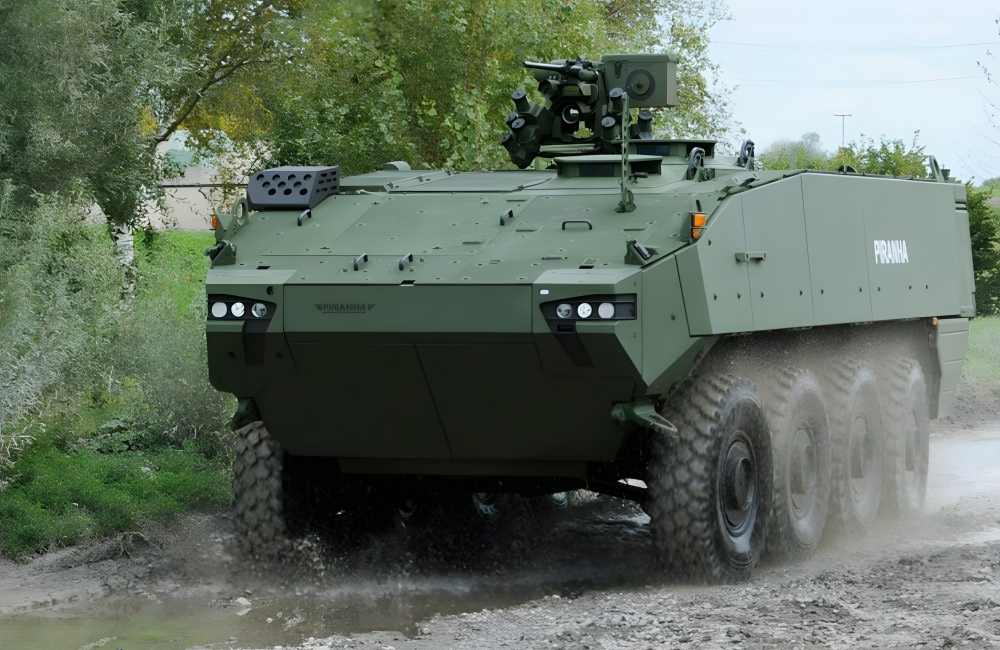
Piranha V (Switzerland) @Strategic__1 / Twitter.com
The 73,000-pound IFV is 26 feet long, 10 feet wide, and can hold three crew and eight passengers. The IFV protects its crew, even if an AT mine goes off under the hull. It is equipped with STANAG 4569 armor. There are twelve vehicles on order for the Swiss Army, along with several dozen Morser self-propelled mortar systems.
107. Boeing F-15X Eagle – USA
Manufacturer: Boeing
Primary Users: U.S. Air Force
Cost: $87.7 million per unit*
The Eagle got its start in the 1970s. Though the U.S. Air Force is its primary user, the F-15 Eagle is also in use by Japan, Saudi Arabia, and Israel. The U.S. Air Force accepted Boeing’s proposal in 1972, as the military branch was in need of a dedicated air superiority fighter.
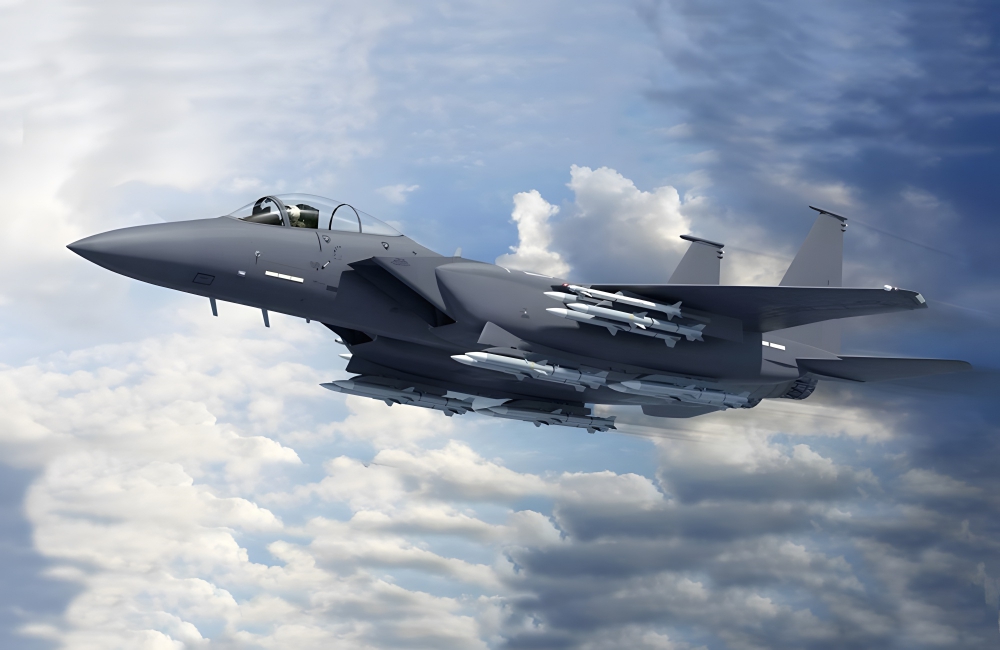
Boeing F-15X Eagle (USA) @bbfaviation / Twitter.com
The Eagle is one of the most successful fighters, and it has had 100 victories and zero losses in aerial combat since it entered service in 1976. The majority of its kills have come from the IDF, which has a special affinity for the F-15. The F-15X is the latest iteration of the Eagle, and it comes with a better payload, speed, and range. Boeing said it plans for X to be a “backbone fighter” for the U.S.A.F.
108. Bell Model 505 JetRanger X – Canada
Manufacturer: Bell Helicopter, Bell Textron Canada
Primary Users: Jamaica Defence Force, Japan Coast Guard, Montenegrin Air Force, Vietnam Helicopter Corporation
Cost: $1.2 million per unit*
The Bell 505 Jet Ranger X, also known as the JRX, is a light helicopter in service with several military and LEO operations. The Bell 505 was unveiled in 2013 at the Paris Airshow, and it flew its first flight in November of 2014. Two years later, it received its certification from Transport Canada.
Bell Model 505 JetRanger X (Canada) @budiagus0875 / Pinterest
The JRX has a clean sheet design, for the most part. Mass production of the JRX began in 2016 at Lafayette Regional Airport’s $26.3 million hangar. In 2017, the first aircraft was delivered to a private pilot in the States. The JRX is in use in Jamaica, Japan, Vietnam, Montenegro, and Vietnam. Several police departments in America also use the JRX for law enforcement operations.
109. Warrior – UK
Manufacturer: BAE Systems
Primary Users: British Army
Cost: $1.77 billion project cost*
The Warrior is part of a tracked military vehicle family in the United Kingdom. The Warrior was designed in the 1980s as a “Mechanised Combat Vehicle” that could meet the new, post-Vietnam era. The major requirement of the Warrior was that it had a high top speed, allowing it to keep up with what would later be called the Challenger 1.
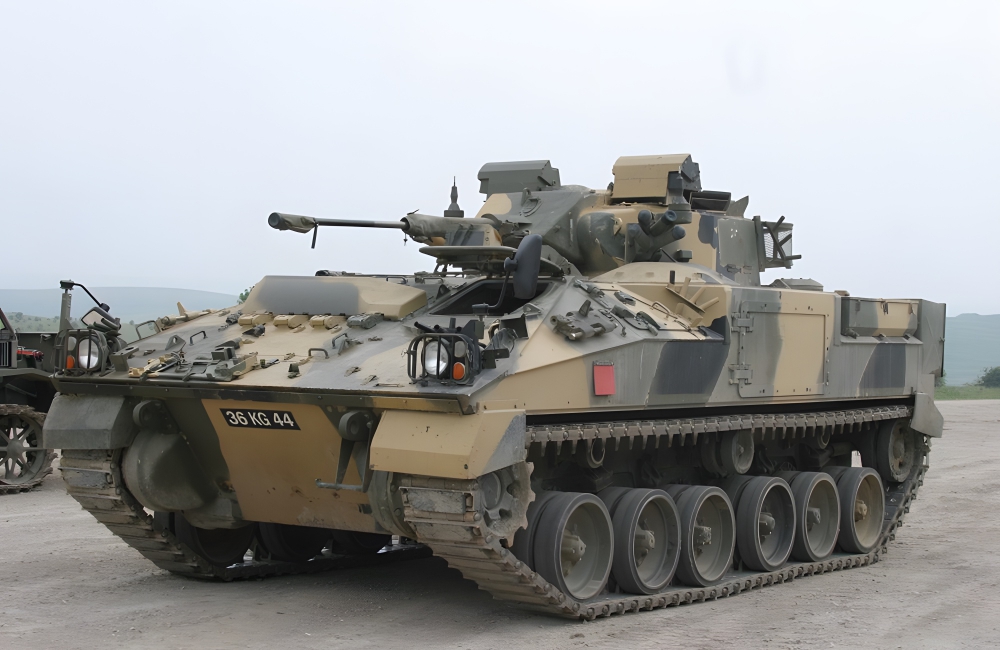
Warrior (UK) ©davric / Wikimedia.org
The Warrior’s Combat History includes Operations Granby, Grapple, Resolute, Telic, and Herrick. It has protection against anti-tank mines, rocket-propelled grenades, missiles, and small arms. The British Army recently engaged in a major upgrade program that would ensure that the service life of the Warriors would be extended for another nineteen years.
110. AgustaWestland AW101 – UK
Manufacturer: Westland Helicopters, Agusta, Finnmeccanica, Leonardo S.p.A.
Primary Users: Royal Navy, Royal Air Force, Royal Danish Air Force, Italian Navy
Cost: $28 million per unit*
The AgustaWestland AW101 is a medium-lift copter for both civil and military use. It was created in the 1990s through a partnership between Italy’s Agusta and the U.K.’s Westland Helicopters. It was designed to meet requirements from both nations for a modern naval utility helicopter.
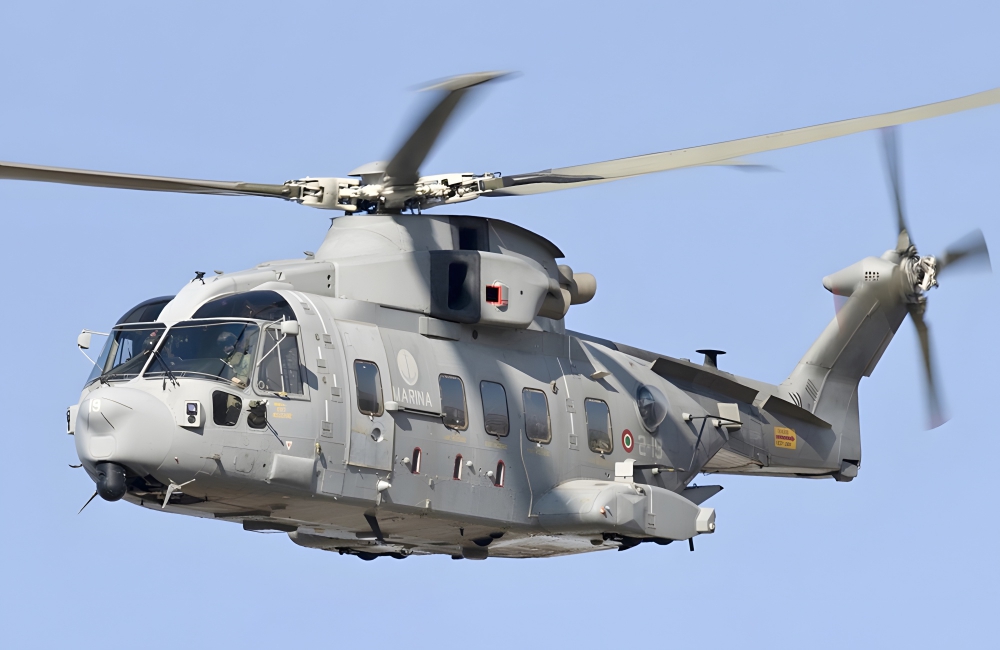
AgustaWestland AW101 (UK) ©Peng Chen / Wikimedia.org
The AW101, which is called the Merlin in Denmark, Portugal, and Brain, is manufactured in Italy, the UK, Japan, and the U.S. The AW101 is a bit of a jack of all trades, as it has been used for everything from search and rescue to anti-submarine warfare. Since 1999, it has replaced many older helicopters, such as the Sikorsky Sea King.
111. Boeing CH-47 Chinook – USA
Manufacturer: Boeing (Vertol)
Primary Users: U.S. Army, Royal Air Force, Indian Air Force, Japan Ground Self-Defense Force
Cost: $265 million project cost*
The Boeing CH-47 Chinook had its first flight on September 21, 1961. Designs for this transport helicopter began in the late 1950s, when Vertol (which would later become part of Boeing) was designing a new type of tandem-rotor helicopter. The Chinook was designed to replace the CH-37 Mojave, designed by Sikorsky.
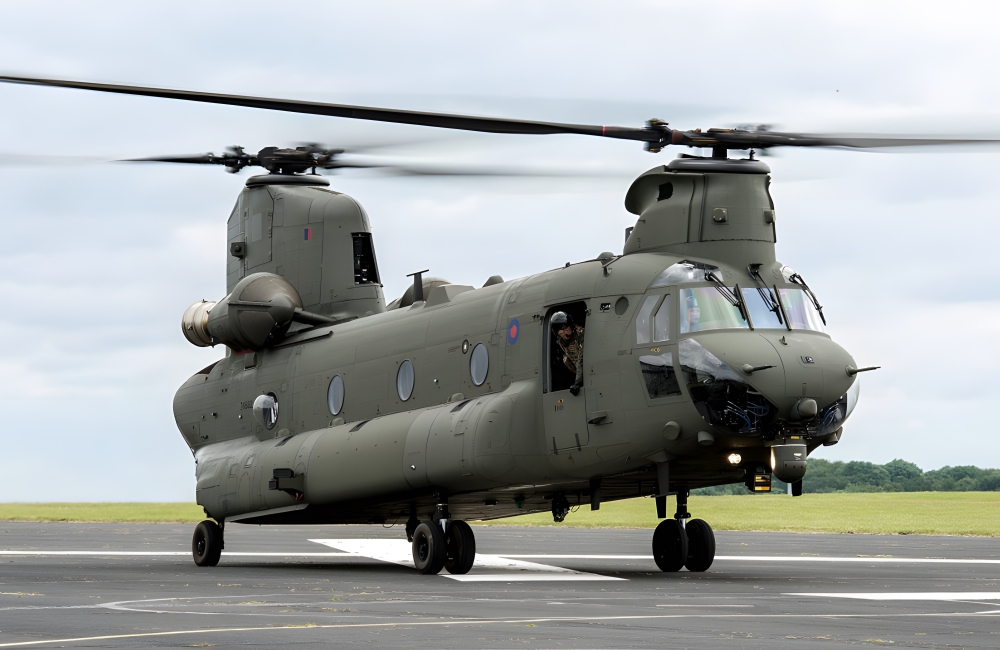
Boeing CH-47 Chinook (USA) @Nik333Alex / Twitter.com
Over 1,200 have been built since 2012. The Chinook was able to reach 200 miles per hour in the 1960s; it is still one of the Army’s fastest helicopters. The Chinook is one of few aircraft to be developed six decades ago and still remain in service.
112. USS Daniel Inouye DDG-118 – USA
Manufacturer: General Dynamics Bath Iron Works
Primary Users: U.S. Navy
Cost: $1.843 billion*
Named after Senator Daniel Inouye, a Hawaiian government official who was awarded a Medal of Honor during WWII for his bravery on the Italian front, the U.S.S. Daniel Inouye is an Arleigh-Burke-class naval destroyer. It is the third of eight Flight IIA tech insertion ships, which have elements from Flight III ships that begin with DDG-125.
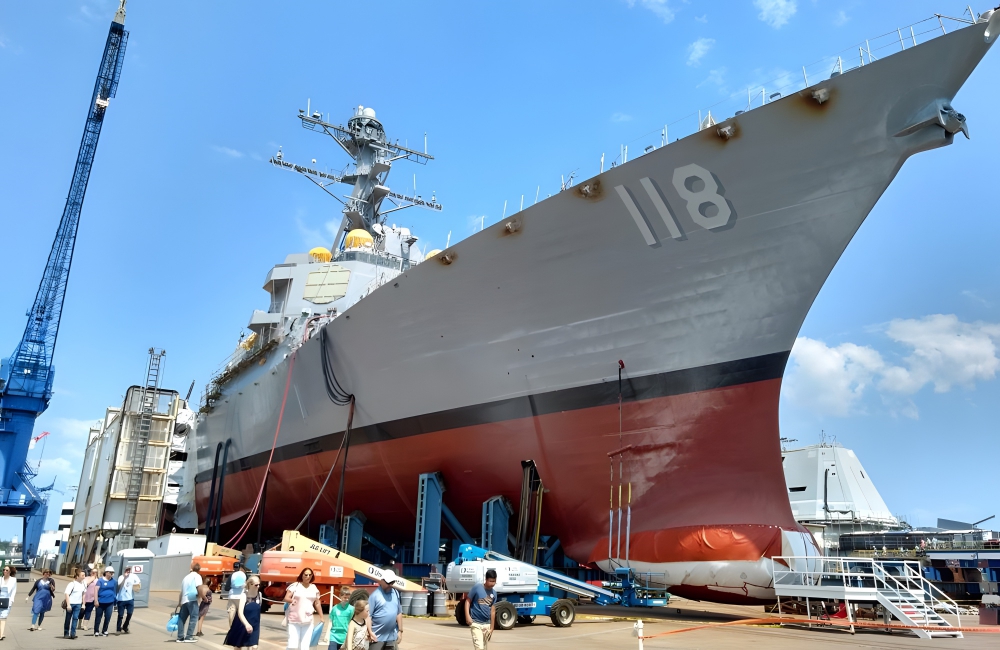
USS Daniel Inouye DDG-118 (USA) @u/USSPalau / Reddit.com
The U.S.S. Daniel Inouye is still very new. Its keel was laid in May of 2018, and Senator Inouye’s widow, Irene Hirano Inouye, christened the destroyer on June 22, 2019. In March of 2021, Bath Iron Works, part of General Dynamics, delivered the U.S.S. Daniel Inouye to the Navy.
113. The Jaguar – Israel
Manufacturer: Israel Aerospace Industries
Primary Users: IDF
Cost: Unlisted
The IDF called this their “newest, most advanced robot.” The Jaguar was developed by Israel Aerospace Industries and the IDF. It is one of the world’s first military robots that can actually act as a substitute for soldiers on the borders. The Jaguar has dozens of sensors, advanced fire capabilities, an automated driving system, and a public address system.
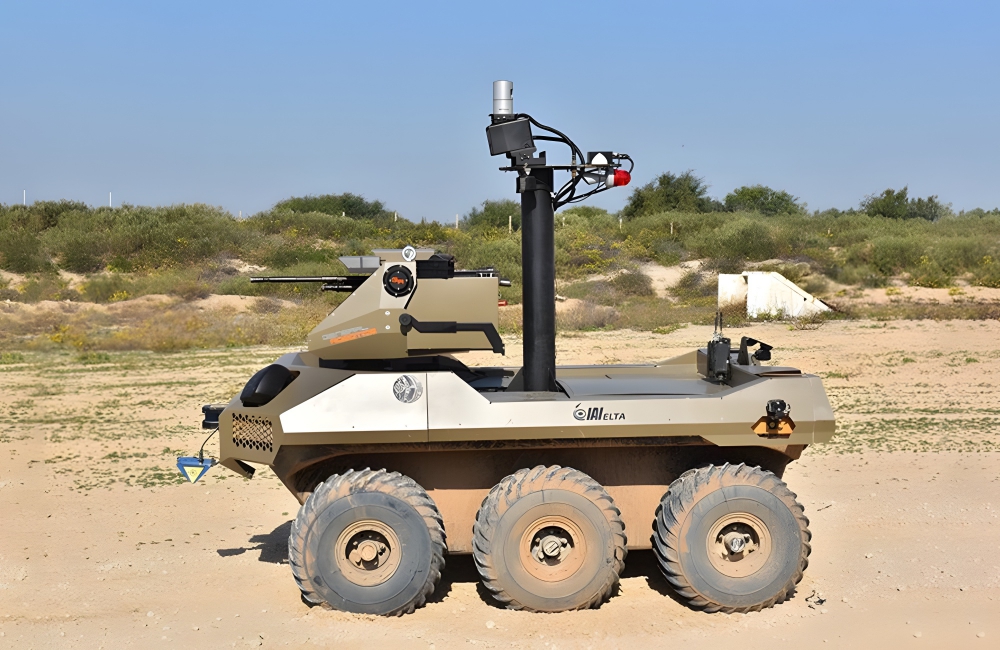
The Jaguar (Israel) @DefenceDecode / Twitter.com
The robot is changing the world of border protection because it acts as a substitute for combat soldiers. The Jaguar can spot and bypass obstacles, and it can drive itself (though IDF commanders still retain full operational control, just in case). One of the coolest features of the Jaguar is that it can self-destruct, should it fall into enemy hands.
114. ZiL Karatel – Russia
Manufacturer: OJSC AMO ZiL
Primary Users: Russian Federal Security Forces
Cost: Unlisted
Nicknamed “The Punisher,” the ZIL Karatel is in service with the military forces of not just Russia, but China, Vietnam, North Korea, Cuba, Iran, Yemen, Tanzania, Belarus, and Serbia as well. The ZIL is part of a family of multi-functional, armored, modular MRAPs.
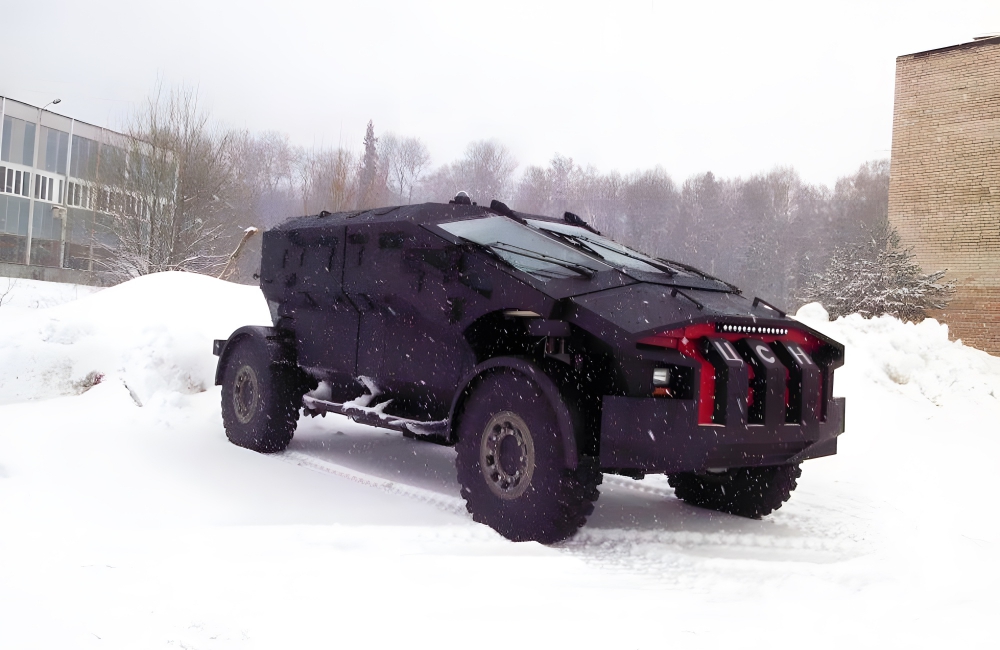
ZiL Karatel (Russia) @ariabisma / Pinterest
The ZIL Karatel is able to perform a lot of different functions, from recon, command and staff, communications, and even transportation of radioactive or biohazardous materials. The ZIL Karatel has been in service since 2013. The Punisher, specifically, has been used as a troop carrier since 2015. It can haul ten personnel, and it is bullet- and mine-resistant, allowing Russian troops to quickly and safely move across the battlefield.
115. ADV Cape Fourcroy – Australia
Manufacturer: Austal
Primary Users: Royal Australian Navy, Australia Border Force, Trinidad and Tobago Coast Guard
Cost: $242.57 million project cost (18 Boats Total)*
The ADV Cape Fourcroy is one of a couple of Cape Class Patrol Boats. The ADV Cape Fourcroy is in service with the Royal Australian Navy, and it supplements the Armidale Class. The Fourcroy requires twenty-one people to crew. The patrol vessel is part of the group replacing the Bay class of patrol boats.
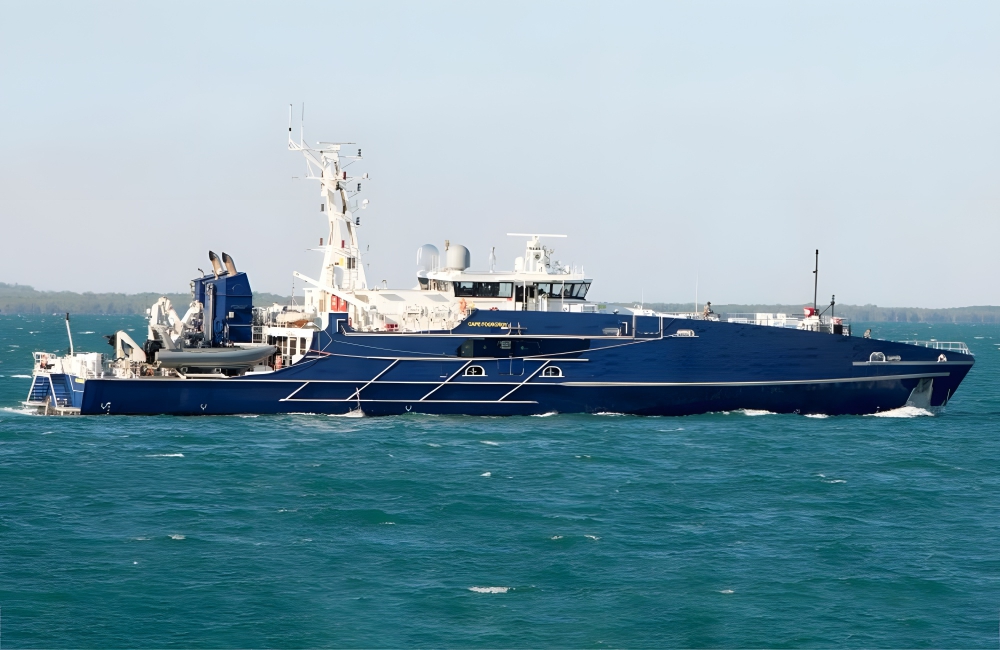
ADV Cape Fourcroy (Australia) @seawaves_mag / Twitter.com
Eighteen Cape-class boats are planned. Twelve have been completed and are active so far, with six more to go. In addition to its use by the Royal Australian Navy, the Australia Border Force and the Trinidad and Tobago Coast Guard also use this class of patrol boat.
116. Yushen-class Landing Helicopter Assault – China
Manufacturer: Hudong-Zhonghua Shipbuilding
Primary Users: People’s Liberation Army Navy
Cost: $68.6 million per unit*
The Yushen-class Landing Helicopter Assault is built by Hudong-Zhonghua Shipbuilding, and it is an amphibious assault ship. The Yushen class comes with a full-length flight deck, as well as a floodable well dock from which amphibious, armored assault vehicles and hovercraft disembark.
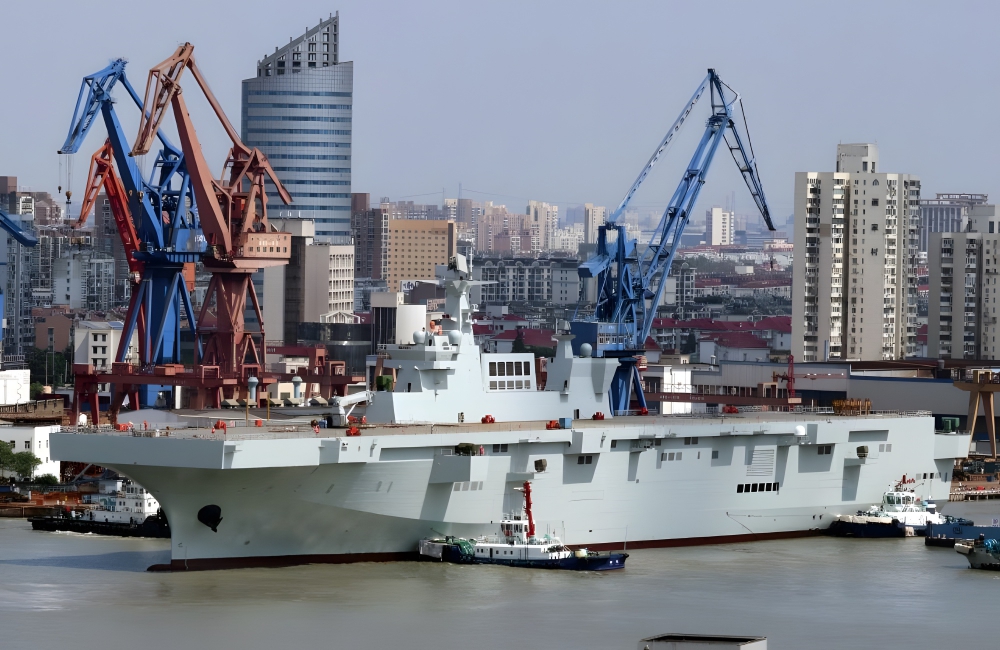
Yushen-class landing helicopter assault (China) @RupprechtDeino / Twitter.com
The Type 076 is the latest of the Yushen class. The Yushen class was first constructed in 2019, and eight are planned. Two are in construction currently, and just one is completed and active. The 40,000-ton warship is 778 feet in length and has a beam of 118 feet. It can carry thirty attack helicopters on each dock.
117. Sukhoi Checkmate Su-75 – Russia/Vietnam
Manufacturer: Sukhoi Design Bureau
Primary Users: Russian Air Force, Vietnam Air Force
Cost: $25-$30 million per unit*
This stealth fighter aircraft looks insane, and it’s not even out yet. Designed by the Sukhoi Design Bureau for use by the Russian Air Force, the Sukhoi Su-75 is expected to make its first flight in 2023. The Su-75 can fly at 40,000 feet or higher, and each unit costs between $25 and $30 million.
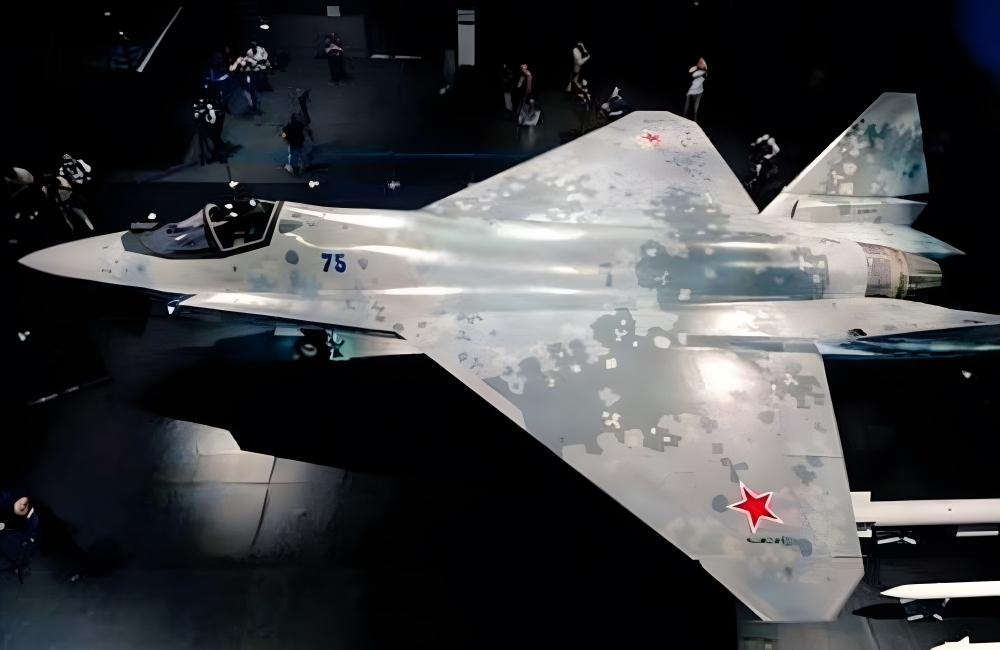
Sukhoi Checkmate Su-75 (Russia/Vietnam) @PramodMadhav6 / Twitter.com
The Su-75 will carry air-to-surface and air-to-air armaments weighing more than seven tons, and the fighter jet will be able to strike more than one target at a time. Its maximum speed is Mach 1.8, and it has internal weapons bays and a V-shaped tail both of which are meant to reduce its radar signature.
118. HQ-9B – Morocco
Manufacturer: China Precision Machinery Import-Export Corporation
Primary Users: People’s Liberation Army Air Force & Navy
Cost: $2 million per unit*
The HQ-9, also known as the Red Banner 9, is a long-range, radar-homing, surface-to-air missile. It’s similar to the Patriot and S-300 systems, which are in use by the U.S. and Russia, respectively. The HQ-9 has a HT-233 PESA radar system and has an operational range of over 186 miles.
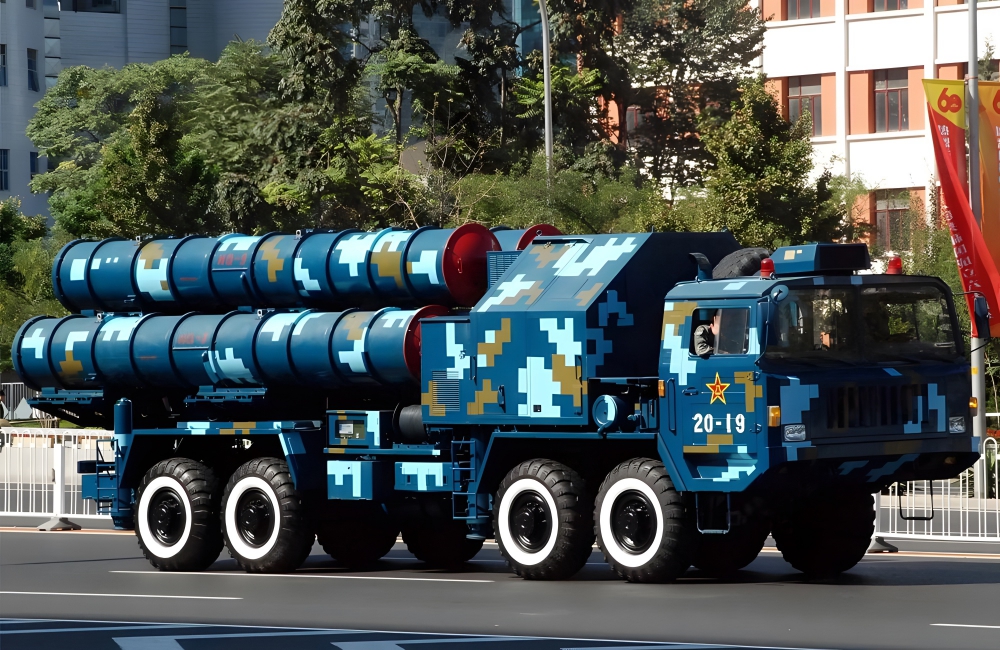
HQ-9B (Morocco) ©Jian Kang / Wikimedia.org
The HQ-9B, one of the later iterations, is the newest in a long line of missiles from the China Precision Machinery Import-Export Corporation. The missile’s top speed is Mach 4.2, and its engine is a two-stage solid propellant rocket. Each HQ-9B costs about $2 million, though costs have been reduced because the HQ-9B is able to employ many different types of radars.
119. Bushmaster Protected Mobility Vehicle – Jamaica
Manufacturer: Thales Australia
Primary Users: Jamaica Defence Force, Australian Army, Royal Australian Air Force
Cost: $500,000 per unit*
Designed and manufactured by Thales Australia, the Bushmaster Protected Mobility Vehicle is in use with various military branches of Australia, Jamaica, the Netherlands, Britain, Japan, Fiji, and New Zealand. The Bushmaster has been in combat since 1997, and each unit costs about half a million dollars. All variants can carry ten people.
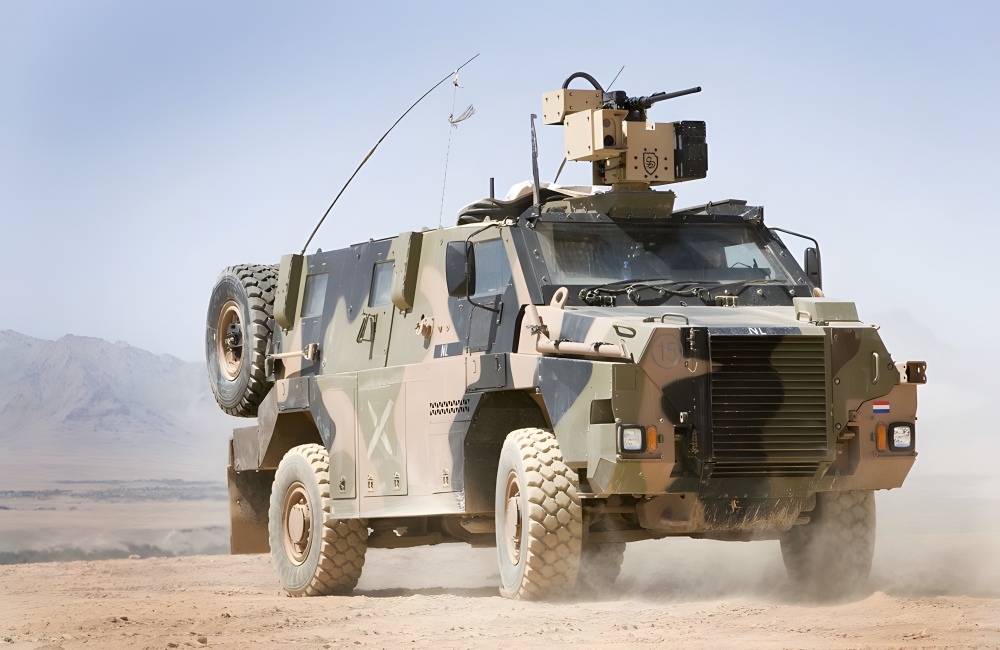
Bushmaster Protected Mobility Vehicle (Jamaica) ©Ministerie van Defensie / Wikimedia.org
There are several variants, including Command, Ambulance, IED, Utility, and Troop. The Bushmaster is lightly armored, so it isn’t the same as a tracked armored personnel carrier or a heavier wheeled PMV, though it does have basic ballistic and IED protection. In addition to being in military use in Australia, the Bushmaster is also in use by the Victoria Police for heavy-duty operations.
120. Komodo Tactical 4×4 – Indonesia
Manufacturer: Pindad
Primary Users: Indonesian Armed Forces
Cost: $250,000-$300,000*
Named after the Komodo Dragon, this 4×4 light armored vehicle is in use by Pindad. It was developed after the president of Indonesia visited Pindad’s main office and requested that they create their own tactical vehicle, which would be indigenous, meaning that Indonesia wouldn’t have to order Humvees anymore.
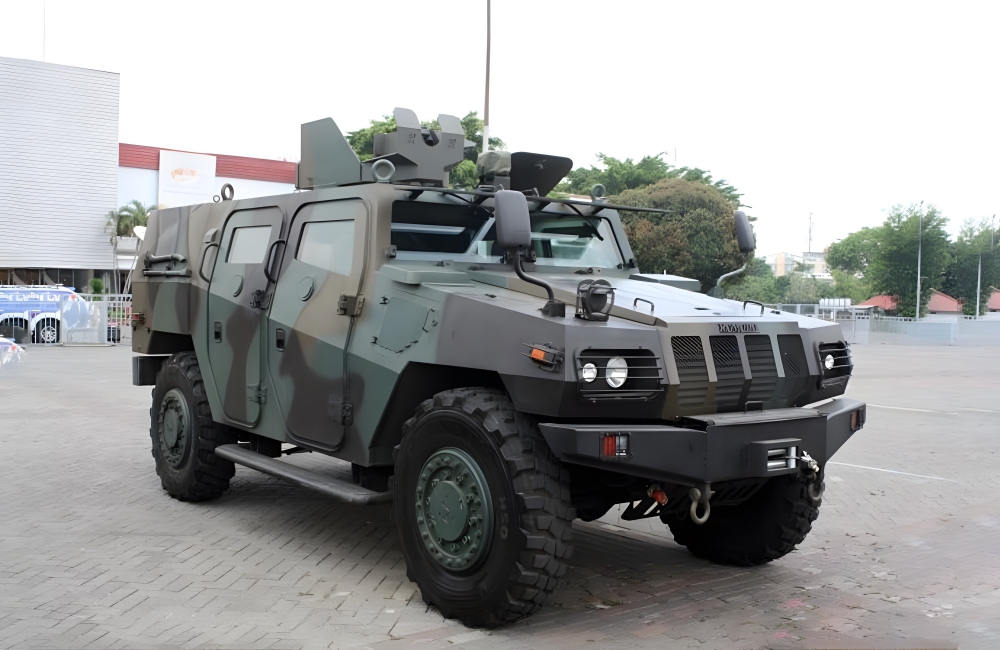
Komodo tactical 4×4 (Indonesia) @hshawd / Pinterest
The Komodo Tactical 4×4 was unveiled in 2012 at the Jakarta, Indonesia Indo Defence Expo and Forum. The design features on this Indonesian 4×4 are similar to the Sherpa Light Scout, made by Renault. The exterior looks a lot like Humvee, despite the Indonesian president’s desire to get away from non-indigenous vehicles. Each Komodo costs $250,000-$300,000 to make.
121. Sikorsky CH-53 Sea Stallion – USA
Manufacturer: Sikorsky Aircraft
Primary Users: U.S. Marine Corps & Air Force, German Air Force, Israeli Air Force, Mexican Air Force
Cost: $138 million per unit*
The Sikorsky S-65, also known as the CH-53 Sea Stallion, is a heavy-lift transporter that is designed and constructed by Sikorsky Aircraft. It was originally developed for the U.S. Air Force and Marine Corps., but it is now in use by the Germans, Mexicans, and Israelis as well.
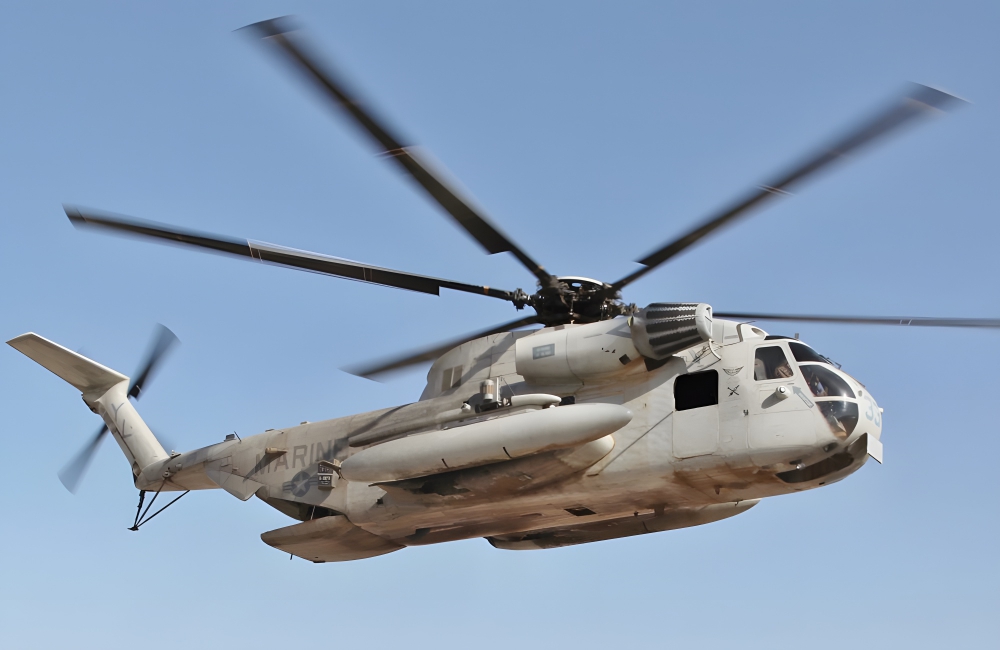
Sikorsky CH-53 Sea Stallion (USA) ©Raul Gonzalez / Wikimedia.org
The S-65 got the nickname “Super Jolly Green Giant” during the Vietnam War, as it was a common, green-painted feature of that armed conflict. The S-65 is a close cousin to the Super Stallion, which is an improved version of the Sea Stallion. Not only can it lift more, it also has a more powerful engine, which makes it key in heavy-lift missions.
122. Panzer 68 – Switzerland
Manufacturer: Eidgenössische Konstruktionswerkstätte
Primary Users: Swiss Army
Cost: $481.95 million project cost (101 tanks in total)*
Built by Eidgenössische Konstruktionswerkstätte, the Panzer 68 was once the main battle tank of the Swiss Army. It was developed in the 1960s, and it dominated the Swiss Army’s inventory until the late 1990s. In 1979, an article was published by Weltwoche, a highly-regarded publication in Switzerland, that discussed the 68’s shortcomings.
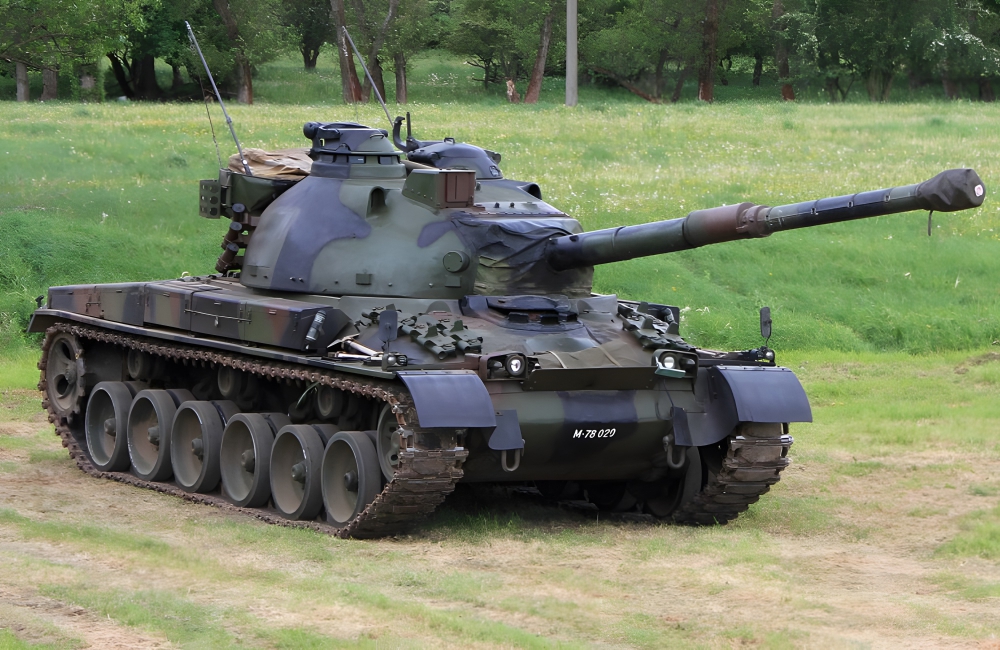
Panzer 68 (Switzerland) ©LutzBruno / Wikimedia.org
The article was explosive, and it led to the Swiss Minister of Defense’s resignation. One major example of the 68’s shortcomings was the heating system which, when switched on, could possibly cause the main gun to fire a round. The problems were resolved when the 68 was updated, but it lost its status as the main battle tank a decade later.
123. Lockheed C-130 Hercules – U.S.
Manufacturer: Lockheed Martin
Primary Users: U.S. Air Force, Royal Canadian Air Force, U.S. Coast Guard, Royal Air Force
Cost: $11.9 million per unit*
The Lockheed C-130, also known as Hercules, is a four-engine, turboprop aircraft that was originally built by Lockheed Corporation, before it became Lockheed Martin. The Hercules can use unprepared runways for taking off and landing, and it was initially designed for cargo duty, medevac, and troop transport.
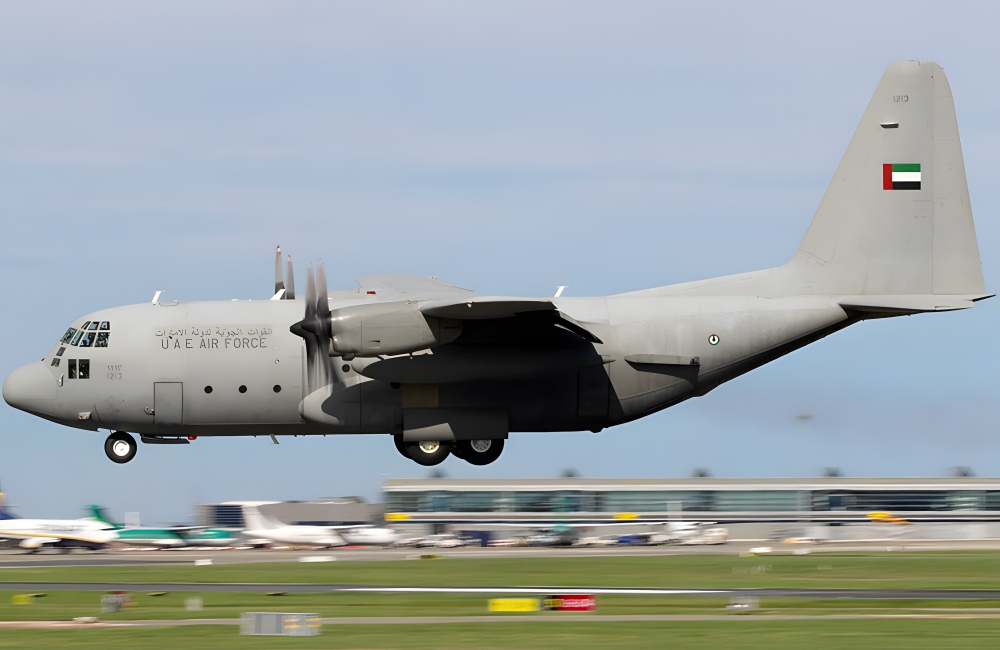
Lockheed C-130 Hercules (UAE) @Donal Morrissey / flickr.com
The Hercules’ versatile aircraft also gets used as a gunship for airborne assault, and it is the main tactical airlifter for a lot of worldwide military forces. There are forty versions of the Hercules, including non-military variations. The Lockheed L-100 is in operation in over sixty nations, but its mainstays are the U.S., Canada, and the U.K.
124. Eurocopter AS332 Super Puma – France
Manufacturer: Aerospatiale (now Airbus)
Primary Users: French Air and Space Force, CHC Helicopter, Babcock Mission Critical Services Offshore, Spanish Air Force
Cost: $15.5 million per unit*
The Eurocopter A S332 Super Puma has been in service since the late 1970s. It is currently primarily used by the French Air and Space Force, CHC Helicopter, Babcock Mission Critical Services Offshore, and the Spanish Air Force. The Super Puma, which is now called the Airbus Helicopters H215, is a utility helicopter.
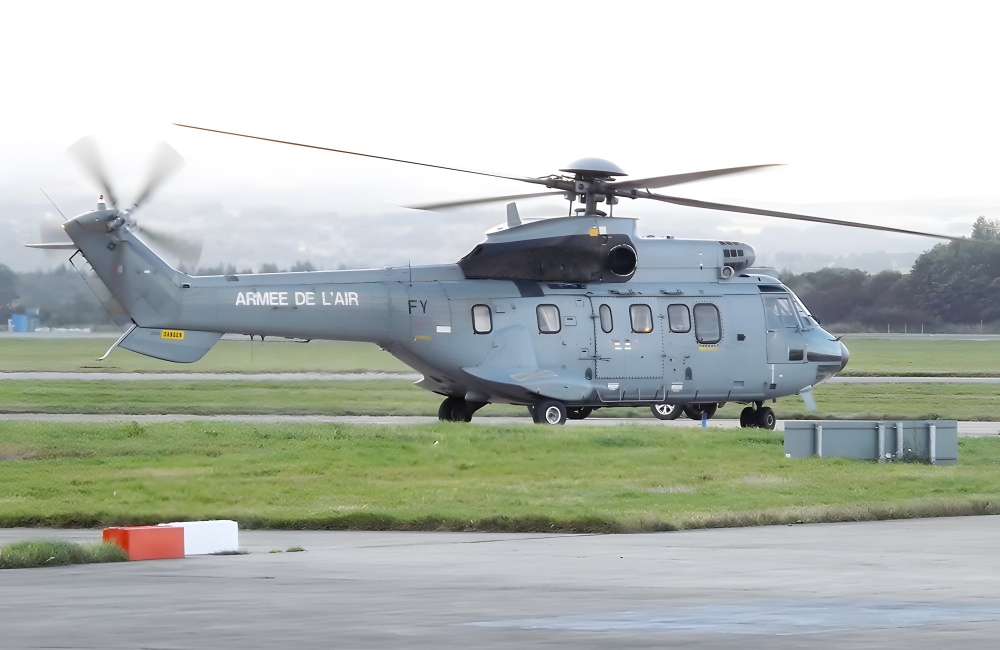
Eurocopter AS332 Super Puma (France) ©Mark Harkin / Wikimedia.org
Developed by Aerospatiale (Airbus), the Super Puma has a few distinguishing features, such as a streamlined nose and a ventral fin underneath its tail boom. 1,000 of these units have been produced. It costs around $15.5 million per unit to produce, though certain cost-saving efforts have been put in place to try to reduce the price.
125. Soryu Class Submarine – Japan
Manufacturer: Mitsubishi Heavy Industries, Kawasaki Shipbuilding Corporation
Primary Users: Japan Maritime Self-Defense Force
Cost: $601.3 million per unit*
In service with the Japan Maritime Self-Defense Force, the Soryu-class of submarines is diesel-electric attack vehicles. The first of the class entered service in 2009, and the design was an evolved version of the Oyashio class. You can distinguish the two classes because Soryu has an X-shaped stern that combines rudders and diving planes.
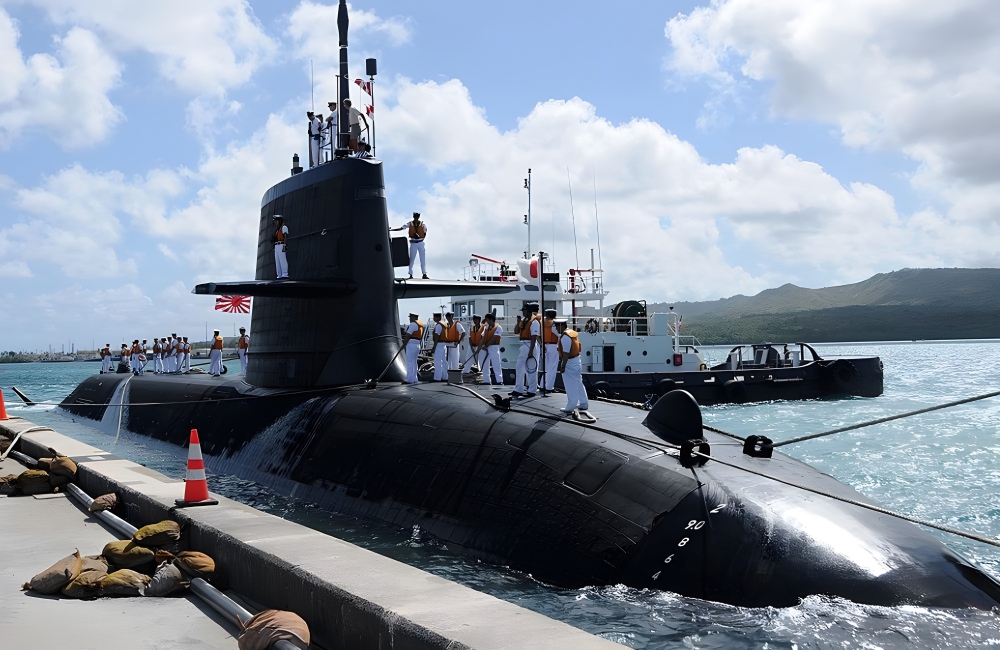
Soryu Class Submarine (China) ©commons.wikimedia.org
The Soryu-class is noteworthy because it was the first air-independent propulsion submarine in Japan. It is fitted with Kawasaki-built Stirling engines, which means that the subs can stay underwater for long periods of time. Oryu, a member of the class, was a lithium-ion battery submarine—the first of its kind in the world.
126. NHIndustries NH90 – Italy
Manufacturer: NHIndustries
Primary Users: Italian Armed Forces, French Armed Forces, Australian Defence Forces, Bundeswehr
Cost: $42 million per unit*
The NHIndustries NH90 is in service with the Italian Armed Forces, French Armed Forces, Australian Defence Forces, and Bundeswehr. The NH90 is a twin-engine, medium-sized, multirole helicopter that was created in response to NATO’s requirement that battlefield helicopters be able to be operated in naval environments.
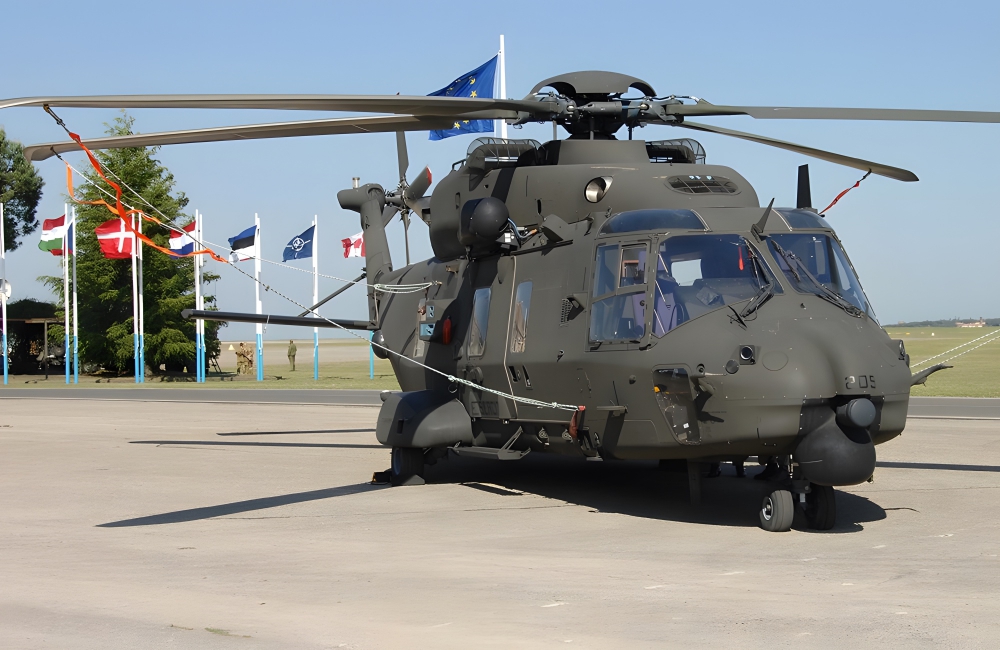
NHIndustries NH90 (Italy) ©Wikimedia.org
The NH90 is unique because it’s the first helicopter to use completely fly-by-wire flight controls. The NH90 has two main variants: an NFH, which is a NATO Frigate Helicopter, and a TTH, a Tactical Transport Helicopter. 446 of these helicopters have been produced since 1995, and each unit costs around $42 million to produce.
127. LAPCAT A2 – Great Britain
Manufacturers: Reaction Engines Limited
Primary Users: Commercial Flights From Sydney to Brussels (in the future)
Program Cost: Unknown
Unit Cost: $1.1 billion
Even if this aircraft hasn’t been built quite yet, it is a project that has taken a lot of time and effort from the British aerospace company in charge of developing it. Its name is LAPCAT A2, and it will be a plane with an engine system that will achieve what was thought impossible.
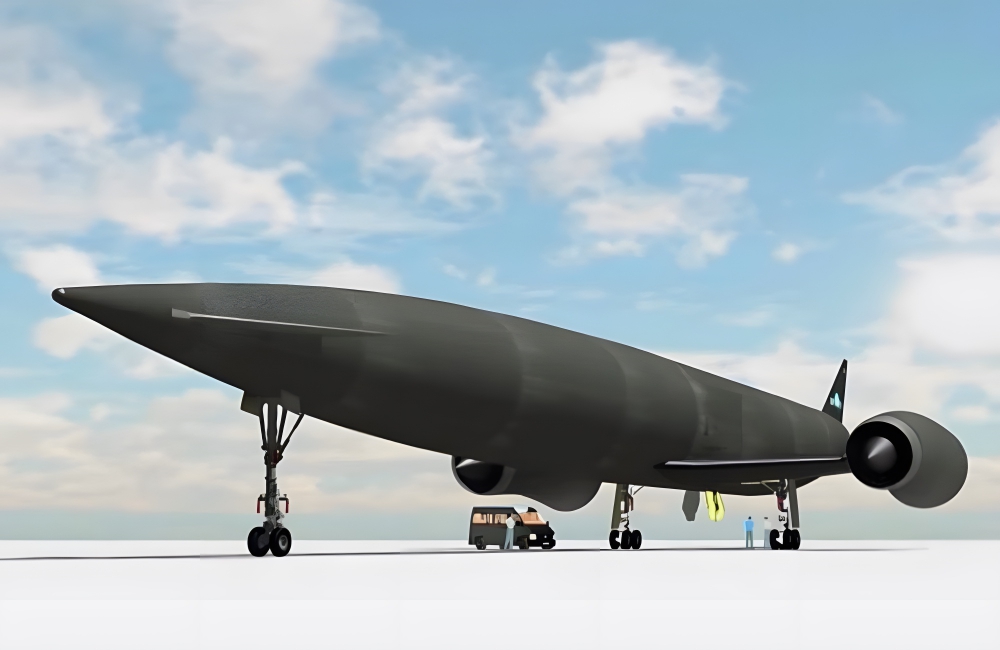
@mentertained100 / Pinterest
The LAPCAT A2 is planned to transport 300 passengers to any part of the world… in only four hours! This project is so ambitious that the cost to pay for its development is incredibly high: 1.1 billion dollars.
128. Gunship
Manufacturers: Alex Ichim
Primary Users: N/A
Program Cost: N/A
Unity cost: N/A
This impressive vehicle appears to have been taken from a futuristic action movie. It is not surprising that this image has been popping up lately on various websites dedicated to military vehicles enthusiasts. However, there is one significant detail about this aircraft: it doesn’t exist.
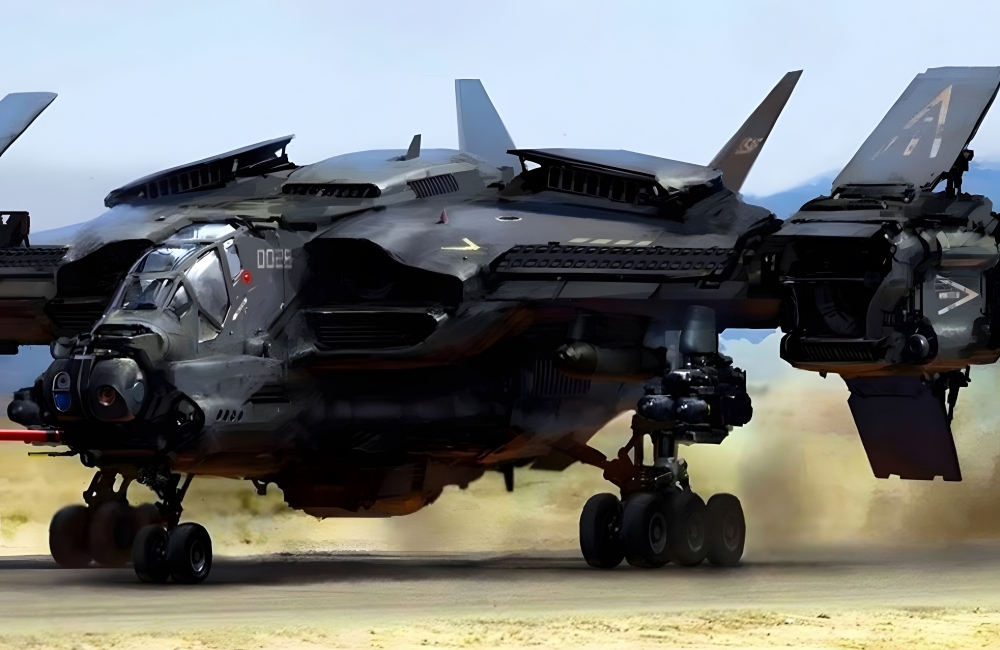
Gunship @ArtStation_HQ / Pinterest
What appears to be the picture of an aircraft is an impressive design created by the artist Alex Ichim. But even if this piece is only fiction, the artist who drew it is so talented that he could make a career of creating professional designs of actual military vehicles.
129. Chengdu J-20 – USA
Manufacturers: Chengdu Aerospace Corporation
Primary Users: People’s Liberation Army Air Force
Program Cost: $3.5 billion*
Unit Cost: $30 million*
Also named “The Mighty Dragon,” the Chengdu J-20 is a twinjet, steal, all-weather fighter aircraft that the Chengdu Aerospace Corporation designed for the PLAAF. The J-20 is part of the J-XX program, which began in the 1990s. It had its maiden flight in 2011, and, in 2016, China officially revealed it at the China International Aviation and Aerospace Exhibition.
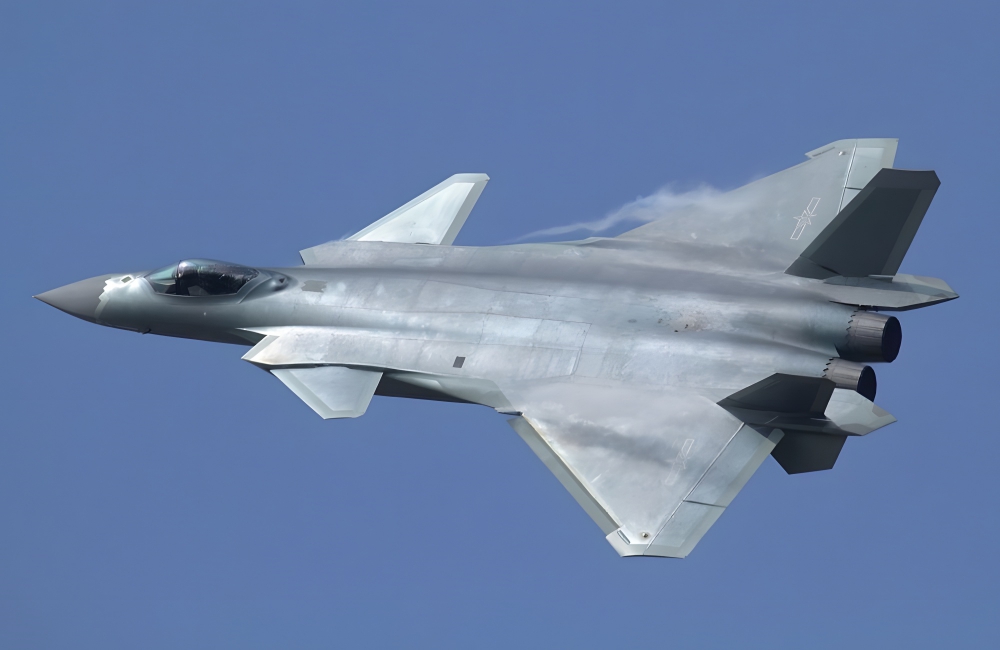
©Alert5 / commons.wikimedia.org
In 2017, the J-20 entered service and began combat training. As of 2021, there have been 150 of these units built. The J-20 is only the third fifth-gen stealth fighter craft in the world, next to the F-35 and F-22.
130. M1097 Avenger – USA
Manufacturers: Humvee
Primary Users: U.S. Army
Program Cost: $6.9 million contract to build the vehicles*
Unit Cost: $220,000 per Humvee*
The Avenger Air Defense System is a US self-propelled STA missile system that provides short-range, mobile air defense for ground units. The System protects ground units from UAVs, cruise missiles, helicopters, and low-flying, fixed-wing planes. Originally, the Avenger and its variant, the M1097, was developed for all the Armed Forces.
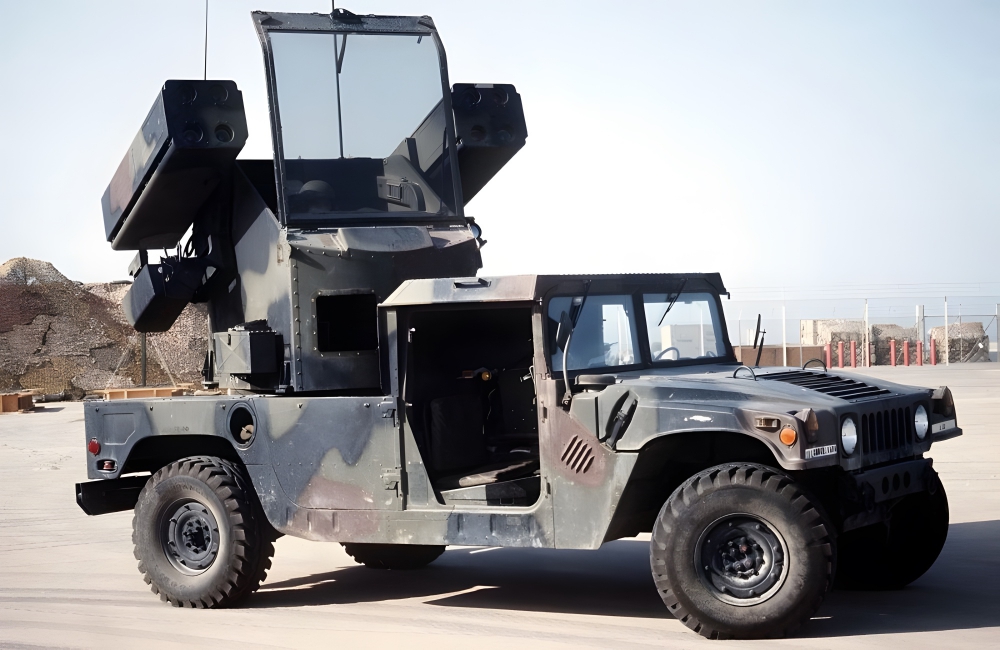
Public Domain / commons.wikimedia.org
Now, only the Army uses it, but the Marines did at one point as well. The M1097 is the weapons carrier on which the Avengers Air Defense System is based. The Humvee is a high-payload, high-capacity troop carrier from the Humvee family. The heavy-hitting carrier has a classic American V8, diesel engine under its hood.
131. Bison Armoured Vehicle – Canada
Manufacturers: General Dynamics Land Systems
Primary Users: Canadian Army, Australian Army, U.S. National Guard
Program Cost: $3 billion to build Bison and Coyotes*
Unit Cost: $1.6 million*
The Bison has been around since 1980, and it is related to the Coyote. This armored car, constructed by General Dynamics Land Systems, is in use with the Canadian Forces. The Bison is based on a LAV-25, and, because GDLS used that basic framework, the design process of the vehicle only took one week.
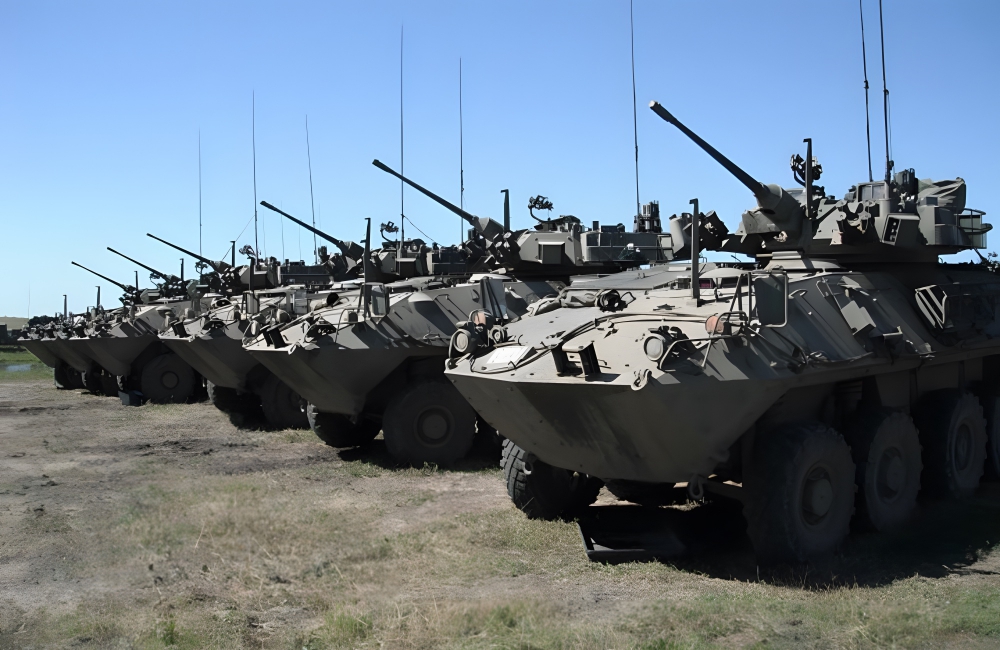
©Jimderkaisser / commons.wikimedia.org
There are a few differences between the two. The Bison has a higher roof, rail mount system, no turret rung, and different seating configurations. There are about 310 Bisons in use now, by the Canadian Army, Australian Army, and the U.S. National Guard. The latter uses the Bison for the States’ fight against the illegal drug trade.
132. T-72 Battle Tank – Russia
Manufacturers: Leonid Kartsev-Valeri Venediktov, Uralvagonzavod’s Heavy Vehicles Factory
Primary Users: Soviet Union/Russian Armed Forces
Program Cost: $12.5 billion*
Unit Cost: $500,000*
The T-72 was an offshoot of the T-64, which didn’t work because it had high costs and was reliant on immature technology. The T-72 was much more successful, and 25,000 of these tanks have been built so far since 1969. Leonid Kartsev-Valeri Venediktov designed these tanks, which are manufactured in Uralvagonzavod’s Heavy Vehicles Factory.
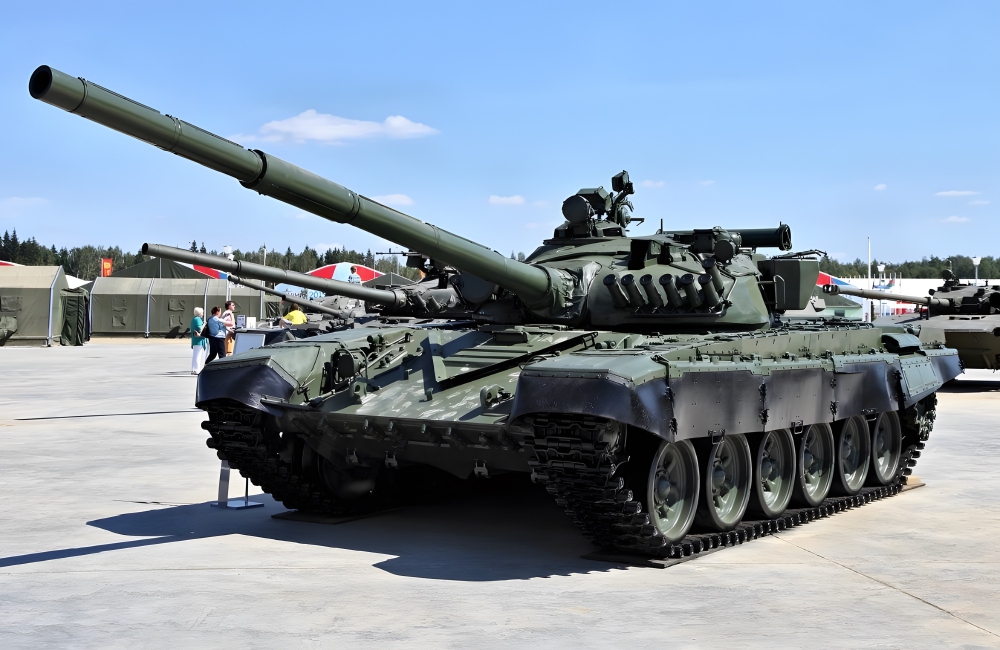
©Vitaly V. Kuzmin / commons.wikimedia.org
The T-72 has been widely exported, and it has seen service in forty countries and a ton of conflicts. The T-72’s first variant came in 1973. The Ural was the same as the original version, except it was armed with a 125mm smoothbore tank gun and an optical coincidence rangefinder.
133. Beechcraft Super King Air – USA
Manufacturers: Beechcraft
Primary Users: U.S. Armed Forces, Australian Forces
Program Cost: $3 billion*
Unit Cost: $800,000*
The Beechcraft Super King Air has been used for both military and civilian purposes. The twin-turboprop aircraft, made by Beechcraft, had its first flight in late October of 1972. It entered military use that year, and, two years later, entered civilian use. The primary military users are the U.S. Air Force, U.S. Army, and Royal Australian Air Force.
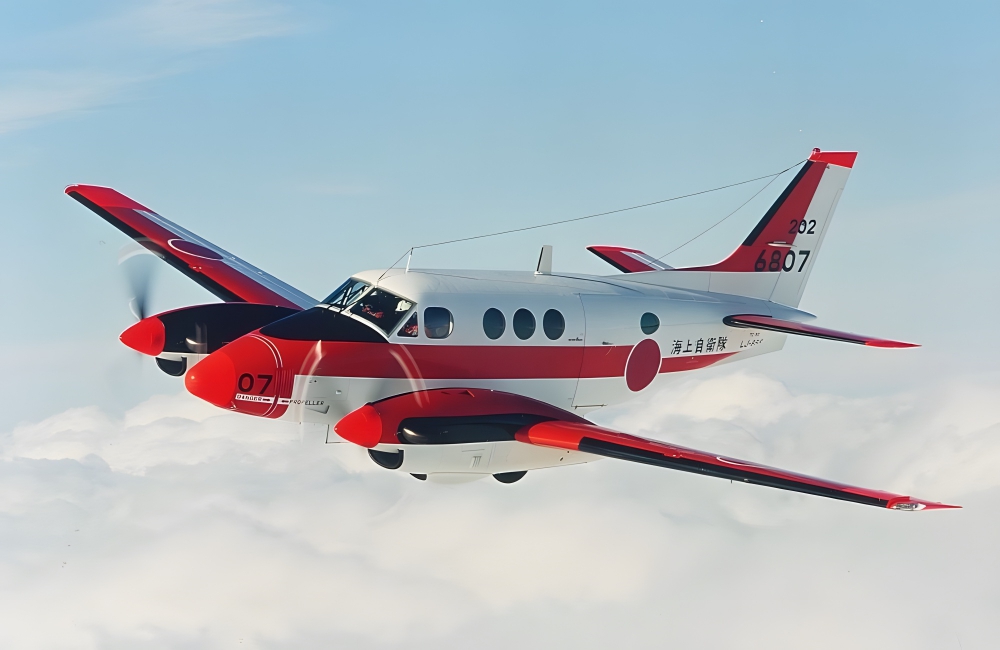
©海上自衛隊 / commons.wikimedia.org
The Royal Flying Doctor Service of Australia also uses these planes. Currently, Beechcraft offers two civilian Super King Air models: the 250 and 350i. The 350ER is only available for military, government, and commercial customers with special missions like flight inspection, surveillance, air ambulance, and aerial survey.
134. JF-17 Thunder – Pakistan
Manufacturers: Chengdu Aircraft Industry Group, Pakistan Aeronauticla Complex
Primary Users: Pakistan Air Force
Program Cost: $82 million*
Unit Cost: $500,000*
The PAC JF-17 Thunder is made in a joint venture between Chengdu Aircraft Industry Group and Pakistan Aeronautical Complex. The multirole combat aircraft is in its fourth generation, and it was designed to replace three different PAF combat planes. The JF-17 can be used for several roles, including ground attack, interception, aerial recon, and anti-ship warfare.
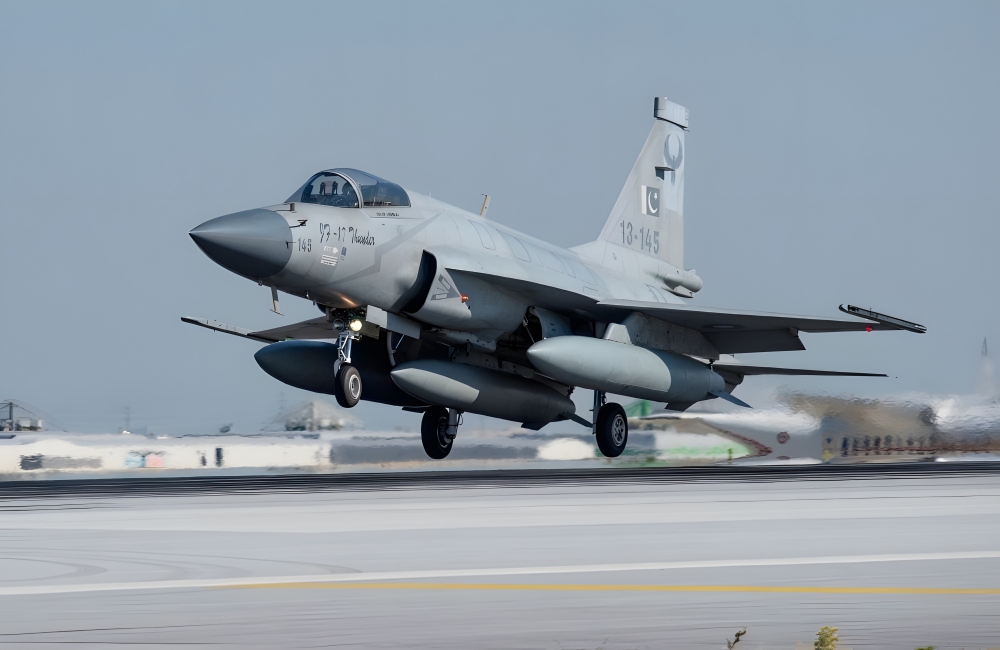
©Peter R Foster IDMA / Shutterstock
The JF-17 can deploy a very diverse ordnance, including air-to-surface, air-to-air, and anti-ship missiles. It can also carry a Gsh-23-2 twin-barrel autocannon, and it has a top speed of Mach 1.6. 58% of its airframe is produced in Pakistan, while China finishes out the other 42%, making this a clear joint venture.
135. Sukhoi Su-30SM – Russia
Manufacturers: Sukhoi Aviation Corporatoin, Irkut Corporation
Primary Users: Russian Armed Forces
Program Cost: $1.6 billion*
Unit Cost: $35-$37 million*
The Sukhoi Su-30SM is a variant of the Sukhoi Su-30, a supermaneuverable, twin-engine, two-seater fighter craft that the Soviet Union used. Developed by Sukhoi Aviation Corporation, the Su-30 is a multirole fighter that can fly in all weather, carrying out air interdiction and air-to-air missions.
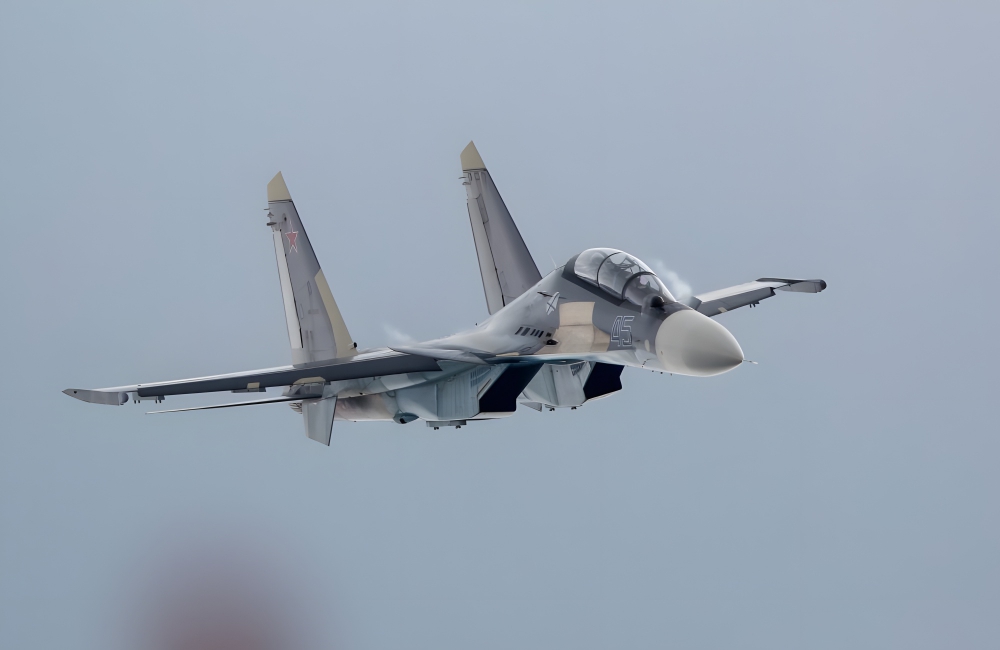
©Skycolors / Shutterstock
Originally, the Su-30 was an internal program by Sukhoi. It wasn’t until 1996 that the Russian Defense Ministry adopted it for military use. The SM is a special version of the Su-30MKI. Made by Irkut Corporation, the SM is a fourth-generation fighter jet. It has upgrades including new radar, friend-or-foe ID systems, radio communication systems, weapons, ejection seats, and 30mm GSh-30-1 autocannon.
136. M1126 Infantry Carrier Vehicle – USA
Manufacturers: General Dynamics Land Systems
Primary Users: U.S. Army, Royal Thai Army
Program Cost: $4 billion*
Unit Cost: $4.9 million*
The M1126 Infantry Carrier Vehicle is n APC that is part of the Stryker family, which, in turn, was derived from the LAV III 8x8s. The M1126 is used by the U.S. Army, as well as the Royal Thai Army. The M1126 has 14.5mm resistant armor and is equipped with a 0.5-inch M2 Browning Machine Gun, among other armaments.
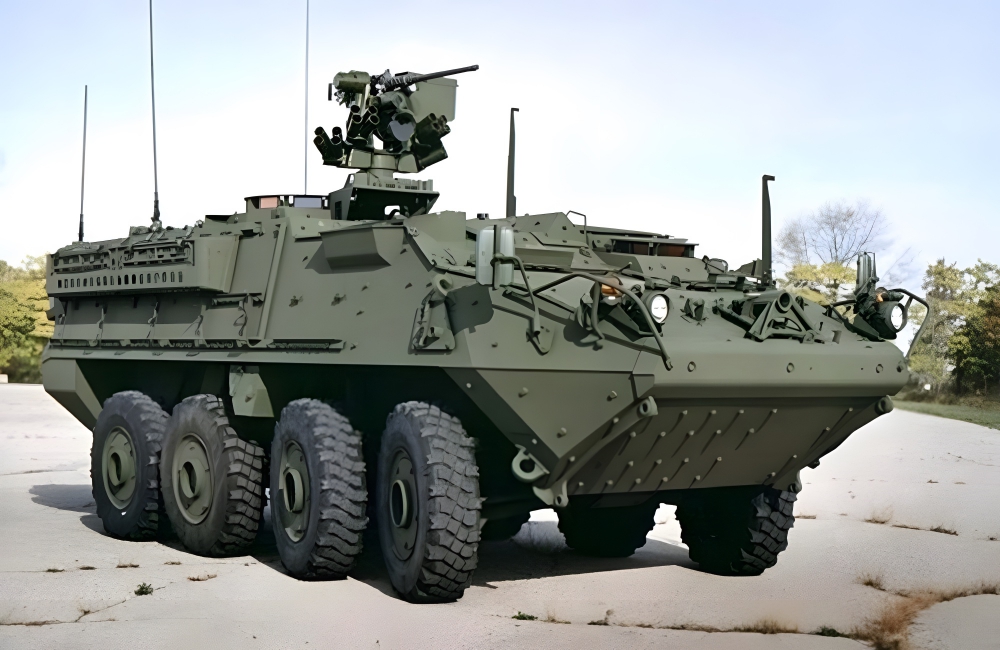
Public Domain / commons.wikimedia.org
The M1126 provides heavily-protected transport for troops. During a dismounted assault, it supports fire for infantry squads. The basic version has armored protection for a two-man crew and nine-soldier squad. Each unit costs around $4.9 million to build, with a total program cost in the single-digit billions.
137. Bell AH-1 Cobra – Japan
Manufacturers: Bell Helicopter
Primary Users: Japan Ground Self-Defense Force (Currently), U.S. Army (Historically)
Program Cost: $12.6 billion*
Unit Cost: $11.3 million*
Historically, the U.S. Army used the Bell AH-1 Cobra. For decades after 1965, the Cobra flew mission after mission for the Army. It became synonymous with armed conflicts of that era, including those in Vietnam, Panama, Iraq, and Grenada. The AH-1 was the core of the Army’s attack helicopter fleet.
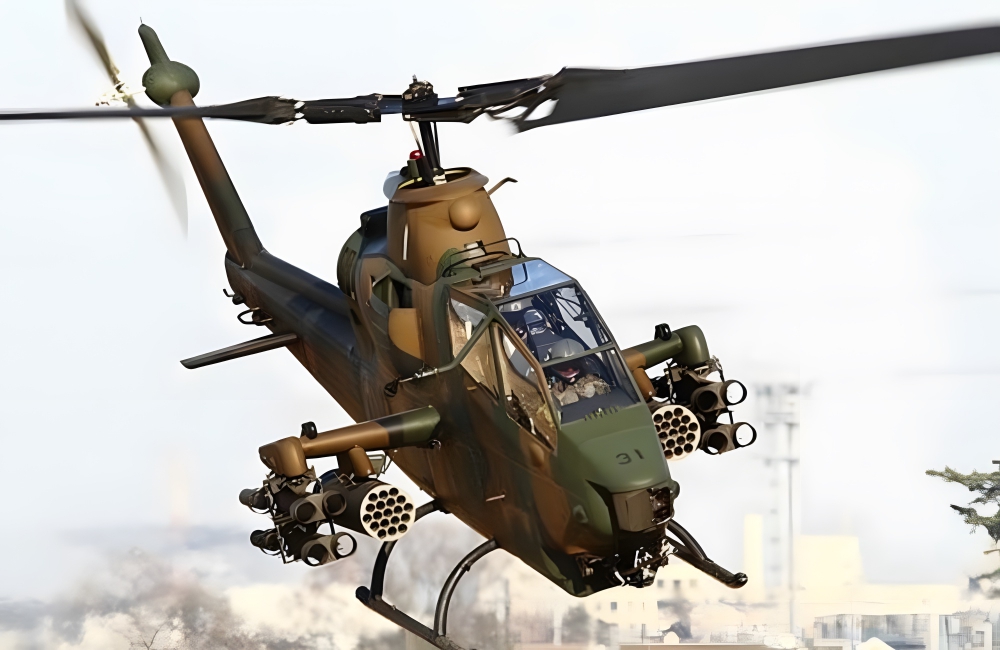
@greg505 / Pinterest
Originally, Bell Helicopter produced the Cobra on the Bell UH-1 Iroquois platform, which was capable and dedicated. The Cobra had features like a tandem cockpit, chin-mounted gun turret, and stub wings for weapons, making it a classic attack ‘copter. After the 1990s, the Cobra was replaced by the Boeing AH-64 Apache, which was deemed more capable and higher-tech. Now, the Cobra is in use by the Japan Ground Self-Defense Force.
138. iRobot 510 Packbot – USA
Manufacturers: Endeavor Robotics (former name, iRobot)
Primary Users: U.S. Army, NASA
Program Cost: $4.4 million*
Unit Cost: $162,293*
The PackBot, made by iRobot, which is now called Endeavor Robotics, is a military robot. The robots have been in production since the 1990s, and they have grown increasingly advanced over time. The 510 PackBot, which is the latest series, is capable of a lot of different functions.
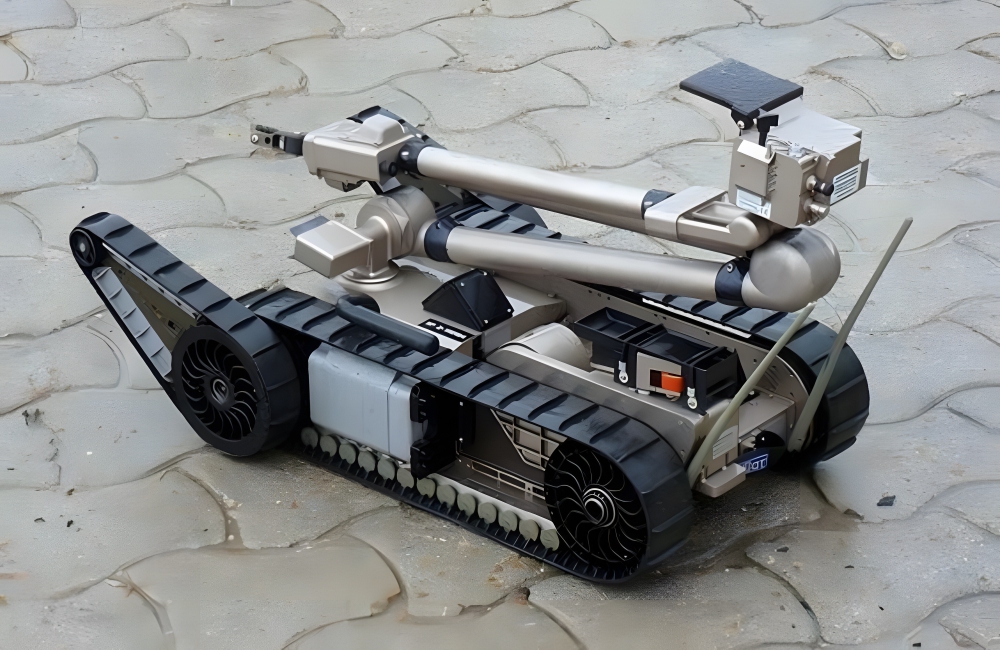
©Outisnn / commons.wikimedia.org
Variants include 510s for bomb disposal, situational awareness for first responders, explosives detection, sniper-detection, and IED inspection. After the meltdown of the Fukushima nuclear reactor, Japan sent two PackBot in to assess the damage in highly radioactive areas of the destroyed plant. The PackBot travels at 5.8 miles per hour, and it has a caterpillar track, which means it can traverse rocks, mud, stairs, and other rough terrain, including up to 60-degree inclines.
139. Taurus Armoured Recovery Vehicle (ARV) – Canada
Manufacturers: Krauss-Maffel (Leopard)
Primary Users: Canadian Armed Forces
Program Cost: $2.15 billion* (Leopard Program)
Unit Cost: $500,000-$1 million*
The Taurus Armed Recovery Vehicle is based on the Leopard ARV, and each unit costs anywhere from $500,000 to $1 million. The Taurus has a very specific function. It is designed to tow military vehicles that are stuck or disabled, either due to enemy action or plain old mechanical failure.
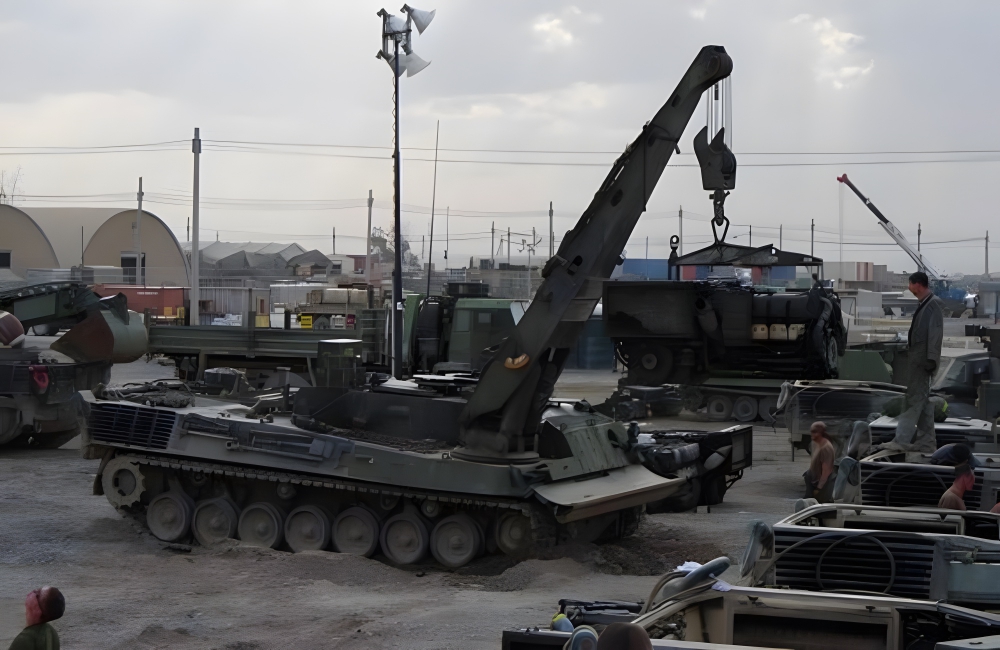
@danstfc28 / Pinterest
The Taurus also can bulldoze, change components like turrets, fuel vehicles, and pull things weighing up to 220,462 pounds. In a pinch, the Taurus can pull max-transmission power pack and can easily pull off and change the entire turret of a Leopard C2, including the armament. Though not as flashy as some of the other vehicles on this list, the Taurus is still quite handy.
140. UH-60 Black Hawk – Japan
Manufacturers: Sikorsky Aircraft
Primary Users: U.S. Army, Japan Self-Defense Forces, Colombian Armed Forces, Republic of Korea Armed Forces
Program Cost: $23.6 billion*
Unit Cost: $5.9 million*
The UH-60 Black Hawk has a top speed of 222 miles per hour, and it has been in service since the 1970s. Of all the military planes, the “Black Hawk” is perhaps the most cinematic and best-known. Made by Sikorsky and named after a Native American leader, the Black Hawk was initially used as a tactical transport helicopter for the Army.
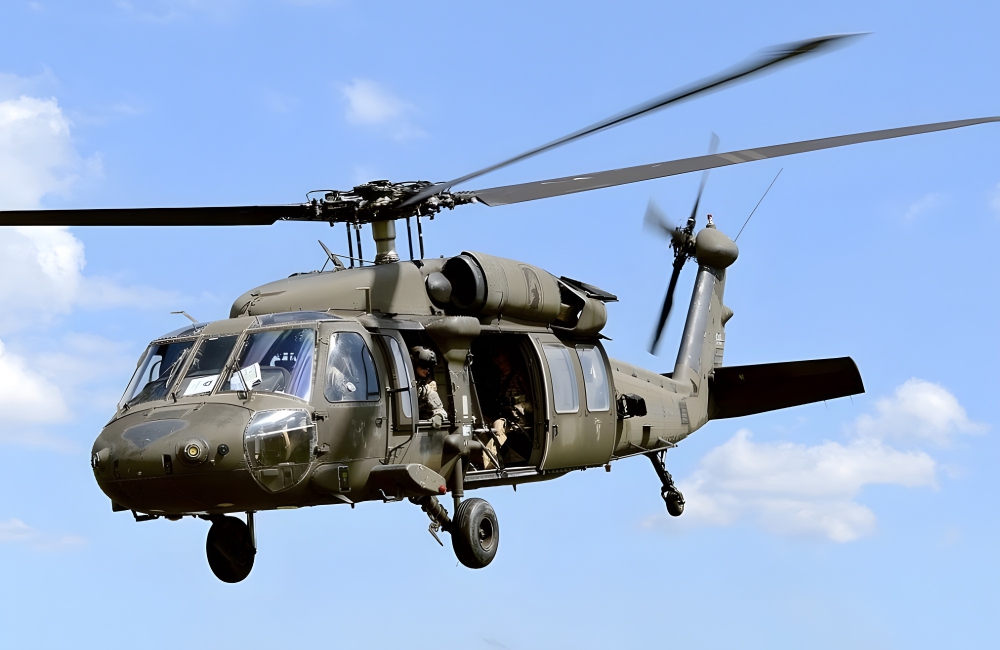
Public Domain / commons.wikimedia.org
Since then, the Black Hawk has gotten a lot of different variants, including the Seahawk, Pave Hawk, Jayhawk, and Mitsubishi H-60. These helicopters have been equipped with special ops and electronic warfare variants as well. The main users are the U.S. Army, Japan Self-Defense Forces, Colombian Armed Forces, and the Republic of Korea Armed Forces. About 4,000 have been built so far.
141. Boeing F-15EX – USA
Manufacturers: McDonnell Douglas, Boeing Defense, Space, & Security
Primary Users: U.S. Air Force, Royal Saudi Air Force, Republic of Korea Air Force, Israeli Air Force (F-15E), U.S. Air Force (F-15EX)
Program Cost: $1.27 billion per year*
Unit Cost: $31.1 million*
The Boeing F-15EX is a variant of the F-15 Strike Eagle. Made by a collaborative effort between Boeing and McDonnell Douglas, the F-15E was designed in the eighties for high-speed, long-range interdiction without having to rely on an escort or on electronic warfare planes. The Strike Eagles are different from other Eagle variants, as they have CFTs on the intake ramps, a tandem-seat cockpit, and darker camouflage.
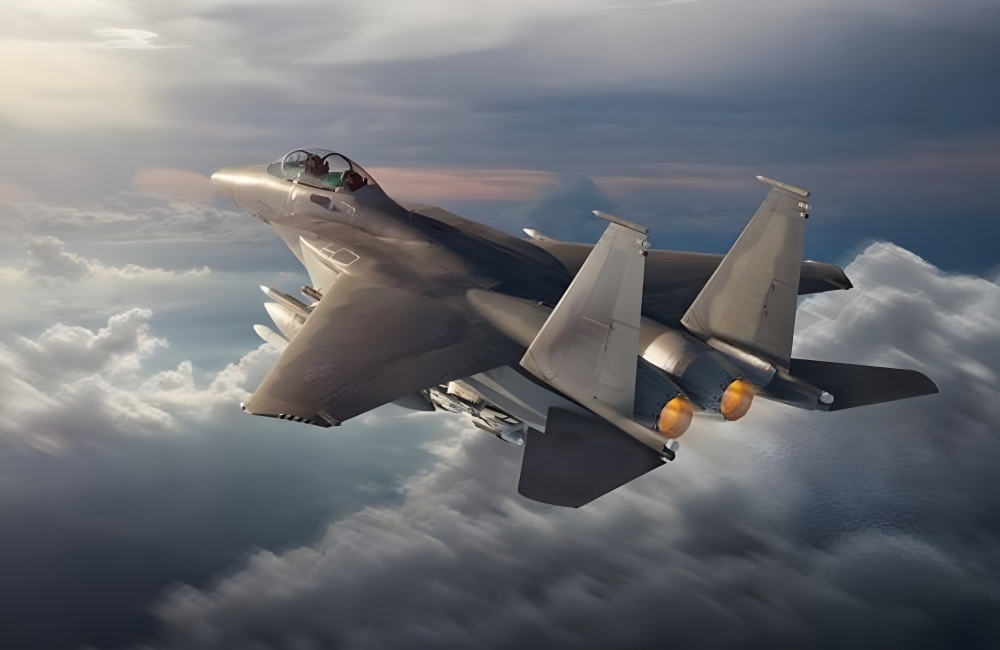
@francogurskis / Pinterest
The F-15EX came about in 2018. This single-seat variant was intended to replace the F-15Cs and Ds. In 2020, the U.S. Department of Defense requested a little over $1 billion in the budget to produce these new planes. The EX made its first flight in 2021, and it was delivered to the Air Force the next month.
142. M1133 Medical Evacuation Vehicle – USA
Manufacturers: General Land Dynamics Systems
Primary Users: U.S Army
Program Cost: $5-$7 billion*
Unit Cost: $1.228 million*
This Medical Evacuation Vehicle (MEV) is the main ambulance for the Stryker series of units. It is based on the same carrier variant that the infantry uses, and this means that the platforms’ commonality reduces logistics support and the maintenance footprint. The MEV is used to treat advanced trauma and serious injury cases, and it is part of a combat-forward formation.
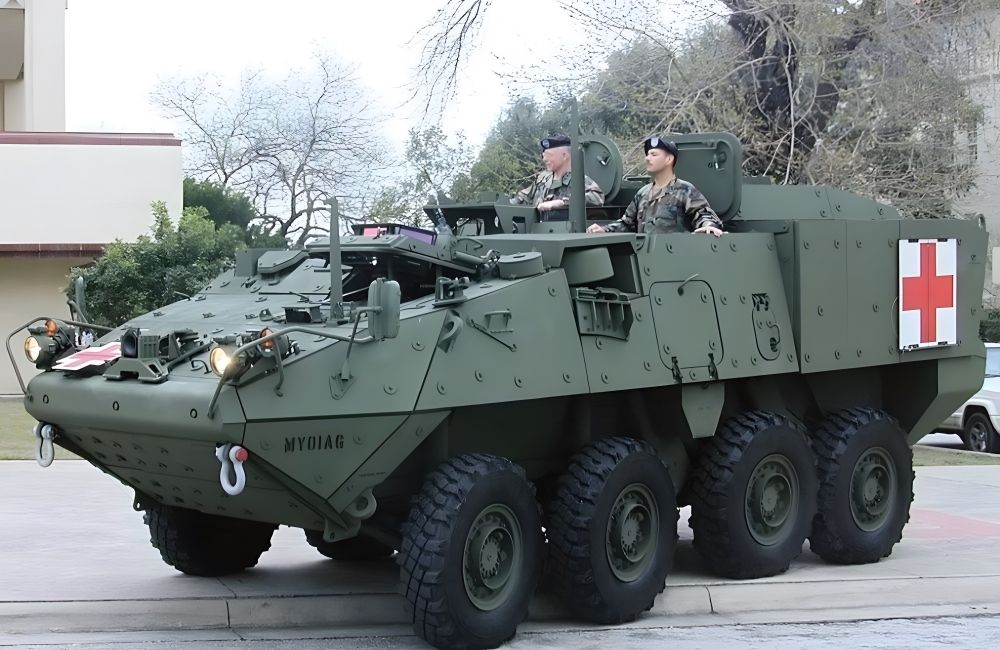
Public Domain / commons.wikimedia.org
The M1133 was first in 2002, and it is equipped with an advanced Smoke Grenade Laucher system. It has enough room to accommodate the two-person vehicle crew, an orderly, and four to six wounded soldiers. The MEV is outfitted with a DVH to protect against explosive devices.
143. Eurofighter Typhoon – UK, Germany, Qatar, Kuwait, Italy
Manufacturers: Eurofighter Jagdflugzeug GmbH
Primary Users: Royal Air Force, German Air Force, Spanish Air Force, Italian Air Force, Qatar, Kuwait
Program Cost: $13.26 billion*
Unit Cost: $124 million*
The blisteringly-fast Eurofighter Typoon is one of the most reliable dogfighters in the world. The twin-engine multirole fighter is manufactureerd by Leonardo, BAE Systems, and Airbus through a joint company called Eurofighter Jagdflugzeug GmbH. The Eurofighter’s development began in the 1980s, and 571 of these highly-agile, extremely effective aircraft have been built.
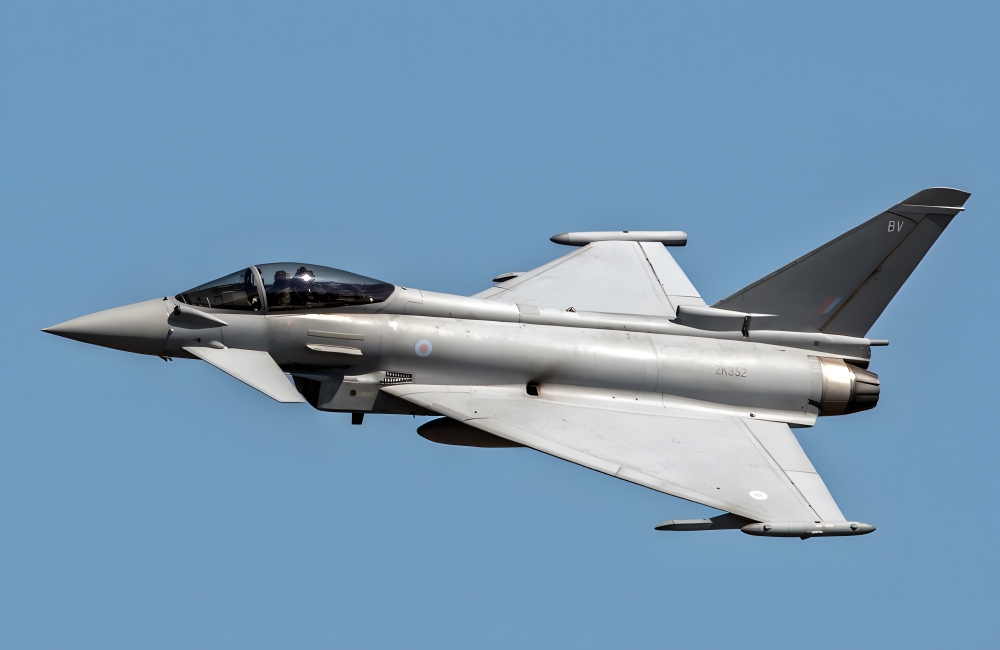
©sam-whitfield1 / Shutterstock
The swing-role planes have a top speed of 1,550 miles per hour, and they can carry a wide range of armaments, including a special Mauser BK-27 27mm cannon. The cannon can fire up to 1,700 rounds per minute. Currently, anti-ship capabilities are being studied, but those have not been put into development yet. Weapon options for such capabilities could include the MBDA Marte, Boeing Harpoon, and/or the RBS-15.
144. M1114 Humvee – Sudan
Manufacturers: AM General
Primary Users: U.S. Army
Program Cost: $2.2 billion*
Unit Cost: $220,000*
The Humvee has been around since the 1980s, and 281,00 have been built so far. There are two types of Humvees, a light utility vehicle and a light armored car. The Humvee has been present in many different conflicts, and AM General produces these military trucks for $220,000 a unit (est.).
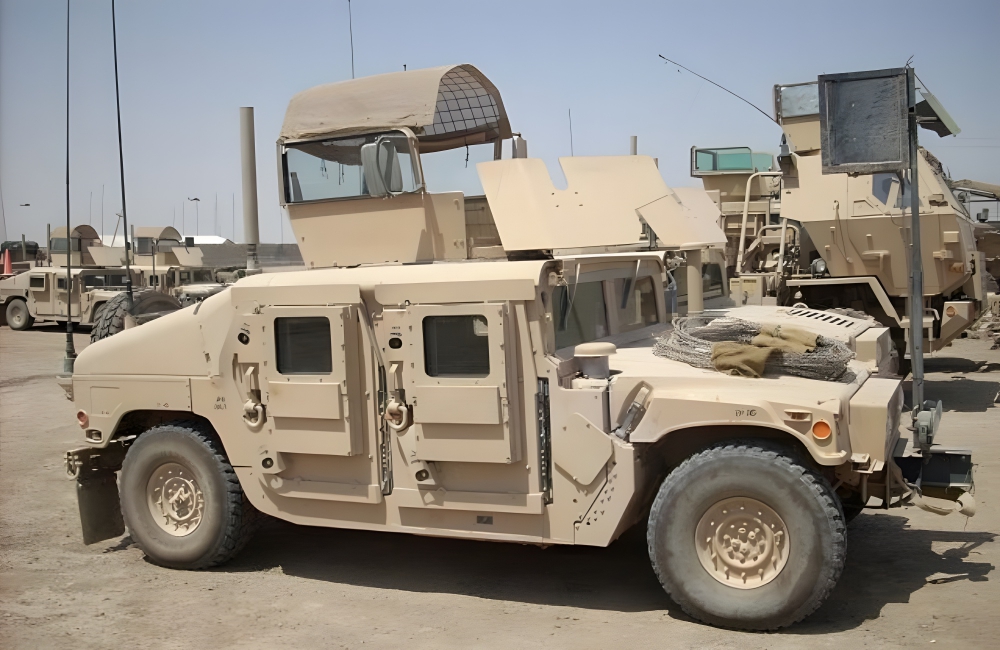
©armyrecognition.com
The M1113 was a contracted Humvee for the U.S. Army. It is an Expanded Capacity Vehicle, which means it has a larger, heavier communications shelter and better armor protection for military and security police explosive disposal, and scouts. The M1113 was the base for special ops vehicles, and it has been, to at least some extent, the basis for all the variants that came after it, from the M1114, an up-armored armament carrier, to the M1167, a TOW carrier. In 2017, AM General secured a $2.2 billion contract to deliver 11,560 new Humvees (including M1114s) by 2022.
145. ZTZ-99A – China
Manufacturers: China North Industries Corporation
Primary Users: People’s Liberation Army
Program Cost: $2 billion* (Type 99 Program)
Unit Cost: $2.5 million*
Also known as the Type 99, the ZTZ-99A is an offshoot of the ZTZ-99, China’s third-gen main battle tank. Though not much is known about most of its armaments, as that is classified, the A variation is a lethal update and tough opponent for anyone who faces it. The 99A has a 125mm gun, along with a modern fire control system.
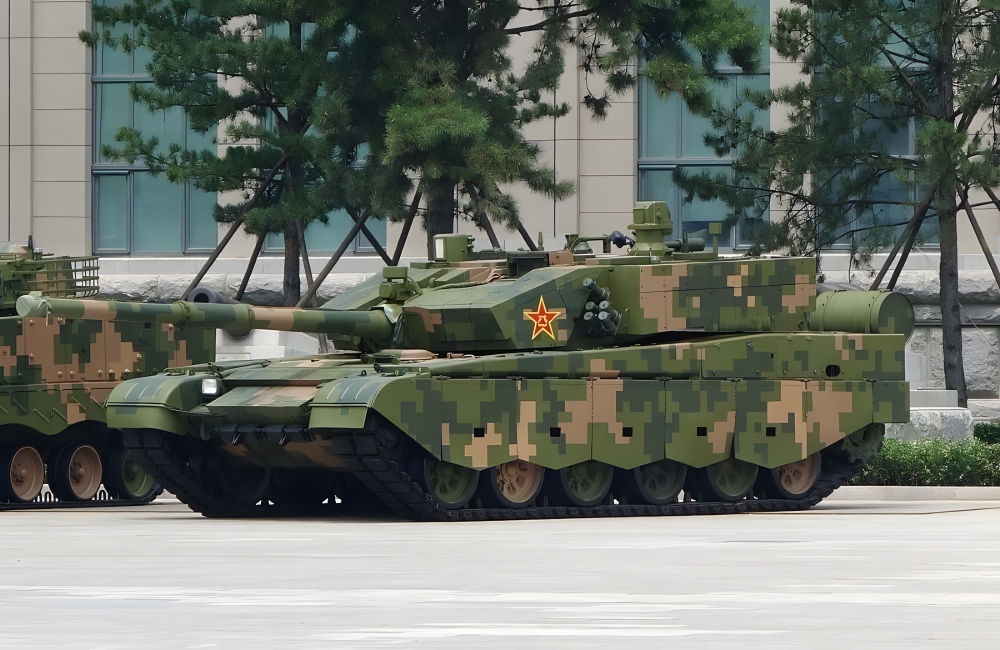
©Tyg728 / Shutterstock
The advanced network and sensor systems might make you think that this tank will be extremely expensive, but the price, at $2.5 million per unit, is relatively cost-effective. So far, 814 Type 99 tanks have been produced, with more and more 99As making up that segment.
146. Fuji FFRS – Japan
Manufacturers: Fuji Heavy Industries, Subaru Corporation
Primary Users: Japan Air Self-Defense Force
Program Cost: $87 million*
Unit Cost: $100,000-$500,000*
The Fuji FFRS, which stands for “Flying Forward Reconnaissance System,” is an upgraded UAV from Fuji Heavy Industries. The FFRS is part of the longstanding TACOM program, which was launched in the 1990s to study UAVs systems. FHI won the contract from the Japanese government, and they designed six UAVS, along with related equipment, and tested it in the early 2000s.
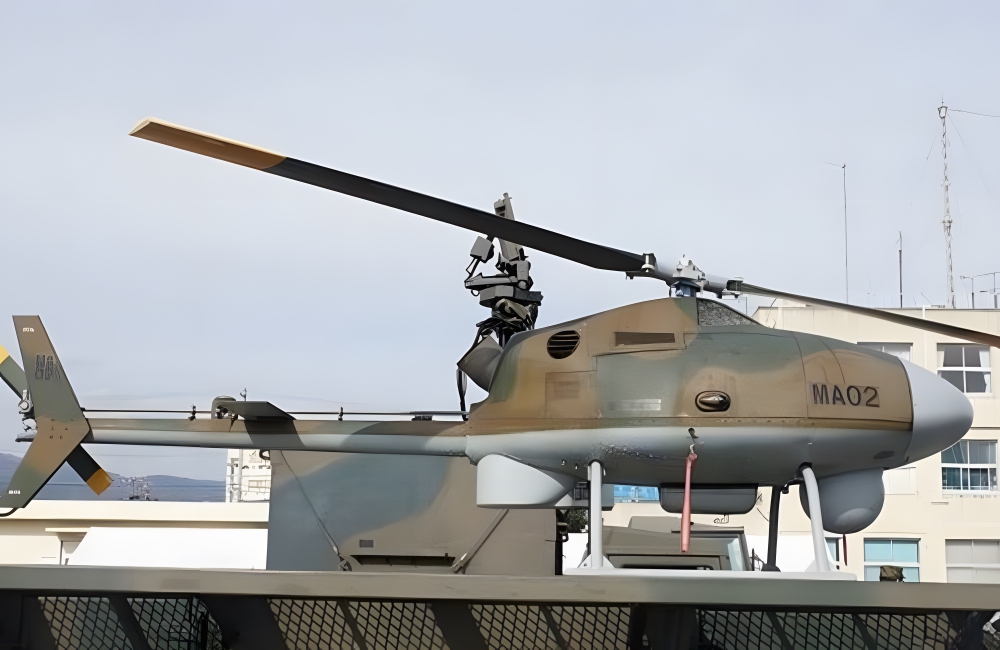
©15min.lt
The FFRS is a high-speed, low-observable drone. The air-launched drone has a delta-wing design and single engine. The drone has been designed to carry an F-4EJ, and it has a parachute and air bags to ensure it isn’t destroyed when it lands.
147. Dassault Rafale – France
Manufacturers: Dassault Aviation
Primary Users: French Air and Space Force, French Navy, Qatar Emiri Air Force, Indian Air Force
Program Cost: $51.94 billion*
Unit Cost: $100-$120 million*
The Dassault Rafale is a twin-engine multirole fighter plane developed by Dassault Aviation. It has been in production since the 1980s, and Dassault has made 237 of these planes as of 2021. The Rafale has a wide range of weapons, and it is intended for a lot of different missions, including interdiction, air supremacy, ground support, anti-ship strike, in-depth strike, aerial recon, and nuclear deterrence.
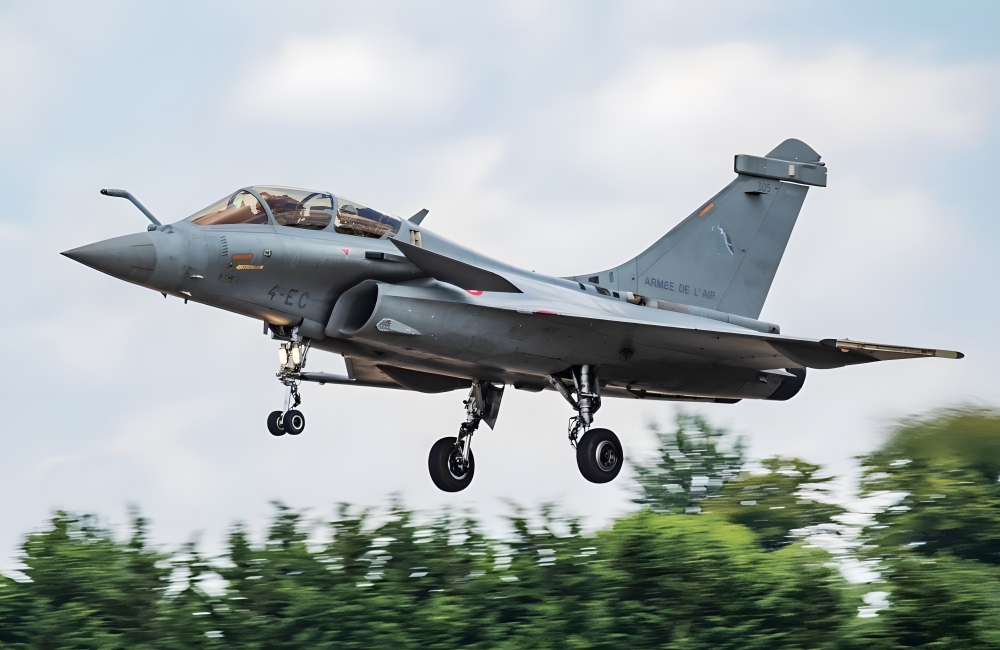
©Soos Jozsef / Shutterstock
The Rafale is distinct from other fighter jets in Europe, as it is nearly entirely built by just one country. The Rafale is on its way out, however, as Dassault announced in 2018 that it would be replacing the plane with something new called the “New Generation Fighter.” The NGF is a long way off, as it isn’t expected to replace the Rafale until 2030-2040.
148. Shenyang FC-31 – China
Manufacturers: Shenyang Aircraft Corporation, 601 Institute
Primary Users: People’s Liberation Army
Program Cost: $280 million*
Unit Cost: $70 million*
The Shenyang FC-31 has a top speed of 1,367 miles per hour. It is a protype for now, and the mid-sized twinjet fifth-gen fighter had its first flight in 2012. So far, Shenyang Aircraft Corporation has built four of these planes at a cost of $70 million apiece, financed by the PLA. Nicknamed the “Gyrafalcon,” the FC-31 will be more than a match for the F-15 Eagle and other, similar planes.
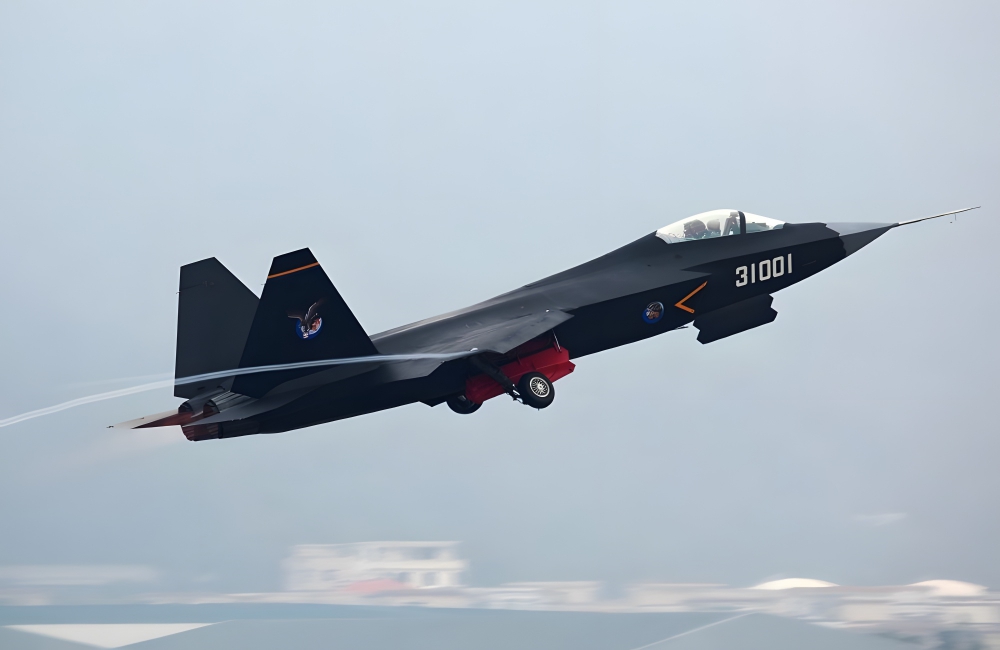
©Danny Yu / commons.wikimedia.org
The main highlight of the J-31 is its stealth design, as it incorporates characteristics like forward-swept intakes with DSI bumps, contoured weapons bays, two oblique vertical stabilizers, and a two-piece bubbly canopy.
149. Sukhoi Su-57 – Russia
Manufacturers: Sukhoi, Komsomolsk-on-Amur Aircraft Plant
Primary Users: Russian Air Force
Program Cost: $2.63 billion*
Unit Cost: $100 million*
The Sukhoi Su-57, with a NATO reporting name of “Felon,” is a single-seater, stealth multirole fighter jet that is the product of PAK FA’s fighter program. The Su-57 is the first combat plane in Russia to have stealth technology. Though designed by Sukhoi, it is manufactured by the Komsomolsk-on-Amur Aircraft Plant.
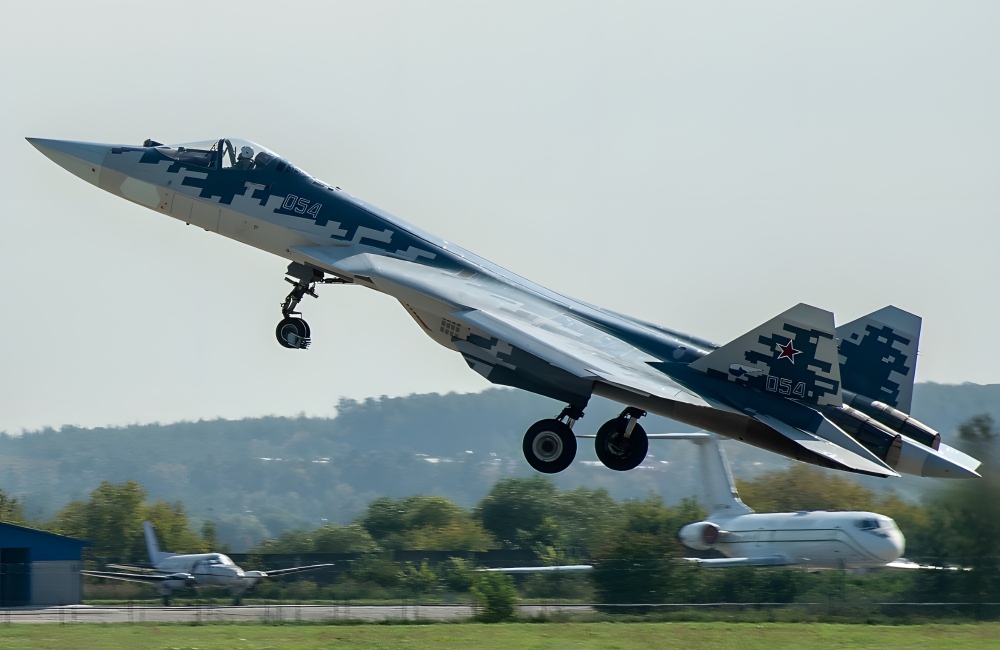
©fifg / Shutterstock
The plane had its first flight in 2010, and, ten years later, it was introduced to the Russian Air Force. Fourteen have been built thus far at a cost of $100 million. Moscow has set aside $2.63 billion for these planes, a number that surprised many military experts, as it is relatively low. Some officials suggested this could mean that the Russians are working on (and funding) a new stealth fighter.
150. Coyote Armoured Vehicle – Canada
Manufacturers: General Dynamics Land Systems
Primary Users: Canadian Forces
Program Cost: $100-$200 million*
Unit Cost: $500,000-$1 million*
The Coyote, mentioned above, is the sibling vehicle of the Bison and is in use by the Canadian Armed Forces. The LAV II, as it is known, is an armored personnel carrier that is part of General Dynamics Land Systems’ Light Armored Vehicle family. The Coyote is based on another carrier called the MOWAG Piranha, an 8×8 vehicle.
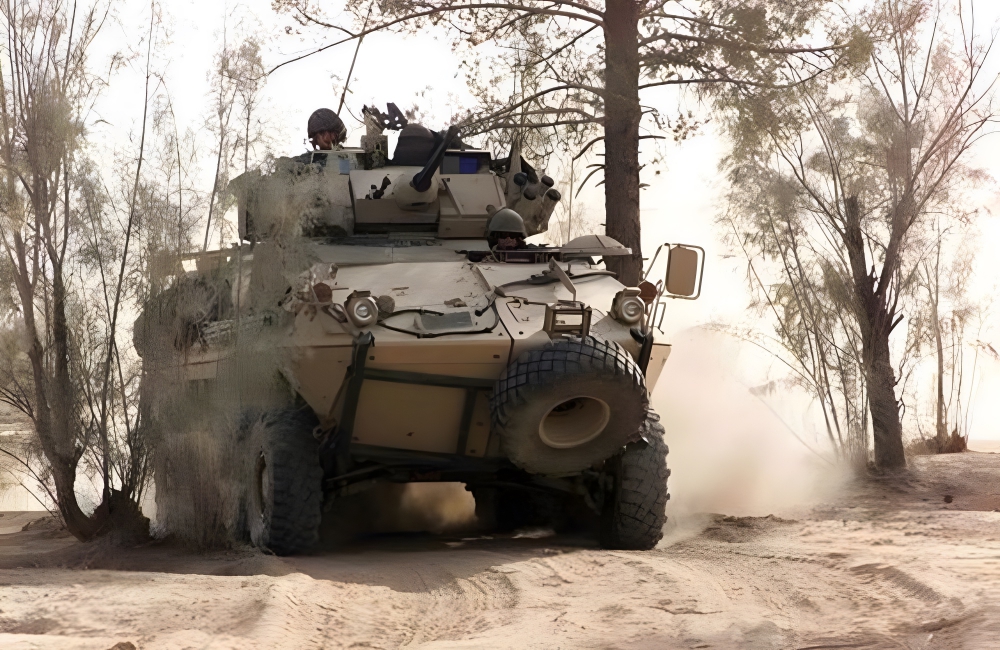
@youngthree / Pinterest
The Coyote first entered service in 1996 for use in a scout role. The non-amphibious armored recon vehicle is armed with a 25x137mm M232 Bushmaster chain gun, along with two NATO C6 machine guns. There is an option to add-on a kit to the Coyote that could protect it against large projectiles, and the carrier is already protected against biological, nuclear, and chemical weapons. Should there be a chemical attack, the carrier has a NBC respiration system to ventilate it out.
151. ZTZ-96 Tank – China
Manufacturers: Norinco
Primary Users: People’s Liberation Army
Program Cost: $4-$5 billion*
Unit Cost: $1-$2 million*
The Type 96, AKA the ZTZ96, is a second-generation main battle tank that serves China’s PLA. The 96 is the final evolution of its predecessor, the Type 88, and it entered service in the late 1990s. So far, there are over 2,000 Type 96s in service (as compared to 814 Type 99s). That makes up a large percentage of the 7,000 tanks in active service that China has.
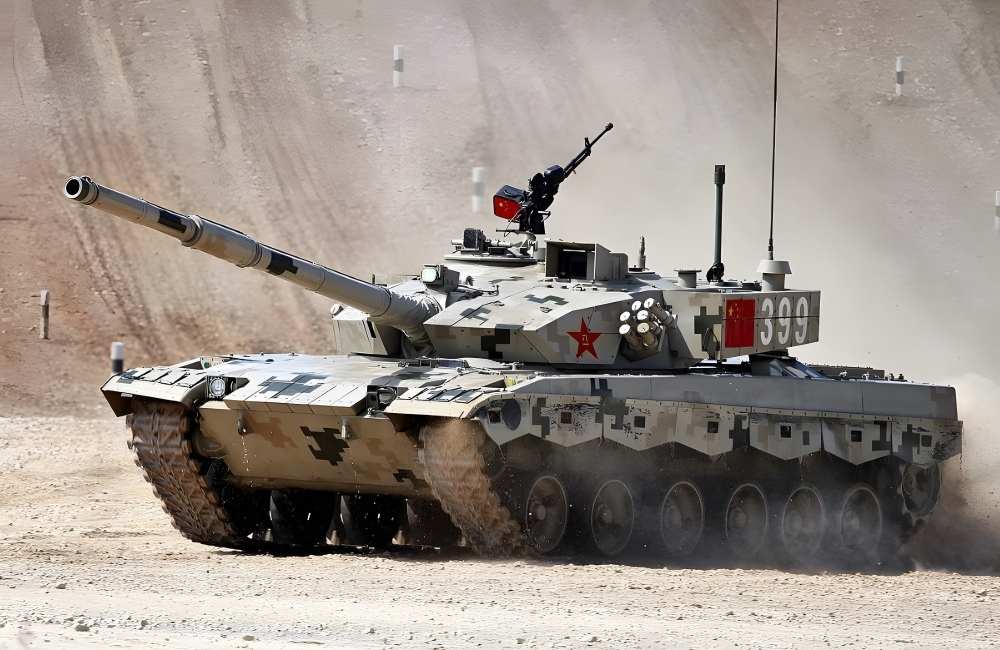
©Vitaly V. Kuzmin / commons.wikimedia.org
The Type 96’s main armament is a two-plane stabilized ZPT-98 smoothbore gun with a carousel autoloader. The Type 96 has had two main variants, A and B. B was first seen in 2016, and it has a high-performance gun, upgraded fire-control mechanism, and a new transmission, computer and communications system, suspension, exhaust, chassis, and ventilator.
152. VT-2 Tank – China
Manufacturers: Norinco
Primary Users: People’s Liberation Army
Program Cost: $4-$5 billion*
Unit Cost: $1-$2 million*
Along the same lines as the Type 96 is the VT-2. This is different than the Type-96A because it is the export variant. The VT-2 debuted in 2012 at the Defence Services Asia Exhibition, and people were amazed at its capabilities. It can be equipped with a Remote Weapons Station, which is a remotely-operated, weaponized system.
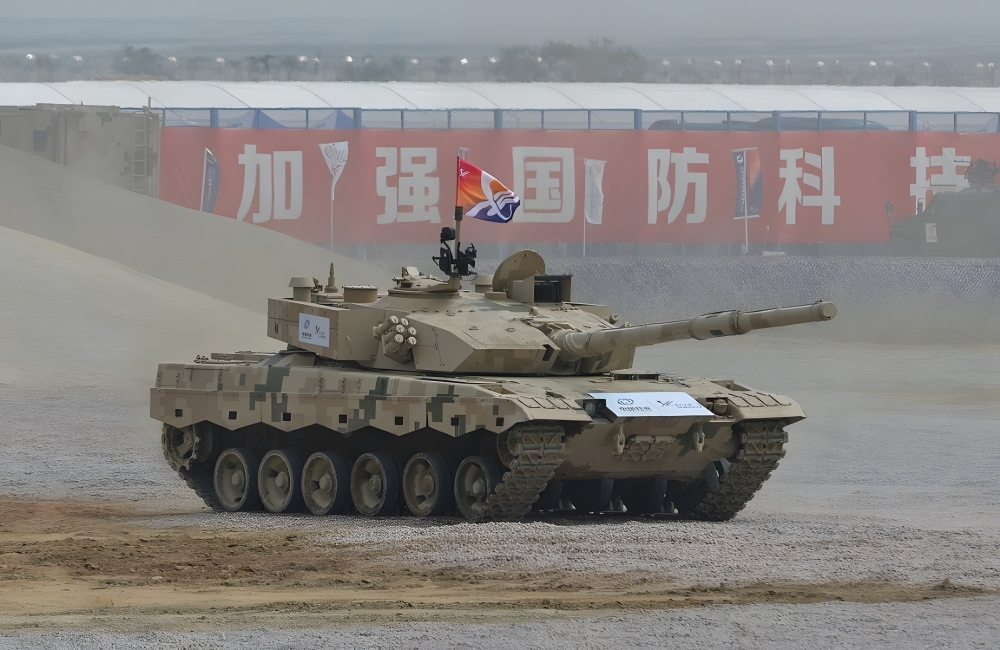
©emperornie / commons.wikimedia.org
Other capabilities of the VT-2 include its top speed, which is 43.4 miles per hour on the road (that’s pretty quick for a tank), and ability to turn on its own axis. The tank has around the same specs as the Type 96, as far as finances go, through it is a little cheaper than the VT1 and VT4 tanks, thanks to the materials used.
153. M104 Wolverine – USA
Manufacturers: General Dynamics Land Systems, Krauss-Maffei Wegmann
Primary Users: U.S. Army
Program Cost: $400 million*
Unit Cost: $17.2 million*
This is one of the more interesting vehicles on this list, as it is literally a giant bridge on wheels. The M104 Wolverine is a vehicle-launched, armored bridge that can be laid down during combat to cross rough terrain. The U.S. Army has made use of these types of vehicles since the 1960s.
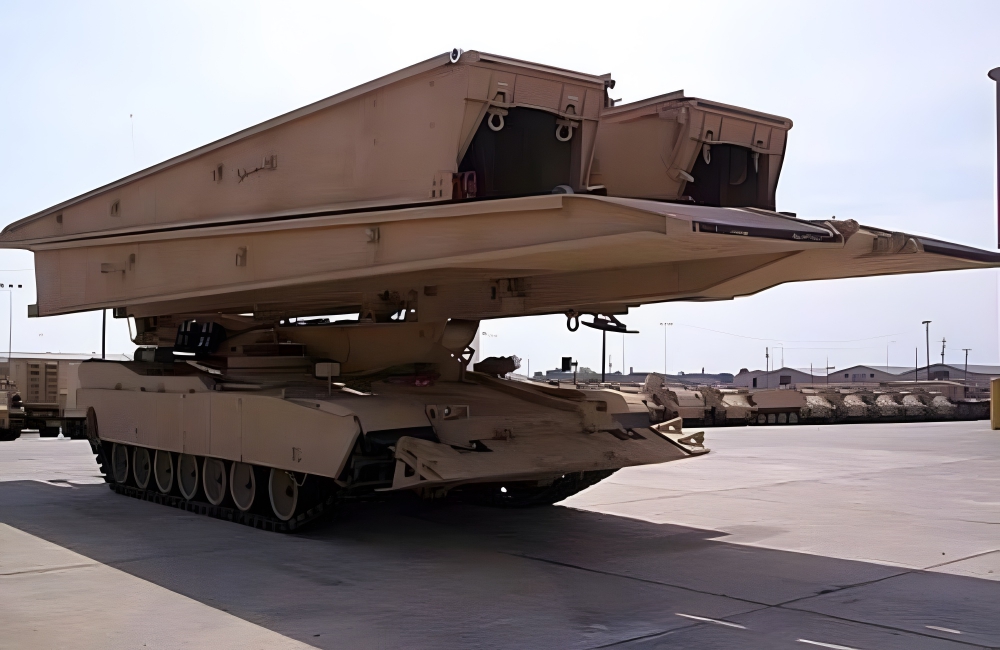
M104 Wolverine (USA) Public domain/commons.wikimedia.org
After it is launched, this sixty-foot-plus Leguan bridge can support a seventy-ton vehicle moving ten miles per hour. The Wolverine allows the heaviest of U.S. military vehicles to cross damaged bridges, craters, ditches, and sand traps at combat speed. This makes for a decisive advantage for the Army’s armored units.
154. CM-11 Brave Tiger – China
Manufacturers: General Dynamics, Republic of China Armored Vehicle Development Center
Primary Users: Republic of China Army
Program Cost: $2 billion*
Unit Cost: $3.5 million*
Developed via a partnership between China’s Armored Vehicle Development Center and General Dynamics, the CM-11 Brave Tiger is a Main Battle Tank that was introduced in 1990. The CM-11 is, essentially, an M60 hybrid chassis that has been fitted with the turret from an older M48 Patton.
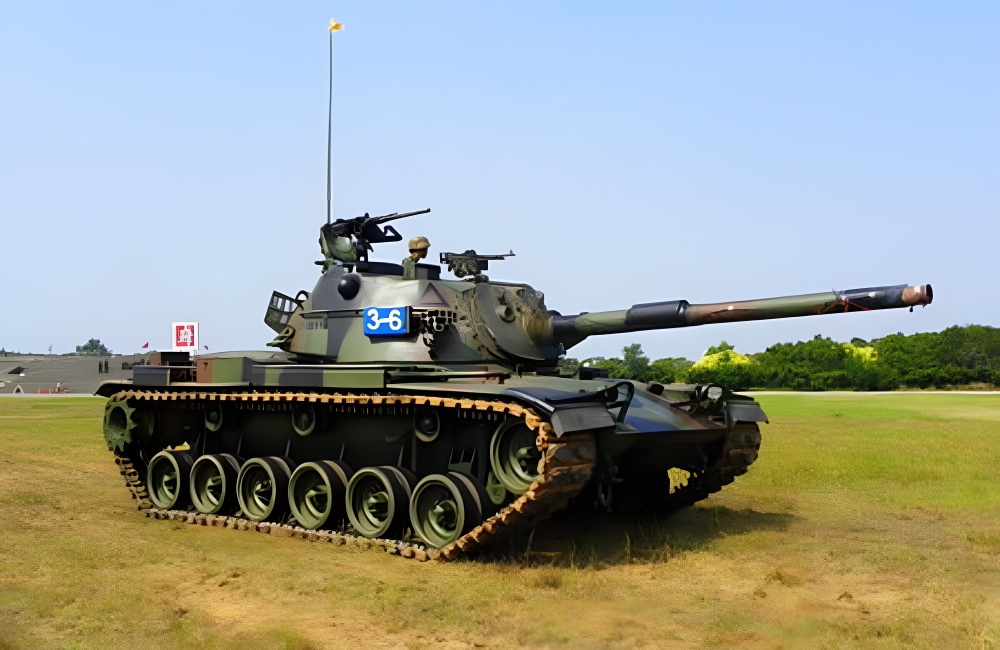
CM-11 Brave Tiger (China) 玄史生/commons.wikimedia.org
It also has the fire control system of an M1 Abrams. The Republic of China designated this the Brave Tiger, as the tiger is an important figure in Chinese history and mythology. The 50-ton battle tank is armed with a .50 BMG M2 Browning, as well as a NATO M240 machine gun.
155. CM-12 Tank – China
Manufacturers: Chinese Armored Vehicle Development Center
Primary Users: Republic of China Army
Program Cost: $350 million*
Unit Cost: $3.5 million*
The CM-12 is, basically, a modified M48A3 that was made for the Republic of China Army. The ADVC used 100 fire-control systems from the CM-11 Brave Tiger’s production to modify existing M48A3s into tanks for the ROC Army. By 1993, the modifications were fully complete.
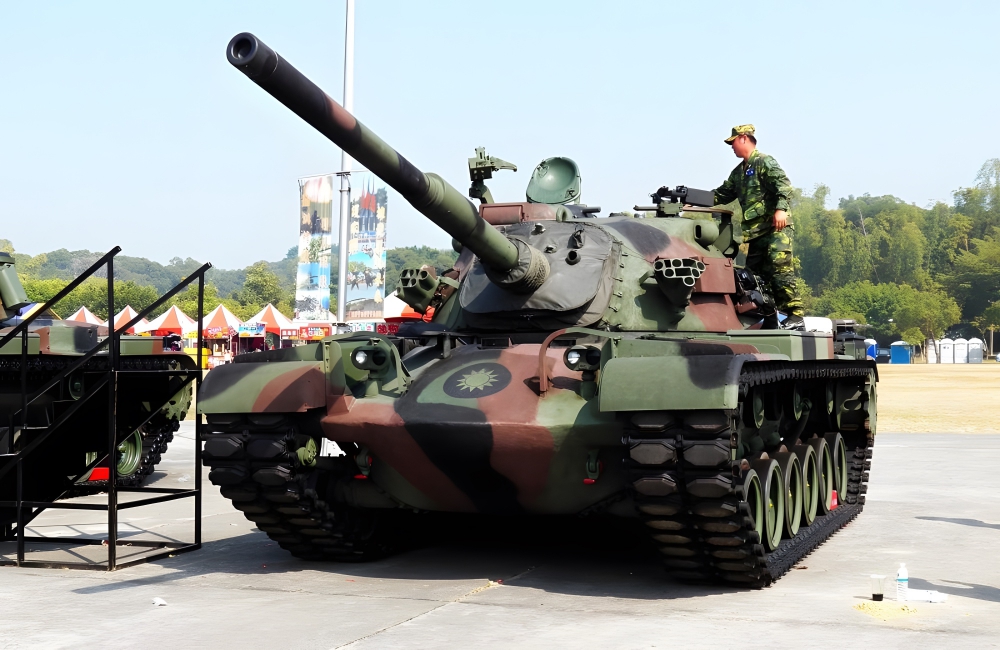
CM-12 Tank (China) 玄史生/commons.wikimedia.org
You can distinguish the CM-12 through its round glacis plates. It is distinguishable from the M48A3 by its 105mm M68A1 cannon, longer artillery than that of the M48A3. Around half of these military vehicles are now retired, as the armament and protection on them have been rendered outdated by new, improved technology.
156. A27 Cromwell Cruiser Tank – UK
Manufacturers: Birmingham Railway Carriage and Wagon Company
Primary Users: British Army, Greek Army, Portuguese Army, Israeli Army
Program Cost: $804 million*
Unit Cost: $200,323*
Thousands of these tanks were constructed during the Second World War, though the majority of them have since been relegated to museums. The Cromwell A27 was a cruiser tank named after Oliver Cromwell, a leader of the English Civil War. The Cromwell was the first tank England put into service that combined a reliable Rolls Royce engine with reasonable armor.
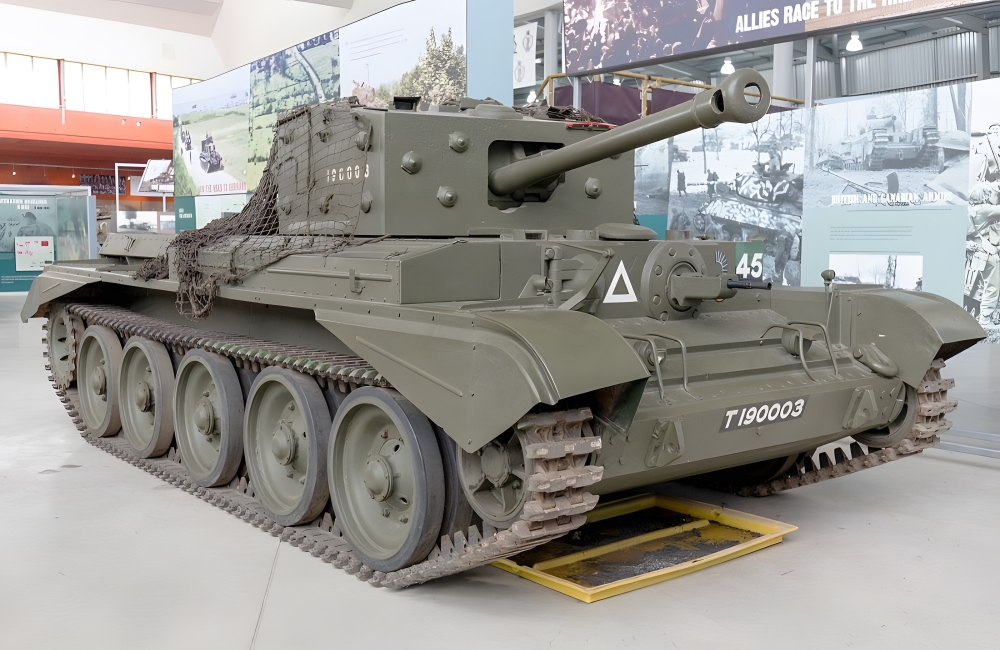
A27 Cromwell Cruiser Tank (UK) Morio/commons.wikimedia.org
At the time, the Cromwell couldn’t be fitted with anything other than a medium-velocity gun, though the Comet fixed that problem later on. The Cromwell saw action for the first time in the famed Battle of Normandy in the summer of 1944.
157. Achzarit – Israel
Manufacturers: Israeli Defense Forces Corps of Ordnance
Primary Users: Israeli Defense Forces
Program Cost: Unknown
Unit Cost: $750,000*
Achzarit means “Cruel One” in Hebrew, and this battle tank can certainly be cruel if you get on the wrong side of it. The Achzarit is based on the T-54 and T-55, two tanks from the Soviet Union. The personnel carrier can withstand armor-piercing projectiles and shaped charges that would destroy more conventional IFVs.
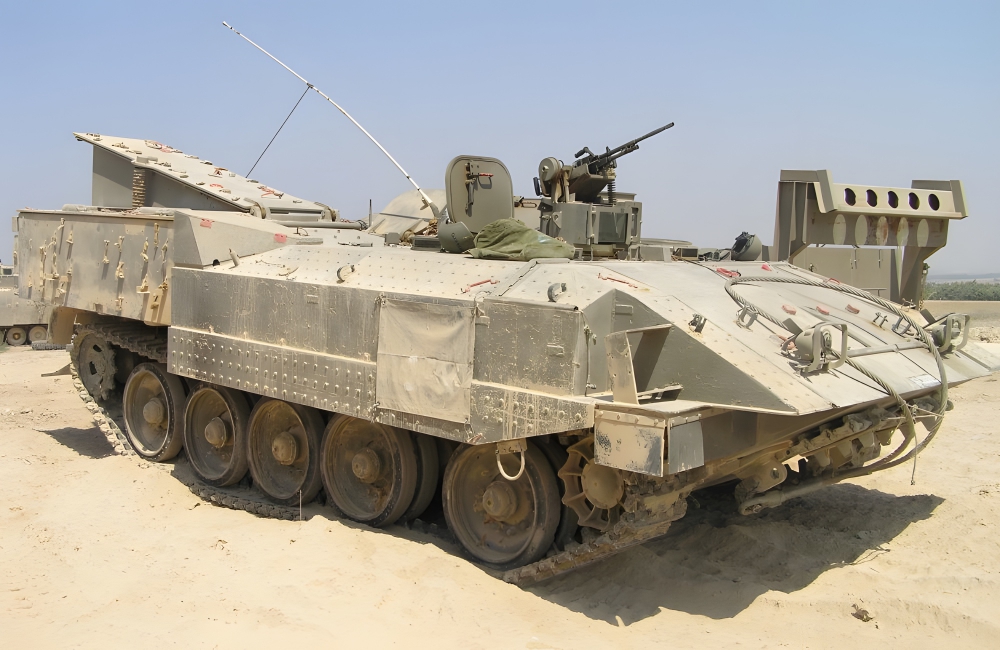
Achzarit (Israel) gkirok/commons.wikimedia.org
The manufacturers, the IDF Corps of Ordnance, claim that the Achzarit can withstand repetitive 124mm hits over its frontal arc. The Achzarit is pretty heavy for an infantry carrier, as it weighs 44 tons, fourteen of which are taken up with advanced composite armor. Basically, the Achzarit is one of the toughest carriers in the IDF.
158. Interim Fast Attack Vehicle – USA
Manufacturers: Magna Steyr for Mercedes Benz
Primary Users: U.S. Marine Force Recon & Expeditionary Units
Program Cost: $32.8 million*
Unit Cost: $209,000*
This vehicle is deployed by the U.S. Marines, though it is manufactured by Austria for the German company Mercedes-Benz. The Interim Fast Attack Vehicle was popularized by the SEALs as a “black dune buggy,” though the Marines preferred an armored G-Wagon-type vehicle like the IFAV.
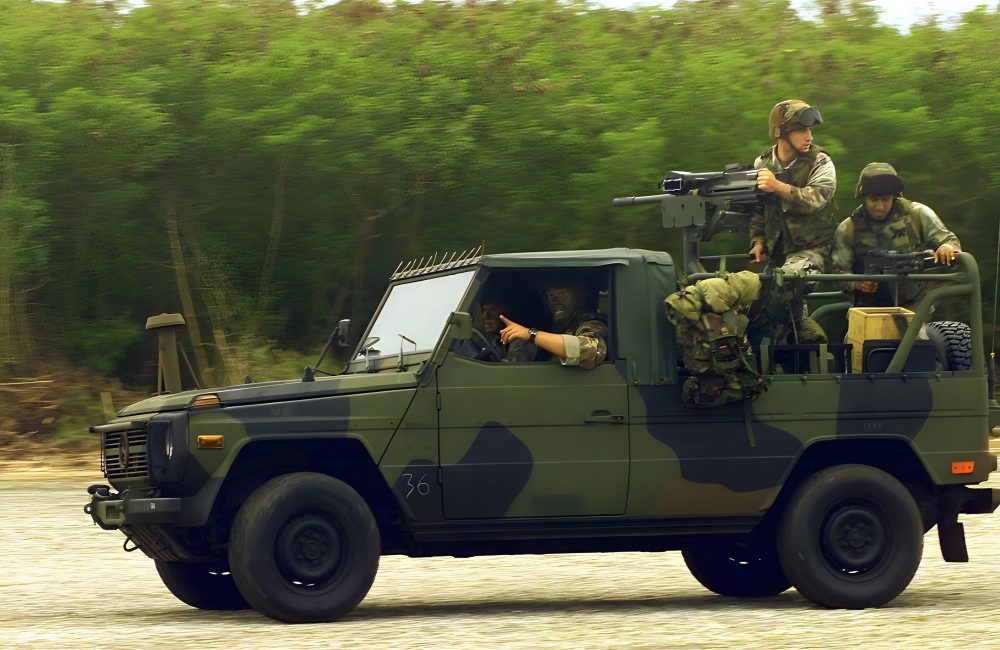
Interim Fast Attack Vehicle (USA) Public domain/commons.wikimedia.org
The IFAV was the “it” military vehicle in the nineties, though it has since been replaced by the ITV-LSV. The IFAV itself was created to replace the jeep that the Marines were using before realizing they needed an upgrade. Each unit cost around $209,000 to make, and the Marines acquired over 150 of these IFAVs in total.
159. M1200 Armored Knight – USA
Manufacturers: DRS Sustainment Systems, Inc.
Primary Users: U.S. Army, U.S. Marine Corps
Program Cost: $16.55 million*
Unit Cost: $200,000*
This armored vehicle is used by the U.S. military, and most of the M1200 Armored Knights have seen use in Iraq. The M1200 entered service in the late 2000s, as they were developed as part of an effort to find an armored vehicle capable of keeping up with Combat Observation and Lasing Teams.
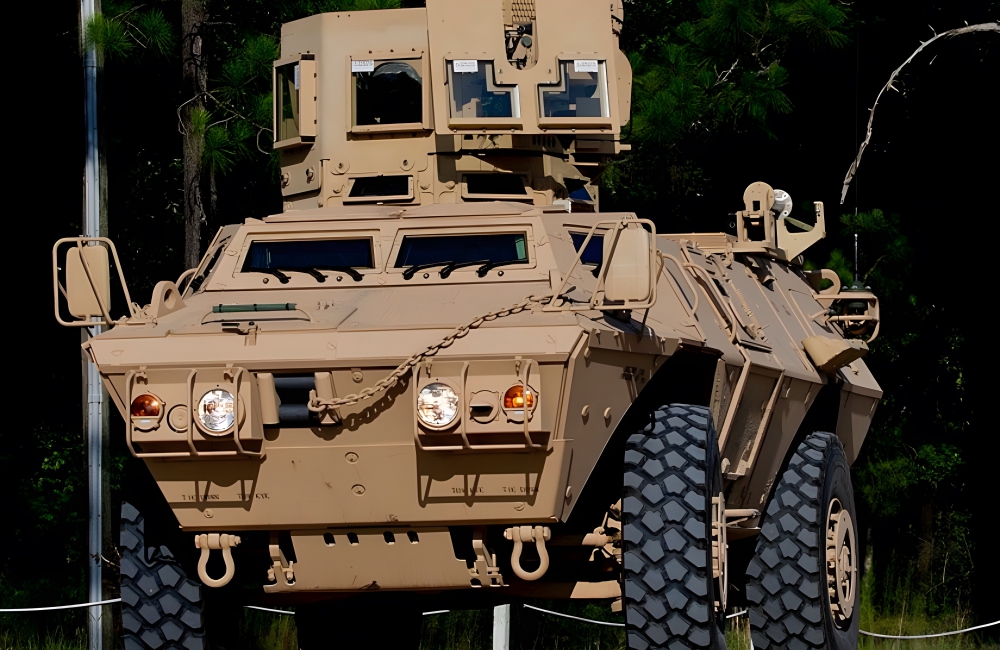
M1200 Armored Knight (USA) Georgia National Guard from United States/commons.wikimedia.org
The M1200 replaced the M707 Knight, which was, essentially, a stripped-down Humvee. The M1200 provides protection to fire support teams performing a mission in a high-threat environment. Among its equipment are a laser designator and rangefinder, GPS, radios, computers, and many other data-gathering equipments that can get firepower onto a target within mere minutes.
160. AML 245 – France
Manufacturers: Panhard
Primary Users: French Army
Program Cost: $1.79 billion*
Unit Cost: $448,739*
At one time, the AML 245, made by Panhard, was one of the heaviest-armed scout vehicles in the world, with a low-velocity rifle cannon that fired high explosive anti-tank shells. The AML could destroy targets that were thousands of feet away using its D921 gun.
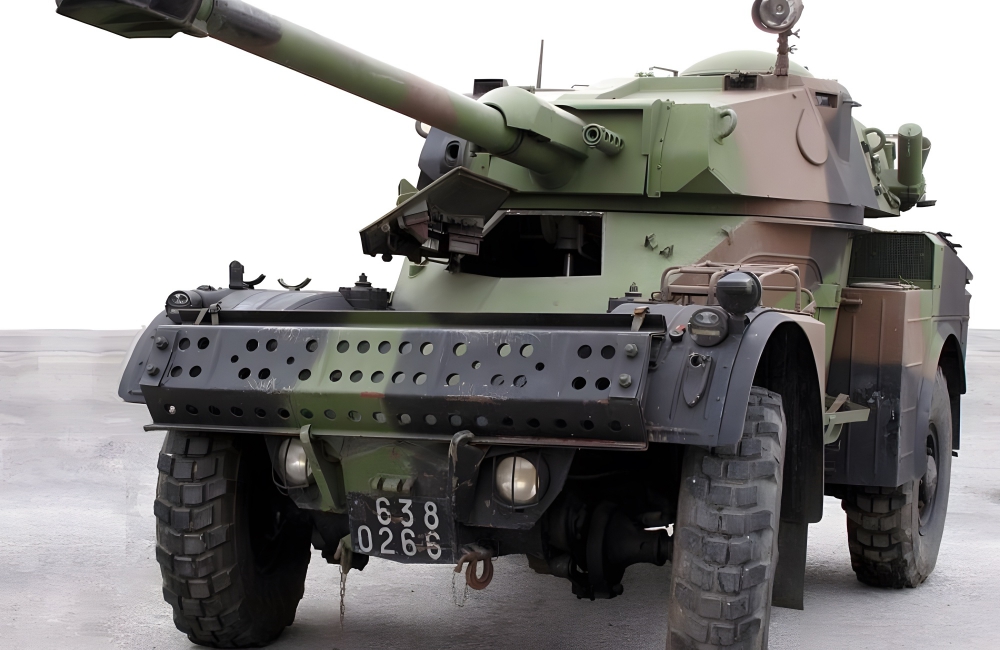
AML 245 (France) Rama/commons.wikimedia.org
Panhard AMLs have appeared most often in conflicts in Iraq, Chad, Angola, and Lebanon. The AML is relatively cheap to make, compared to other armored cars, especially when you consider its recon abilities. The AML weighs just 5.5 tons, as it is designed on a light armored, small, 4×4 chassis. Since 1959, these vehicles have been sold on five different continents.
161. Golan Armored Vehicle IFV/MRAP – Israel
Manufacturers: Rafael Advanced Defense Systems, Protected Vehicles Incorporated
Primary Users: Israel Defense Forces
Program Cost: $30 million-$60 million*
Unit Cost: $500,000-$1 million*
The Golan Wheeled Armored Vehicle is an MRAP mobility vehicle that is made by Rafael Advanced Defense Systems and Protected Vehicles Incorporated. The mission of this vehicle is to protect the crew and passengers to the highest degree possible.
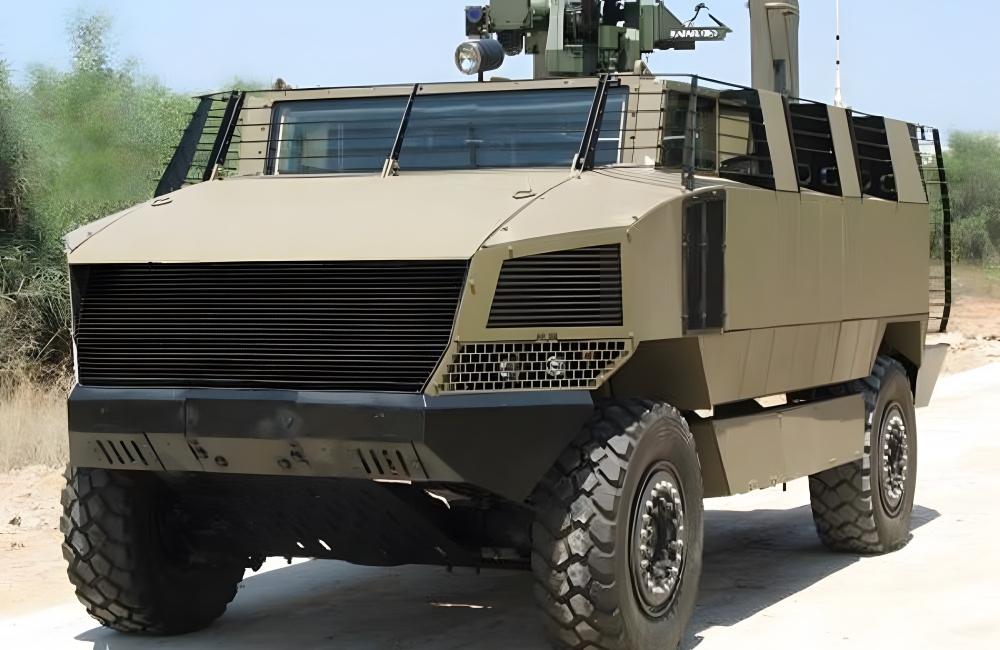
Golan Armored Vehicle IFV/MRAP /armyrecognition.com
The Golan’s platform can carry as many as ten soldiers, and it can be reconfigured to become an ambulatory, recon, command, or intelligence collection vehicle. The V-shaped vehicle body and hull can withstand IED blasts and mines, and the Golan can carry all types of armor, from light passive to heavy reactive that can deflect even RPGs. When equipped with its reactive armor, the Golan can deflect even EFPs, the most powerful type of IED.
162. M18 Hellcat – USA
Manufacturers: Buick Motor Division of General Motors
Primary Users: U.S. Army
Program Cost: $2.13 billion*
Unit Cost: $850,166*
When discussing American military history, one cannot forget the contributions of the Buick-designed M18 Hellcat. The tank destroyer was used by the U.S. Army in the Korean War and World War II. The Hellcat could hit a top speed of 55MPH, assuming armor was kept at a minimum.
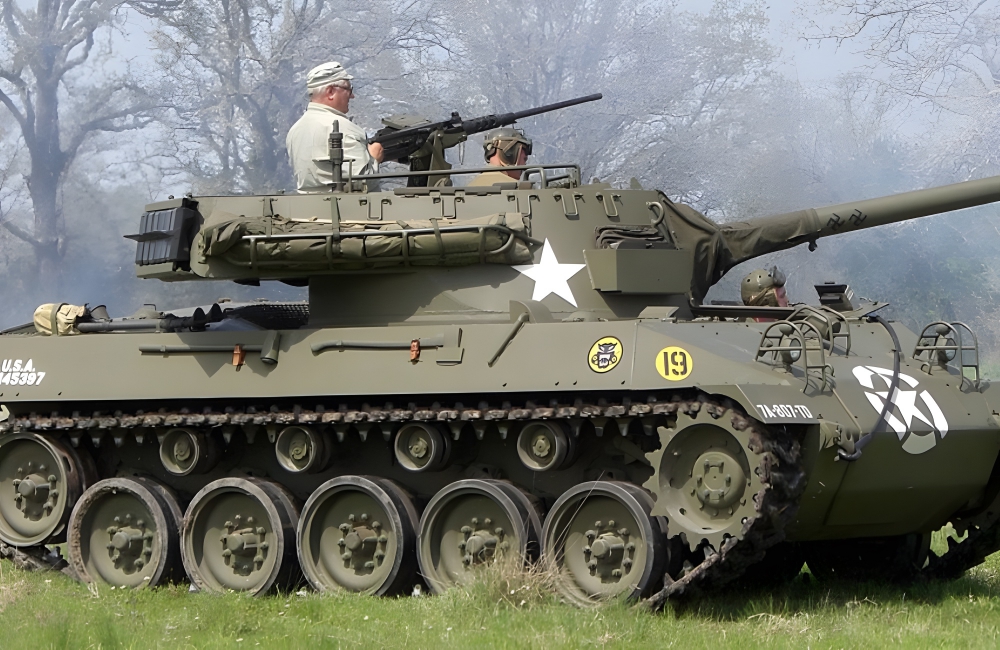
M18 Hellcat (U.S.) Benzene at English Wikipedia/commons.wikimedia.org
Of all the tank destroyers used by the U.S. in WWII, the Hellcat was the most effective, with the highest kill-to-loss ratio. M18s were great not only for fighting but also for direct fire support and other improvised roles. Though the Hellcat has since been retired, no one has forgotten its legacy.
163. EE-3 Jararaca – Brazil
Manufacturers: Engesa
Primary Users: Brazilian Army
Program Cost: $1-$5 million*
Unit Cost: $82,000*
This scout car was a jack of all trades for the Brazilian Army, and it was built by Engesa as a reply to the Brazilian Army’s requirement for a lightly-armored car that could replace its other, unarmed utility vehicles. The EE-3 Jararaca has been used for liaison, internal security, and route recon missions.
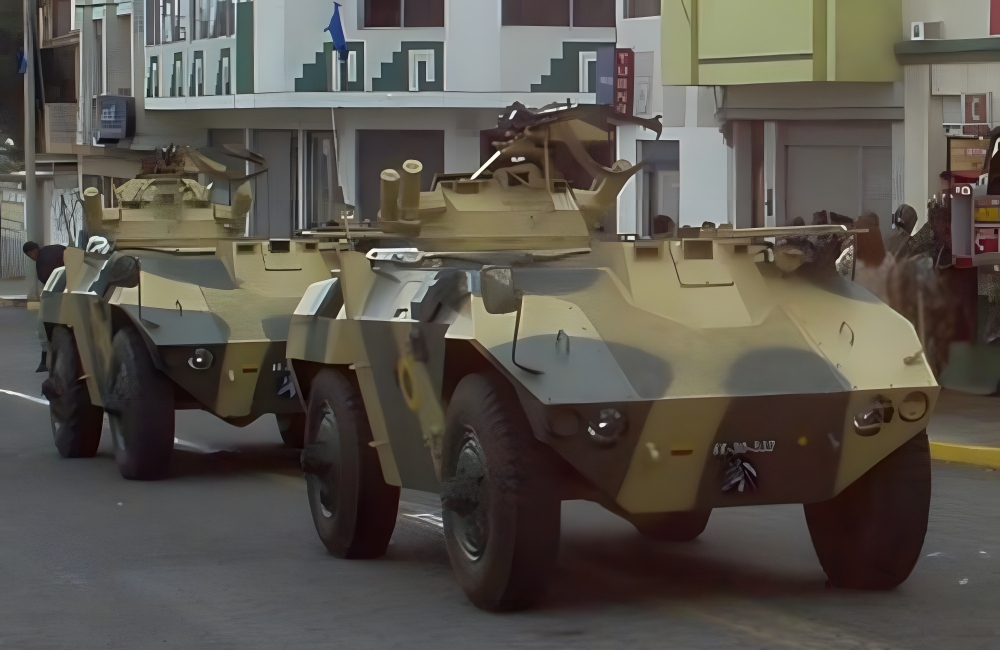
EE-3 Jararaca (Brazil) Sylvain2803/commons.wikimedia.org
It was rejected for the purpose of large-scale service due to limited mobility, though the Jararaca has found some success in the export markets of Libya and Iran. The Jararaca was produced from 1982 until 1990, and it was pretty cheap, costing around $82,000 per unit.
164. K1 Main Battle Tank – Korea
Manufacturers: Hyundai Precision/Rotem, General Dynamics, Chrysler Defense
Primary Users: Republic of Korea Armed Forces
Program Cost: $2.83 billion*
Unit Cost: $1.87 million*
The K1 is a series of battle tanks in use with the Republic of Korea Armed Forces. It was developed by Hyundai Precision in the late 1980s, and the vehicle’s earliest designs were based on the XM1 by Chrysler. There were some differences, such as torsion bars, a river-crossing kit, hydro-pneumatic suspension, and more.
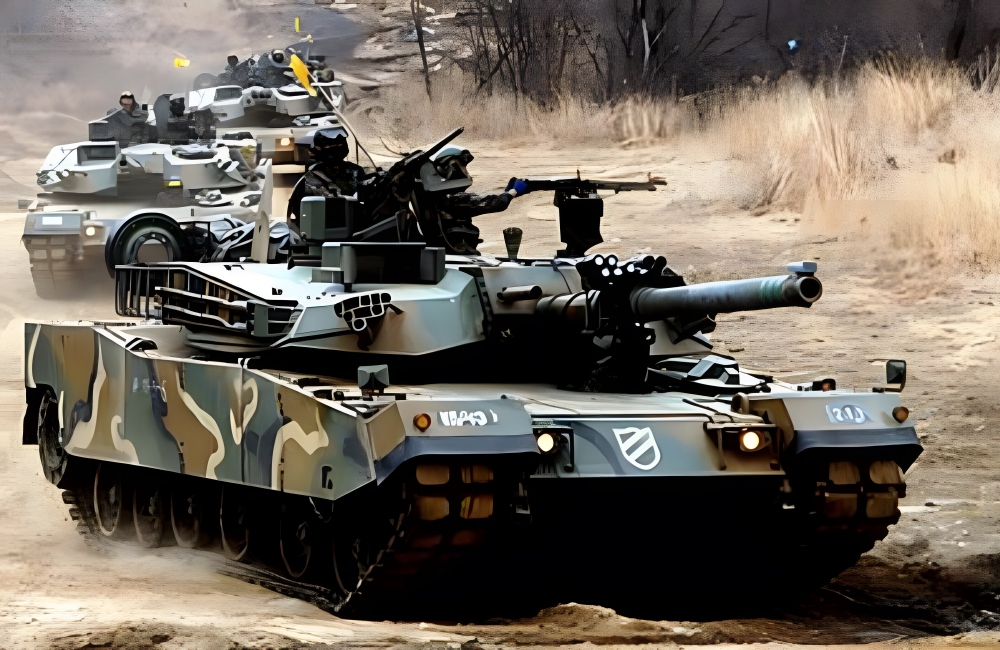
K1 Main Battle Tank (Korea) 대한민국 국군 Republic of Korea Armed Forces/commons.wikimedia.org
There have been several variations of the K1, each growing more expensive over time. The K1E1 is the latest version, and Hyundai Rotem, General Dynamics, and Chrysler Defense have been producing this model since 2014. Overall, 1,027 of these K1E1 vehicles have been produced.
165. M51 Super Sherman – Israel
Manufacturers: Israeli Ordnance Corps
Primary Users: Israeli Defense Forces, Chilean Army
Program Cost: $222 million*
Unit Cost: $1.4 million*
The Sherman M-51, better known as the Super Sherman, was a modified version of the M4 Sherman tank. The IDF used the Super Sherman from the mid-fifties to the early eighties, and it saw action in some of the most well-known conflicts during those three decades.
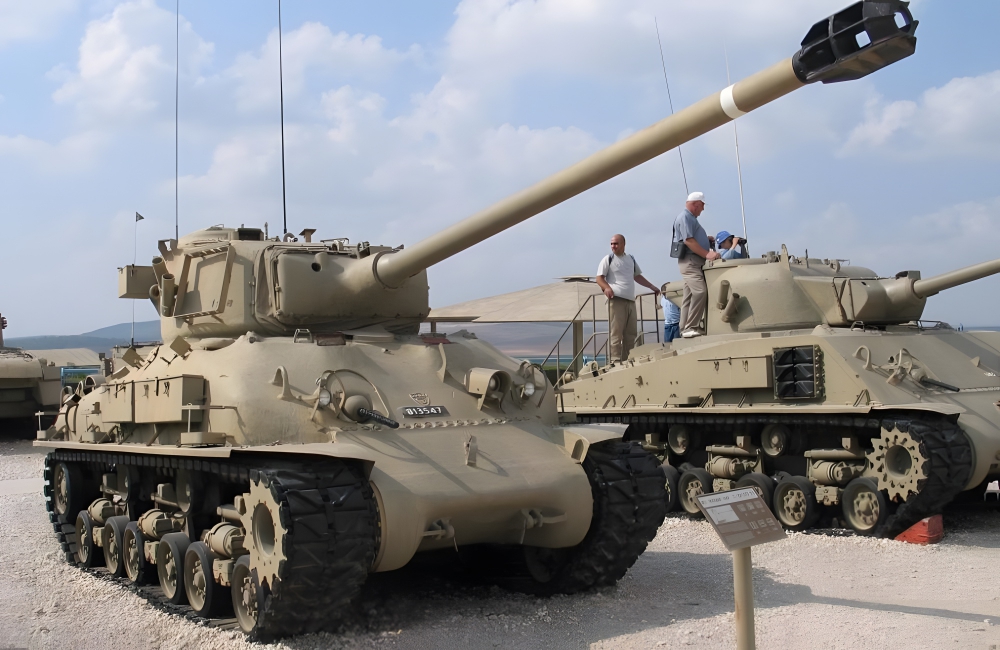
M51 Super Sherman (Israel) Bukvoed/commons.wikimedia.org
The Israeli Defense Forces were inspired to build the Sherman after traveling to France and seeing tanks similar to the M4. Through the years, around 180 of these vehicles were produced. When the Sherman’s heyday was over, Israel sold around 100 of the remaining Shermans to Chile, who used them until 1999 before replacing them with the Leopard 1.
166. T-55 Battle Tank – Slovenia
Manufacturers: KhPZ, UVZ, Bumar-Labedy, ZTS Martin
Primary Users: Soviet Army
Program Cost: $100-$150 billion*
Unit Cost: $1.42 million*
The T-55 was the main battle tank used by then-Soviet countries like Slovenia. The tanks saw use after the Second World War. Since then, the T-54 and T-55 series have been the most-produced tanks in history. Around 100,000, if not more, have been made between 1945 and 1958.
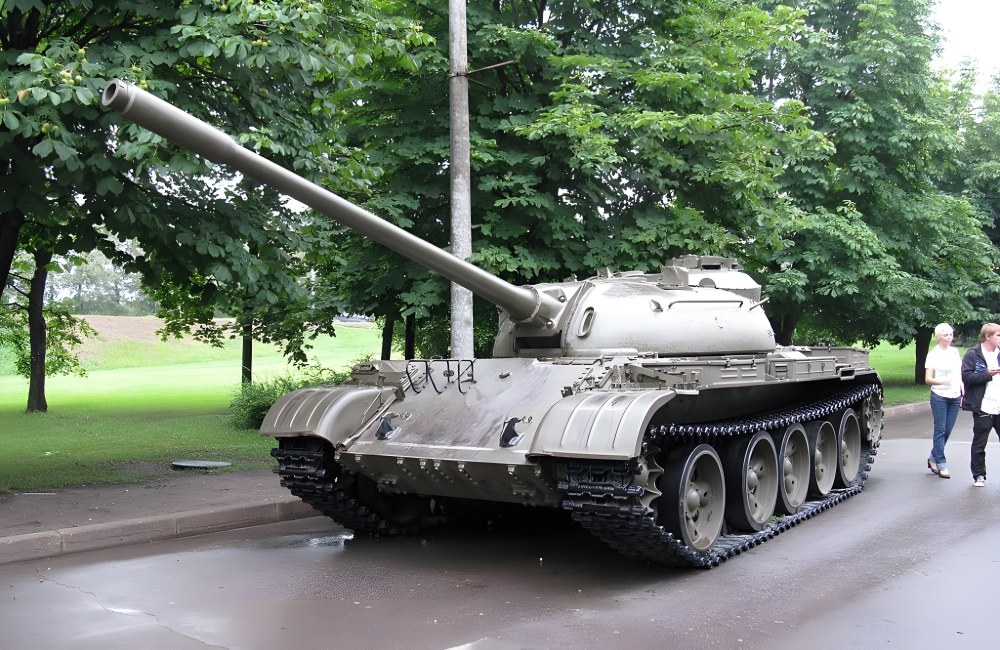
T-55 Battle Tank (Slovenia) Andrew Bossi/commons.wikimedia.org
KhPZ and UVZ in the Soviet Union, Bumar-Labedy in Poland, and ZTS Martin in Czechoslovakia were the T-54/T-55’s main manufacturers. In the Cold War, T-55s never faced NATO adversaries directly in Europe, though the T-55’s high-tech features inspired the U.S. to develop the famous M60 Patton. They also inspired the U.K. to create a tank gun called the Royal Ordnance L7.
167. MLVM Armored Personnel Carrier – Romania
Manufacturers: Uzina Mecanica Mizil/Brașov
Primary Users: Romanian Army’s Vanatori de Munte Division
Program Cost: Unknown
Unit Cost: $500,000-$1.8 million*
In Romanian, MLVM means Masina de Lupta a Vanatorilor de Munte. This armored personnel carrier is designed as an IFV for the Romanian Army’s vanatori de munte (elite mountain troops) division. Technically, the MLVM is booked as a tracked personnel carrier because of its armament and light armor, but it has been used as an IFV.
MLVM Armored Personnel Carrier (Romania) ircea87/Wikimedia Commons
The MLVM requires two crew members and can protect seven passengers. The tank is armored with protection against 7.62mm rounds. Its main armament is a KPVT machine gun with 600 rounds, while its second armament is a PKT machine gun with 2,500 rounds. The operational range of the MLVM is 430 miles.
168. Mowag Tornado – Switzerland
Manufacturers: Mowag Motor Car Factory (Kreuzlingen)
Primary Users: Switzerland Army (Hypothetically)
Program Cost: N/A
Unit Cost: $250,000-$500,000*
The Mowag Tornado never reached serial production, though it was originally intended for the Army of Switzerland. The Tornado, which is currently displayed at the Schweizerisches Militarmuseum Full, is an armored infantry fighting vehicle made by Mowag Motor Car Factory in Kreuzlingen, Switzerland.
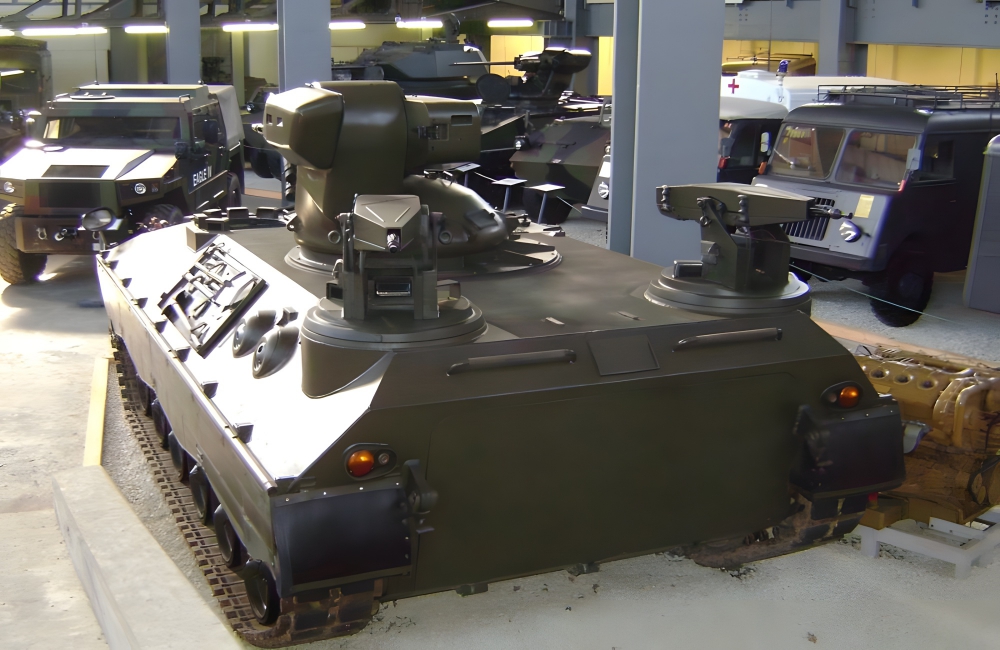
Mowag Tornado (Switzerland) Kobel/commons.wikimedia.org
It was produced in 1980, and just one was built. It slightly resembles the BMP-1, a Soviet vehicle that got a lot more use than the Tornado did. The Tornado’s main armament, not that it ever used it, is the OERLIKON GBD COA. Its secondary armament is a 4 x 76mm rocket launcher and two submachine guns.
169. Guardian Angel Air-Deployable Rescue Vehicle – USA
Manufacturers: HDT Global
Primary Users: U.S. Air Force Pararescue
Program Cost: TBD
Unit Cost: TBD
The Guardian Angel Air-Deployable Rescue Vehicle is also called the SRTV, the Storm Search and Rescue Vehicle. The SRTV was the winner of the Guardian Angel competition, so-named because of the combat rescue and pararescuemen called the Guardian Angel Weapon System. The Storm SRTV will be used by the U.S. Air Force Pararescue.
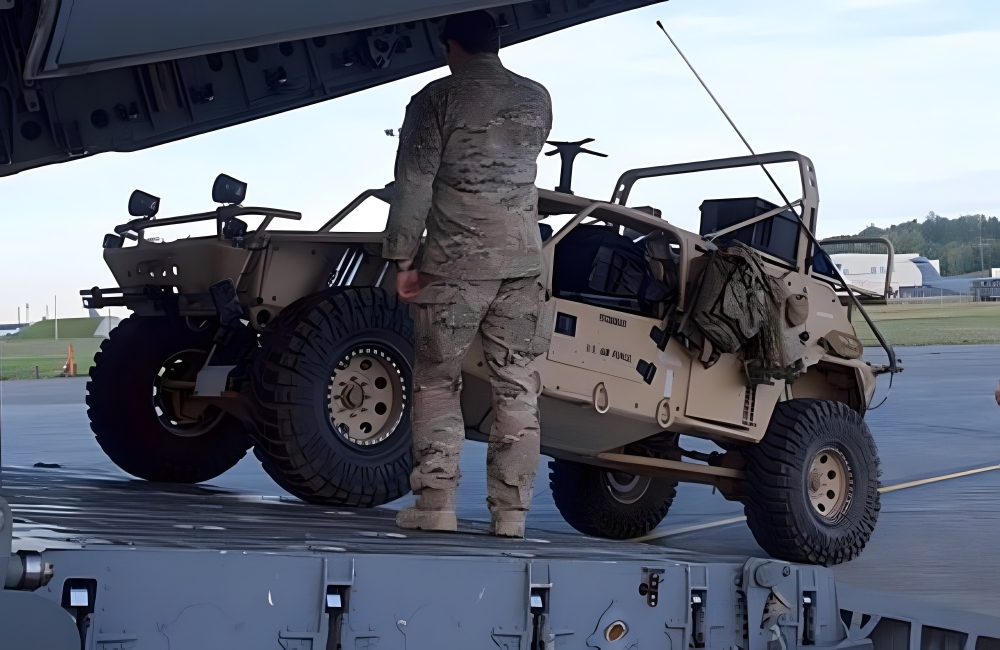
Guardian Angel Air-Deployable Rescue Vehicle (U.S.) 176th Wing Alaska Air National Guard from Anchorage, Alaska, United States/commons.wikimedia.org
Just one test vehicle, built by HDT Global in Geneva, Ohio, has been constructed so far. The vehicle can transport three patients/survivors at a time. The Guardian Angel is still undergoing testing, but it is pretty impressive, thus far, with a top speed of 100MPH and a payload capacity of 3,730 pounds.
170. Nahuel DL 43 – Argentina
Manufacturers: Arsenal Esteban de Luca
Primary Users: Army of Argentina
Program Cost: $1.2 million*
Unit Cost: $100,000*
The Nahuel DL 43 was inspired by the design of the American M4 Sherman. It was designed by Lieutenant Colonel Alfredo Baisi, who hired Arsenal Esteban de Luca, a company in Buenos Aires, to produce twelve tanks and a wooden mock-up. The Argentine Army used them along with surplus Sherman tanks, which were provided to the country by the U.K. and Belgium in the late 1940s.
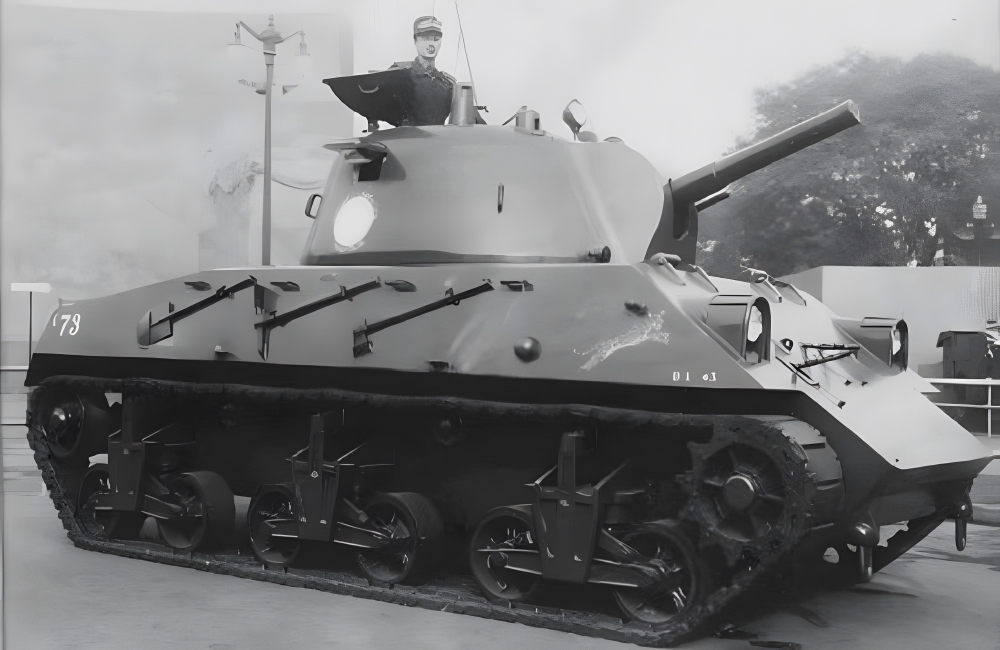
Nahuel DL 43 (Argentina) Public domain/commons.wikimedia.org
The design is akin to that of the early M3 Grant and the M4 Medium, both of which were used by the U.S. Army. But, contrary to popular belief, this WWII vehicle was not a copy of either tank. It had sloped armor and its own design.
171. Olifant MK 1B – South Africa
Manufacturers: Olifant Manufacturing Company, OMC Engineering
Primary Users: South African National Defense Force
Program Cost: $100.6 million*
Unit Cost: $503,000*
The Olifant started out as the Centurion, a primary British tank that is, to this day, one of the most historically-successful tanks in the history of the British military. The Centurion was introduced during WWII, and it remained in production for two decades after. The tank was popular, with good armor, armament capabilities, and maneuverability.
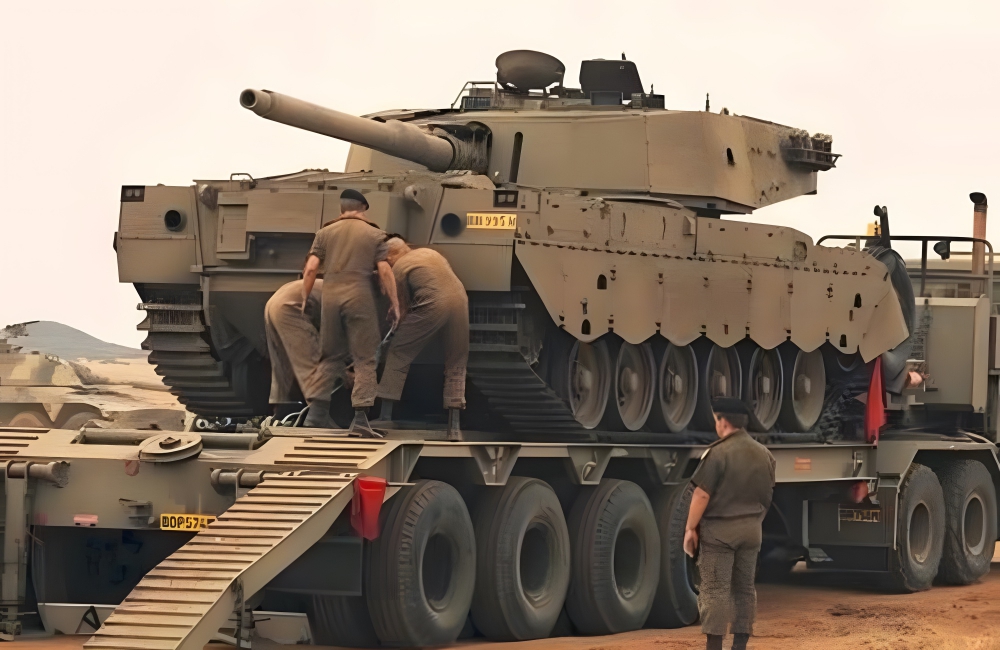
Olifant MK 1B (South Africa) @Centurion88/commons.wikimedia.org
In the 1980s and 2000s, the Centurion was modernized into the Olifant. Two hundred of these vehicles are in use with the South African National Defense Force. Each Olifant costs around $503,000 to produce, and its main armaments include an L7, 20 pdr, and 17 pdr rifle gun.
172. FV106 Samson – UK
Manufacturers: Fabrique Nationale, U.S. Ordnance
Primary Users: British Army
Program Cost: $68-$136 million*
Unit Cost: $500,000-$1 million*
This British armed recovery vehicle is called the FV106 Samson, and it is one of the CVRT group of armored tanks. The 8.7-ton Samson can recover other tracked vehicles, such as lightweight FV430s. The Samson was developed in the early 1970s, and it entered production in 1978.
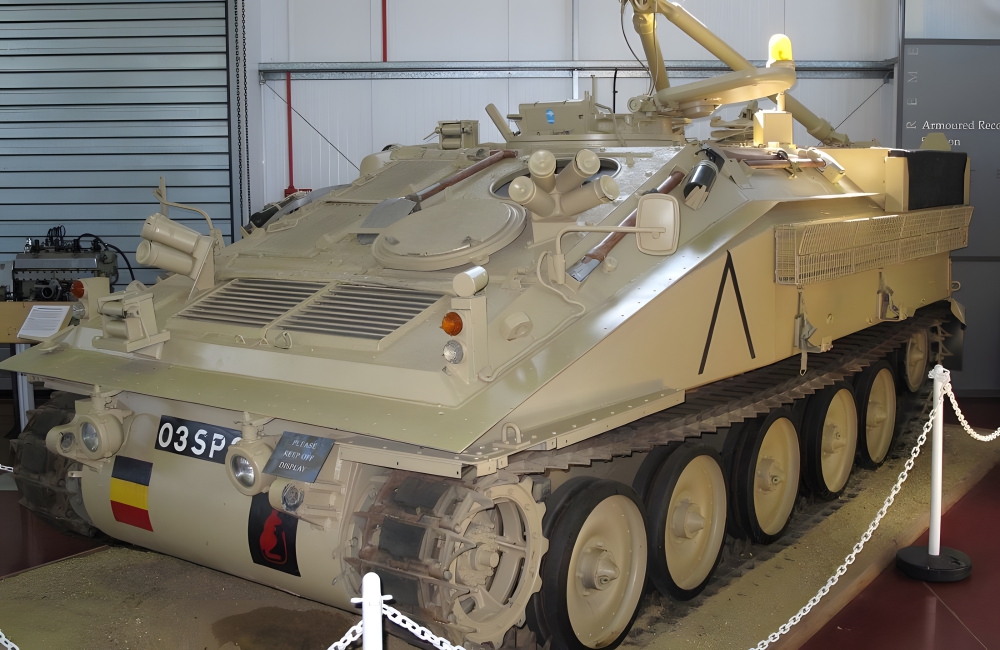
FV106 Samson (UK) Orp20/commons.wikimedia.org
The hull is made from all-welded aluminum, and this armored recovery vehicle can carry a crew of three. Its main armament is a 1 x 7.62mm L7 GPMG, while its second armament is a series of right smoke dischargers. The FV106 can be fitted with a float screen so that soldiers can operate it amphibiously by using its own tracks. It can also be fitted with a propeller kit and an NBC protection unit.
173. Sherman Firefly – UK
Manufacturers: Detroit Tank Arsenal (Chrys. Corp)
Primary Users: British Army
Program Cost: $1.6 billion*
Unit Cost: $765,000*
The U.K. used this powerful tank during WWII. The Sherman Firefly was fitted with a three-inch British 17-pound anti-tank gun as the main weapon, making the Firefly far more powerful than the M4 Sherman. The Firefly was supposed to be a stopgap for another tank design, but the military loved it.
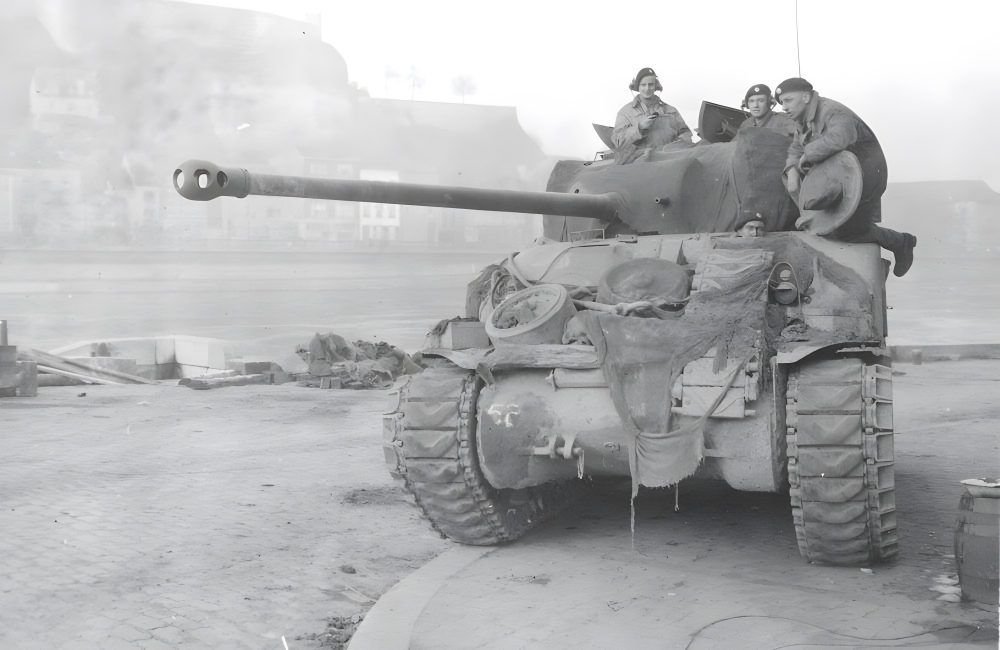
Sherman Firefly (UK) Public domain/commons.wikimedia.org
The Sherman grew to become the most common tank to mount the 17-pounder in combat during WWII. The Firefly could almost always shoot through the armor of the Tiger and Panther tanks it came across in Normandy, something that no other British tank was able to do at the time. Because of this firepower, German soldiers were often instructed to attack the Fireflies first to stand a chance in battle.
174. T17 Deerhound – USA
Manufacturers: Ford Motor Company
Primary Users: U.S. Army
Program Cost: $2 billion*
Unit Cost: $1.12 million*
The T17 Deerhound, as the British call it, was designed and manufactured from 1941 until 1945. Around 250 were built, and this armored car was a stopgap until the U.S. Army’s M8 was available. All 250 of these T17s were supposed to be for the British to use, but the Americans ended up taking these 17-ton vehicles.
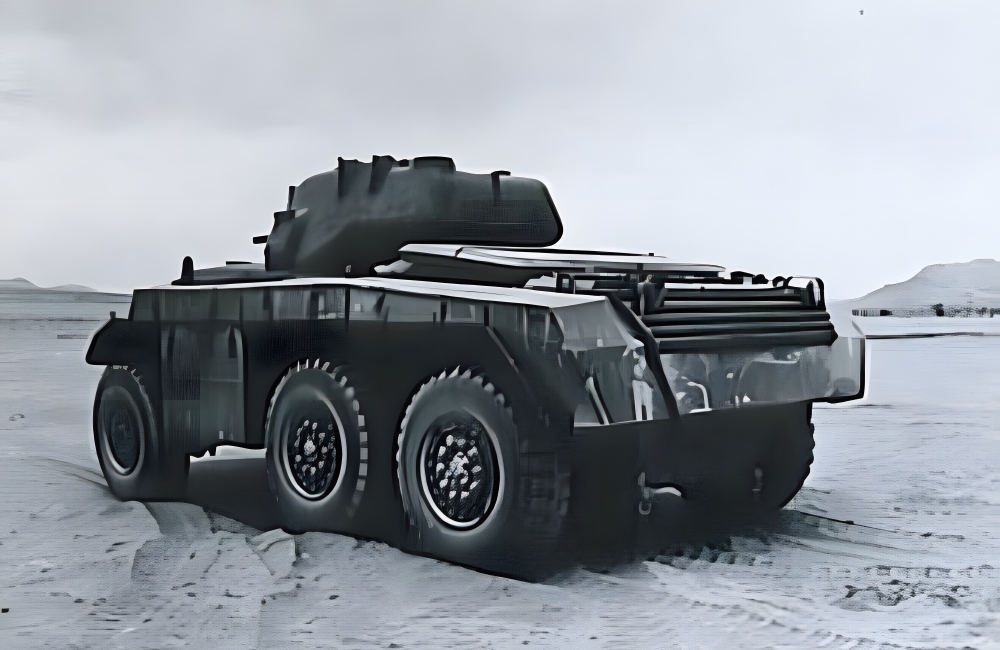
T17 Deerhound (USA) Public domain/commons.wikimedia.org
The Deerhound was a turreted 6×6 that required a crew of five: commander, loader, gunner, co-driver, and driver. The T17 used the same turret that the M3 Lee tank used, and its main armament was a 37mm Gun M6. Its secondary armament was 2 x .30 M1919s.
175. M60A1 AVLB – U.S.
Manufacturers: Anniston Army Depot, General Dynamics Land Systems, U.S. Army Engineer Research and Development Laboratory
Primary Users: U.S. Marines
Program Cost: $50-$75 million*
Unit Cost: $1.49 million*
The M60 AVLB (Armored Vehicle Launched Bridge) is used to launch and retrieve a sixty-foot scissors bridge. The AVLB has three main sections: the launch, hull, and bridge. This vehicle was introduced in the early 1960s, and it was developed by General Dynamics using a design from the U.S. Army Engineer Research and Development Laboratory.
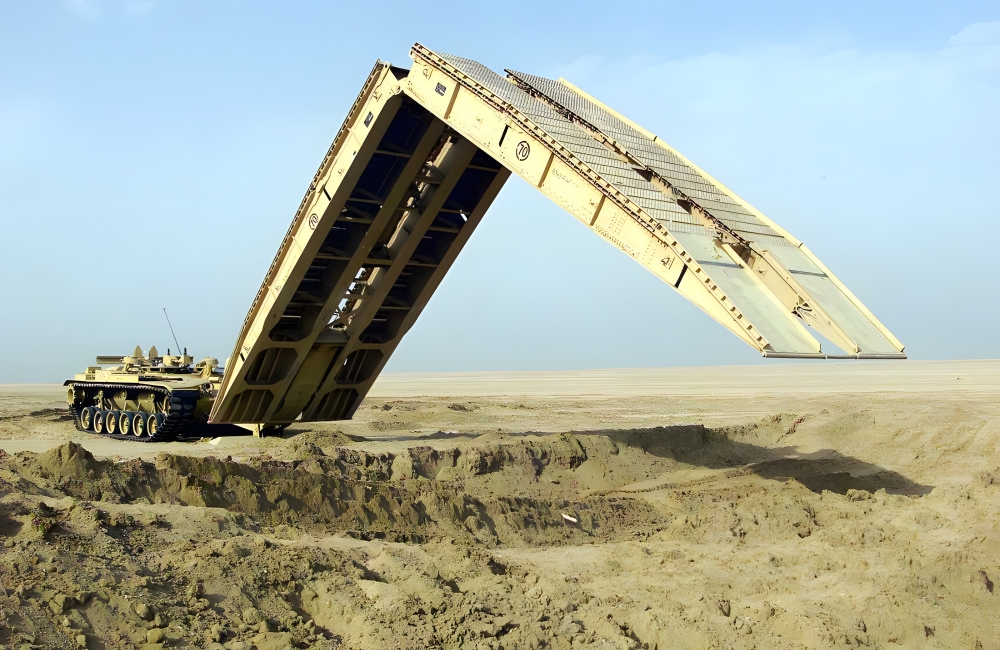
M60A1 AVLB (U.S.) Kevin Quihuis Jr./commons.wikimedia.org
The M60A1 AVLB had a 53.3-ton weight (combat-loaded), and it used the MLC60 bridge. This hull and launcher had a ground clearance of eighteen inches, and it could reach a maximum speed of 30 miles per hour. Each unit cost approximately $1.49 million to make.
176. TK-3 Tankette – Poland
Manufacturers: Fabryka Samochodów PZInż.
Primary Users: Polish Armed Forces
Program Cost: $805 million*
Unit Cost: $1.4 million*
This Polish military vehicle was developed during WWII, where it saw use with the Polish Army. Produced from 1931 until 1939, around 575 in total were constructed. The Tankettes were based on the same chassis as the U.K.’s Carden Loyd, except they were modified with a Polish design.
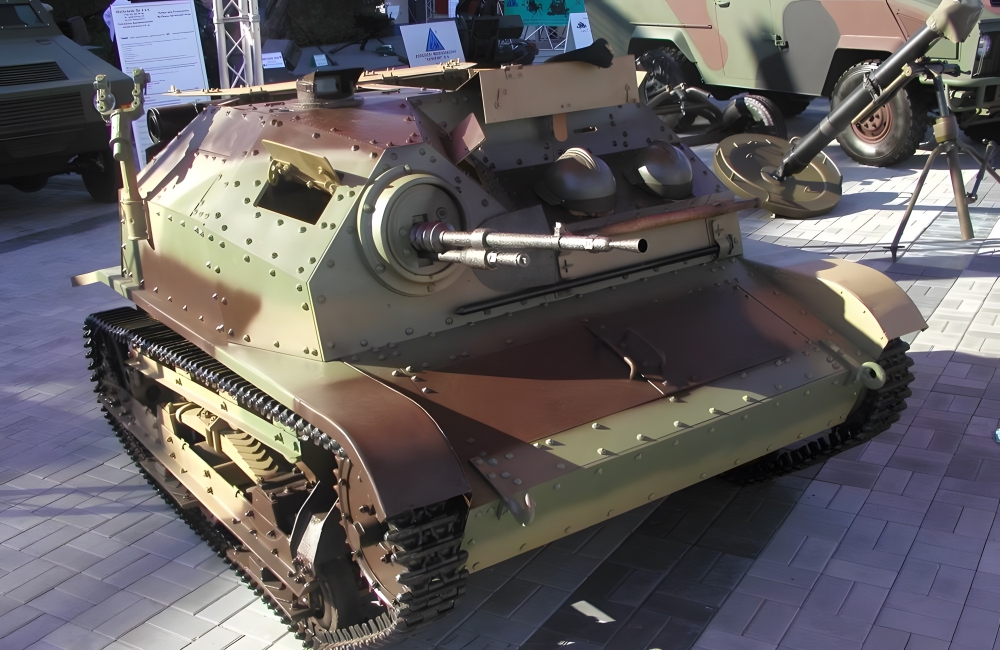
TK-3 Tankette http://www.wp.mil.pl /commons.wikimedia.org
The Polish design gave the TK3 a more powerful engine, improved hull, and armor up to 8mm thick. These Tankettes were some of the only vehicles available in Poland before WWII broke out, and the Polish Army suffered heavy losses to them. Their small size was great for recon and infantry support, but their light armament stood no chance against German tanks.
177. BAE Caiman – U.S.
Manufacturers: BAE Systems
Primary Users: U.S. Marine Corps
Program Cost: $629 million*
Unit Cost: $300,000-$550,000*
This armored vehicle is the Caiman, and it is made by BAE Systems Platforms & Services after the design changed hands multiple times. The Caiman has a V-hull design that is based on the FMTV and LSAC builds. The Caiman finished testing at the Aberdeen Proving Grounds in 2007, and the vehicle immediately went into production.
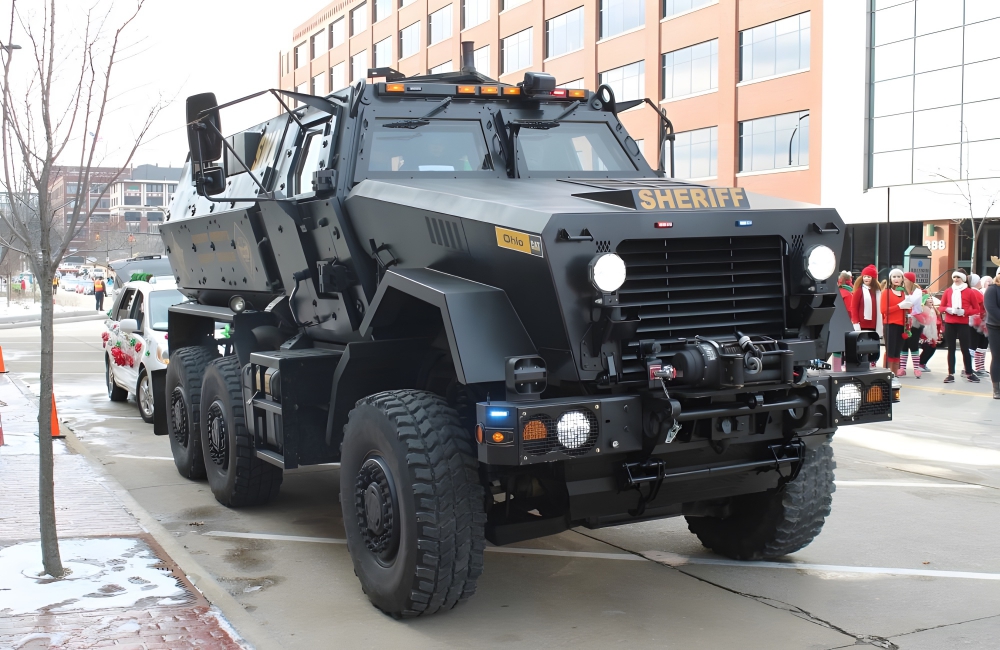
BAE Caiman (U.S.) Raymond Wambsgans/commons.wikimedia.org
In 2010, BAE received a $629 million contract from the MRAP JPO to upgrade and update 1,700 Caiman MRAPs to Caiman MTVs (Multi-Terrain Vehicles). The MTVs will have a refurbished, improved armored capsule, independent suspension, monolithic floor, better blast absorption, and other important updates.
178. VR-1 FOX – Latvia
Primary Users: Latvian Ministry of Defence
Program Cost: Unknown
Unit Cost: $300,000-$800,000*
In September of 2022, the Latvian Ministry of Defence announced the new VR-1 FOX, a light military vehicle that, for now, is just a prototype. The VR-1 FOX requires a crew of two to five people, and it will mostly be used to carry supplies and equipment. Additionally, this LMV can be fitted with a range of special weapons and equipment to assist soldiers on the battlefield.
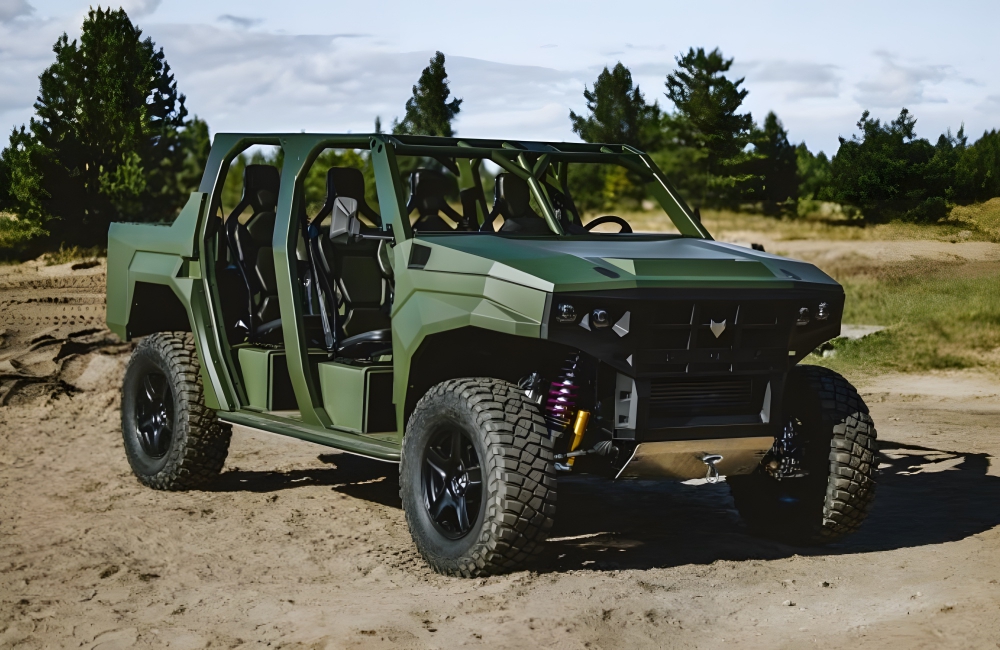
VR-1 FOX – Latvia @militaryleakcom/Pinterest
The VR-1 FOX is made by a partnership between the Vagi LLC and the Baltic Motorsports Promotion LLC, and these two companies have their work cut out for them. The Latvian military has 200 requirements that the VR-1 FOX must meet before they’ll place an order for these LMVs.
179. MERLIN 4×4 Light Tactical Vehicle – Switzerland
Primary Users: Switzerland Armed Forces
Program Cost: Unknown
Unit Cost: $300,000-$800,000*
This light tactical vehicle is called the MERLIN, and it is designed by GDELs, who based the MERLIN on the same principles as its EAGLE, which set a standard for its class. The MERLIN is durable and lightweight, performing multi-role, protective, and payload duties for its military users (so far, Switzerland is the main taker).
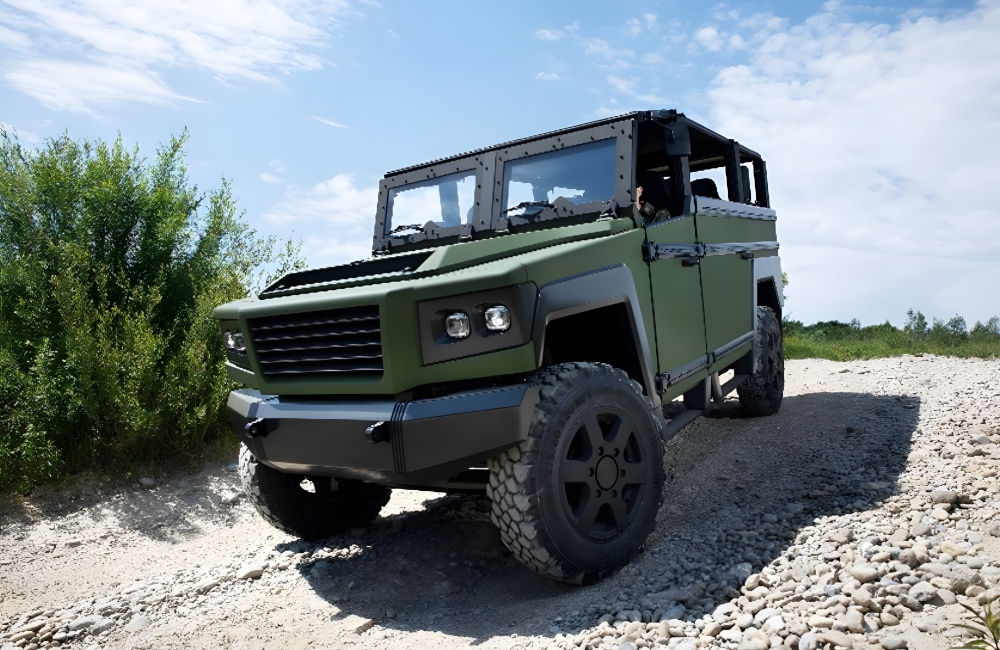
MERLIN 4×4 Light Tactical Vehicle – Switzerland @militaryleakcom/Pinterest
This 4 x 4 fits inside CH-53 and CH-47 transport helicopters, and it can seat up to ten soldiers. The driveline and suspension technology are two of GDELS’ selling points for this LMV, and the vehicle body design is versatile and flexible, allowing configuration into a variety of different variants. The MERLIN was just unveiled, and just two prototypes exist so far.
180. Saab JAS 39E Gripen – Brazil
Primary Users: Brazilian Air Force, Swedish Air Force, South African Air Force
Program Cost: $5.1 billion*
Unit Cost: $85 million*
The Saab JAS 39 Gripen has been a familiar site in many Air Forces since the late 1980s, and around 271 of these have been produced so far. The latest Gripen, the 39E, costs about $81 million a unit. This light, single-engine aircraft has multirole capabilities, and it is manufactured by Saab AB, a Swedish defense and aerospace company.
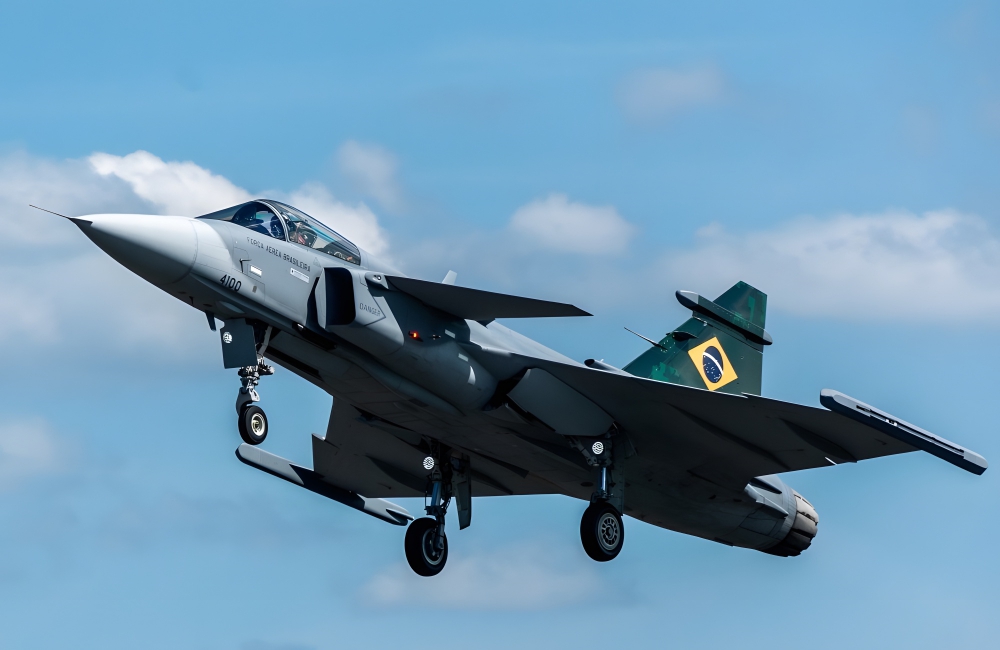
Saab JAS 39E Gripen – Brazil @Golf Oscar Romeo/Youtube
The Gripen was the first fighter plane in the world to carry the air-to-air Meteor missile, a BVR weapon that can track and strike targets from eighty miles away. The 39E is the latest iteration, and around sixty were initially ordered for 2023. Six have been produced so far, and they were delivered to the Brazilian and Swedish Air Forces in 2021.
181. Piranha MC – Switzerland
Primary Users: Swiss Armed Forces, Romanian Armed Forces
Program Cost: $1.02 billion in 2018, contract with Romania*
Unit Cost: $19.8 million*
Switzerland isn’t exactly known for its involvement in world conflicts, but that doesn’t mean that it doesn’t have some cool military vehicles on deck. The Mowag Piranha series of vehicles is designated by MOWAG Car Factory in Kreuzlingen, Switzerland. The Piranha has been produced since 1972, and its primary user is the Swiss Armed Forces.
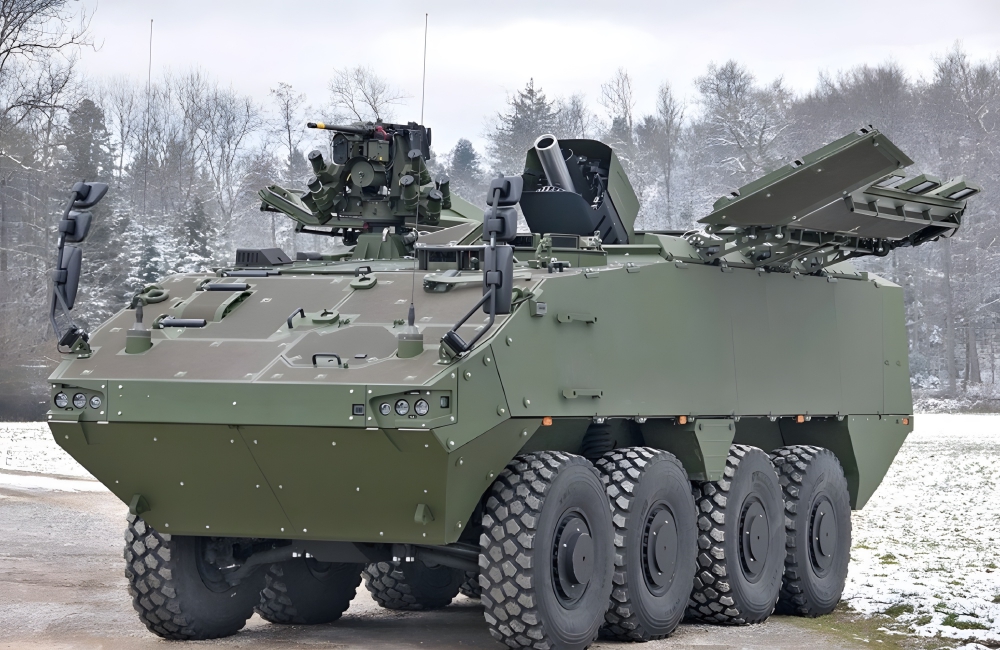
PIRANHA MC – Switzerland @FAM – Fuerzas Militares del Mundo/Facebook
The Piranha MC is part of a continuous evolution of this military vehicle to meet new demands. The Piranha can carry seven crew members and four others, and its main armament is a 1 x 12.7mm MG turret, anti-tank missile, grenade launcher, or Mephisto ATM.
182. Sukhoi Su-35S – China
Primary Users: People’s Liberation Army Air Force, Russian Air Force, Egyptian Air Force
Program Cost: $1 billion per twelve aircraft*
Unit Cost: $79-$116 million*
The Su-35 is the designation for two updated, high-tech versions of the Su-27 air defense fighter. The Su-35, made by Sukhoi, is mainly used by the People’s Liberation Army Air Force, the Russian Air Force, and the Egyptian Air Force. The single-seat, twin-engine aircraft is super-maneuverable, and around 147 have been built so far.
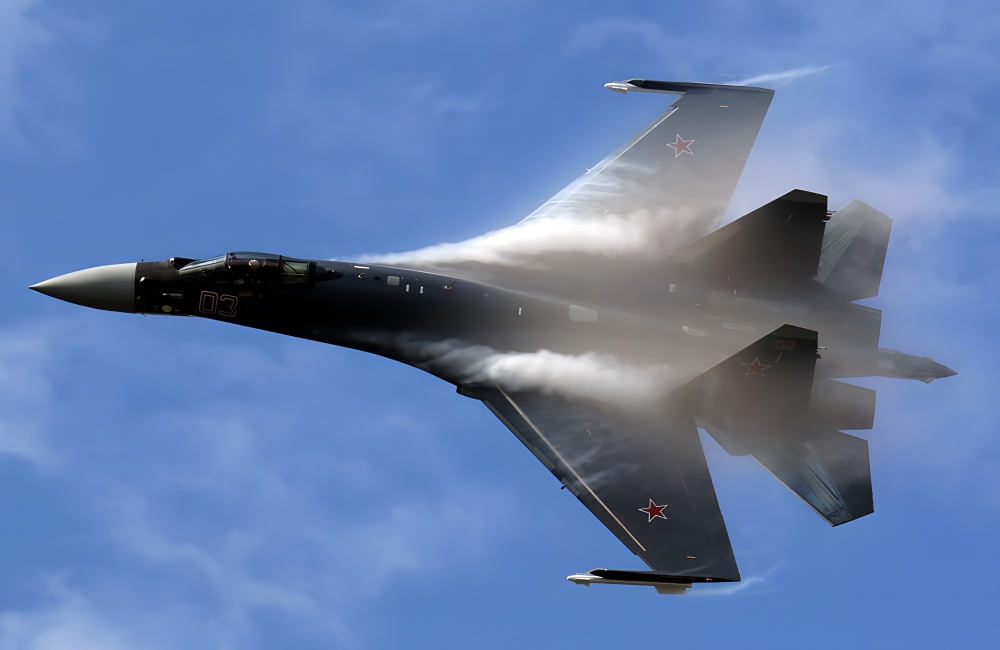
Sukhoi Su-35S – China @wardacrafts/Pinterest
When compared to the Su-27, the Su-35 has a redesigned weapons-control system, new cockpit, and thrust-vectoring engines instead of canards. The Su-35 was originally designed for export, until the Russian Air Force decided it wanted to be the first customer in 2009. China was the second. The 35S is a modified version of the Su-35, and it can detect targets from hundreds of miles away.
183. PANDUR 6×6 Evo – Switzerland
Primary Users: Swiss Armed Forces, Austrian Army
Program Cost: $105 million*
Unit Cost: $3.09 million*
The PANDUR 6×6 EVO is the newest vehicle from the PANDUR factories. This 6×6 has high survivability, protecting crew against mine, ballistic, IED, and fragmentation threats. The PANDUR EVO is made by General Dynamics European Land Systems, who acknowledged the EVO’s prime characteristics as its superior mobility, payload potential, and wide internal space.
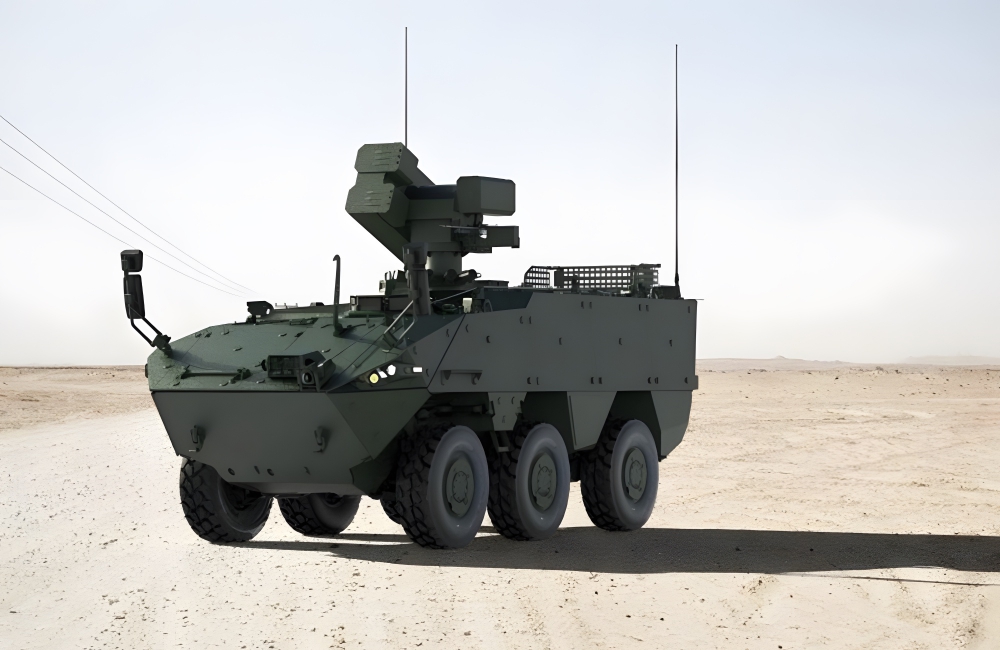
PANDUR 6×6 Evo – Switzerland @militaryleakcom/Pinterest
The EVO fits into a C-130 aircraft, and it can accommodate as many as eleven soldiers. The EVO is powered by a diesel engine that has been proven, by GDELS, to hold up in battle and on missions. The EVO debuted in June of 2022, and it is already getting orders from Austria and Switzerland. No doubt, other countries will follow suit.
184. Boeing F-15EX Eagle II – USA
rimary Users: U.S. Air Force
Program Cost: $1.6 billion for twelve aircraft*
Unit Cost: $117 million*
The flyaway cost of the Boeing F-15EX Eagle II is around $117 million, making this plane around $31.2 million more expensive than the F-35A stealth fighter. Boeing announced the F-15EX as a replacement for the F-15C, and the F-15EX has top speed and a best-in-class payload.
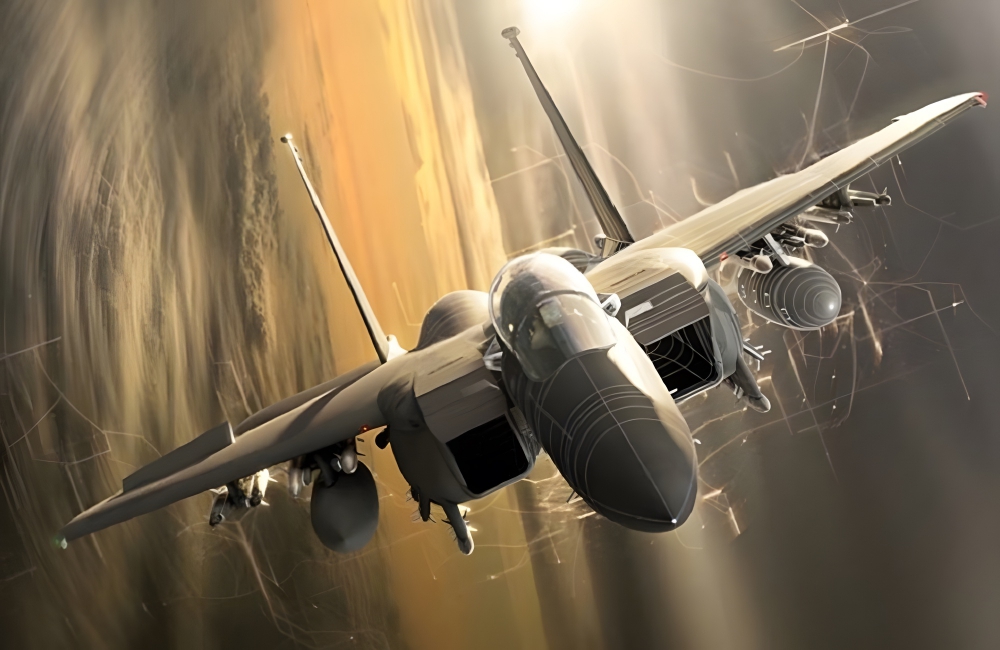
Boeing F-15EX Eagle II – USA @dailymail/Pinterest
There are many advantages to this vehicle, and it brings far more stealth to the battlefield than its predecessors, who date back to the seventies. Additionally, the EX has a sizable weapon-carrying capacity, and it can carry the Stormbreaker, a bomb that is precision-guided, all-weather, long-range, and as cutting-edge as you can get, in terms of weapons tech.
185. ASCOD – Switzerland
Primary Users: Austrian Armed Forces, Swiss Armed Forces, Spanish Armed Forces
Program Cost: $1.3 billion*
Unit Cost: $1.46 million*
Spain, Austria, and Switzerland are the primary users of the ASCOD, an acronym that stands for the Austrian Spanish Cooperation Development. This armored fighting vehicle came about between a partnership featuring the Spanish General Dynamics Santa Barbara Sistemas and the Steyr-Daimler-Puch AG.
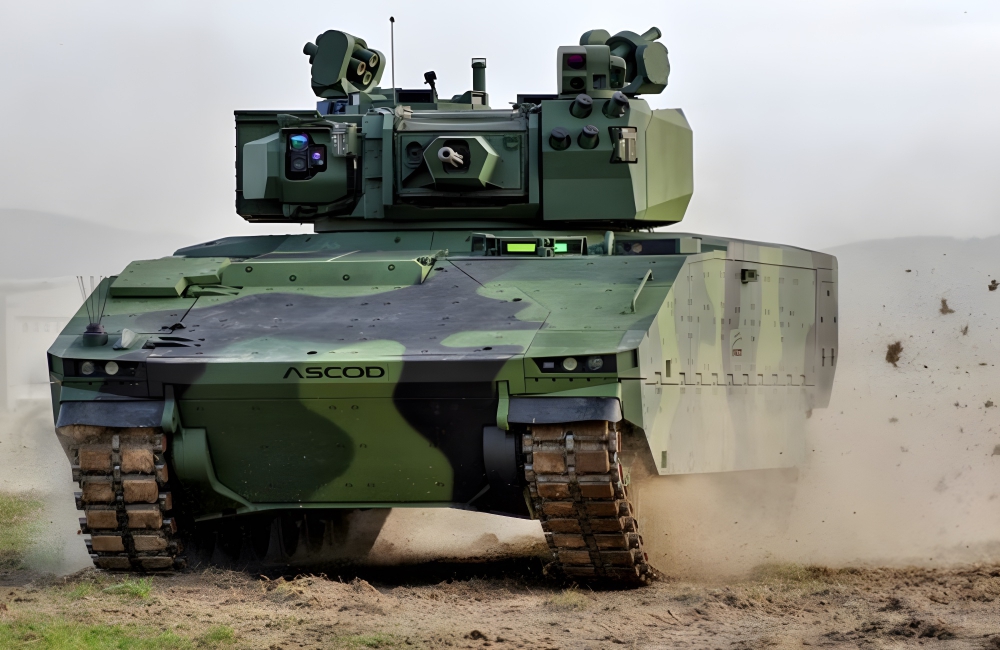
ASCOD – Switzerland @Celia Corujo Martín/LinkedIn
The ASCOD is a family, and that military vehicle family includes, among other vehicles, the LT105, a SAM launcher, mortar carrier, R&R vehicle, anti-tank-missile launcher, C&C vehicle, ambulance, and more. The ASCOD is called “Pizarro” in Spain, while in Austria, it is called “Ulan.” Each unit costs around $1.46 million, and around 891 of these ASCOD vehicles have been produced so far.
186. Negeva Combat Vehicle – Israel
Primary Users: Israel Defense Forces Special Units
Program Cost: $28.23 million*
Unit Cost: $200,000-$400,000*
The Negeva Combat Vehicle Project was just introduced in the summer of 2022. Made by IAI (Israel Aerospace Industries), the Negeva will be used by the Israel Defense Forces Special Units. If all goes well, IAI will deliver “hundreds” of these vehicles to the Israeli government.
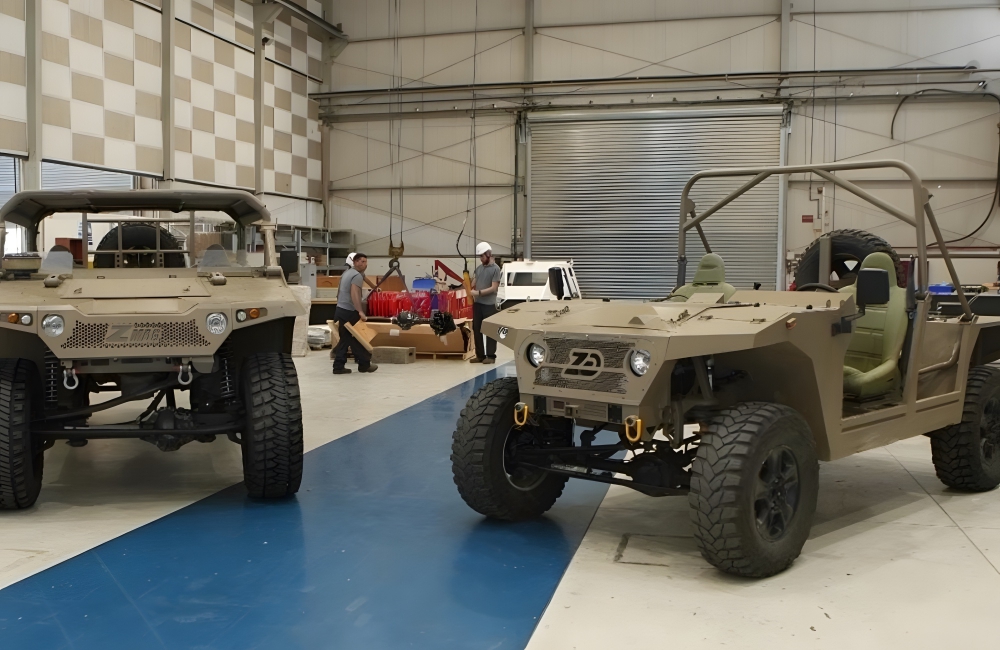
Negeva Combat Vehicle – Israel @carlosgon62/Pinterest
The contract, in total, is around $28.23 million, with each Negeva costing $200,000-$400,000. This new commando vehicle will have all-terrain capabilities, and it will be able to carry soldiers and equipment weighing 1.5 to 2.5 tons. The Negeva will use a lot of commercially-available parts, which will help cut costs while keeping the military vehicle effective.
187. T-80 Tanks – Ukraine
Primary Users: Ukrainian Armed Forces
Program Cost: $16.2 billion*
Unit Cost: $3 million*
Around 5,400 of these tanks have been built since the late 1980s, and each tank costs around $3 million to make. The T-80 is a battle tank that was manufactured in the former USSR (and, later, Russia). It is based on the T-64, all while still incorporating features from the T-72. The chief designer of this tank was Nikolay Popov, a Soviet engineer.
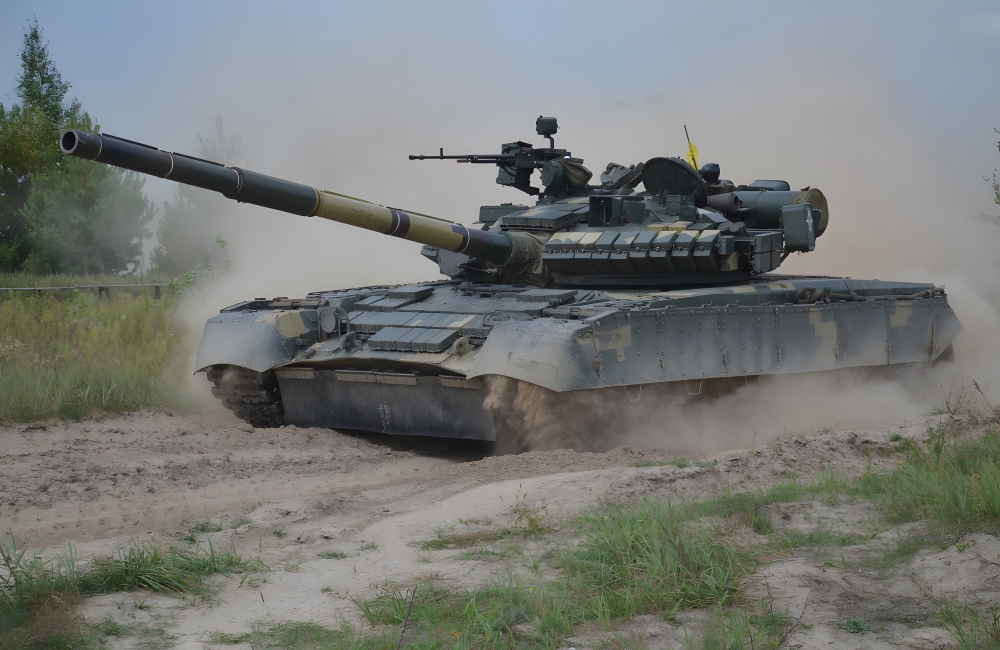
T-80 Tanks – Ukraine ©Міністерство оборони України/Wikimedia
The T-80, when compared to the T-72, is faster and more heavily-armored. It is powered by a gas turbine engine that gets over 40MPH as a top speed. The T-80 can also carry a Kobra missile system, and it can fire an antitank missile through its 125mm smoothbore gun.
188. USS Zumwalt – USA
Primary Users: U.S. Navy
Program Cost: $26.4 billion*
Unit Cost: $26.4 billion*
The U.S.S. Zumwalt cost $22.4 billion in R&D, along with another $4 billion to produce. The 600-foot warship has a firing range of more than 100 nautical miles, and it can hold a crew of 150 people. The Zumwalt is one of three ships in its class, and this newest guided missile destroyer was commissioned in October of 2016.
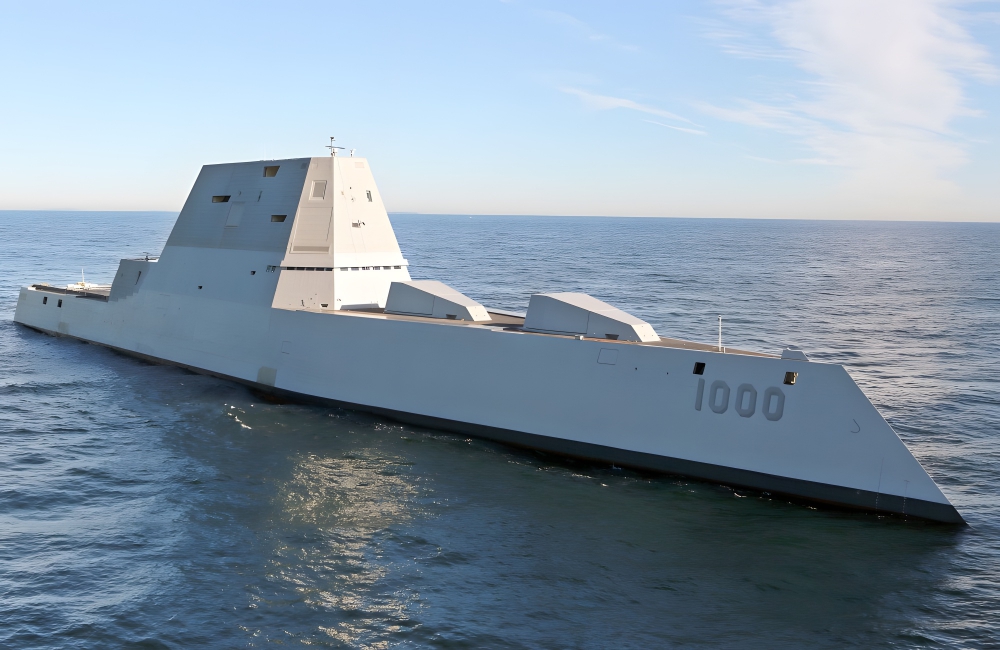
USS Zumwalt – USA ©U.S. Navy photo courtesy of General Dynamics Bath Iron Works/Wikimedia
The Zumwalt has a lot of stealth capabilities, and it has a radar cross-section akin to that of a fishing boat, despite being a massive ship. The Zumwalt, named after a U.S. Admiral, was built by Bath Iron Works. It is, so far, the most advanced surface warship in the entire U.S. Navy.
189. Shahid Soleimani-Class Catamaran Corvette – Iran
Primary Users: Islamic Revolutionary Guard Corps. Navy (Iran)
Program Cost: Unknown
Unit Cost: Unknown
In September of 2022, the Iranian Navy officially accepted the Shahid Suleimani-class vessel, and, as a result, it is currently under construction. The Islamic Revolutionary Guard Corps. The Navy will take delivery of this vessel within a few years. The Shahid has been described as looking like a pond skater, thanks to its superstructure.
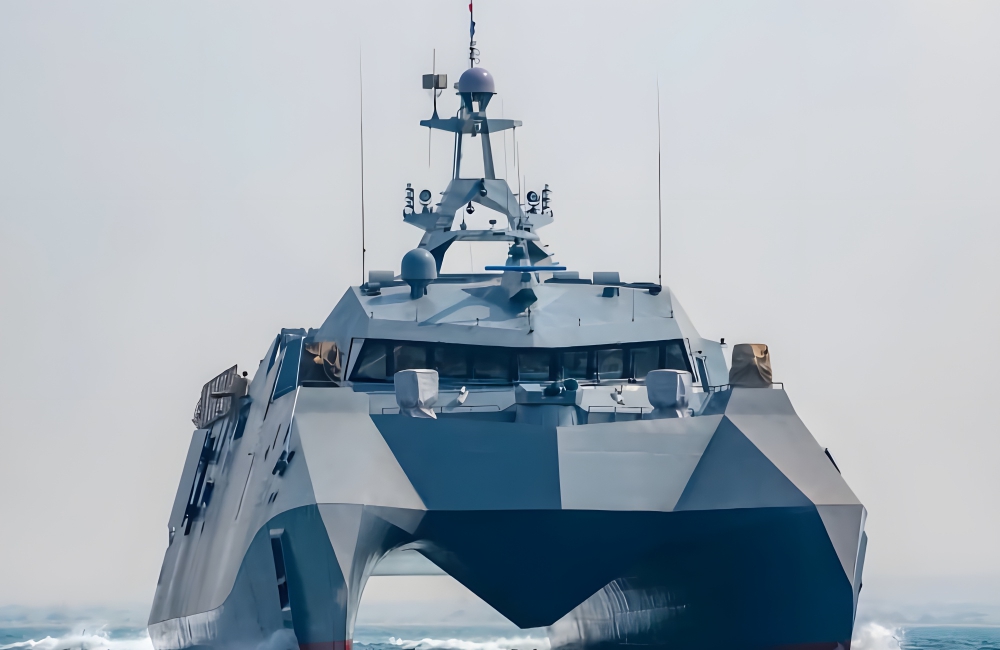
Shahid Soleimani-class catamaran corvette – Iran @TehranTimes79/Twitter
The design allows small speedboats to move underneath the boat, and the Shahid is more stable in harsh seas, thanks to the design’s low heave, roll, and pitch motion. The 213’ boat has drawn comparisons to the Taiwanese Tuo Chiang and the Chinese Type 22 missile boat.
190. Sea Hunter Surface Drone – USA
Primary Users: U.S. Armed Forces
Program Cost: Unknown
Unit Cost: $20 million*
The Sea Hunter launched in 2016, and it is part of DARPA’s ACTUV (Anti-Submarine Warfare Continuous Trail Unmanned Vessel) program. The Sea Hunter is part of a line of experimental ships that include the Sea Slice, Jet, Fighter, and Shadow. The Sea Hunter is a Medium Displacement USV, and it is in the Class III USV category.
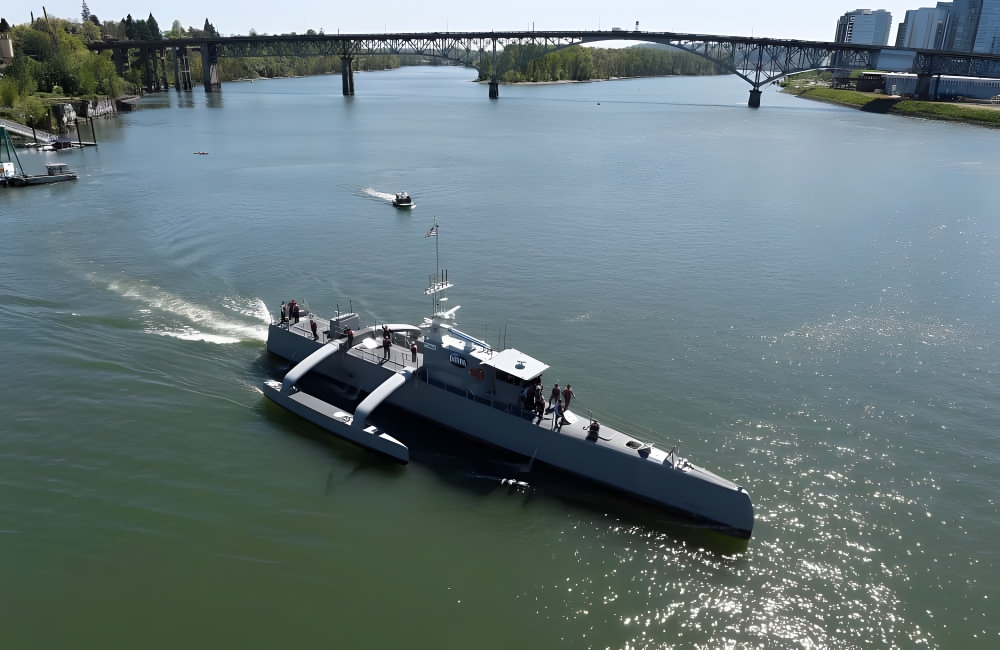
Sea Hunter Surface Drone – USA ©U.S. Navy/John F. Williams/Wikimedia Commons
Built by Vigor International, the Sea Hunter prototype cost around $20 million. It had the ability, while unmanned, to go from San Diego, CA to Guam to Pearl Harbor on just one tank of gas. This USV is also able to remain operational through waves as high as 6.5 feet and winds as fast as 24MPH. It is even survivable through seas as high as 20 feet.
191. Metal Shark Unmanned Surface Vessel – USA
Primary Users: U.S. Marine Corps
Program Cost: Unknown
Unit Cost: Unknown
In January of 2021, Metal Shark, a Louisiana shipbuilder, was selected to build a Long-Range Unmanned Surface Vessel for the U.S. Marine Corps. According to Metal Shark, its vehicle will usher in a new era of technology, all while increasing the United States’ “lethality.”
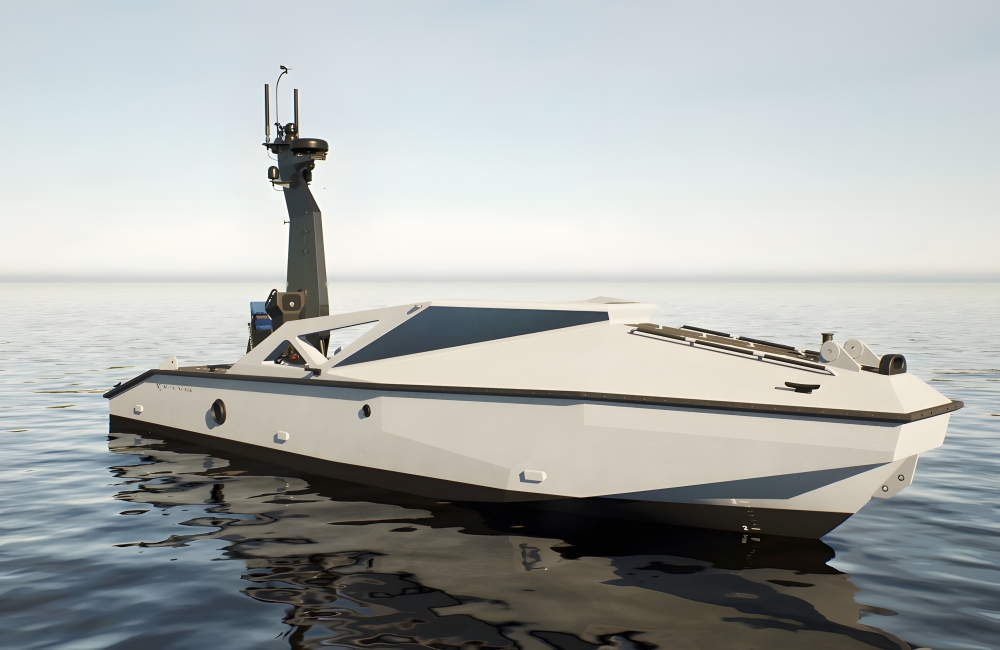
Metal Shark Unmanned Surface Vessel – USA @menshealthmag/Pinterest
The USV will have a tiered and scalable weapons system to accurately track and hit targets at long-range. Metal Shark is working with Spatial Integrated Systems (SIS), an autonomous tech developer, to provide the LRUSV system’s autonomous solution. Metal Shark CEO said that this new vehicle will represent a “significant milestone” in the field of defense and autonomous technology.
192. Boeing T-7 Red Hawk – USA
Primary Users: U.S. Air Force, Swedish Air Force
Program Cost: $9.2 billion*
Unit Cost: $19.3 million*
The Boeing T-7 Red Hawk is a high-tech, advanced jet trainer that came about through a partnership between America and Sweden. Formerly known as the Boeing T-X, the Boeing T-7 Red Hawk was selected by the U.S. Air Force in 2018 as the winner of its T-X bid to replace the aging T-38 Talon (made by Northrop Grumman).
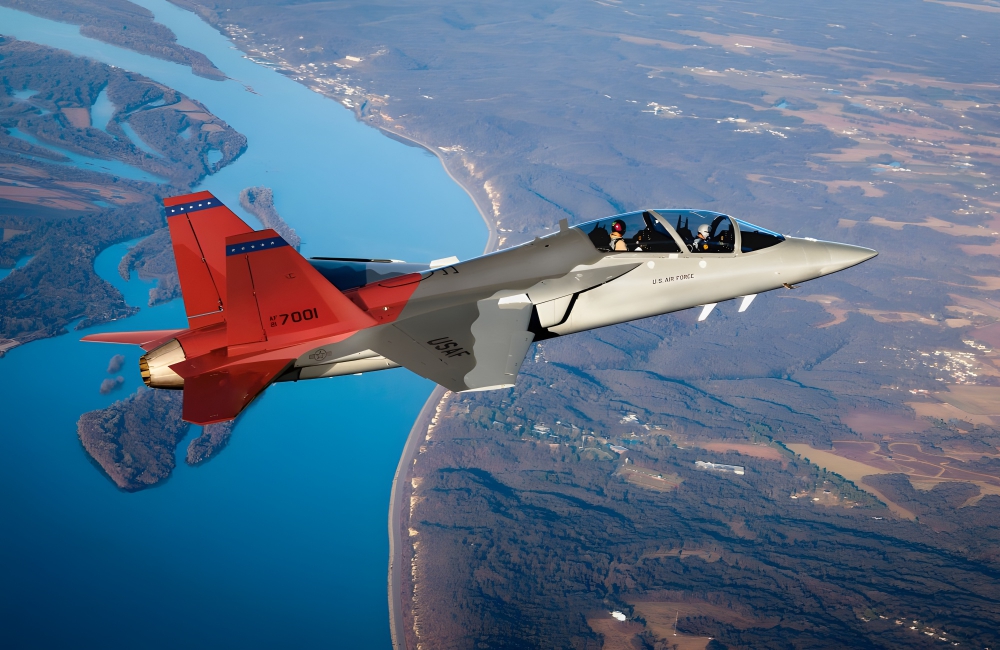
Boeing T-7 Red Hawk – USA @flyingmagazine/Pinterest
The Red Hawk was first unveiled in the spring of 2022, and it is being tested in St. Louis, Missouri, the same location in which it was assembled. The Red Hawk’s program is priced at around $9.2 billion, and Boeing plans to sell about 2,700 of these supersonic planes around the world. Each Red Hawk can hit a speed of 808MPH.
193. PAC JF-17 Thunder Block 3 – China
Primary Users: Chinese Air Force, Pakistani Air Force
Program Cost: $500 million per year*
Unit Cost: $25 million*
The PAC JF-17 Thunder Block is made by Chengdu Aircraft Industries, and it joined the Pakistan Air Force in the summer of 2022. The Thunder Block is a combat aircraft with multi role capabilities, and it has a range of around 2,163 miles. This aircraft is extremely fast, and it is able to hit a top speed of 1,187 miles per hour.
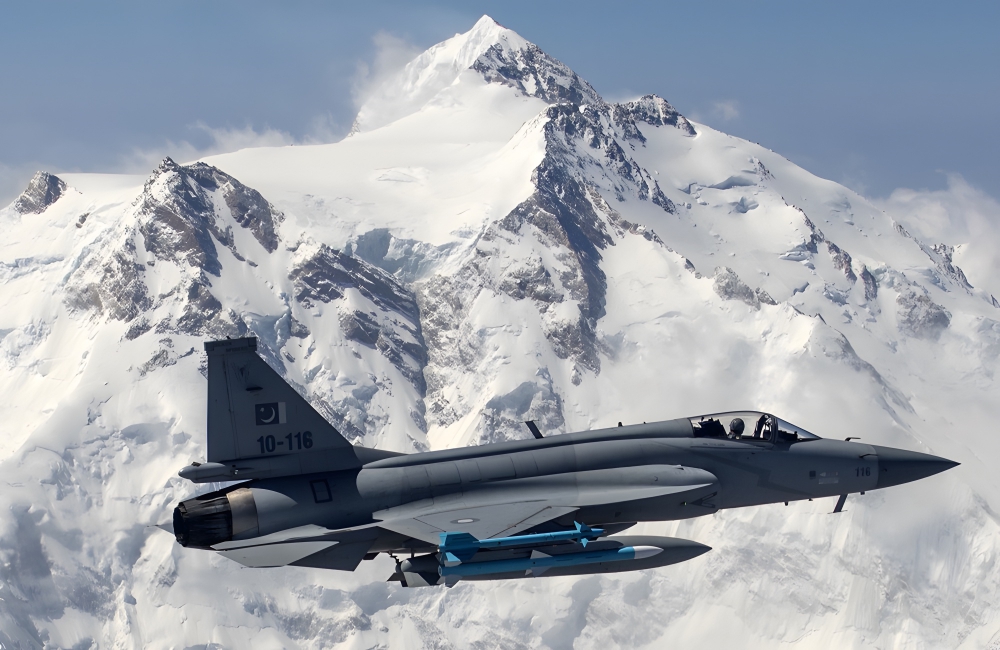
PAC JF-17 Thunder Block 3 – China @rocidf0107/Pinterest
The Thunder Block, the latest iteration in the JF-17 family, costs about $25 million a unit, which is far cheaper than you might find from companies like Lockheed Martin. Chengdu and its partner, Pakistan Aeronautical Complex, have the ability to produce twenty of these planes a year.
194. DURO-e 4×4 – Switzerland
Primary Users: Swiss Army
Program Cost: Unknown
Unit Cost: Unknown
Even military vehicles are not immune from the push to go green, and GDELS unveiled its DURO-e 4×4 at EUROSATORY 2022. This 4×4 demonstrates all-new technologies that customers will likely demand in the near future. GDELS designed the DURO-e in partnership with MAGNA and Phi-Power.
DURO-e 4×4 – Switzerland @militaryleakcom/Pinterest
The all-terrain vehicle has technologies like electrification, hybridization, MUM-T drive technologies, autonomous and automated features, and more. The DURO itself has been around for years, and it is the Swiss Army’s workhorse. Even in the harshest terrain, the DURO can drive reliability and safely and, now, electrically. So far, costs for this EV have yet to be revealed.
195. Aero L-39 Albatros – Czech
Primary Users: Czech Air Force & More
Program Cost: $580-$870 million in total*
Unit Cost: $200,000-$300,000*
This high-performance jet trainer is designed and produced by Aero Vodochody in Czechoslovakia. The Aero L-39 Albatros is the most-used jet trainer in the world, but it has done far more than just perform basic, moderate, and advanced pilot training. The Albatros has also flown combat missions, serving in a light attack role.
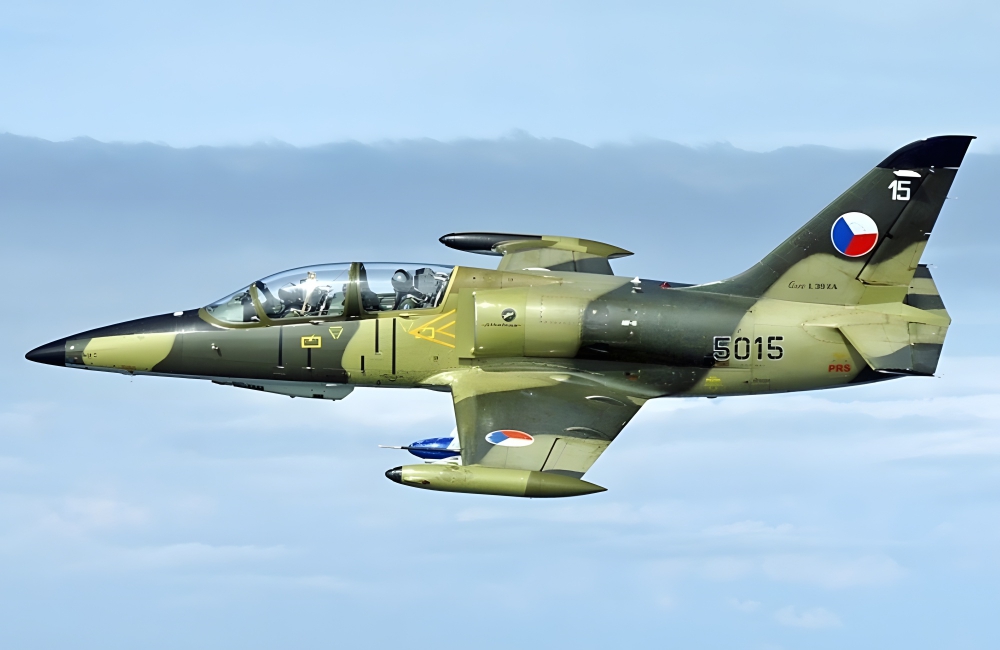
Aero L-39 Albatros – Czech ©Milan Nykodym/Wikimedia
The Albatros is low-wing, all-metal, and powered by a turbofan, and it costs around $200,000 to $300,000 per unit. This fighter/trainer can hit a top speed of 466 miles per hour, and its range is 1,087 miles. Around 2,900 have been built so far, leading to a total cost of $580 million to $870 million.
196. Leopard 2A4/2A4M – Canada
Primary Users: Canadian Armed Forces
Program Cost: $139.3 million to modernize in 2020*
Unit Cost: $2.947 million*
The Leopard 2A4/2A4M is the new and improved, upgraded version of the Canadian Leopard 2A4 tank. In the mid-2000s, Canada realized how important tanks were when it was part of an armed conflict overseas. The country knew it needed a better protected tank that could defend against IEDs and landmines.
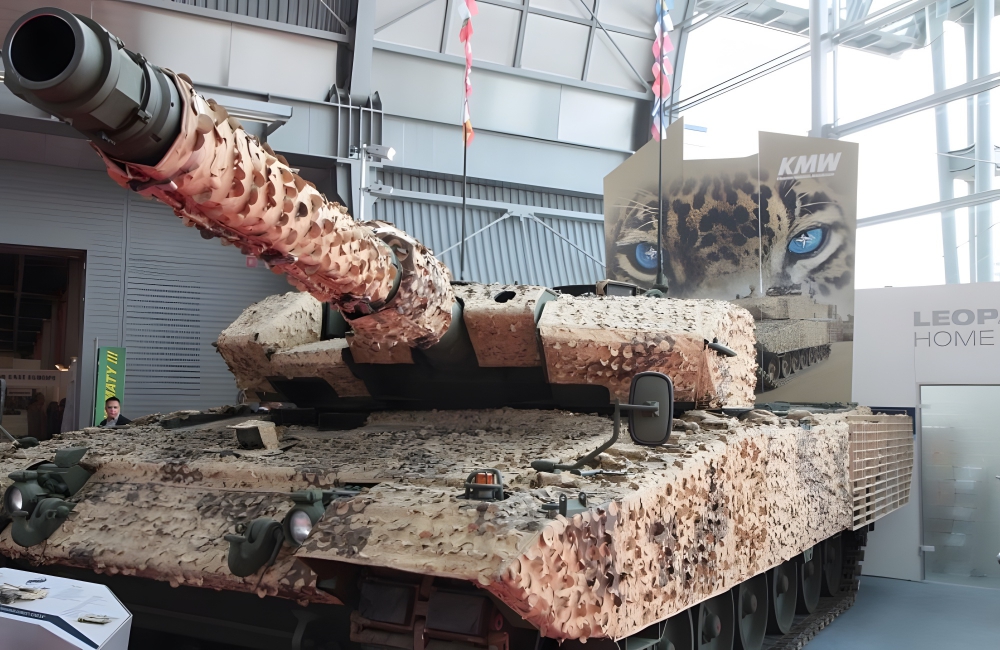
Leopard 2A4/2A4M – Canada ©Ministerstwo Obrony Narodowej/Wikimedia
So, Leopard renovated its tank fleet, and it still is improving on its tanks to this day. The Leopard 2A4/2A4M has improved overall protection that makes it far less vulnerable to ambushes. The 2A4M has add-on composite armor, which adds an extra layer of protection against IEDs.
197. URO VAMTAC – Spain
Primary Users: Spanish Armed Forces
Program Cost: $502.6 million*
Unit Cost: $251,291*
Over 2,000 of these 4WD vehicles have been delivered to the Spanish Armed Forces since UROVESA began building them. The Uro VAMTAC looks (and acts) a lot like the U.S. Armed Forces’ Humvee, and that is because the two have similar governmental requirements imposed upon them.
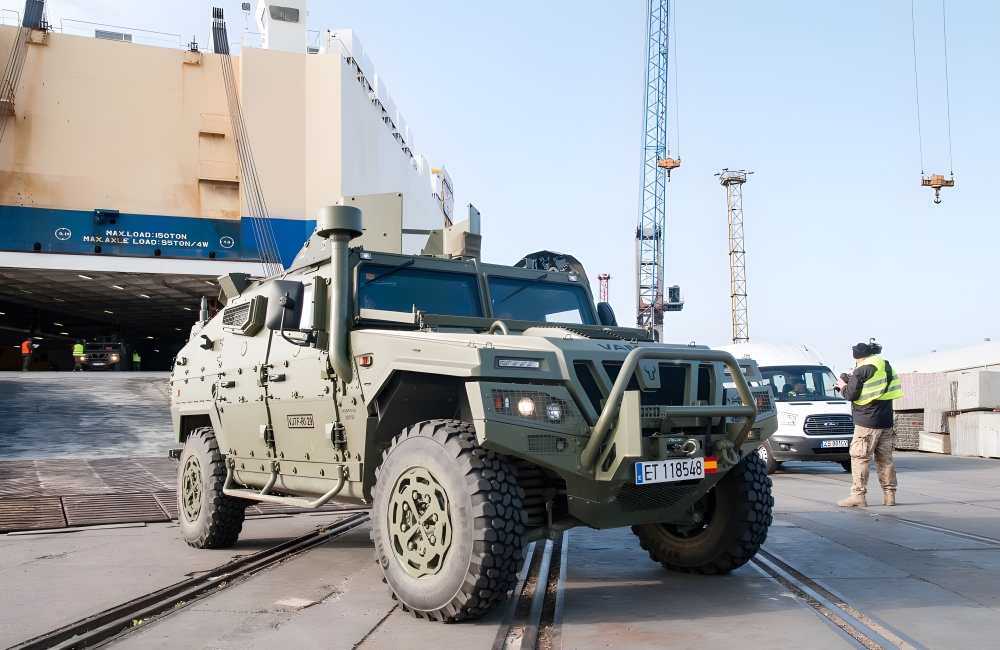
URO VAMTAC – Spain ©Multinational Corps Northeast/Wikimedia
The Uro VAMTAC has been in service since the late 1990s, and it has been dependable and reliable ever since. In 2022, Spain supplied Ukraine with twenty of these 4x4s to help them in their current military conflict. Each unit costs around $251,291, with a total program cost of $502.6 million.
198. Marder IFV – Germany
Primary Users: Bundeswehr
Program Cost: $3.535 billion, adjusted for inflation*
Unit Cost: $1.655 million, adjusted for inflation*
Designed by Rheinmetall Landsysteme, the Marder, an IFV, has been in use since 1971. Adjusting for inflation, each unit has a cost of $1.355 million, and the total program cost for the 2,136 built is well into the billions. The Marder was produced until 1975, and it was developed as part of the revamp and rebuild of German’s AFV industry.
Marder IFV – Germany ©synaxonag – ILÜ 2012/Wikimedia
The Marder is successful, and it has proven itself a solid, reliable military vehicle over the years. Its IFV design has gone on to become a standard for Germany, and the Marder’s unique features include a fully-remote machine gun, among others. Currently, this IFV is being replaced by the Puma after the Marder 2 program was scrapped in the nineties.
199. Dena Destroyer-Class Vessel – Iran
Primary Users: Iranian Navy
Program Cost: $8.7 billion for ten ships*
Unit Cost: $870 million*
The Dena is Iran’s newest destroyer, and it marks the first time that an Iranian-made engine has been used in a vehicle of its kind. The Dena debuted in 2022, and it is equipped with four anti-ship missiles, two surface-to-air missiles, a 40mm, 20mm, and 76mm cannon, and two shark torpedo launchers, among other weapons.
Dena destroyer-class vessel – Iran @navalpost/Pinterest
The Dena also has a fire control system that can intercept forty targets and conflict with five. The Iranian destroyer is a lot like the Iamaran, but the Dena has some significant differences, including a Bow Thruster System to increase the ship’s maneuverability capacity.
200. RQ-11B Raven – U.S.
Primary Users: U.S. Air Force Security Forces, Canadian Air Force
Program Cost: $821.7 million*
Unit Cost: $173,000 per system*
The RQ-11B Raven is a hand-launched, remote -control UAV that was developed for the U.S. military, though it has since been adapted for a lot of other militaries as well. Each unit costs around $173,000, and that system includes four UAVs, two GCS, and, of course, spare parts.
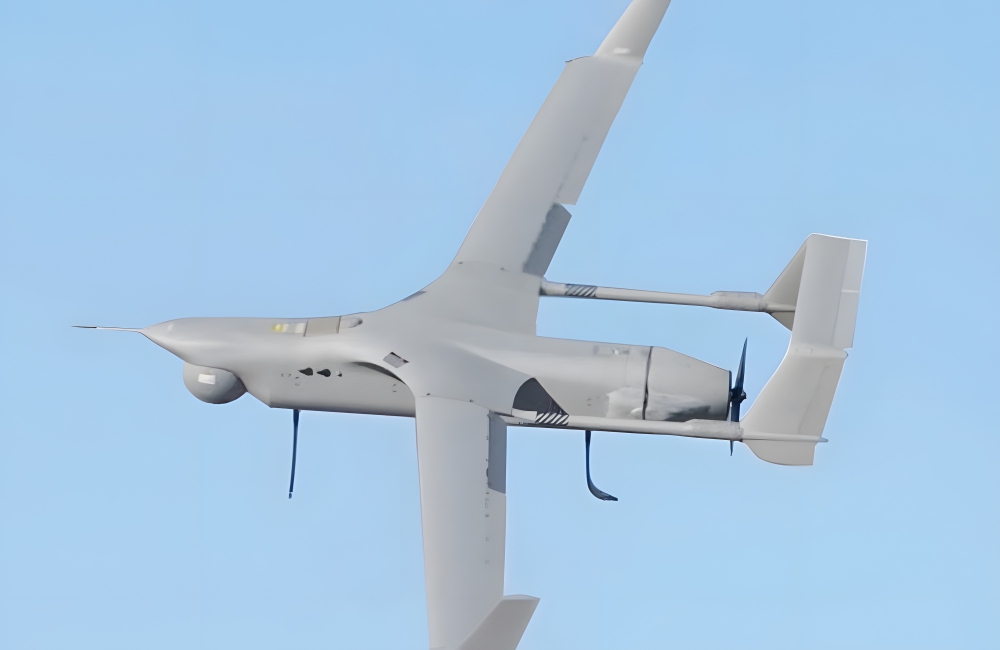
RQ-11B Raven – Canada ©Lance Cpl. Rhita Daniel/Wikimedia
The 4.2-pounds UAV had its first flight in 2001, and it is primarily used for real-time direct intelligence, reconnaissance, surveillance, and target information. The Air Force Security Forces are the Raven’s primary user, and the 11B is the latest version of this handy, man-packable UAS. In total, 19,000 Ravens have been built.
201. BAE Systems Type 26 Frigate (UK)
Manufacturer: BAE Systems
Primary Users: Royal Navy (UK), Royal Australian Navy (Australia), Royal Canadian Navy (Canada)
Program cost:: $10.5 billion*
Unit cost: $1.31 billion*
A pinnacle of modern naval technology, the Type 26 Frigate, known as the Global Combat Ship, is a highly versatile, multi-mission warship designed by BAE Systems. The ship offers an impressive variety of capabilities, ranging from high-intensity warfare to humanitarian assistance.
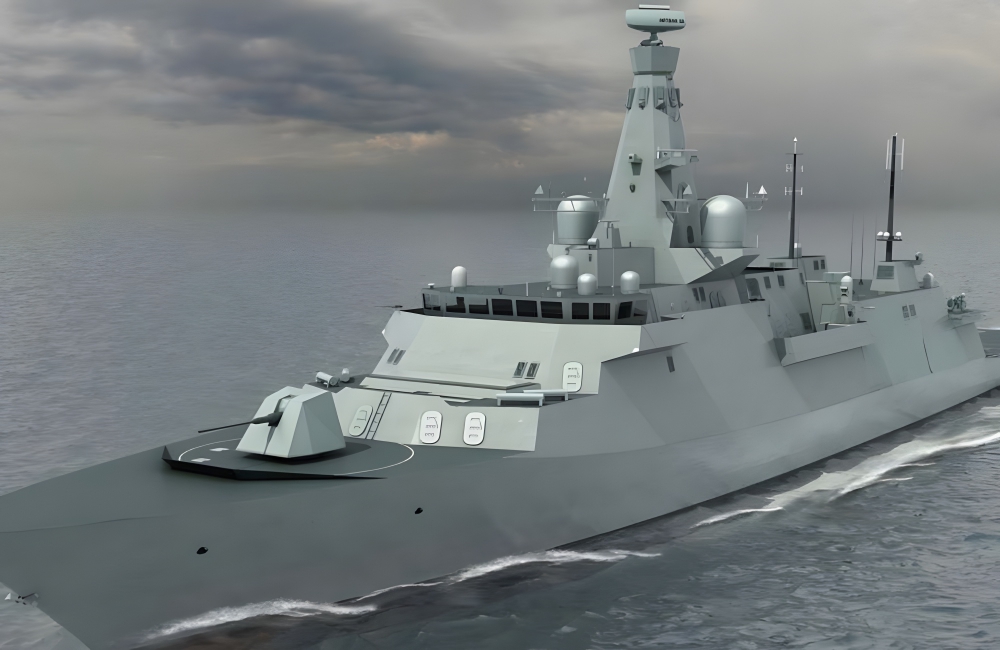
BAE Systems Type 26 Frigate (UK) @BAE Systems Maritime/commons.wikimedia.org
The Type 26 is outfitted with an advanced propulsion system, cutting-edge radar technology, and a wide range of weaponry, reflecting the UK’s commitment to maritime security. The ship’s modular design allows for it to be updated and upgraded as threats and missions evolve. It forms the backbone of the British Royal Navy’s future surface fleet.
202. VBMR Griffon (France)
Manufacturer: Nexter, Arquus, Thales Group
Primary Users: French Army
Program cost: $1.76 billion*
Unit cost: $1.18 million*
The VBMR Griffon is a multi-role armored vehicle manufactured by a consortium of French defense companies. Its capabilities and adaptability are its key strengths, offering a platform that can be configured for various mission types, including troop transport, command post, ambulance, and recovery.
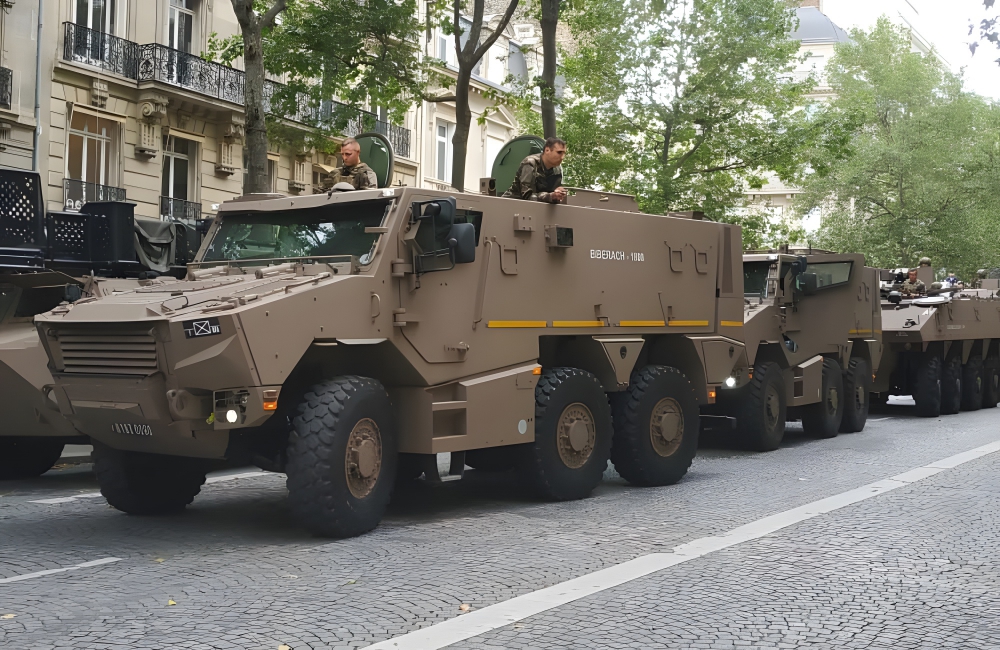
VBMR Griffon (France) @Nexter/commons.wikimedia.org
The vehicle boasts superior mobility, advanced digitized systems for command and control, and impressive protection against conventional and asymmetrical threats. It serves as a crucial component of the French Army’s SCORPION program, intended to upgrade the French Army’s capabilities in mechanized operations.
203. MQ-9 Reaper (USA)
Manufacturer: General Atomics Aeronautical Systems
Primary Users: United States Air Force, Royal Air Force (UK), Italian Air Force, French Air Force
Program cost: $11.8 billion*
Unit cost: $16.9 million*
The MQ-9 Reaper, developed by General Atomics, represents a major leap forward in unmanned aerial technology. This drone is designed primarily for offensive missions, capable of carrying a significant payload of precision weapons.
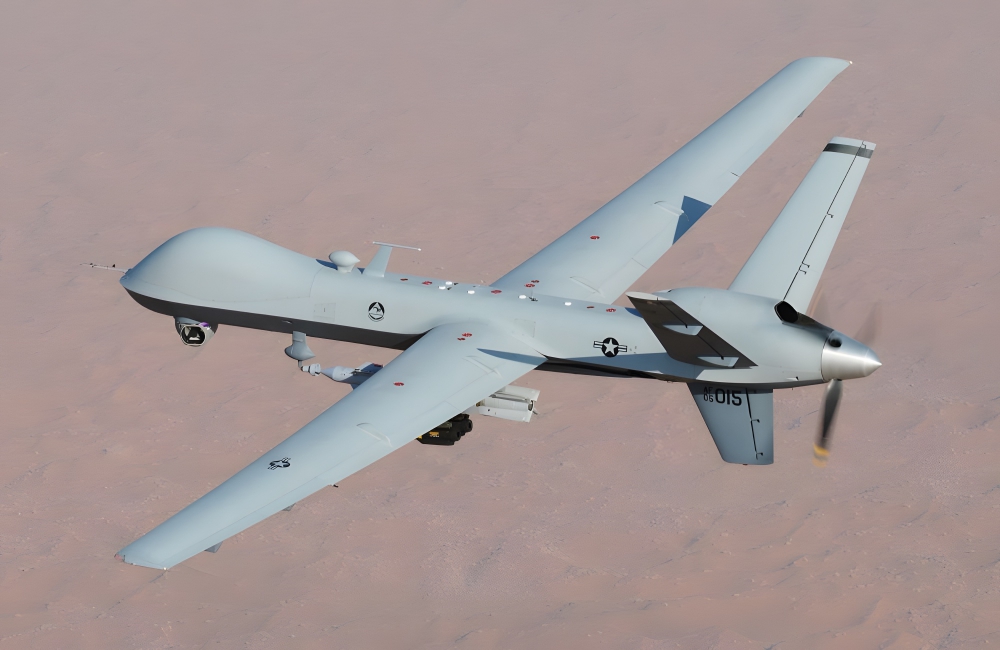
MQ-9 Reaper (USA) @General Atomics Aeronautical Systems/commons.wikimedia.org
Known for its endurance, the Reaper can loiter over targets for extended periods and strike with precision, making it a vital asset for surveillance and targeted strike missions. Its versatility and capability to operate in hostile environments make it an invaluable asset to the U.S. military and allied nations.
204. Spanish S-80-class Submarine (Spain)
Manufacturer: Navantia
Primary Users: Spanish Navy
Program cost: $2.58 billion*
Unit cost: $645 million*
The S-80-class is Spain’s entry into the exclusive club of submarine designers and builders. These submarines, constructed by Navantia, feature an air-independent propulsion system, allowing them to remain submerged for longer periods, and incorporate advanced stealth technologies, making them difficult to detect. T
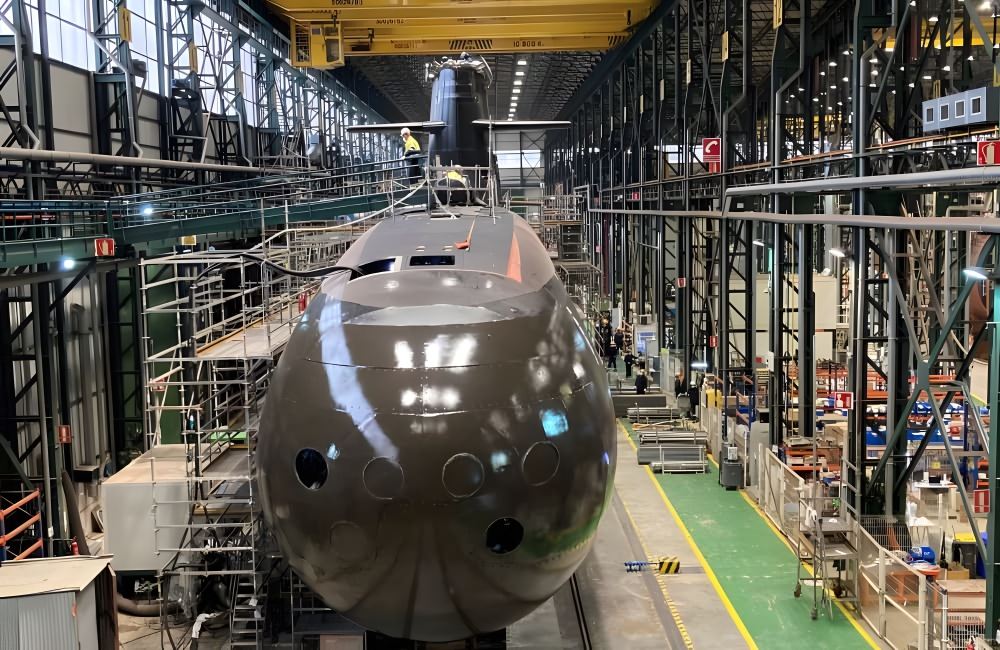
Spanish S-80-class Submarine (Spain) /defenceturkey.com
he S-80-class offers a platform for launching land-attack cruise missiles, torpedoes, and mines, providing Spain with an enhanced ability to project power beneath the waves.
205. HAL Light Combat Helicopter (India)
Manufacturer: Hindustan Aeronautical Limited
Primary Users: Indian Air Force, Indian Army
Program cost: Unknown
Unit cost: $20 million*
The HAL Light Combat Helicopter (LCH) is an impressive example of India’s strides in the defense sector. Built by Hindustan Aeronautics Limited, the LCH is a twin-engine, multirole combat helicopter designed for high-altitude warfare – a direct response to the challenging Himalayan environments India’s forces often operate in.
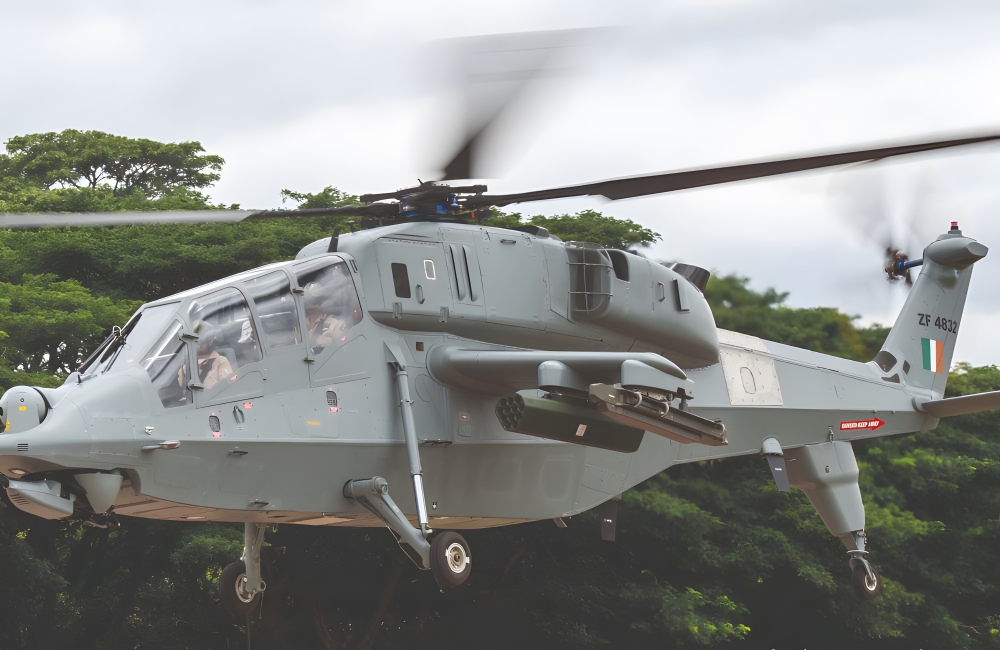
HAL Light Combat Helicopter (India) @Hindustan Aeronautics Limited/commons.wikimedia.org
The LCH’s prowess in anti-infantry and anti-armor operations, coupled with its commendable performance at high altitudes, make it a game-changer in India’s defense arsenal. Its advanced flight control system, integrated sensors, and weapons give it an edge in modern combat scenarios, enhancing India’s airpower capabilities significantly.
206. Eurocopter EC725 Caracal (France)
Manufacturer: Airbus Helicopters (previously Eurocopter)
Primary Users: French Air Force, Brazilian Air Force
Program cost: Unknown
Unit cost: $20.5 million*
The Eurocopter (now Airbus Helicopters) EC725 Caracal is a long-range tactical transport helicopter boasting exceptional capabilities for troop transport, search and rescue, and medical evacuation missions. Its advanced avionics, exceptional flight autonomy, and all-weather capability make the Caracal a reliable and versatile helicopter for military operations.
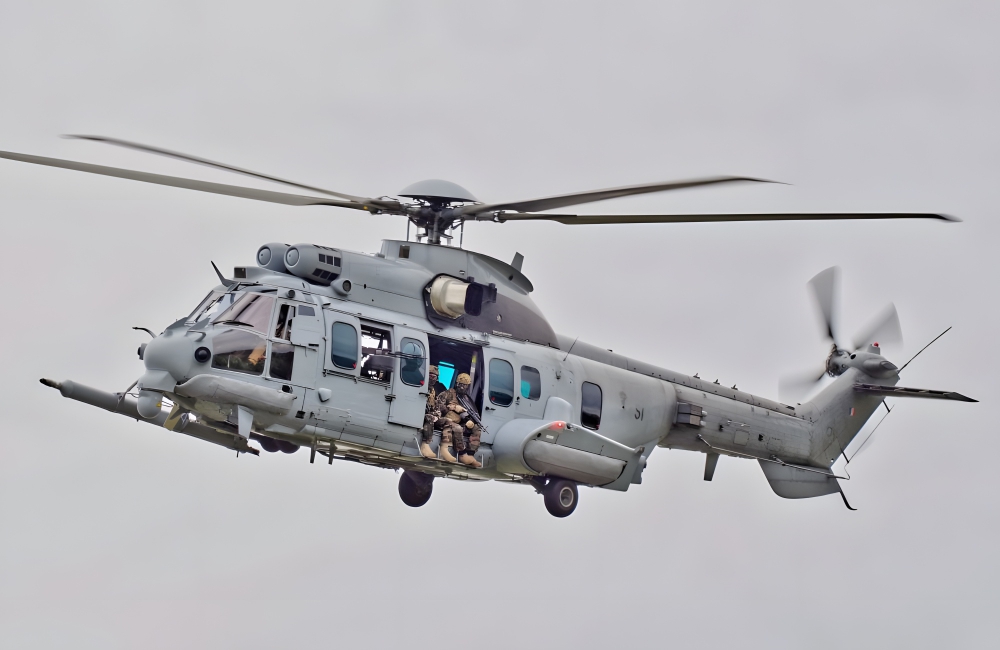
Eurocopter EC725 Caracal (France) @Eurocopter/commons.wikimedia.org
Known for its robustness and high performance in demanding environments such as the desert or high seas, the Caracal has been deployed in various theatres of operation worldwide, solidifying its reputation as a formidable asset in military aviation.
207. Alenia C-27J Spartan (Italy)
Manufacturer: Leonardo S.p.A. (formerly Alenia Aermacchi)
Primary Users: Italian Air Force, United States Coast Guard, Australian Air Force
Program cost: Unknown
Unit cost: $53 million*
The Alenia C-27J Spartan, built by Leonardo’s Aircraft Division, is a tactical transport aircraft known for its versatility, performance, and safety standards. With its ability to operate from unprepared runways and perform short take-offs and landings, the Spartan fills the gap between smaller utility aircraft and larger cargo planes.
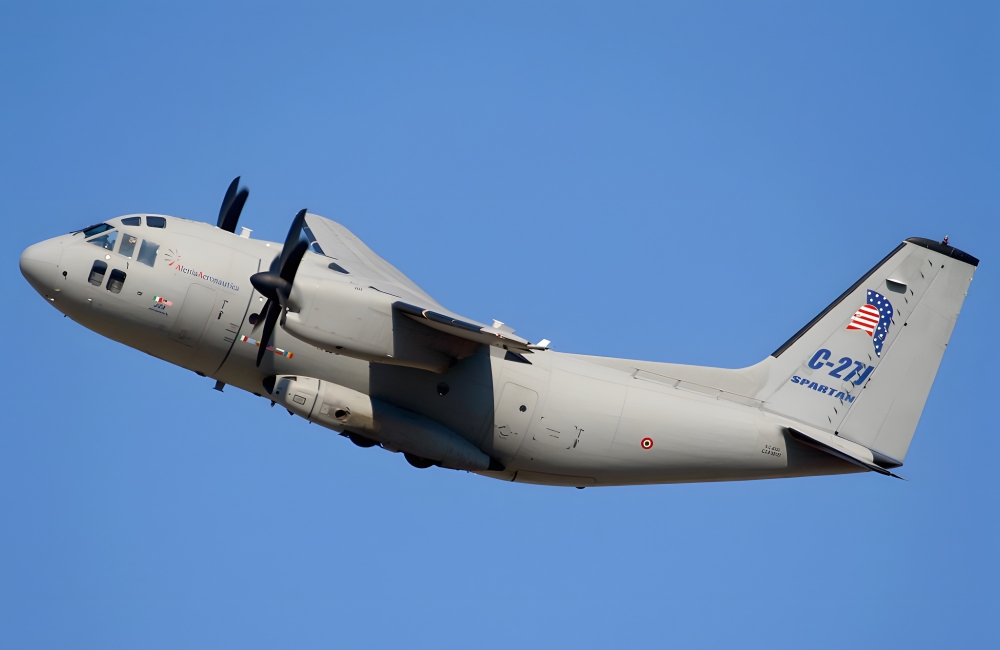
Alenia C-27J Spartan (Italy) @Alenia Aeronautica/commons.wikimedia.org
It can carry out a wide range of missions, including cargo transportation, medevac, paratrooper drop, and even firefighting, showcasing its multifaceted role in military operations. Its high power-to-weight ratio, advanced avionics, and robust design make the Spartan an integral part of many air forces around the world.
208. KAI KF-21 Boramae (South Korea)
Manufacturer: Korea Aerospace Industries
Primary Users: Republic of Korea Air Force
Program cost: $7.9 billion*
Unit cost: $65 million*
The KAI KF-21 Boramae, also known as the KF-X, is a testament to South Korea’s growing prowess in aviation technology. Developed by Korea Aerospace Industries, the KF-21 is a 4.5 generation multirole fighter jet designed to replace the country’s aging fleet of fighter aircraft.
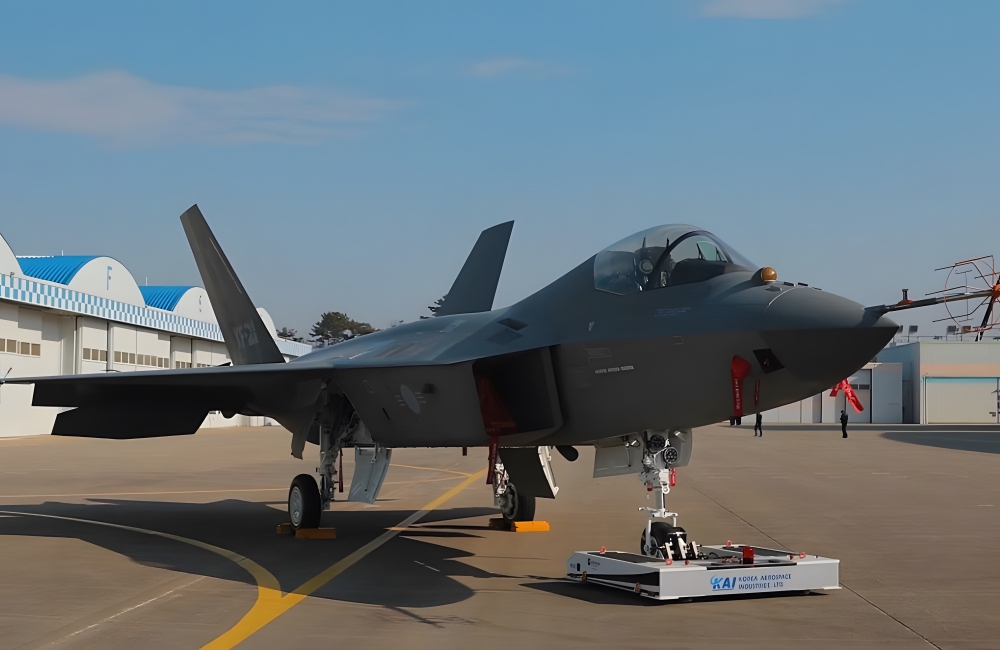
KAI KF-21 Boramae (South Korea) @Korea Aerospace Industries/commons.wikimedia.org
With stealth features, advanced radar systems, and the capability to carry a range of missiles and munitions, the KF-21 promises to significantly bolster South Korea’s defense capabilities. This fighter jet represents South Korea’s self-reliant approach to its defense needs, reducing dependency on foreign technology and paving the way for further advancements in aerospace technology.
209. Embraer EMB 314 Super Tucano (Brazil)
Manufacturer: Embraer
Primary Users: Brazilian Air Force, United States Air Force, Colombian Air Force
Program cost: Unknown
Unit cost: $9 million*
The Embraer EMB 314 Super Tucano is a testament to Brazil’s capacity to produce high-quality military aircraft. This robust, versatile light attack aircraft is designed for counter-insurgency, close air support, and aerial reconnaissance missions in low-threat environments.
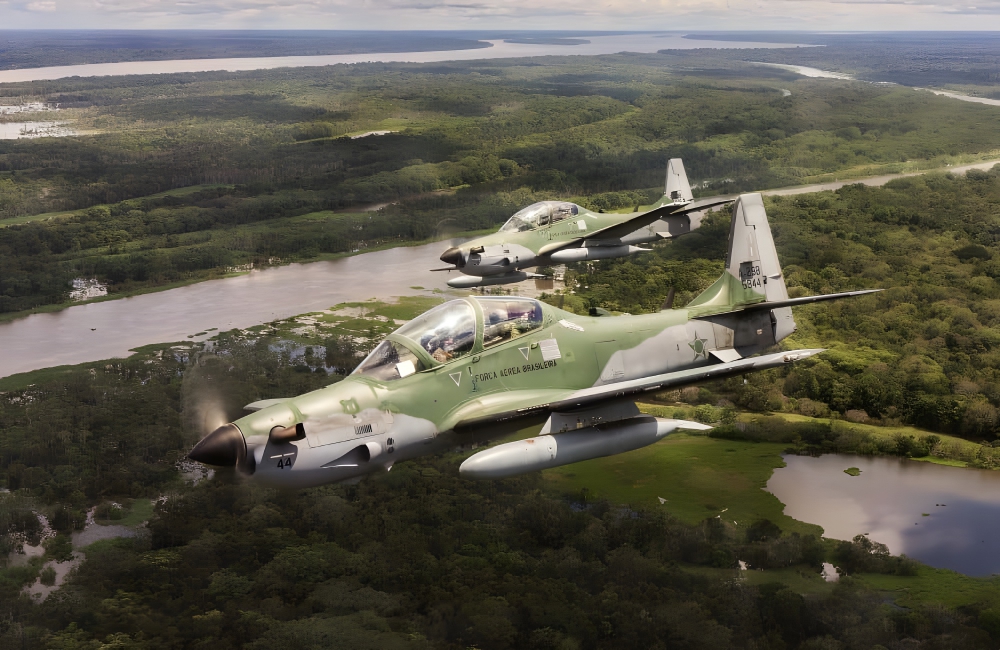
Embraer EMB 314 Super Tucano @Embraer Defense and Security/commons.wikimedia.org
Its low operational cost, advanced navigation and weapon systems, and capacity for operating in rugged conditions and unimproved runways make it a prized asset in numerous air forces worldwide. The Super Tucano offers a blend of high-tech capabilities with rugged reliability, making it a favored choice for light attack duties.
210. German F125-class Frigate (Germany)
Manufacturer: ThyssenKrupp and Lürssen
Primary Users: German Navy
Program cost: $3.1 billion*
Unit cost: $780 million*
The F125-class Frigate, also known as the Baden-Württemberg-class frigate, is a masterpiece of German naval engineering. Designed and built by ThyssenKrupp and Lürssen, this class of frigates is notable for its state-of-the-art design focusing on Intensive Use capabilities. This allows the frigate to remain in theater for up to two years without returning to a homeport, unlike traditional frigates.
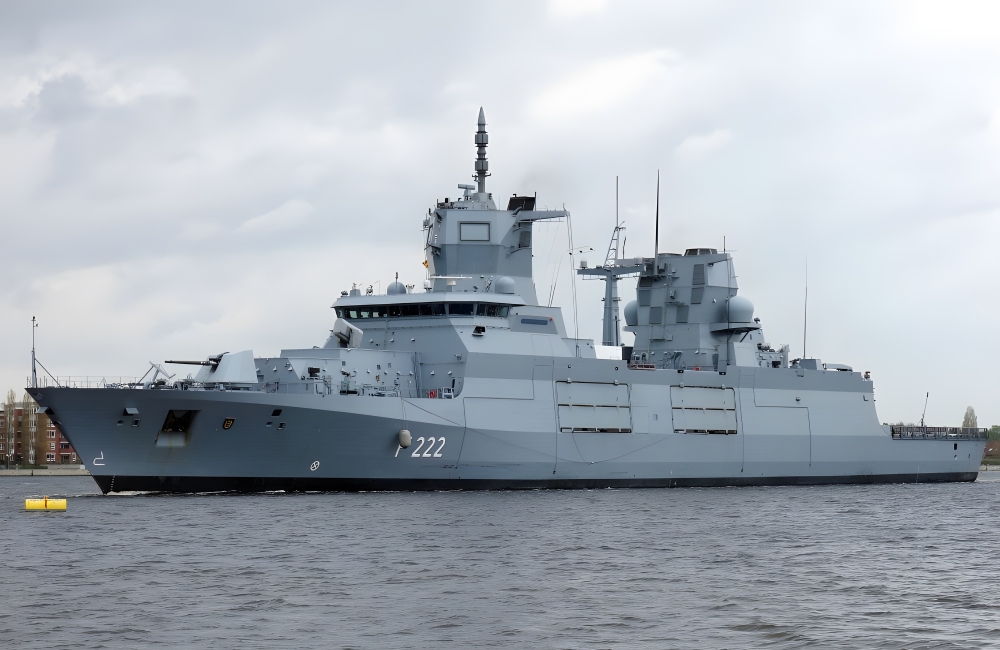
German F125-class Frigate (Germany) @Sachsen class, Bremen class/commons.wikimedia.org
The F125-class boasts advanced weapon systems, comprehensive surveillance capabilities, and an enhanced command and control system. Its multi-crew concept, allowing crew rotation while deployed, marks a shift in modern naval concepts and strategy.
211. Merkava IV Battle Tank (Israel)
Manufacturer: Israel Military Industries, now Israel Weapon Industries
Primary Users: Israel Defense Forces
Program cost: Unknown
Unit cost: $6 million*
The Merkava IV, built by Israel’s MANTAK, is one of the best-protected tanks in the world. Designed with the lessons from previous Arab-Israeli conflicts in mind, the tank prioritizes crew survival. The engine is placed in the front to provide an additional layer of protection for the crew, and the tank boasts modular armor that can be replaced quickly in the field.
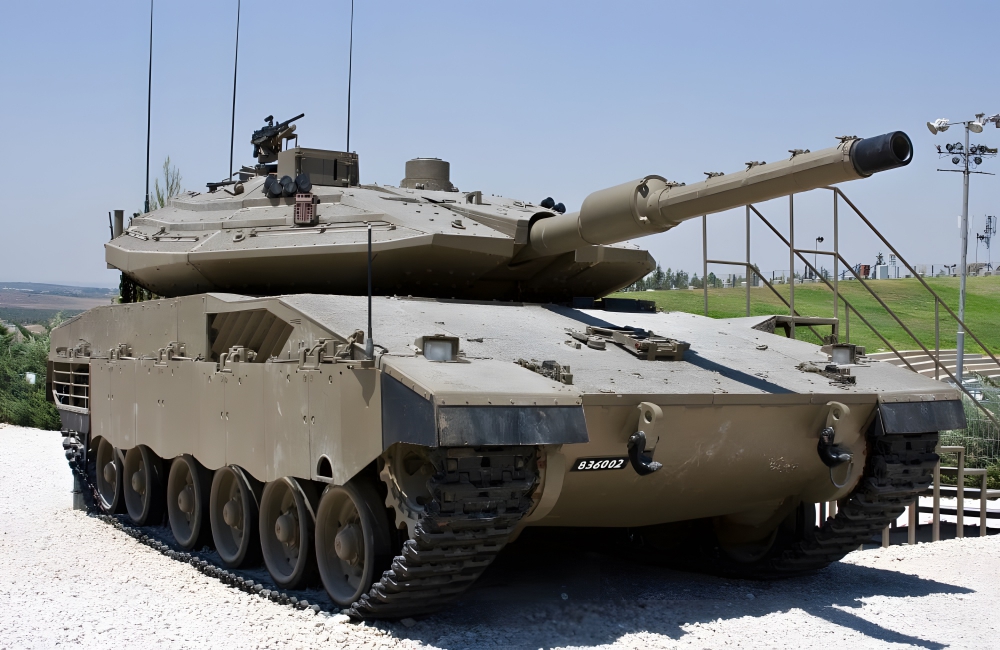
Merkava IV Battle Tank (Israel) ©Panzermeister/Alamy
It has advanced fire control systems and the ability to fire a variety of ammunition types, providing it with formidable firepower. The Merkava IV’s design reflects Israel’s unique strategic needs and its experience with armoured warfare.
212. JASDF F-2 Multirole Fighter (Japan)
Manufacturer: Mitsubishi Heavy Industries and Lockheed Martin
Primary Users: Japan Air Self-Defense Force
Program cost: $15.3 billion*
Unit cost: $110 million*
The Mitsubishi F-2, known as the “Viper Zero,” is a multirole fighter jointly developed by Mitsubishi Heavy Industries and Lockheed Martin. The F-2 is a testament to Japan’s advanced aerospace industry. Equipped with an active electronically scanned array (AESA) radar and advanced avionics, the F-2 is capable of air superiority and maritime strike roles.
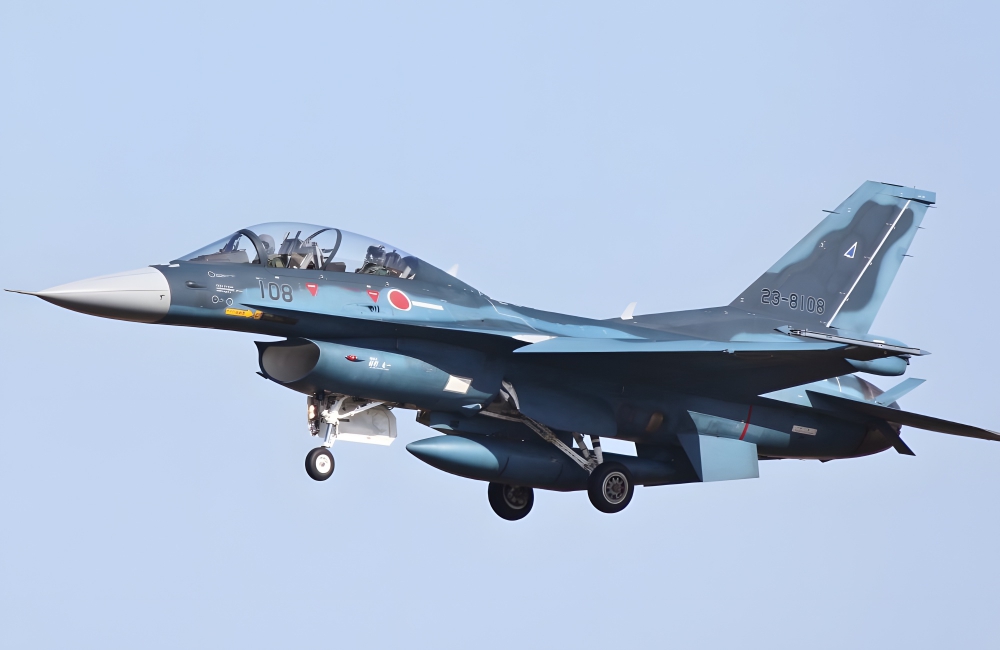
JASDF F-2 Multirole Fighter (Japan) @Mitsubishi Heavy Industries/commons.wikimedia.org
The aircraft’s design was heavily influenced by the F-16 Fighting Falcon but includes enhancements allowing better performance in the maritime environment surrounding Japan. The F-2 represents Japan’s commitment to maintaining its air defense capabilities in an increasingly tense regional security situation.
213. Nexter Caesar Self-Propelled Howitzer (France)
Manufacturer: Nexter
Primary Users: French Army, Royal Danish Army
Program cost: Unknown
Unit cost: $5.5 million*
The CAESAR (Camion Équipé d’un Système d’Artillerie) is a self-propelled gun-howitzer of French origin, featuring a 155 mm/52-caliber configuration, and mounted on a 6X6 truck chassis. Developed and produced by Nexter Systems, this artillery system provides exceptional mobility and firepower, combining the advantages of a wheeled vehicle with formidable capabilities.
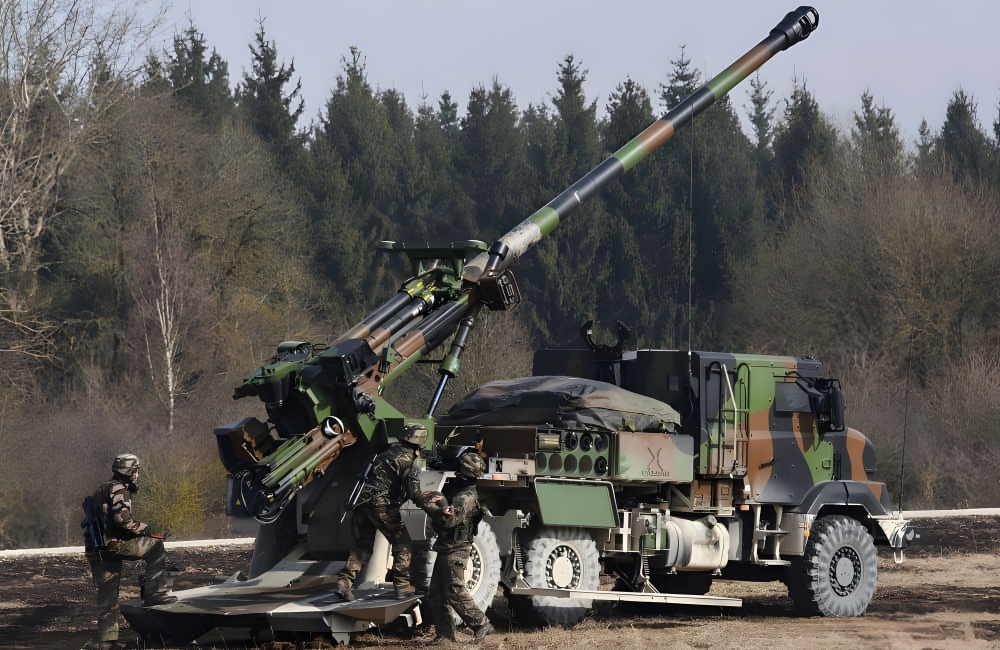
Nexter Caesar Self-Propelled Howitzer (France) ©US Marines Photo/Alamy
The CAESAR has seen operational use in environments like Afghanistan and Lebanon, proving its value in precision strikes and support of allied forces. With its low logistical footprint and fast deployment time, the CAESAR has become an attractive option for nations seeking modern artillery systems.
214. Dongfeng EQ2050 (China)
Manufacturer: Dongfeng Motor Corporation
Primary Users: People’s Liberation Army
Program cost: Unknown
Unit cost: $70,000*
The Dongfeng EQ2050, often referred to as China’s Humvee, is a versatile and rugged 4×4 armored vehicle manufactured by Dongfeng Motor Corporation. The vehicle is designed for a variety of roles, including troop transport, command and control, and reconnaissance.
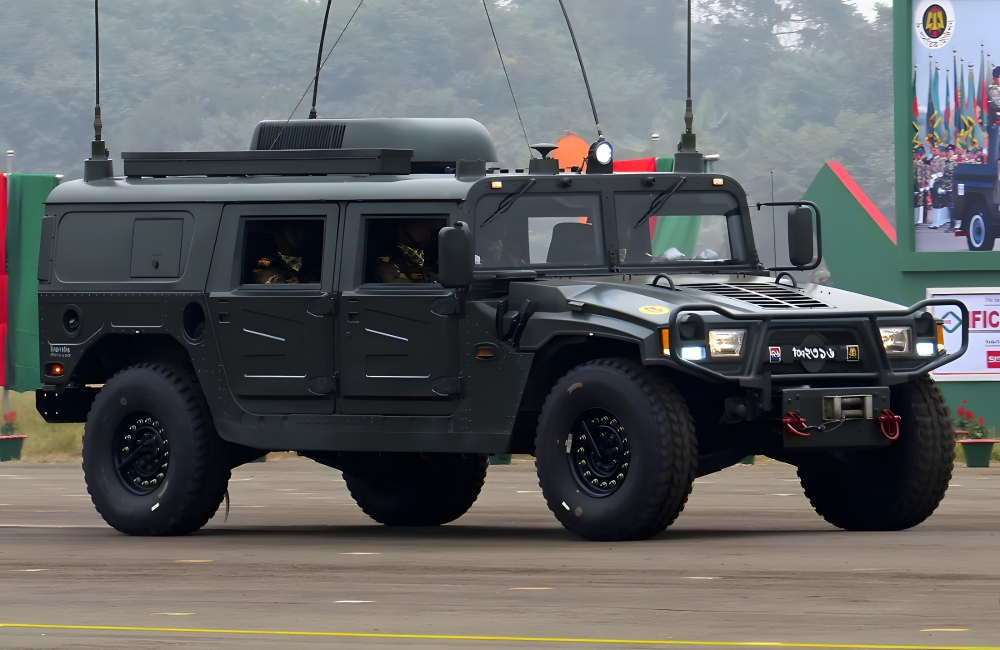
Dongfeng EQ2050 (China) Dongfeng Motor Group/commons.wikimedia.org
It can carry a payload of up to 1.5 tons and can be fitted with different body types for various mission profiles. The EQ2050 demonstrates China’s rising defense industry capabilities and its commitment to providing its military with domestically manufactured, robust, and adaptable vehicles.
215. C-5M Super Galaxy (USA)
Manufacturer: Lockheed Martin
Primary Users: United States Air Force
Program cost: $7.7 billion*
Unit cost: $100 million*
The Lockheed Martin C-5M Super Galaxy is an impressive strategic airlifter that represents the backbone of the United States Air Mobility Command. As the largest aircraft in the U.S. Air Force’s inventory, the C-5M can carry oversized cargo over intercontinental ranges without in-flight refueling.
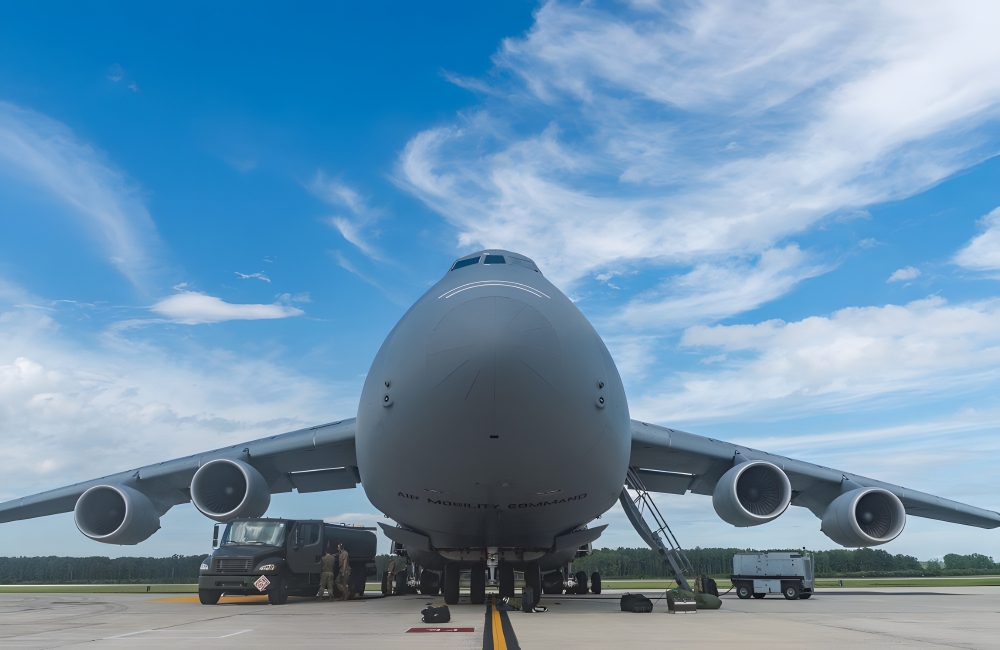
C-5M Super Galaxy (USA) ©Operation 2021/Alamy
Its upgrade to the “M” variant has seen improvements in avionics, engines, and other systems, making it quieter, more efficient, and capable of carrying heavier loads. The C-5M underscores the importance of strategic airlift capability in modern military operations and the USA’s global reach.
216. USS John Warner (SSN-785) Virginia-class submarine (USA)
Manufacturer: General Dynamics Electric Boat
Primary Users: United States Navy
Program cost: $83.7 billion*
Unit cost: $2.8 billion*
The USS John Warner is an advanced nuclear-powered submarine in the United States Navy’s Virginia Class. Built by Huntington Ingalls Industries and General Dynamics Electric Boat, the vessel is named after Senator John Warner, a former Secretary of the Navy. The Virginia-class submarines are designed for a broad spectrum of open-ocean and littoral missions.
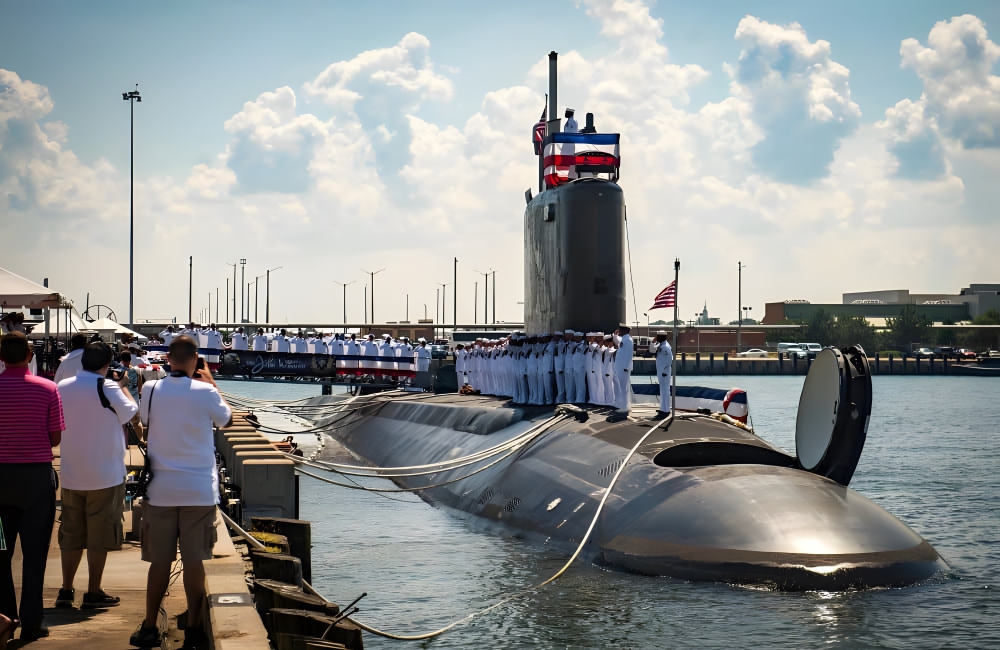
USS John Warner (SSN-785) Virginia-class submarine (USA) ©U.S. Department of Defense Archive/Alamy
They excel in anti-submarine warfare, anti-surface ship warfare, and strike warfare. The USS John Warner represents the pinnacle of submarine technology and is a testament to the United States’ continued dominance under the sea.
217. Mikoyan MiG-35 (Russia)
Manufacturer: Mikoyan
Primary Users: Russian Aerospace Forces
Program cost: Unknown
Unit cost: $40 million*
The Mikoyan MiG-35 is the latest generation of jet fighter aircraft produced by the renowned Russian Aircraft Corporation MiG. As a highly maneuverable air superiority fighter, the MiG-35 boasts advanced avionics, a phased-array radar, and increased weapons-carrying capacity.
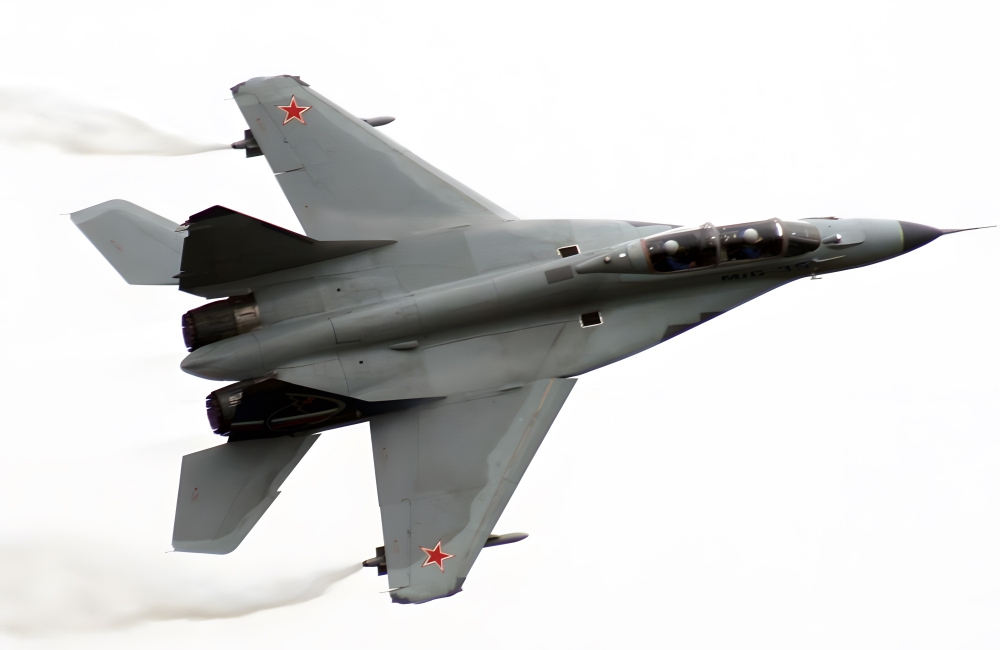
Mikoyan MiG-35 (Russia) @Mikoyan MiG-29M/commons.wikimedia.org
The aircraft’s versatility allows it to carry out a wide range of missions, from air superiority and strike operations to reconnaissance and pilot training. The MiG-35 showcases Russia’s prowess in designing fighter aircraft that can match up with the best in the world.
218. Sikorsky UH-60 Black Hawk (USA)
Manufacturer: Sikorsky Aircraft
Primary Users: United States Army, Turkish Armed Forces, Colombian Armed Forces
Program cost: Unknown
Unit cost: $21.3 million*
The UH-60 Black Hawk, manufactured by Sikorsky Aircraft, is widely acknowledged as one of the most renowned and adaptable helicopters globally. As the principal medium lift utility transport and air assault aircraft of the U.S. Army, the Black Hawk possesses remarkable versatility, enabling it to effectively execute diverse missions.
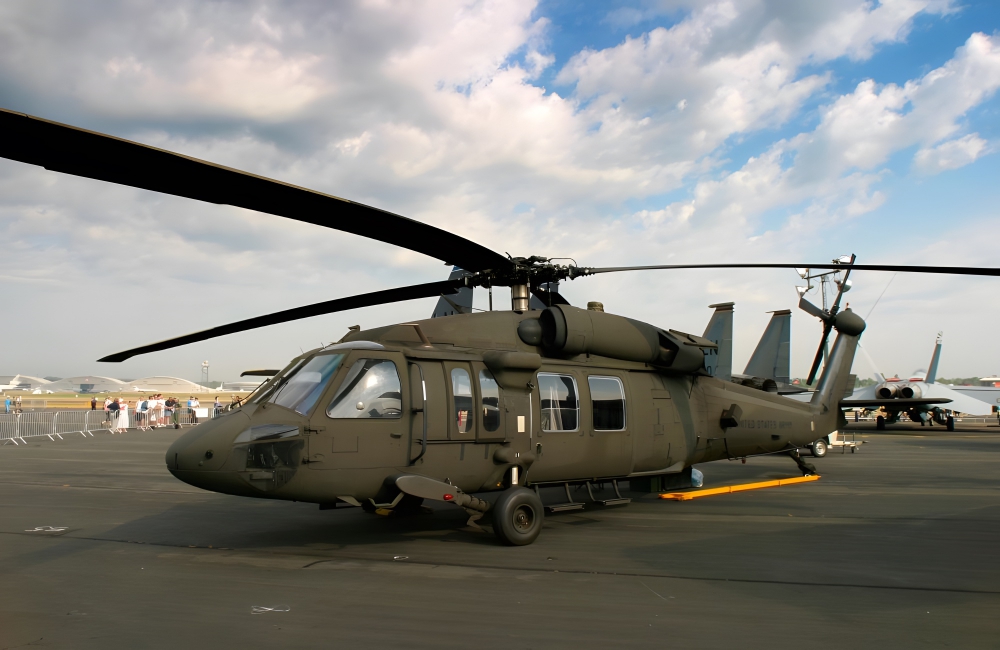
Sikorsky UH-60 Black Hawk (USA) ©Greg Bajor/Alamy
These missions encompass the transportation of troops and equipment during combat operations, as well as facilitating medical evacuations and providing aid during times of disasters. The Black Hawk’s performance in diverse terrains and environments around the world attests to its design’s ruggedness, versatility, and reliability.
219. Hsiung Feng III Missile Boat (Taiwan)
Manufacturer: Chungshan Institute of Science and Technology
Primary Users: Republic of China Navy
Program cost: unknown
Unit cost: Unknown
The Hsiung Feng III is a series of missile boats, equipped with anti-ship missiles of the same name, manufactured by Taiwan’s state-owned National Chung-Shan Institute of Science and Technology.
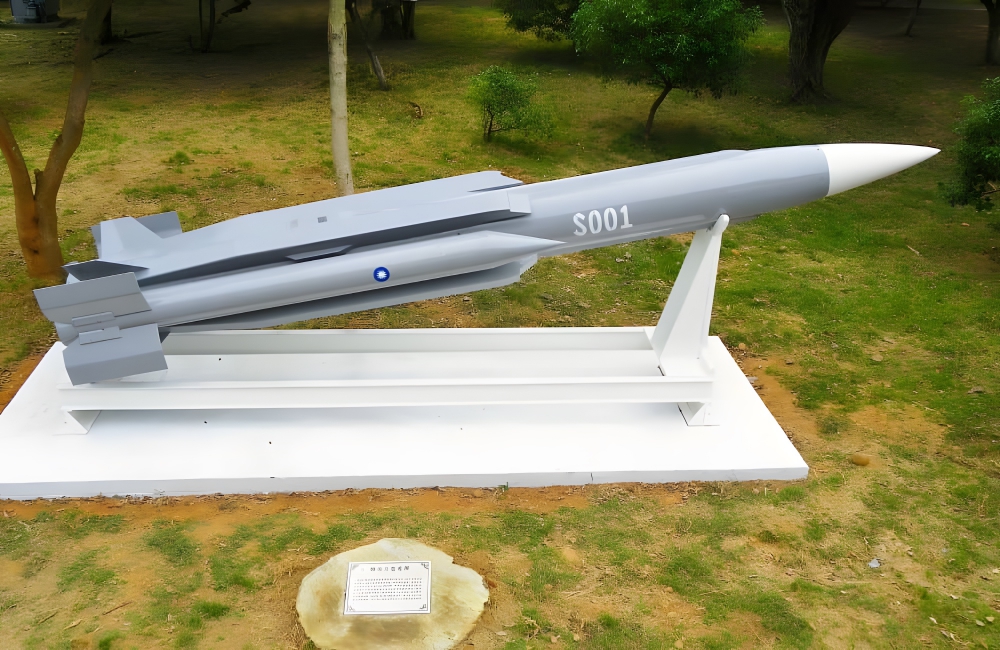
Hsiung Feng III Missile Boat (Taiwan) @NCSIST/commons.wikimedia.org
These fast attack crafts are integral to Taiwan’s defense strategy in a potential conflict in the Taiwan Strait, providing asymmetric warfare capabilities against larger naval vessels. The boats are equipped with stealth technology and can launch supersonic missiles, making them a formidable deterrent in coastal waters.
220. Boeing AH-64 Apache (USA)
Manufacturer: Boeing Defense, Space & Security
Primary Users: United States Army, Egyptian Air Force, Israeli Air Force
Program cost: Unknown
Unit cost: $35.5 million*
A legend in the world of attack helicopters, the Boeing AH-64 Apache stands as an epitome of aerial combat prowess. Known for its deadly precision and fearsome appearance, the Apache has played a crucial role in various conflict zones around the world, striking fear into the hearts of its adversaries. Its potent combination of speed, firepower, and advanced avionics make it an unmatched asset for ground support and anti-armor operations.
Boeing AH-64 Apache (USA) ©PJF Military Collection/Alamy
The Apache can be armed with a mix of Hellfire missiles, 70 mm rockets, and a 30 mm automatic cannon, providing a versatile weapons package for a variety of mission scenarios. With the incorporation of high-end technologies, the AH-64 Apache has maintained its position as a pivotal component in modern combat aviation.
221. Type 90 Kyū-maru Tank (Japan)
Manufacturer: Mitsubishi Heavy Industries
Primary Users: Japan Ground Self-Defense Force
Program cost: Unknown
Unit cost: $7 million*
The Type 90 Kyū-maru, developed by Mitsubishi Heavy Industries, is Japan’s main battle tank that packs a punch in terms of firepower, protection, and mobility. Commissioned by the Japan Ground Self-Defense Force (JGSDF), the Kyū-maru is a force to be reckoned with on the battlefield.
Type 90 Kyū-maru Tank (Japan) @Megapixie/commons.wikimedia.org
Equipped with a 120 mm smoothbore gun and a highly advanced fire control system, the Type 90 excels in target acquisition and engagement. The armor protection is top-notch, and the tank’s propulsion system ensures high speed and maneuverability. The Type 90 showcases Japan’s commitment to maintaining a highly capable and modern armored force.
222. BAE Systems Global Combat Ship (UK)
Manufacturer: BAE Systems Maritime – Naval Ships
Primary Users: Royal Navy
Program cost: $8 billion*
Unit cost: $1 billion*
The Global Combat Ship (GCS) is a class of frigates developed by BAE Systems as a part of the UK’s versatile and potent naval force. Also known as the Type 26 frigate, the GCS is designed to deliver a flexible, adaptable, and resilient capability to the Royal Navy.
BAE Systems Global Combat Ship (UK) /baesystems.com
The GCS can perform a range of tasks, including anti-submarine warfare, air defense, humanitarian aid, and disaster relief operations. Featuring state-of-the-art sensors and weaponry, the GCS stands as a testament to the UK’s maritime prowess.
223. T-14 Armata Main Battle Tank (Russia)
Manufacturer: Uralvagonzavod
Primary Users: Russian Ground Forces
Program cost: Unknown
Unit cost: $3.7 million*
The T-14 Armata, produced by Uralvagonzavod, is Russia’s next-generation main battle tank. The Armata stands out with its innovative design features, such as an unmanned turret, which represents a significant departure from traditional tank layouts. Armed with a 125mm smoothbore cannon and advanced armor protection, the T-14 is designed to dominate in land warfare.
T-14 Armata Main Battle Tank (Russia) @Uralvagonzavod/commons.wikimedia.org
The tank’s advanced active protection system can intercept incoming projectiles, providing an additional layer of security. The T-14 Armata showcases Russia’s innovative approach to armored warfare and its readiness for future battlefields.
224. Mitsubishi F-2 Fighter (Japan)
Manufacturer: Mitsubishi Heavy Industries and Lockheed Martin
Primary Users: Japan Air Self-Defense Force
Program cost: $20 billion*
Unit cost: $100 million*
The Mitsubishi F-2 is a versatile combat aircraft that draws its lineage from the General Dynamics F-16 Fighting Falcon. Produced jointly by Mitsubishi Heavy Industries and Lockheed Martin, the F-2 showcases notable advancements compared to its American predecessor, including improved avionics, radar technology, and armaments.
Mitsubishi F-2 Fighter (Japan) @Mitsubishi Heavy Industries/commons.wikimedia.org
The F-2 plays a crucial role in the Japan Air Self-Defense Force, primarily designed for air-to-air combat but with substantial ground attack capabilities. The F-2 is a clear demonstration of Japan’s commitment to maintaining a highly modern and capable air defense force.
225. Bayraktar TB2 Unmanned Combat Aerial Vehicle (Turkey)
Manufacturer: Baykar Makina
Primary Users: Turkish Armed Forces, Ukrainian Armed Forces
Program cost: Unknown
Unit cost: $2 million*
The Bayraktar TB2 is an unmanned combat aerial vehicle (UCAV) designed and manufactured by Baykar Makina of Turkey. Its impressive performance in recent conflict zones has brought the TB2 into the global spotlight.
Bayraktar TB2 Unmanned Combat Aerial Vehicle (Turkey) @Baykar/commons.wikimedia.org
The drone can carry out a variety of missions, including reconnaissance, surveillance, and attack, utilizing its advanced sensors and armed with smart munitions. The TB2 is an example of Turkey’s growing defense industrial capabilities and its ability to produce sophisticated military equipment indigenously.
226. Northrop Grumman B-2 Spirit
Manufacturer: Grumman Aircraft Company (now Northrop Grumman)
Primary Users: USA
Cost: $737 million*
The Northrop Grumman B-2 Spirit was launched in 1989 as a US Air Force high-power steel bomber military aircraft. The specialized structure has the power to combat scattered and dense air-defense setups and can manage operations up to 50,000ft.
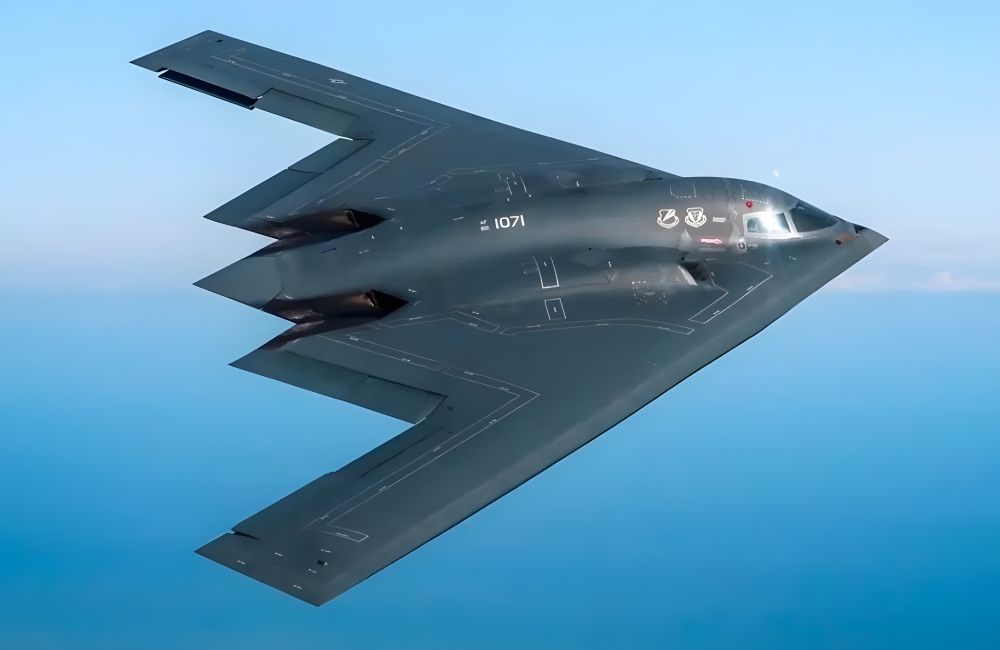
Northrop Grumman B-2 Spirit ©Senior Airman Joel Pfiester – US Air Force/Wikimedia
But its numerous war abilities did not come at a small expense: it cost a whopping $737 million to build the aircraft and make its features workable. It is not easy to identify it on the radar; its two primary defenses ensure this invisibility, including its continuously curved design and alternate high-frequency stealth coating. But it costs the USAF around $135,000 for every hour the aircraft runs, so it is undoubtedly one of the big guns stacked away in the country’s reserve.
227. Air Force One
Manufacturer: Boeing Defense, Space and Security
Primary Users: USA
Cost: $660 million*
Are you familiar with the two Boeing VC-25s that are in the USAF to provide the POTUS with adequate means of transport? Think of the Air Force One military aircraft as a similar version, only highly militarized and fitted with specialized combat and air defense features.
Air Force One ©redlegsfan21/Wikimedia
These aircraft were birthed with a unit expense of $325m in 1990, costing around $206,000 to fly for an hour. So you most certainly won’t see this aircraft flying around for practice! Equipped with four CF6-80C2B1 engines manufactured by General Electric, the aircraft can fly at a maximum speed of 629 mph at a top height of 45,100ft for about 13,000km. Talk about a flying beast!
228. C-17 Globemaster III
Manufacturer: Boeing Defense, Space and Security
Primary Users: USA, UK, Canada, UAE, Qatar
Cost: $328-$368 million*
Highly militarized aircraft are no joke; you can take the Boeing C-17 Globemaster III as an example. It was primarily manufactured by the USAF but has since become a part of the military of several other countries, including the UAE, the UK, India, Australia, Canada, Qatar, and Kuwait. Hungary’s international Nato Heavy Airlift Wing also puts it to use.
C-17 Globemaster III ©U.S. Air Force/Wikimedia
The C-17 came into practical existence in 1995 with the joint endeavors of Boeing Defense, Space and Security, and McDonnell Douglas. Although the aircraft is 174 ft long with a 169 ft 10 inches wingspan, it is known in the industry for its high-performance capabilities and accuracy. It can house and airdrop about 102 paratroopers in one go.
229. Boeing 737-800 ERX
Manufacturer: Boeing
Primary Users: USA
Cost: $290 million*
The Boeing 737-800 ERX is also called Poseidon in the aircraft industry, the God of the Sea. The craft was designed by Boeing especially for the US Navy and took its maiden flight in 2009 before finally getting inducted into the force in 2013.
Boeing 737-800 ERX @Google/Pinterest
This aircraft has gained worldwide attention due to its efficiency, prompting several other countries in the world to add it to their military vehicles. It can detect hostile and suspicious submarines and is equipped with anti-submarine warfare, radar-guided combat missile launch, timely self safeguard features, and the ability to perform several other electronic support processes.
230. VH-71 Kestrel
Manufacturer: Lockheed Martin, Bell Helicopter, and AgustaWestland
Primary Users: USA
Cost: $290 million*
Do you remember the glorious AgustaWestland AW101 manufactured through a joint venture between Lockheed Martin, Bell Helicopter, and AgustaWestland? The VH-71 Kestrel is an advanced version of this aircraft that took its maiden flight in 2007. But this date came after several postponements to augment the craft’s capabilities and overcome certain engineering complications.
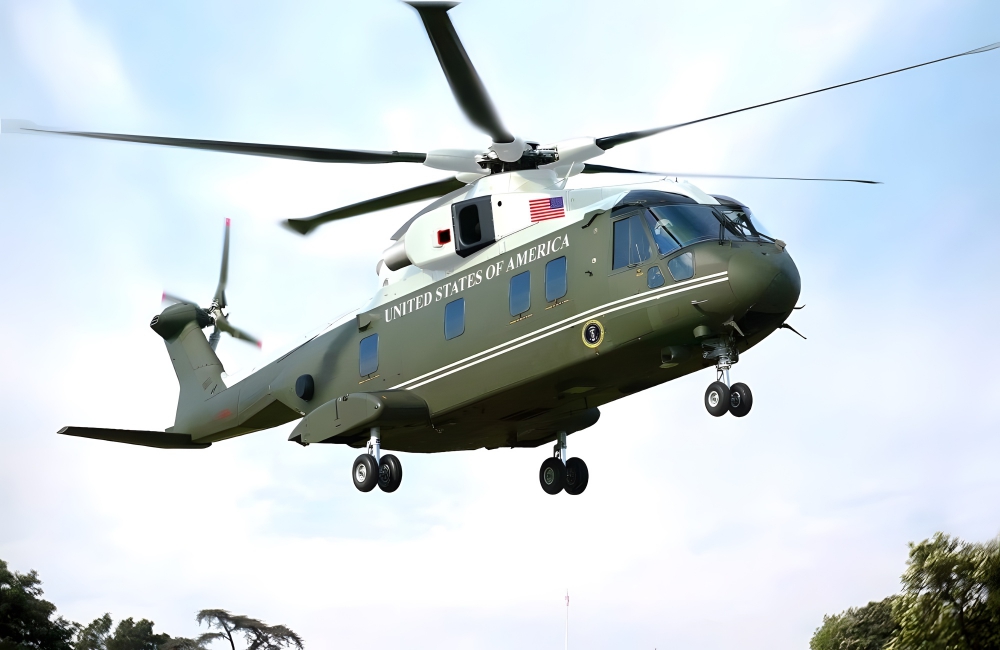
VH-71 Kestrel ©Jkip87/Wikimedia
But these issues could unfortunately not be solved, prompting the authorities to cancel the project as its cost threatened to cross the $13bn threshold. The 28 already-manufactured helicopters were broken down, with their parts sold to Canada. What a sad end to a glorious aircraft that could attain a high speed of 193 mph!
231. Northrop Grumman E-2D Advanced Hawkeye
Manufacturer: Grumman Aircraft Company (now Northrop Grumman)
Primary Users: US Navy
Cost: $232 million*
The Grumman Aircraft Company manufactured the Northrop Grumman E-2D Advanced Hawkeye in the late 1950s for the US Navy, but the project accumulated so much recognition that it was adapted as a part of the forces of several other nations, including France, Japan, Egypt, Mexico, and Taiwan.
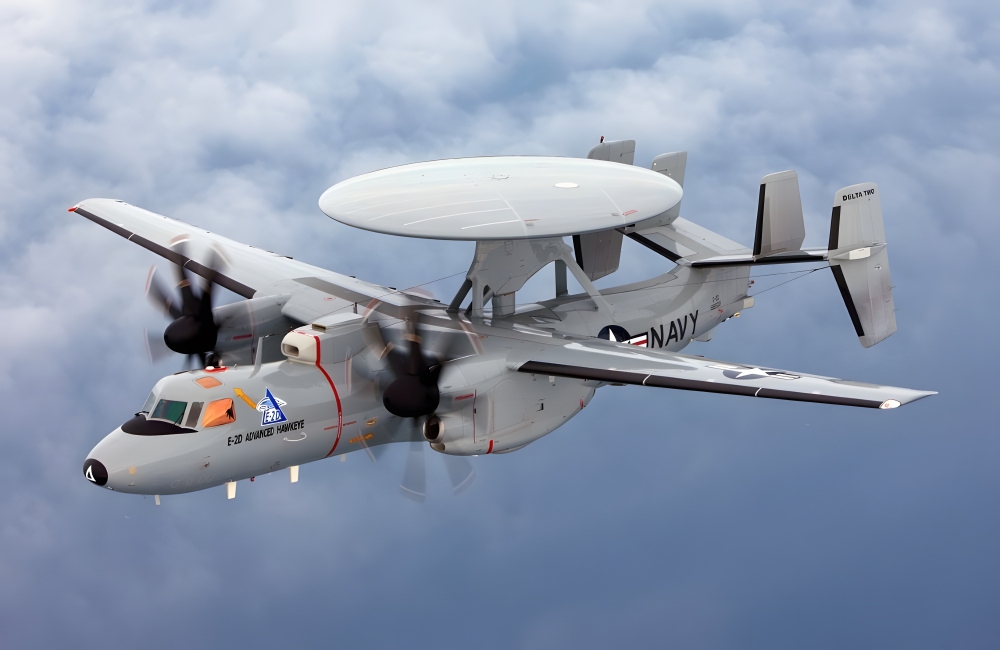
Northrop Grumman E-2D Advanced Hawkeye ©United states Navy/Wikimedia
The aircraft embarked on its first flight in October 1960, ready to set fire to the industry with its specialized airborne early warning (AEW) system, electronic and mechanical active scan radars, and high-tech mission computers. It has a 57 feet long body, with a wingspan and height of 80 feet and 18 feet, respectively.
232. Bell Boeing V-22 USA
Manufacturer: Boeing
Primary Users: USA
Cost: $118 million per unit, $35.6 billion total project cost*
The Bell Boeing V-22 Osprey wasn’t just any tactical war aircraft; it was developed after numerous failures and failed test flights for the US Marine Corps. An advanced version of the craft eventually ended up in the USAF’s reserves in 2009 and in the US Navy’s in 2021. Although it was initially manufactured for use in the USA, it is also used by Japan.
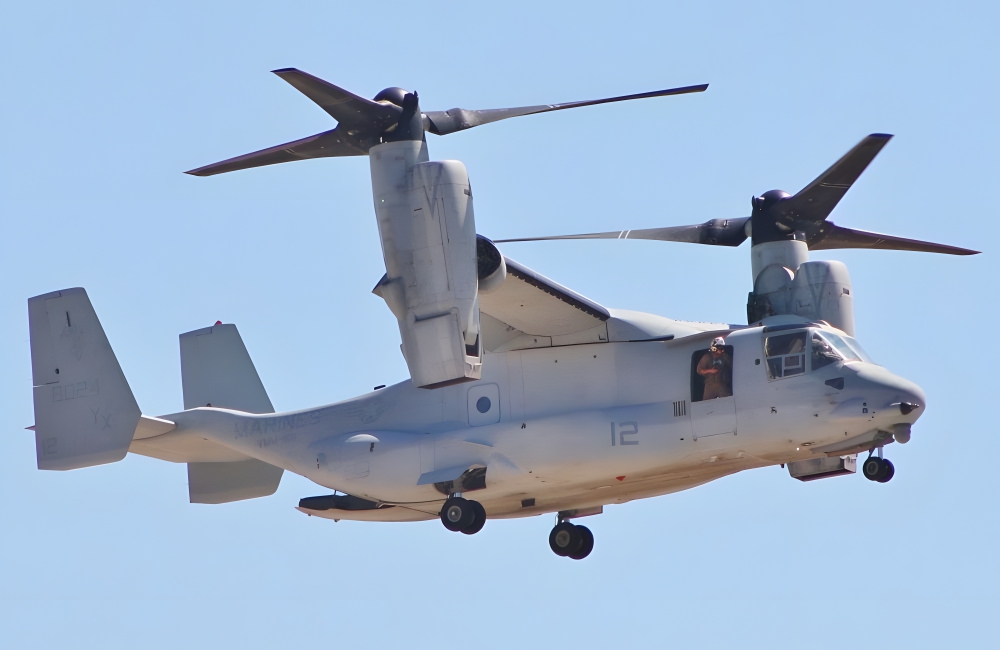
Bell Boeing V-22 USA ©FOX 52/Wikimedia
The specialized aircraft costs a whopping $11,000 for every hour of operation and boasts the ability to land and take off with a helicopter’s orientation but the speed and range of a military aircraft. Equipped with two AE1107C engines manufactured by Rolls-Royce, the plane is truly a sight to behold. It can carry around 24 individuals, including four crew members.
233. Chengdu J-20 Black Eagle
Manufacturer: China’s Chengdu Aerospace Corporation
Primary Users: China
Cost: $110 million unit cost, $4.4 billion program cost*
The Chengdu J-20 military aircraft was nicknamed the ‘Mighty Dragon,’ and rightly so. This fifth-generation top-notch tech aircraft is the first ever developed by China and has been a part of the People’s Liberation Army Air Force for the past 6 years.
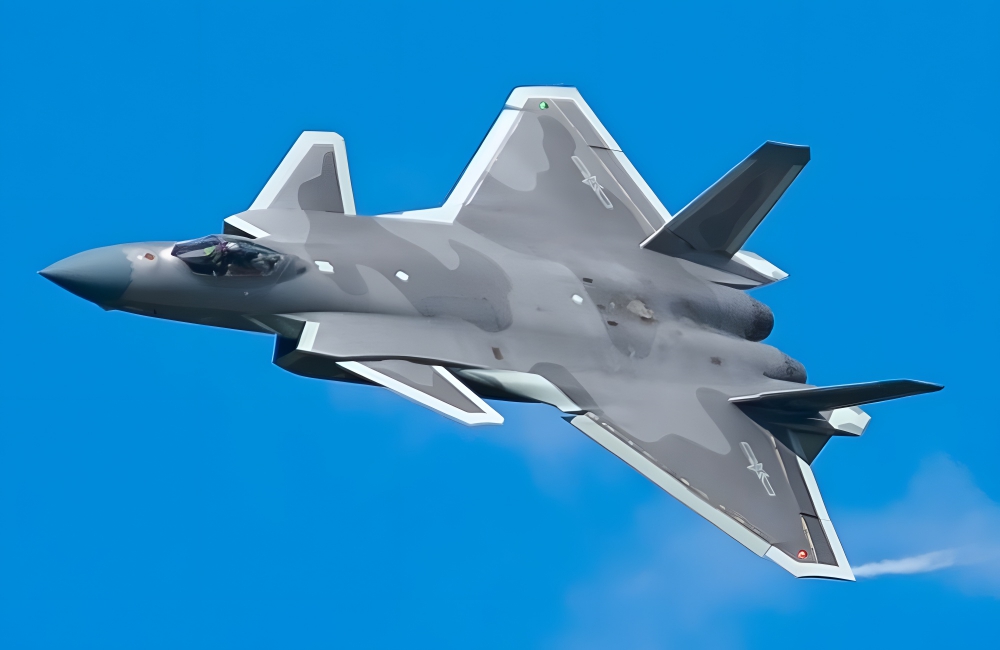
Chengdu J-20 Black Eagle ©N509FZ/Wikimedia
Equipped with PL-12C/D and PL-21 air-to-air missiles and a single seat, this aircraft can undertake even the most hostile endeavors through its lightning-fast speed of 1,305mph. It can attain a height of approximately 59,055ft at a 60,000ft/min climbing rate, making it a machine worth having around in case of an attack. But don’t consider this one-seat aircraft a miniature structure: it weighs more than 38,801lb!
234. Type 99
Manufacturer: China’s Chengdu Aerospace Corporation
Primary Users: China
Cost: $2.6 million*
The Type 99 war tanks are surely a sight to behold. Such was the magnificence and efficiency of this tank that it was the first third-generation structure to be manufactured in bulk in China. Equipped with a 33.9-liter V-12 engine capable of producing 27.78 horsepower/ton, the tank weighs a whopping 55 tons.
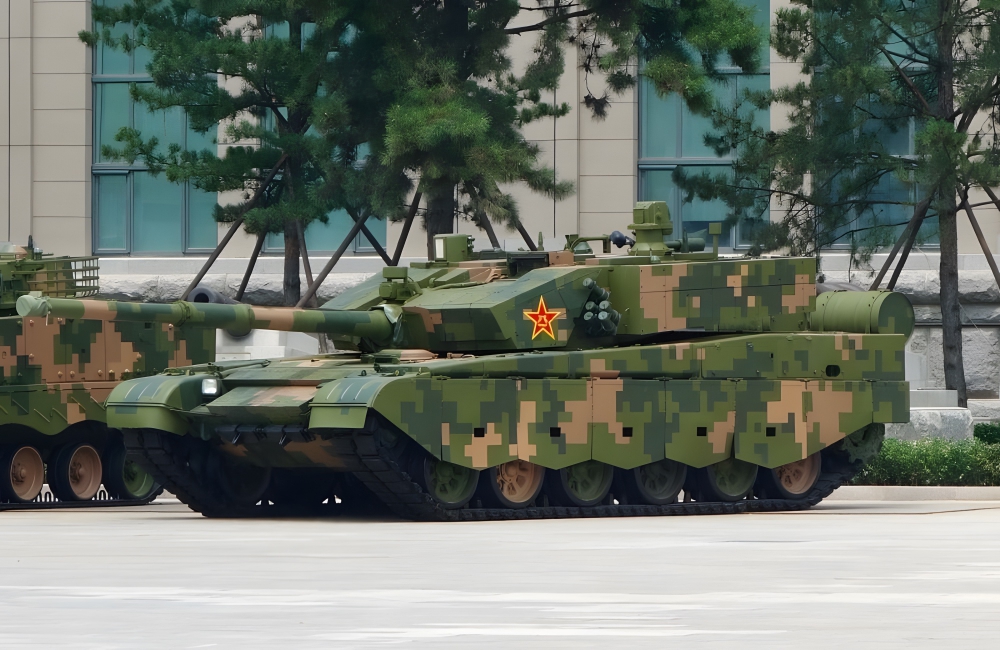
Type 99 ©Tyg728/Wikimedia
Despite its heavy stature, it can run at a speed of 50 mph, crushing everything that comes in sight. It also features a ZPT-98 gun, an 85-heavy machine gun, and a type 59 machine gun as its primary and secondary weapons, respectively. More than 900 of these beasts have been constructed in the past two decades, making us fear what they would look like placed side by side!
235. T-90
Manufacturer: Uralvagonzavod, Heavy Vehicles Factory
Primary Users: Russia
Cost: $4.5 million*
Do you remember Russia’s epic T-64, T-80, and T-72 battle tanks? These glorious monsters were replaced by someone even better: the T-90 military tank equipped with a 2A46M smoothbore gun and a Kord heavy-duty machine gun.
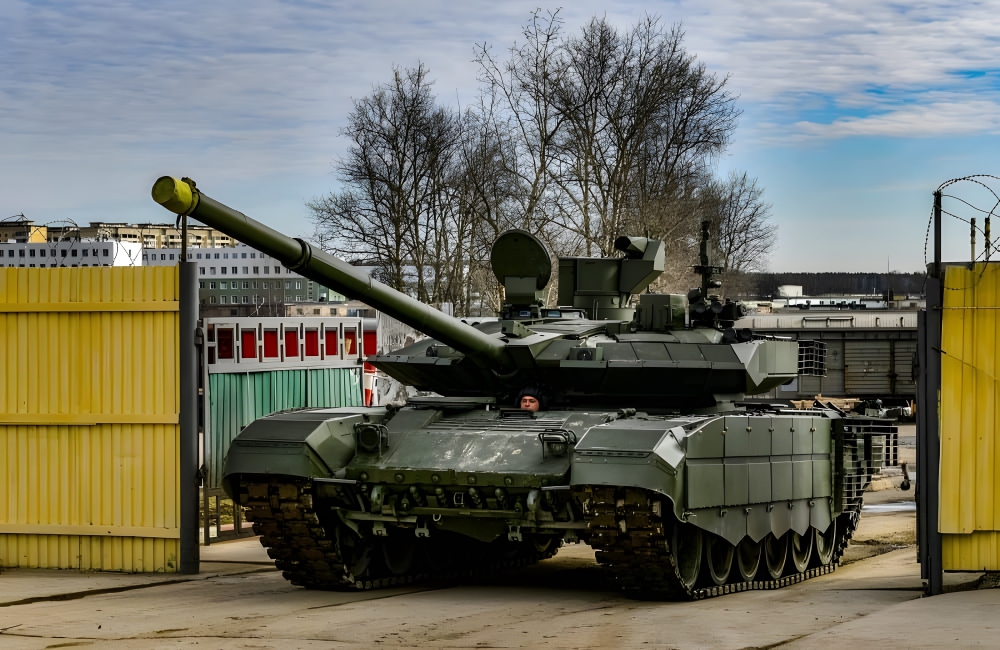
T-90 ©Mil.ru/Wikimedia
Although this military tank runs on a relatively simple mechanism, it is still quite expensive, with the cost of one unit standing at $4.5 million. Such was the hype of these tanks that India purchased 60 of them from Russia in 2008. But the nation has manufactured around 3,200 of these beasts, intending to have a standing fleet of at least 1,640 tanks ready for any emergency. We pity the army that stands against this fleet!
236. Merkava
Manufacturer: The Israeli Ordnance Corps
Primary Users: Israel
Cost: $5 million*
When talking about the world’s most expensive and power-efficient tanks, we cannot leave Israel’s Merkava out of the discussion. This glorious tank is widely known for its impenetrable armor and robust safeguarding ability that can keep its crew safe and sound during even the most hostile attacks.
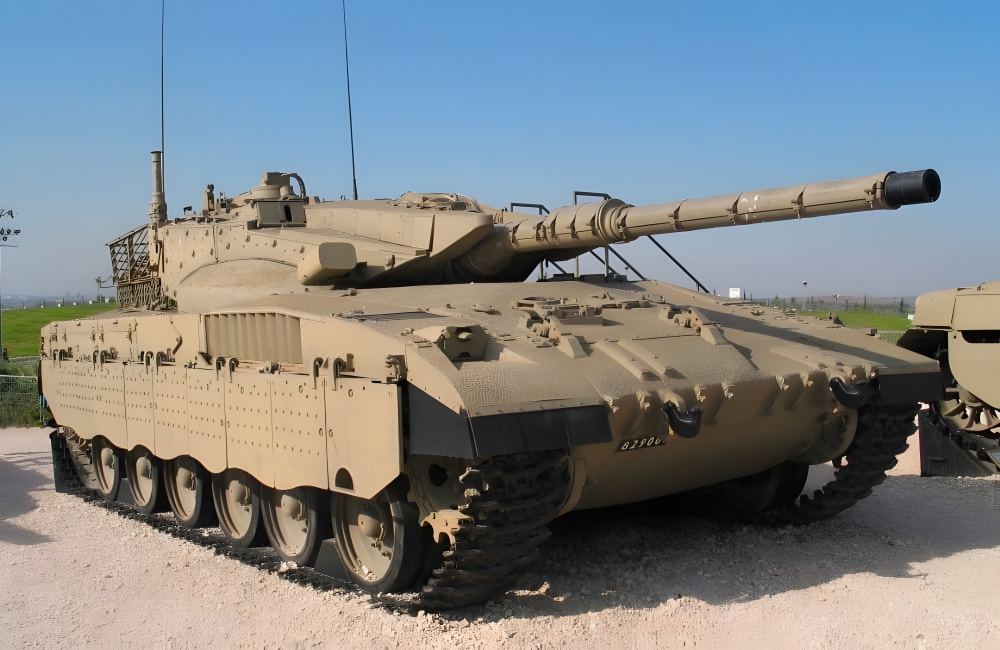
Merkava ©Bukvoed/Wikimedia
Despite the tank’s heavy build and several tons of weight, it boasts exceptional maneuverability skills, making it one of the safest tanks. It is specially designed to traverse uncertain Israeli terrains and is equipped with a specialized grenade launcher, machine guns, MG253 smoothbore gun, and even smoke grenades to tackle all kinds of situations with the utmost grace and tact.
237. Challenger II
Manufacturer: BAE Systems Land & Armaments (formerly known as Vickers Defence Systems)
Primary Users: Israel
Cost: $7.2 million*
We cannot claim that the Challenger II is one of the most widely sought-after and produced tanks on this list, but it is surely one of the most expensive. With its diverse military capabilities and sensory features, it stands as one of the world’s most advanced and bulkiest tanks. Such is its size that it was given the nickname “Megatron!”
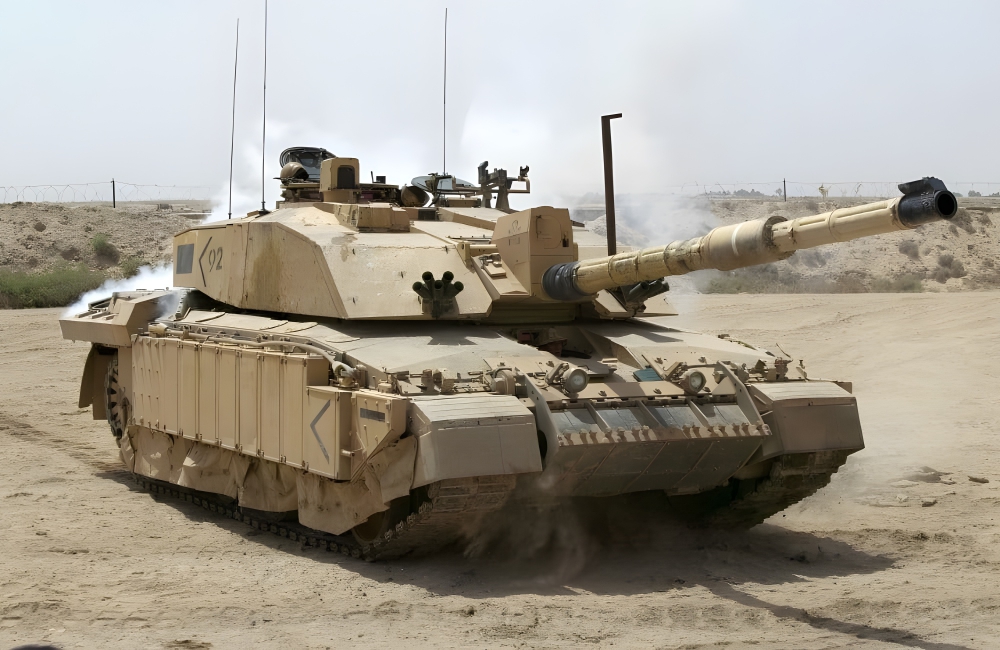
Challenger II ©Graeme Main/MOD/Wikimedia
Challenger II boasts armor made up of Chobham, which is a unique build capable of withstanding twice the pressure steel can. This makes it a highly safe tank that can do anything innovatively possible to safeguard its crew. Equipped with a 120 mm L30A1 and an L94A1 EX34 chain gun, its firearms make the tank worth the hassle and price.
238. C1 Ariete
Manufacturer: Consorzio Iveco Oto Melara
Primary Users: Italy
Cost: $7.5 million*
Italy-made C1 Ariete is taking the lead in the military world as one of the most expensive tanks ever made, but its price is not the only thing that distinguishes it from the rest. With the most innovative technologies installed, which include a fire control system, this tank is truly a wonder of the world.
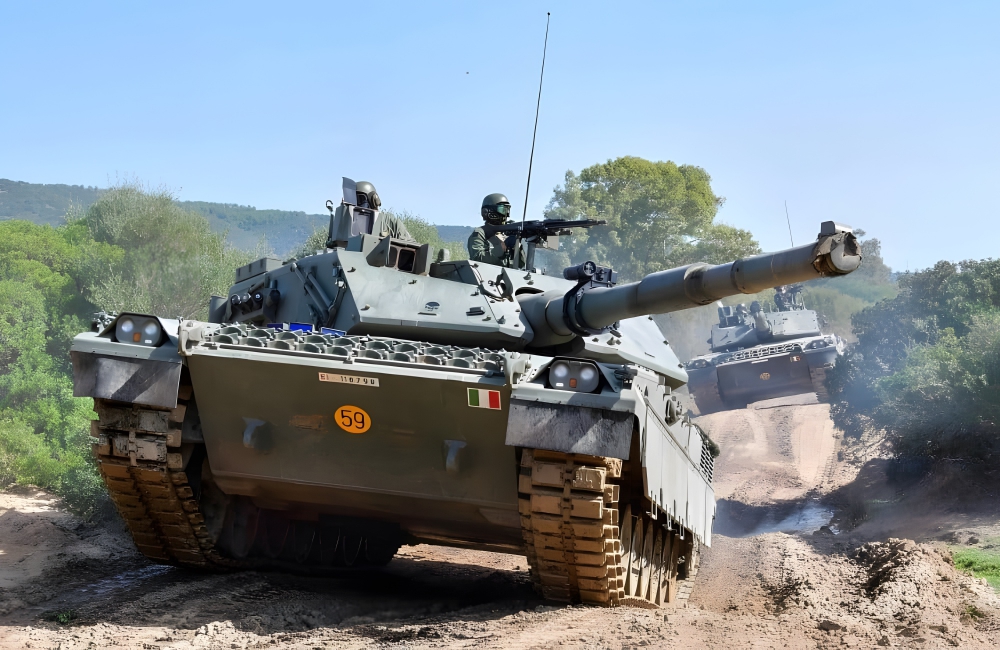
C1 Ariete ©www.esercito.difesa.it/Wikimedia
Its external structure may remind you of Challenger 1, the father of Challenger 2. Made of robust steel amalgamated with other high-strength materials, it offers its crew the utmost level of protection from chemical, nuclear, and biological attacks. Equipped with an OTO Breda smoothbore gun and two whopping machine guns, its firearms are not something that should be taken lightly.
239. Arjun
Manufacturer: Combat Vehicles Research and Development Establishment
Primary Users: India
Cost: $7.8 million*
This tank’s name alone is enough to take our minds to its country of origin: India. But this creative name does not completely encapsulate the absolute strength of this beast, which is capable of crushing everything that comes in its way, humans and machines alike.
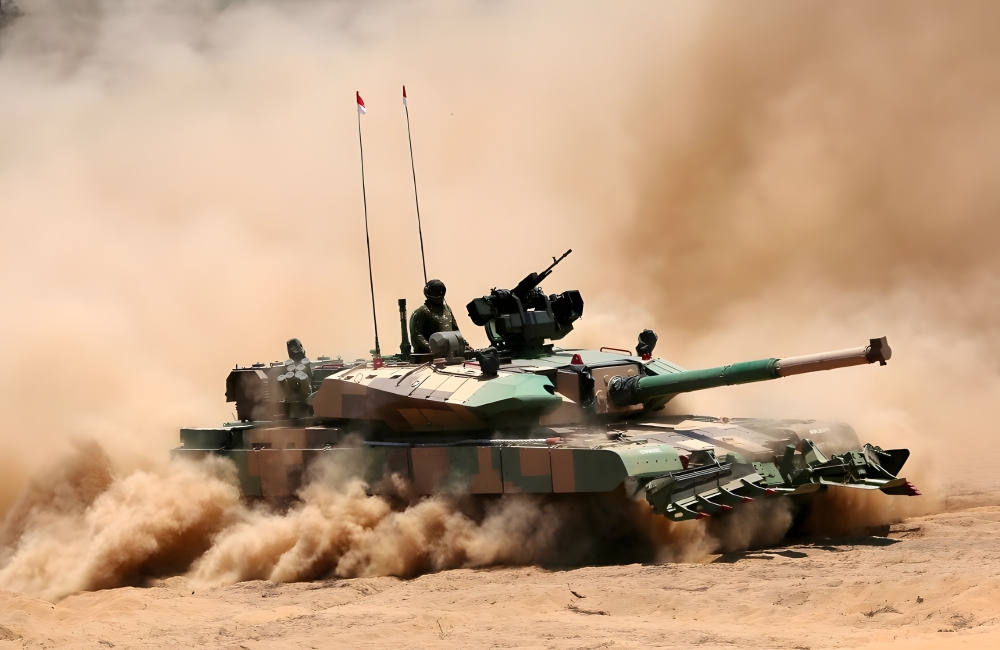
Arjun ©Echo1Charlie/Wikimedia
Its powerful weapons, anti-tank warheads, and anti-tank missiles are specially built to traverse the country’s terrain and cause significant damage to suspicious war vehicles. Its strength is still being determined by the international community, which will ultimately lead to mass production and global acceptance. If there’s any tank with the ability to completely obliterate another, it is Arjun.
240. AMX-56 Leclerc
Manufacturer: Nexter
Primary Users: UAE, France
Cost: $9.3 million*
The French AMX-56 Leclerc is one of the most expensive military tanks ever made, and yet its production number goes up to a whopping 800 units. More than 400 of these tanks are used by the UAE, which is quite alarming for the UAE’s enemies!
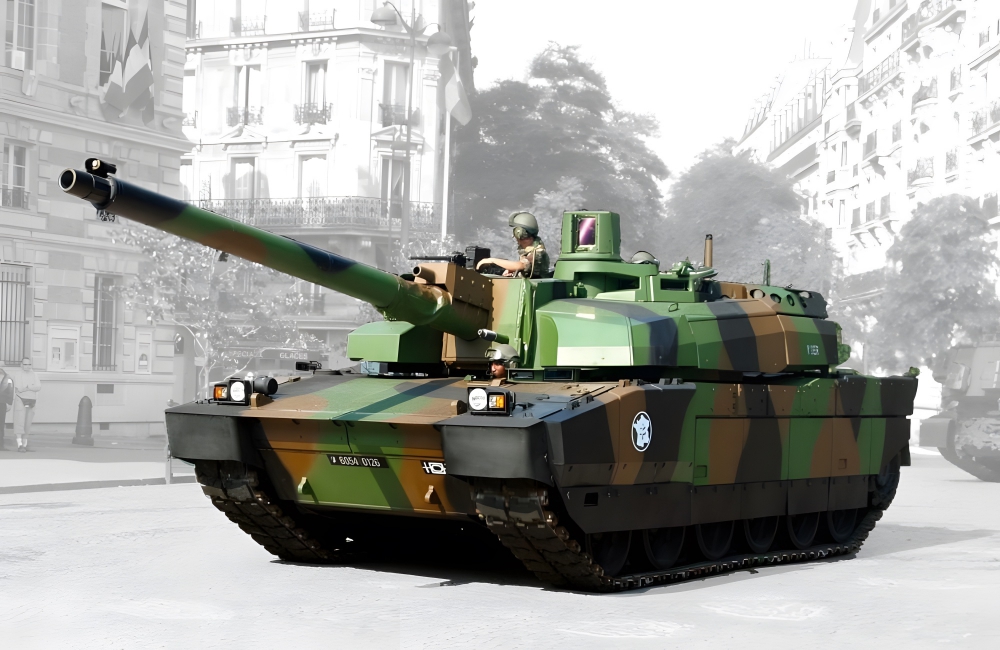
AMX-56 Leclerc ©Rama/Wikimedia
Equipped with top-notch titanium armor, the Leclerc is a lightweight, swift, and highly efficient tank. It may not rank first in military-grade protection but can still hold its ground when faced with hostile military vehicles. All of these features justify the tank’s extensive price, making it worth the investment, at least for the UAE.
241. Leopard 2A7A1
Manufacturer: Krauss-Maffei Wegmann
Primary Users: Germany
Cost: $5.74 million*
This military tank’s name alone is enough to offer us an insight into the vehicle’s capabilities. The tank is named “Leopard,” and it surely functions like one! Germany’s Leopard 2 series boasts the honor of surpassing the British Challenger 2, American M1A2 SEP, and the French Leclerc when it comes to overall efficiency and performance, which is not a title one can take unseriously!
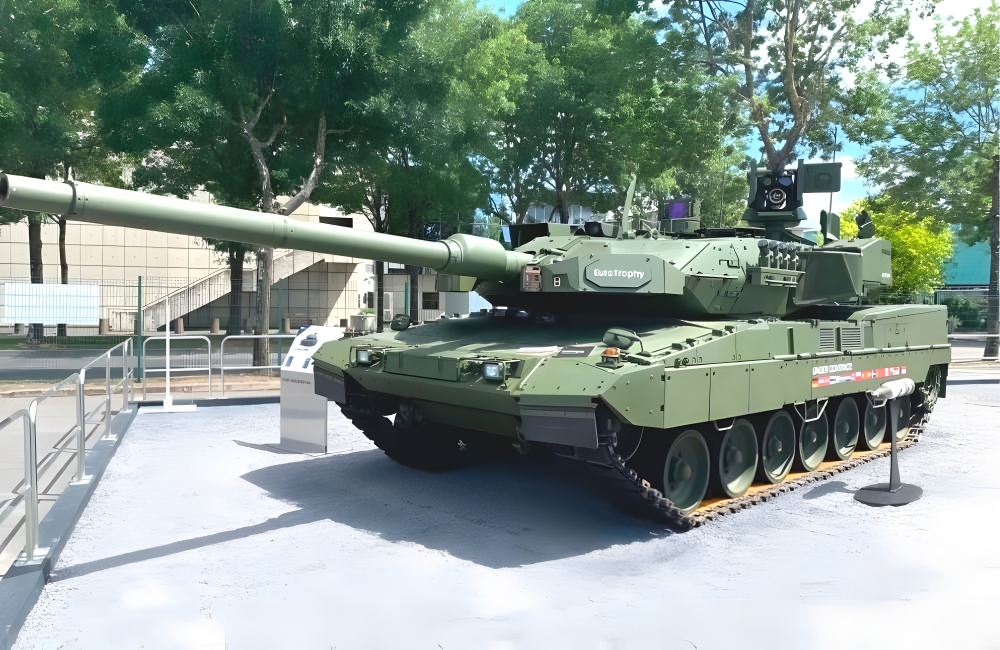
Leopard 2A7A1 @Google/Pinterest
When a tank is able to outshine the productions of the world’s superpowers, it surely has something unique to offer. For Leopard 2, it is the constant upgrades that the tank has been subjected to since its initial production in 1979. Practice makes perfect, and the Germans have perfectly depicted that with their glorious military tank.
242. M1A2 SEP Abrams
Manufacturer: General Dynamics Land Systems
Primary Users: US Army
Cost: $10 million*
The world believed that the most innovative tank that could ever be invented was brought to life when the M1A2 Abrams was made public, but then the M1A2 SEP came to life and stole its spotlight. This successor tank utilizes a portion of its predecessor’s technology but is equipped with high-tech anti-tank weaponry, innovative uranium-coated armor, and top-notch smoothbore guns.
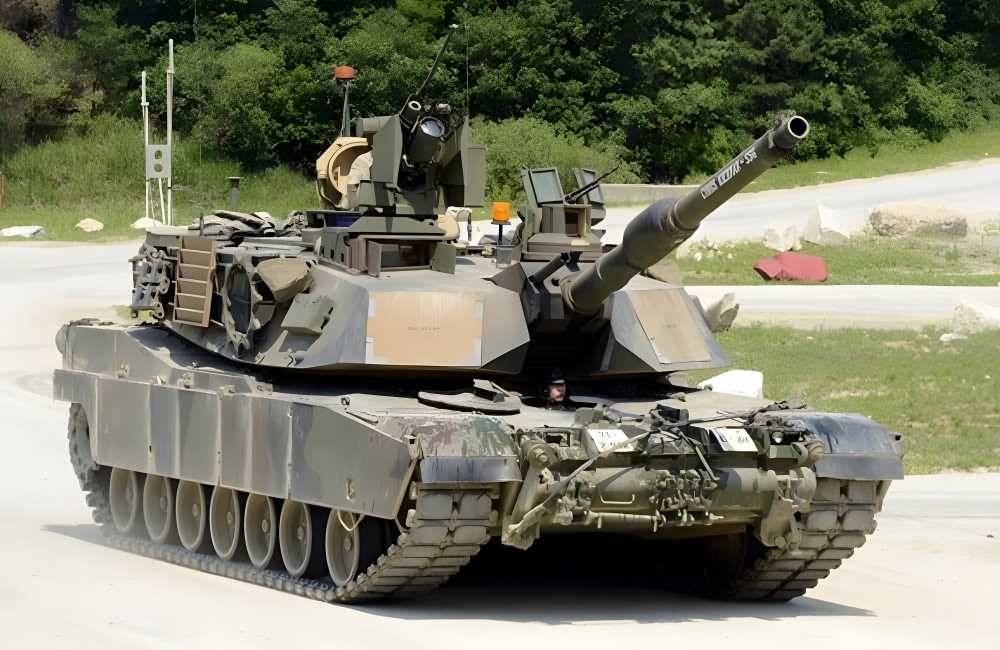
M1A2 SEP Abrams @Google/Pinterest
Although the tank does not offer the accuracy of the South Korean Black Panther or the German Leopard 2 series, its gas turbine engines can be a solid force to reckon with. Only a couple of Abrams tanks have ever been destroyed in battle, which is not nothing!
243. Challenger 2
Manufacturer: BAE Systems Land & Armaments
Primary Users: Britain
Cost: $4.9 million*
Even if you aren’t aware of tank jargon, you must have come across the name of the wildly popular British Challenger 2. This glorious beast holds the reputation of being the tank with the most extensive tank-to-tank combat. Imagine this hefty vehicle firing away at its enemy, and you are bound to think of an action-packed movie!
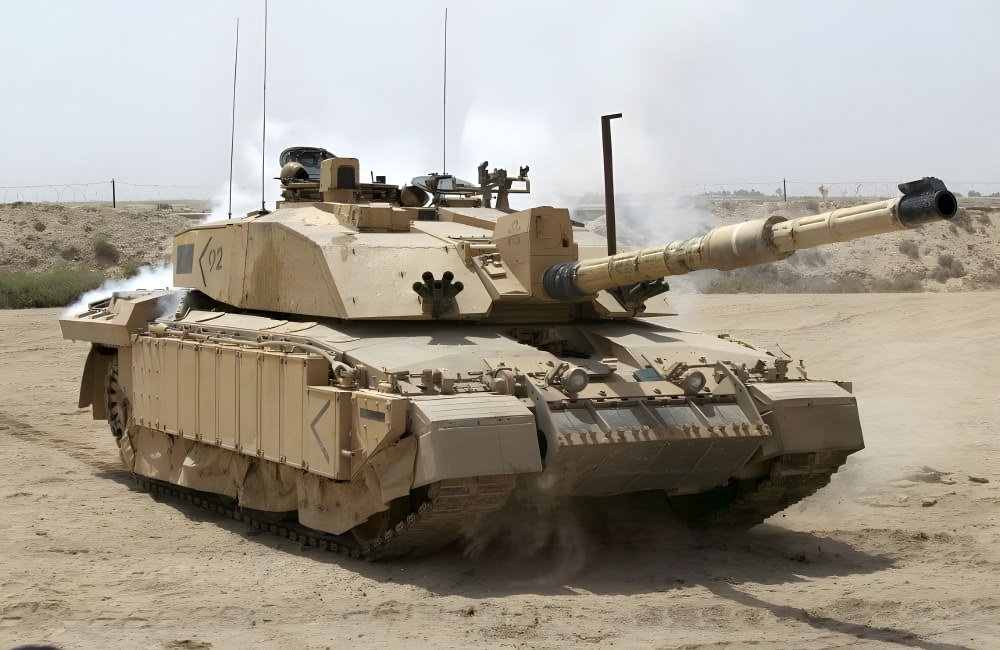
Challenger 2 ©raeme Main/MOD/Wikimedia
Although the Challenger 2’s engine is slightly less potent than its German and French competitors, its mechanical robustness and reliability make it the best in the field. It can fire its magnificent guns at a range of around 5 kilometers, obliterating every target in sight and even out of sight! Around 386 of these beasts are under UK’s use, while 38 are under Oman’s service.
244. Type 90
Manufacturer: Mitsubishi Heavy Industries
Primary Users: Japan
Cost: $7.4 million*
Japan named the epic Type 90 military tank to its list of war weaponry with the collaboration of Mitsubishi Heavy Industries, MaK tank constructors, and the German Krauss-Maffei company. It became an official part of Japan’s Ground Self-Defense Forces in 1989, getting promoted to the level of sheer production in 1992.
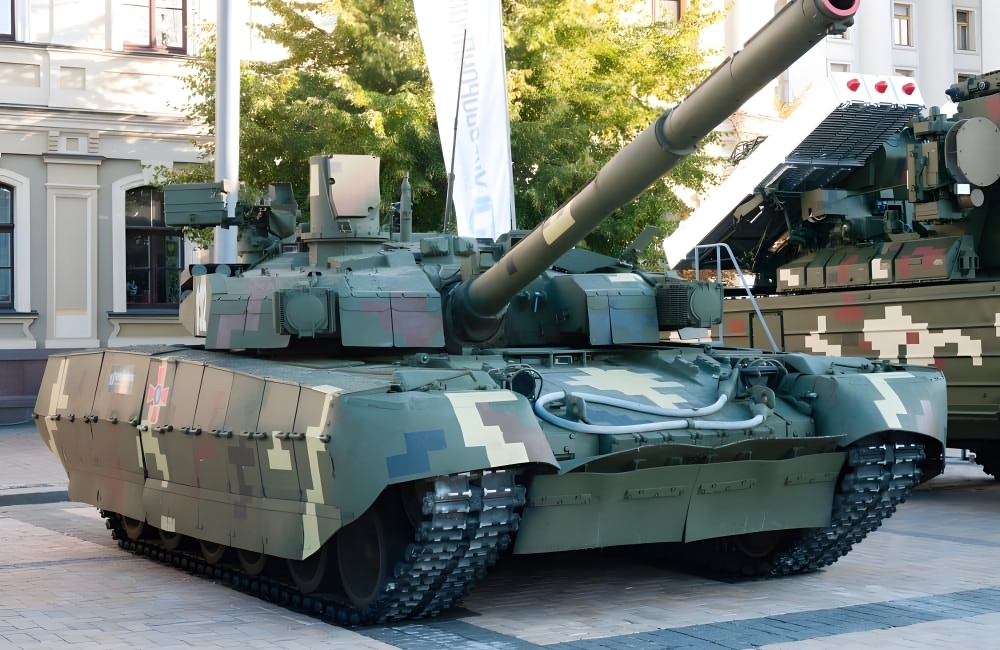
Type 90 ©refeia – CIMG1153/Wikimedia
Type 90 was one of the most innovative military tanks of its time, hailed as a kill machine due to its German Rheinmetall smoothbore gun. Although Japan’s military required 600 of these tanks, their exceptionally high unit expense forced the government to stop at just 340. Since Japanese laws did not allow the export of military vehicles at the time, they became a particularly Japanese staple.
245. Oplot-M
Manufacturer: Kharkiv Morozov Machine Building Design Bureau
Primary Users: Ukraine
Cost: $5 million*
The Soviet Union broke into pieces after the end of the Cold War between the USA and the Soviet Union, but that did not stop Ukraine from continuing its war-weapon production endeavors. Oplot-M is the country’s most innovative main battle tank equipped with top-notch explosive reactive armor.
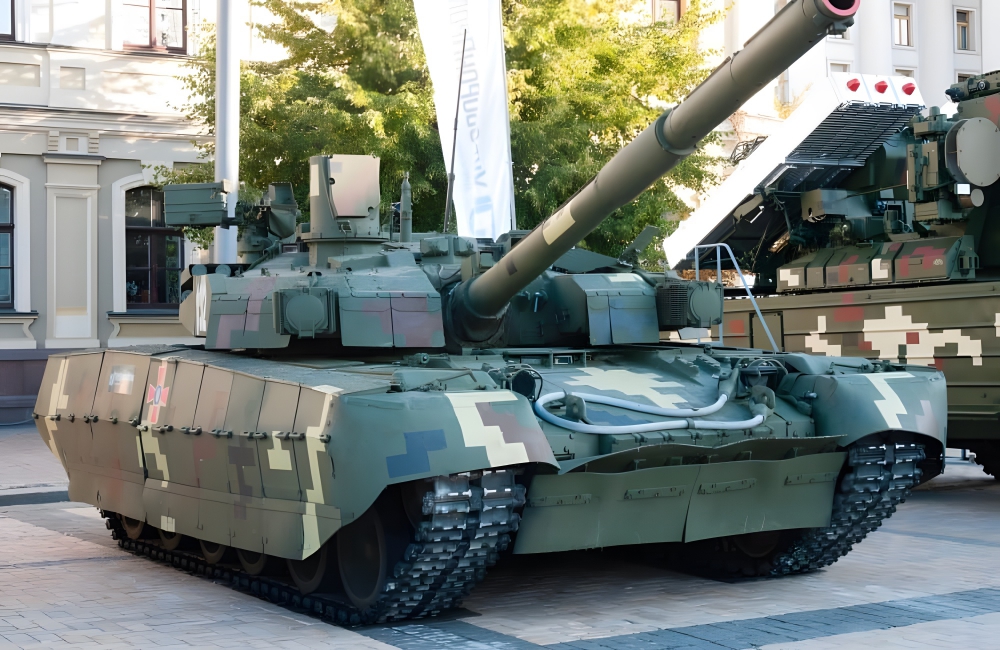
Oplot-M ©VoidWanderer/Wikimedia
Although this tank is majorly built on its older version’s automated ammunition loading system, its efficiency and accuracy are admirable. But instead of storing ammunition in secondary sections, it places them in the central compartment, which can be quite a hassle if its armor gets compromised during combat. All the weapons would blow up instantly, killing the crew like an autoimmune disease.
246. T-90M
Manufacturer: Uralvagonzavod, Heavy Vehicles Factory
Primary Users: Russia
Cost: $4.5 million*
Russia’s formation from the Soviet Union was quite a significant setback for the country, but it did not impede its tank production. The T-90M is the most advanced and innovative Russian tank with a high-tech fire control system, thermal vision capability, panoramic commander’s sight, and automated target engagement.
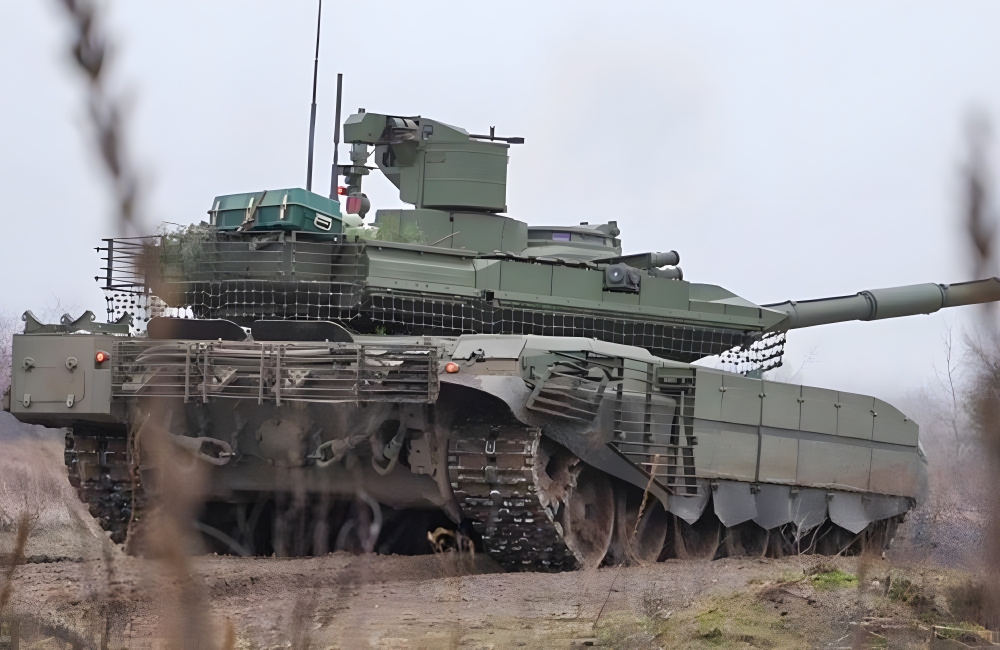
T-90M @Google/Pinterest
Although the T-90M cannot compete with its American and European counterparts in head-to-head combat, its technology is something to be lauded. The tank has been under Russian use for the past couple of years and was also used in the country’s invasion of Ukraine.
247. Boeing EA-18G Growler
Manufacturer: Boeing
Primary Users: USA
Cost: $67 million*
The Boeing EA-18G Growler is one of the fastest carrier-based fighter planes in the world, boasting the ability to uphold electronic warfare by disrupting the entire connection of communications through specialized electromagnetic radiations and energy-jamming weapons.
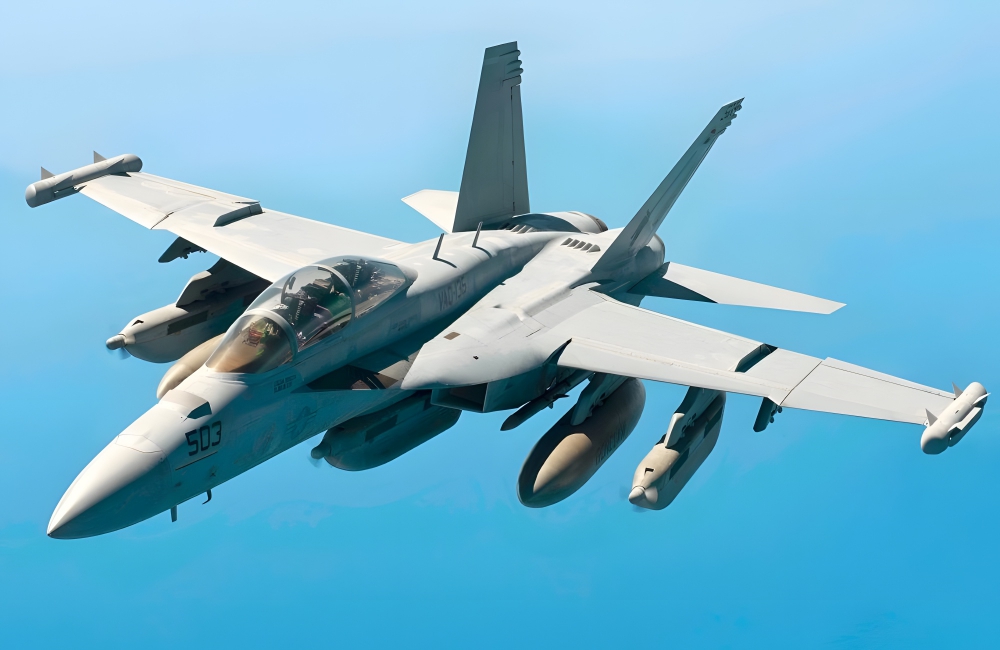
Boeing EA-18G Growler ©Senior Airman John Linzmeier/Wikimedia
With the world shifting to more innovative methods of warfare and steering away from the traditional guns and tanks, this warplane stands as a perfect example of innovativeness in war. Its production was initiated in 2007 and was let into the field in 2009. With a length of more than 60 ft, the aircraft costs $67 Million apiece.
248. T-14 Armata
Manufacturer: Uralvagonzavod defense manufacturer
Primary Users: Russia
Cost: $3.7-$4.6 million*
The T-14 Armata is a high-tech, next-generation modular vehicle equipped with a 125mm 2A82-1M cannon, long-range laser-guided missiles, and a composite armor shielded by an impenetrable safeguarding system capable of identifying and intercepting hostile attack. The tank even features an in-built toilet, which is quite an innovation when it comes to military tanks!
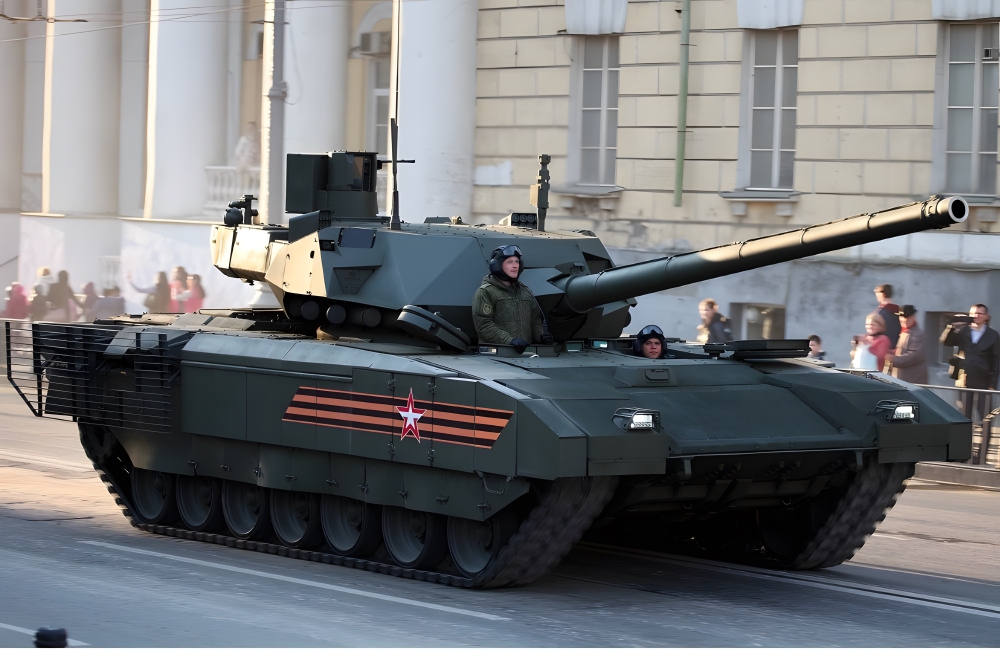
T-14 Armata ©Vitaly V. Kuzmin/Wikimedia
Similar to South Korea’s epic Blank Panther, this military vehicle boasts numerous personalizations to better combat weather and environmental changes. These allow it to function seamlessly in temperatures as low as -50 degrees Celsius! Where there is bone-chilling snow, there is the T-14 Armata.
249. Bell-Boeing V-22 Osprey
Manufacturer: Boeing
Primary Users: USA
Cost: $67 million per unit, $27 billion program cost*
The Bell-Boeing V-22 is an innovative military vehicle that flies with a helicopter’s vertical takeoff but lightning-fast speed, unlike any heli we have ever seen. Think of the turboprop airplanes and their speed; that is the speed of these gigantic beasts! These tanks were first employed in the Iraq war in 2007 and then later in Afghanistan in 2011 by the U.S. Marine Corps.
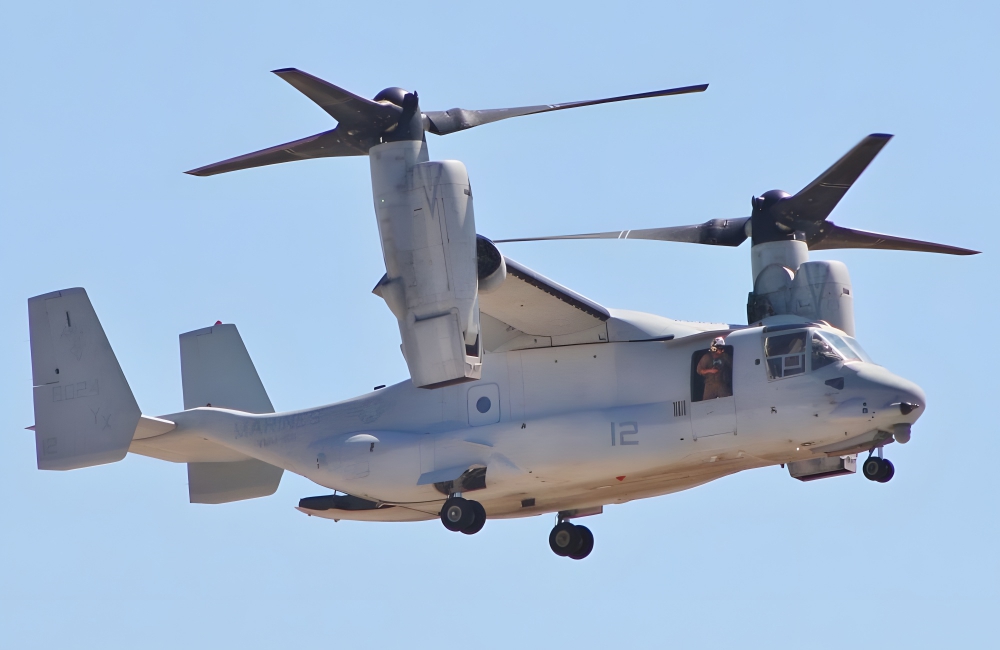
Bell-Boeing V-22 Osprey ©FOX 52/Wikimedia
But the history of this vehicle is not without unfortunate accidents: its upward trajectory has been hindered by more than 30 accidents during its testing phase, resulting in multiple casualties.
250. USS George H.W. Bush
Manufacturer: Northrop Grumman
Primary Users: USA
Cost: $6.2 billion*
The name clearly indicates which country this gigantic water beast must belong to. Named after the POTUS George H.W. Bush, this glorious supercarrier is one of the last Nimitz manufactured for the US Navy. It was specially constructed by Northrop Grumman and cost a whopping $6.2 billion. The total expense seems out of this world until you consider the vehicle’s size, which can be mind-boggling.
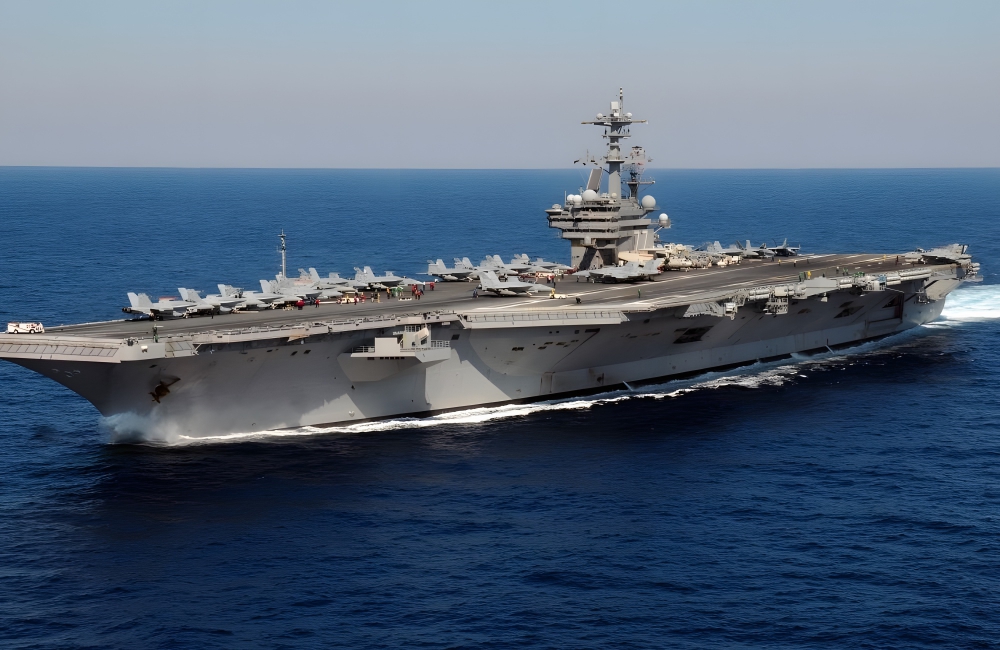
USS George H.W. Bush ©Mass Communication Specialist 3rd Class Nicholas Hall/Wikimedia
Take an estimate: the carrier is almost 1,100 feet long and can run at a speed of more than 30 knots. Docked in Virginia, the construction of this enormous carrier was finished in 2009.
 zi ang