
46. T-1A Jayhawk
Entered Service: 1991
Retired: N/A
Cost: $4.1 million*
The T-1A Jayhawk is currently used for training in the Air Force Joint Specialized Undergrad Pilot Training. Only students who have been selected to fly tanker or strategic aircraft can fly the Jayhawks. CSOs also train using these planes. The Jayhawk first flew in 1991, and it was introduced to the USAF shortly after.
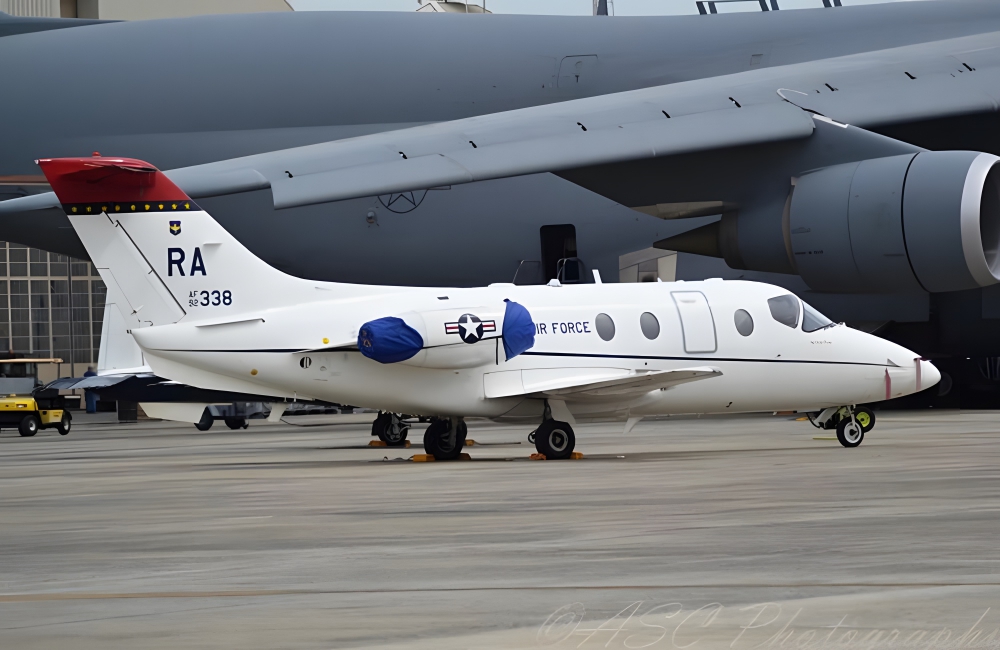
T-1A Jayhawk @GRossSharp / Twitter.com
The Japanese Air Self-Defense Force also uses this Raytheon Technologies plane, though it is called the T-400 there. 180 have been produced from 1992 until 1997. Students who train on this twin-engined jet later go on to fly tanker/airlift aircraft. Each unit costs $4.1 million.
47. RQ-4 Global Hawk
Entered Service: 1998
Retired: N/A
Cost: $222.7 million*
Named Tier II+ during its development, the RQ-4 Global Hawk is a remotely-piloted surveillance craft that flies at high altitudes. It was initially designed by Northrop Grumman’s subsidiary, Ryan Aeronautical. The Global Hawk flies duties that are similar to those of the U-2 Dragon Lady. The Northrop Grumman Corp plane provides systematic surveillance using high-res synthetic aperture radar.
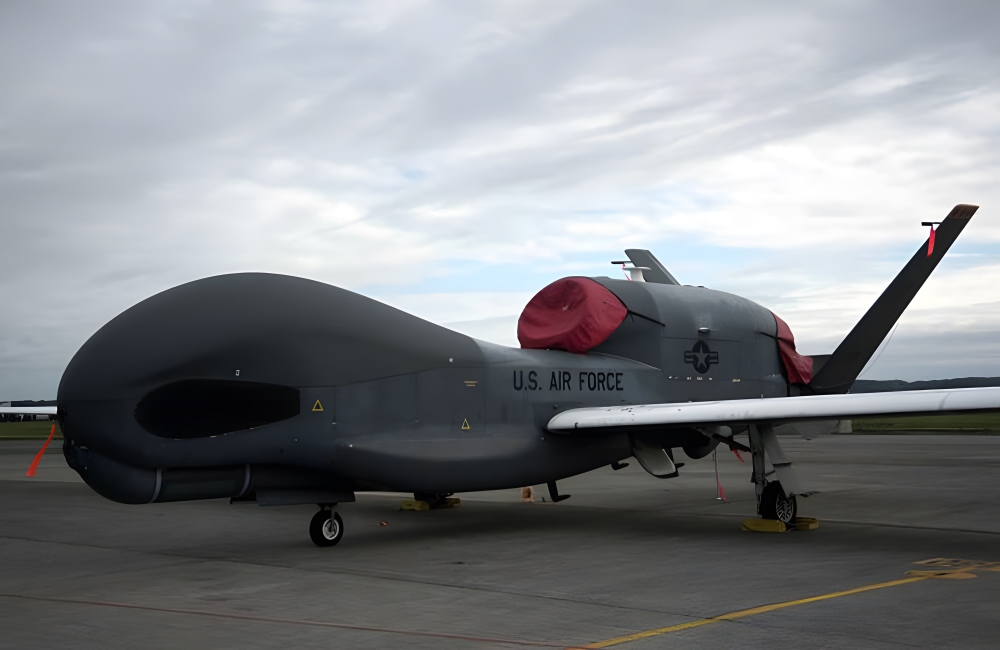
RQ-4 Global Hawk @starsandstripes / Twitter.com
The Global Hawk also uses long-range EO/IR sensors. This plane can survey 40,000 square miles (an area roughly the size of Iceland or South Korea) of terrain in just one day. The total program cost $10 billion. Each unit costs $131.4 million – $222.7 million when you factor in research and development.
48. MQ-1B Predator
Entered Service: 1994
Retired: N/A
Cost: $4.03 million*
The MQ-1 Predator, designed by General Atomics, is an RPA that has been used by the USAF and the CIA. The Predator carries sensors, cameras, and other observation technology for aerial reconnaissance. It is also built for war. The Predator has the capacity to carry Lockheed Martin Hellfire missiles and other munitions.
The Predator is often used to monitor tense situations, both domestic and foreign. Civilians can apply for Predator drones for scientific studies, law enforcement, monitoring forest fires, natural disasters, and similar situations. The Predator drones are classified as being “in limited service.” These drones had their first flight in 1994.
49. HC-130J Combat King II
Entered Service: 2010
Retired: N/A
Cost: $66 million*
The HC-130J Combat King II is a combat rescue plane that has been modified to also serve in a refueling capacity for tilt-rotor aircraft and helicopters. The cargo bay has additional fuel tanks, and the underwing pylons of the Combat King II have refueling pods. The Lockheed Martin Combat King II first flew in 2010.
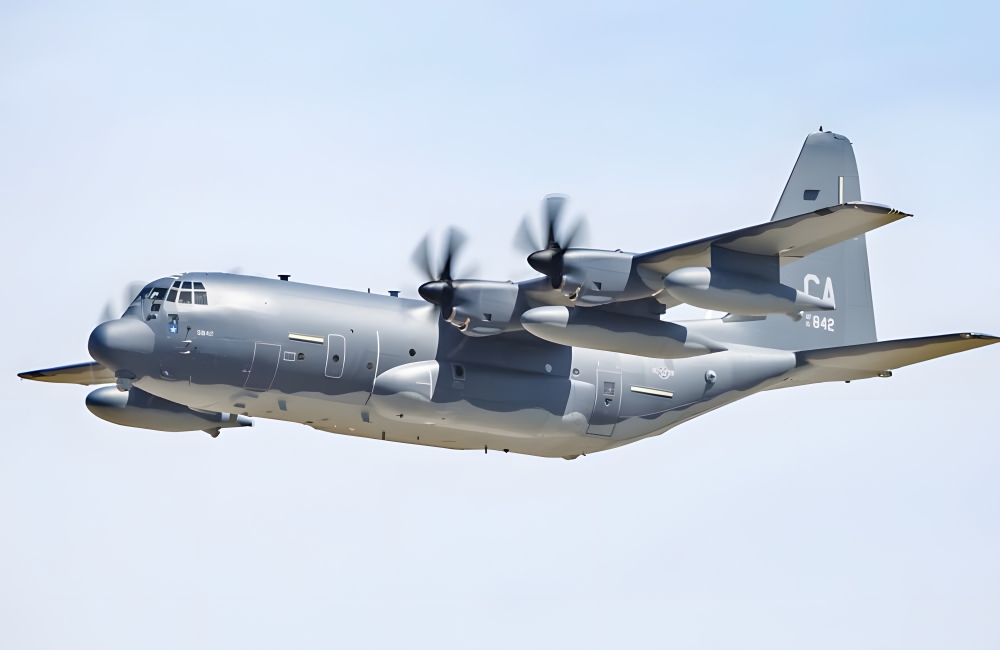
HC-130J Combat King II @LockheedMartin / Twitter.com
The first CKII was delivered to the Air Force shortly thereafter, but it underwent more tests before it could achieve IOC two years later. The USAF announced that it has plans to buy seventy-eight CKIIs in order to equip USAF, AFRC, and ANG rescue squadrons.
50. AC-130W Stinger II
Entered Service: 1968
Retired: N/A
Cost: $122 million*
The AC-130W Stinger is part of the AC-130 family, which includes the Spooky and Ghostrider. The Stinger was developed in the seventies, and the USAF is its sole operator. The Stinger is a variant that is used for air interdiction, force protection, and close air support. Close air support duties for the Lockheed Martin Stinger include escorting convoys, urban operations, and ground troop cover.
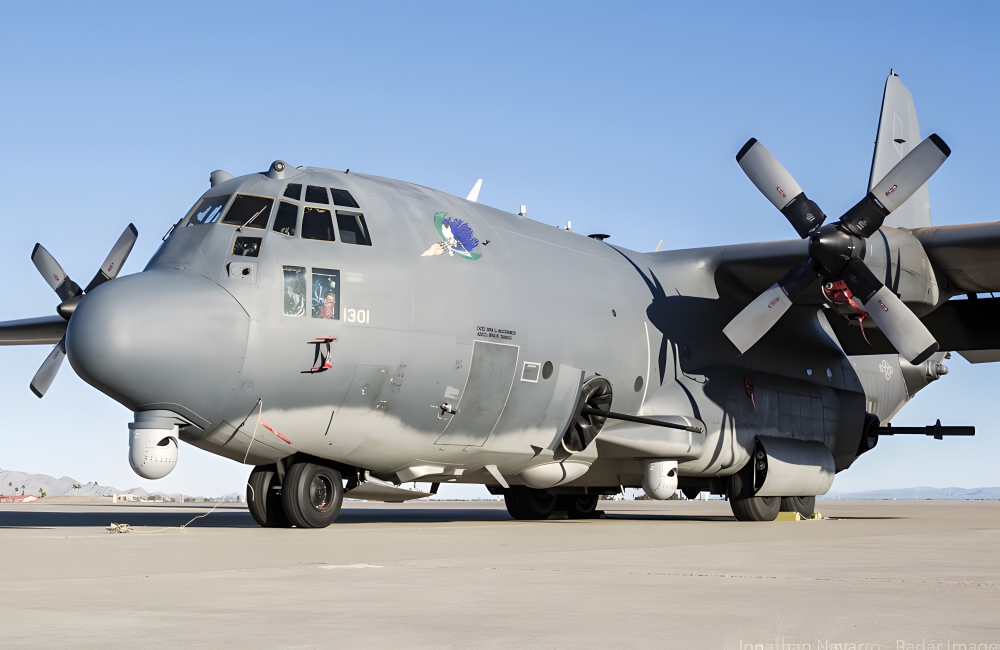
AC-130W Stinger II @Cloyd Hall / Pinterest
Air interdiction is conducted both against targets of opportunity and planned targets. The AC-130 planes all have unpressurized cabins, and weaponry is mounted to fire from the fuselage’s port side. The gunship can perform a pylon turn during attack, which allows it to fire for much longer than other gunships.
51. Sukhoi Su-35
Entered Service: 1988
Retired: N/A
Cost: $40-$65 million*
The Sukhoi Su-35 (which has the NATO reporting name of Flanker-E) was originally designed by military technicians from the Soviet Union. After the SSR dissolved, Russia opened up the Sukhoi Su-35 for possible export orders, hoping to compete with companies like Lockheed Martin.
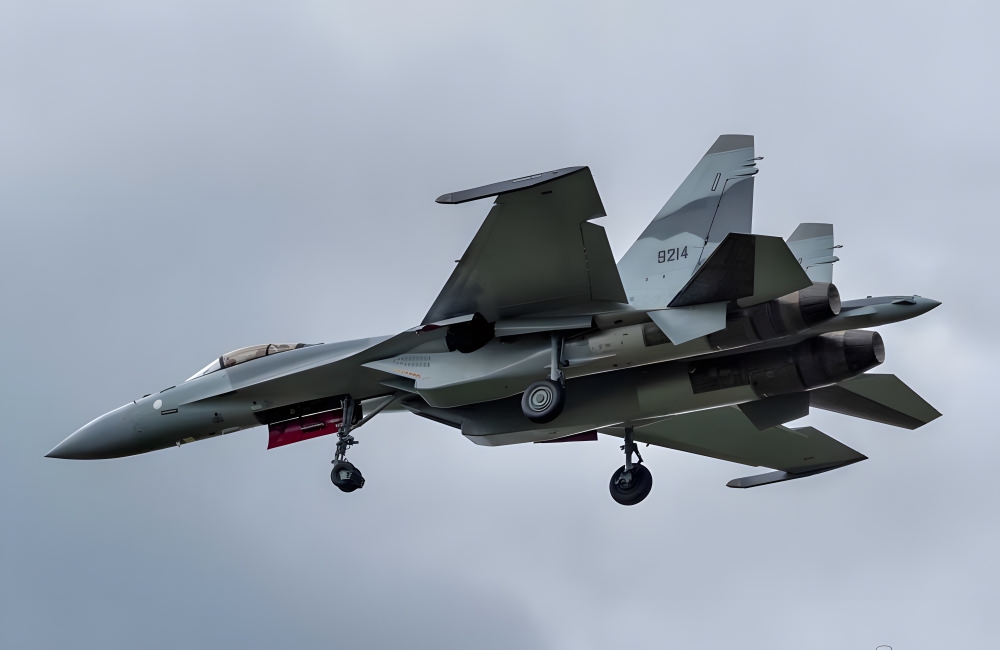
Sukhoi Su-35 @mahmouedgamal44 / Twitter.com
The Su-35 first flew in 1988, and it is still in use by the Russian Air Force, as well as the People’s Liberation Army Air Force. The Su-35 costs between $43 and $25 more to export, as opposed to the domestic version of the fighter. The Su-35 is a multi-role fighter jet that was designed with multi-function radar.
52. Eurofighter Typhoon
Entered Service: 1994
Retired: N/A
Cost: $130 million*
The Eurofighter Typhoon is a canard-delta wing, multirole fighter that was designed originally for air superiority. Instead of being manufactured by a single company, like many of the fighter planes from Boeing and other companies, the Typhoon was made through a conglomerate designed specifically for the project.
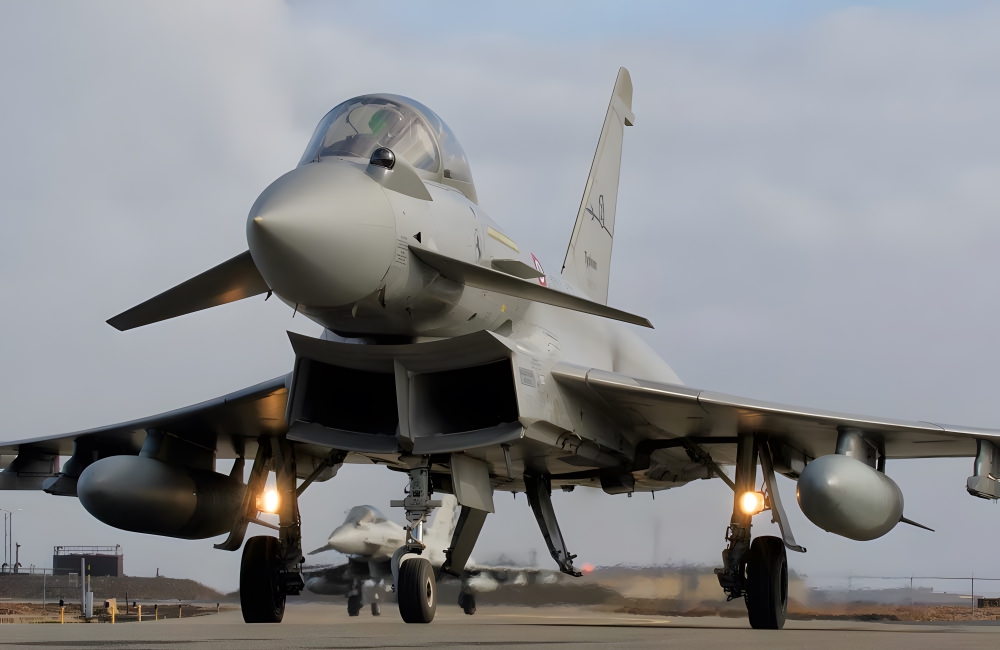
Eurofighter Typhoon @qxr1107 / Twitter.com
Airbus, Leonardo, and BAE Systems joined together in a partnership managed by Tornado Management and NATO. The development began in the early eighties, and it had its first flight on March 27, 1994. The Typhoon was officially introduced to the RAF, GAF, IAF, and SAF in August of 2003. It is still in service.
53. F-18 Super Hornet
Entered Service: 1995
Retired: N/A
Cost: $66.9 million*
The F-18 Super Hornet is part of a series of carrier-capable, multirole, twin-engine aircraft variants. These variants are based on the Hornet by McDonnell-Douglas. The Super Hornet is designed by Boeing. The Super Hornet comes with air-to-air missile-carrying capabilities. It can also carry air-to-surface weapons.
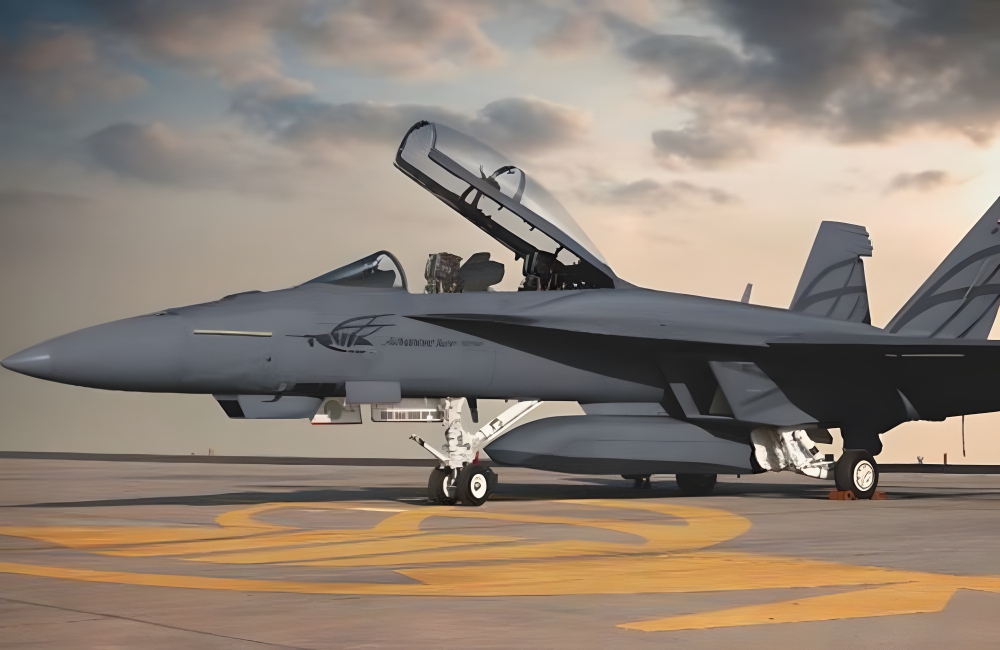
F-18 Super Hornet @geltzrl1957 / Pinterest
The Super Hornet has a 20mm M61 rotary cannon built into it. The aircraft is a jack of all trades, as it can be configured into an airborne tanker—just add a refueling system. The Super Hornet can carry five external fuel tanks. So far, 608 have been made, at a 2020 flyaway cost of $66 million.
54. Sukhoi PAK FA T-50
Entered Service: 2002
Retired: N/A
Cost: $8-10 billion (program)*
The unconfirmed NATO reporting name of the Sukhoi PAK FA is the “Felon.” This stealth, twin-engine, single-seat multirole jet fighter is in its fifth generation. It is part of PAK FA, a fighter program designed for the Russian Air Force and Navy. It’s unclear whether the PAK FA is open to exports like planes from Boeing or Northrop Grumman.
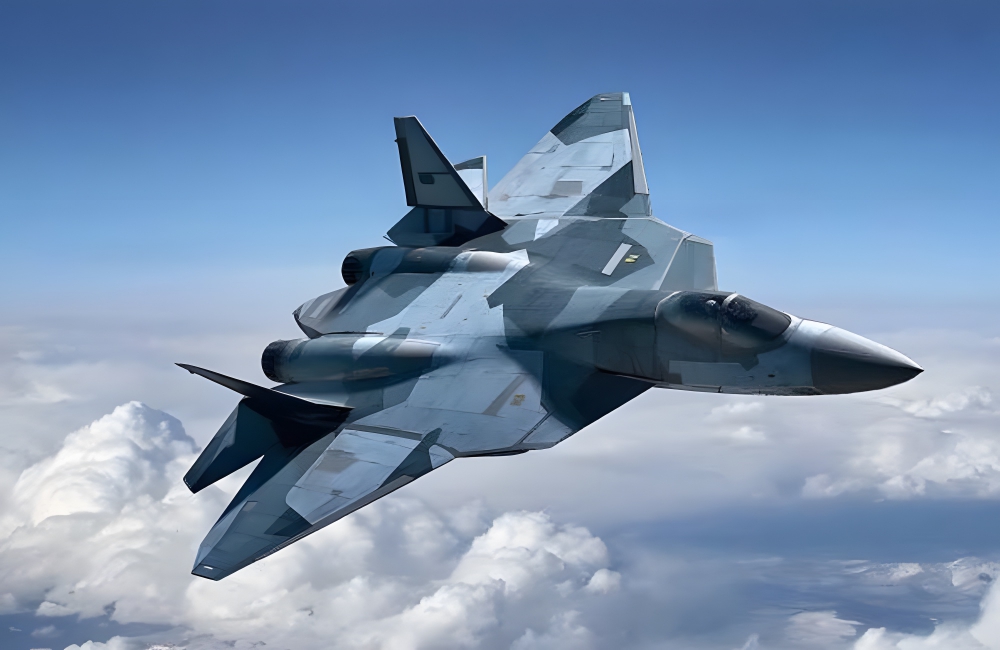
Sukhoi PAK FA T-50 @gIobalair / Twitter.com
The PAK FA’s name for the project, internally at Sukhoi, is the T-50. The Su-57 is still in development in this PAK FA program, but it is expected to be the first aircraft in the history of the Russian military to use stealth technology.
55. Saab Gripen
Entered Service: 1988
Retired: N/A
Cost: $40-$60 million*
The Saab JAS 39 Gripen is a multirole, light, single-engine aircraft made by Saab. The Gripen, which, in English, means “Griffin,” has a relaxed stability design. iI also has canard and delta wing configuration, as well as fly-by-wire controls. The engine is designed by Volvo, a car company once owned by Ford.
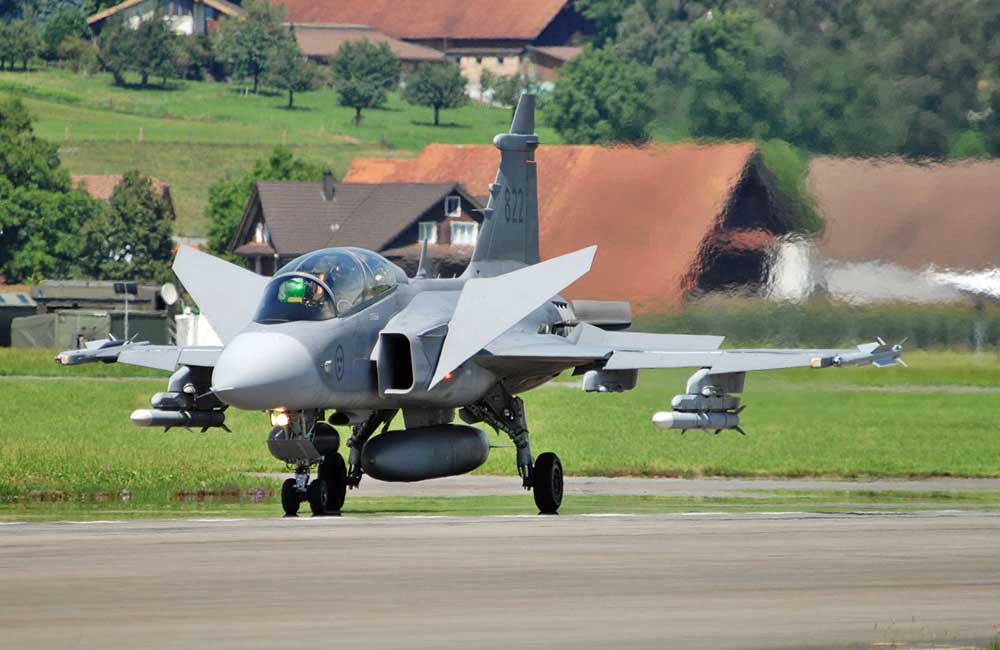
Saab Gripen @AirshownewsNL / Twitter.com
The Gripen went into development in 1979 at the behest of the Swedish government, which wanted an aircraft that could fight, attack, and perform recon. The Gripen was designed to replace the SAF’s Draken and Viggen, both of which were aging out, tech-wise. The total program cost is $13.54 billion.
56. Kingcobra
Entered Service: 1942
Retired: 1943
Cost: $797,000*
The Kingcobra is a blast from the past, but it is still pretty cool. The Kingcobra was developed by the now-defunct Bell Aircraft to fight during WWII. The Kingcobra was designed to replace the Airacobra. Though this fighter aircraft was designed by an American company, the USAAF rejected it for combat use.
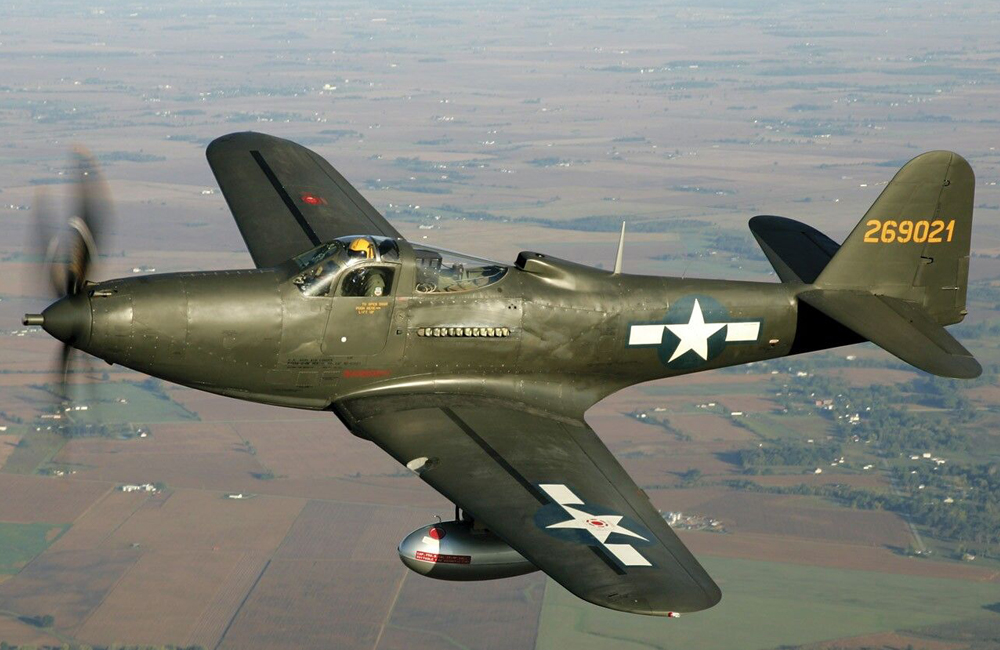
Kingcobra @Thomas Minks / Pinterest
The Soviet Air Force accepted the Kingcobra for their use in WWII and Bell sold them 3,303 Kingcobras. The fighter jet had a far shorter life span than jets made these days by companies like Lockheed Martin. Only 3,303 were built, each at a cost of $797,000 in today’s money.
57. Kawasaki KAT-1
Entered Service: 1954
Retired: 1950s
Cost: Unknown
The Kawasaki KAT-1 is a primary trainer developed by the Japanese military. It had a short lifespan, as it was developed in 1954 and flown for only a few years. Just two were ever built. When you hear Kawasaki, you may think of the motorcycle company (which is one of Harley-Davidson’s biggest competitors).
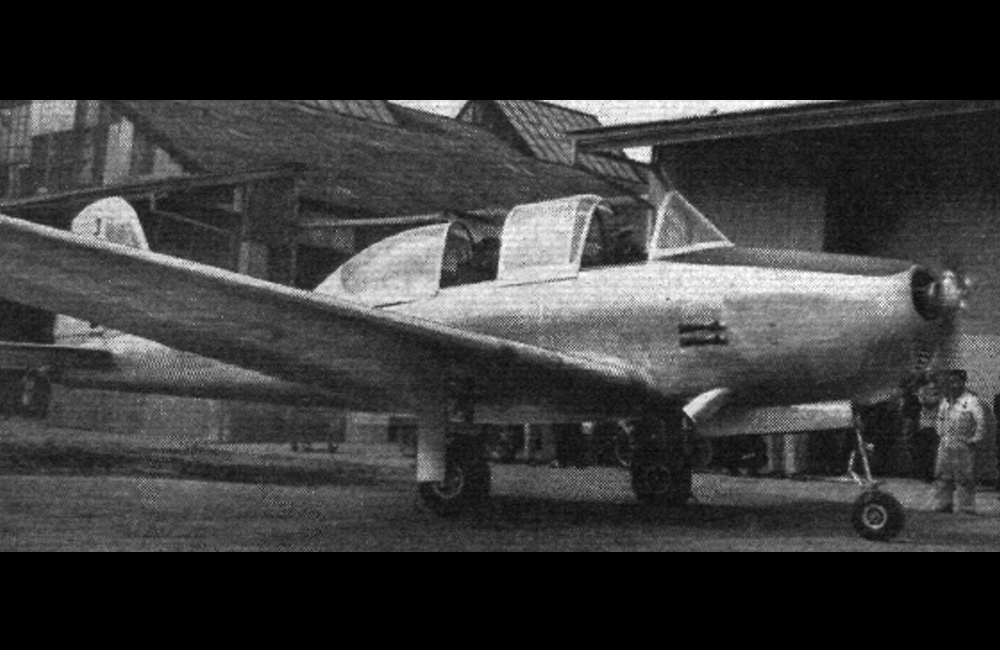
Kawasaki KAT-1 ©Shutterstock
However, Kawasaki makes planes, too. The KAT-1 was a low-wing monoplane. At the time of its design, Kawasaki was competing with Beech Mentor for the Japanese Air Defense Force contract. That is why the two prototypes were the only KAT-1s ever made—Beech ended up being the preferred contractor.
58. Chengdu J-10
Entered Service: 2006
Retired: N/A
Cost: $27.84 million*
The Chengdu J-10 (NATO reporting name “Firebird”) is a multirole lightweight fighter aircraft that can fly in any weather. It is configured using a canard and delta wing design. It has fly-by-wire controls. The People’s Liberation Army Air Force flies the J-10, produced by Chengdu Aircraft Corporation, which is basically the Chinese version of Boeing.
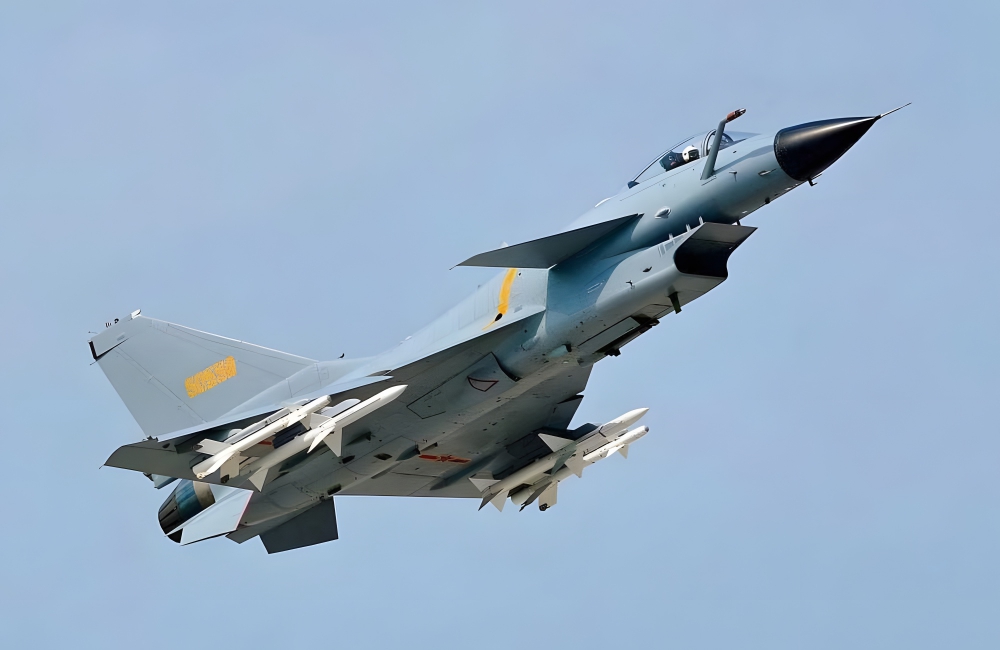
Chengdu J-10 @AereiMilitari / Facebook.com
In Chinese, the J-10 is also called the “Vigorous Dragon.” The J-10 was China’s response to the Su-27, in use by the USSR, and the F-15 and F-16 that was in use by the U.S. military. Each J-10 cost around $27.84 million to produce. It’s internal project name is “Project 10.”
59. French Rafale
Entered Service: 1986
Retired: N/A
Cost: $62.7 billion (program)*
Originally designed for the French Air Force and Navy, the Dassault Rafale is another fighter jet produced by the famous French weapons-maker. The Rafale is an omnirole aircraft. The Rafale is a canard-delta wing, twin-engine, multirole fighter jet that was equipped with a variety of weapons.
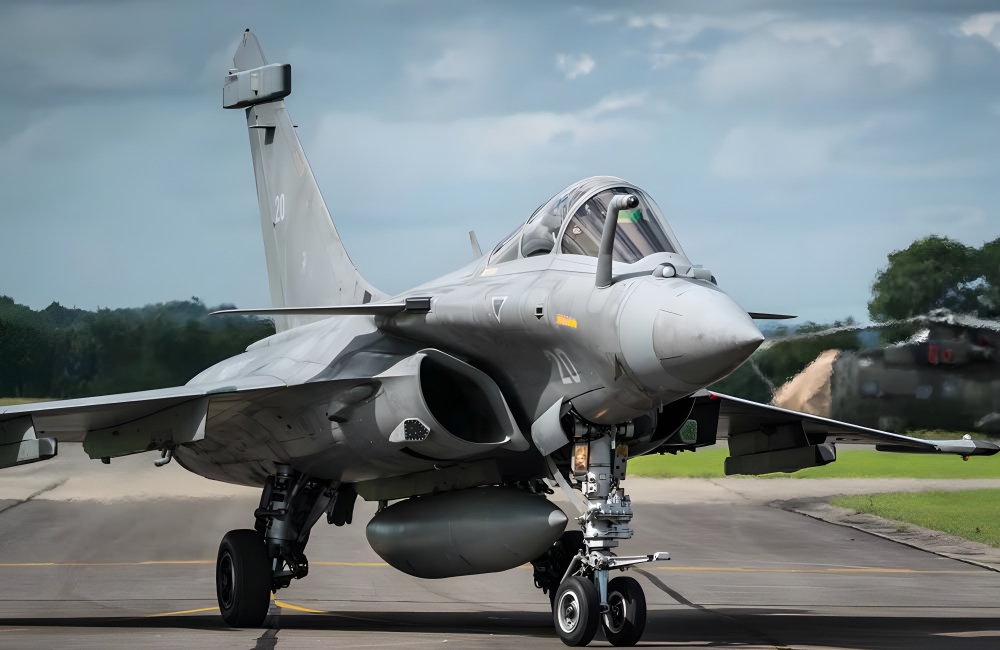
French Rafale @Yeoviltonphotos1978onwards / Facebook.com
The Rafale can perform interdiction, recon, air supremacy, ground support, and pretty much anything else the FAF and French Navy need it for. The plane was developed in the late seventies. France wanted to reduce development costs, and it went to a domestic company, as opposed to a foreign company like Lockheed Martin, to cut costs.
60. Shenyang J-31
Entered Service: 2012
Retired: N/A
Cost: $70 million*
The Shenyang J-31 is also called the FC-31 or the J-35. It has been known as “Snowy Owl” and “Falcon Hawk” as well. The J-31 was developed by a state-owned company called Shenyang Aircraft Corporation, structured differently than companies like Northrop, which contracts with the government but is not owned by the government.
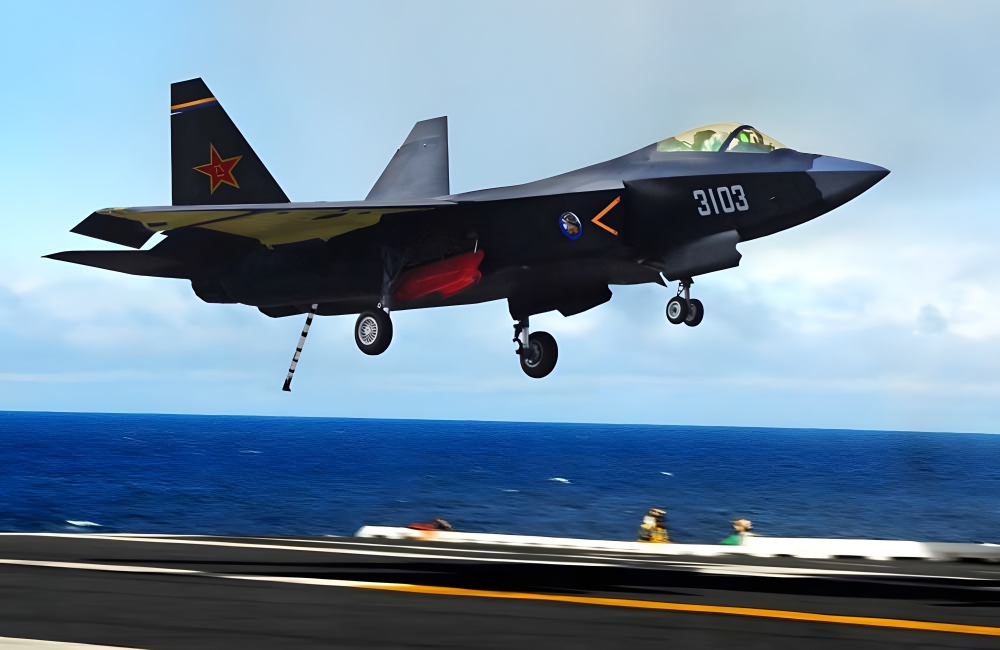
Shenyang J-31 @CustodioRubens / Twitter.com
The J-31 had its first flight on Halloween in 2012. It has not been formally introduced yet, and just two prototypes have been built. Currently, the jet is in the “flight testing” stage. The J-31 is expected to be a multirole fighter using stealth technology.