
46. MiG-35 Fulcrum
Entered Service: 2007
Manufacturer: Russian Aircraft Corporation MiG
Cost: $48.6 million*
The MiG-35 Fulcrum is made by UAC, and it is a 4th generation jet fighter. The MiG-35 is developed from the MiG-29M and 29K fighters. The MiG-35 Fulcrum (which has the NATO reporting name of Fulcrum-F) first dazzled crowds in 2007 at the Aero India Air Show.
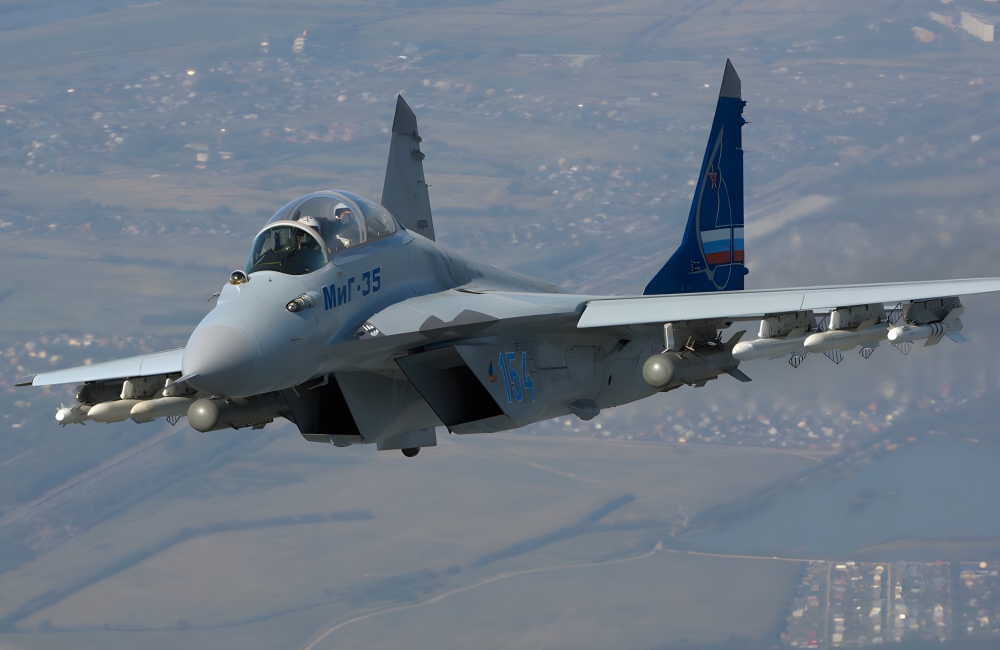
MiG-35 Fulcrum @defencelive / Twitter.com
United Aircraft Co. designed both a single-seater and a two-seater version of the Fulcrum. The fighter has advanced weapons systems and avionics systems when compared to its predecessors. Examples of its high-tech equipment include its optical locator system, which lets it conduct multi-role missions independent of ground-control interception systems. The Fulcrum is also compatible with AESA radar.
47. Air Force One
Entered Service: 1990
Manufacturer: Boeing
Cost: $660 million*
Air Force One is the traffic control call signal for the USAF aircraft, which carries the president. The idea of having a plane specifically designed to carry the president came about in the early forties when the USAF became concerned about the safety of carrying the president using commercial airlines.
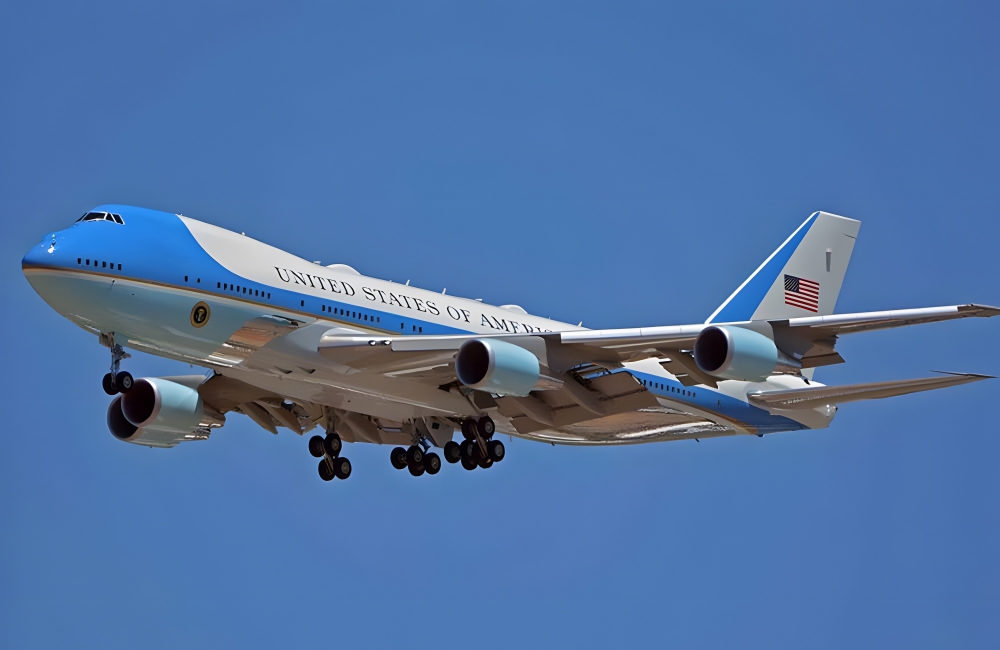
Air Force One @Air Force One / Facebook.com
The first Air Force One was the C-54 Skymaster. Now, the chosen Air Force One plane is the Boeing 747-8 aircraft. In 2017, Boeing announced that it was going to convert two abandoned Transaero planes (stored in the Mojave Desert) into Air Force One aircrafts, retrofitting them to meet the required security levels.
48. Benjamin Franklin-class Submarine
Entered Service: 1964
Manufacturer: General Dynamics Electric Boat, Newport News Shipbuilding, Mare Island Naval Shipyard
Cost: $1.2 billion*
The Benjamin-Franklin-class submarine was in action from the ‘60s to the 2000s. The Benjamin-Franklin-class subs were successors to the James-Madison-class submarines, and they were built first with a Polaris A3 ballistic missile before being converted. They were changed to support a Poseidon C3 missile.
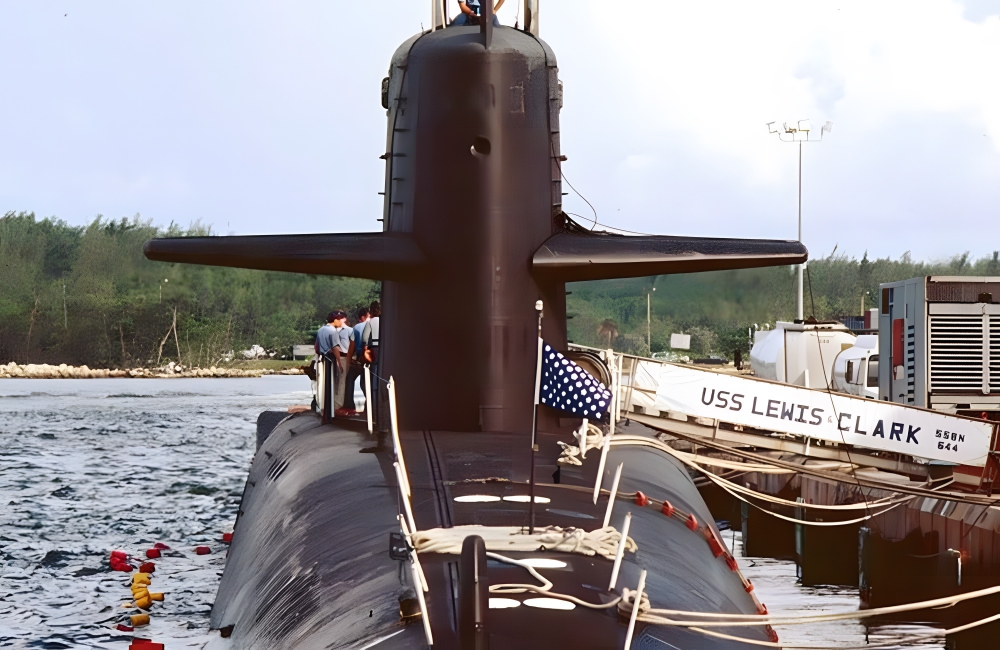
Benjamin Franklin-class Submarine @AncientSubHunt / Twitter.com
The eighties brought more changes to the Ben Franklin submarines, as six of the subs were changed to support Trident C4 missiles. The Ben Franklin subs, which were powered by an S5W nuclear reactor, were 425 feet long, making them more substantial than the Los Angeles class of submarines. Only two of this mega-giant-class remain.
49. Dassault Mirage 2000
Entered Service: 1978
Manufacturer: Dassault Aviation
Cost: $36.1 million*
Dassault Aviation developed the Dassault Mirage 2000, which is a multi-role fourth-generation jet fighter. The Mirage 2000 was created in 1978, and it was officially introduced for use in the French Air Force in 1984. The Mirage 2000 is also used by the United Arab Emirates Air Force, the Indian Air Force, and the Taiwanese Air Force.
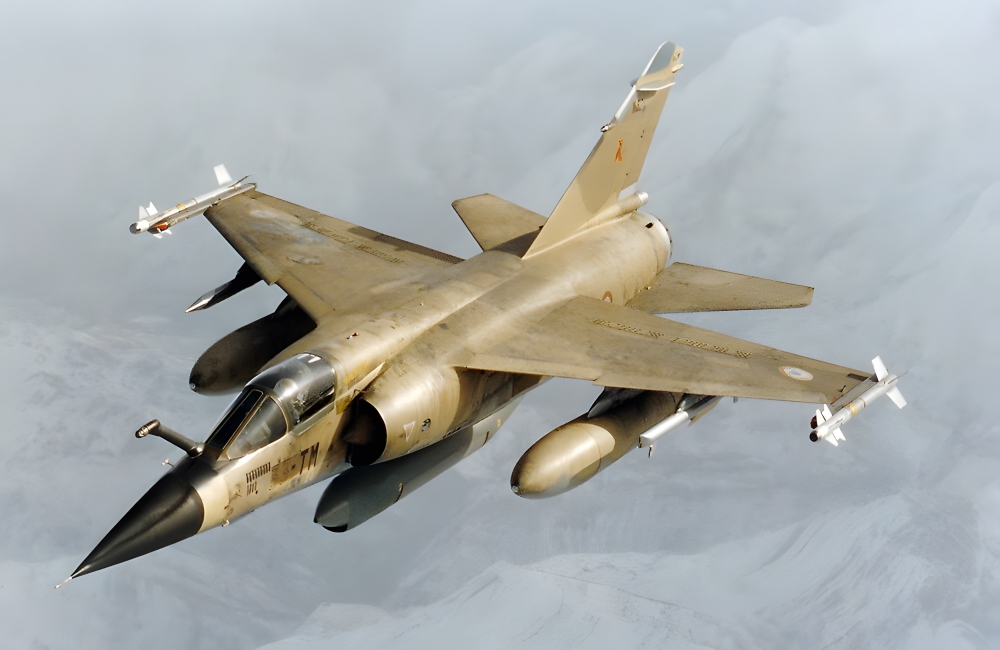
Dassault Mirage 2000 @OffiongAnthony / Twitter.com
The Mirage 2000 has had several variants, including the 2000N and 2000D developed by DUAVF from it, making it somewhat of a leading predecessor. Later, this lightweight fighter would be developed into the Dassault Mirage 4000. 601 of these jet fighters have been built thus far.
50. Panavia Tornado
Entered Service: 1979
Manufacturer: Panavia Aircraft GmbH
Cost: $59.6 million*
The U.K., Germany, and Italy teamed up to create the Panavia Tornado, which is a fleet of twin-engine multi-role, variable-sweep combat aircraft. The three countries developed and manufactured the Tornado fleet together. There are three types of Panavia Tornado planes: the IDS (interdictor strike), the ECR (electronic combat/reconnaissance), and the ADV (interceptor aircraft).
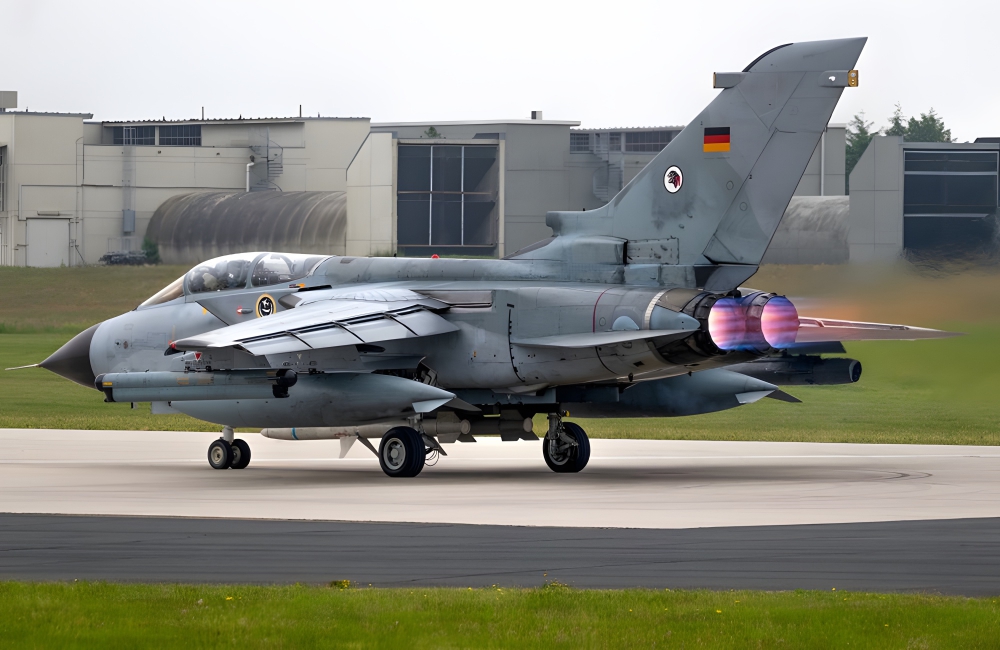
Panavia Tornado ©VanderWolf Images / Shutterstock
EADSY is the primary shareholder of Panavia, along with BAE Systems. The Tornado had its first flight in 1974, and it was formally introduced in 1979. The Tornado was retired in 2019 by the Royal Air Force. It is still in use by the RSAF, IAF, and GAF.
51. USS George HW Bush Aircraft Carrier
Entered Service: 2009
Manufacturer: Northrop Grumman
Cost: $6.2 billion*
People recognize George H.W. Bush as the former U.S. President, but what many might not know is that he was a Lieutenant in the Navy during WWII. The USS George H.W. Bush is the tenth Nimitz-class Navy supercarrier, and it is the last of that class. The callsign is Avenger, which was the aircraft that H.W. flew in WWII.
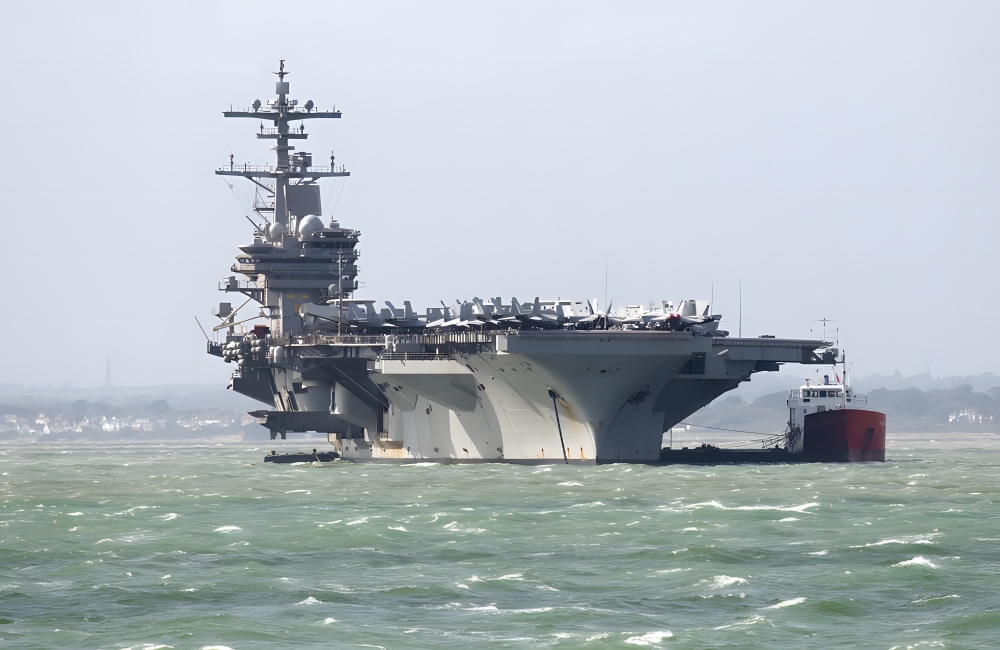
Aircraft carrier ©Peter R Foster IDMA / Shutterstock
Northrop Grumman began construction in 2003 at Dry Dock 12, which is the largest dock in the Western Hemisphere. George H.W. Bush was completed in 2009, and she cost $6.2 billion. She is docked at Naval Station Norfolk, in Virginia.
For her first deployment, the USS George H.W. Bush was part of Carrier Strike Group Two. She sailed to Britain to participate in training exercises (“Thursday Wars”). The ship has been deployed several times since, both for missions and for Naval training exercises. Currently, the USS George H.W. Bush is not deployed.
52. New Air Force One
Entered Service: Expected 2022
Manufacturer: Boeing
Cost: $5.3 billion*
In April of 2020, the Air Force completed a major milestone in replacing the current Air Force One. The Boeing 747-8i is the proposed replacement plane for the aging Air Force One, which has been in service since the nineties. The plane’s budget is very expensive, despite efforts by the current administration to lower costs.
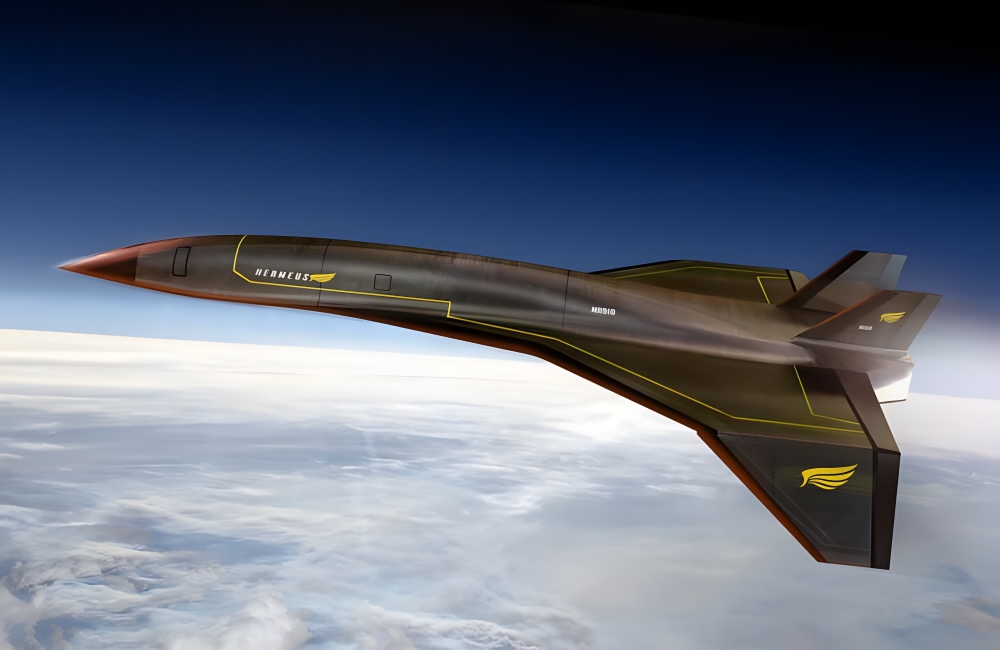
New Air Force One @u/Aspiration_Official /Reddit.com
The plane is expected to cost $5.3 billion. The high price-tag is likely due to the increased security modifications necessary for transporting the President. The Air Force One is also far faster than other similar planes, with a top speed of 600MPH. That’s almost the speed of sound!
53. AF X-37B Orbital Test Vehicle
Entered Service: 2019
Manufacturer: Boeing
Cost: Classified
This one is a little more mysterious, as the activities of the AF X-37B Orbital Test Vehicle have been kept pretty under wraps (and that includes its cost). In 2006, the Air Force announced that it wanted to build a variation on the Boeing X-37A. Boeing was the contractor to build this test vehicle.
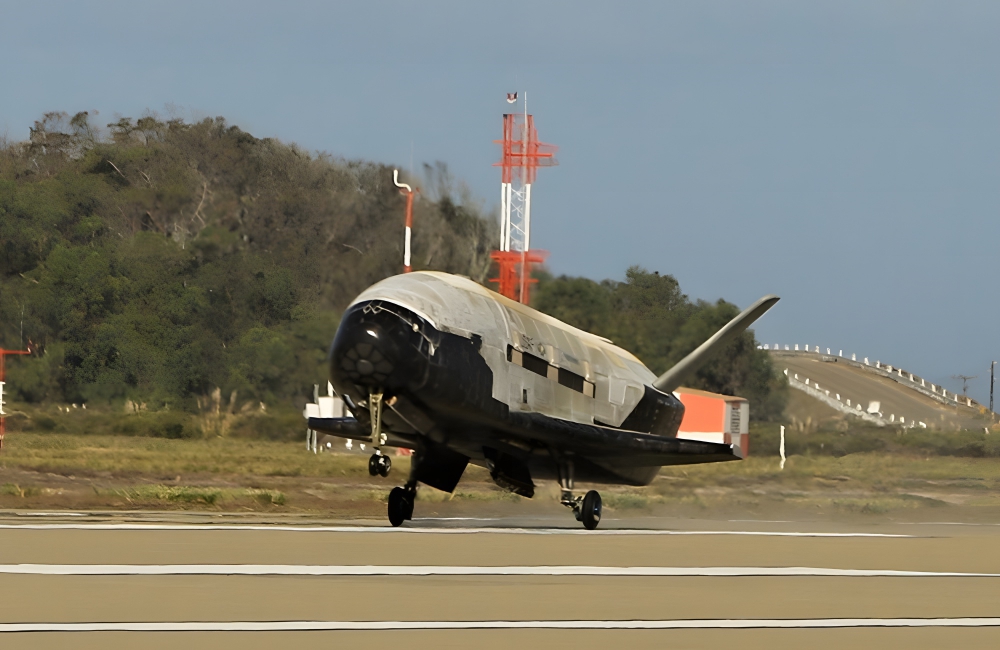
AF X-37B Orbital Test Vehicle @Vandenberg Space Force Base / Youtube.com
The X-37B Orbital Test Vehicle is used to “demonstrate technologies” that could later be developed into a “reliable, reusable, [and] uncrewed” space platform. Basically, the OTV is a way to put the military into space without actually sending troops up there—from what has been gathered about the enigmatic program.
54. CAMEL MRAP
Entered Service: N/A (no production plans announced)
Manufacturer: Pentagon Engineers
Cost: $500,000-$1 million*
The CAMEL MRAP debuted in 2015. CAMEL stands for “Concept for Advanced Military Explosion Mitigating Land.” The CAMEL is still a concept in development, but it is getting closer to becoming the real deal. The CAMEL is an 8×8 vehicle that is Mine-Resistant, Ambush Protected (MRAP).
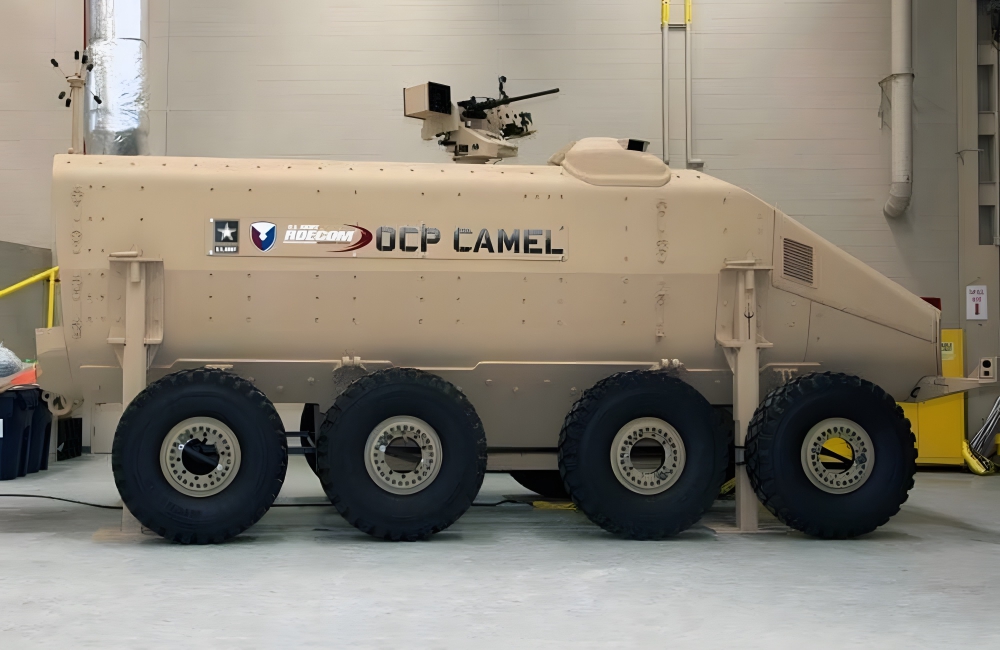
CAMEL MRAP @Larry Phillips / Facebook.com
The CAMEL provides point protection against IEDs and landmines. It has full-color LCD systems, vision blocks, advanced electronic systems, and more. It can travel across uneven terrain, and its high ground clearance keeps occupants distanced from IEDs that could be lurking under the vehicle. The vehicle is basically a summation of everything American troops have learned from fighting in desert climates.
55. Eurofighter Typhoon
Entered Service: 2003
Manufacturer: Eurofighter Jagdflugzeug
Cost: $164.34 million*
The Eurofighter Typhoon is a canard-delta wing, twin-engine, multi-role fighter that is currently in use by the RAF, GAF, IAF, and SAF. It has been produced since 1994, and, so far, 570 have been built. The manufacturer is Eurofighter Jagdflugzeug GmbH, which is basically the European version of Boeing.
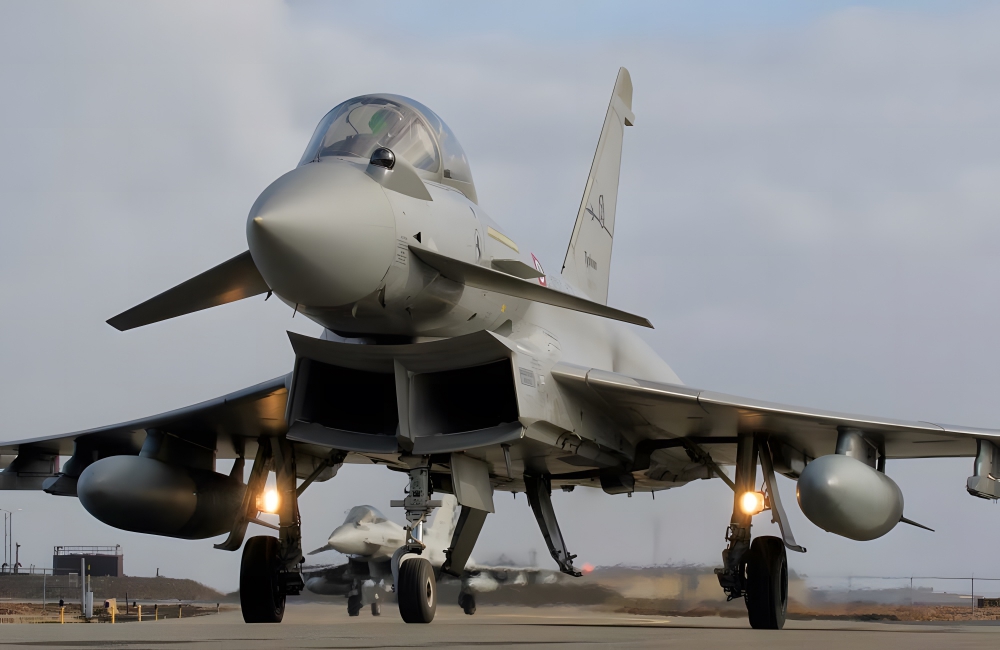
Eurofighter Typhoon @qxr1107 / Twitter.com
The Typhoon started development after the Cold War. Though it is most frequently used by Western Europe, Saudi Arabia, Oman, Kuwait, and Qatar have put in orders that will bring the manufacturing total up to 623. The Typhoon is designed as a supremely efficient dogfighter (close range fighter) in combat.
56. M142 HIMARS
Entered Service: Late 1990s
Manufacturer: Lockheed, BAE
Cost: $5.1 million*
HIMARS stands for “High Mobility Artillery Rocket System.” The M142 HIMARS was developed in the late nineties for use by the US Army. It is a rocket launcher attached to an M1140 truck frame. HIMARS has six rockets (or just one missile—an MGM-140 ATACMS). It is part of the Family of Medium Tactical Vehicles (FMTV), used by the Army.
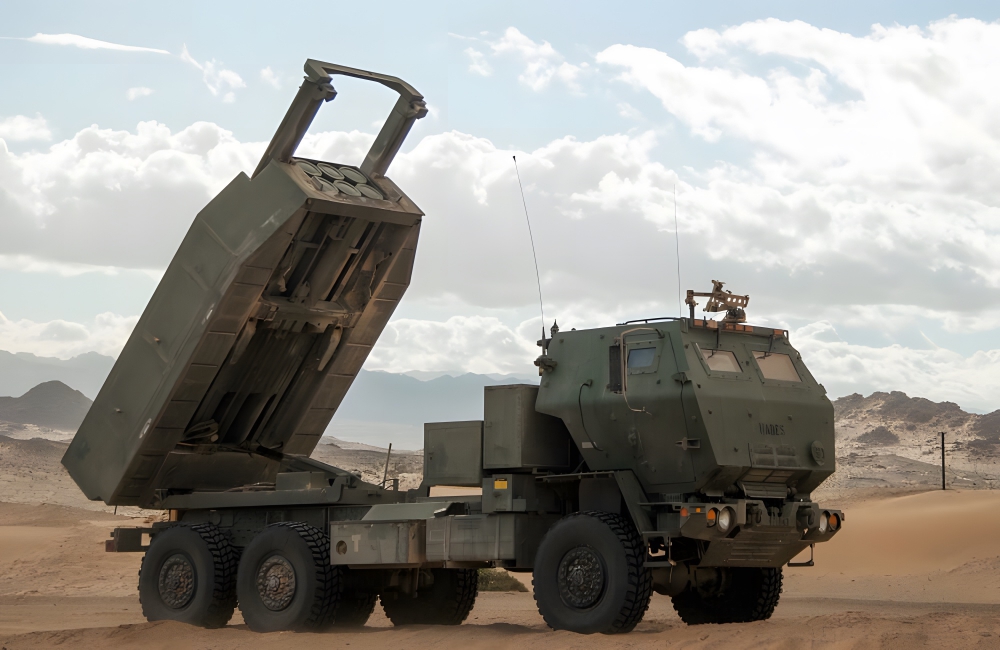
M142 HIMARS @Tom_Antonov / Twitter.com
The M142 HIMARS costs $5.1 million for the launcher and ammunition. The M1140 truck to which it is attached has a program cost of $406 million for the fleet. The M142 HIMARS has the same pod as the M270 MLRS. The pod is made of layers of sapphire.
57. E-3 Sentry
Entered Service: 1972
Manufacturer: Boeing
Cost: $270 million*
The Boeing E-3 Sentry, which has often been called the AWACS, is an early warning and control aircraft that was developed from the Boeing 707. This aircraft provides communications, control, command, and surveillance in all weathers. Boeing sold it to the USAF, but it is also used by the RAF, FF, RSAF, and NATO.
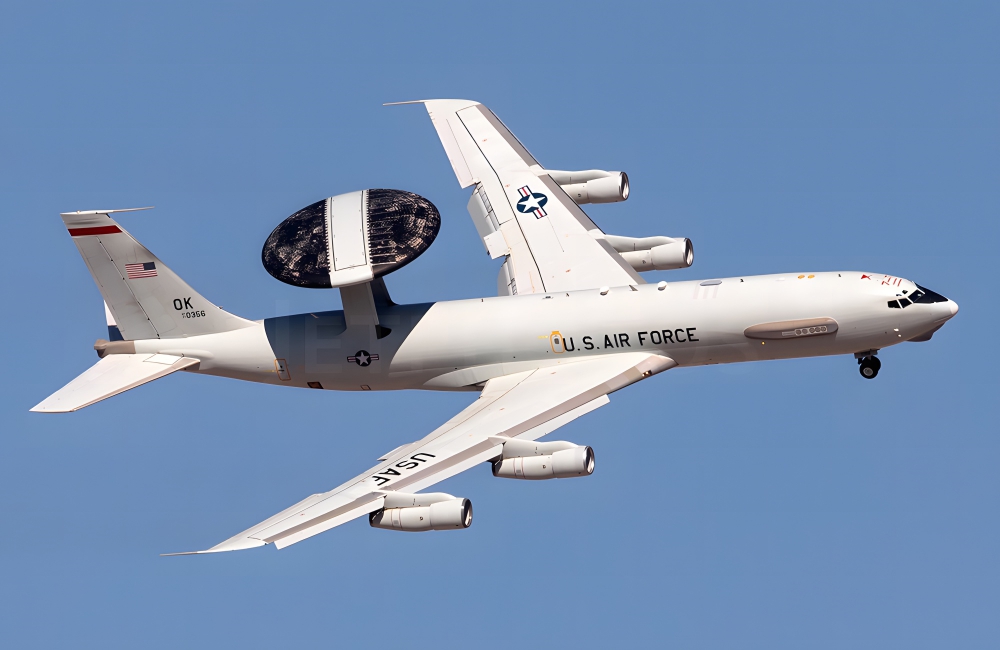
E-3G Sentry @JetPhotos / Twitter.com
The Sentry is unique because of its rotating radar dome, which is located right above the plane’s fuselage. Production took place from 1977 until 1992, and 68 have been built. Each unit costs $270 million. It is still operational, though production may have ceased decades ago.
58. AC-130J Ghostrider
Entered Service: 2017
Manufacturer: Lockheed Martin
Cost: $132.4 million*
The AC-130J Ghostrider is one impressive gunship. The entire AC-130 family has been around since the sixties, and it is primarily used by the U.S. military. The AC-130J Ghostrider was based on the MC-130J, and it was designed by Lockheed Martin as a replacement for the AC-130H.
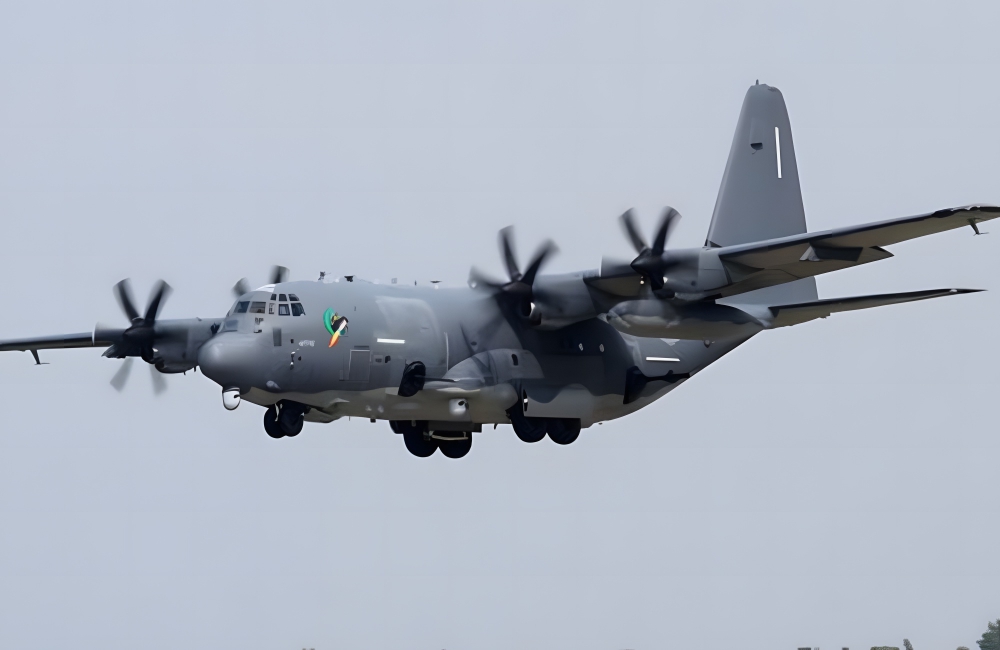
AC-130J Ghostrider @ox0657/Pinterest
The 130J developed operational capability in 2017 after six had been delivered. The gunship is heavily-armed and used for ground attacks. It is a long-endurance version of the C-130 Hercules fixed-wing transport aircraft. It has tons of ground attack weapons onboard, which have sensors, fire-control, navigation, and other sophisticated systems. The AC-130J is unique because it relies on visual targeting.
59. M117 Guardian
Entered Service: 1999
Manufacturer: Textron Marine & Land Systems
Cost: $800,000*
Textron Marine & Land Systems is the builder behind this ASV. The M117 Guardian is based on the V-100/V-150 Commando armored cars, and it was developed during the late nineties. The Military Police Corps uses this vehicle. In 1997, the M117 Guardian was introduced, and it has been in service since 1999.
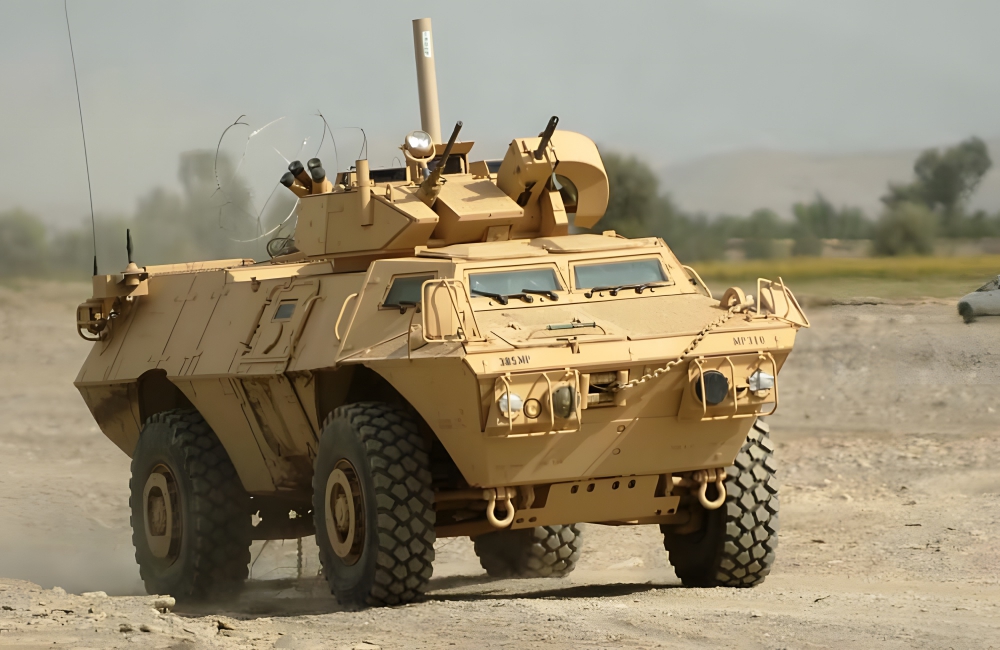
M117 Guardian ©Micah E. Clare / Wikimedia.org
The Guardian weighs 29,560 pounds. This ASV was the first US military vehicle to have a mine-resistant hull. As the use of IEDs rose in the battlefield, demand (and production) for this IED-resistant ASV increased. The Guardian is armed with an Mk 19 grenade launcher, as well as an M2HB Browning machine gun.
60. MC-130H Combat Talon II
Entered Service: 1980s
Manufacturer: Lockheed Martin
Cost: $160 million*
In 1991, the first fully-operational Combat Talon II was received. Three others were delivered that summer, and the formal ceremony introducing the MC-130H Combat Talon II was held in the fall of that year. The Lockheed Martin MC-130H Combat Talon II had a lot of new electronics to its name.
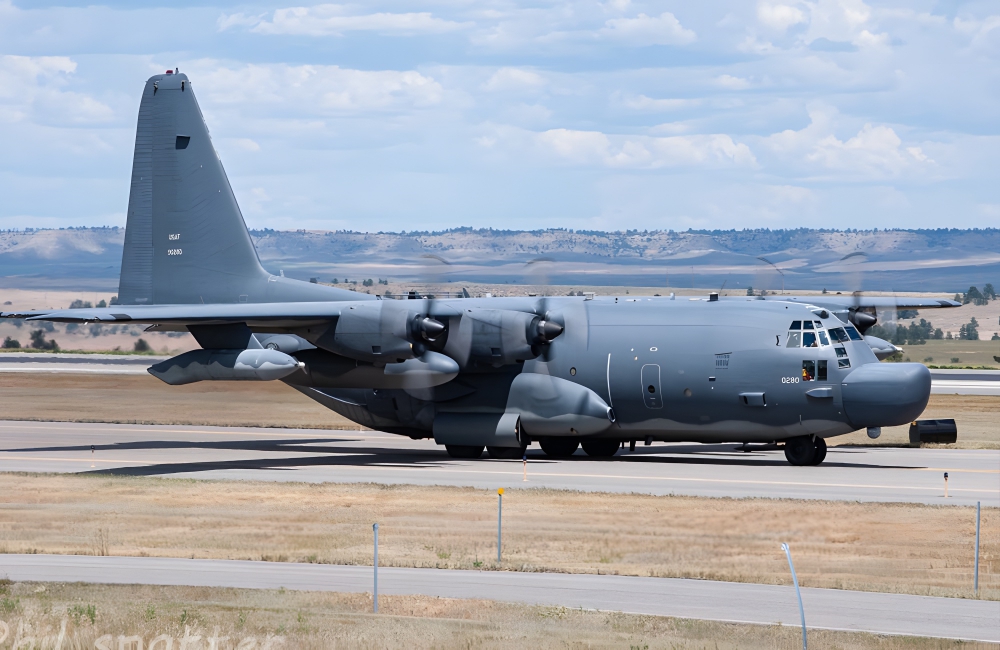
MC-130H Combat Talon II @BIL_spotter / Twitter.com
The new tech included GPS navigation, radar specifically designed to navigate in poor weather conditions, an upgraded electronics suite, and NVG (night vision goggles) capacity. The Talon II was best-suited for high-level daytime VMC to an easily-ID’d dropzone, which was a departure from its predecessor, the MC-130E Combat Talon I.