
Russia, the world’s largest country spanning an incredible 11 time zones, is a land that has long captured the global imagination. While popular culture often reduces Russia to simplistic notions of vodka, perpetual winter, and Cold War tensions, the reality of this vast nation is far more complex and fascinating. As we embark on a journey to uncover the true essence of Russia, we find ourselves immersed in a world of surprising contradictions and hidden wonders. From the architectural marvels of Moscow and St. Petersburg to the pristine wilderness of Kamchatka, Russia offers a diversity of landscapes and experiences that defy easy categorization. Its rich history, stretching from the ancient Kievan Rus to the modern era, has shaped a unique cultural tapestry that continues to influence the world. The Russian people, known for their resilience, hospitality, and deep appreciation for the arts, have created a society that blends tradition with innovation in unexpected ways. As we delve deeper into the heart of this enigmatic land, we uncover a treasure trove of mind-blowing facts that challenge our preconceptions and expand our understanding of this vast country. Join us on an eye-opening exploration of Russia, where each discovery reveals a new facet of this endlessly intriguing nation, far beyond the stereotypes that have long defined it in the global consciousness.
1. The Walruses With The Heart Of Ice

Russia, a country known for its vast and diverse landscapes, boasts numerous famous beaches that attract visitors year-round. While many associate Russian beaches with the warm summer months, there’s one particular beach that has gained notoriety for its winter appeal. This unique coastal destination, located near the iconic Peter and Paul Fortress in St. Petersburg, draws crowds not for its sun-soaked sands, but for its icy waters and the hardy individuals who brave them.
In the depths of winter, when most people are bundled up against the biting cold, a group of dedicated Russians flock to this beach, driven by their unwavering belief in the therapeutic effects of freezing water. These individuals, affectionately known as “walruses,” have earned their nickname from the Arctic marine mammals famous for their ability to withstand frigid temperatures. Just as walruses can slow down their heartbeat to endure the icy Arctic waters, these human counterparts have trained their bodies to withstand shockingly cold temperatures.
The practice of winter swimming, or “moržování” in Russian, has deep roots in the country’s culture. It’s not merely a test of physical endurance but is often viewed as a holistic approach to health and well-being. Proponents of this practice claim numerous benefits, including improved circulation, boosted immune system, stress relief, and increased overall vitality. Some even attribute their longevity and resistance to common illnesses to their regular cold-water immersions.
The scene at this St. Petersburg beach during winter is both surreal and inspiring. As the temperature drops below freezing and ice forms on the water’s surface, the “walruses” gather, often in groups, to prepare for their chilly dip. They can be seen performing warm-up exercises on the snow-covered beach, their breath visible in the frigid air. Then, with a mix of excitement and determination, they make their way into the water, breaking through the ice if necessary.
The sight of these swimmers, many of them elderly, calmly floating in near-freezing water is a testament to the human body’s remarkable adaptability. While the initial shock of the cold is intense, regular practitioners report a rush of warmth and energy once they’re in the water. This phenomenon is partly due to the body’s survival response, which redirects blood flow to vital organs and releases a surge of endorphins.
However, it’s important to note that winter swimming is not without risks. Medical professionals caution that sudden immersion in very cold water can cause a severe shock to the system, potentially leading to heart attacks or hypothermia in unprepared individuals. As such, the “walruses” typically build up their tolerance gradually over time, starting with brief dips and slowly increasing their exposure.
The culture surrounding these winter swimmers extends beyond the act of swimming itself. Many “walruses” form close-knit communities, gathering not just for their icy swims but also for social events and mutual support. These groups often have their own traditions, such as celebratory feasts after a swim or annual competitions to test their cold-water endurance.
The popularity of winter swimming in Russia has even led to the development of specialized infrastructure in some areas. Some beaches have dedicated changing rooms for winter swimmers, and holes are regularly cut in the ice to provide safe entry points. In St. Petersburg, the tradition has become something of a tourist attraction, with curious onlookers gathering to watch the brave “walruses” in action.
As climate change continues to affect global weather patterns, some winter swimmers have reported challenges in maintaining their practice. Milder winters in some regions have led to less ice formation, altering the traditional winter swimming experience. Nevertheless, the dedication of these “walruses” remains unwavering, with many traveling to colder regions or adapting their practices to maintain their cherished tradition.
The phenomenon of winter swimming in Russia serves as a fascinating intersection of cultural tradition, physical endurance, and alternative health practices. It reflects the Russian spirit of resilience and the ability to find joy and vitality even in the harshest conditions. Whether viewed as an extreme sport, a health regimen, or a quirky cultural practice, the sight of these human “walruses” plunging into icy waters continues to captivate both locals and visitors alike, adding another layer to Russia’s rich tapestry of traditions and experiences.
2. And The Beauty Pageant Winner Is…

The “Miss Russia” beauty contest, a prestigious national pageant that has been running since 1992, has become a significant platform for showcasing the beauty, intelligence, and talent of Russian women to the world. This annual event not only celebrates physical attractiveness but also emphasizes the importance of personality, intellect, and social responsibility. The winner of this coveted title goes on to represent Russia in two of the most renowned international beauty pageants: Miss World and Miss Universe.
What sets “Miss Russia” apart from many other beauty contests is the diverse backgrounds of its participants and winners. Far from being just a parade of conventional beauty, the pageant has featured winners from various professional fields, highlighting the multifaceted nature of modern Russian women. This diversity challenges stereotypes and presents a more comprehensive representation of Russian femininity to both domestic and international audiences.
One of the most intriguing aspects of the “Miss Russia” contest is the inclusion of winners from unexpected professional backgrounds. For instance, a retired police officer once claimed the title, bringing a unique perspective to the role of beauty queen. This winner likely brought qualities such as discipline, courage, and a strong sense of civic duty to her reign, challenging preconceptions about the typical profile of a beauty pageant contestant.
The contest has also crowned a power engineer as Miss Russia, showcasing the presence of women in STEM (Science, Technology, Engineering, and Mathematics) fields within the country. This victory not only celebrated the winner’s beauty but also highlighted the importance of women in technical professions, potentially inspiring young girls to pursue careers in these traditionally male-dominated fields.
Academic achievement is another area where “Miss Russia” winners have excelled. Past titleholders have included students of global economics and cybernetic systems. These winners demonstrate that beauty and brains are not mutually exclusive, reinforcing the idea that modern beauty queens can be intellectual powerhouses capable of engaging with complex global issues.
The inclusion of several ballroom dancers among the winners of “Miss Russia” is particularly noteworthy. Ballroom dancing, a discipline that requires grace, poise, physical fitness, and artistic expression, aligns well with many of the qualities sought in a beauty pageant. These winners bring a unique combination of athletic prowess and artistic sensibility to their role, often using their platform to promote the arts and physical fitness.
The diverse backgrounds of “Miss Russia” winners reflect broader changes in Russian society and the evolving role of women. In a country with a rich history of women’s achievements in fields ranging from science to literature, the beauty pageant serves as a modern showcase for the multifaceted talents of Russian women. It challenges the notion that beauty contests are superficial, instead presenting them as a celebration of women’s accomplishments across various domains.
Moreover, the “Miss Russia” contest often serves as a launching pad for the winners’ future careers. Many past titleholders have gone on to successful careers in modeling, acting, or television hosting. Others have used their platform to advocate for social causes or to pursue further education and professional development. The title of “Miss Russia” thus becomes not just a recognition of beauty, but a potential catalyst for personal and professional growth.
The contest also plays a role in cultural diplomacy. As the winners go on to represent Russia in international pageants, they become de facto ambassadors for their country. They have the opportunity to share Russian culture, dispel stereotypes, and build bridges of understanding with people from other nations. This aspect of the pageant takes on particular significance given the complex geopolitical landscape in which Russia often finds itself.
However, it’s important to note that beauty pageants, including “Miss Russia,” are not without controversy. Critics argue that such contests objectify women and promote unrealistic beauty standards. There are ongoing debates about the relevance of beauty pageants in the modern era and whether they truly empower women or reinforce outdated stereotypes.
Despite these criticisms, the “Miss Russia” contest continues to evolve, striving to balance traditional pageant elements with more progressive values. The inclusion of winners from diverse professional backgrounds is part of this evolution, as is an increased focus on contestants’ social initiatives and intellectual capabilities.
As “Miss Russia” moves forward, it will likely continue to reflect and influence societal changes in Russia. The contest stands as a mirror to the nation’s evolving perceptions of beauty, success, and the role of women in society. Whether viewed as a celebration of Russian femininity or a complex cultural phenomenon, “Miss Russia” remains a significant event in the country’s social calendar, continuing to captivate audiences and spark discussions about beauty, talent, and the multifaceted nature of modern Russian women.
3. Quite A Number Of Cosmonauts Have Supposedly Been Lost
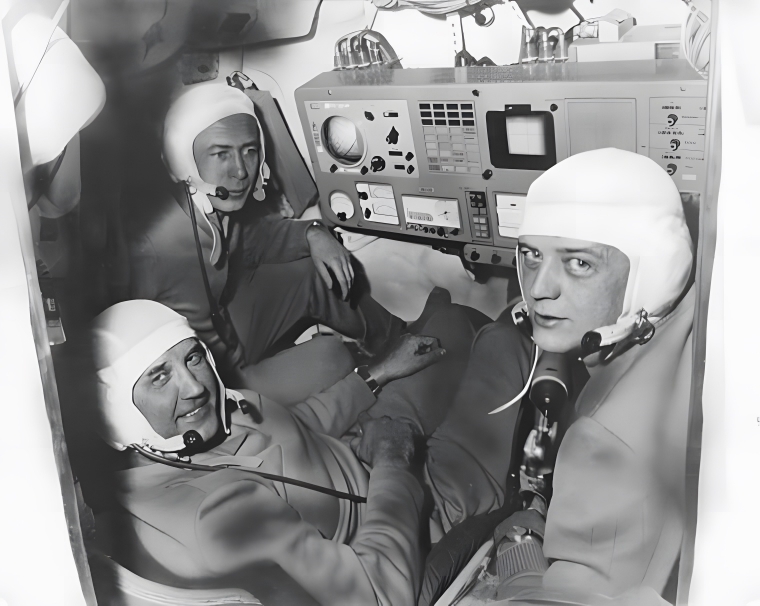
The space race of the 1950s and 1960s between the Soviet Union and the United States stands as one of the most intense and consequential technological competitions in human history. This period, set against the backdrop of the Cold War, saw both nations pushing the boundaries of science and human endurance in their quest to achieve dominance in space exploration. While the Soviet Union celebrated numerous successes, including the launch of Sputnik 1 in 1957 and Yuri Gagarin’s pioneering manned flight in 1961, there are persistent rumors and theories about a darker side to their space program – the alleged cover-up of cosmonaut deaths during early space missions and tests.
These rumored casualties, often referred to as the “lost cosmonauts,” have become the subject of intense speculation and debate among historians, space enthusiasts, and conspiracy theorists. The concept suggests that the Soviet Union, in its zeal to maintain its image of technological superiority and to protect state secrets, may have concealed failures and fatalities in its space program, effectively erasing these individuals from official records.
The origins of these theories can be traced to several factors. Firstly, the highly secretive nature of the Soviet space program during the Cold War era created an environment ripe for speculation. Unlike the more open approach of NASA, which often conducted launches with media presence, the Soviet program operated under a veil of secrecy, with successes celebrated publicly but failures rarely acknowledged.
Secondly, there were known instances of the Soviet Union altering historical records and removing individuals from official photographs and documents, a practice known as “unpersoning.” This historical precedent of manipulating records to suit political narratives lent credibility to the idea that similar tactics could have been employed in the space program.
One of the most famous pieces of “evidence” supporting the lost cosmonaut theory comes from a pair of Italian amateur radio operators, the Judica-Cordiglia brothers. In the early 1960s, they claimed to have intercepted several disturbing transmissions from Soviet space missions. These included what they described as the sound of a cosmonaut suffocating, distress calls from a spacecraft moving away from Earth, and even a female cosmonaut allegedly uttering her last words before burning up during re-entry. While these claims have been widely disputed and largely discredited by experts, they continue to fuel speculation and have become a cornerstone of lost cosmonaut mythology.
Another factor contributing to these theories is the known risks and fatalities in both the Soviet and American space programs. The death of cosmonaut Vladimir Komarov in the Soyuz 1 mission in 1967, and the Apollo 1 fire that killed three American astronauts the same year, demonstrated the very real dangers of space exploration. These acknowledged tragedies led some to question whether there might have been earlier, unreported incidents.
The concept of lost cosmonauts also taps into broader themes of sacrifice and heroism in the pursuit of scientific advancement. The idea that there might be unnamed, unacknowledged pioneers who gave their lives in the early days of space exploration resonates with many people, adding a layer of tragedy and mystery to the already compelling narrative of the space race.
However, it’s crucial to approach these theories with a critical eye. In the years since the fall of the Soviet Union, many previously classified documents have been released, and numerous former Soviet space program officials have spoken openly about their experiences. While these sources have revealed new information about challenges and close calls in the Soviet space program, they have not provided substantial evidence to support the existence of a large number of lost cosmonauts.
Moreover, the logistics of completely erasing all traces of multiple failed missions and deceased cosmonauts would have been enormously challenging, even for a state as controlling as the Soviet Union. The number of people involved in the space program, from engineers and technicians to the families of cosmonauts, would have made such a widespread cover-up extremely difficult to maintain over time.
That being said, the Soviet space program did experience tragedies and setbacks that were not immediately disclosed to the public. The Nedelin catastrophe in 1960, a launch pad explosion that killed over 100 people, was kept secret for many years. Similarly, cosmonaut Valentin Bondarenko’s death during a training exercise in 1961 was not publicly acknowledged until the 1980s. These real instances of secrecy and delayed disclosure have likely contributed to the persistence of lost cosmonaut theories.
As we continue to uncover and analyze historical records, the full story of the early Soviet space program gradually comes into clearer focus. While it’s unlikely that there were large numbers of unreported cosmonaut deaths, the enduring fascination with lost cosmonauts speaks to the profound impact of the space race on our collective imagination. It reminds us of the immense challenges and risks faced by early space explorers, and the complex interplay between scientific achievement, political motivations, and public perception during this pivotal period in human history.
4. The Word “The” Is Absent In Russia
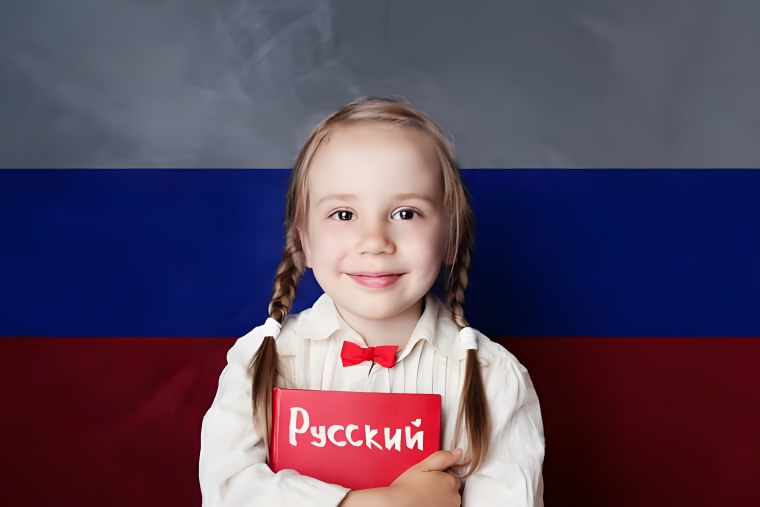
The Russian language, with its rich history and complex structure, stands as the eighth most spoken language in the world and the largest native language in Europe. Boasting an impressive community of over 260 million fluent speakers globally, Russian continues to play a significant role in international communication, diplomacy, and cultural exchange. However, one of its most striking features for speakers of many other languages, particularly those of Germanic or Romance origin, is the absence of articles such as “the” and “a.”
This linguistic characteristic fundamentally shapes how Russian speakers conceptualize and express ideas, leading to a unique worldview that can be challenging for non-native speakers to fully grasp. In Russian, the concept of definiteness or indefiniteness, typically conveyed by articles in languages like English, is often implied through context, word order, or other grammatical structures.
The absence of articles in Russian is not a mere linguistic curiosity but has profound implications for how information is processed and communicated. For instance, a simple phrase like “Take me to the park” in English would be expressed in Russian without any equivalent to “the.” The Russian version would roughly translate to “Take me to park,” with the specific park being understood from context or previous conversation. Similarly, a request like “I want an apple” would be rendered in Russian as the equivalent of “I want apple,” with the indefinite nature of the apple being implicit.
This characteristic of the Russian language often presents a significant challenge for native Russian speakers learning languages that do use articles, such as English, German, or French. The concept of having to specify whether an object is definite or indefinite can feel unnecessary or redundant to those accustomed to a language system that functions without these markers. Conversely, speakers of article-using languages learning Russian must adapt to relying more heavily on context and other grammatical cues to convey or understand specificity.
The absence of articles in Russian is not unique; many other Slavic languages, as well as languages from different families such as Japanese and Korean, also lack articles. This commonality has led linguists to explore how different languages encode information about definiteness and specificity, and how these variations might influence cognitive processes and cultural perspectives.
One theory suggests that languages without articles may encourage a more holistic view of the world, where objects and concepts are not necessarily perceived as discrete, countable entities but as part of a continuous whole. This perspective could potentially influence everything from artistic expression to scientific inquiry, although such claims remain the subject of ongoing debate and research in the field of linguistic relativity.
In practical terms, the lack of articles in Russian often results in a more concise form of expression. Where English might use several words to specify an object or concept, Russian can often convey the same meaning more economically. This efficiency in language can be particularly advantageous in certain contexts, such as poetry, where the ability to convey complex ideas in fewer syllables can enhance the rhythmic and aesthetic qualities of the verse.
However, this linguistic feature also means that Russian relies heavily on other grammatical tools to convey nuance and specificity. For example, the extensive case system in Russian, which modifies noun endings based on their grammatical function in a sentence, plays a crucial role in clarifying relationships between words that might be expressed through articles or word order in other languages. Additionally, Russian makes extensive use of aspectual pairs in verbs, allowing speakers to convey subtle distinctions in the nature and completion of actions that might require more elaborate constructions in article-using languages.
The implications of this linguistic characteristic extend beyond grammar and into the realm of cultural understanding. The way a language structures reality can influence patterns of thought and perception among its speakers. For instance, the absence of articles might contribute to a more fluid conception of possession or a different approach to categorization. While it’s important not to overstate these effects – as human cognition is influenced by many factors beyond language – understanding these linguistic nuances can provide valuable insights into cross-cultural communication and understanding.
As globalization continues to bring diverse linguistic communities into closer contact, the challenges and opportunities presented by such fundamental differences in language structure become increasingly relevant. For language learners, educators, and international communicators, recognizing and adapting to these differences is crucial for effective cross-cultural interaction. The absence of articles in Russian serves as a prime example of how languages can differ at a fundamental level, reminding us of the rich diversity of human linguistic expression and the complex relationship between language, thought, and culture.
5. There Is Never A Disagreement On One Thing: Vodka

The relationship between Russia and vodka is a complex and deeply ingrained aspect of the country’s cultural identity, social fabric, and economic history. Vodka, a clear distilled alcoholic beverage, has been an integral part of Russian life for centuries, playing roles that extend far beyond mere consumption. It’s a national symbol, a social lubricant, a cultural touchstone, and, unfortunately, also a significant public health concern.
The love Russians have for vodka is indeed legendary, bordering on mythical in the global imagination. This strong affinity is reflected not just in consumption patterns but also in literature, folklore, and everyday social interactions. Vodka is often seen as more than just a drink; it’s a part of the Russian soul, a companion in times of celebration and hardship alike. This cultural significance is so profound that even in a country known for its diverse opinions and heated debates on many issues, the appreciation for vodka seems to be one of the few topics that garners widespread agreement.
The holiday season in Russia sees a particularly dramatic spike in alcohol consumption, with spending on alcohol reaching astronomical figures. The estimate of around $400 per capita on alcohol during this period is a testament to the central role that drinking, particularly vodka consumption, plays in Russian festivities. This tradition of heavy drinking during celebrations has deep historical roots, often linked to the harsh climate and challenging living conditions that have characterized much of Russian history.
However, this cultural affinity for vodka comes at a severe cost. The statistic of approximately 23,000 deaths from alcohol poisoning annually in Russia is a stark reminder of the dark side of this cultural phenomenon. What’s more alarming is that this figure doesn’t include alcohol-related homicides, assaults, and suicides, which, if included, would paint an even grimmer picture of the impact of alcohol on Russian society.
The high rate of alcohol-related deaths in Russia is a complex issue with multiple contributing factors. These include, but are not limited to, cultural norms that encourage heavy drinking, the availability of cheap and sometimes dangerous bootleg alcohol, economic hardships, and inadequate healthcare and addiction treatment services. The problem is particularly acute in rural areas and among lower-income groups, where access to quality alcohol and medical care may be limited.
Efforts to address this issue have been numerous and varied over the years. During the Soviet era, Mikhail Gorbachev famously implemented an anti-alcohol campaign in the mid-1980s, which included raising prices, reducing production, and restricting sales hours. While this campaign did lead to a temporary decrease in alcohol consumption and related deaths, it was ultimately unpopular and short-lived.
In more recent years, the Russian government has implemented various measures to curb excessive alcohol consumption. These have included stricter regulations on alcohol sales, increased taxes on alcoholic beverages, restrictions on advertising, and public health campaigns. However, the effectiveness of these measures has been mixed, with deeply ingrained cultural attitudes often proving resistant to change.
One of the challenges in addressing Russia’s alcohol problem is the economic significance of the vodka industry. Vodka production and sales contribute significantly to the Russian economy, and any efforts to drastically reduce consumption must contend with potential economic repercussions. This economic factor, combined with cultural resistance, makes implementing effective alcohol policies a delicate balancing act for Russian authorities.
The health consequences of Russia’s high alcohol consumption extend beyond immediate alcohol-related deaths. Chronic alcohol abuse contributes to a range of health issues, including liver disease, cardiovascular problems, and mental health disorders. It’s also a factor in Russia’s relatively low life expectancy, particularly among men.
However, it’s important to note that the situation is not uniformly bleak. In recent years, there have been signs of changing attitudes towards alcohol, particularly among younger, urban Russians. Health and fitness trends, increased awareness of the dangers of excessive drinking, and changing social norms have led to some reduction in alcohol consumption in certain segments of the population.
Moreover, Russia’s relationship with vodka is not solely defined by its negative aspects. Vodka also plays a positive role in Russian culture as a symbol of hospitality, a social bonding agent, and an important part of culinary traditions. Many Russians take pride in their vodka-making heritage and the quality of Russian vodkas, which are renowned worldwide.
The challenge for Russia moving forward is to find a way to preserve the cultural significance of vodka while addressing the serious public health issues associated with its excessive consumption. This may involve a combination of policy measures, public health initiatives, and cultural shifts that encourage more moderate and responsible drinking habits.
As Russia continues to evolve in the 21st century, its relationship with vodka is likely to change as well. However, given the deep-rooted nature of this relationship, any changes are likely to be gradual. The goal will be to find a balance that allows vodka to remain a part of Russian cultural identity without continuing to exact such a heavy toll on public health and social well-being.
In conclusion, while there may indeed be little disagreement among Russians about their appreciation for vodka, the consequences of this national love affair are complex and far-reaching. As Russia grapples with the challenges posed by excessive alcohol consumption, it will need to navigate a path that respects cultural traditions while prioritizing public health and social welfare.
6. Underground Sea Tunnels Linked To Alaska Are Being Built

The ambitious project to create underground sea tunnels linking Russia and Alaska, known as the TKM-World Link, represents one of the most audacious and potentially transformative engineering endeavors of our time. This colossal undertaking, with an estimated cost of $65 billion, aims to connect two continents separated by the Bering Strait, potentially revolutionizing global transportation and trade.
The concept of connecting Russia and North America via a tunnel or bridge across the Bering Strait is not new. It has been a subject of speculation and proposal for over a century, with various iterations of the idea surfacing periodically. However, the current TKM-World Link project represents the most serious and technologically feasible attempt to date to turn this long-held dream into reality.
The project envisions the construction of three tunnels beneath the Bering Strait. These tunnels would not only serve as a transportation link but would also house infrastructure for energy transmission and telecommunications. The primary tunnel would be dedicated to a high-speed railway, capable of transporting passengers and freight between the two continents at unprecedented speeds. The additional tunnels would be used for road traffic and to house pipelines and cables for oil, gas, and data transmission.
From an engineering perspective, the TKM-World Link project presents numerous challenges. The Bering Strait, at its narrowest point, is about 55 miles (88 kilometers) wide, making this potentially the longest undersea tunnel in the world. The harsh Arctic environment, with its extreme temperatures and unpredictable weather conditions, adds another layer of complexity to the construction and maintenance of such a structure.
Moreover, the project would require extensive infrastructure development on both sides of the strait. On the Russian side, this would involve constructing hundreds of miles of new railway lines across the sparsely populated regions of Siberia and the Russian Far East. On the American side, similar infrastructure would need to be developed in Alaska, potentially including new ports, railways, and roads to connect the tunnel to the existing North American transportation network.
Proponents of the TKM-World Link argue that the potential benefits of the project are immense. They envision it as a game-changer for global trade, offering a faster and more efficient route for transporting goods between Asia, Europe, and North America. The tunnel could potentially reduce shipping times and costs significantly, as it would provide a direct land route between these continents, bypassing the need for sea transport through the Suez or Panama Canals.
Furthermore, advocates suggest that the project could have substantial geopolitical implications. By physically connecting Russia and the United States, it could foster closer economic ties and potentially ease political tensions between these two global powers. The project is also seen as a potential catalyst for development in the remote regions of Siberia and Alaska, bringing economic opportunities to these sparsely populated areas.
From an environmental perspective, supporters argue that the tunnel could lead to reduced carbon emissions from global shipping, as land-based transportation is generally more fuel-efficient than sea transport for many types of cargo. Additionally, the energy transmission capabilities of the tunnel could facilitate the exchange of renewable energy between continents, potentially supporting the global transition to cleaner energy sources.
However, the TKM-World Link project also faces significant skepticism and criticism. Many question the economic viability of such a massive investment, particularly given the challenging Arctic conditions and the relatively low population density in the regions it would connect. Critics argue that the projected savings in shipping costs may not justify the enormous construction and maintenance expenses.
Environmental concerns also play a significant role in the debate surrounding the project. The construction of such a massive infrastructure project in the sensitive Arctic ecosystem could have far-reaching impacts on local wildlife and habitats. There are concerns about the potential for oil spills or other environmental disasters, given that the tunnel would likely carry oil and gas pipelines.
Political challenges are another major hurdle. The project would require unprecedented levels of cooperation between Russia and the United States, two countries with a history of tense relations. Questions of sovereignty, security, and border control would need to be carefully negotiated and managed.
Despite these challenges, work on the TKM-World Link continues to progress, albeit slowly. Feasibility studies have been conducted, and preliminary designs have been drawn up. However, the project remains in the early stages, with no firm timeline for completion established.
As the world grapples with the need for more sustainable and efficient transportation systems, projects like the TKM-World Link represent both the immense potential and the significant challenges of large-scale infrastructure development. Whether this ambitious tunnel system will ultimately be realized remains to be seen, but its very conception pushes the boundaries of what we consider possible in engineering and international cooperation.
The TKM-World Link project, regardless of its ultimate fate, serves as a powerful symbol of human ambition and the ongoing quest to overcome geographical barriers. It represents a vision of a more connected world, where the vast distances that once separated continents can be bridged through human ingenuity and technological prowess. As such, it continues to capture the imagination of engineers, policymakers, and the public alike, sparking discussions about the future of global transportation and international relations in the 21st century and beyond.
7. The Trans-Siberian Railway: A Journey Through Time and Space
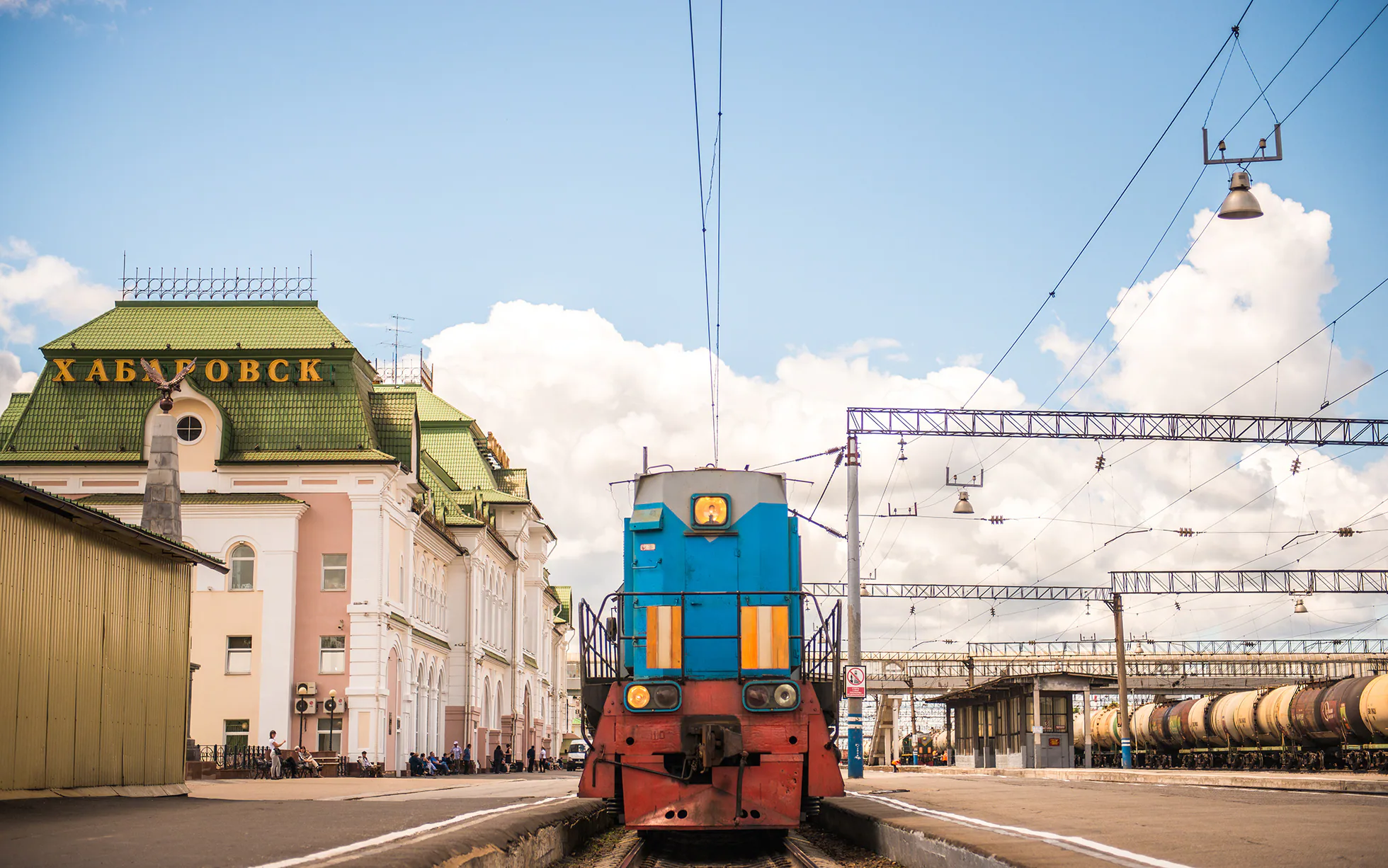
The Trans-Siberian Railway, spanning an impressive 9,289 kilometers (5,772 miles) from Moscow to Vladivostok, stands as a testament to human engineering and perseverance. This monumental railway line, the longest in the world, not only connects the western and eastern extremes of Russia but also serves as a vital artery for commerce, culture, and communication across this vast nation.
Construction of the Trans-Siberian Railway began in 1891 under the orders of Tsar Alexander III and was completed in 1916. The project was an enormous undertaking, requiring the labor of over 90,000 workers who faced extreme weather conditions, challenging terrain, and the daunting task of building across some of the most remote regions on Earth. The railway’s completion marked a significant milestone in Russian history, effectively shrinking the enormous country and bringing its far-flung regions closer to the center of power in Moscow.
Today, the Trans-Siberian Railway offers more than just a means of transportation; it provides a unique window into the heart of Russia. The journey from Moscow to Vladivostok typically takes about a week, during which passengers traverse eight time zones and witness the country’s incredible diversity in landscape and culture. From the historic cities of European Russia to the vast Siberian taiga, the shores of Lake Baikal (the world’s deepest freshwater lake), and the rugged Far East, the railway offers an unparalleled cross-section of Russian geography and society.
The experience of traveling on the Trans-Siberian Railway is unlike any other rail journey in the world. Passengers spend days on the train, creating a unique microcosm of society within the carriages. It’s common for travelers to share food, stories, and even vodka with their fellow passengers, fostering a sense of camaraderie that transcends language barriers and cultural differences. This social aspect of the journey is often cited by travelers as one of the most memorable and enriching parts of their Trans-Siberian experience.
The railway also plays a crucial role in Russia’s economy. It serves as a vital transportation link for goods between Europe and Asia, carrying around 30% of Russian exports. The line’s importance has only grown in recent years as Russia seeks to strengthen its economic ties with Asian countries, particularly China. There are ongoing discussions about upgrading and expanding the railway to increase its capacity and reduce travel times, further cementing its importance in the 21st century.
From an environmental perspective, the Trans-Siberian Railway offers a relatively low-carbon alternative to air travel for crossing Russia. As global awareness of climate change increases, the railway may see increased popularity among environmentally conscious travelers looking to reduce their carbon footprint.
However, the Trans-Siberian Railway is not without its challenges. The harsh Siberian climate, with temperatures ranging from sweltering summers to frigid winters where temperatures can plummet to -40°C (-40°F), poses significant maintenance challenges. The remote nature of much of the route also complicates repair and upgrade efforts. Despite these challenges, the Russian government continues to invest in the railway, recognizing its strategic importance.
The cultural impact of the Trans-Siberian Railway on Russia cannot be overstated. It has played a significant role in Russian literature, music, and film, often symbolizing the vastness and diversity of the country. The railway has featured in works by famous Russian authors like Anton Chekhov and Boris Pasternak, as well as in numerous international works, cementing its place in the global cultural imagination.
For many international travelers, a journey on the Trans-Siberian Railway is a bucket-list experience, offering a unique way to explore Russia’s immense territory and diverse cultures. The railway passes through major cities like Yekaterinburg, Novosibirsk, Irkutsk, and Ulan-Ude, each offering its own distinct history and attractions. Many travelers choose to break their journey at various points along the route, using the railway as a means to explore Siberia and the Russian Far East in depth.
The Trans-Siberian Railway also has two major branch lines: the Trans-Manchurian, which runs through China to Beijing, and the Trans-Mongolian, which passes through Ulaanbaatar in Mongolia before terminating in Beijing. These extensions further enhance the railway’s role as a bridge between cultures and continents.
As Russia continues to evolve in the 21st century, the Trans-Siberian Railway remains a constant, connecting the country’s past with its future. It stands as a symbol of Russian ingenuity and determination, a vital economic lifeline, and a unique travel experience that continues to captivate the imagination of people around the world. Whether viewed as a feat of engineering, a strategic asset, or a romantic journey through the heart of Russia, the Trans-Siberian Railway continues to play a central role in shaping Russia’s identity and its connections with the wider world.
8. The Enigmatic Russian Soul: A Cultural Phenomenon
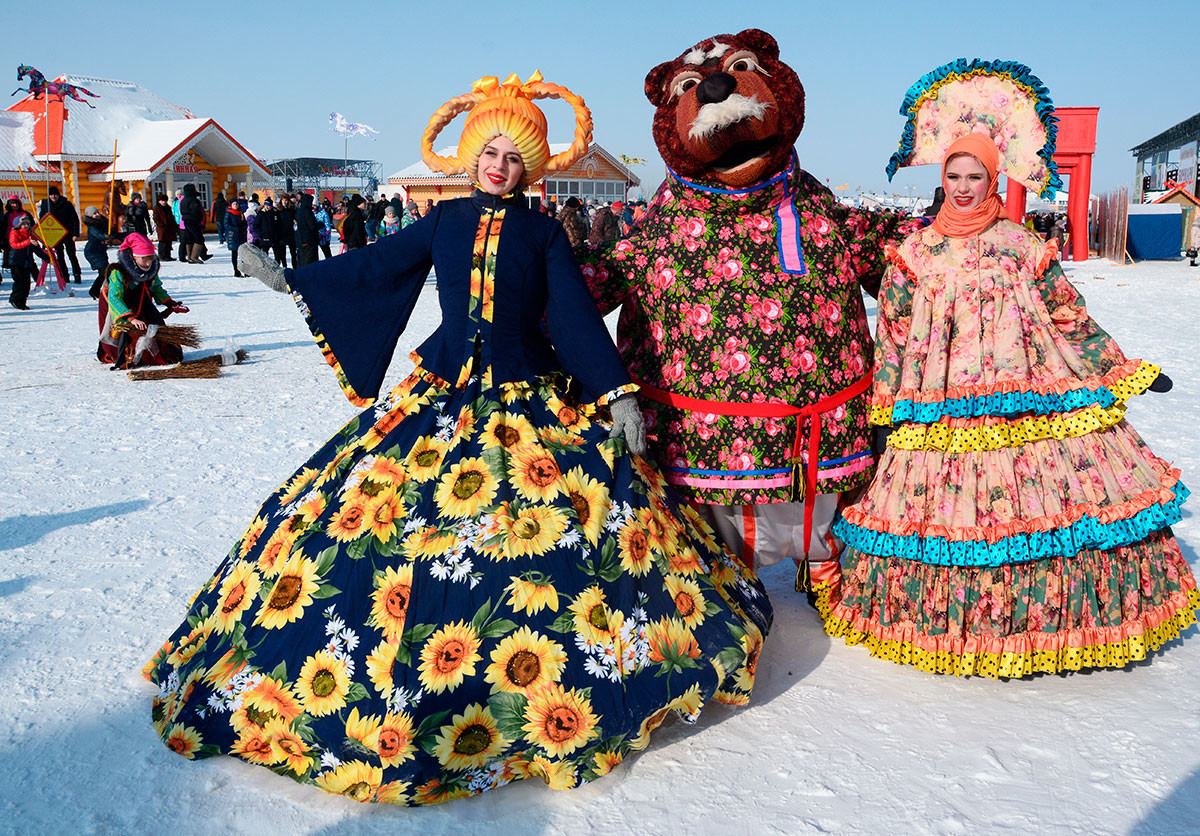
The concept of the “Russian soul” (русская душа, russkaya dusha) is a complex and often romanticized notion that has long fascinated both Russians and foreigners alike. This idea suggests that there is something uniquely profound, emotional, and often contradictory about the Russian national character, shaped by the country’s vast geography, tumultuous history, and rich cultural heritage.
The origins of this concept can be traced back to the 19th century, particularly in the works of Russian writers such as Fyodor Dostoevsky, Leo Tolstoy, and Anton Chekhov. These authors often explored themes of deep emotional intensity, spiritual questioning, and moral dilemmas in their characters, which came to be associated with a distinctly Russian way of experiencing and expressing the world.
One of the key aspects often attributed to the Russian soul is a capacity for extreme emotions and a willingness to embrace life’s joys and sorrows with equal intensity. This is sometimes described as a tendency towards “maximalism” – the idea that Russians do not do things by halves, but rather throw themselves fully into experiences, whether positive or negative. This trait is often contrasted with what is perceived as a more restrained or pragmatic approach in Western cultures.
Another characteristic often associated with the Russian soul is a deep sense of melancholy or wistfulness, known as “toska” in Russian. This untranslatable term encompasses feelings of yearning, ennui, and spiritual anguish. It’s a concept that appears frequently in Russian literature and art, often linked to the country’s vast, sometimes desolate landscapes and its history of hardship and struggle.
The Russian soul is also often described as having a strong spiritual dimension. Despite decades of state-imposed atheism during the Soviet era, Russia has a long tradition of religious and philosophical inquiry. This spiritual bent is not always tied to organized religion but can manifest as a general search for meaning and a tendency to ponder life’s big questions.
Paradoxically, the Russian soul is often characterized by its contradictions. It’s said to encompass both great strength and vulnerability, profound joy and deep sorrow, a love of life and a fascination with death. This embrace of contradictions is sometimes seen as a uniquely Russian trait, a ability to hold opposing ideas simultaneously without feeling the need to resolve them.
The concept of the Russian soul has had a significant impact on how Russians view themselves and how they are perceived by others. It has influenced Russian art, literature, music, and even politics. The idea that Russians have a unique spiritual depth has been both a source of national pride and a way of explaining or justifying behaviors that might seem irrational or extreme to outsiders.
However, it’s important to note that the concept of the Russian soul is not without its critics. Some argue that it’s an oversimplification or romanticization of Russian culture, ignoring the diversity within Russia and potentially reinforcing stereotypes. Others suggest that it’s a construct that has been used to justify political or social behaviors, sometimes to the detriment of progress or reform.
In the modern era, as Russia grapples with its place in a globalized world, the concept of the Russian soul continues to evolve. While some see it as an outdated notion, others argue that it remains relevant, helping to preserve a sense of national identity in the face of cultural homogenization.
Whether viewed as a genuine cultural phenomenon, a literary construct, or a mix of both, the idea of the Russian soul continues to fascinate and intrigue. It offers a lens through which to explore the complexities of Russian culture and history, inviting deeper understanding of a nation that has long been a source of mystery and fascination for the rest of the world.
9. The Mystery Of The Amber Room

The Amber Room, often referred to as the “Eighth Wonder of the World,” stands as one of the most intriguing and enigmatic lost treasures in modern history. This magnificent chamber, adorned with gold leaf, mirrors, and intricate amber panels, was once a crown jewel of the Catherine Palace near Saint Petersburg, Russia. The room’s origins date back to the early 18th century when it was originally designed for the Charlottenburg Palace in Prussia. It was later gifted to Peter the Great of Russia by the Prussian King Frederick William I in 1716, cementing a political alliance between the two nations.
The Amber Room’s splendor was unparalleled. Covering nearly 55 square meters and containing over six tons of amber, the room was a masterpiece of baroque art. The amber panels, backed with gold leaf and mirrors, created an ethereal, glowing effect that captivated all who entered. For two centuries, the room stood as a symbol of Russian imperial might and artistic achievement, hosting diplomats, royalty, and distinguished guests from around the world.
However, the room’s fate took a dark turn during World War II. As Nazi forces advanced on Saint Petersburg (then Leningrad) in 1941, Soviet authorities attempted to dismantle and hide the room. But the fragile amber proved too delicate, crumbling upon removal attempts. Instead, they tried to conceal it behind mundane wallpaper. This desperate measure proved futile, as Nazi art specialists, under orders from Hitler to seize culturally significant artifacts, quickly discovered and looted the room.
The Amber Room was carefully dismantled and transported to Königsberg, then part of East Prussia (now Kaliningrad, Russia). Here, it was reassembled and put on display in Königsberg Castle. This is where the trail of the Amber Room grows cold, leading to decades of speculation, conspiracy theories, and fruitless searches.
As the war turned against Germany, Königsberg came under heavy Allied bombing in 1944. Some believe the Amber Room was destroyed during these raids. Others theorize that it was successfully evacuated before the city fell, possibly hidden in a bunker, a mine shaft, or even shipped overseas. Despite numerous expeditions and investigations over the past 75 years, no trace of the original Amber Room has ever been conclusively found.
The mystery surrounding the Amber Room has spawned countless theories and captured the imagination of treasure hunters and historians alike. Some believe it lies hidden in the tunnels beneath the streets of Königsberg, while others claim it was secretly transported to South America along with fleeing Nazi officials. There are even those who suggest it was destroyed by the Soviets themselves to cover up their failure to protect it.
In 1979, the Soviet government decided to create a replica of the Amber Room in the Catherine Palace. This painstaking process took over 20 years and cost more than $11 million. The new Amber Room, opened in 2003, stands as a testament to the enduring fascination with this lost treasure and the skill of modern craftsmen.
The saga of the Amber Room continues to captivate the public imagination, serving as a poignant reminder of the cultural devastation wrought by war and the enduring allure of lost treasures. Its disappearance remains one of the great unsolved mysteries of the 20th century, a tantalizing puzzle that continues to elude resolution despite decades of searching. Whether it still exists hidden away in some forgotten corner of Europe or was indeed destroyed in the chaos of war, the Amber Room’s legacy as a masterpiece of art and symbol of a tumultuous era in history remains undimmed.
10. Tourists Are Paying More

The phenomenon of differential pricing for tourists versus locals is not unique to Russia, but it is particularly noticeable in this vast country, especially in its two most popular destinations: Moscow and St. Petersburg. Each year, approximately 10,000 British travelers, along with millions of other international visitors, make their way to Russia, with over 90% concentrating their visits on these two iconic cities. This concentration of tourism in such a small geographical area of this enormous country has led to a pricing structure that often sees foreign visitors paying significantly more than Russian residents for the same experiences and attractions.
This pricing disparity is evident in many of Russia’s most famous tourist sites. For instance, at the world-renowned Hermitage Museum in St. Petersburg, one of the largest and most significant museums of art and culture in the world, foreign tourists are charged 400 Rubles for entry, while Russian citizens pay 350 Rubles. Similarly, at the magnificent Peterhof Palace, often referred to as the “Russian Versailles,” non-Russian visitors are asked to pay 550 Rubles, compared to the 400 Rubles charged to Russian nationals.
The reasons behind this pricing strategy are multifaceted. On one hand, it can be seen as a form of indirect taxation on tourism, allowing popular attractions to generate more revenue from visitors who are likely to be making a once-in-a-lifetime trip and may be less price-sensitive. This additional income can be crucial for the maintenance and preservation of these historical sites, many of which require constant and costly upkeep.
Moreover, this pricing structure can be viewed as a way of making these cultural treasures more accessible to Russian citizens, who may have lower average incomes compared to visitors from countries with stronger economies. By keeping prices lower for locals, these institutions ensure that Russia’s rich cultural heritage remains accessible to its own people, fostering a sense of national pride and cultural identity.
However, this practice is not without controversy. Some argue that it’s a form of discrimination, creating an unfair two-tier system that goes against principles of equality. Critics point out that it can leave a sour taste in the mouths of international visitors, potentially damaging Russia’s reputation as a tourist destination and discouraging repeat visits.
It’s worth noting that this pricing disparity extends beyond just museums and palaces. Many hotels, restaurants, and other services in tourist-heavy areas often have different pricing structures for foreigners and locals. This can sometimes lead to situations where savvy international travelers attempt to “pass” as locals to access lower prices, further complicating the issue.
The impact of this pricing strategy on Russia’s tourism industry is complex. While it may generate more immediate revenue from each international visitor, it could potentially limit the growth of tourism in the long run if visitors feel they are being unfairly charged. Additionally, it may contribute to the concentration of tourism in Moscow and St. Petersburg, as visitors try to maximize the value of their higher-priced tickets by focusing on the most famous attractions.
This situation also raises questions about the sustainability of such a tourism model. As information becomes more readily available online, and as travelers become more price-conscious and aware of these disparities, there may be increasing pressure on Russian attractions to justify or reconsider their pricing strategies.
Furthermore, the focus on these two cities means that much of Russia’s vast and diverse territory remains unexplored by international visitors. From the wild beauty of Kamchatka to the historic cities of the Golden Ring, Russia has much more to offer beyond its two most famous metropolises. A more balanced approach to tourism development and pricing could potentially encourage visitors to explore more of the country, spreading the economic benefits of tourism more widely.
As Russia continues to develop its tourism industry and navigate its place in the global market, the issue of differential pricing will likely remain a point of discussion and potential contention. Balancing the needs of preserving and maintaining cultural sites, ensuring access for local populations, and attracting international visitors will continue to be a complex challenge for Russian tourism authorities and cultural institutions.
11. A Simple Question

In the realm of cross-cultural communication, even the simplest of exchanges can reveal profound differences in social norms and expectations. The stark contrast between American and Russian responses to the seemingly innocuous question “How are you?” serves as a fascinating example of these cultural divergences, highlighting the complex interplay between language, social customs, and interpersonal relationships.
In the United States, “How are you?” has evolved into a greeting more than a genuine inquiry into one’s well-being. It’s a social lubricant, a way to acknowledge someone’s presence and open the door to further interaction if desired. The expected response is typically brief and positive – “Good,” “Great,” or “Fine, thanks” – regardless of the respondent’s actual state of mind or circumstances. This exchange is often accompanied by minimal eye contact and might occur while parties are in motion, emphasizing its role as a pleasantry rather than the beginning of a substantial conversation.
This approach reflects several aspects of American culture. The emphasis on positivity and brevity in these exchanges aligns with the American values of optimism and efficiency. There’s an unspoken understanding that in many contexts, particularly professional or casual encounters, delving into one’s true feelings or circumstances would be inappropriate or burdensome to the asker. This practice also reflects the fast-paced nature of American life, where time is often viewed as a precious commodity not to be wasted on lengthy exchanges unless both parties are willing and able to engage more deeply.
In stark contrast, the Russian approach to this question – “Как дела?” (Kak dela?) or “Как ты?” (Kak ty?) – is fundamentally different. In Russian culture, this question is taken much more literally and seriously. When a Russian asks how you are, they generally expect a thoughtful, honest, and detailed response. This could include information about one’s health, work situation, family matters, or any significant events or concerns in one’s life.
The Russian expectation of a thorough response stems from several cultural factors. Firstly, there’s a greater emphasis on emotional openness and sharing in Russian culture. The concept of душа (dusha), or “soul,” is central to Russian identity, encompassing the idea that true connection comes from sharing one’s inner emotional state. This cultural value places a premium on authenticity in interpersonal interactions, even in relatively casual encounters.
Moreover, the Russian approach reflects a different conception of time and social interaction. While American culture often prioritizes efficiency and views time as a limited resource to be carefully allocated, Russian culture tends to place higher value on the quality and depth of social interactions. Taking the time to engage in a meaningful exchange when asked about one’s well-being is seen as a sign of respect and genuine interest in the other person.
The expectation of a detailed response also ties into the Russian preference for directness in communication. While American culture often values politeness and positive face-saving behaviors, even if they come at the expense of complete honesty, Russian culture tends to prioritize straightforwardness. A brief, overly positive response to “How are you?” might be perceived as insincere or evasive by many Russians.
This cultural difference can lead to misunderstandings and even offense when Russians and Americans interact. An American’s brief “I’m good, thanks” might be interpreted by a Russian as coldness, lack of interest in genuine communication, or even rudeness. Conversely, a Russian’s detailed account of their current state of affairs might be perceived by an American as oversharing or a violation of personal boundaries.
Understanding and navigating these differences requires cultural awareness and flexibility. For Americans interacting with Russians, it’s beneficial to be prepared to engage in more detailed and honest exchanges about one’s well-being. This might involve sharing more personal information than one would typically volunteer in an American context. For Russians interacting with Americans, it’s helpful to recognize that a brief, positive response doesn’t necessarily indicate a lack of interest or sincerity, but rather reflects different cultural norms around casual social interactions.
These contrasting approaches to a simple greeting question underscore the complexity of cross-cultural communication. They remind us that even the most basic social exchanges can be laden with cultural significance and potential for misunderstanding. As our world becomes increasingly interconnected, developing awareness of these cultural differences and the ability to navigate them becomes ever more crucial for fostering genuine understanding and connection across cultural boundaries.