
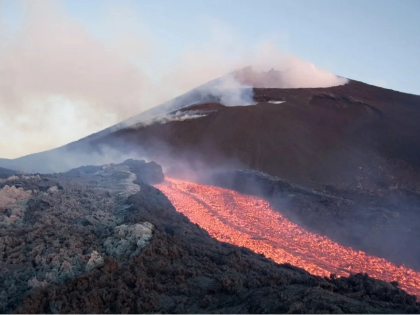
9. Galeras: Colombia’s Watchful Guardian
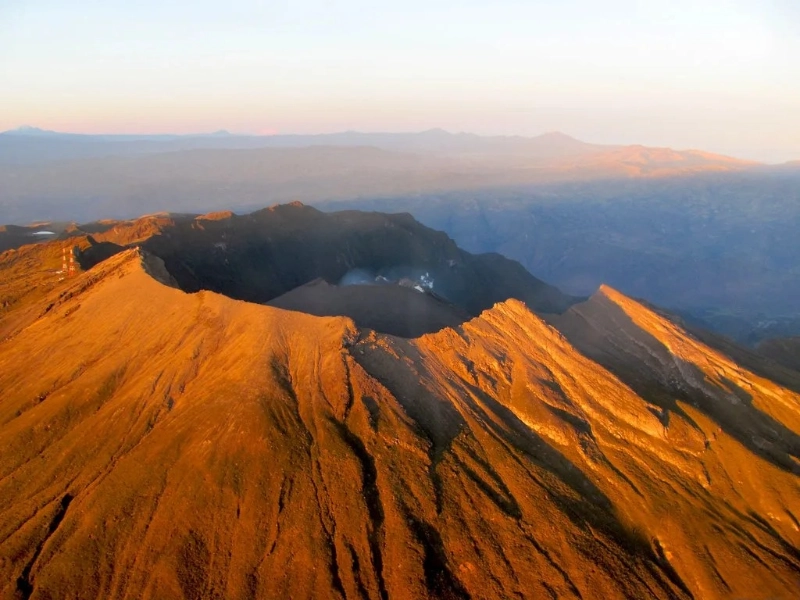
Galeras has a long history of eruptive activity; records going back to the 16th century But it attracted global notice in 1993 when an unplanned explosion happened during a research trip to the crater, killing three visitors and six volcanologists. This sad occurrence made clear how erratic volcanic activity is and resulted in major changes in risk assessment methods and volcano monitoring all around.
Galeras has been among the volcanoes under most constant observation worldwide since then. Modern technology in the Volcanological and Seismological Observatory maintained by the Colombian Geological Survey (Servicio Geológico Colombiano) in Pasto allows even the smallest changes in the behaviour of the volcano to be detected. This covers a system of tiltmeters, gas analysers, seismometers, and cameras offering real-time volcano activity data.
The regular operation of Galeras presents major difficulties for the nearby residents. Within the possible impact zone of the volcano, the city of Pasto and numerous smaller settlements are situated, which calls for thorough emergency measures and evacuation routes. Notwithstanding these hazards, the rich volcanic soils in the area support a vibrant agricultural sector, therefore fostering a complex interaction between the volcano and the nearby people.
Galeras is a component of the Andean Volcanic Belt, and research of it greatly advances knowledge of subduction zone volcanism. Frequent but very minor eruptions of the volcano offer researchers great chances to investigate magma dynamics, gas emissions, and methods of eruption prediction. This study guides global estimates of volcanic hazard as well as helps forecast Galeras’ future activity.
Recognising the special ecosystems that have evolved on the volcano’s slopes, the surrounding area has been named the Galeras Flora and Fauna Sanctuary. Many of the varied plant and animal species found in this protected area are peculiar to the high-altitude Andean habitat. The interaction between volcanic activity and biodiversity in this area presents amazing chances for ecological study.
Scientists are also looking at how these changes can affect volcanic activity and related risks at Galeras as climate change keeps altering world weather patterns. Long-term hazard analysis and regionally based preparedness planning depend on an awareness of these possible linkages.
Galeras is still a striking emblem of the Andean terrain’s natural beauty as well as possible hazards. Its continuous activity reminds us of the need of always being vigilant, of doing scientific research, and of community readiness in areas of volcanicity. Galeras, one of the most famous natural beauties in Colombia, still shapes the physical and cultural scene of southern Colombia by reflecting the complicated interaction between people and the strong geological forces sculpting our planet.
 zi ang