
Stretching across an incredible 11 time zones, Russia reigns as the world’s largest country, a land of immense proportions and diverse landscapes. While popular culture often reduces Russia to simplistic notions of vodka consumption, perpetual winter, and Cold War reminiscences, the reality of this vast nation is far more nuanced and captivating. As we delve into the heart of Russia, we uncover a treasure trove of surprising facts and hidden wonders that challenge our preconceptions. From the glittering spires of Moscow’s Kremlin to the otherworldly beauty of Lake Baikal, Russia offers a journey through time and space unlike any other. Its rich history, spanning from the ancient Rus to the space age, has left an indelible mark on world culture, science, and politics. The Russian people, known for their resilience, creativity, and deep-rooted traditions, have shaped a country that continues to fascinate and perplex the world in equal measure. As we peel back the layers of this complex nation, we discover a land of stark contrasts – where ancient fortresses stand alongside cutting-edge research facilities, and where vast wilderness coexists with bustling modern cities. Join us on an eye-opening exploration of Russia, where each fact reveals a new facet of this endlessly intriguing country.
1. Russia’s Unparalleled Casualties in World War II
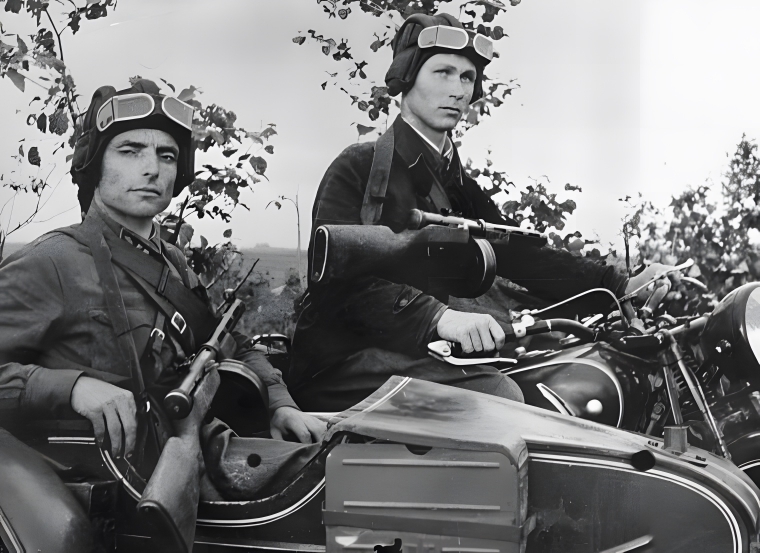
World War II, one of the most devastating conflicts in human history, exacted an enormous toll on all nations involved. However, no country bore a heavier burden than Russia, which suffered losses on a scale that is difficult to comprehend even decades later. The final death toll of the war remains a subject of ongoing debate and research, with estimates varying depending on the methodology and sources used. Nevertheless, there is a broad consensus among historians that Russia, then part of the Soviet Union, experienced the largest number of casualties by a significant margin.
The scale of Russia’s losses during World War II is staggering. Conservative estimates suggest that over 20 million Soviet citizens lost their lives, while some researchers argue that the true figure could be as high as 30 million or even more. This represents an almost inconceivable 14% of the entire Soviet population at the time. To put this into perspective, it’s equivalent to losing more than one in every seven people across the entire nation. The impact of such losses on the country’s demographic, economic, and social fabric was profound and long-lasting, shaping Russia’s development for generations to come.
Russia’s role in World War II was marked by extraordinary feats of resistance and resilience. Perhaps most notably, the country faced and defended against the full might of Nazi Germany’s invasion along the Eastern Front, a conflict of unprecedented scale and brutality. The siege of Leningrad, the Battle of Stalingrad, and countless other engagements saw Russian forces and civilians display remarkable courage and determination in the face of overwhelming odds. This resistance played a crucial role in turning the tide of the war, albeit at a terrible cost in human lives.
The breakdown of Russia’s wartime casualties reveals the all-encompassing nature of the conflict. While millions of soldiers died in combat, an even greater number of civilians perished due to famine, disease, bombing, and deliberate acts of genocide by occupying forces. Entire communities were wiped out, families torn apart, and vast swathes of the country left in ruins. The psychological trauma inflicted by such widespread loss and suffering would leave an indelible mark on Russian society, influencing attitudes and policies for decades to come.
The enormity of Russia’s sacrifice during World War II has become a central part of the nation’s collective memory and identity. Annual Victory Day celebrations on May 9th serve as a poignant reminder of the war’s impact, with millions of Russians participating in commemorative events across the country. The conflict’s legacy continues to shape Russia’s geopolitical outlook and its relationships with other nations, particularly in Eastern Europe and the former Soviet republics. Understanding the scale of Russia’s losses during World War II is crucial for comprehending the country’s modern-day perspectives and actions on the global stage.
2. The Cultural Significance of a Half-Empty Glass in Russia

In Russian culture, the concept of a half-empty glass extends far beyond mere drinking etiquette; it encapsulates a complex web of social norms, hospitality traditions, and cultural expectations that have been woven into the fabric of Russian society over centuries. This seemingly simple rule – that an empty glass signals readiness for a refill – is deeply rooted in the Russian approach to socializing, celebration, and the art of being a gracious host or guest. Understanding this custom is crucial for anyone navigating social situations in Russia, particularly when alcohol is involved.
The origins of this tradition can be traced back to Russia’s long history of communal drinking, where sharing alcohol was seen as a way to forge bonds, seal agreements, and express goodwill. In a culture where hospitality is paramount, keeping a guest’s glass full is considered a fundamental duty of the host. This practice is not just about ensuring that guests have enough to drink; it’s a symbolic gesture of generosity, respect, and the desire to prolong the enjoyment of the gathering. Conversely, allowing a guest’s glass to remain empty could be interpreted as neglectful or even insulting.
For visitors to Russia or those socializing with Russian friends, navigating this custom can be challenging, especially if one is unaccustomed to heavy drinking or prefers to limit alcohol consumption. The pressure to keep pace with more seasoned drinkers can be intense, as refusing a drink or leaving a glass untouched might be seen as rude or antisocial. This is where the art of politely declining comes into play. Experienced socializers in Russia often employ various strategies to manage their alcohol intake without offending their hosts or drinking companions.
One common tactic is to sip slowly, ensuring that the glass is never completely empty. This allows one to participate in toasts and maintain the appearance of drinking without consuming excessive amounts of alcohol. Another approach is to have a legitimate excuse ready, such as health reasons or medication that prohibits alcohol consumption. Claiming that one’s doctor has strictly forbidden alcohol intake is generally respected and accepted without question. Some individuals might opt for non-alcoholic alternatives, though it’s worth noting that in traditional settings, this may not always be readily available or socially acceptable.
For those who find themselves in situations where drinking is expected but not desired, communication is key. Expressing appreciation for the hospitality while politely explaining one’s reasons for abstaining can help navigate these social waters. It’s also worth remembering that attitudes towards drinking in Russia are evolving, particularly among younger generations and in more cosmopolitan areas. Many Russians today are more understanding of individual preferences and health considerations when it comes to alcohol consumption.
Understanding and respecting this cultural norm, while also being prepared to navigate it according to one’s own preferences and limits, is an important skill for anyone engaging in social situations in Russia. It reflects a broader principle of Russian social interaction – the importance of participating in communal activities and showing respect for traditions, even if one must find creative ways to do so within personal boundaries.
3. The Unusual Addiction of Russian Bears to Jet Fuel

In the vast wilderness of Russia, a peculiar and troubling phenomenon has emerged that highlights the complex interactions between wildlife and human activities. Several brown bears in remote regions of the country have developed an alarming addiction to sniffing jet fuel and gasoline, a behavior that has caught the attention of environmentalists, wildlife experts, and the general public alike. This unusual addiction not only poses significant risks to the health and well-being of the bears but also presents unique challenges for environmental workers and researchers operating in these areas.
The origins of this bizarre behavior can be traced back to the increased human presence in previously undisturbed habitats. As environmental research teams and nature reserve staff began using helicopters and power generators in remote locations, they inadvertently introduced a new and intoxicating substance into the bears’ environment. The powerful odor of jet fuel and gasoline, which humans find unpleasant, seems to have an irresistible allure for these large mammals. Bears have been observed actively seeking out sources of these fuels, often approaching helicopters, snowmobiles, and generators with a single-minded determination that can be dangerous for both the animals and nearby humans.
The behavior of these fuel-addicted bears is both fascinating and disturbing. Witnesses have reported seeing bears huffing fumes from fuel drums and puddles for extended periods, sometimes up to several minutes at a time. After their “sniffing sessions,” the bears often exhibit signs of intoxication, stumbling around in a daze or collapsing into what observers have dubbed the “nirvana position” – lying on their backs with their paws in the air, seemingly in a state of blissful stupor. This behavior not only leaves the bears vulnerable to predators and other environmental hazards but also raises serious concerns about the long-term health effects of inhaling these toxic substances.
The addiction has created significant challenges for environmental workers and researchers operating in affected areas. Safety protocols have had to be revised to account for the possibility of bears approaching vehicles and equipment in search of fuel. Some teams have reported bears following the scent of fuel for miles, creating potentially dangerous situations when they arrive at camps or research stations. The problem is exacerbated by the bears’ size and strength, making it difficult to secure fuel sources against their determined efforts.
Wildlife experts and conservationists are deeply concerned about the impact of this addiction on the bear population. Inhaling jet fuel and gasoline can cause severe damage to the respiratory system, liver, and central nervous system of these animals. There are fears that prolonged exposure could lead to decreased fertility, increased mortality rates, and long-term behavioral changes that could disrupt the delicate ecological balance of their habitats. Additionally, as bears become more accustomed to seeking out human-related sources of fuel, the likelihood of human-bear conflicts increases, potentially leading to situations where bears may need to be relocated or even euthanized for safety reasons.
Efforts are underway to address this issue, though solutions are not straightforward. Some nature reserves have begun experimenting with alternative fuels and more secure storage methods to reduce the bears’ access to these intoxicating substances. Education programs for workers and visitors in affected areas have been implemented to raise awareness of the problem and promote practices that minimize the risk of attracting bears to fuel sources. Researchers are also studying the phenomenon more closely to understand its root causes and potential long-term consequences for bear populations and ecosystem health.
This unusual situation serves as a stark reminder of the unforeseen ways in which human activities can impact wildlife and ecosystems. It underscores the need for careful consideration of our environmental footprint, even in seemingly minor aspects of our operations in natural areas. As we continue to expand our presence into previously untouched wilderness, it becomes increasingly important to monitor and mitigate the unintended consequences of our actions on the natural world.
4. The Ushanka: Russia’s Iconic Winter Headwear

The Ushanka, also known as the “ear flap hat,” stands as an enduring symbol of Russian culture and practicality in the face of harsh winter conditions. This distinctive fur cap, characterized by its warm, cozy design and versatile ear flaps, has transcended its original purpose as mere cold-weather gear to become an iconic piece of Russian identity recognized worldwide. The Ushanka’s history, design, and cultural significance offer a fascinating glimpse into Russian traditions, climate adaptation, and even geopolitical symbolism.
The origins of the Ushanka can be traced back to the early 20th century, although similar designs have existed in various forms throughout Russian history. The modern Ushanka as we know it today gained widespread popularity during the Soviet era, particularly after its adoption as part of the Red Army’s winter uniform during World War II. Its effectiveness in protecting soldiers from the brutal Russian winter quickly made it an essential item of military equipment. The hat’s design is ingeniously simple yet highly functional: a rounded cap made of thick fur or fabric-covered padding, with ear flaps that can be tied up on top of the hat or fastened under the chin for maximum protection against wind and cold.
What sets the Ushanka apart from other winter hats is its versatility and comprehensive coverage. When fully deployed, it protects not only the top of the head but also the ears, cheeks, and chin – areas particularly vulnerable to frostbite in extreme cold. The ability to tie up the ear flaps when not needed allows for adaptability to changing weather conditions and personal comfort preferences. This flexibility has made the Ushanka a practical choice for both military personnel and civilians facing harsh winter environments.
The cultural significance of the Ushanka extends far beyond its practical applications. In Russian society, the way one wears their Ushanka can convey subtle messages about their character or current state. For instance, keeping the ear flaps tied up on top of the hat, even in cold weather, is often seen as a sign of toughness or bravado. This practice is particularly common among young men or those wishing to project an image of resilience. Conversely, wearing the flaps down is viewed as the sensible choice, prioritizing comfort and protection over appearances. These unwritten rules about Ushanka etiquette reflect broader cultural values around stoicism, practicality, and the relationship between individuals and their environment.
Over time, the Ushanka has become inextricably linked with perceptions of Russian identity on the global stage. During the Cold War, it became a visual shorthand for Soviet military might and the perceived hardiness of Russian soldiers. This association has persisted in popular culture, with the Ushanka often appearing in films, literature, and media as a quick way to signify Russian characters or settings. However, this oversimplification sometimes overlooks the hat’s widespread use among civilians and its variations across different regions of Russia and neighboring countries.
In recent years, the Ushanka has experienced a resurgence in popularity both within Russia and internationally. Fashion designers have reimagined the classic design in various materials and styles, bringing it to runways and street fashion alike. This revival has sparked discussions about cultural appropriation and the commercialization of traditional attire, highlighting the complex interplay between heritage, identity, and global fashion trends.
Despite its evolving role in fashion and popular culture, the Ushanka remains an essential piece of winter gear for many Russians. Its enduring popularity is a testament to its effectiveness and the deep-rooted connection between Russian culture and the harsh winter environment that has shaped it. As climate change affects winter patterns globally, the future of traditional cold-weather gear like the Ushanka remains uncertain, yet its place in Russian cultural heritage is secure. The Ushanka stands as a symbol of Russian ingenuity, resilience, and the enduring human capacity to adapt to and thrive in challenging environments.
5. Russia’s National Conception Day: A Unique Approach to Population Growth

In 2005, the governor of Ulyanovsk, a region in western Russia, introduced a novel and somewhat controversial initiative to address the country’s declining population: the “Day of Conception,” officially observed on September 12th each year. This unique holiday, which grants couples a half-day off work to engage in procreative activities, represents an unconventional approach to tackling Russia’s demographic challenges and has garnered significant attention both domestically and internationally.
The inception of this unusual holiday was rooted in serious demographic concerns. Russia has been grappling with a population decline since the collapse of the Soviet Union, attributed to a combination of factors including low birth rates, high mortality rates, and emigration. This demographic crisis has far-reaching implications for the country’s economic growth, social stability, and geopolitical influence. In response, various policies and initiatives have been implemented at both national and regional levels to encourage population growth, with the “Day of Conception” standing out as one of the most unique and headline-grabbing approaches.
The mechanics of the “Day of Conception” are straightforward but intriguing. On September 12th, participating employers in Ulyanovsk give their workers a half-day off, with the explicit encouragement to go home and try to conceive a child. The date is strategically chosen to correspond with the Russian national holiday on June 12th, exactly nine months later. Couples who give birth on or near June 12th are eligible for prizes, which have included money, cars, household appliances, and other valuable items. This incentive structure not only encourages participation but also adds an element of competition and public celebration to the act of childbirth.
The effectiveness of this initiative has been a subject of debate and scrutiny. Proponents point to data showing a significant increase in birth rates in Ulyanovsk during the month of June, with rates reportedly tripling in some years following the implementation of the “Day of Conception.” However, critics argue that it’s challenging to definitively attribute this increase solely to the holiday, as other factors such as broader national policies, economic conditions, and societal shifts also play crucial roles in influencing birth rates.
Beyond its practical aims, the “Day of Conception” has sparked widespread discussion about government involvement in personal decisions, the ethics of incentivizing childbirth, and the broader societal factors contributing to Russia’s demographic challenges. Supporters view it as a creative and positive approach to a serious national issue, praising its ability to bring attention to the importance of family and population growth. They argue that by framing procreation in a celebratory and rewarding context, the initiative helps to foster a more pro-family culture.
Critics, on the other hand, raise concerns about the potential pressure this initiative places on couples, particularly women. They argue that such programs oversimplify the complex reasons behind low birth rates, which often include economic insecurity, lack of childcare support, and changing societal values. Some feminist groups have criticized the initiative for reducing women to their reproductive capabilities and potentially stigmatizing those who choose not to have children or are unable to conceive.
The international reaction to Russia’s “Day of Conception” has been a mix of amusement, curiosity, and skepticism. While some view it as an innovative approach to a common problem faced by many developed nations, others see it as an example of government overreach into private life. The initiative has been featured in numerous international news outlets, often presented as a quirky cultural oddity that reflects broader themes in Russian governance and society.
Despite the controversy, the “Day of Conception” has inspired similar initiatives in other Russian regions, though none have gained quite the same level of notoriety. It has also prompted broader discussions about family policies, work-life balance, and the role of government in addressing demographic challenges. Some regions have implemented more comprehensive family support programs, focusing on factors like housing, education, and healthcare, in addition to direct financial incentives for having children.
As Russia continues to grapple with its demographic challenges, the “Day of Conception” remains a fascinating case study in public policy and cultural attitudes towards family and reproduction. While its long-term impact on population growth may be difficult to quantify, it has undeniably succeeded in drawing attention to the issue and sparking important conversations about the future of Russian society. Whether viewed as an innovative solution or a controversial gimmick, the initiative underscores the complex interplay between government policy, cultural values, and personal choices in shaping a nation’s demographic destiny.
6. The Moscow Cats Theater: Where Felines Take Center Stage

In the heart of Moscow, an extraordinary theater has been captivating audiences for over two decades with performances that challenge the very notion of what constitutes a theatrical production. The Moscow Cats Theater, founded in 1990 by animal trainer Yuri Kuklachev, stands as a unique cultural institution where cats are not merely props or sidekicks but the main stars of the show. With a cast of over 200 feline performers, this theater has carved out a niche in the entertainment world that blends the artistry of circus acts with the unpredictable charm of domestic cats.
The concept of the Moscow Cats Theater arose from Kuklachev’s lifelong passion for working with animals, particularly cats. Recognizing the inherent grace, agility, and individuality of felines, he envisioned a performance space where these qualities could be showcased in a theatrical setting. What began as an experimental project soon blossomed into a full-fledged theater, attracting curious spectators from across Russia and, eventually, the world.
The performances at the Moscow Cats Theater are a far cry from traditional circus animal acts. Instead of relying on trained behaviors or tricks, the shows are designed to highlight the natural behaviors and personalities of the cats. Performances often feature cats walking on balls, climbing poles, jumping through hoops, and balancing on moving objects. However, what makes these acts truly unique is the element of unpredictability that comes with working with cats. Unlike dogs or other animals commonly used in performances, cats are notoriously independent and can be fickle in their willingness to participate. This unpredictability is embraced as part of the charm of the show, with performers often adapting on the fly to the whims of their feline co-stars.
The process of creating a show at the Moscow Cats Theater is a testament to patience and understanding of feline behavior. Training sessions are less about teaching specific tricks and more about observing each cat’s natural inclinations and building acts around their individual preferences and talents. Some cats might show a penchant for climbing, while others might enjoy chasing objects or interacting with human performers. This approach not only ensures that the cats are comfortable and willing participants but also results in performances that feel organic and true to the nature of the animals.
The theater’s commitment to the well-being of its feline performers is paramount. The cats are not just actors but beloved members of the theater family. They live in specially designed quarters within the theater complex, complete with play areas, comfortable sleeping spaces, and regular veterinary care. The theater employs a team of caretakers dedicated to ensuring the health, happiness, and comfort of the cats both on and off stage. This level of care is not just ethical but also practical, as contented cats are more likely to perform well and engage with the audience.
Over the years, the Moscow Cats Theater has become more than just an entertainment venue; it’s a cultural phenomenon that challenges preconceptions about animal performances and the capabilities of cats. The theater has toured internationally, bringing its unique brand of feline-centric entertainment to audiences in Europe, Asia, and the Americas. These tours have not only showcased the talents of the cats but have also served as ambassadors for Russian culture, offering a whimsical and accessible entry point into the country’s rich theatrical traditions.
The success of the Moscow Cats Theater has inspired similar ventures around the world, though none have quite matched the scale and longevity of the original. It has also sparked discussions about the ethics of animal performances, with the theater often held up as an example of how such shows can be conducted with respect and care for the animals involved.
As the Moscow Cats Theater celebrates over 30 years of performances, it continues to evolve and adapt. New acts are constantly in development, often taking years to perfect as the trainers work patiently with new generations of feline performers. The theater has also embraced technology, incorporating multimedia elements into their shows while still keeping the focus firmly on the cats themselves.
The enduring popularity of the Moscow Cats Theater speaks to the universal appeal of cats and the human fascination with their mysterious and often comical nature. In a world where digital entertainment dominates, there’s something refreshingly analog about watching real cats perform live on stage, with all the spontaneity and charm that entails. As long as there are cats willing to perform and audiences eager to watch them, the Moscow Cats Theater will likely continue to be a unique fixture in the landscape of Russian and global entertainment.
7. The Purring Warden: Cats of the Hermitage Museum
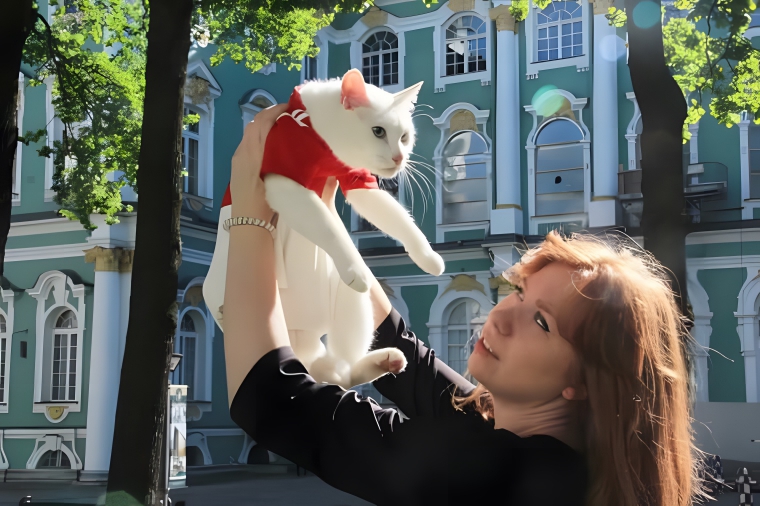
The State Hermitage Museum in St. Petersburg, Russia, is renowned worldwide for its vast collection of art and antiquities, housing masterpieces by some of history’s greatest artists such as Raphael, Michelangelo, and El Greco. With over three million items in its collection, spanning from prehistoric times to the modern era, one would expect visitors to be entirely focused on the priceless exhibits. However, the Hermitage holds a unique and charming secret that often captures the attention of both locals and tourists alike: its resident feline guardians.
The tradition of keeping cats at the Hermitage dates back to 1745 when Empress Elizabeth, daughter of Peter the Great, issued a decree ordering that “fine house cats” be brought from Kazan to the Winter Palace to catch mice. Since then, cats have been a constant presence in the museum, surviving revolutions, wars, and sieges. Today, the Hermitage is home to a colony of around 50-70 cats, all of which play a crucial role in protecting the museum’s priceless artifacts from rodents.
These feline custodians are not just strays that happened to wander into the museum; they are an official part of the Hermitage staff. The cats have their own press secretary, Maria Haltunen, who manages their public relations and ensures their story is told to the world. They also have dedicated caretakers who feed them, provide medical care, and maintain their living quarters in the museum’s basement. The cats even have their own kitchen and hospital, ensuring they receive the best possible care.
The Hermitage cats have become so famous that they have their own holiday. Every spring, the museum celebrates “Day of the Hermitage Cat,” where visitors can meet some of the feline guardians and learn about their history and role in the museum. This event has become a beloved tradition in St. Petersburg, drawing cat lovers from around the world.
While the cats’ primary job is pest control, they have also become an integral part of the museum’s charm and appeal. Visitors often spot them lounging in sunny courtyards or prowling through the gardens, adding an element of living history to the ancient institution. The cats have become so popular that the museum even runs an “adopt a cat” program, allowing cat lovers to sponsor one of the Hermitage felines.
The presence of these cats in such a prestigious institution raises interesting questions about the intersection of culture and nature. In a place dedicated to preserving human artistic achievements, these animals serve as a reminder of our connection to the natural world. They also demonstrate how even the most refined cultural institutions can benefit from the simple, age-old solution of using cats for pest control.
The Hermitage cats serve as a unique example of how tradition and practicality can coexist with high culture. In a museum filled with priceless treasures, these humble creatures have become treasures in their own right, beloved by staff and visitors alike. Their presence adds a touch of warmth and life to the grand halls of the Hermitage, reminding us that even in the most august of settings, there’s always room for a little feline charm.
8. The Cathedral of Saint Basil: A Colorful Icon of Russian Architecture

Standing proudly in Moscow’s Red Square, the Cathedral of Saint Basil the Blessed (Собор Василия Блаженного) is an architectural marvel that has captivated visitors for centuries. With its vibrant colors, whimsical onion domes, and intricate patterns, this UNESCO World Heritage site looks more like a fantastical creation from a fairy tale than a place of worship. Yet, this extraordinary structure is not only a functioning church but also a symbol of Russian history, culture, and architectural ingenuity.
Constructed between 1555 and 1561 under the orders of Ivan IV Vasilyevich, better known as Ivan the Terrible, the cathedral was built to commemorate the capture of Kazan and Astrakhan from Tatar forces. This victory marked a significant expansion of the Russian state and the cathedral was designed to be a triumphant symbol of this achievement. The building’s official name is the Cathedral of the Intercession of the Most Holy Theotokos on the Moat, but it is popularly known as Saint Basil’s Cathedral after Basil the Blessed, a Muscovite holy fool who was buried on the site and later canonized.
The cathedral’s design is truly unique, consisting of nine chapels built on a single foundation. The central church is surrounded by eight smaller chapels, each topped with a distinctive onion dome. These domes, with their vibrant colors and intricate patterns, are perhaps the most recognizable feature of the cathedral. The design is said to represent the flame of a bonfire rising into the sky, a powerful visual metaphor for the spiritual ascension towards heaven.
The legend surrounding the cathedral’s creation adds to its mystique. According to popular folklore, after the completion of the cathedral, Ivan the Terrible had the architect, Postnik Yakovlev, blinded to prevent him from ever creating anything as beautiful again. This tale, while dramatic, is likely apocryphal. Historical records show that Yakovlev participated in the construction of other buildings in the years following Saint Basil’s completion, suggesting he retained his sight.
The cathedral’s survival through centuries of turbulent Russian history is a testament to its cultural significance. It narrowly escaped destruction several times, including during Napoleon’s invasion in 1812 when French troops used it as a stable and attempted to blow it up as they retreated from Moscow. In the 20th century, it was spared from demolition by the Soviet regime, thanks in part to the efforts of architect Pyotr Baranovsky, who reportedly threatened to cut his own throat on the steps of the cathedral if the demolition order was carried out.
Today, Saint Basil’s Cathedral stands as a museum and a symbol of Russia itself. Its image is recognized worldwide and has become synonymous with Moscow and Russian culture. The interior of the cathedral, while less famous than its exterior, is equally impressive. The walls are adorned with intricate frescoes and icons, and the layout of the chapels creates a maze-like structure that invites exploration.
The cathedral’s design has influenced Russian architecture for centuries, inspiring countless other churches and buildings across the country. Its unique blend of Russian and Byzantine architectural styles, combined with elements from the Italian Renaissance, created a distinctly Russian aesthetic that came to be known as the Moscow Baroque.
As visitors approach Saint Basil’s Cathedral, they are struck by its otherworldly appearance. The vibrant colors, which have been restored and maintained over the centuries, seem to shift and change depending on the light and the season. In winter, the domes stand out starkly against the snow-covered Red Square, while in summer, they gleam brilliantly in the sunlight.
The Cathedral of Saint Basil the Blessed remains one of Russia’s most beloved landmarks, a testament to the country’s rich history and cultural heritage. It stands as a symbol of Russian creativity, resilience, and faith, continuing to inspire and amaze visitors from around the world. Whether viewed as a masterpiece of architecture, a symbol of Russian national identity, or simply as a breathtaking work of art, Saint Basil’s Cathedral continues to be a source of wonder and admiration, nearly five centuries after its creation.
9. A Conflict That Almost Resulted In A War Over Fish Farts: The Curious Case of the Baltic Sea Mystery

In the annals of international relations, few incidents are as peculiar and unexpectedly humorous as the conflict between Sweden and the Soviet Union in the 1980s that nearly escalated into a full-blown diplomatic crisis over what turned out to be fish flatulence. This bizarre episode not only highlights the tensions of the Cold War era but also demonstrates how misunderstandings and hasty conclusions can lead to potentially dangerous situations in international politics.
The story begins in the early 1980s when the Swedish Navy detected a series of strange underwater sounds in the Baltic Sea. These mysterious noises were initially interpreted as evidence of Soviet submarine activity in Swedish territorial waters. The Cold War was still in full swing, and the idea of Soviet submarines secretly operating in Swedish waters was not far-fetched. Sweden, despite its official policy of neutrality, was aligned with Western powers, and the Soviet Union had a history of testing the boundaries of its neighbors’ territorial waters.
The Swedish military took these perceived incursions very seriously. They launched extensive naval operations to locate and identify the supposed Soviet submarines. These operations involved depth charges, anti-submarine warfare exercises, and the deployment of significant naval resources. The Swedish government issued stern warnings to the Soviet Union, accusing them of violating Swedish sovereignty and demanding explanations for the alleged submarine activity.
The Soviet Union, for its part, vehemently denied any submarine operations in Swedish waters. They claimed that the Swedish accusations were baseless and part of a Western propaganda campaign aimed at discrediting the Soviet Union. The denials, however, did little to assuage Swedish concerns, and the tension between the two nations continued to escalate.
As the conflict intensified, it began to attract international attention. Other Western nations, particularly the United States, expressed support for Sweden and condemned the alleged Soviet incursions. The situation threatened to develop into a major diplomatic incident that could have had far-reaching consequences for East-West relations during a particularly tense period of the Cold War.
However, as Swedish scientists and naval experts continued to investigate the mysterious sounds, they began to uncover evidence that challenged their initial assumptions. Advanced acoustic analysis of the recorded sounds revealed patterns that were inconsistent with submarine activity. The noises were too irregular and lacked the mechanical precision typically associated with submarine propulsion systems.
Further research led to a startling and somewhat embarrassing conclusion: the sounds were not caused by Soviet submarines at all, but by schools of herring releasing gas from their swim bladders. This process, colloquially known as “fish farts,” produces a sound that, when amplified by the unique acoustic properties of the Baltic Sea, could be mistaken for mechanical noises.
The revelation that fish flatulence had been the source of such international tension was met with a mix of relief, embarrassment, and amusement. The Swedish military and government found themselves in the awkward position of having to explain how they had mistaken natural biological processes for hostile submarine activity. The incident became a source of jokes and light-hearted commentary, with many finding humor in the idea of fish nearly causing an international incident.
However, beyond the humorous aspects, this episode led to some important scientific discoveries and advancements in underwater acoustics. The intense investigation into the sounds prompted researchers to develop more sophisticated methods for analyzing underwater noises. These advancements have since been applied in various fields, including marine biology, oceanography, and even in improving sonar technology.
The incident also served as a cautionary tale about the dangers of jumping to conclusions in high-stakes international situations. It highlighted the importance of thorough scientific investigation and the need for skepticism when interpreting ambiguous data, especially in matters of national security.
In retrospect, the “fish fart” incident stands as a unique chapter in Cold War history. It demonstrates how easily misunderstandings can escalate in an atmosphere of mutual suspicion and how nature can sometimes play tricks on even the most sophisticated military technology. The episode also underscores the importance of scientific inquiry and open communication in resolving international disputes.
Today, this curious incident serves as both a humorous anecdote and a valuable lesson in international relations. It reminds us of the need for careful analysis, open-mindedness, and sometimes, a sense of humor when dealing with complex global issues. The fact that a school of gassy herring nearly sparked an international crisis is a testament to the unpredictable nature of world affairs and the sometimes absurd realities of geopolitics.