
186. Try Weed Tea Fertilizer
Materials needed: Tub of water, cut-up weeds, sunlight
Cost To Make: $5*
Want to get revenge on weeds that rob your precious plants of nutrients? Give them a taste of their own medicine with this weed tea fertilizer. Cut up pulled weeds. Then, place them in a tub of water for several days, making sure the tub is kept in the sun as much as possible.
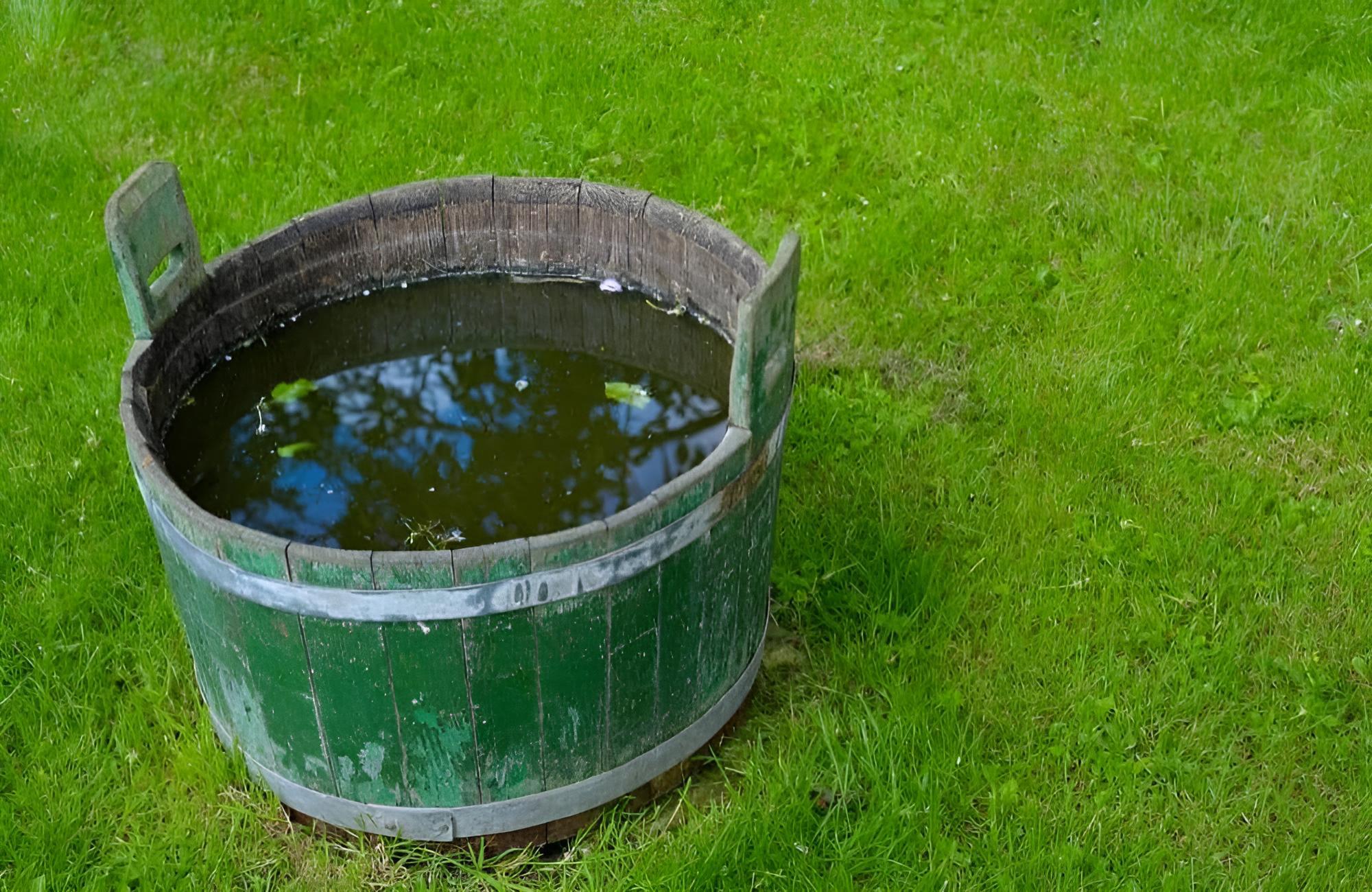
Try Weed Tea Fertilizer @allafricanews / Pinterest
In a few days, this brew will form a nitrogen-rich green tea. You can use it as a fertilizer or as a foliar spray, whichever works. This weed tea will keep weeds at bay, helping your plants get as much nutrients as they can.
187. Add Oyster Shells To Your Garden Beds
Materials needed: Oyster shells, rolling pin
Cost To Make: $20*
We’ve all heard of adding eggshells to garden beds to fertilize soil, but you might not have realized that you can use oyster shells to the same effect. Crushed oyster shells make for a fertilizer that will keep your soil healthy and sweet.
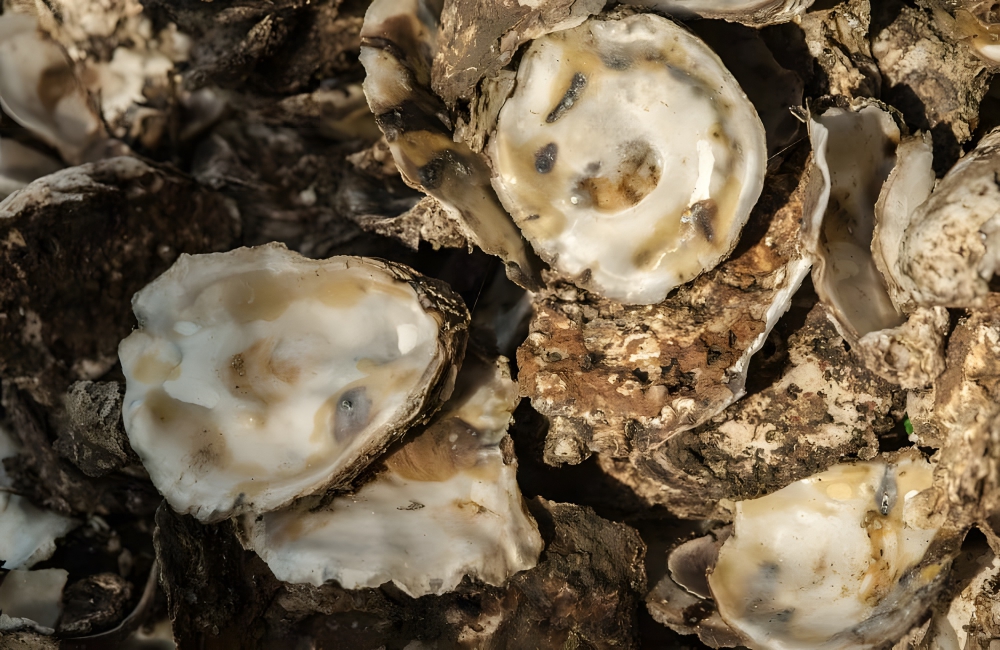
Add Oyster Shells To Your Garden Beds ©somsak suwanput / shutterstock.com
To crush them, you can just use a rolling pin. Sprinkle them through your garden generously. The oyster shells’ calcium carbonate will make your garden’s soil alkaline, so use this garden hack around plants that do best in alkaline soil.
189. Wisteria Needs Serious Pruning (Or Else)
Materials needed: Pruning equipment
Cost To Make: $50-$70*
Wisteria is full of cascading, brilliant purple flowers, and it is tempting for gardeners and landscapers who love a pop of color. That said, be aware that wisteria’s root systems are vast and expansive, causing shoots to pop up far from the main plant.

Wisteria Needs Serious Pruning (Or Else) ©nnattalli / shutterstock.com
Wisteria will engulf shrubs, trees, and other plants in its way. It can also live for centuries, and, every year, it requires serious pruning to keep it at bay. Know what you’re getting into before planting wisteria.
190. Play Music In The Garden
Materials needed: Speaker or radio
Cost To Make: N/A
According to plant biologists, music can actually have a positive effect on your plants’ growth. BHG reports that plants thrive when listening to music between 115Hz and 250Hz, as those vibrations are similar to the sounds emitted in nature.

Play Music In The Garden ©toscanavino.com
Jazz and classical are the music genres plants love, and they only need one to three hours of music per day. For example, Tuscany’s Paradiso di Frassina winery, known as “the Mozart winery,” plays select classical pieces to its grapevines to aid in their maturity and growth.
191. Nail A Tree To Force It To Yield
Materials needed: Nail, hammer
Cost To Make: $0*
It is a common practice in India to drive one nail into each coconut tree to force it to yield fruit. There are gardeners who swear by this practice, claiming that driving a nail into a tree will shock it into flowering or producing fruit.
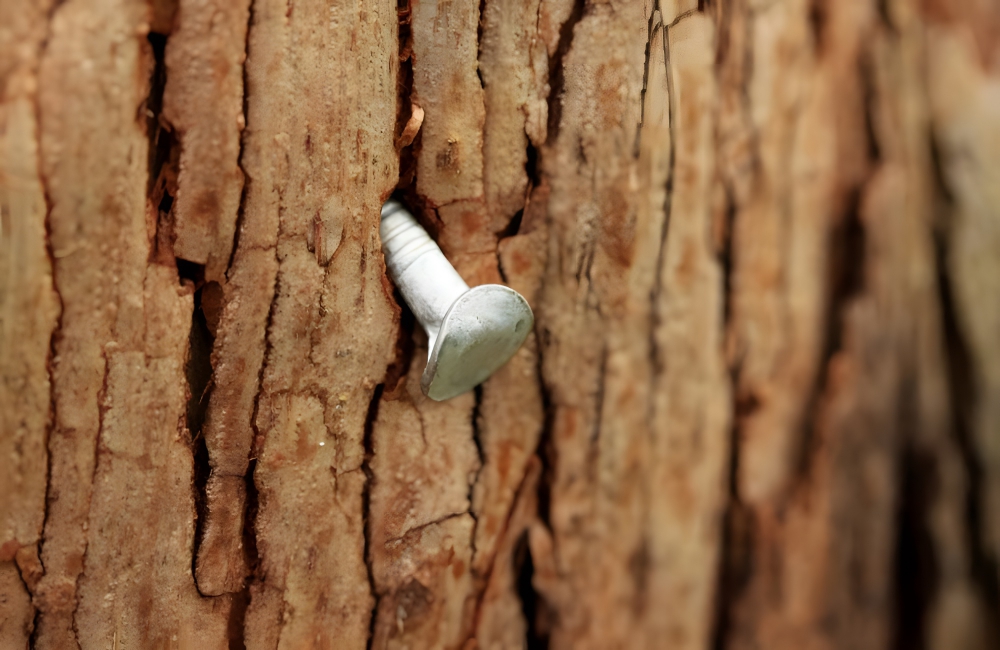
Nail A Tree To Force It To Yield ©DangerMouse / shutterstock.com
According to Natural Living Ideas, the nails shouldn’t damage the tree, as it is self-healing, producing scar tissue to isolate itself from the nail’s foreign bodies. If you have a stubborn tree that won’t yield no matter what you do, this old wives’ tale could be worth a try.
192. Put Rusty Nails In Your Watering Can
Materials needed: Rusty nails, watering can
Cost To Make: $0*
Plants need iron, and, when they don’t have this important mineral, they can contract a condition known as iron chlorosis. If they have iron chlorosis, their leaves will yellow while the veins remain green.
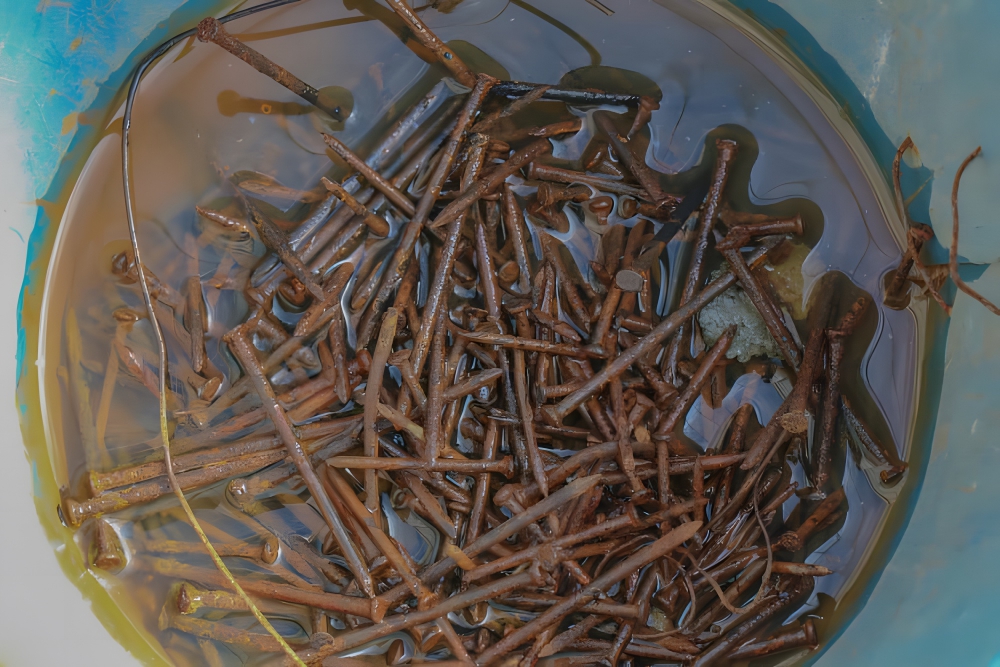
Put Rusty Nails In Your Watering Can ©I am a Stranger / Shutterstock.com
To give your iron-deficient plants a boost, place rusty nails into a watering can. This will douse them in the iron they need, staving off iron chlorosis. Just make sure you’re careful when handling the nails—make sure you use gloves, lest you end up having to get a tetanus shot.
193. Coconut Water Helps Roots Develop
Materials needed: Coconut water
Cost To Make: $5-$15*
Coconut water is rich in minerals, and organic gardeners love it because it is a handy replacement for synthetic rooting hormones. Coconut water is rich in cytokines and gibberellic acid, both of which increase root development and seed germination.
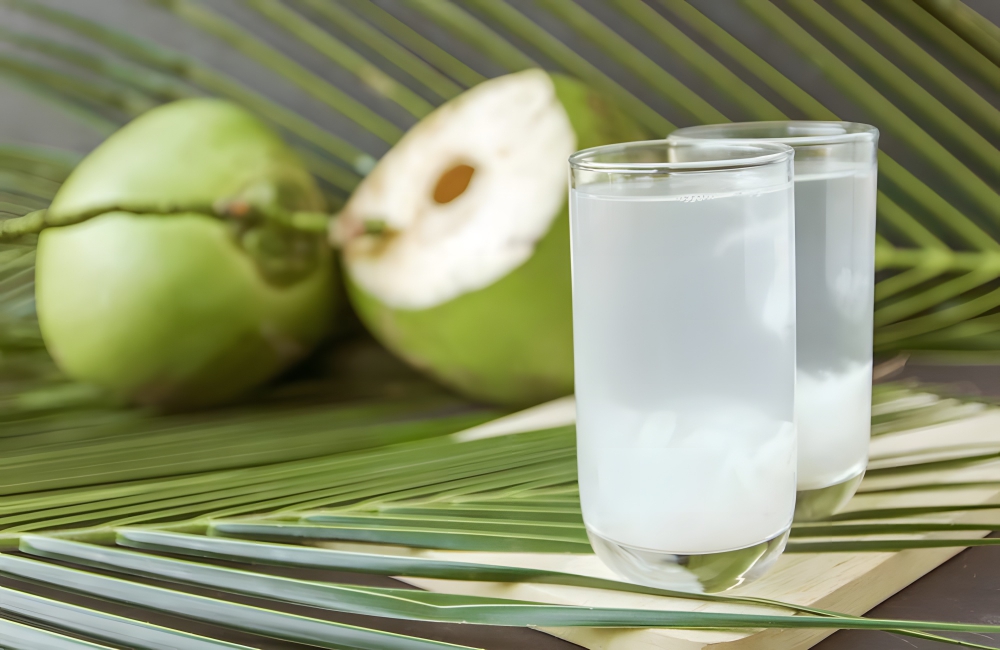
Coconut Water Helps Roots Develop ©NUM LPPHOTO / shutterstock.com
Coconut water is also good for humans, too, so you can take a swig of it while watering your plants. It aids in hydration and is high in potassium and low in calories. It is especially useful in replenishing your fluids after you’ve been out working in the garden all day.
194. Tubs Of Water Can Extend Growing Season
Materials needed: Tubs of water
Cost To Make: $0*
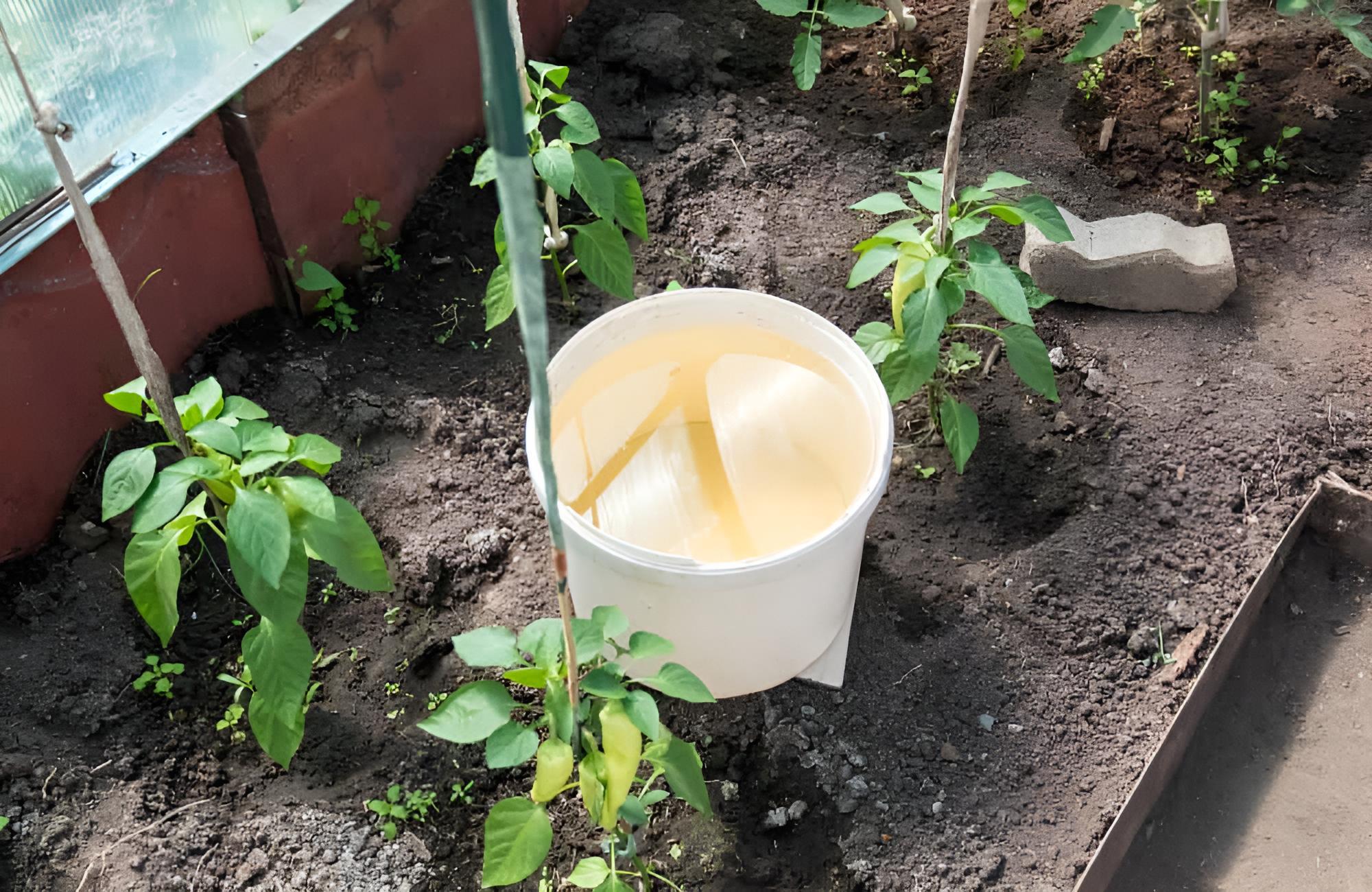
By using simple tubs of water, you can help regulate your garden’s micro-environment. Place tubs of water around your plants and leave them there day and night. During the day, the sun will warm up the water (especially if you have a greenhouse).
Tubs Of Water Can Extend Growing Season ©Elena Loginova / Shutterstock.com
At night, when the weather is chilly, the soil will quickly cool down, but the tubs of water will take longer to release heat. These tubs of water act as a “heat sink,” giving your plants a little more time to grow before winter takes over.
195. Make Aspirin Water
Materials needed: Aspirin, gallon of water
Cost To Make: $3-$6*
Aspirin doesn’t just help humans get rid of aches and pains, it can have benefits for certain types of plants, too. Salicylic acid is present in plants and mammals, and, as with the latter, the acid helps the former cope with disease and stress.

Make Aspirin Water ©fizkes / Shutterstock.com
The salicylic acid helps plants fight against insect infestation and bacterial infections, and its reaction is similar to anti-pest and anti-infection supplements you can find commercially. Dilute aspirin in water (one crushed tablet per gallon) and water your plants with this healthy mix.
196. Japanese Barberry Is A Lyme Disease Risk
Materials needed: N/A
Cost To Make: N/A
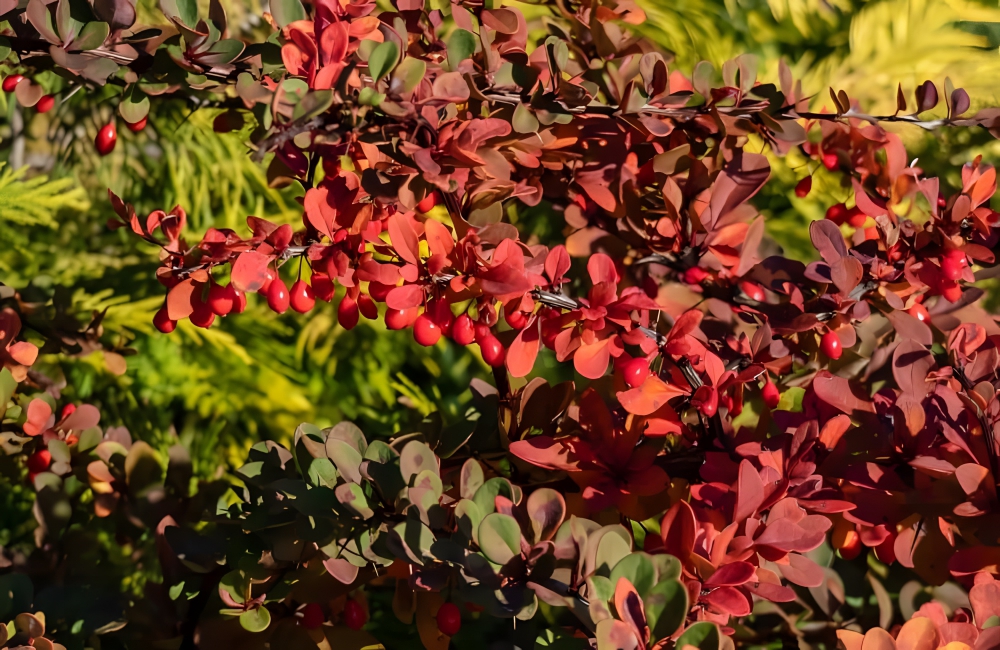
If you’re landscaping your yard, you might be taken in by how lovely the unique Japanese Barberry tree is. Fight the urge to plant this tree, as, though popular, research has shown that it carries black-legged ticks.
Japanese Barberry Is A Lyme Disease Risk ©Kristine Rad / Shutterstock.com
These ticks, in turn, are known to carry Lyme disease. Japanese Barberry is also very invasive and covered in sharp barbs, which make it unpleasant to tend to. You don’t want to plant something that can cause you pain and disease when tending to it.
197. Aphids Hate Soap And Water
Materials needed: Dish soap, gallon of water
Cost To Make: $5-$7*
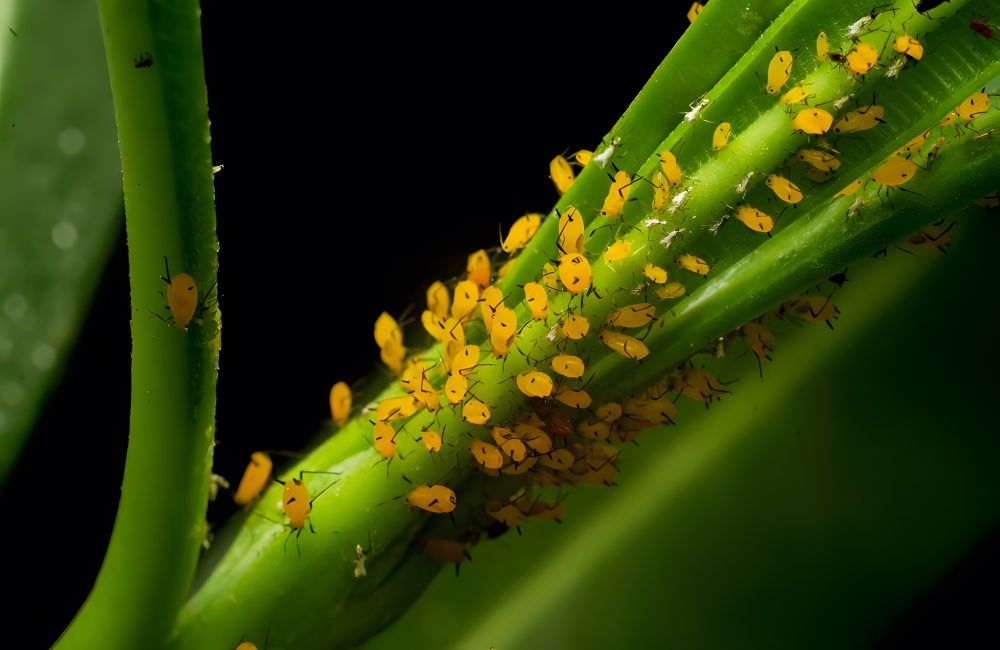
Aphids are sap-suckers that will team up with ants to colonize and ruin your plants. They multiply very quickly, so you need to take fast action when you see them creeping into your garden. Luckily, it’s not too hard to get rid of them.
Aphids Hate Soap And Water ©Goodly Pixels / Shutterstock.com
Aphids hate soap and water. Mix two tablespoons of dish soap with a gallon of water and spray onto an infested plant. The dish soap will cut through the oily, waxy coating on aphids, making them vulnerable to dehydration.
198. Fight Pests With Neem Oil
Materials needed: Neem oil
Cost To Make: $11 on Amazon*
Have you heard of neem oil? This oil is extracted from the Neem tree’s seeds, and it is one of the best, most powerful ways to keep your edible plants safe from pests. You can find a 32-ounce bottle of Bonide Captain Jack’s Neem Oil for just $11 on Amazon.
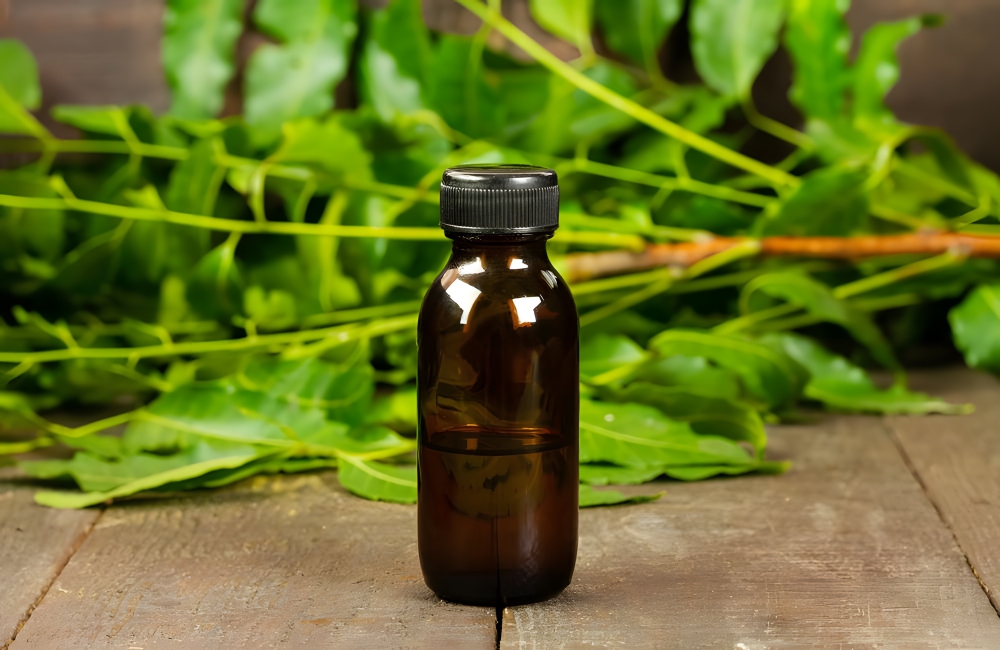
Fight Pests With Neem Oil ©Ninetechno / Shutterstock.com
Neem is more preventative than poisonous, as this vegetable oil interferes with insects’ development, making them unable to proliferate. To make a Neem spray at home, mix one teaspoon of Neem oil, a few drops of any detergent, and a quart of warm water.
199. Make Lacewings Your Friend
Materials needed: Lacewings
Cost To Make: $10-$15*
If your garden is being overrun by aphids, you might have to branch out and make some new pals. As the old saying goes, “The enemy of my enemy is my friend.” You can find lacewings at pet stores and garden stores.
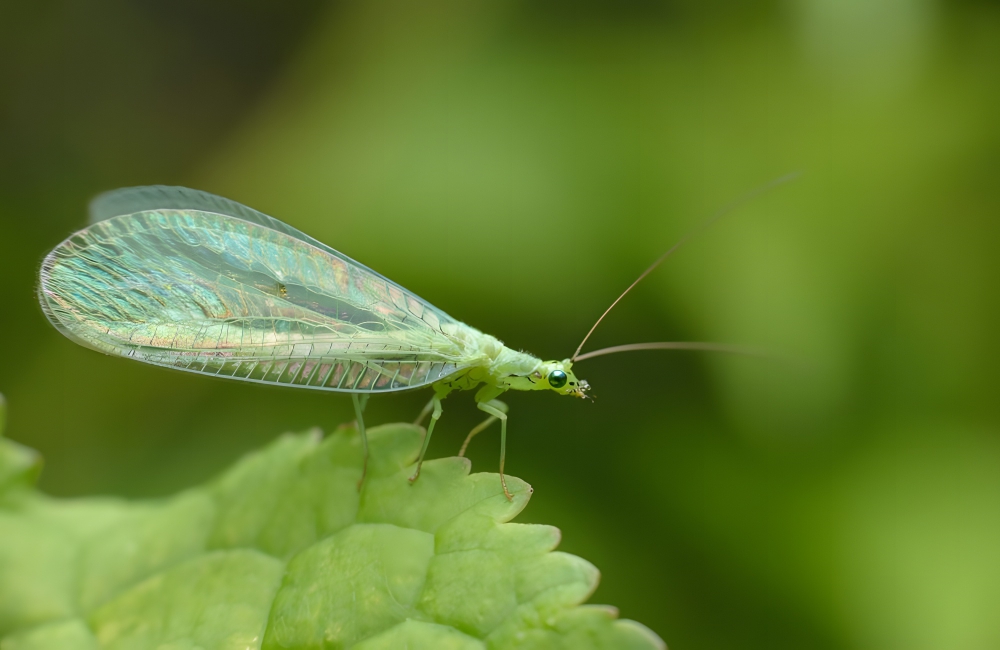
Make Lacewings Your Friend ©Abramoff / Shutterstock.com
Lacewings eat aphids (as do ladybugs), and they aren’t harmful to your plants. According to Preferred Pest Control, green lacewings are a “natural predator” of pesky bugs that will destroy your plants. You can buy 1,000 lacewing eggs on Amazon for just $14 (5,000 for $26).
200. Borax And Honey Will Control Ants
Materials needed: Honey, borax
Cost To Make: $15*
Ants won’t really damage a garden unless they build giant tunnels and anthills, but the aphid farms they run certainly will. Aphids secrete the honeydew that ants eat, and these pests often go hand-in-hand.
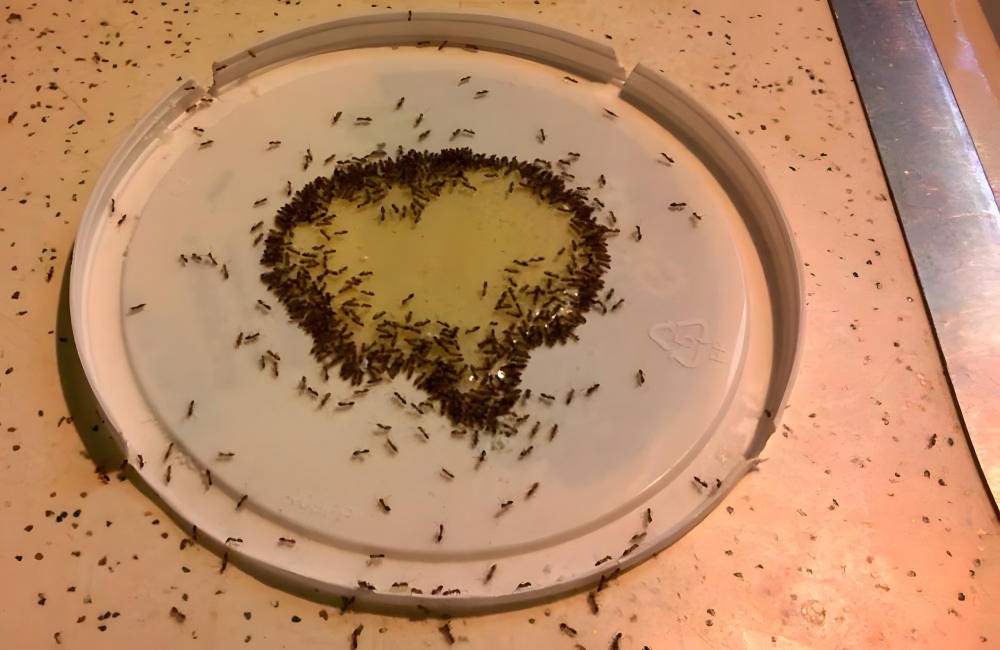
Borax And Honey Will Control Ants @thegardeningsoul / Pinterest
If you want to make an organic ant killer, mix Borax and honey into a paste. If necessary, instead of honey, you can use peanut butter or maple syrup. Place this mix on plants infested with ants and aphids, covering the base of their stems completely. This mixture will dehydrate ants, and, when they carry the paste back to their colony, it will destroy it, too.