
91. Motorcycle Helmet with Ponytail Hole
What it is: Helmet with a hole for your ponytail
Invented: Unknown
Average Price: $200-$400*
Described by Awesome Inventions as a “genius invention” that needs to be available here, the motorbike helmet with a ponytail opening is perfect for women (or men with long hair) who want to wear their hair up while riding around. These helmets have a hole through which your ponytail goes, making for a far more comfortable fit.
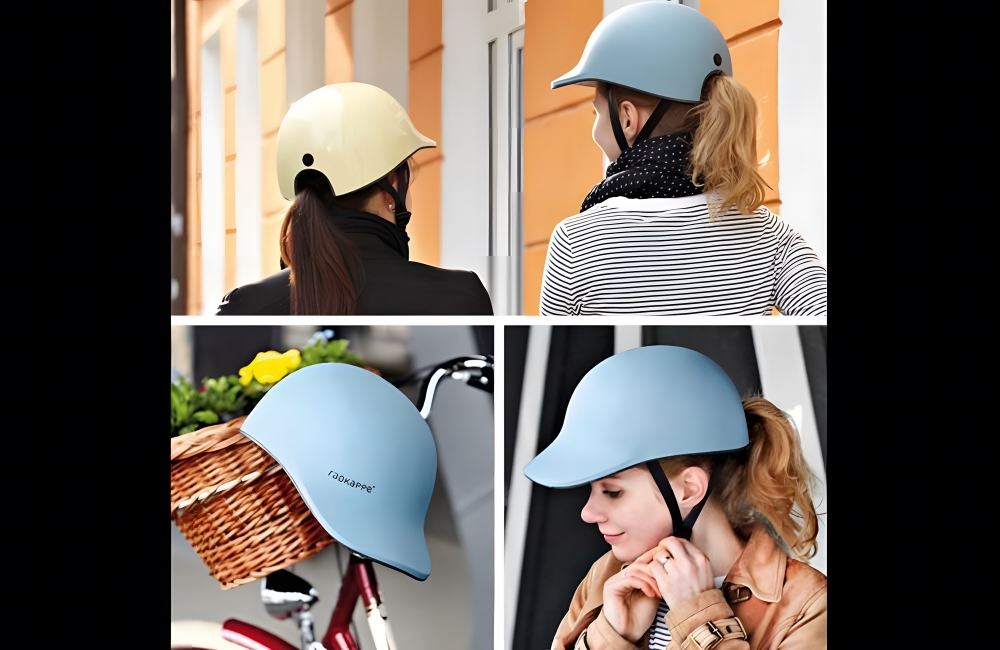
Motorcycle Helmet with Ponytail Hole @Bike Pretty / Pinterest
Though we have yet to see a comparable product from Harley Davidson, the average motorbike helmet in Japan costs, on average, a few hundred dollars. So far, the helmets with a ponytail hole are open-face helmets, though that could change, depending on the market.
92. Cleaning Shoes
What it is: Shoes with broom and dustpan attached
Invented: 2010s
Average Price: Unlisted
Another interesting, if Chindogu invention is the broom/dustpan shoes. These shoes are slip-ons. One shoe has a little broom attached to it, while the other has a dustpan into which you can sweep any messes you come across. While not as fashionable as some of the products from Nike, these shoes are certainly useful.
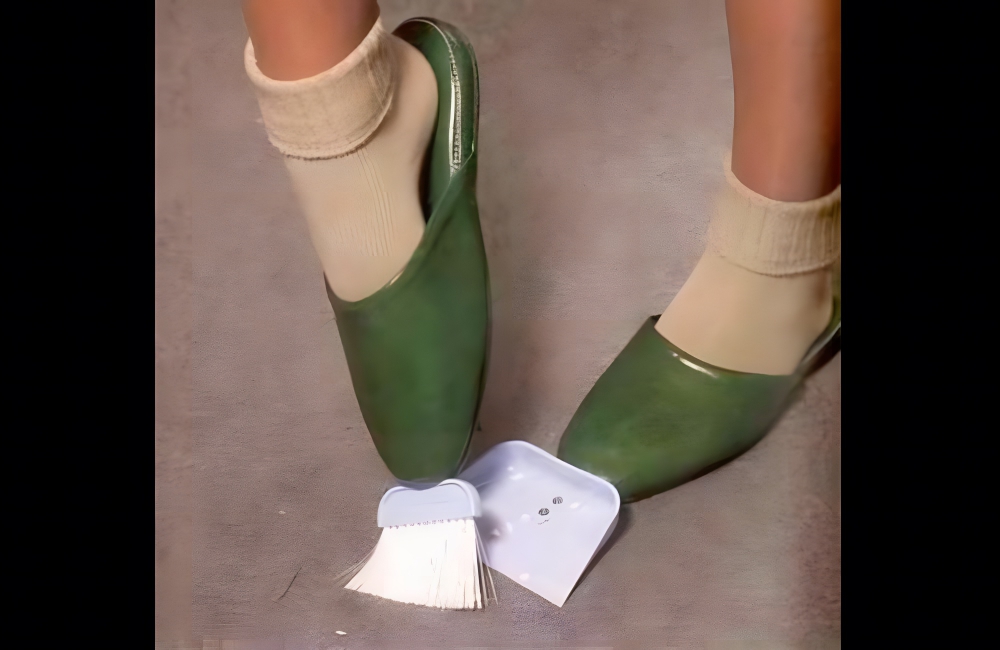
Cleaning Shoes @Tofugu / Pinterest
They are in keeping with Japanese tradition, says the BBC, which states that Japan has a lot to “teach us” about cleanliness. Noriaki Ikeda, a priest at the Kanda Shrine in Hiroshima, states that Japan is “a very clean country” because cleanliness avoids “bringing calamities” into society.
93. Sleep Stand
What it is: Stand to rest your chin so you can sleep during the day
Invented: 2010s
Average Price: Under $50*
Another Chindogu invention for this list is the sleep stand, which props up your head and neck, allowing you to sleep while standing up, whether you’re in transit or just taking a brief break in public. Another invention that has yet to see the shelves of Bed Bath & Beyond or Target, this sleep stand helps people practice Inemuri.
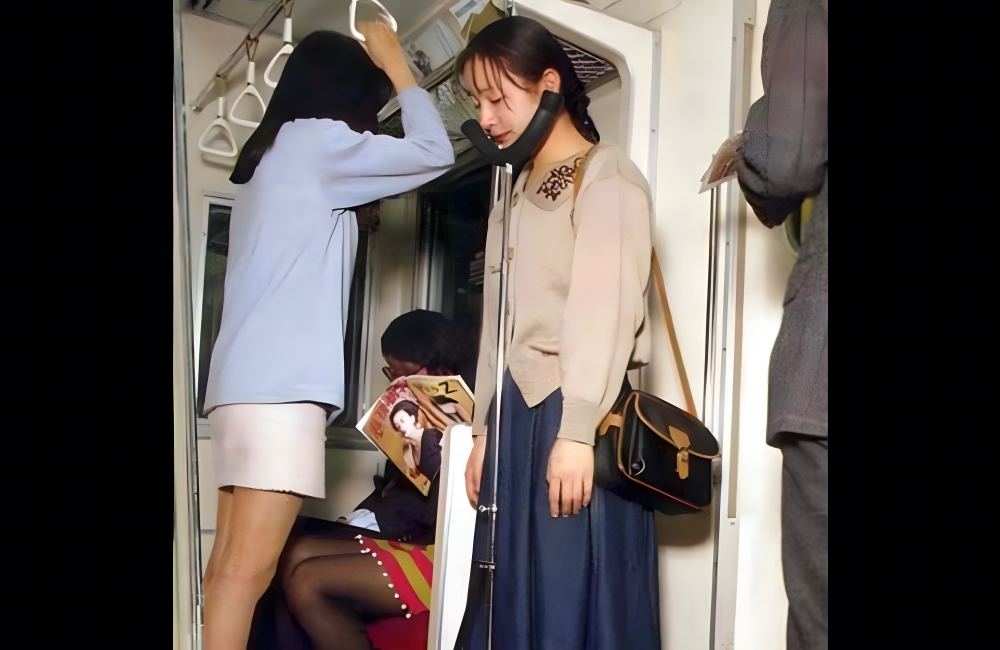
Sleep Stand @Sandra….. Grammy / Pinterest
Inemuri, according to The New York Times, is the practice of “sleeping while present.” This includes sleeping while at work or traveling. While sleeping on the job in America will get you in trouble, it is not the case in Japan, where napping in the office is common and a sign of diligence.
94. Rain-Catching Umbrella
What it is: Umbrella that harvests rainwater
Invented: 2013
Average Price: $5-$10*
Harvesting rainwater is a common practice in pretty much every country, and Japan Is no exception. Japan has combined its love of umbrellas with catching rainfall, creating an umbrella that harvests rainwater. In Japan, the average price of an umbrella is 500-1,000 Yen (approximately $5-$10 in the States).
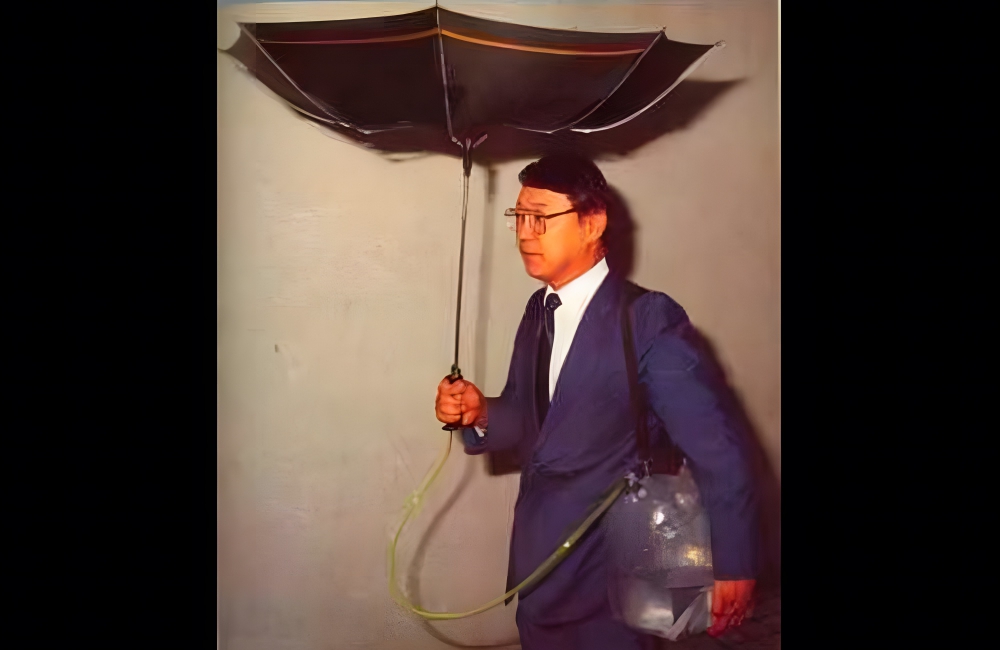
Rain-Harvesting Umbrella @Treehugger.com / Pinterest
While these inventions have yet to appear on Amazon, rain harvesting umbrellas are available in Japan. The only “con” to this umbrella is that you have to lug around a water storage bag in addition to your upturned umbrella, which funnels the water into the bag. If it rains a lot, that could get heavy.
95. Easy-Open Soda Tabs
What it is: Soda can tab with a recess so you won’t chip your nails
Invented: 2010s
Average Price: $1-$2*
Those of us who hate chipping a nail will appreciate this invention. In Japan, there are “easy-open soda tabs.” Unlike the flat tabs that you see on Coca-Cola and Pepsi cans in the States, these soda cans’ tabs have an indentation that allows you to fit your finger under it before lifting up.
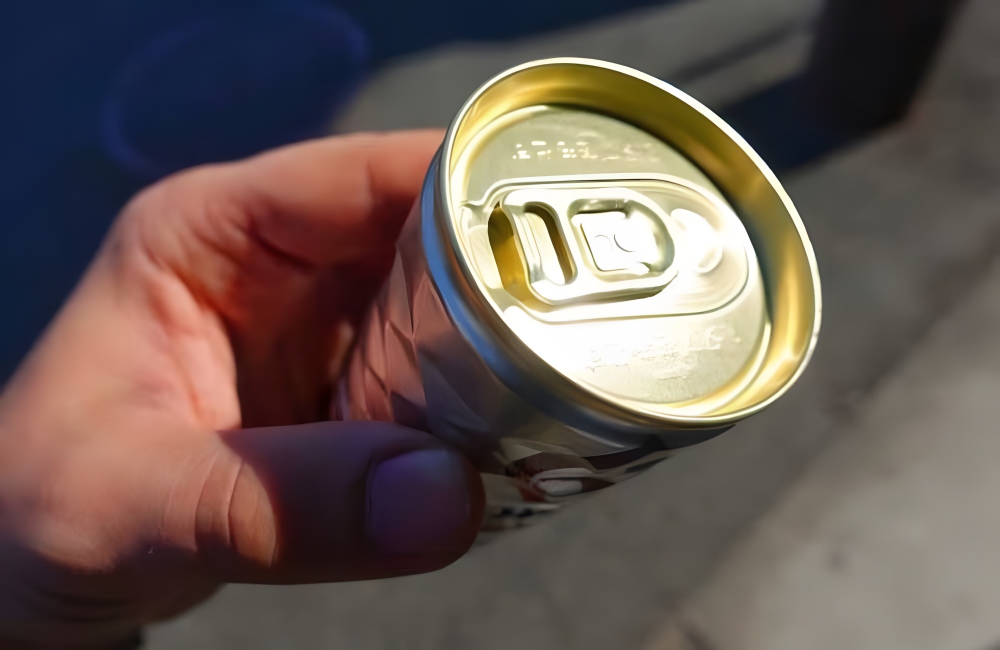
Easy-Open Soda Tabs @Top Ranking / Youtube.com
It’s way easier to maneuver, and it is cheaper and easier than a ring-pull opener on cans. The Guardian pointed out that ring-pull cans were “demanding” on the can’s material because of the riveting operation necessary to attach the ring-pull to the can. So, an indented tab is much better.
96. Capsule Beds
What it is: A rentable capsule room to sleep (as opposed to a hotel room)
Invented: 2013
Average Price: $30-$50/night*
Japan has what are known as capsule hotels (kapuseru hoteru). These hotels are called “pod hotels” in the West, but they originated in Japan. They have small rooms just a fraction of the size of lodgings at the Hilton or Marriott. These rooms are the size of a bed only.
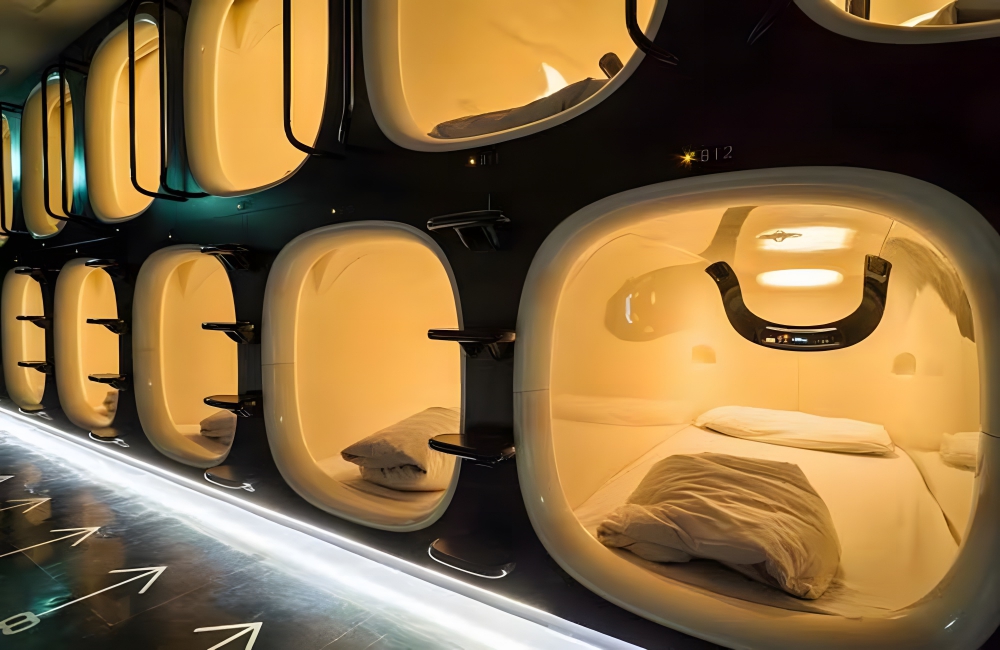
Capsule Beds ©Mr. James Kelley / Shutterstock
All the capsules have, usually, a bed. There may be other amenities that increase the price, but the general price range is $30-$50 a night. In some capsule hotels, there is high-speed internet and toiletries available, which is why capsules in Tokyo tend to be the most expensive.
97. Fish-Shaped Ice Cream Cones
What it is: Soft serve ice cream cones shaped like fish
Invented: 2016
Average Price: $7*
Called a taiyaki, this is a famous ice cream cone in Japan that puts the ice cream cones we see from Baskin Robbins DQ to shame. The taiyaki is shaped like a fish. It is served at restaurants like Uji Time and Taiyaki NYC.
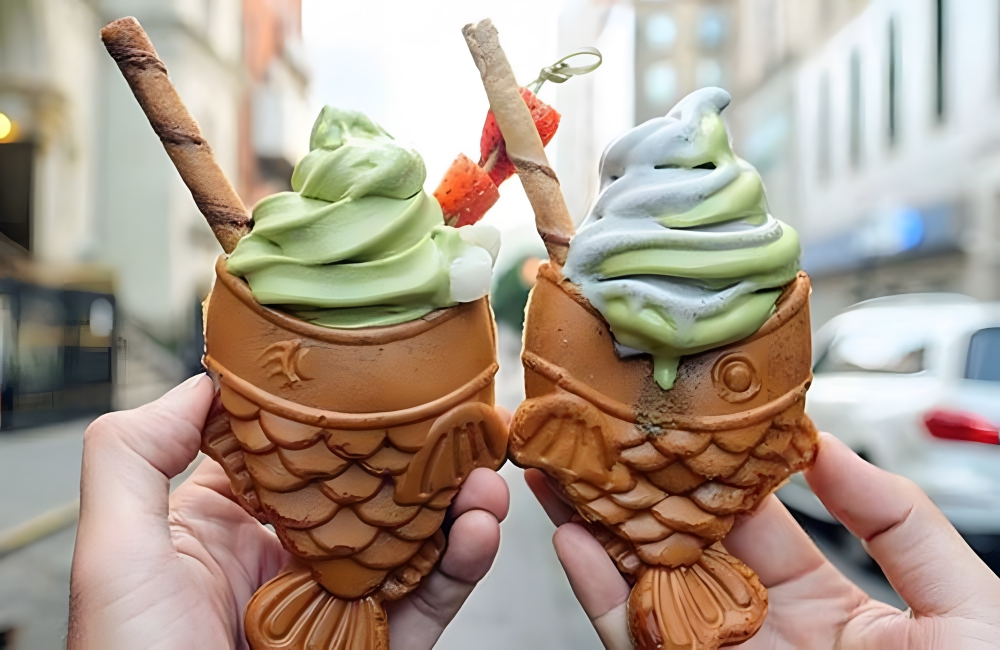
Fish-Shaped Ice Cream Cones @Tendencee / Pinterest
These taiyaki are a take on a more traditional Japanese dessert, which is shaped like a fish and stuffed with red bean paste. However, the taiyaki spinoff is far sweeter, as it is usually filled with soft-serve ice cream. The cone is made of what Mic described as a “cake-like” waffle cone.
98. Diagonal Pedestrian Crossing
What it is: Crossing that lets pedestrians walk any way across an intersection
Invented: 1969
Average Price: Free to the public
A pedestrian scramble (which is called a scramble crossing or diagonal pedestrian crossing) is known as sukuranburu-kosaten in Japan. These scrambles are quite common, and over 300 of these intersections exist. Though this isn’t a product in the sense that you could buy it from a store like Walmart or Amazon, it is still very important to Japan.
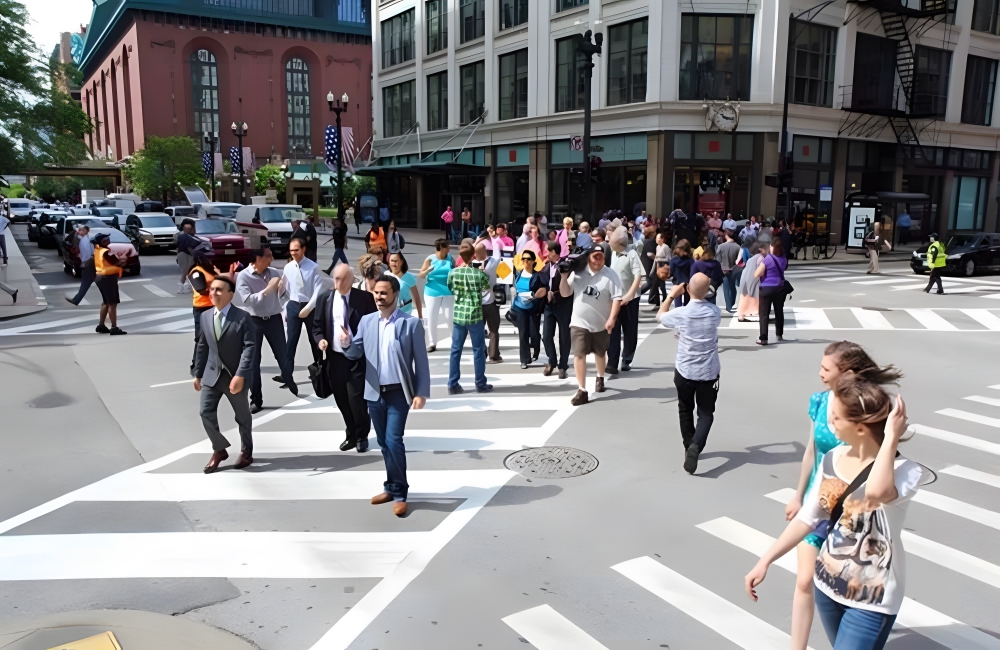
Diagonal Pedestrian Crossing @Sustainable Cities Collective / Pinterest
More than 3,000 pedestrians can cross in the scramble outside of Shibuya Station in Tokyo. Ginza’s Sukiyabashi is another large scramble in Tokyo. Photographs from that crowded intersection have become somewhat symbolic of Tokyo as a whole. The first scramble was installed in Kumamoto in 1969.
99. Digital Makeovers (Panasonic’s Makeup Design Tool)
What it is: Gives you makeup in a picture
Invented: 2017
Average Price: N/A (still in development)
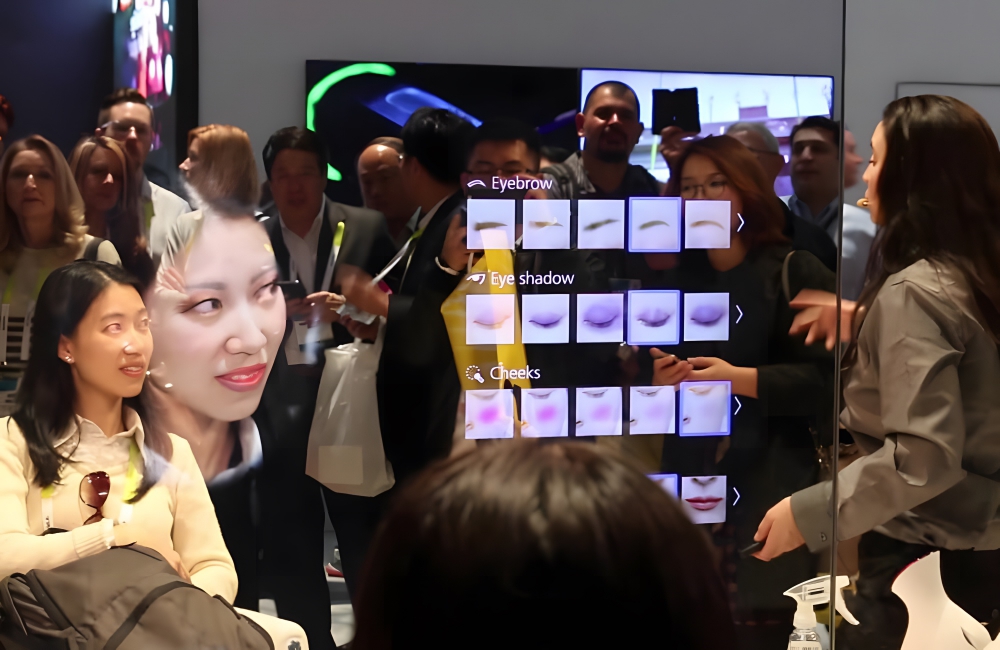
Described by Panasonic as “an industry first,” the Panasonic Makeup Design Tool allows you to apply makeup to yourself without actually having to wear any in the picture. This digital design tool will save you some money at Ulta Beauty or Sephora. Just upload your picture, and you can then add in all the makeup you want (lipstick, longer lashes, bronzer, highlighter, etc.).
Digital Makeovers (Panasonic’s Makeup Design Tool) @mandomando / Pinterest
The Makeup Design Tool lets you use a touch-pen to apply the makeup. Panasonic designed this tool with the help of professional makeup artists. The MDT uses facial recognition to give an authentic, non-digitized look to the makeover.
100. Toilet Lighting System
What it is: Lights up your toilet so you can see
Invented: Unknown
Average Price: $2.63*
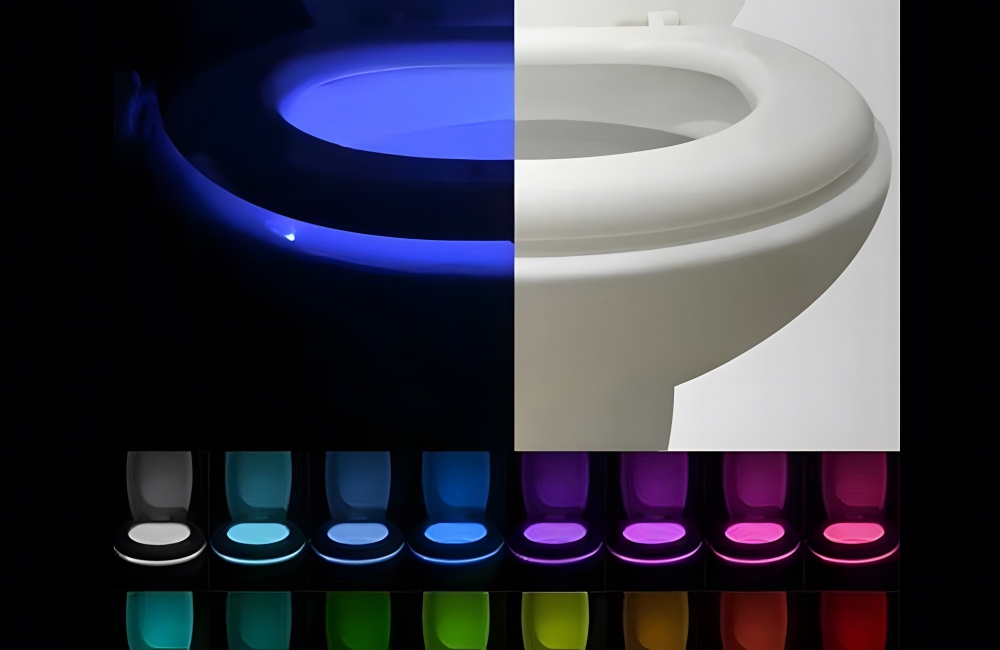
When you think of places you can decorate your home, inside of your toilet is probably not one that immediately comes to mind. However, in Japan, there are toilet lighting systems that come in a variety of colors, creating ambient, soft lighting. If you wake up in the middle of the night, you don’t have to turn on all the bright lights just to use the toilet.
Toilet Lighting System @Bob / Pinterest
In Japan, toilets tend to be more elaborate than toilets that you find in other, “first-world” nations. Kotaku described Japanese toilet culture as “high tech,” and far beyond what you see from Western companies like Procter & Gamble and American Standard.
101. Transparent Public Toilets
What it is: Transparent public toilets that turn opaque when you close the door
Invented: 2020
Average Price: $0 to use*
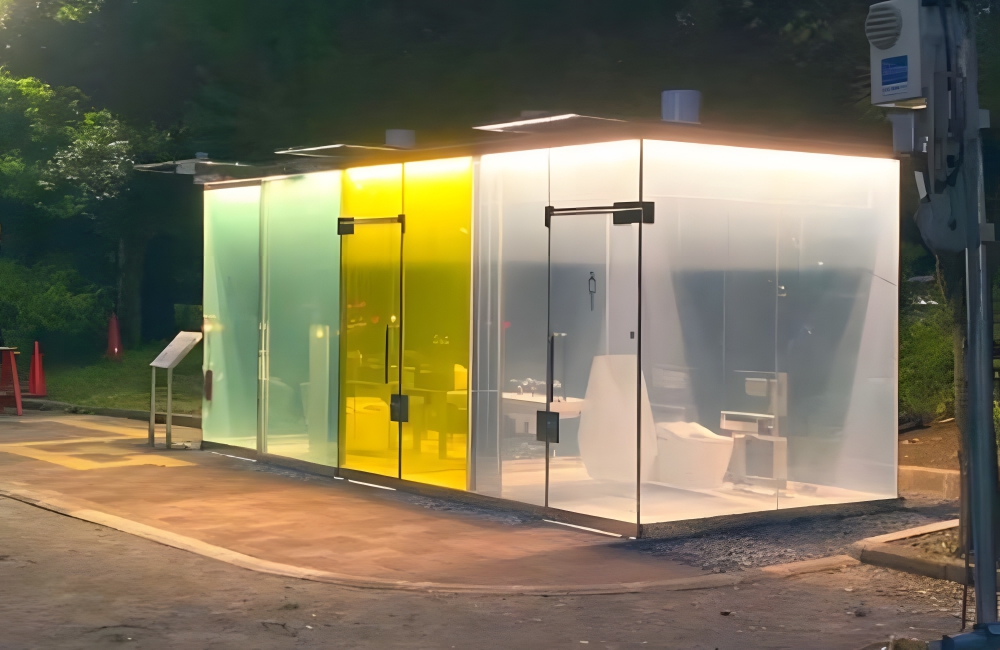
Tokyo is one of the most popular places to visit in Japan, and the city announced that it had yet another attraction: transparent public restrooms. The restrooms have transparent, colorful walls before they are occupied. Once the door is shut and locked, they become opaque, so no one can see inside.
Transparent Public Toilets @ecentrichappiness / Reddit.com
As The New York Times stated, the designer behind these unique restrooms is Shigeru Ban, a Japanese architect. Ban invented the transparent restroom for two main reasons: first, transparent walls let people see how clean the restroom is before they enter, and secondly, the transparent walls let people know that no one is inside.
102. Electronic Supermarket Price Tags
What it is: Price tags that are updatable electronically
Invented: 2009
Average Price: $0 to use*
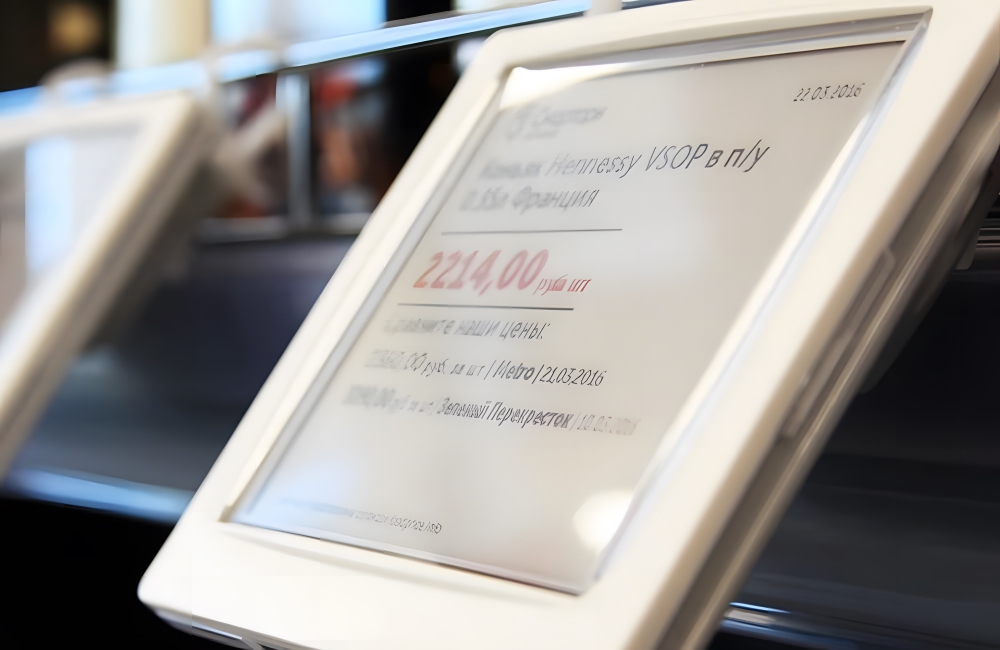
Developed by Bridgestone, these electronic price tags have been around in Japan for over a decade. Japanese store owners can use these digital price tags as a part of their ESL billing system. The tags update based on a store’s central database of information. This is far more convenient for store employees, as they don’t have to manually replace price tags whenever prices change.
Electronic Supermarket Price Tags @Marie / Pinterest
Whether we’ll see these new electronic price tags down the aisle of every Target or Walmart is unclear, but what is clear is that this saves not only paper, but also the store employees’ time.
103. Portable Ashtrays
What it is: Ashtray you can take in your pocket
Invented: 2000s
Average Price: $10.37*
Japan values cleanliness as a cultural rule, and portable ashtrays prevent city streets and sidewalks from being cluttered with cigarette butts. Smoking is pretty popular in Japan, though rates have been declining steadily since 1965, when smokers were first surveyed. Nearly one-third of Japanese men and under one-tenth of Japanese women smoke.
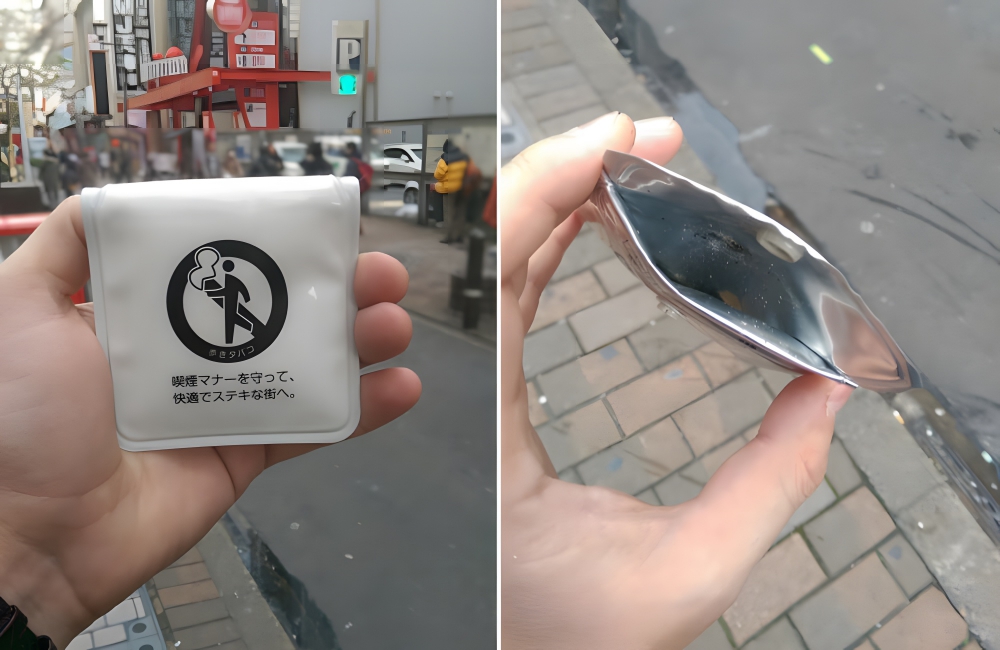
Portable Ashtrays @Bethany Luther / Pinterest
To prevent cigarette butt litter, one Japanese company has invented a portable ashtray. This allows smokers to ash their cigarettes and store their butts until they have reached a trash can. Major tobacco companies like British American Tobacco, judging from the success of the portable ashtray in Japan, would do well to release a similar product.
104. Simple Ear Explorer
What it is: Ear explorer that lets you see inside your own ear to find ear wax
Invented: 2006
Average Price: $459.36*
This ear scope was seen on CNN, and it is actually a pretty good idea for anyone who struggles with ear cleanliness. The Ear Scope TV is battery-powered, and it is a contained endoscope that allows you to see inside your ear and watch the footage on a monitor. You can attach the endoscope footage to any TV monitor with a regular cable.
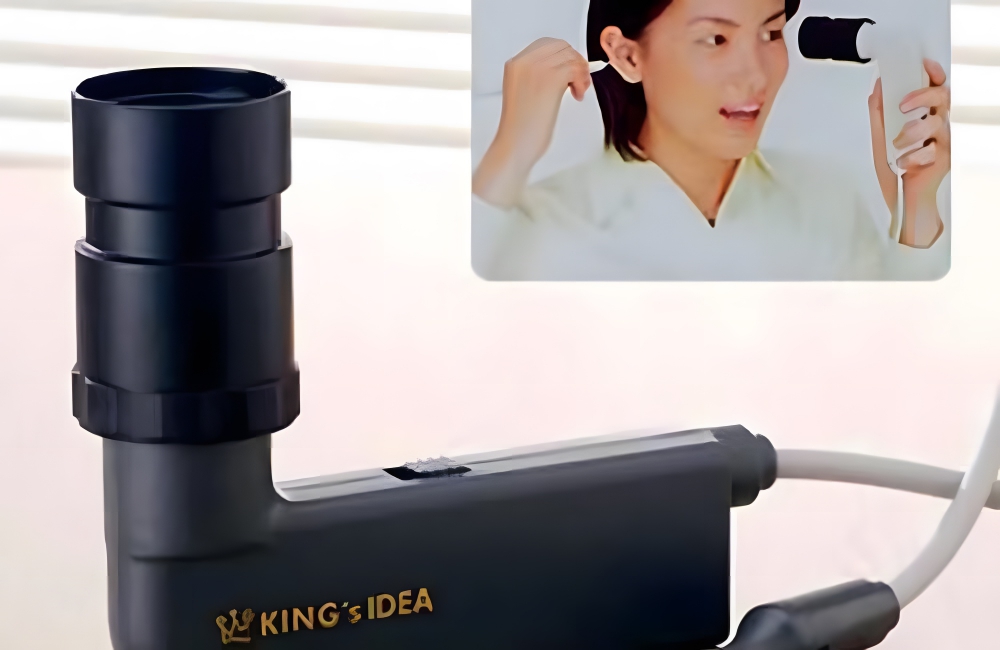
Simple Ear Explorer @Hall Stories / Pinterest
The endoscope comes with an LED light, so you’re able to see clearly. The scope has been around since 2006. Usually, ear scopes (also known as ear explorers) come with ear cleaning picks included in the purchase.
105. Ibusuki Beach
What it is: A beach close to a volcano
Average Price: N/A
At first glance, Ibusuki Beach in southern Japan might look like an ordinary place to sunbathe, but it’s far from it. The sand isn’t quite sand at all, but granite generated by a nearby volcano. The material is heated underground because of the volcanic activity, making it the perfect place to take a steaming sand bath.

Ibusuki Beach @ladbibleadventure/Facebook.com
Of course, stepping out onto the beach isn’t without its dangers, but most people that visit find it a relaxing and enjoyable experience. Would you put it on your bucket list of places to visit, or avoid it entirely?