
# 1. Mammoth Cave (USA)
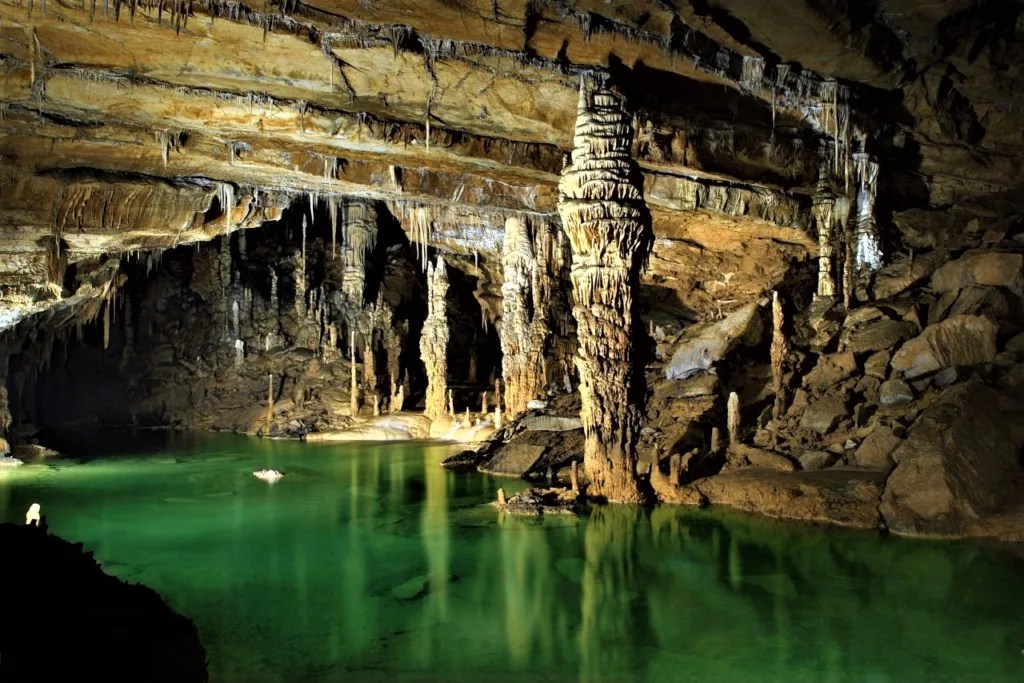
Boasting the title of the world’s longest cave system, Mammoth Cave in Kentucky stretches over 400 miles, making it a true wonder of the underground world. This extensive network of labyrinthine passages is not only a marvel of natural engineering but also a testament to the intricate dance between water and limestone over millions of years.
Mammoth Cave’s history dates back to prehistoric times, with evidence suggesting that Native Americans explored its depths more than 4,000 years ago. These early explorers left behind artifacts and petroglyphs, providing a glimpse into their lives and their interactions with this subterranean wonder. The cave’s modern discovery is credited to European settlers in the late 18th century, and since then, it has fascinated explorers, scientists, and tourists alike.
The cave’s geology is a complex interplay of rock, water, and time. The limestone that forms the bulk of Mammoth Cave was deposited around 350 million years ago during the Mississippian period when the region was covered by a shallow sea. Over millennia, water seeped through cracks in the limestone, gradually dissolving the rock and creating the vast network of tunnels and chambers that we see today. This process continues, with water still actively shaping the cave’s features.
One of the most mesmerizing aspects of Mammoth Cave is its array of speleothems—stalactites, stalagmites, and other mineral formations that adorn its chambers. These formations result from the slow deposition of minerals from dripping water. Stalactites hang like icicles from the cave ceiling, while stalagmites rise from the floor, sometimes meeting to form columns. These formations create a surreal, almost otherworldly landscape within the cave.
Mammoth Cave is not just a geological marvel; it is also a biodiverse ecosystem. The cave is home to a variety of unique species, many of which are adapted to the dark, nutrient-poor environment. These include the eyeless cavefish, cave crickets, and various species of bats. The cave’s ecosystem is delicate, and ongoing conservation efforts are crucial to preserving its biodiversity.
Tourism has played a significant role in Mammoth Cave’s history. The cave was designated a national park in 1941, and it attracts hundreds of thousands of visitors each year. Tours range from easy walks through well-lit passages to challenging spelunking adventures that take visitors deep into the cave’s more remote areas. Each tour offers a different perspective on the cave’s beauty and complexity.
In addition to its natural beauty, Mammoth Cave has a rich cultural history. During the War of 1812, the cave was mined for saltpeter, a key ingredient in gunpowder. In the 19th century, it became a popular tourist destination, with guides leading visitors on tours by lantern light. Some of these early guides were enslaved African Americans, who played a crucial role in exploring and mapping the cave.
Today, Mammoth Cave continues to be a site of scientific research, with studies focusing on its geology, hydrology, and ecology. Researchers are particularly interested in understanding the cave’s formation processes and the unique adaptations of its inhabitants. This ongoing research helps to deepen our understanding of the natural world and the forces that shape it.
In conclusion, Mammoth Cave is a natural wonder that captivates all who venture into its depths. Its vast network of passages, stunning mineral formations, and unique ecosystem make it a place of endless fascination and discovery. Whether you are a casual tourist or a seasoned spelunker, a visit to Mammoth Cave offers an unforgettable journey into the heart of the Earth.
# 2. Caves of Aggtelek Karst and Slovak Karst (Hungary/Slovakia)
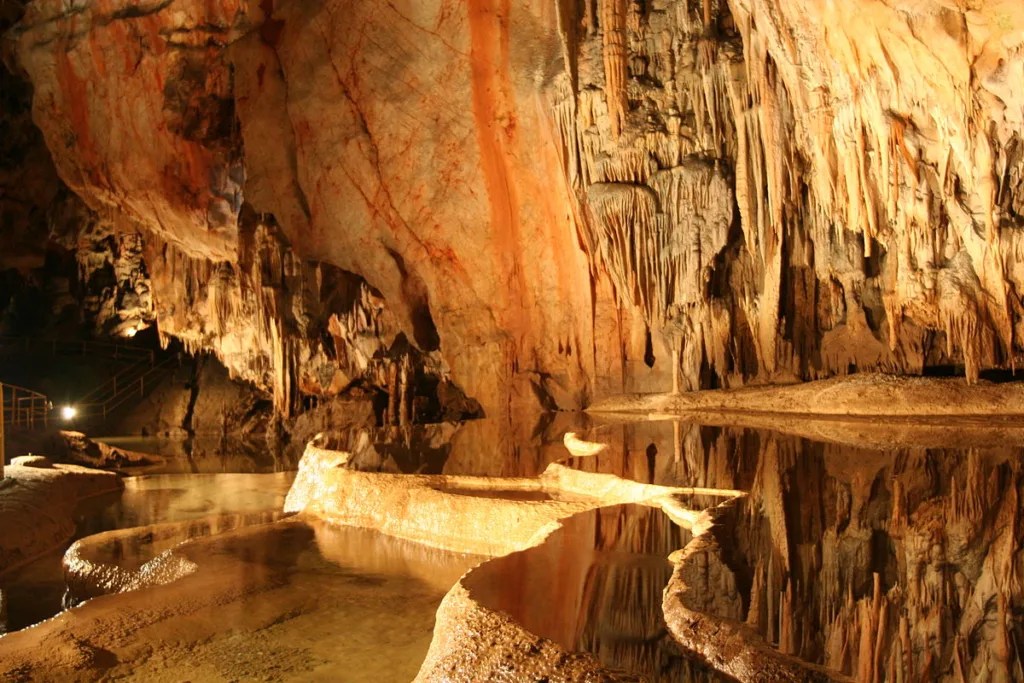
Designated UNESCO World Heritage Sites, the Caves of Aggtelek Karst and Slovak Karst present a breathtaking display of stalactite and stalagmite formations. Carved by water over centuries, these caves stand as a testament to the power of natural forces shaping the Earth’s subterranean landscapes. Located on the border between Hungary and Slovakia, this karst region encompasses a diverse array of caves, each with its unique features and formations.
The Aggtelek Karst and Slovak Karst region is renowned for its extensive and varied cave systems, which include over 1,000 caves. Among the most famous is the Baradla-Domica cave system, one of the largest and most impressive in the region. This system stretches for more than 25 kilometers, with the Baradla section located in Hungary and the Domica section in Slovakia. The cave’s passages are adorned with stunning speleothems, including massive stalactites and stalagmites, flowstones, and delicate helictites.
The formation of these caves began millions of years ago, as slightly acidic water percolated through the limestone bedrock, gradually dissolving it and creating a network of underground passages. Over time, the continuous flow of water deposited minerals that formed the intricate and beautiful speleothems that decorate the caves today. The process is ongoing, with new formations slowly growing and changing the cave’s appearance.
The caves of Aggtelek Karst and Slovak Karst are not only geological wonders but also important archaeological sites. Evidence of human occupation dating back to the Paleolithic era has been found in several caves, including stone tools, pottery, and other artifacts. These findings provide valuable insights into the lives of early humans and their interactions with the cave environment. The Domica cave, in particular, has revealed significant archaeological discoveries, including remains of prehistoric settlements and ceremonial sites.
The biodiversity within these caves is another aspect of their significance. The dark, stable environment of the caves supports a variety of specialized species, many of which are adapted to life in complete darkness. These include troglobitic species such as cave beetles, spiders, and crustaceans, as well as bats that use the caves as roosting and hibernation sites. The unique ecological conditions of the caves make them important habitats for these specialized organisms.
Tourism plays a vital role in the preservation and appreciation of the Aggtelek Karst and Slovak Karst caves. Guided tours allow visitors to explore the stunning underground landscapes while learning about their geological and cultural significance. The Baradla-Domica cave system, for example, offers a range of tours, from short walks through the main chambers to longer, more adventurous expeditions into the deeper parts of the cave. These tours are designed to be both educational and entertaining, providing visitors with a comprehensive understanding of the caves’ natural and historical importance.
Conservation efforts are crucial to protecting the delicate ecosystems and geological formations of the Aggtelek Karst and Slovak Karst caves. Both Hungary and Slovakia have implemented measures to preserve the caves, including regulating tourism, conducting scientific research, and promoting public awareness. These efforts help to ensure that the caves remain pristine and accessible for future generations to explore and enjoy.
In conclusion, the Caves of Aggtelek Karst and Slovak Karst are extraordinary natural wonders that showcase the power of water to shape the Earth’s subterranean landscapes. Their stunning speleothems, rich archaeological history, and unique biodiversity make them sites of immense scientific, cultural, and ecological value. As UNESCO World Heritage Sites, these caves are protected and celebrated for their natural beauty and historical significance, offering visitors a glimpse into the hidden wonders of the underground world.
# 3. Waitomo Glowworm Caves (New Zealand)
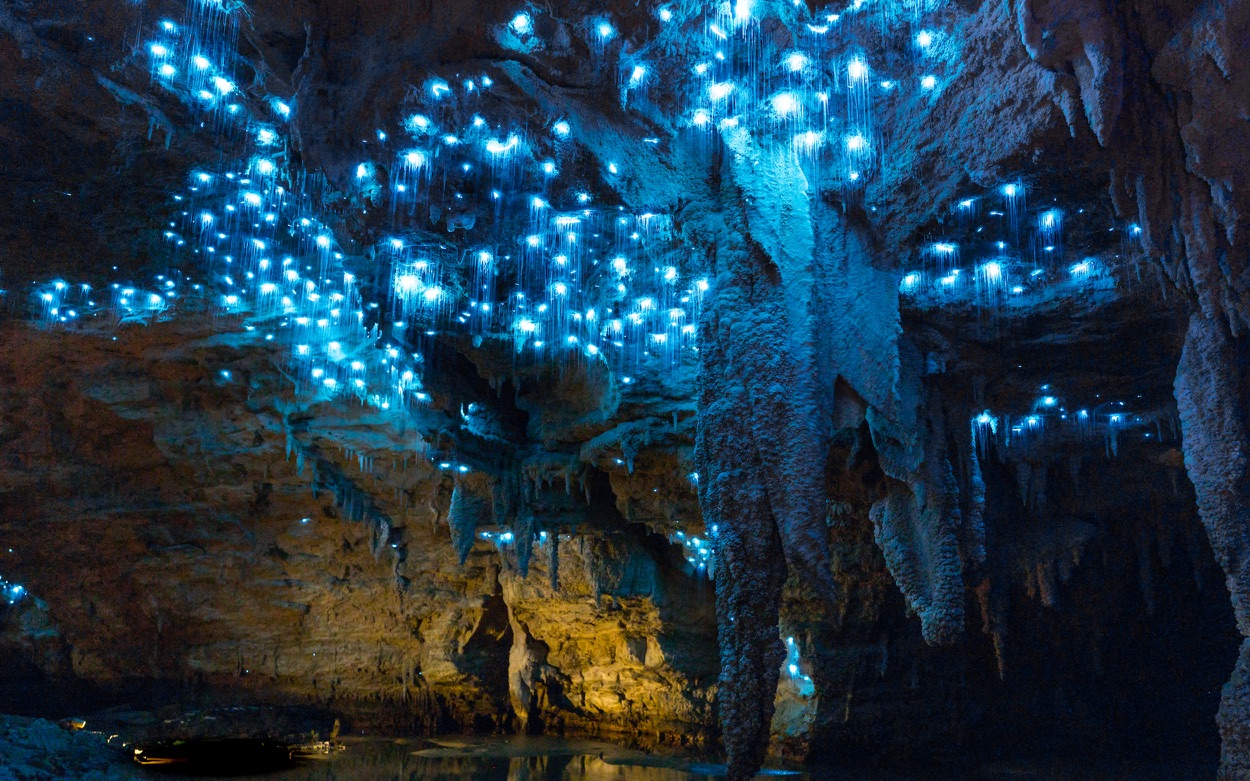
The Waitomo Glowworm Caves in New Zealand are renowned not only for their impressive limestone formations but also for the ethereal glowworms that illuminate the caverns. This natural light display creates an otherworldly atmosphere, transforming the cave into a starlit spectacle that captivates visitors from around the world.
Located on the North Island of New Zealand, the Waitomo Glowworm Caves are part of a larger network of caves in the Waitomo region. The caves were formed over millions of years by the action of water on limestone, creating a labyrinth of passages, chambers, and underground rivers. The most famous of these caves is the Waitomo Glowworm Cave, known for its unique bioluminescent inhabitants.
The glowworms, scientifically known as Arachnocampa luminosa, are the larval stage of a species of fungus gnat found only in New Zealand. These tiny creatures emit a blue-green light from their bodies, which they use to attract prey. The glowworms create silk threads that hang from the cave ceiling, and the light lures insects into these sticky traps. This bioluminescent display creates a breathtaking scene, with thousands of tiny lights twinkling in the darkness, resembling a starry night sky.
The Waitomo Glowworm Caves were first explored by local Māori people, who were well aware of the cave’s existence and its glowing inhabitants. The caves were later discovered by European settlers in the late 19th century, and they quickly became a popular tourist attraction. Today, the caves are managed by the Waitomo Glowworm Caves company, which offers guided tours to visitors.
The guided tours of the Waitomo Glowworm Caves provide a unique and unforgettable experience. Visitors begin their journey with a walk through the limestone passages, where they can marvel at the impressive stalactites, stalagmites, and other speleothems that adorn the cave. The highlight of the tour is a boat ride through the Glowworm Grotto, a large chamber filled with bioluminescent glowworms. As the boat glides silently through the darkness, visitors are surrounded by the enchanting glow of thousands of tiny lights, creating a magical and serene atmosphere.
In addition to their natural beauty, the Waitomo Glowworm Caves are also of scientific interest. Researchers study the glowworms and their unique bioluminescence to understand the mechanisms behind their light production and its ecological significance. The caves also provide valuable insights into the geology and hydrology of the region, helping scientists to understand the processes that shape limestone caves.
Conservation efforts are essential to preserving the delicate ecosystem of the Waitomo Glowworm Caves. The caves are protected as part of the Waitomo Caves Reserve, and measures are in place to minimize the impact of tourism on the glowworms and their habitat. These efforts include controlling the number of visitors, maintaining the cave’s natural environment, and conducting ongoing research and monitoring.
The cultural significance of the Waitomo Glowworm Caves is also noteworthy. The caves hold a special place in Māori mythology and tradition, and the local Māori community is actively involved in their management and preservation. This collaboration ensures that the cultural heritage of the caves is respected and celebrated, adding another layer of richness to the visitor experience.
In conclusion, the Waitomo Glowworm Caves are a natural wonder that offers a unique and enchanting experience. The combination of stunning limestone formations and the mesmerizing bioluminescent display of the glowworms creates a magical underground world that captivates all who visit. The caves’ scientific, ecological, and cultural significance make them a must-see destination for anyone exploring New Zealand’s natural treasures.
# 4. Son Doong Cave (Vietnam)
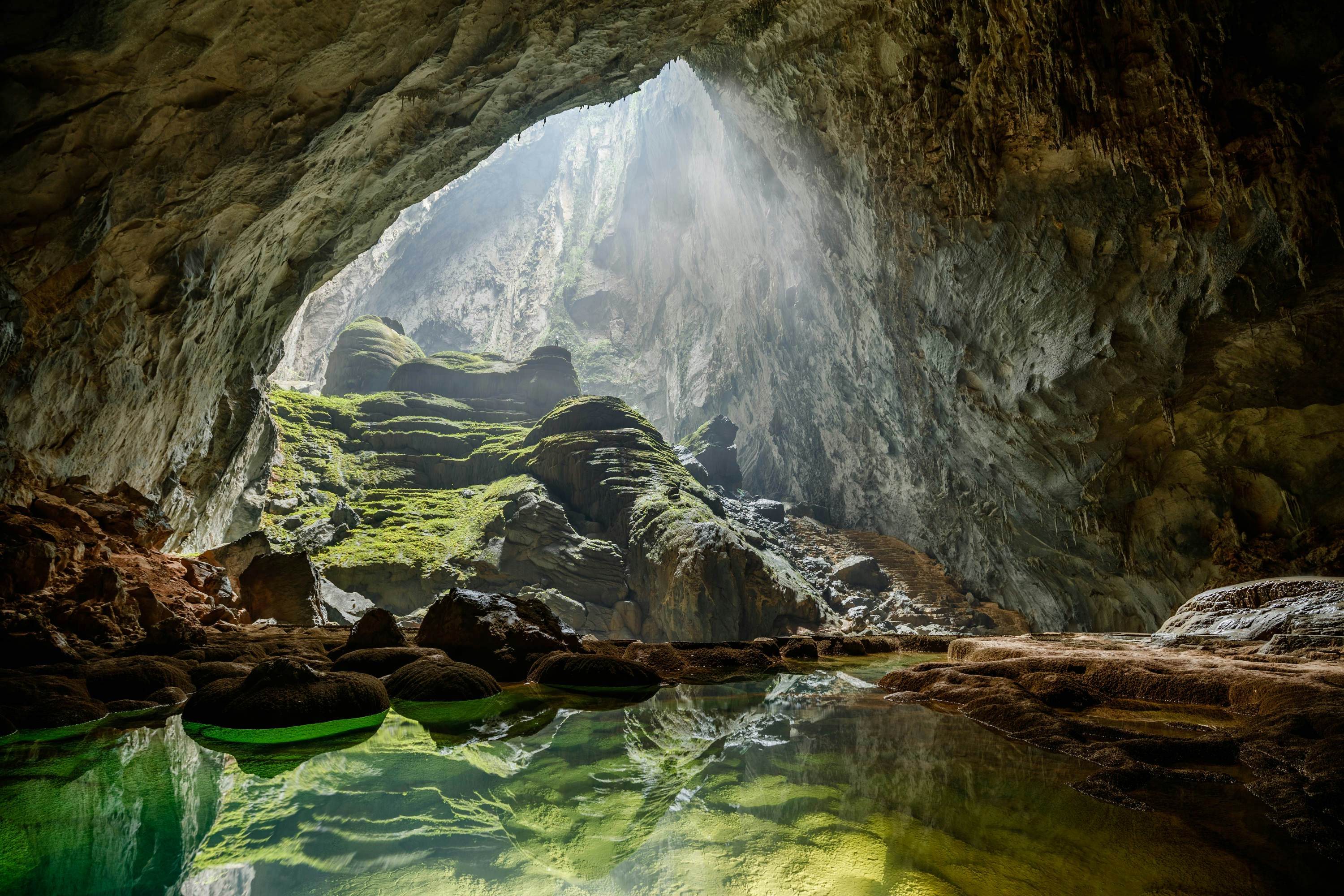
Regarded as one of the largest caves globally, Son Doong Cave in Vietnam amazes with its colossal chambers and intricate formations. Discovered relatively recently, Son Doong has quickly gained fame as a geological marvel, drawing explorers and adventurers eager to uncover its secrets.
Son Doong Cave is located in the Phong Nha-Ke Bang National Park, a UNESCO World Heritage Site in central Vietnam. The cave was discovered by a local man named Ho Khanh in 1991, but it wasn’t until 2009 that a British-Vietnamese expedition, led by Howard and Deb Limbert, conducted a thorough exploration and survey of the cave. Their findings revealed that Son Doong is the largest known cave passage in the world by volume, measuring over 5 kilometers (3.1 miles) in length, 200 meters (660 feet) in height, and 150 meters (490 feet) in width.
The cave’s formation began millions of years ago, as water from the Rao Thuong River eroded the limestone beneath the Annamite Mountains. Over time, the river carved out a vast underground passage, creating the enormous chambers and intricate formations that characterize Son Doong today. The cave’s sheer size is awe-inspiring, with some chambers large enough to house entire city blocks.
One of the most striking features of Son Doong Cave is its unique speleothems, including massive stalactites and stalagmites, flowstones, and cave pearls. These formations result from the slow deposition of minerals from dripping water, creating intricate and beautiful structures over thousands of years. The cave also contains rare formations such as phytokarst, which are formed by the interaction of water, limestone, and plant roots.
Son Doong Cave is also home to a diverse array of ecosystems, including lush jungle areas where sunlight penetrates through collapsed sections of the cave roof, known as dolines. These jungle areas, referred to as “Garden of Edam,” support a variety of plant and animal species, creating a unique and vibrant environment within the cave. The presence of these ecosystems highlights the cave’s complexity and the delicate balance of its natural processes.
Exploring Son Doong Cave is a challenging and exhilarating experience. The cave is only accessible through guided expeditions, which typically last several days and require participants to navigate difficult terrain, including river crossings, steep ascents, and narrow passages. The journey into the cave takes adventurers through a series of awe-inspiring chambers, each with its unique features and formations. The experience culminates in the exploration of the cave’s largest chamber, known as the “Great Wall of Vietnam,” which is a towering wall of calcite that stretches over 60 meters (200 feet) high.
The discovery and exploration of Son Doong Cave have had a significant impact on the local community and the broader scientific community. The cave has brought increased attention and tourism to the Phong Nha-Ke Bang region, providing economic opportunities for local residents. At the same time, the cave’s unique geology and ecosystems have attracted researchers from around the world, eager to study its formation processes and biodiversity.
Conservation efforts are crucial to preserving the pristine condition of Son Doong Cave. The Vietnamese government, along with local and international organizations, has implemented measures to protect the cave and its surrounding environment. These efforts include regulating tourism, conducting scientific research, and promoting public awareness of the cave’s significance. Sustainable tourism practices are emphasized to ensure that the cave remains a natural wonder for future generations to explore and enjoy.
In conclusion, Son Doong Cave is a geological marvel that captivates all who venture into its depths. Its colossal chambers, intricate formations, and unique ecosystems create a landscape that is both awe-inspiring and mysterious. The cave’s discovery and exploration have provided valuable insights into the natural processes that shape our planet, while also highlighting the importance of conservation and sustainable tourism. Son Doong Cave stands as a testament to the enduring allure of one of the world’s most extraordinary and enigmatic natural wonders.
# 5. Caves of Agia Sofia (Greece)
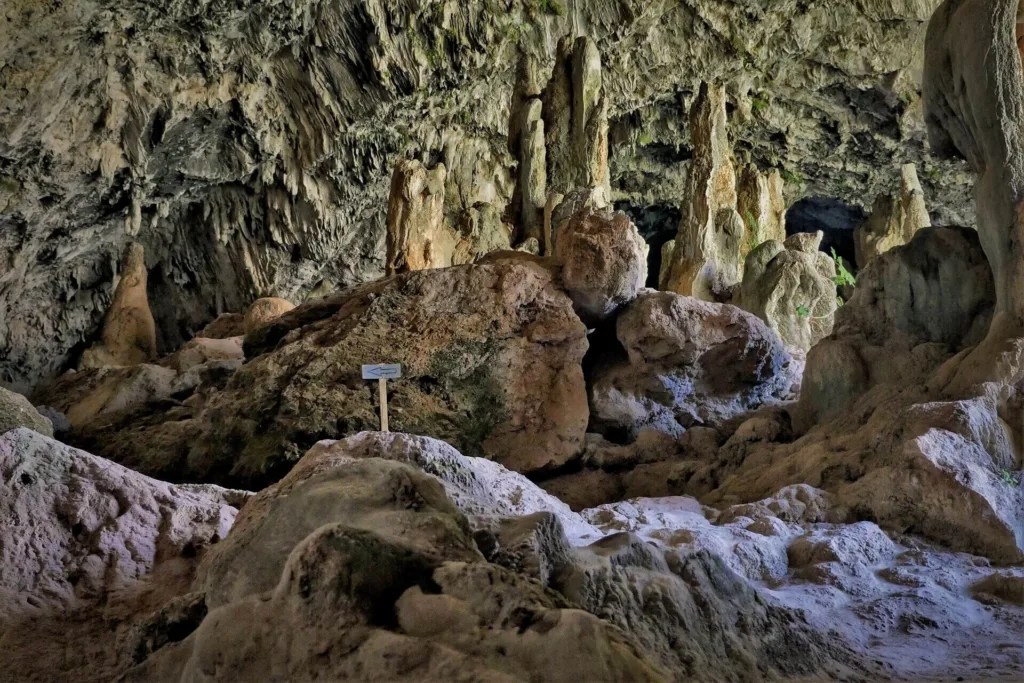
Beyond their geological significance, the Caves of Agia Sofia in Greece provide a glimpse into the past with evidence of human occupation dating back to the Neolithic period. These caves stand as archaeological treasures, linking the geological and cultural history of the region in a profound and fascinating way.
Located on the island of Crete, the Caves of Agia Sofia are part of a larger network of caves that have played a significant role in the region’s history. The caves are situated near the village of Topolia, in the Kissamos region, and are easily accessible to visitors. The main cave, known as Agia Sofia or Saint Sophia Cave, is named after the small chapel of Saint Sophia located at its entrance. This chapel adds a spiritual dimension to the cave, blending natural beauty with cultural heritage.
The Caves of Agia Sofia are characterized by their impressive limestone formations, including stalactites, stalagmites, and flowstones. These formations have been created over millions of years by the slow deposition of minerals from dripping water. The cave’s chambers and passages are adorned with these intricate and beautiful formations, creating a stunning underground landscape that captivates visitors.
Archaeological excavations in the Caves of Agia Sofia have revealed evidence of human occupation dating back to the Neolithic period, around 6,000 years ago. Artifacts such as pottery, tools, and bones have been discovered, providing valuable insights into the lives of the early inhabitants of the region. These findings suggest that the cave was used for various purposes, including habitation, storage, and possibly religious or ceremonial activities.
The cave’s historical significance extends beyond the Neolithic period. During the Minoan civilization, which flourished on Crete from approximately 2600 to 1100 BCE, the cave continued to be used for various purposes. The Minoans, known for their advanced culture and impressive architectural achievements, left behind artifacts that provide further evidence of the cave’s importance in the region’s history.
The Caves of Agia Sofia also played a role in more recent history. During the Ottoman occupation of Crete, the cave served as a refuge for locals seeking to escape persecution. The cave’s remote location and difficult terrain made it an ideal hiding place, providing shelter and protection for those in need.
Today, the Caves of Agia Sofia are a popular destination for tourists and history enthusiasts. Guided tours allow visitors to explore the cave’s impressive formations and learn about its rich archaeological history. The small chapel of Saint Sophia at the cave’s entrance adds a unique cultural and spiritual dimension to the visit, creating a sense of connection between the natural and human history of the region.
Conservation efforts are essential to preserving the delicate ecosystem and archaeological treasures of the Caves of Agia Sofia. The Greek government, along with local and international organizations, has implemented measures to protect the cave and its surrounding environment. These efforts include regulating tourism, conducting scientific research, and promoting public awareness of the cave’s significance.
In conclusion, the Caves of Agia Sofia are a remarkable blend of natural beauty and cultural heritage. Their impressive limestone formations, rich archaeological history, and spiritual significance create a landscape that is both awe-inspiring and thought-provoking. The caves provide valuable insights into the lives of the early inhabitants of Crete and highlight the enduring connection between humans and the natural world. The Caves of Agia Sofia stand as a testament to the profound and lasting impact of natural and cultural forces on the history of the region.
# 6. Carlsbad Caverns (USA) – Continued
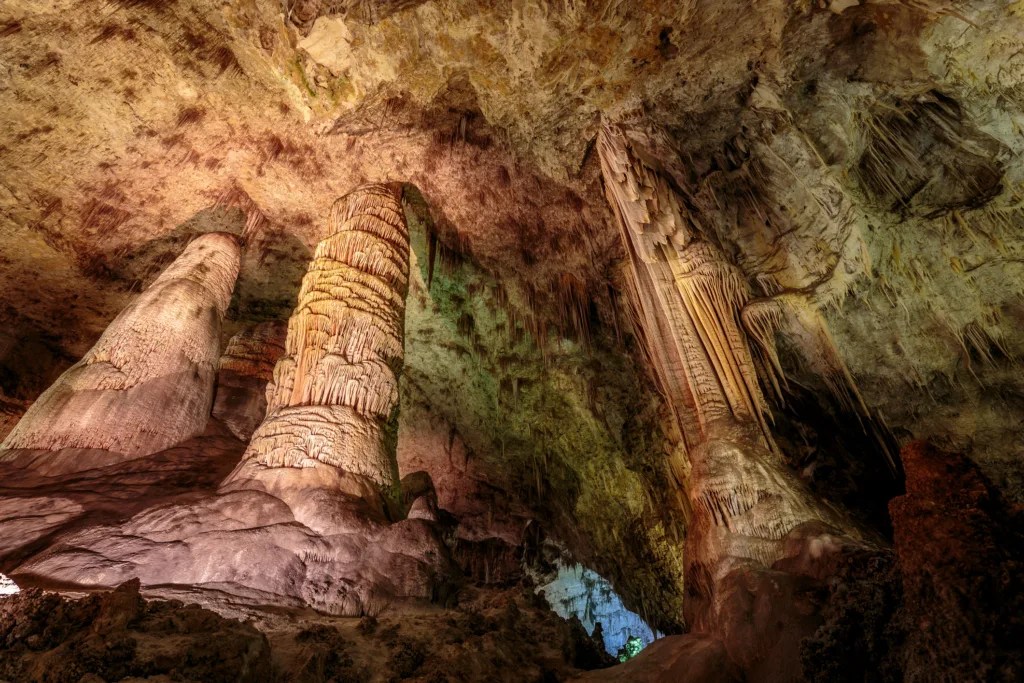
The Big Room, the largest chamber in Carlsbad Cavern, spans approximately 4,000 feet (1,220 meters) in length, 625 feet (190 meters) in width, and 255 feet (78 meters) in height at its highest point. This immense underground space is filled with a breathtaking array of speleothems, including stalactites, stalagmites, helictites, flowstones, and soda straws. Each of these formations has been created over millennia by the slow deposition of minerals from dripping water, resulting in a stunning and intricate landscape that mesmerizes visitors.
One of the most iconic formations in the Big Room is the Giant Dome, a massive stalagmite that rises over 62 feet (19 meters) from the cavern floor. Nearby, the Twin Domes and the Hall of Giants showcase the grandeur and scale of the cave’s formations. The Bottomless Pit, a deep chasm that plunges into darkness, adds an element of mystery and intrigue to the cavern’s landscape. The Painted Grotto, with its colorful flowstone formations, and the Lion’s Tail, a unique formation resembling a lion’s tail, further highlight the diversity and beauty of the cave’s speleothems.
Carlsbad Caverns is not only a geological wonder but also an ecological treasure. The cave provides a habitat for a variety of specialized species, including bats, cave crickets, and other invertebrates. The most famous inhabitants of Carlsbad Cavern are the Brazilian free-tailed bats, which roost in the cave during the summer months. Each evening, thousands of bats emerge from the cave in a spectacular flight, creating a mesmerizing display as they spiral into the night sky in search of insects. This natural phenomenon attracts visitors from around the world and highlights the ecological importance of the cave.
The history of Carlsbad Caverns is rich and fascinating. The cave was first discovered by Native Americans, who left behind artifacts and pictographs that provide insights into their interactions with the cave. In the late 19th century, the cavern was rediscovered by a young cowboy named Jim White, who explored its depths and recognized its significance. White’s efforts to promote and protect the cave led to its designation as a national monument in 1923 and later as a national park in 1930.
Today, Carlsbad Caverns National Park offers a range of activities and experiences for visitors. Guided tours provide an in-depth exploration of the cave’s chambers and formations, while self-guided tours allow visitors to explore at their own pace. The park also offers a variety of ranger-led programs, including bat flight programs, geology talks, and stargazing events. The Visitor Center, located at the entrance to the cave, features exhibits on the geology, ecology, and history of the cavern, providing a comprehensive understanding of this natural wonder.
Conservation efforts are essential to preserving the delicate ecosystem and geological formations of Carlsbad Caverns. The National Park Service, along with local and international organizations, has implemented measures to protect the cave and its surrounding environment. These efforts include regulating tourism, conducting scientific research, and promoting public awareness of the cave’s significance. Sustainable tourism practices are emphasized to ensure that the cave remains pristine and accessible for future generations to explore and enjoy.
In conclusion, Carlsbad Caverns is a natural wonder that captivates all who venture into its depths. Its immense chambers, stunning mineral formations, and unique ecosystem create a landscape that is both awe-inspiring and mysterious. The cave’s rich history and ongoing conservation efforts highlight the importance of preserving this geological treasure for future generations. Whether you are a casual tourist or a seasoned spelunker, a visit to Carlsbad Caverns offers an unforgettable journey into the heart of the Earth.
# 7. Jenolan Caves (Australia)

Australia’s Jenolan Caves, located in the Blue Mountains of New South Wales, are among the oldest and most spectacular cave systems in the world. These limestone caves, estimated to be around 340 million years old, feature a diverse range of formations that provide a living geological record, captivating visitors with their timeless beauty and scientific significance.
The Jenolan Caves complex comprises over 40 kilometers of multi-level passages and more than 300 entrances, making it one of the most extensive cave systems in Australia. The caves were formed by the dissolution of limestone by slightly acidic water over millions of years, creating a labyrinth of tunnels, chambers, and underground rivers. The result is a stunning array of speleothems, including stalactites, stalagmites, columns, flowstones, and helictites, each with its unique shape and formation process.
One of the most famous caves in the Jenolan system is the Lucas Cave, known for its impressive formations and large chambers. The Cathedral Chamber, the largest chamber in Lucas Cave, is renowned for its acoustics and is often used for musical performances. The Broken Column, a massive stalagmite that appears to be split in two, and the Minaret, a tall, slender stalagmite, are among the cave’s most iconic formations. The River Cave, with its underground river and stunning formations such as the Queen’s Canopy and the Shawl, offers a unique and enchanting experience.
The Orient Cave, another highlight of the Jenolan system, is considered one of the most beautiful caves in the world. Its chambers are adorned with a dazzling array of speleothems, including the striking Cleopatra’s Needle, a tall stalagmite that rises from the cave floor, and the Persian Chamber, with its intricate and colorful formations. The Temple of Baal Cave, named after the ancient deity, features the awe-inspiring Angel’s Wing, a large, translucent flowstone formation that resembles an angel’s wing.
The Jenolan Caves are not only a geological marvel but also an important ecological and archaeological site. The caves provide a habitat for a variety of specialized species, including bats, cave crickets, and other invertebrates. The presence of fossils, including those of extinct megafauna, adds to the scientific significance of the caves, offering valuable insights into the region’s prehistoric past.
The history of the Jenolan Caves is rich and varied. The caves have been known to the indigenous Gundungurra people for thousands of years, who considered them a sacred site. European settlers rediscovered the caves in the early 19th century, and they quickly became a popular tourist destination. The caves were declared a protected area in 1866, making them one of the oldest protected natural sites in the world.
Today, the Jenolan Caves attract visitors from around the globe, offering a range of tours and activities. Guided tours provide an in-depth exploration of the caves’ chambers and formations, while self-guided tours allow visitors to explore at their own pace. Adventure caving tours offer a more challenging experience, taking participants through narrow passages and undeveloped sections of the cave system. The Jenolan Caves House, a historic hotel located near the cave entrance, provides accommodation and amenities for visitors.
Conservation efforts are essential to preserving the delicate ecosystem and geological formations of the Jenolan Caves. The New South Wales government, along with local and international organizations, has implemented measures to protect the caves and their surrounding environment. These efforts include regulating tourism, conducting scientific research, and promoting public awareness of the caves’ significance. Sustainable tourism practices are emphasized to ensure that the caves remain pristine and accessible for future generations to explore and enjoy.
In conclusion, the Jenolan Caves are a natural wonder that captivates all who venture into their depths. Their diverse formations, rich history, and unique ecosystem create a landscape that is both awe-inspiring and mysterious. The caves’ scientific, ecological, and cultural significance make them a must-see destination for anyone exploring Australia’s natural treasures. Whether you are a casual tourist or an adventurous spelunker, a visit to the Jenolan Caves offers an unforgettable journey into the heart of the Earth.
# 8. Postojna Cave (Slovenia)
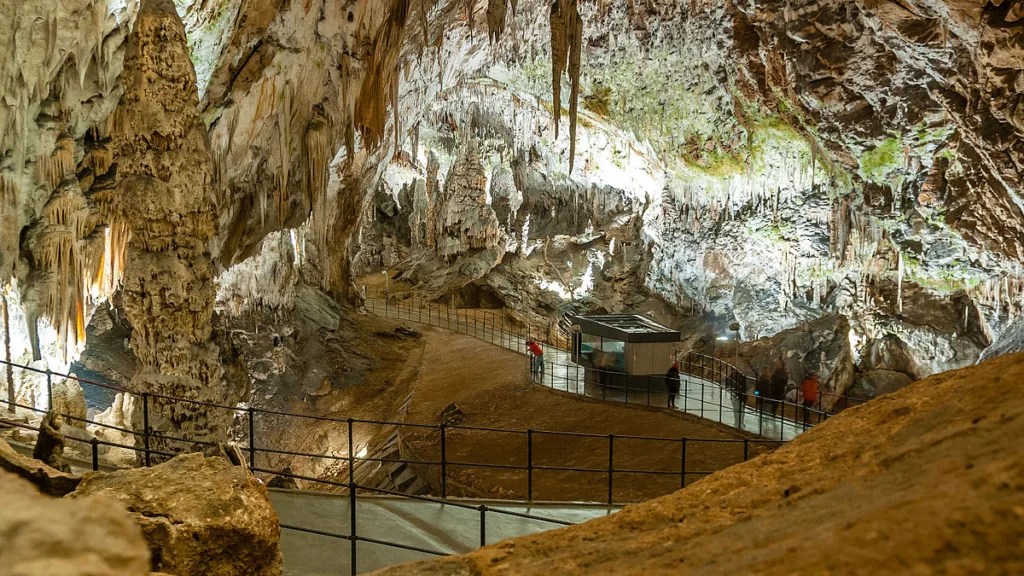
Among the largest cave systems in Europe, Postojna Cave in Slovenia welcomes visitors with an underground railway and unique formations. This extensive and accessible cave system offers a fascinating glimpse into the subterranean world, showcasing the beauty and complexity of karst landscapes.
Postojna Cave is located in the Karst region of southwestern Slovenia, an area known for its dramatic limestone formations and underground rivers. The cave system stretches for over 24,120 meters (79,130 feet), making it one of the longest cave systems in Europe. The cave was formed by the action of the Pivka River, which carved out the passages and chambers over millions of years. The result is a stunning array of speleothems, including stalactites, stalagmites, flowstones, and curtains, each with its unique shape and formation process.
One of the most distinctive features of Postojna Cave is its underground railway, which was installed in 1872 and is the oldest cave railway in the world. The railway allows visitors to comfortably explore the cave’s main passages and chambers, providing a unique and convenient way to experience the cave’s beauty. The train ride takes visitors through a series of spectacular formations, including the Brilliant, a dazzling white stalagmite, and the Spaghetti Hall, named for its numerous thin stalactites that resemble strands of spaghetti.
The Great Mountain, a massive flowstone formation, and the Concert Hall, one of the largest chambers in the cave, are among the highlights of the Postojna Cave tour. The Concert Hall, with its excellent acoustics, is often used for musical performances, adding a cultural dimension to the cave’s natural beauty. The Russian Bridge, built by Russian prisoners of war during World War I, provides a historical link to the cave’s past.
Postojna Cave is also home to the olm, or Proteus anguinus, a rare and unique aquatic salamander that is often referred to as the “human fish” due to its pale skin and elongated body. The olm is a troglobitic species, meaning it is adapted to life in complete darkness. It has reduced eyes and relies on other senses to navigate and find food. The presence of the olm adds a biological dimension to the cave’s geological splendor, highlighting the cave’s importance as a habitat for specialized species.
The history of Postojna Cave is rich and varied. The cave has been known to humans for thousands of years, with evidence of prehistoric occupation found in the form of artifacts and cave paintings. The cave was first mentioned in written records in the 17th century, and it quickly became a popular tourist destination. Today, Postojna Cave attracts over half a million visitors each year, making it one of the most visited show caves in the world.
Conservation efforts are essential to preserving the delicate ecosystem and geological formations of Postojna Cave. The Slovenian government, along with local and international organizations, has implemented measures to protect the cave and its surrounding environment. These efforts include regulating tourism, conducting scientific research, and promoting public awareness of the cave’s significance. Sustainable tourism practices are emphasized to ensure that the cave remains pristine and accessible for future generations to explore and enjoy.
In conclusion, Postojna Cave is a natural wonder that captivates all who venture into its depths. Its extensive passages, stunning formations, and unique fauna create a landscape that is both awe-inspiring and mysterious. The cave’s rich history, cultural significance, and ongoing conservation efforts highlight the importance of preserving this geological treasure for future generations. Whether you are a casual tourist or a seasoned spelunker, a visit to Postojna Cave offers an unforgettable journey into the heart of the Earth.
# 9. Ellison’s Cave (USA)
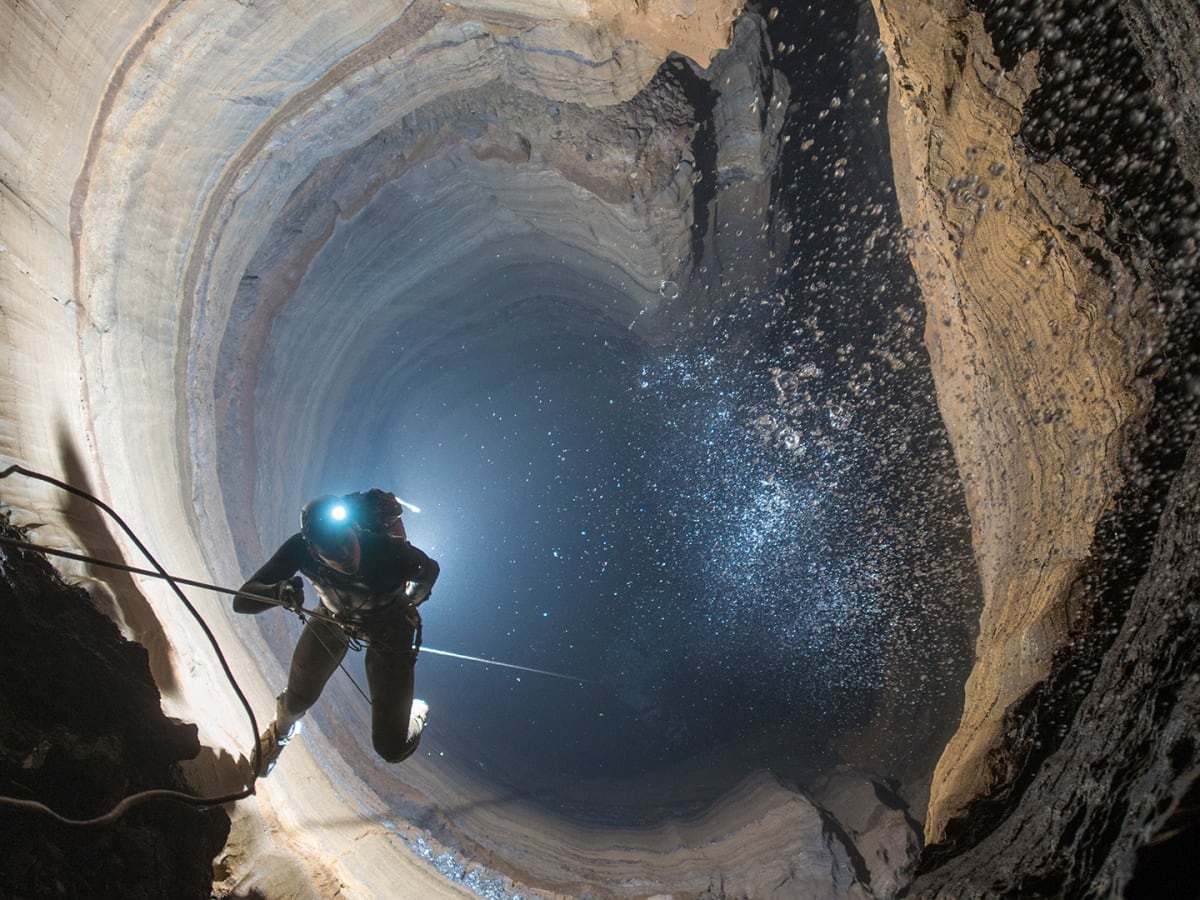
Ellison’s Cave in Georgia stands out with its deep pits and expansive chambers, making it one of the most challenging and exhilarating cave systems in the United States. Notably, Fantastic Pit ranks among the deepest free-fall pits in the United States, showcasing the cave’s geological grandeur and offering a thrilling experience for adventurous spelunkers.
Located in the Pigeon Mountain region of Walker County, Georgia, Ellison’s Cave is part of the Appalachian Plateau and is known for its vertical complexity. The cave system stretches for over 12 miles (19 kilometers) and features a series of deep pits and vertical drops that make it a favorite destination for experienced cavers. The cave’s formation is the result of the dissolution of limestone by slightly acidic water, creating a network of passages, chambers, and vertical shafts.
The most famous feature of Ellison’s Cave is Fantastic Pit, a vertical shaft that plunges 586 feet (179 meters) from top to bottom, making it the deepest free-fall pit in the contiguous United States. The descent into Fantastic Pit is a thrilling and challenging experience, requiring specialized equipment and expertise. The pit’s sheer depth and verticality create a sense of awe and wonder, highlighting the cave’s geological grandeur.
Another notable feature of Ellison’s Cave is Incredible Pit, which, at 440 feet (134 meters), is the second-deepest free-fall pit in the cave. The combination of Fantastic Pit and Incredible Pit makes Ellison’s Cave one of the most vertically challenging cave systems in North America. The cave also features a series of other vertical drops, narrow passages, and expansive chambers that add to its complexity and allure.
Exploring Ellison’s Cave requires a high level of technical skill and physical endurance. The cave’s vertical drops and narrow passages present significant challenges, and cavers must be well-prepared and experienced to navigate its depths safely. The cave is not suitable for casual tourists or inexperienced cavers, and access is typically restricted to those with the necessary expertise and equipment.
Despite its challenges, Ellison’s Cave offers a unique and exhilarating experience for those who venture into its depths. The cave’s vertical complexity and geological features create a landscape that is both awe-inspiring and mysterious. The sense of exploration and discovery that comes with navigating the cave’s passages and pits is unparalleled, making it a favorite destination for adventurous spelunkers.
Conservation efforts are essential to preserving the delicate ecosystem and geological formations of Ellison’s Cave. The cave is part of the Crockford-Pigeon Mountain Wildlife Management Area, and measures are in place to protect the cave and its surrounding environment. These efforts include regulating access to the cave, conducting scientific research, and promoting public awareness of the cave’s significance. Sustainable caving practices are emphasized to ensure that the cave remains pristine and accessible for future generations to explore and enjoy.
In conclusion, Ellison’s Cave is a natural wonder that captivates all who venture into its depths. Its deep pits, vertical complexity, and geological grandeur create a landscape that is both awe-inspiring and mysterious. The cave’s challenges and unique features make it a must-see destination for experienced cavers and adventurous spelunkers. Whether you are descending into Fantastic Pit or navigating the cave’s narrow passages, a visit to Ellison’s Cave offers an unforgettable journey into the heart of the Earth.
# 10. Cave of the Crystals (Mexico)
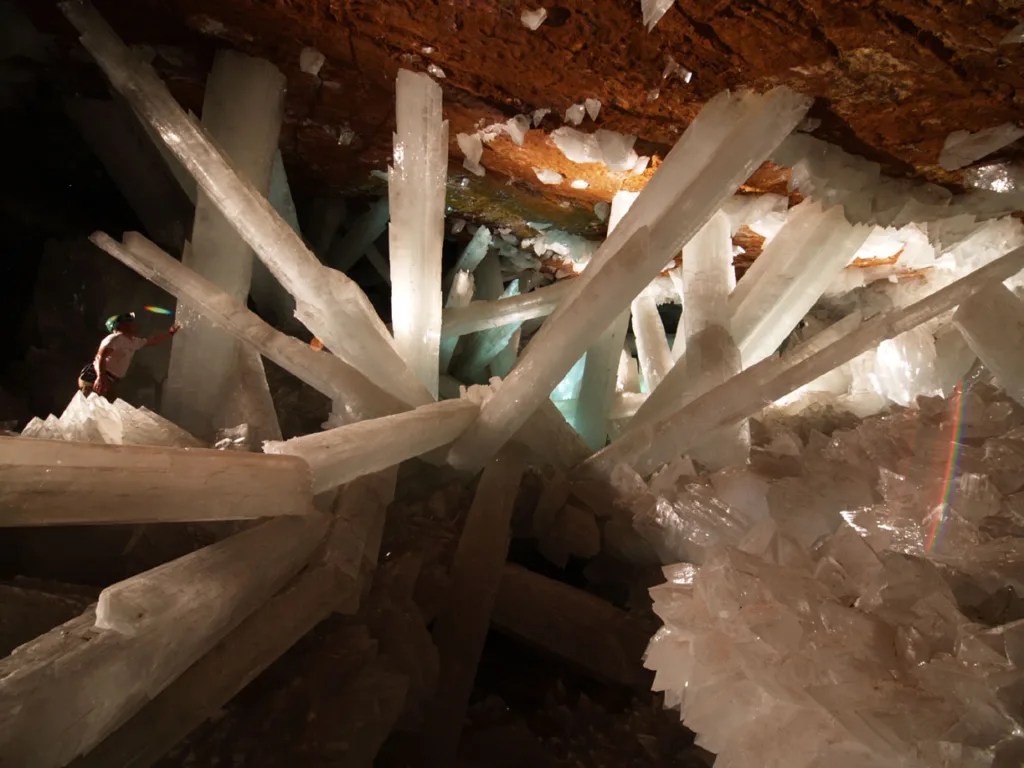
Situated 980 feet below the surface in the Naica Mine of Chihuahua, Mexico, the Cave of the Crystals is renowned for its giant gypsum crystals, some of the largest ever discovered. This extraordinary cave offers a unique glimpse into the extreme conditions that lead to such extraordinary crystal formations, making it a geological marvel of global significance.
The Cave of the Crystals, also known as Cueva de los Cristales, was discovered in the year 2000 by miners excavating a new tunnel for the Naica Mine. The cave is located in a region rich in mineral deposits, and its formation is the result of a unique combination of geological and hydrological conditions. The cave’s giant crystals are composed of selenite, a transparent form of gypsum, and some of them measure over 36 feet (11 meters) in length and weigh up to 55 tons.
The formation of these giant crystals began around 500,000 years ago when the cave was filled with mineral-rich water heated by magma chambers below. The high temperatures, combined with the mineral-rich water, created the perfect conditions for the growth of the crystals. Over millennia, the crystals grew to their enormous size, creating a stunning and otherworldly landscape within the cave.
The Cave of the Crystals is an extreme environment, with temperatures reaching up to 136 degrees Fahrenheit (58 degrees Celsius) and humidity levels close to 100 percent. These harsh conditions make exploration challenging and dangerous, requiring specialized equipment and protective gear. Researchers and explorers must wear cooling suits and carry respirators to withstand the heat and humidity while studying the cave’s formations.
The cave’s unique geology provides valuable insights into the processes that lead to the formation of giant crystals. Scientists study the cave to understand the conditions that allowed the crystals to grow to such extraordinary sizes and to learn more about the mineralogical and hydrological processes involved. The cave also offers a glimpse into the potential for similar formations in other parts of the world, providing a broader understanding of geological phenomena.
In addition to its scientific significance, the Cave of the Crystals is a site of immense natural beauty. The giant crystals, with their transparent and shimmering surfaces, create a surreal and mesmerizing landscape that captivates all who see it. The sheer scale and perfection of the crystals highlight the incredible power and beauty of natural processes, offering a humbling reminder of the Earth’s geological wonders.
Conservation efforts are crucial to preserving the delicate environment of the Cave of the Crystals. The cave is part of the Naica Mine, and measures are in place to protect the crystals and their unique environment. These efforts include regulating access to the cave, conducting scientific research, and promoting public awareness of the cave’s significance. Sustainable practices are emphasized to ensure that the cave remains pristine and accessible for future generations to explore and study.
In conclusion, the Cave of the Crystals is a natural wonder that captivates all who venture into its depths. Its giant gypsum crystals, extreme environment, and unique geological processes create a landscape that is both awe-inspiring and mysterious. The cave’s scientific, ecological, and aesthetic significance make it a must-see destination for researchers and explorers. Whether you are studying the formation of the crystals or simply marveling at their beauty, a visit to the Cave of the Crystals offers an unforgettable journey into the heart of the Earth.