
1. Mponeng Gold Mine (South Africa)
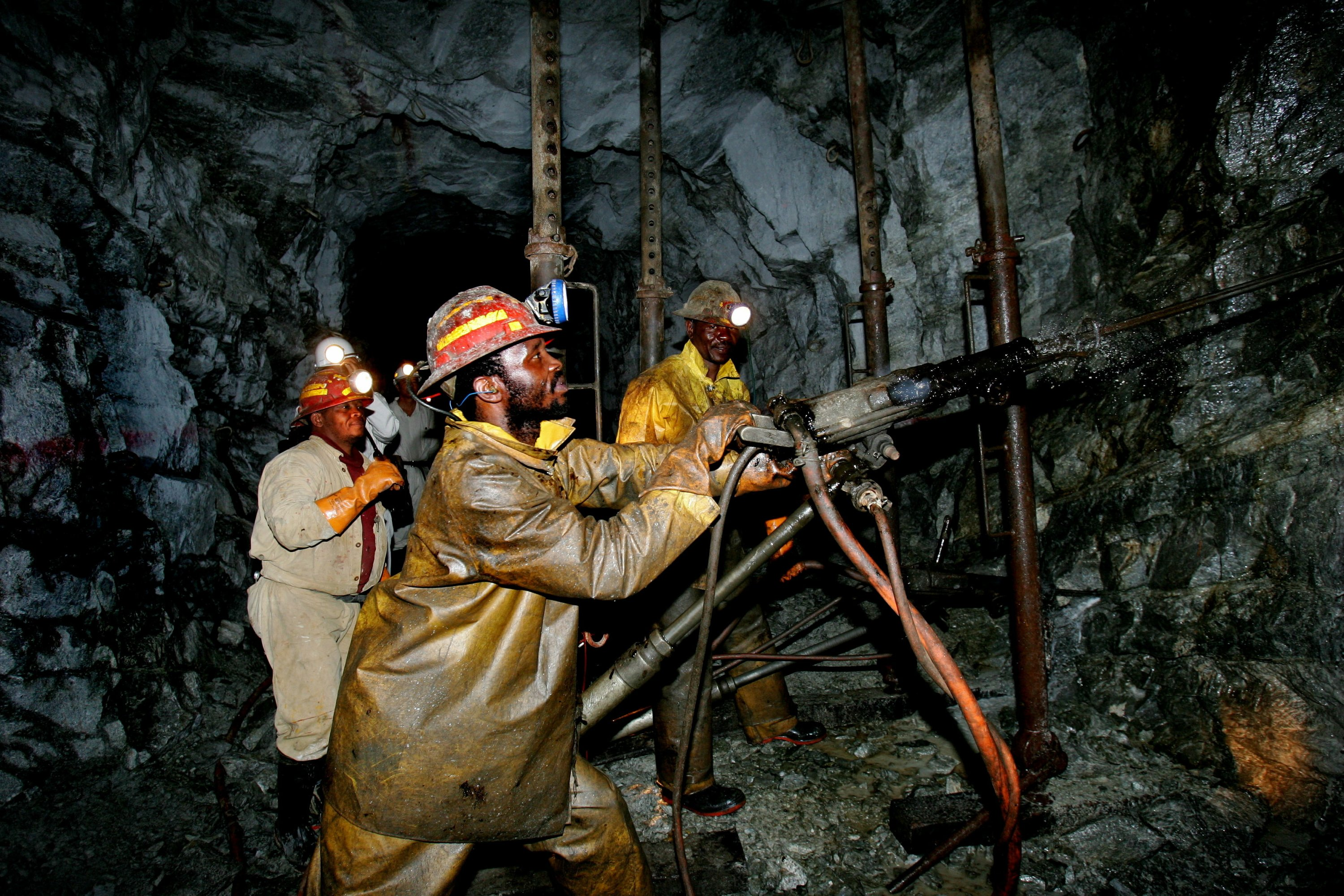 The Mponeng Gold Mine, located near the town of Carletonville in South Africa, stands as a testament to human ingenuity and the relentless pursuit of precious metals. At approximately 4 kilometers (2.5 miles) deep, it holds the title of the world’s deepest gold mine, pushing the boundaries of what was once thought possible in underground mining operations. This subterranean labyrinth is a marvel of modern engineering, showcasing the mining industry’s ability to adapt to increasingly challenging conditions as surface-level gold deposits become scarcer.
The mine’s extreme depth presents a unique set of challenges that require innovative solutions. As miners descend into the Earth’s crust, they face rising temperatures that can reach up to 66°C (150°F). To combat this intense heat, Mponeng employs an extensive cooling system that pumps ice slurry and chilled air throughout the mine, creating a more tolerable working environment for the miners. This sophisticated climate control system is crucial for maintaining productivity and ensuring the safety of the workforce.
Mponeng’s operations are a testament to the economic importance of gold mining in South Africa. The mine produces a significant amount of gold annually, contributing substantially to the country’s economy and global gold supply. The extraction process at such depths requires state-of-the-art technology and highly skilled personnel. Miners use a combination of conventional drill and blast methods along with mechanized mining techniques to access the gold-bearing reef.
The geological formation in which Mponeng operates is part of the Witwatersrand Basin, a region known for its rich gold deposits. The gold in this area is typically found in narrow veins, requiring precise mining techniques to extract efficiently. As the mine continues to expand and reach greater depths, geologists and engineers constantly assess the stability of the surrounding rock structures to ensure the safety of the operations.
Despite the challenges, Mponeng Gold Mine remains a crucial player in the global gold market. Its continued operation underscores the mining industry’s commitment to innovation and adaptation in the face of dwindling easily accessible resources. The mine serves as a living laboratory for developing new technologies and methodologies that could be applied to future deep mining projects around the world.
2. Tautona Mine (South Africa)
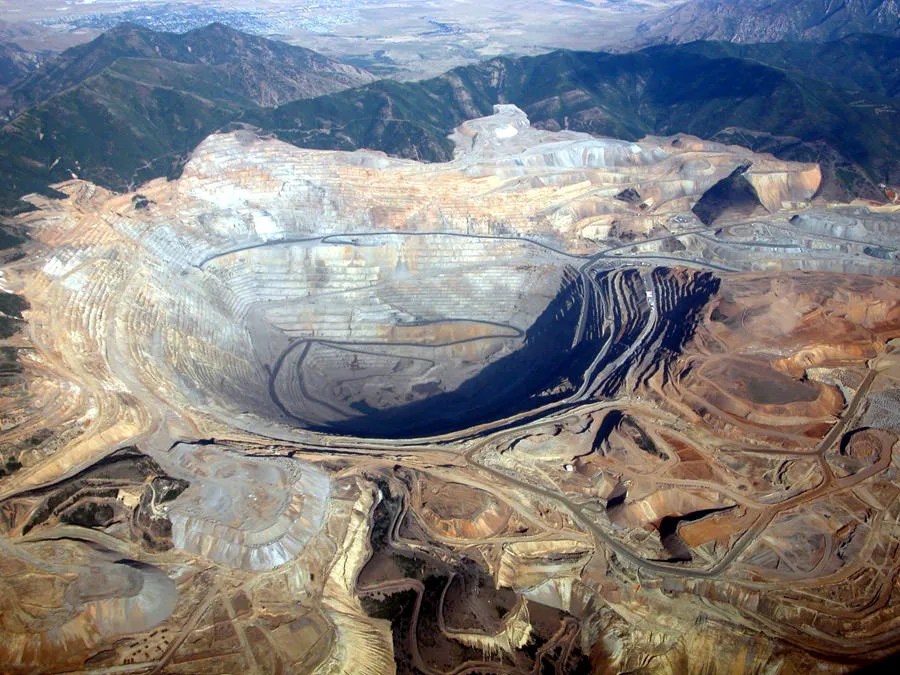 The Tautona Mine, also known as the Western Deep No.3 Shaft, is another South African mining marvel that plunges approximately 3.9 kilometers (2.4 miles) into the Earth. Located in the heart of the country’s gold mining region, Tautona exemplifies the mining industry’s determination to reach new depths in the pursuit of gold. This ultra-deep mine is a complex network of tunnels and shafts that stretches over 800 kilometers (500 miles) in total length, creating a vast underground city dedicated to gold extraction.
The history of Tautona dates back to 1957 when it was first opened, and since then, it has continually expanded and deepened its operations. The mine’s name, “Tautona,” means “great lion” in Setswana, reflecting the strength and dominance it holds in the mining industry. Over the decades, Tautona has been at the forefront of mining technology, implementing cutting-edge techniques to overcome the challenges posed by its extreme depth.
One of the most significant challenges faced by Tautona is the immense pressure exerted by the surrounding rock at such depths. The weight of the overlying strata creates intense geological stress that can lead to dangerous rock bursts. To mitigate this risk, the mine employs advanced seismic monitoring systems and reinforcement techniques. Engineers constantly analyze seismic data to predict and prevent potential collapses, ensuring the safety of the miners working in these extreme conditions.
The logistics of operating a mine at such depths are staggering. Miners must endure long journeys to reach their workplaces, with elevator trips taking up to an hour to descend to the deepest levels. Once at the working face, miners operate in narrow stopes, extracting gold-bearing ore from thin seams in the rock. The ore is then transported to the surface through an intricate system of conveyor belts and hoists, a process that requires precise coordination and timing.
Tautona’s contribution to South Africa’s gold production has been significant throughout its operational history. The mine has produced hundreds of tons of gold over the years, playing a crucial role in maintaining South Africa’s position as one of the world’s top gold-producing countries. However, like many deep gold mines, Tautona faces challenges related to rising operational costs and the need for continuous technological upgrades to remain viable in an increasingly competitive global market.
3. Savuka Gold Mine (South Africa)
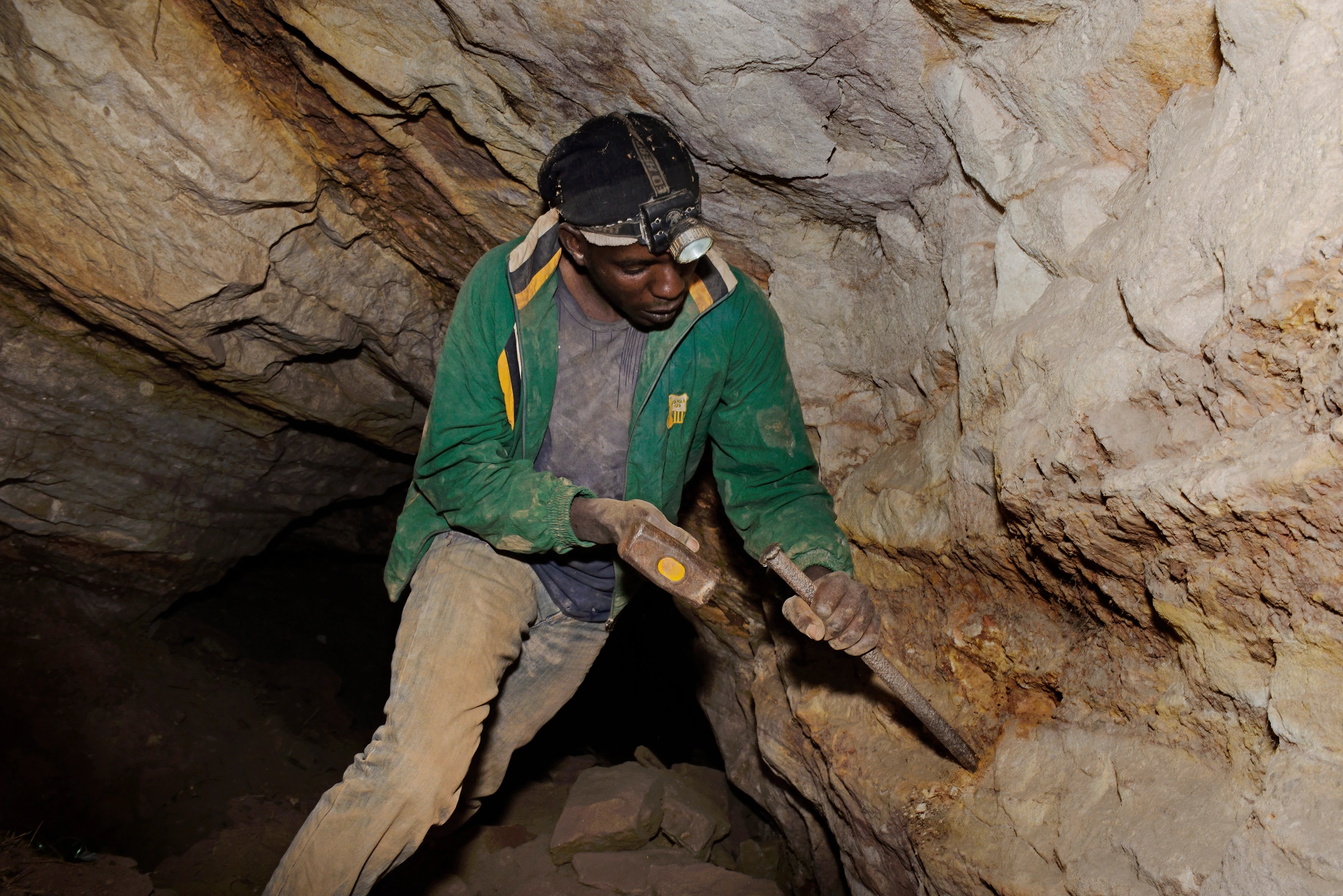 The Savuka Gold Mine, situated adjacent to the renowned Mponeng and Tautona mines, forms part of the trifecta of ultra-deep mining operations in South Africa’s gold-rich West Wits region. Plunging to depths of approximately 3.7 kilometers (2.3 miles), Savuka exemplifies the mining industry’s relentless pursuit of gold in ever more challenging environments. This mine plays a vital role in South Africa’s gold mining industry, navigating the complexities posed by extreme depths to extract valuable resources that contribute significantly to the country’s economy.
Savuka’s history is intertwined with the broader narrative of South African gold mining. Originally part of the Western Deep Levels complex, the mine has undergone several transformations and upgrades since its inception. The name “Savuka” means “we have risen” in Zulu, symbolizing the mine’s resilience and ability to overcome challenges. This resilience has been tested numerous times throughout its operational history, as the mine has faced various technical, geological, and economic hurdles.
One of the most remarkable aspects of Savuka’s operations is its advanced ore processing capabilities. The mine utilizes a combination of conventional and modern extraction techniques to process the gold-bearing ore. After blasting, the ore is transported to crushing and milling facilities where it is reduced to a fine powder. This powder then undergoes a complex chemical process involving cyanide leaching to extract the gold. The entire process is highly optimized to maximize gold recovery while minimizing environmental impact.
The extreme depth of Savuka presents unique challenges in terms of ventilation and cooling. As with other ultra-deep mines in the region, the rock temperature at the working face can reach dangerously high levels. To combat this, Savuka employs an extensive network of ventilation shafts and cooling plants. Chilled air is pumped down into the mine, creating a more hospitable environment for the miners. This system is crucial not only for worker comfort but also for preventing heat-related illnesses and maintaining productivity.
Savuka’s contribution to the local community extends beyond its economic impact. The mine provides employment opportunities for thousands of workers, both directly and indirectly through its supply chain. Additionally, the mine operator invests in various community development projects, including education initiatives, healthcare programs, and infrastructure improvements. These efforts aim to create a positive legacy that will endure beyond the mine’s operational lifespan.
4. Kusasalethu Gold Mine (South Africa)
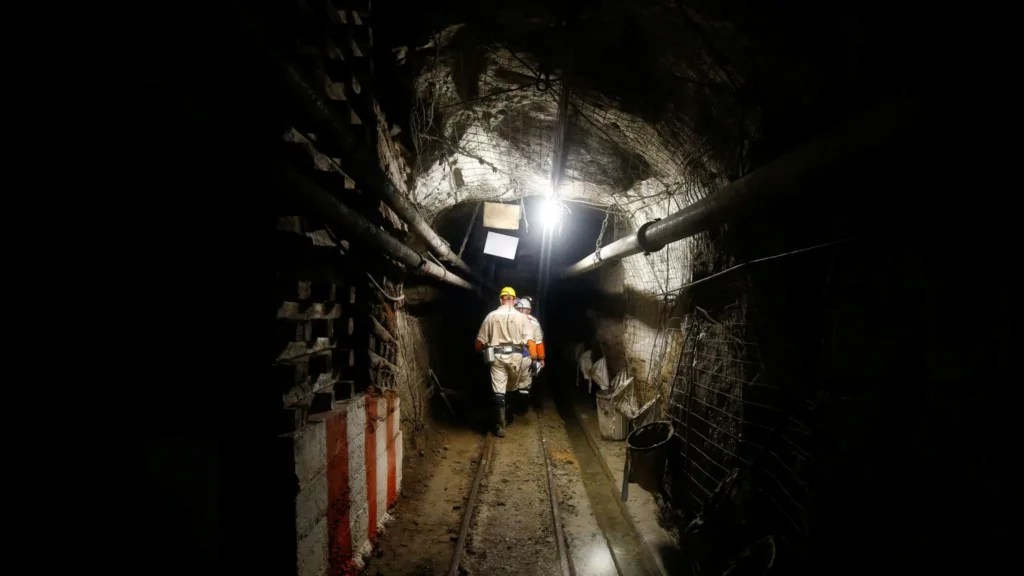 The Kusasalethu Gold Mine, located in the West Wits region of South Africa, is another remarkable example of ultra-deep mining, reaching depths of around 3.4 kilometers (2.1 miles). This mine, formerly known as Elandsrand, has been a significant contributor to South Africa’s gold output since its inception. Kusasalethu’s operations showcase the mining industry’s ability to adapt and innovate in the face of increasingly challenging geological conditions, as it continues to extract gold from some of the deepest accessible points beneath the Earth’s surface.
The history of Kusasalethu is a testament to the evolving nature of South Africa’s gold mining industry. Originally established in 1978 as Elandsrand, the mine underwent a major expansion and modernization program in the early 2000s, which included deepening the main shaft and upgrading the ore processing facilities. This transformation led to its rebranding as Kusasalethu, which means “our future” in Xhosa, reflecting the mine’s commitment to long-term sustainability and continued production.
Kusasalethu’s mining operations are characterized by their technical complexity and the use of cutting-edge technologies. The mine employs a combination of conventional mining methods and mechanized techniques to extract gold-bearing ore from narrow, high-grade reefs. This approach requires a high level of skill and precision from the miners, who must navigate tight spaces and unstable rock conditions. To enhance safety and efficiency, the mine has implemented advanced rock engineering practices, including the use of backfill to support mined-out areas and prevent cave-ins.
One of the most significant challenges faced by Kusasalethu is managing the immense heat generated at such depths. The virgin rock temperature at the bottom of the mine can exceed 50°C (122°F), creating potentially dangerous working conditions. To address this, the mine operates a sophisticated cooling system that circulates chilled water and air throughout the underground workings. This system not only makes the environment more tolerable for workers but also helps to prevent heat-related equipment failures that could disrupt production.
The ore processing at Kusasalethu involves a series of complex steps designed to maximize gold recovery. After extraction, the ore is transported to the surface where it undergoes crushing, milling, and various separation processes. The mine utilizes both gravity concentration and cyanide leaching to extract gold from the ore. In recent years, there has been a focus on improving the efficiency of these processes to reduce costs and minimize environmental impact.
Kusasalethu’s impact extends beyond its immediate operations. The mine is a significant employer in the region, providing jobs for thousands of workers and supporting numerous ancillary businesses. However, like many deep-level gold mines in South Africa, Kusasalethu has faced challenges related to labor relations, safety concerns, and fluctuating gold prices. These issues have at times led to production disruptions and have necessitated ongoing dialogue between mine management, workers, and local communities to ensure the mine’s continued viability.
5. Kidd Creek Mine (Canada)
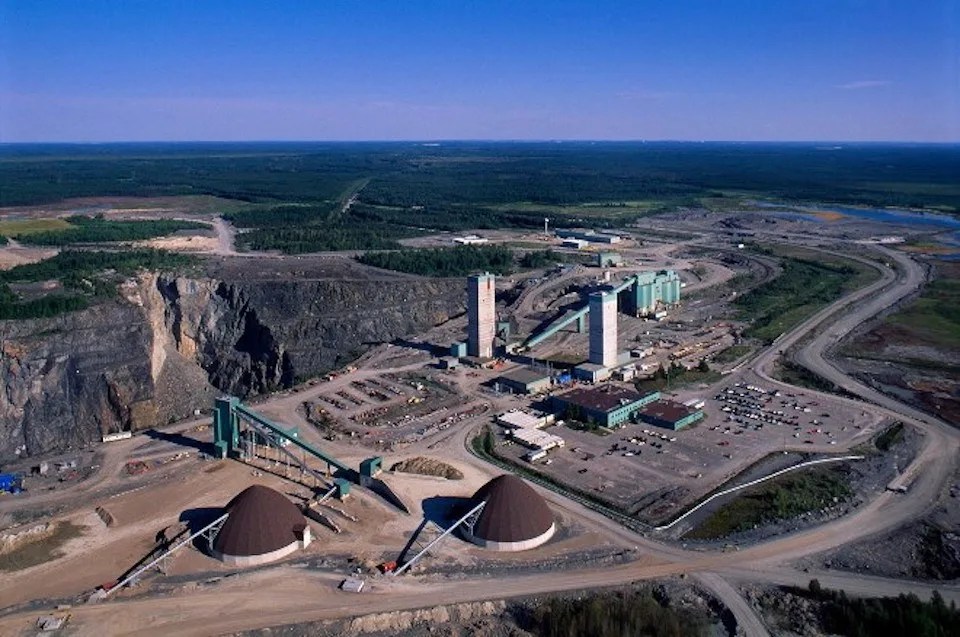 The Kidd Creek Mine, located in Ontario, Canada, stands as a testament to the country’s rich mineral resources and advanced mining capabilities. Reaching depths of approximately 3 kilometers (1.9 miles), Kidd Creek is one of the deepest base metal mines in the world. Unlike its South African counterparts that primarily focus on gold, this Canadian giant is renowned for its copper and zinc production, showcasing the diversity of deep mining operations across the globe.
Established in 1966, Kidd Creek Mine has been a cornerstone of the Canadian mining industry for over half a century. The mine is situated in the Abitibi greenstone belt, one of the world’s most prolific volcanic-sedimentary rock assemblages known for its rich mineral deposits. The geological complexity of this region has necessitated continuous innovation in mining techniques and technologies, making Kidd Creek a leader in deep mining practices.
The mine’s operations are divided into several zones, each presenting unique challenges and requiring specific extraction methods. As the mine has deepened over the years, engineers have had to develop innovative solutions to combat increasing rock pressure, heat, and logistical difficulties. One of the most significant advancements has been the implementation of automated mining equipment, which allows for remote operation in areas that would be too dangerous or impractical for human miners to access directly.
Kidd Creek’s ore processing facilities are among the most advanced in the world. The mine complex includes a concentrator that can process over 9,000 tonnes of ore per day, producing separate copper and zinc concentrates. The processing involves crushing, grinding, and flotation techniques that have been refined over decades to maximize metal recovery while minimizing environmental impact. In recent years, there has been a strong focus on reducing energy consumption and increasing the efficiency of these processes, aligning with global trends towards more sustainable mining practices.
The mine’s impact on the local community and economy of Timmins, Ontario, has been profound. As one of the largest employers in the region, Kidd Creek has played a crucial role in the area’s development, supporting a wide range of businesses and services. The mine has also been at the forefront of environmental stewardship, implementing comprehensive water management systems and land reclamation programs to mitigate its ecological footprint.
Despite its successes, Kidd Creek faces ongoing challenges typical of deep mining operations. The increasing depth of extraction has led to higher operational costs and greater technical difficulties. Maintaining safe working conditions at such depths requires constant vigilance and investment in safety technologies. Additionally, the mine must contend with the cyclical nature of metal prices, which can significantly impact its economic viability.
Looking to the future, Kidd Creek continues to explore ways to extend its operational life and maintain its position as a world-class mining operation. This includes ongoing exploration efforts to identify new ore bodies and research into more efficient and environmentally friendly extraction methods. The mine’s legacy of innovation and adaptation serves as an inspiration for the global mining industry, demonstrating how deep mining can be conducted safely, efficiently, and responsibly in challenging geological environments.
6. East Rand Mine (South Africa)
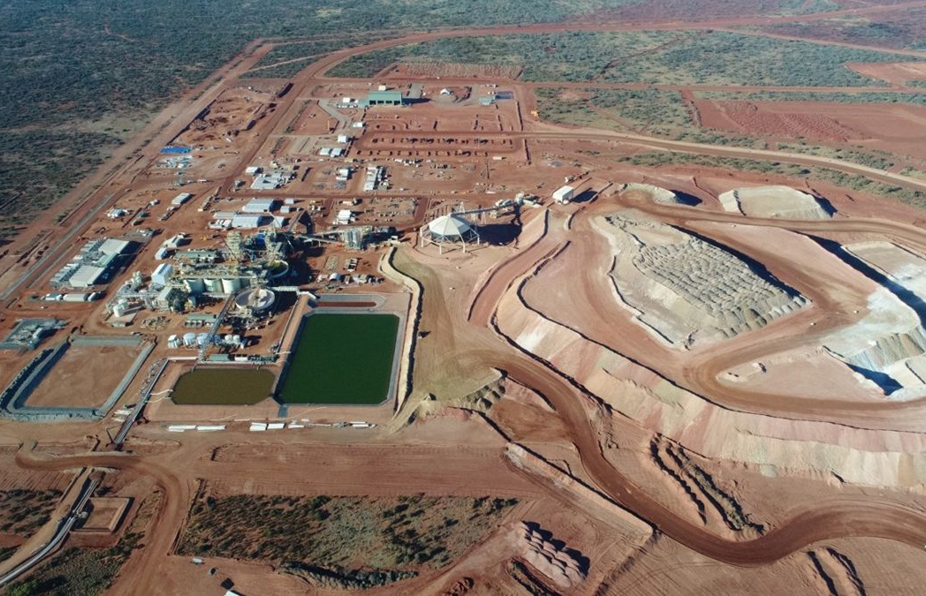 The East Rand Mine, located in South Africa, is a prominent gold mine that has played a significant role in the country’s mining history. With a depth of around 3 kilometers (1.9 miles), it stands as a testament to South Africa’s rich gold deposits and the mining industry’s determination to extract this precious metal from ever-increasing depths. The East Rand Mine is part of the larger East Rand Proprietary Mines (ERPM) complex, which has been a major contributor to South Africa’s gold production for over a century.
The history of the East Rand Mine dates back to the late 19th century when gold was first discovered in the Witwatersrand Basin. The mine’s development coincided with the rapid growth of Johannesburg and the surrounding areas, transforming the region into a global gold mining hub. Over the decades, the East Rand Mine has undergone numerous expansions and technological upgrades to maintain its productivity and competitiveness in the global gold market.
One of the most remarkable aspects of the East Rand Mine is its complex geological structure. The gold-bearing reefs in this area are part of the Witwatersrand Supergroup, a series of sedimentary rocks that were deposited over two billion years ago. These reefs are typically narrow and steeply inclined, requiring specialized mining techniques to extract the ore efficiently. Miners at East Rand have developed expertise in narrow reef mining, using a combination of conventional drill-and-blast methods and more modern mechanized approaches.
The extreme depth of the East Rand Mine presents significant challenges in terms of rock mechanics and mine safety. As mining operations have progressed deeper, the risk of seismic events and rock bursts has increased. To mitigate these risks, the mine employs advanced seismic monitoring systems and has implemented innovative rock support techniques. These include the use of yielding support systems that can absorb energy from seismic events, reducing the risk of tunnel collapses and ensuring the safety of miners working at these great depths.
Ventilation and cooling are critical aspects of the East Rand Mine’s operations. At depths of 3 kilometers, the virgin rock temperature can exceed 50°C (122°F), creating potentially hazardous working conditions. The mine operates an extensive network of ventilation shafts and refrigeration plants to circulate cool air throughout the underground workings. This system not only ensures the comfort and safety of the miners but also helps to prevent heat-related equipment failures that could disrupt production.
The East Rand Mine’s contribution to the local and national economy has been substantial. At its peak, the mine employed thousands of workers and supported numerous ancillary businesses in the surrounding communities. However, like many deep-level gold mines in South Africa, East Rand has faced challenges in recent years due to rising operational costs, labor disputes, and fluctuating gold prices. These factors have led to periods of reduced production and, in some cases, temporary closures of certain shafts.
Despite these challenges, the East Rand Mine continues to be an important part of South Africa’s mining landscape. The mine’s operators have invested in exploration and development programs aimed at extending its operational life and identifying new gold-bearing zones. Additionally, there have been efforts to diversify operations, including the potential for reprocessing old mine tailings to extract residual gold and other minerals.
The legacy of the East Rand Mine extends beyond its gold production. It has been a site of significant technological innovation in the mining industry, particularly in the areas of deep-level mining techniques, rock engineering, and mineral processing. Many of the practices and technologies developed at East Rand have been adopted by other mines around the world, contributing to the global advancement of mining science and engineering.
7. AngloGold Ashanti’s Mponeng (South Africa) (continued)
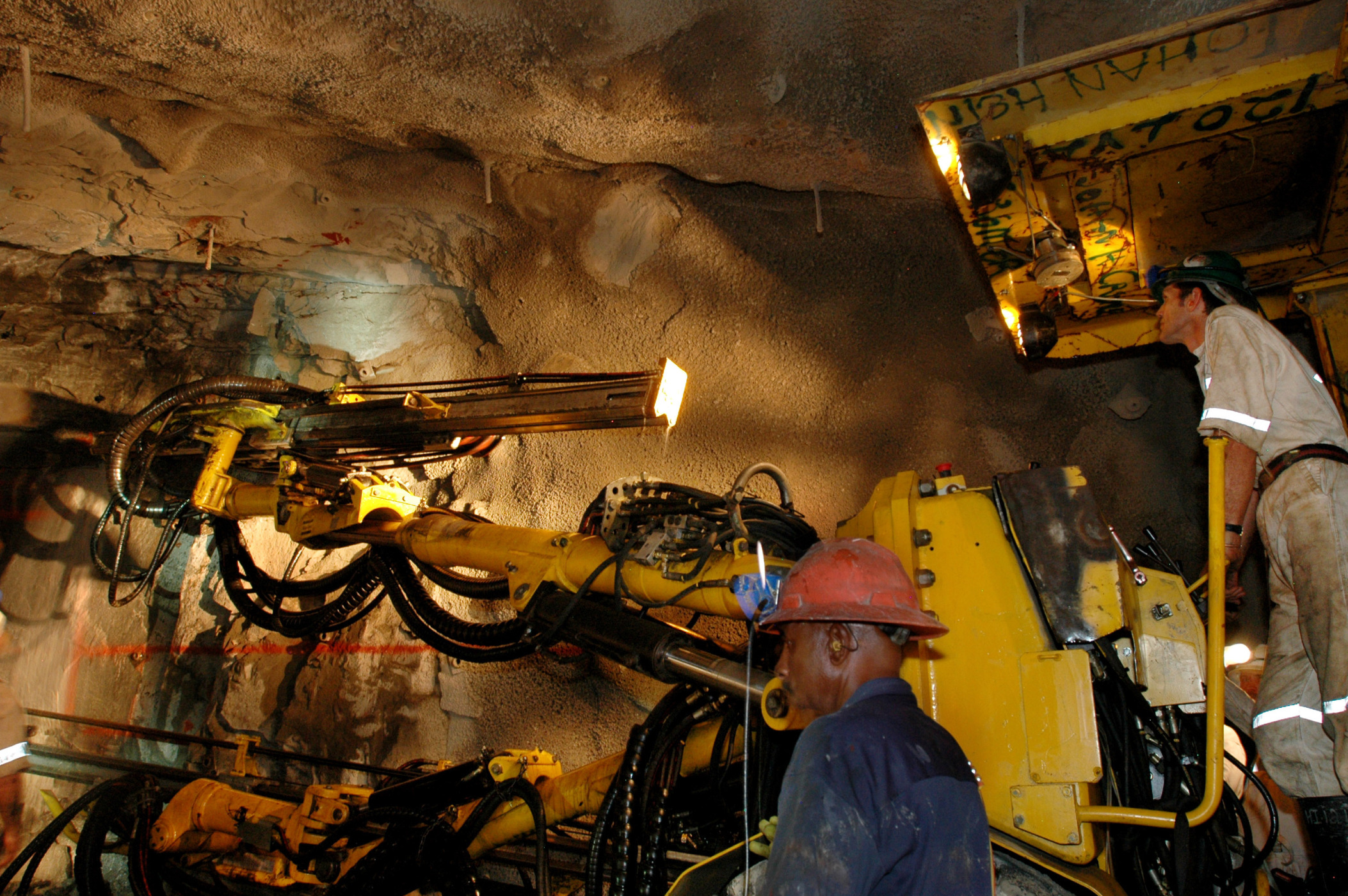 The Mponeng mine is part of AngloGold Ashanti’s West Wits operations, situated in the geologically rich Witwatersrand Basin. This region has been the source of nearly half of all the gold ever mined on Earth, making it one of the most important gold mining areas in history. The mine’s development began in 1981, and over the decades, it has continually expanded and deepened its operations to access new gold-bearing reefs.
One of the most remarkable aspects of Mponeng is its advanced infrastructure designed to cope with the extreme conditions at such depths. The mine operates a three-shaft system for transporting workers, materials, and ore. The main shaft is one of the world’s deepest single-drop shafts, descending 2,283 meters in one continuous section. This engineering feat allows for efficient movement of personnel and equipment, crucial for maintaining productivity at such depths.
The challenges of mining at Mponeng are numerous and complex. At the deepest levels, virgin rock temperatures can reach up to 66°C (150°F), necessitating an extensive and sophisticated cooling system. The mine pumps an ice slurry down pipes to the depths, where it is circulated through radiators to cool the air. This chilled air is then circulated throughout the mine, creating a more hospitable working environment. Without this cooling system, the heat would make it impossible for humans to work at these depths.
Mponeng’s ore processing facilities are equally impressive. The mine uses a combination of conventional mill and carbon-in-pulp technology to process the ore and extract gold. The processing plant has the capacity to treat up to 160,000 tons of ore per month, showcasing the scale of operations at this ultra-deep mine. In recent years, there has been a focus on improving energy efficiency and reducing the environmental impact of these processes.
Safety is paramount at Mponeng, given the inherent risks of deep mining. The mine employs advanced seismic monitoring systems to predict and mitigate the risk of rock bursts and seismic events. Additionally, the mine has implemented various safety protocols and technologies, including refuge chambers equipped with oxygen supplies, communication systems, and provisions to ensure miners’ safety in emergencies.
The economic impact of Mponeng extends far beyond its immediate operations. The mine is a significant employer in the region, providing jobs for thousands of workers directly and supporting many more indirectly through its supply chain. However, like many deep gold mines in South Africa, Mponeng faces ongoing challenges related to rising operational costs, labor relations, and the need for continuous technological upgrades to remain competitive in the global gold market.
8. Driefontein Mine (South Africa)
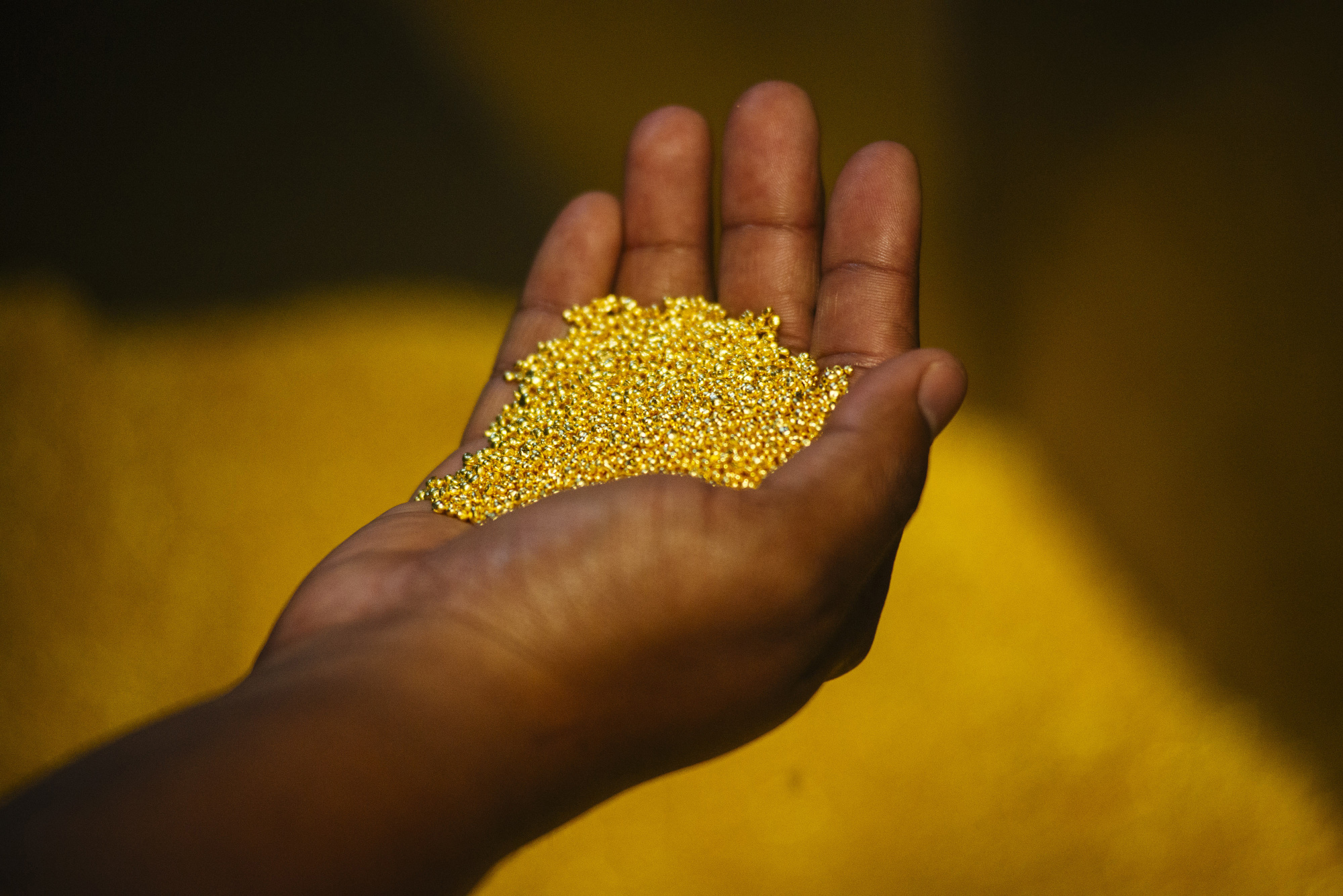 The Driefontein Mine, located in South Africa’s Gauteng province, is another remarkable example of the country’s deep gold mining operations. With a depth of around 2.8 kilometers (1.7 miles), Driefontein has been a significant gold producer for decades, showcasing the mining industry’s ability to reach impressive depths in the pursuit of valuable resources.
Established in 1952, Driefontein has a rich history that mirrors the development of South Africa’s gold mining industry. The mine is part of the larger West Wits Line goldfield, known for its high-grade ore bodies. Over the years, Driefontein has expanded its operations, incorporating multiple shafts and processing facilities to maximize gold extraction from the deep-lying reefs.
The geological structure of Driefontein is complex, characterized by the presence of several gold-bearing reefs at different depths. The primary gold deposits are found in the Carbon Leader Reef and the Ventersdorp Contact Reef, both known for their high gold content. Mining these narrow reefs requires specialized techniques and equipment, including hydraulic props and backfilling to support the mined-out areas and prevent cave-ins.
One of the most significant challenges at Driefontein is managing the intense heat at depth. As with other ultra-deep mines, the virgin rock temperature increases with depth, reaching levels that would be unbearable without intervention. The mine operates an extensive cooling system that circulates chilled water and air throughout the underground workings, creating a more tolerable environment for the miners and preventing heat-related equipment failures.
Driefontein’s ore processing facilities are state-of-the-art, capable of handling large volumes of ore efficiently. The mine uses a combination of conventional milling and carbon-in-leach technology to extract gold from the ore. In recent years, there has been a focus on optimizing these processes to improve gold recovery rates and reduce operating costs.
Safety is a top priority at Driefontein, given the inherent risks of deep mining. The mine has implemented comprehensive safety protocols and technologies, including seismic monitoring systems, emergency refuge chambers, and advanced communication networks. These measures are crucial for protecting the workforce and ensuring the mine’s continued operation.
The economic impact of Driefontein on the local community and the broader South African economy has been substantial. The mine has been a major employer in the region for decades, providing jobs for thousands of workers and supporting numerous ancillary businesses. However, like many deep gold mines in South Africa, Driefontein has faced challenges in recent years, including rising operational costs, labor disputes, and the need to explore deeper to maintain production levels.
Despite these challenges, Driefontein continues to be an important player in South Africa’s gold mining industry. The mine’s operators have invested in exploration and development programs aimed at extending its operational life and identifying new gold-bearing zones. Additionally, there have been efforts to improve operational efficiency and reduce environmental impact, aligning with global trends towards more sustainable mining practices.
9. Creighton Mine (Canada)
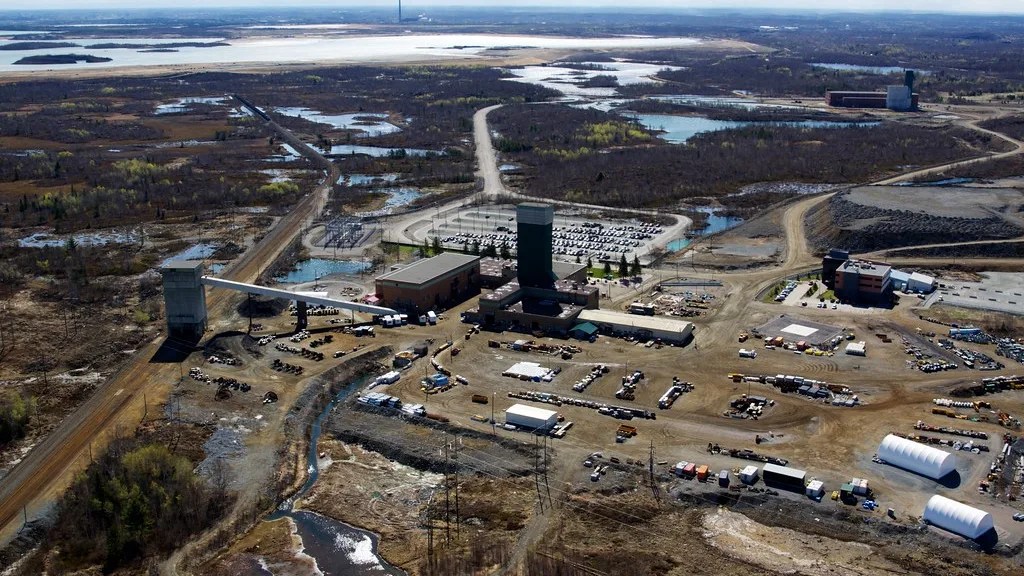 Creighton Mine, located in Sudbury, Ontario, Canada, is a prime example of deep mining outside of South Africa’s gold fields. With a depth of approximately 2.5 kilometers (1.5 miles), Creighton is one of North America’s deepest mines, primarily extracting nickel and copper from the rich ore bodies of the Sudbury Basin.
The history of Creighton Mine dates back to 1901 when prospectors first discovered the valuable mineral deposits in the area. Since then, the mine has played a crucial role in Canada’s mining industry, contributing significantly to the country’s nickel and copper production. The Sudbury Basin, where Creighton is located, is believed to have been formed by a meteorite impact nearly two billion years ago, creating a unique geological environment rich in various metals.
Creighton’s mining operations are characterized by their technical sophistication and the use of cutting-edge technologies. The mine employs a combination of shaft mining and ramp access to reach the deep-lying ore bodies. As the mine has deepened over the years, engineers have had to develop innovative solutions to combat increasing rock pressure, heat, and logistical difficulties.
One of the most significant challenges at Creighton is managing the geotechnical risks associated with deep mining. The intense rock stress at such depths can lead to seismic events and rock bursts, posing significant safety risks. To mitigate these risks, the mine employs advanced seismic monitoring systems and has implemented various ground control measures, including dynamic support systems that can absorb energy from seismic events.
Ventilation and cooling are critical aspects of Creighton’s operations. At depths of 2.5 kilometers, the virgin rock temperature can exceed 40°C (104°F), creating potentially hazardous working conditions. The mine operates an extensive ventilation system that circulates large volumes of air through the underground workings, supplemented by cooling plants that help maintain a tolerable working environment.
Creighton’s ore processing facilities are among the most advanced in the world. The extracted ore is transported to surface concentrators where it undergoes crushing, grinding, and flotation processes to separate the valuable minerals from the waste rock. The resulting concentrates are then sent to nearby smelters for further processing. In recent years, there has been a strong focus on improving the efficiency of these processes and reducing their environmental impact.
The mine’s impact on the local community and economy of Sudbury has been profound. As one of the largest employers in the region, Creighton has played a crucial role in the area’s development, supporting a wide range of businesses and services. The mine has also been at the forefront of environmental stewardship, implementing comprehensive water management systems and land reclamation programs to mitigate its ecological footprint.
Despite its successes, Creighton faces ongoing challenges typical of deep mining operations. The increasing depth of extraction has led to higher operational costs and greater technical difficulties. Maintaining safe working conditions at such depths requires constant vigilance and investment in safety technologies. Additionally, the mine must contend with the cyclical nature of metal prices, which can significantly impact its economic viability.
Looking to the future, Creighton continues to explore ways to extend its operational life and maintain its position as a world-class mining operation. This includes ongoing exploration efforts to identify new ore bodies and research into more efficient and environmentally friendly extraction methods. The mine’s legacy of innovation and adaptation serves as an inspiration for the global mining industry, demonstrating how deep mining can be conducted safely, efficiently, and responsibly in challenging geological environments.
10. Great Noligwa Gold Mine (South Africa)
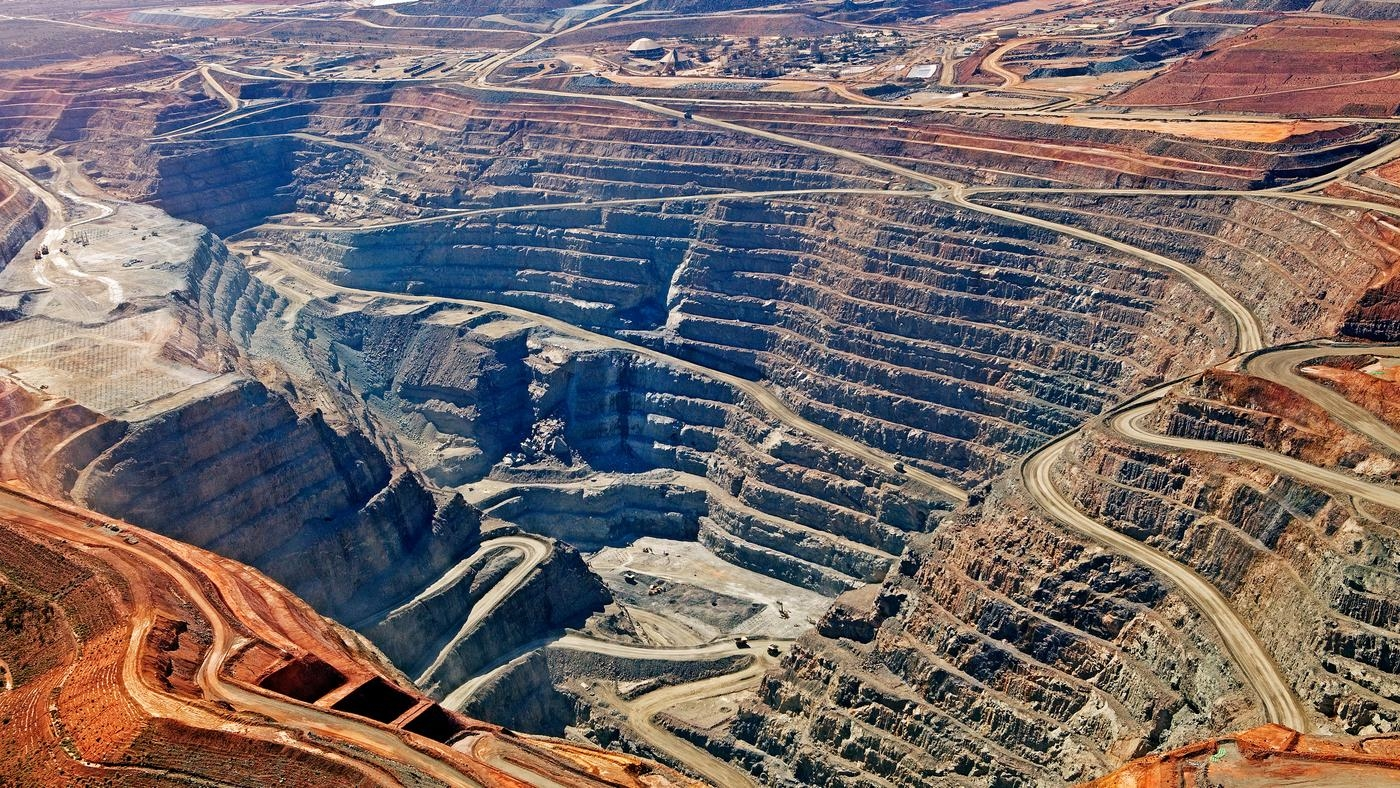 The Great Noligwa Gold Mine, located in South Africa’s Vaal River region, is another significant deep mining operation that has contributed substantially to the country’s gold production. With a depth of around 2.4 kilometers (1.5 miles), Great Noligwa exemplifies the mining industry’s dedication to exploring depths for gold resources, further cementing South Africa’s position as a leader in deep gold mining.
Established in the late 20th century, Great Noligwa has been an integral part of AngloGold Ashanti’s Vaal River operations. The mine’s name, which means “the one with many snakes” in the local language, is derived from the serpentine shape of the gold-bearing reefs in the area. These complex geological formations have necessitated the development of specialized mining techniques to efficiently extract the precious metal.
The mining operations at Great Noligwa are characterized by their technical complexity and the use of advanced technologies. The mine employs a combination of conventional mining methods and mechanized techniques to extract gold-bearing ore from narrow, high-grade reefs. This approach requires a high level of skill and precision from the miners, who must navigate tight spaces and unstable rock conditions at great depths.
One of the most significant challenges faced by Great Noligwa is managing the intense heat and pressure at such depths. The virgin rock temperature at the bottom of the mine can exceed 50°C (122°F), creating potentially dangerous working conditions. To address this, the mine operates a sophisticated cooling system that circulates chilled water and air throughout the underground workings. This system not only makes the environment more tolerable for workers but also helps to prevent heat-related equipment failures that could disrupt production.
Safety is paramount at Great Noligwa, given the inherent risks of deep mining. The mine has implemented comprehensive safety protocols and technologies, including seismic monitoring systems, emergency refuge chambers, and advanced communication networks. These measures are crucial for protecting the workforce and ensuring the mine’s continued operation in challenging conditions.
The ore processing at Great Noligwa involves a series of complex steps designed to maximize gold recovery. After extraction, the ore is transported to the surface where it undergoes crushing, milling, and various separation processes. The mine utilizes both gravity concentration and cyanide leaching to extract gold from the ore. In recent years, there has been a focus on improving the efficiency of these processes to reduce costs and minimize environmental impact.
Great Noligwa’s impact extends beyond its immediate operations. The mine has been a significant employer in the region, providing jobs for thousands of workers and supporting numerous ancillary businesses. However, like many deep-level gold mines in South Africa, Great Noligwa has faced challenges related to rising operational costs, labor relations, and the need to explore deeper to maintain production levels.
Despite these challenges, Great Noligwa continues to be an important part of South Africa’s gold mining landscape. The mine’s operators have invested in exploration and development programs aimed at extending its operational life and identifying new gold-bearing zones. Additionally, there have been efforts to improve operational efficiency and reduce environmental impact, aligning with global trends towards more sustainable mining practices.
The legacy of Great Noligwa extends beyond its gold production. It has been a site of significant technological innovation in the mining industry, particularly in the areas of deep-level mining techniques, rock engineering, and mineral processing. Many of the practices and technologies developed at Great Noligwa have been adopted by other mines around the world, contributing to the global advancement of mining science and engineering.
In conclusion, the Great Noligwa Gold Mine stands as a testament to the remarkable achievements of the South African mining industry, pushing the boundaries of human capability and technological innovation in the pursuit of gold. Its operations showcase the determination to extract valuable resources from the Earth’s depths, while also highlighting the ongoing challenges and evolving nature of deep mining in the 21st century.