
97. Roopkund Lake, AKA Skeleton Lake
Est. Value Today: N/A
Year Disappeared: Unknown
Year Discovered: 1942
Roopkund is a super-high-altitude lake that you can find in the Himalayas. It is nicknamed “Skeleton Lake” and “Mystery Lake,” as this shallow lake is famous for having hundreds of human skeletons at its edge. Roopkund is 16,470 feet above sea level, and its surrounding area is uninhabited—so, how did the skeletons get there?
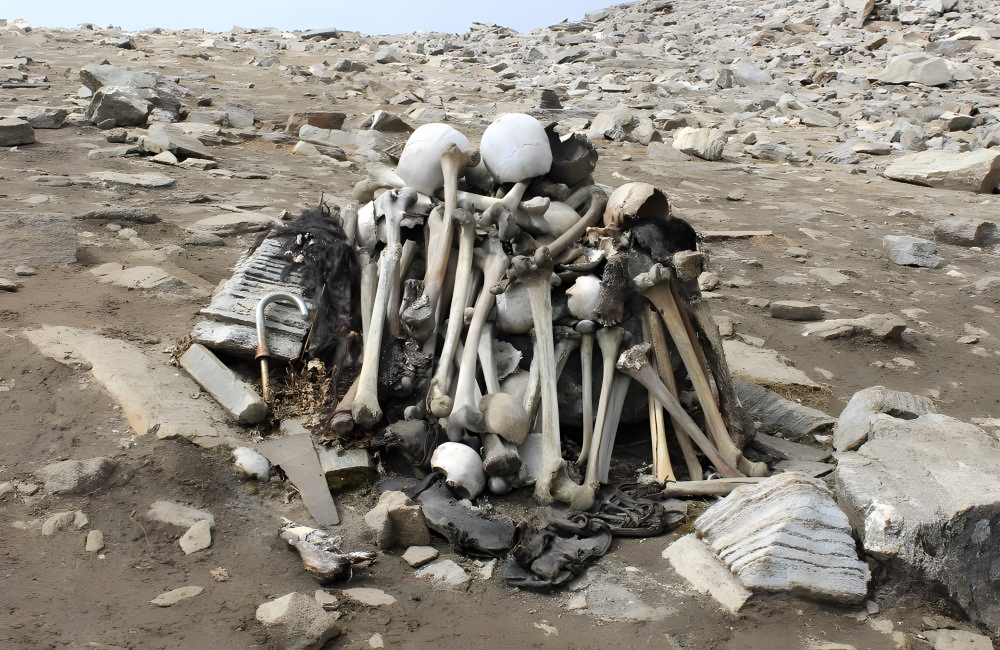
Roopkund Lake, AKA Skeleton Lake ©Rob Atherton/Shutterstock
You can see the skeletons when the snow melts, and, so far, the remains of 300 people have been found when the lake’s water is at a low level. According to local legend, Roopkund was once a shrine, and, during a mass pilgrimage, a huge hailstorm struck that did away with the party.
98. Bimini Road: Lost Highway to Atlantis?
Est. Value Today: N/A
Year Disappeared: Unknown
Year Discovered: 1968
Everyone was all excited about the Bimini Road when it was uncovered in 1968 by three divers diving eighteen feet below the surface of the water near North Bimini Island. The Bimini Road is an undersea rock formation that looks like a cobblestone street. The Road is half a mile long, and it is composed of limestone blocks.
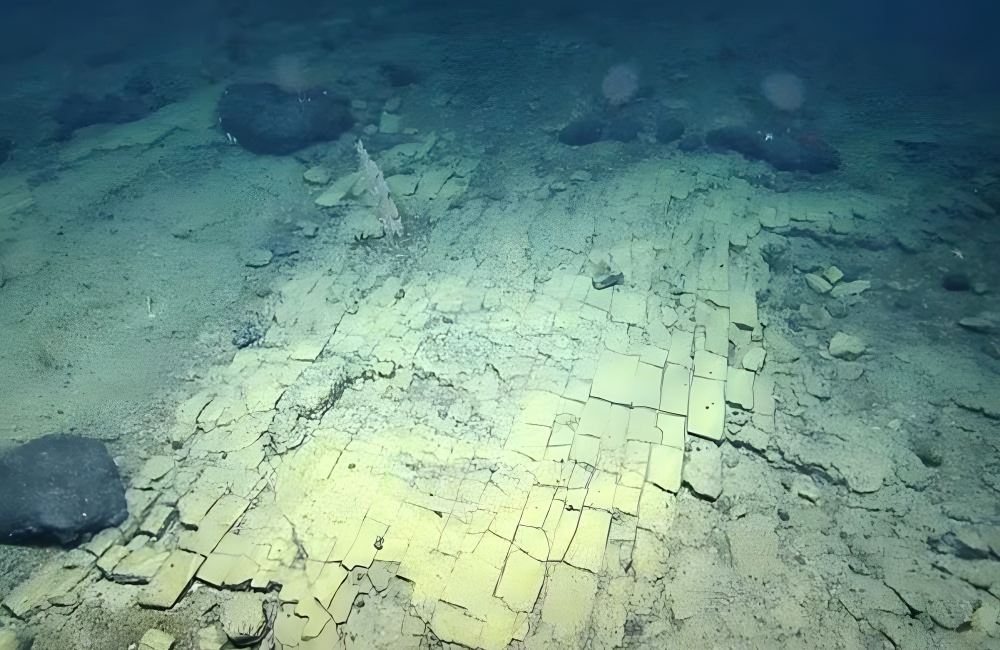
Bimini Road @CoachCarson/Twitter
People thought that this Road was a “Road to Atlantis,” but scientists have rained on that parade, offering a geological explanation instead, claiming that Bimini Road is made from broken beach rock. Still, the Sci-Fi Channel hosted Quest for Atlantis: Startling New Secrets a few years ago that claimed that Bimini could have been a long-lost “Yellow Brick Road” into Atlantis.
99. The Sunken Crosses of Malpique
Est. Value Today: Unknown
Year Disappeared: N/A
Year Discovered: 1570
If you go sixty-five feet below the sea off the coast of La Palma, Spain, you’ll find forty stone crosses on the seafloor. These were intentionally placed there by Catholic officials in Spain in 2000, but the story actually goes back to the 1500s. In 1570, pirates were all over the place, and a group of forty Jesuit missionaries was on their way to La Palma when they ran into a group of these nefarious characters.
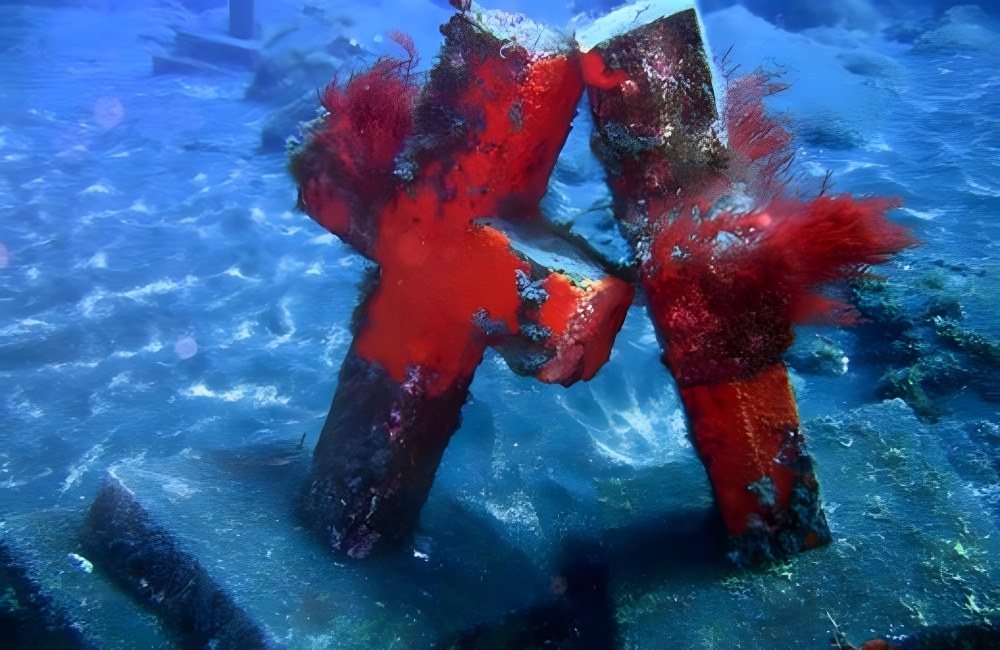
The Sunken Crosses of Malpique @atlasobscura/Pinterest
A crew of French pirates wanted the missionaries’ ship and cargo, but not the men on board. Unfortunately, the missionaries lost their lives to the pirate attack and were subsequently declared martyrs. Forty crosses were placed below the waves in 2000 to remind everyone of this centuries-old horror story.
100. Eleonore, The Nile Crocodile in Paris, France
Est. Value Today: $836*
ear Disappeared: 1980s
Year Discovered: 1984
Eleonore was a very friendly Nile Crocodile who was found, much to locals’ shock, in the sewers near Paris, France’s Seine River. Young Eleonore had been putting a dent in Paris’ rat population, but it was obvious that this pet had to leave the depths of the Seine and its sewers for a better habitat.
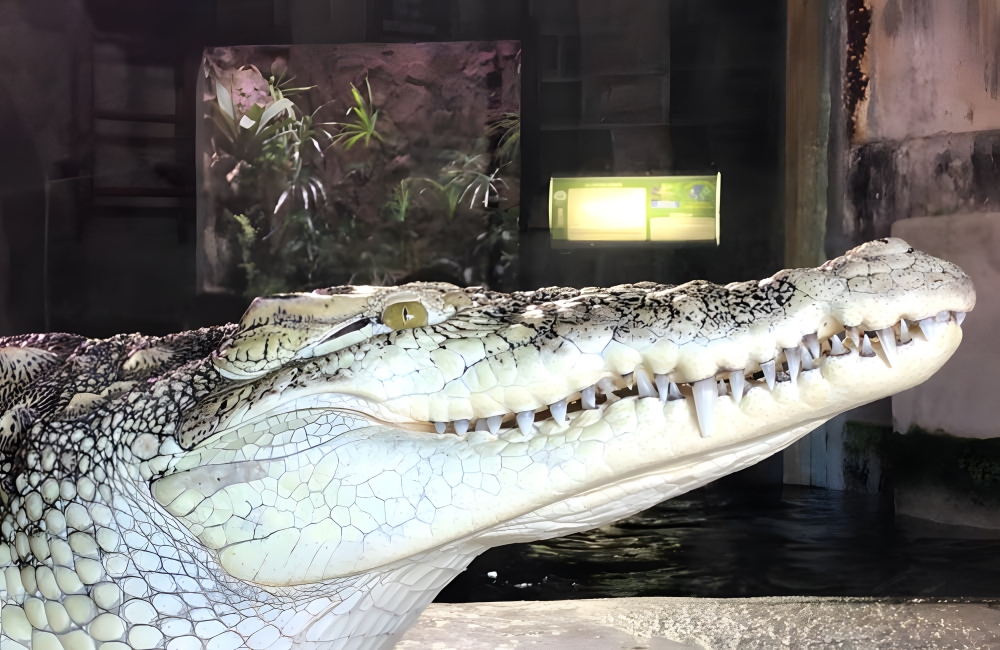
Eleonore @The Earful Tower/Youtube
As it turns out, Eleonore was a pet that had gotten too big in the eighties. Her owner dumped her into the sewers and, sadly, left her. In 1984, Eleonore was transported by Vannes, Brittany aquarium workers to an enclosure, where she lived out her days until 2021. As a thoughtful touch, the aquarium had Eleonore’s enclosure designed to look just like the Paris sewers that the friendly croc had grown to love.
101. Odysseus
Est. Value Today: Unknown
Year Disappeared: 2,400 Years Ago
Year Discovered: 2018
Nicknamed ‘Odysseus’ by scientists, this Greek shipwreck is the oldest intact one that has been discovered from the Earth’s waters to date. It was found in a ‘shipwreck graveyard’ of sorts, a location in the Black Sea from where almost 60 other vessels have been excavated. The 75-foot ship was almost intact and a treasure in itself, considering that it offered great insights into the seafaring dynamics of the ancient Greek world.
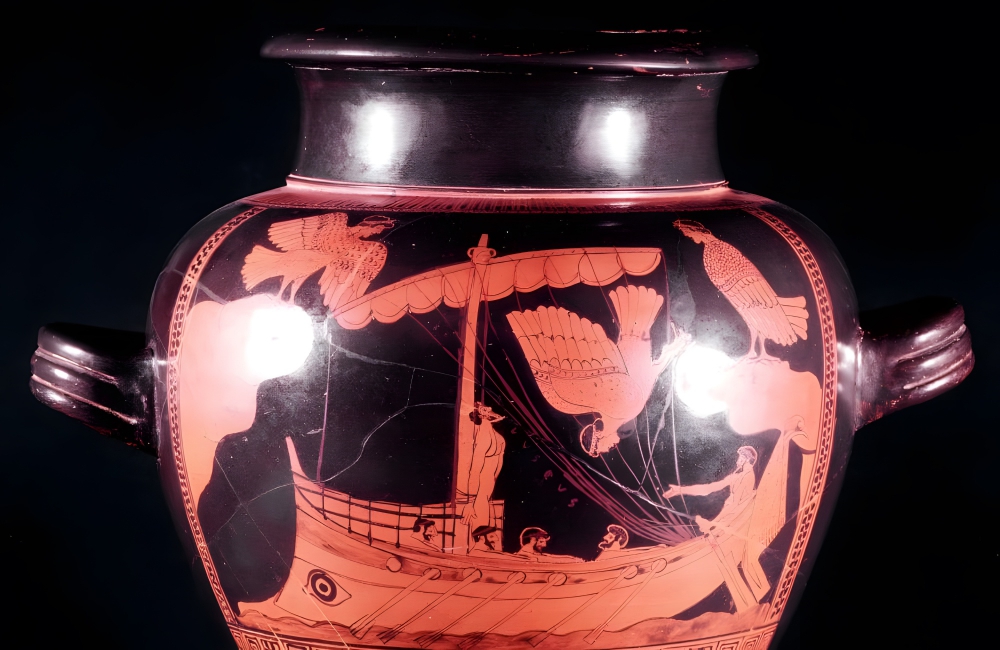
Odysseus ©The Print Collector/Alamy
Scientists carbon-dated a small piece of the shipwreck, revealing that the ship was approximately from 400 B.C. Jon Adams, the chief scientist of this project, mentioned that he could never have thought he’d come across an intact ship from such an ancient period. It is named so after The Odyssey by Homer, an epic poem and a masterpiece of classical literature.
102. Egyptian Tombstone
Est. Value Today: Priceless
Year Disappeared: 2nd Century B.C.
Year Discovered: 2000
Climate change is a rising threat to sinking cities today, but the phenomenon has shown its presence before as well. The ancient city of Heracleion is an example of this. It was submerged by heavy waters and earthquakes centuries ago and remained so for many years before scientists finally discovered its remains.
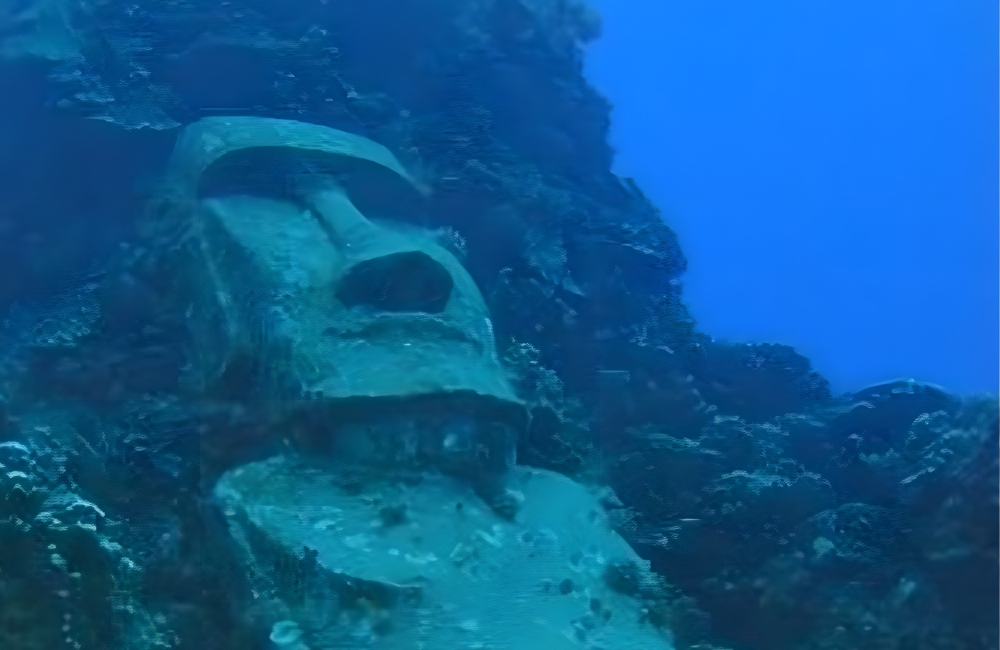
Egyptian Tombstone /thetravel.com
Many valuable artifacts were discovered in the city’s ruins, including this ancient Egyptian tombstone. The hieroglyphs on the steele showcase a pharaoh offering loaves and vases to the goddess Neith of Sais. This tombstone provided the first confirmation to archaeologists that the submerged city was known as Heracleion in Egyptian or Thonis in Greek.
103. RMS Rhone
Est. Value Today: Unknown
Year Disappeared: 1867
Year Discovered: 1867
The sinking of the RMS Rhone is a fairly sad story, and one that many talk about to this day. Just like the Titanic, the Rhone was also deemed ‘unsinkable’ by the British Royal Navy. It was due to this claim that when the ship set sail along with the RMS Conway, all the passengers from the latter were transferred to the Rhone, so that the ‘unsinkable’ ship could protect them from an incoming storm.
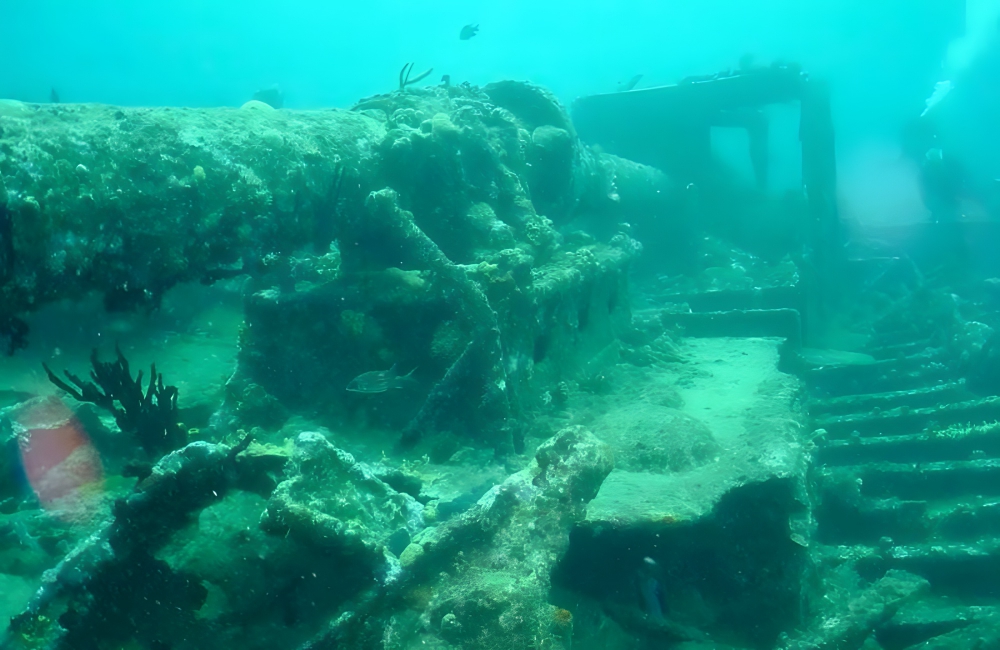
RMS Rhone /common.wikimedia.org
When both the vessels stopped to refuel at Great Harbour, Peter Island, hurricane San Narciso struck, and the violent winds split the Rhone into two, from where it sank. In 1980, the sunken remains of the Rhone were declared a national marine park, and the location became a prime diving site that is extremely popular even today.
104. Empress of Ireland
Est. Value Today: More than $1 million*
Year Disappeared: 1914
Year Discovered: 1914
The deadly collision of the Canadian Empress of Ireland with the Norwegian Storstad is considered one of the deadliest maritime disasters in Canadian history, with a death count exceeding 1000. To this day, the exact reasons for the crash are a little unclear, but the widely accepted stance is that the two ships crashed into each other due to the dense fog.
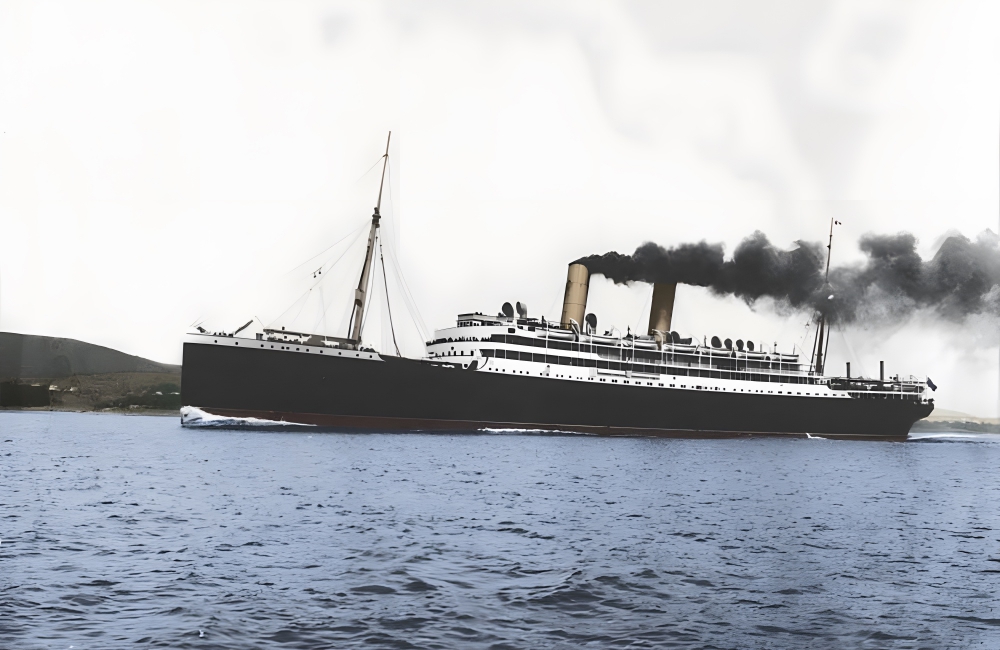
Empress of Ireland ©Jim Gibson/Alamy
Salvation efforts began quite quickly after the sinking of the ship as the wreckage had not settled more than 130 feet into the water and was still visible from the surface. In the initial visits, the salvation crew managed to recover 25 silver bars, whose value is placed well over $1 million today. More salvation teams were sent to the wreck over the next couple of years, and in 1999, it was officially declared a site of archaeological and historical importance for Canada.
105. The Bajo De La Campana
Est. Value Today: Unknown
Year Disappeared: 2,700 Years Ago
Year Discovered: 1950s
The Bajo De La Campana refers to not just one wreck but a marine archaeological site containing four different vessels’ remains. Out of these, the most important one is a Phoenician vessel that is believed to be more than 20 meters in length. Its importance stems from the fact that it offers insights into the history of this marine trading nation.
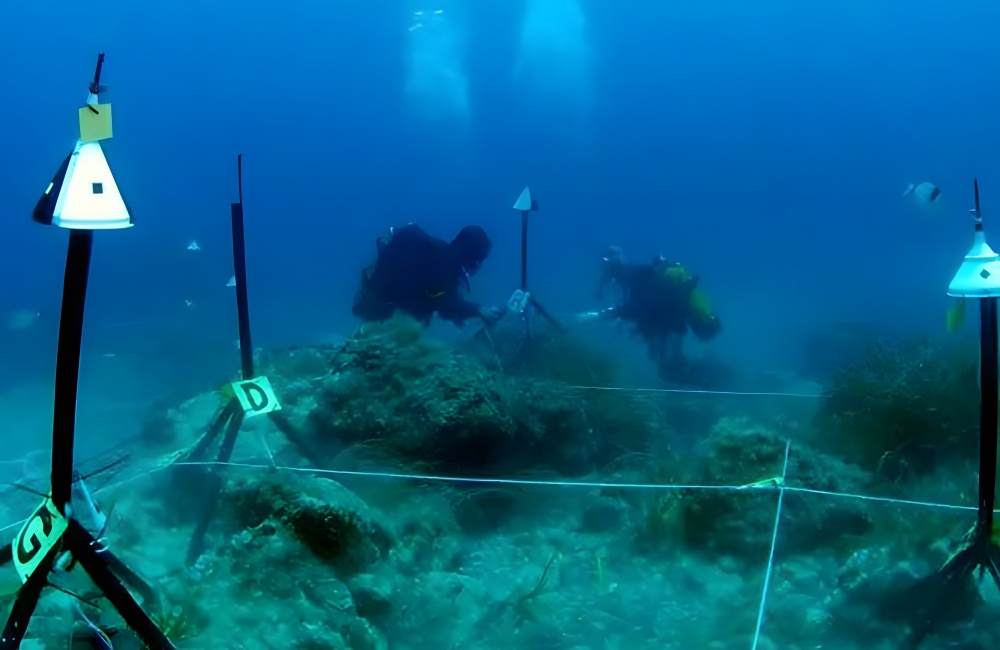
The Bajo De La Campana /murciatoday.com
It is believed that when the ship sank thousands of years ago, it was carrying luxury goods for the purpose of trade, remains of which were discovered in the area by the salvation team. These included items such as ceramic vessels, Baltic region amber, elephant tusks, and tin ingots.
106. Dry Tortugas Shipwreck
Est. Value Today: Millions of dollars*
Year Disappeared: 1622
Year Discovered: 1989
The Dry Tortugas is a famous shipping channel from the 1800s, quickly becoming known as the ‘ship trap.’ This was because as traffic in the channel increased, it paired up with the strong currents and hurricanes to claim many ships and turn them into wreckages. Today, it’s estimated that more than 250 documented shipwrecks exist in the area, making the salvation industry of the vicinity quite successful.
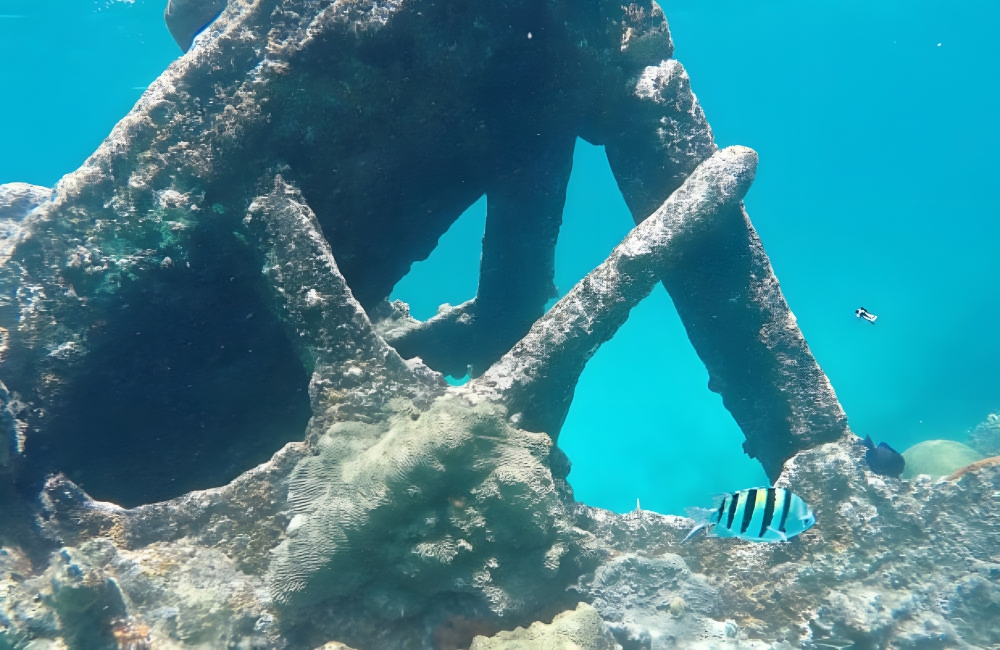
Dry Tortugas Shipwreck /passagemaker.com
A 1989 excavation of the location revealed a shipwreck that archaeologists believe to be Buen Jesus y Nuestra Senora del Rosario, a ship from the fleet of Atocha and Santa Margarita, vessels that were meant to carry riches from the New World to Spain. Many valuable artifacts were excavated from this wreckage, including gold coins, pottery pieces, and pearls.
107. Igara Wreck
Est. Value Today: $25 million*
Year Disappeared: 1973
Year Discovered: 2005, the year of recovery expeditions
The Igara sank after striking a rock in the South China Sea, and at the time, it was the largest single marine insurance loss that had ever occurred in all of maritime history. The ship was loaded with almost 127,718 tonnes of Brazilian iron ore, which gave it a whopping value of $25 million.
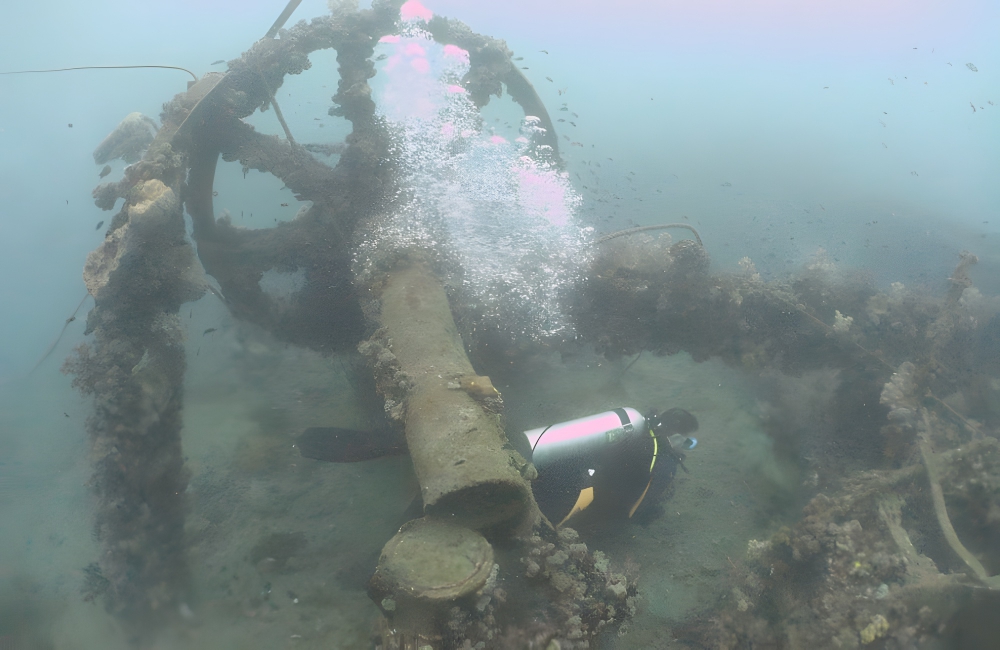
Igara Wreck /wikipedia.org
Much like other wreckages that are not that far into the ocean’s depths, the Igara wreckage has also become a recreational dive site that is frequented by many people today. Divers have also reported seeing the site inhabited by diverse marine life, including sharks, corals, snappers, and many others.
108. The Ancient Dokos Shipwreck
Est. Value Today: Undisclosed
Year Disappeared: 2,700-2,200 B.C.
Year Discovered: 1975
A shipwreck from this long ago would hardly be recognizable today. Everything biodegradable that was a part of the ship is long gone and has been dissolved into the depths of the waters. What remains are ceramic items like the clay vases which were being carried aboard the vessel. Anticipated to be almost four thousand years old, these remains were discovered by an American archaeologist named Peter Throckmorton.
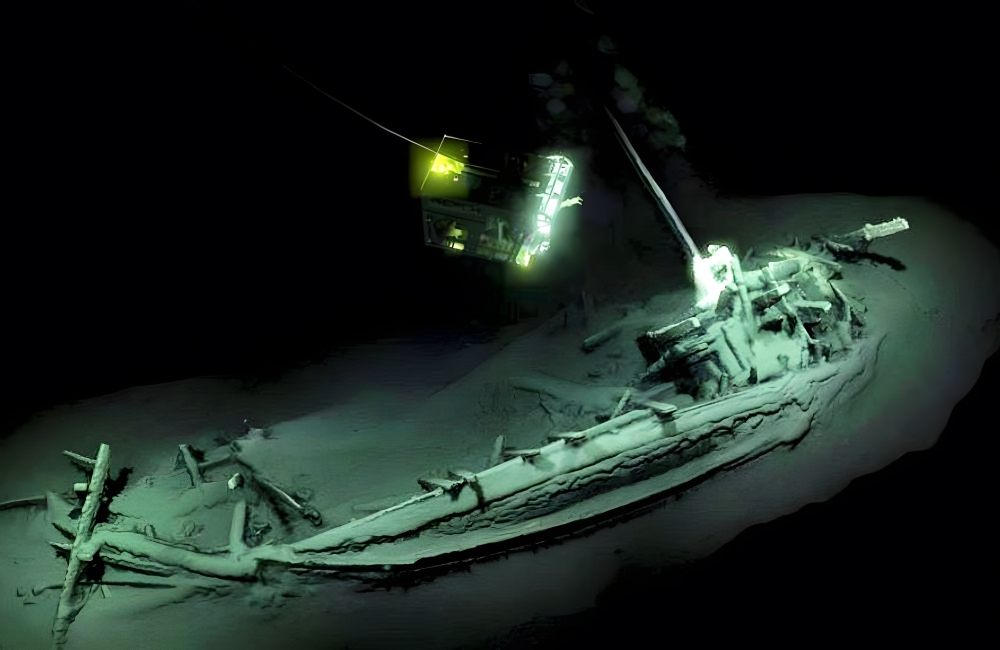
The Ancient Dokos Shipwreck /washingtonpost.com
These remains are what make the wreckage so valuable. They are the most extensive collection of pottery from the second Proto-Helladic period, to which the ship itself belonged. Archaeologists and historians perceive that this pottery dates back to before the pottery wheel was invented.
109. The Ship La Belle
Est. Value Today: Unknown
Year Disappeared: 1686
Year Discovered: 1995
The remains of the La Belle bring with them a significant look into what could have been a key event in the history of the world. During the 17th century, when King Louis XIV ruled France, he ordered a sailing expedition which was to travel across the ocean to North America and establish a colony while also locating the Spanish silver mines.
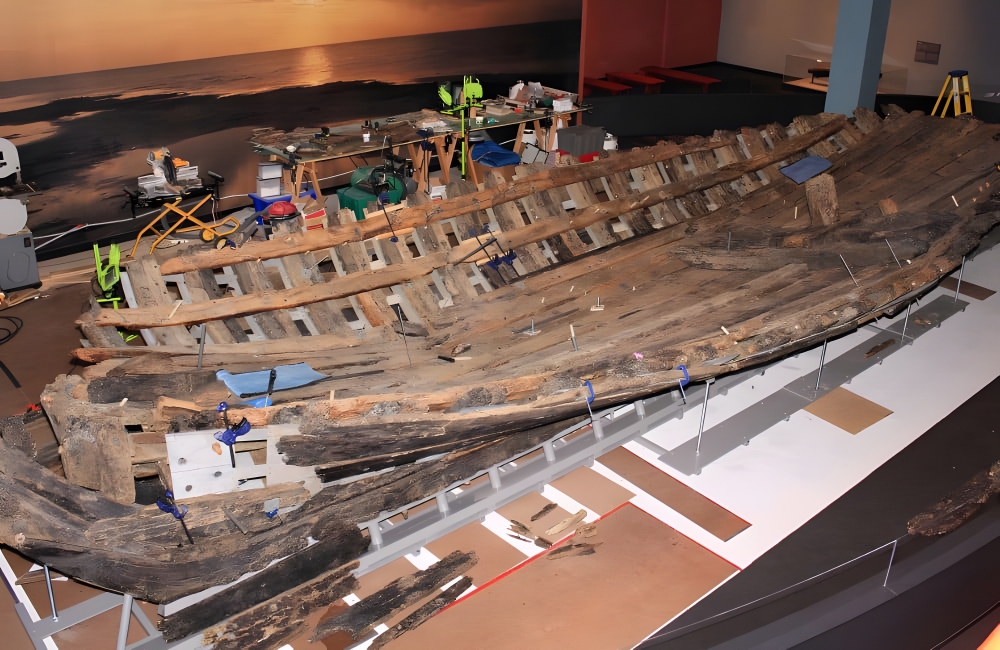
The Ship La Belle /wikipedia.org
Sieur de La Salle, who was leading the expedition, left the last remaining ship of the expedition, La Belle, to locate the mouth of the Mississippi with his men on foot. During this time, the ship sank due to a storm, leaving the men stranded. Over 1.6 million items were found in the ship’s wreckage, all of which gave a look into what the French colonizers thought was necessary to give rise to a new colony.
110. Korean 12th-Century Shipwreck
Est. Value Today: Unknown
Year Disappeared: 12th Century
Year Discovered: 2007
Millions of ships have set sail over the Earth’s massive oceans, and thousands have plunged to their final resting place in their depths. Out of all these, sometimes humans come across wreckage that offers no identification of where it came from and who it belonged to, except for some semblance of the era from which it might have emerged.
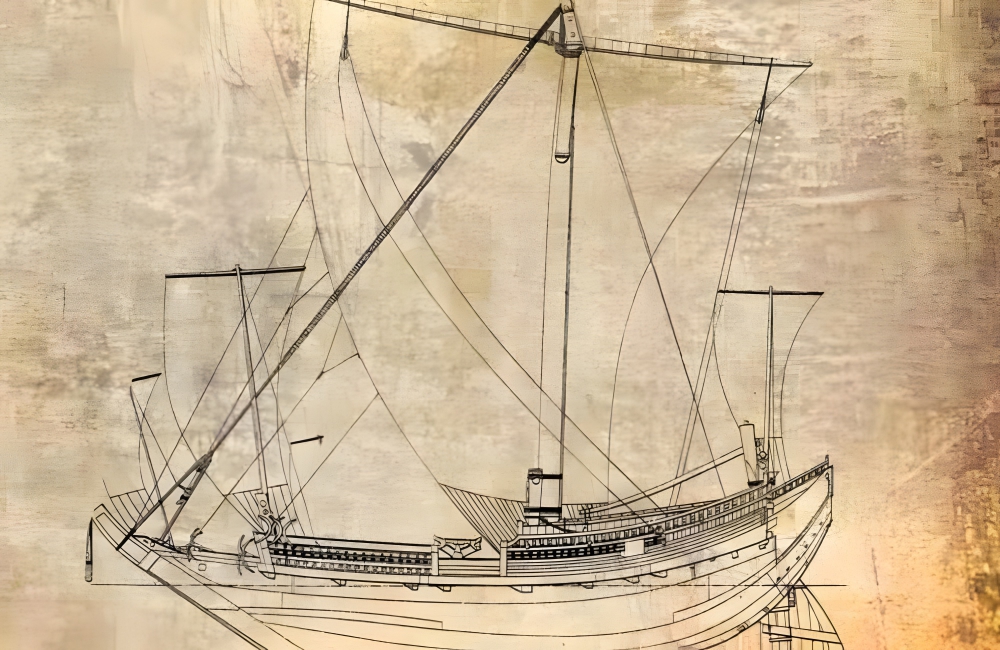
Korean 12th-Century Shipwreck /workandmoney.com
That is precisely the case with this 12th-century shipwreck discovered after a local fisherman found an octopus clutching an ancient plate. After that, South Korean archaeologists came across a collection of almost 2,500 expensive bowls, plates, and cups made of well-preserved porcelain. While not much is known about the origin of the ship or its contents, it is believed these items were intended for the nobles of the Goryeo Dynasty.
111. Bom Jesus
Est. Value Today: $9 million*
Year Disappeared: 1533
Year Discovered: 2008
Many of the vessels that sank in the earlier centuries were those that were carrying luxury trading goods, and the Bom Jesus is also an example of those. The ship was never seen again after it set sail on the 7th of March in 1533, and remains weren’t discovered until 2008, that too accidentally during a diamond mining operation.
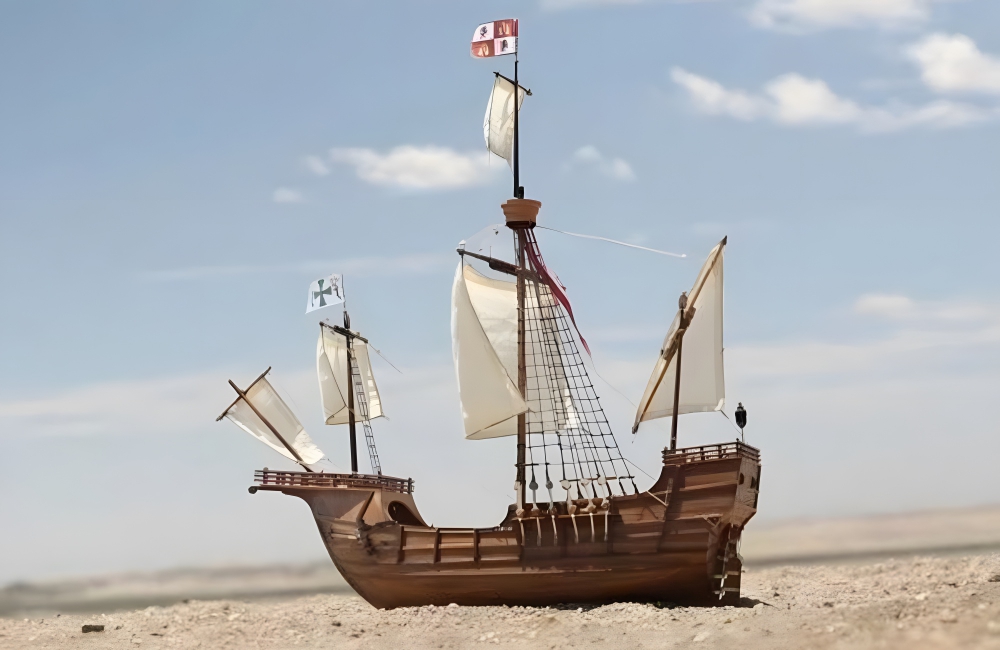
Bom Jesus /mining.com
Archaeologists believe that the ship must have pulled too close to the shore in Namibia while en route to Western India and must have sunk after hitting a rock. Kaapamda Shadika came across elephant ivory and copper ingots while excavating the area for diamonds, and that is when the wreckage of this ship was officially discovered. Many valuable cargo items were found in the wreckage, such as gold and silver coins, elephant tusks, and copper ingots.