
16. Selfie Stick With Integrated Mic
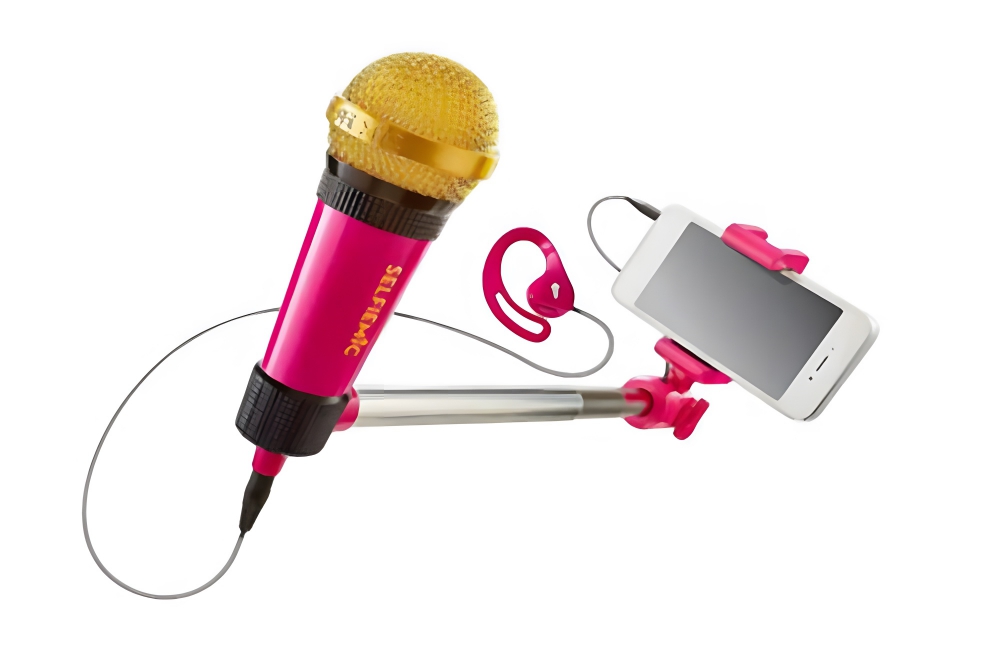
What it is: A microphone/selfie stick combo
Invented: 2019
Average Price: $24.99*
SelfieMic released this flagship product in the fall of 2019. The SelfieMic is a microphone that is attached to a selfie stick, and the manufacturer’s recommended age is eight to fifteen, so people who use TikTok love it. SelfieMic lets you film yourself singing to various songs, which you can download using the companion app, StarMaker.
Selfie Stick With Integrated Mic @JD Williams / Pinterest
SelfieMic works with iOS or Android, and it adds new songs daily. When you buy the SelfieMic, you automatically get 1,000 free tokens to use in StarMaker. The SelfieMic isn’t that expensive either; the list price is $24.99, but sites like Amazon recently slashed the price in half.
While the object may seem childish to some, this product has become a hit with Asian-based bloggers and vloggers seeking to improve their content with higher audio quality. Considering modern smartphones are cutting-edge cameras, why should the sound quality be any less good?
17. Nose Straightener
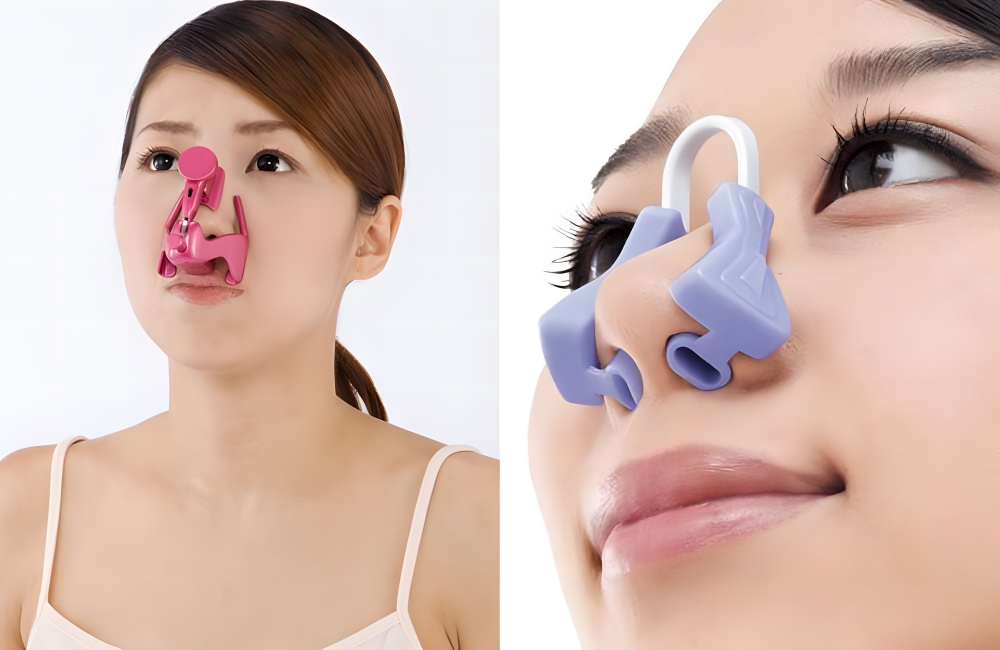
What it is: A clip to contour/straighten your nose
Invented: 2012
Average Price: $43*
Want a straighter nose but don’t want to shell out for surgery? Japanese inventors have you covered. The company has invented the Hana Tsun Nose Straightener. The silicon clip works to straighten the bones of your nose over time and make it more contoured. All you have to do is wear it twenty minutes per day.
Nose Straightener @Teresa Jackson | SofiaGottei / Pinterest
According to Japan Trend Shop, the nose straightener is made in Japan and the instructions are all in Japanese. However, it’s pretty self-explanatory. It’s unclear how long it will take to see results, but it has sold out rather quickly, so it must work, right?
While the device won’t necessarily change the size of anyone’s nose, it will straighten the delicate cartilage in the nasal cavity – which may also lead to improved breathing, or even eliminate snoring (though no guarantees).
18. Ramen Blanket
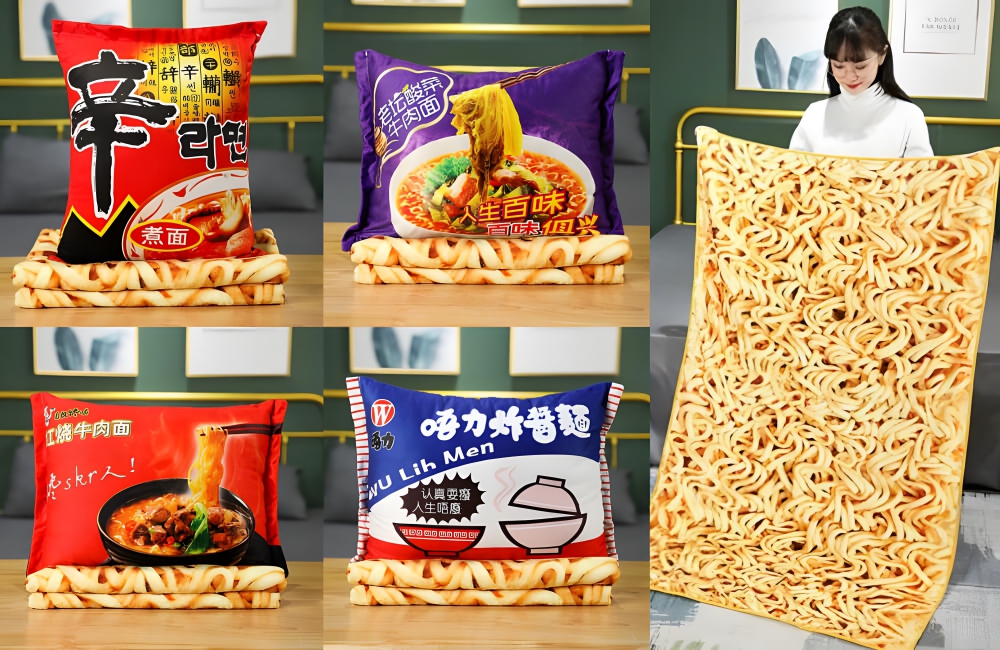
What it is: A cozy blanket and pillow combo that looks like delicious ramen
Invented: 2020
Average Price: $39.99 – $199.99*
2020 has been a strange year. Perhaps the thing to do is just curl up with this super soft ramen blanket and make everything ok. The Ramen blanket was named Shutup&takemymoney’s 2020 Product of the Year, which makes sense as we have all been spending a lot of extra time at home.
Ramen Blanket @justtakemymoney / Twitter
While the company is headquartered in Toronto, Canada, their hearts are in Japan with this much-beloved homage. The blanket is soft and cute and comes in multiple flavors (or styles) if you will and comes with a pillow that will store the blanket once you finally get off the couch.
19. Baby Cleaning Onesie
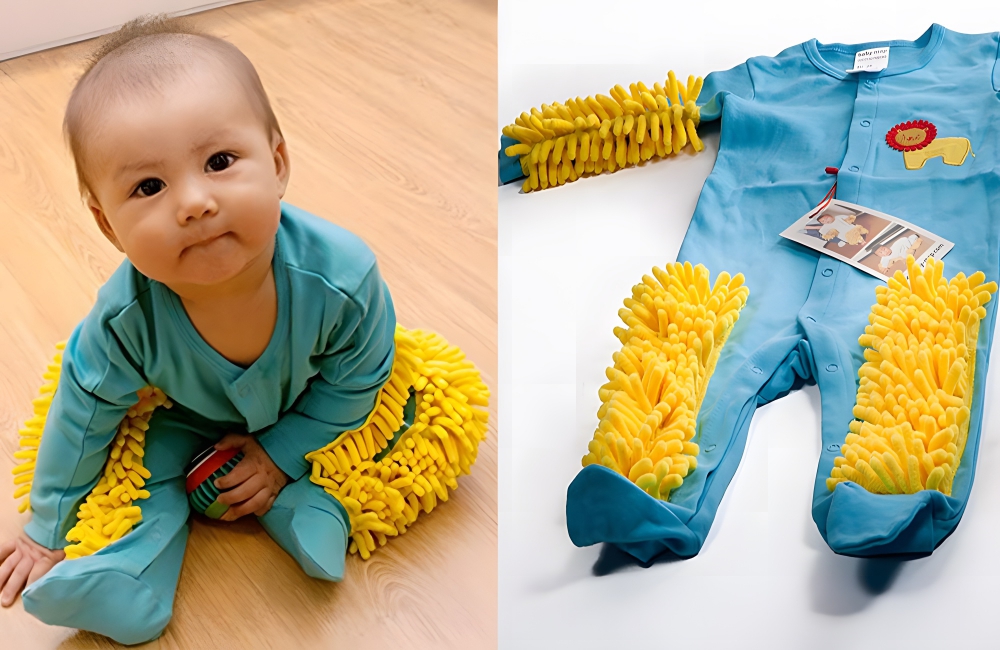
What it is: Mop fiber attached to a onesie to get your baby to clean up for you
Invented: 1998
Average Price: $40*
The Baby Cleaning Onesie helps you get your baby to contribute to the housework, which is something that babies have been dodging for a while. The Baby Mop forces your infant to pull his or her weight in the home, and the onesie doubles as a mop. Mop material is attached to the knees and arms, so it cleans the floor while your baby crawls.
Baby Cleaning Onesie ©Baby Mop/amazon
The Baby Mop originally was developed in 1998, where it had a Japanese commercial dedicated to it, but it wasn’t until 2012 that BetterThanPants.com relaunched the Baby Mop. The Baby Mop costs $40. Getting free housework done is priceless.
How effective is the outfit, you ask? Well it may depend on the messiness of the baby. But good news: the material is specially designed for cleaning – so at least it’ll hopefully wash out whatever your baby manages to spill!
20. Multi-level Parking Spots
What it is: Stacks cars vertically to optimize space
Invented: 2008
Average Price: $0*
Sanoyas Hishini Meisho is just one of many corporations that has helped revitalize and modernize Japan’s parking system. There are now 1.6 million automated parking systems in Japan, and many use multi-level parking to maximize space. With multi-level parking, the cars are stacked vertically.

Multi-level Parking Spots @Daniel Lo / YouTube.com
When the owner of the car wants to come collect his or her vehicle, the conveyor will rotate his or her car and deliver it to them automatically. The Japan Times reported that, as of 2012, there have been ten people killed in multi-level parking accidents, so whether we’ll see it here at Walmart and other stores is unlikely.
21. Push Notification Glasses
What it is: Glasses connected to your Smartphone
Invented: 2014
Average Price: $399*
Made by Fun’iki, these glasses are called the Ambient Glasses Digital Eyewear, and they are pretty cool. You connect the glasses to your iPhone or Android using Bluetooth (similar to how you connect wireless headphones). The glasses use sound signals and LED lights to let you know if you have a message, meeting, or any other notification on your phone.
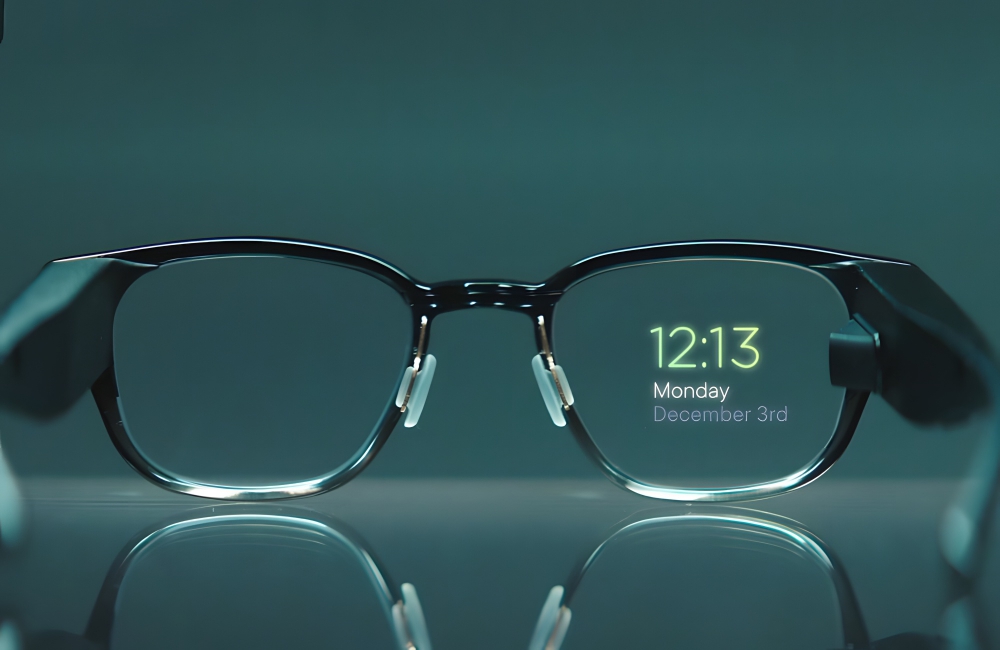
Push Notification Glasses @Cool Stuff Gadgets / Youtube.com
The glasses come in several design specifications. The audio is a tiny mini-speaker, and there are a total of six full-color LED lights. You have to download the Fun’iki Ambient app. The battery is a rechargeable lithium-ion battery.
While most American consumers will quickly recall the ill-fated Google Glasses that failed to take over the market, this Japanese alternative has an interesting edge in that it’s specific to only push notifications. Meaning you aren’t constantly inundated with digital data all the time (unlike Google Glasses).
22. Bear-shaped Posts
What it is: A bear-shaped post barricade
Invented: Unknown
Average Price: Unknown
Japan is known for its love of cartoons and other kitsch items, so it’s natural that this obsession found its way onto the street, too. It’s not clear exactly when these cute bear-shaped posts came from, they popped up on a construction site in the country and were immediately uploaded to the internet.
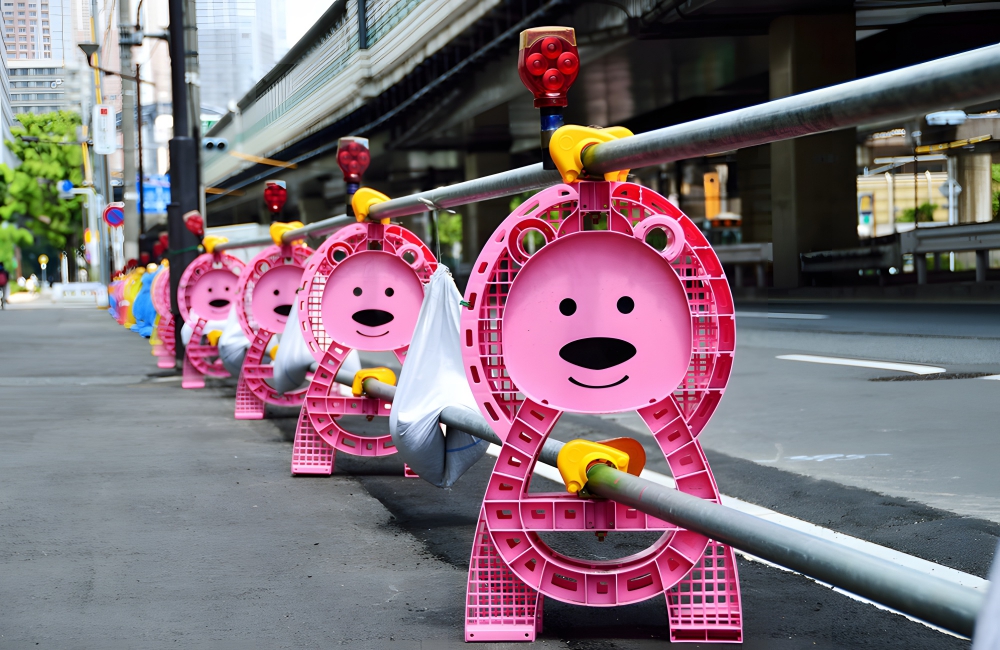
Bear-shaped Posts ©Hachi888 / Shutterstock
Why have boring yellow tape when you can have multi-colored bears with sweet faces to brighten up your day? Construction has never been so cheerful – and commuters have never been so entertained. The only question is, when do we get them?
23. Cat Capsule Vending Machines
What it is: A vending machine for cat hats
Invented: Circa 2015
Average Price: $5*
Kitan Club struck on a niche when they decided to launch a vending machine for cat accessories a few years ago. It all started out with bandanas. The original range proved so successful that it wasn’t long before they began to branch out into hats.
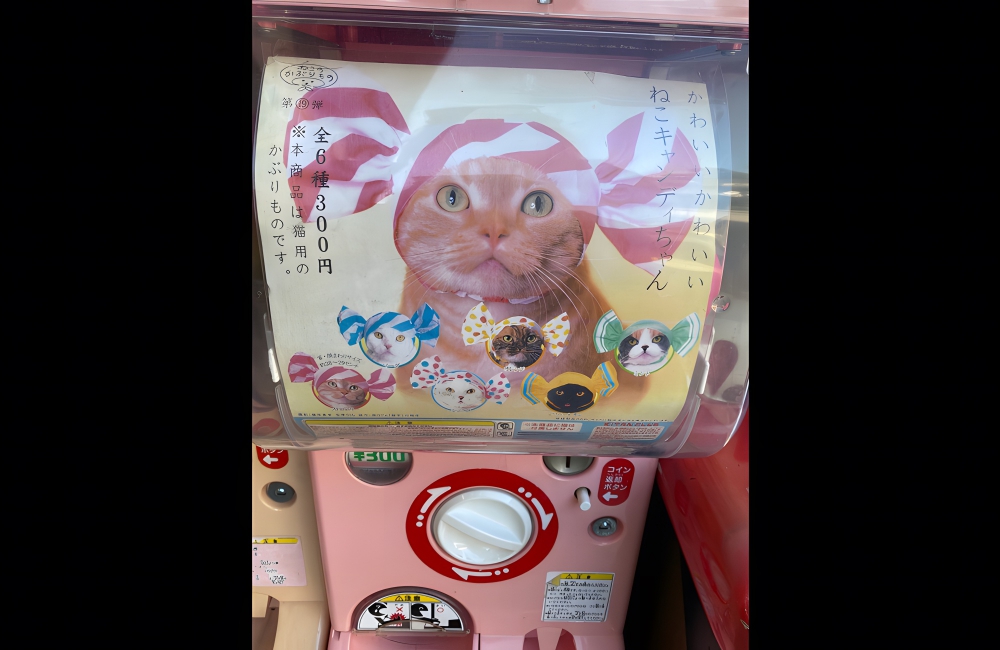
Cat Capsule Vending Machines ©Japan Travel Photos / Shutterstock
People really love cats, so they were quick to purchase the items – not least because they cost between $1 and $5 a pop. Now you can get hats that look like sweet wrappers, hats that look like lambs, and more. It’s a non-stop market that Kitan Club pounced on in a hot minute.
24. Square Watermelon
What it is: A watermelon grown into a cube shape
Invented: 2009
Average Price: $50-$100*
Square watermelons are available only in Japan. Called the shikaku suika, the square watermelon is grown into a cube shape using a tempered glass and is ornamental only. They cost about $50, but some can get as high as $100. The melons are part of the gourmet fruit trend that has swept Japan.
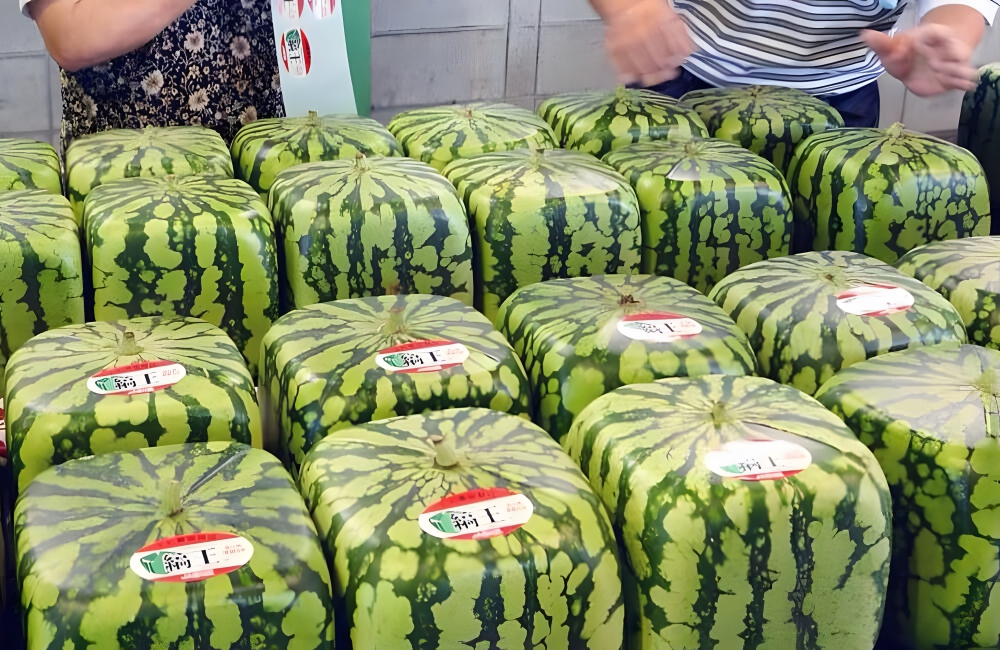
Square Watermelon @Dominique Fuerte / Pinterest
Unfortunately, these shikaku suika are pretty much inedible. They’re harvested before they’re ripe, and that means that they’re green, hard, and tasteless. Though expensive, these square watermelons are cheap compared to the Yubari cantaloupe, which costs $160. One was once auctioned off for $23,500.
This truly unique-looking fruit is such an iconic part of Japanese culture that it can be found in almost all forms of entertainment in Japan – including in video games, anime films, and even some classic Japanese cinema.
25. Space Drone JEM Internal Ball
What it is: A space drone
Invented: 2017
Average Price: Unknown
Drones have been increasing in popularity for decades now, especially when it comes to exploring areas humans can’t easily get to. Back in 2017, the Japanese Aerospace Exploration Agency debuted its little robotic ball. The JEM Internal Ball can hang out in zero-gravity with astronauts.
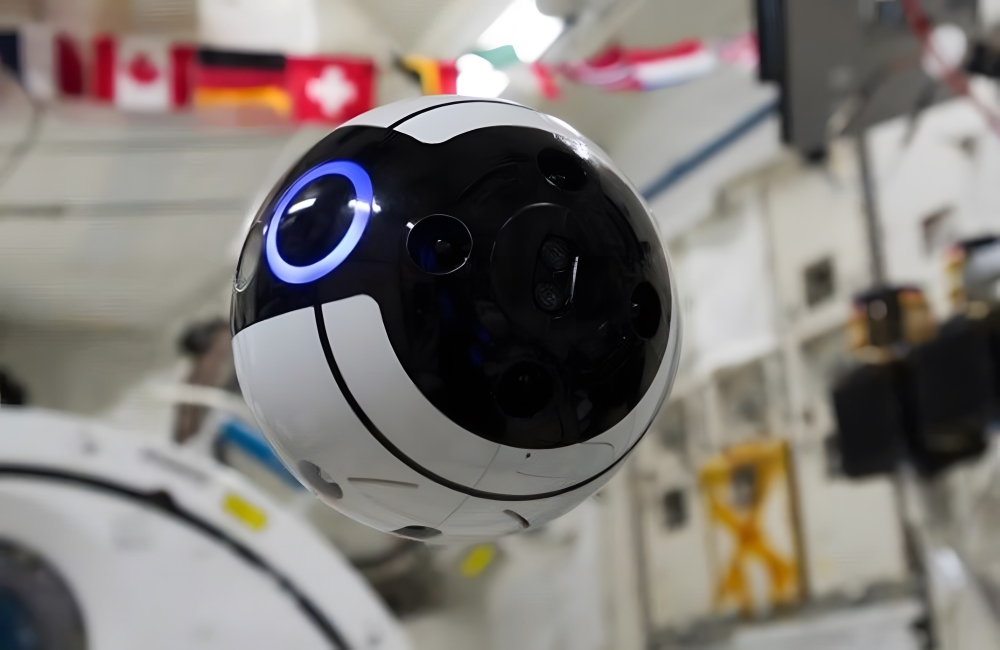
Space Drone JEM Internal Ball @Boian Mitov / Pinterest
This way, it can help them communicate with Earth while also taking pictures. Inventors hoped the Int-Ball would free up some time for the astronauts as they wouldn’t have to worry about taking videos or photographs themselves. The price of the drone is unknown, but it would’ve cost a pretty penny.
26. Lovot Robot
What it is: A mechanical pet
Invented: 2019
Average Price: $3,000*
Japan is the second leading country in the world for technology (behind Finland, followed by America). Japan is home to over 126 million people, which is just 1.7 percent of the total population of the world, yet it has managed to take a strong lead in the technological, scientific, and biomedical sectors.
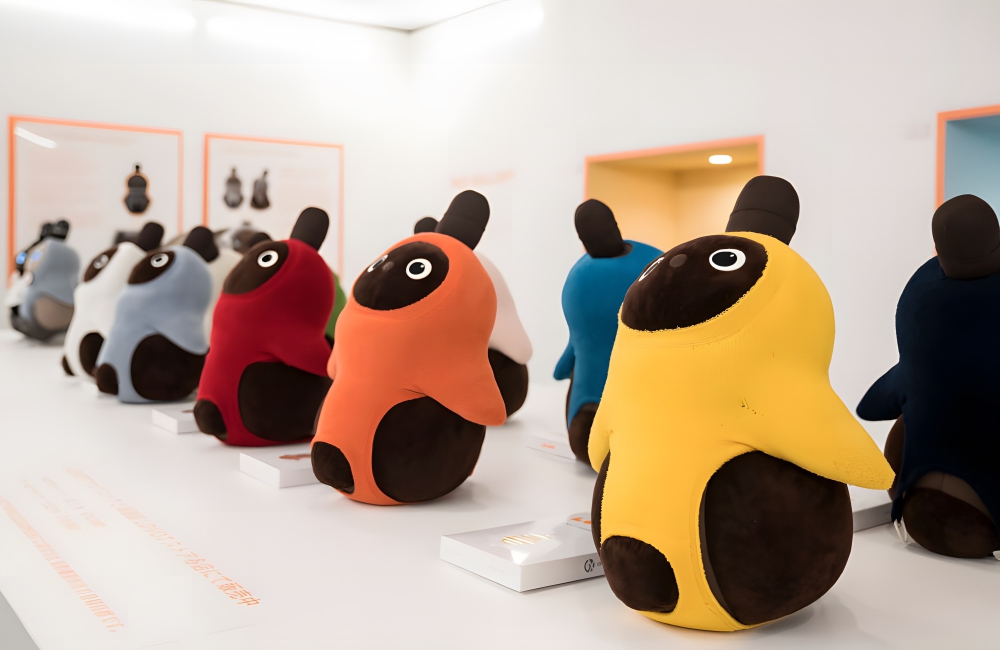
Lovot Robot ©Tomohiro Ohsumi / gettyimages.com
The reasons for that advancement vary; however, a big part of the success of the Japanese have to do with the youth of the population. The country’s academic performance levels are second in the world for math and first in the world for science. Japan spends over 3.5% of its GDP on education. Here are some of the coolest Japanese inventions out now.
27. SoftBank Robotics’ Pepper Humanoid Robots
What it is: A humanoid robot
Invented: 2014
Average Price: $1,500*
Robots come in many shapes and sizes, from smart speakers to roaming vacuum cleaners, but the real jewels are the ones that resemble people. Back in 2014, SoftBank introduced Pepper to the world. According to the website, “Pepper is the world’s first social humanoid robot able to recognize faces and basic human emotions.”
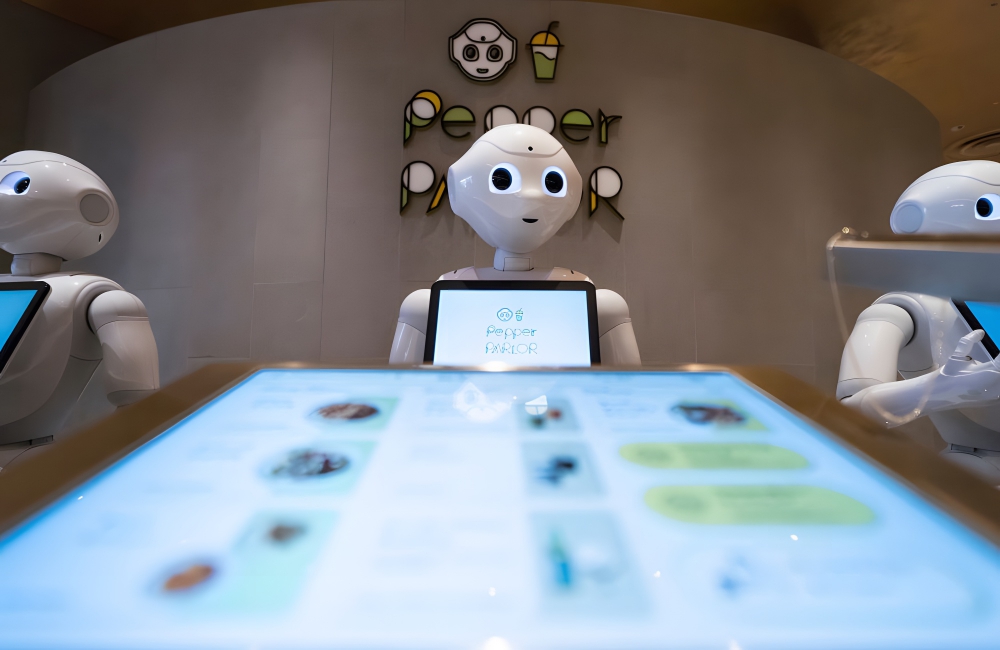
Lovot Robot ©Tomohiro Ohsumi / gettyimages.com
Pepper is an interesting piece of tech, especially because many companies opted to splurge on one for their entrance lobbies. The robot works at HSBC in New York as a host and also worked a shift at the Smithsonian in London.
28. Eyedrop Glasses
What it is: Funnel glasses that help you put eyedrops in
Invented: 1991
Average Price: $15-$20*
A lot of people can’t put medication in their eyes. Whether that has something to do with a fear of something going in their eyes or they just don’t like it, it’s a big problem. Japanese eyedrop glasses are there to fix the problem. The eyedrop glasses contain a funnel balanced on each of the lenses.
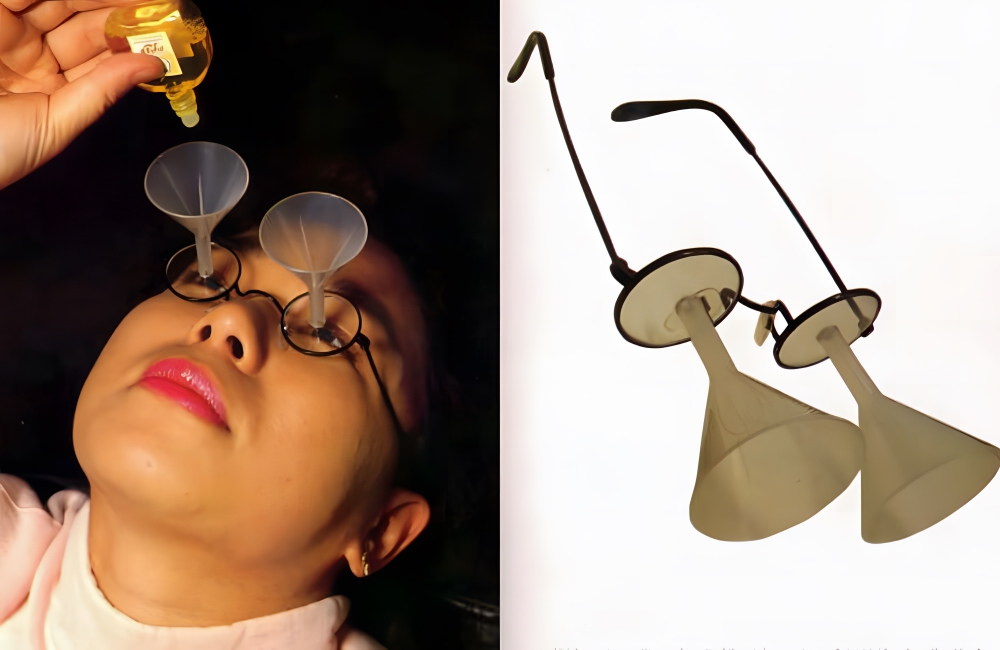
Eyedrop Glasses @LadyOMary / Twitter.com
You put the medication into the funnel, keep your eye open, and it goes right into your eye without a problem. The glasses are made by Topcon, located in Tokyo, Japan. According to the U.S. Patent Office, these eyedrop glasses were first patented in 1991.
29. Splash Protector
What it is: A mask that stops food getting into hair
Invented: Unknown
Average Price: $10*
Noodles and other wet dishes are common at meal times in Japan, so it’s not surprising that someone came up with this quirky invention. While these wearable splash guards are designed to stop pesky noodle juice from getting into your hair, they never really became a commonly used item.

Splash Protector @Cher Ross / Pinterest
That’s not to say that they aren’t very handy, though. Made from silicone, the guards perfectly frame your face in case of messy accidents. It’s not the most fashionable thing for diners to wear, which might explain why they’re mostly used at home and not out at fancy restaurants.
30. Toe Stretcher
What it is: Helps you create space between your toes
Invented: 2016
Average Price: $75*
Made by Genki-kun, the Genki-kun Toe Stretcher aims to help people that have foot problems. If your toes are too close together, that can cause circulation problems and foot stress. The Genki-kun is made of soft material that places a rod between each of your toes, creating space and hopefully stretching the toes enough that they naturally become more spaced out.
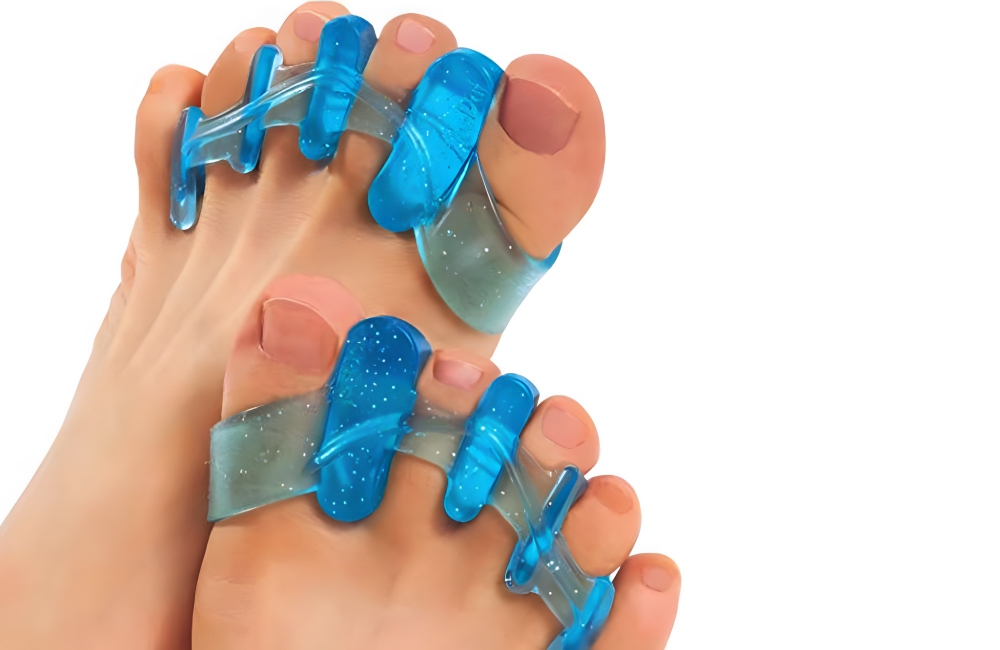
Toe stretcher @Sue Hindle / Pinterest
The Genki-kun is available in three sizes and various colors, and it is made of polyethylene. It isn’t uncomfortable, but it works over time to help you improve balance and create more space between the toes. FYI: it’s not waterproof, so don’t wear it in the bath.
Those hoping to extend their toe-gaps should be careful not to wear this device for longer than the recommended period. After all, with so many tiny bones and delicate ligaments in the human foot, it’s better to err on the side of caution with most foot-related things.