
155. Use Hydrogen Peroxide To Help Plants
Materials needed: 3% hydrogen peroxide, 1 gallon water
Cost To Make: $8.49 per 16 oz. jug*
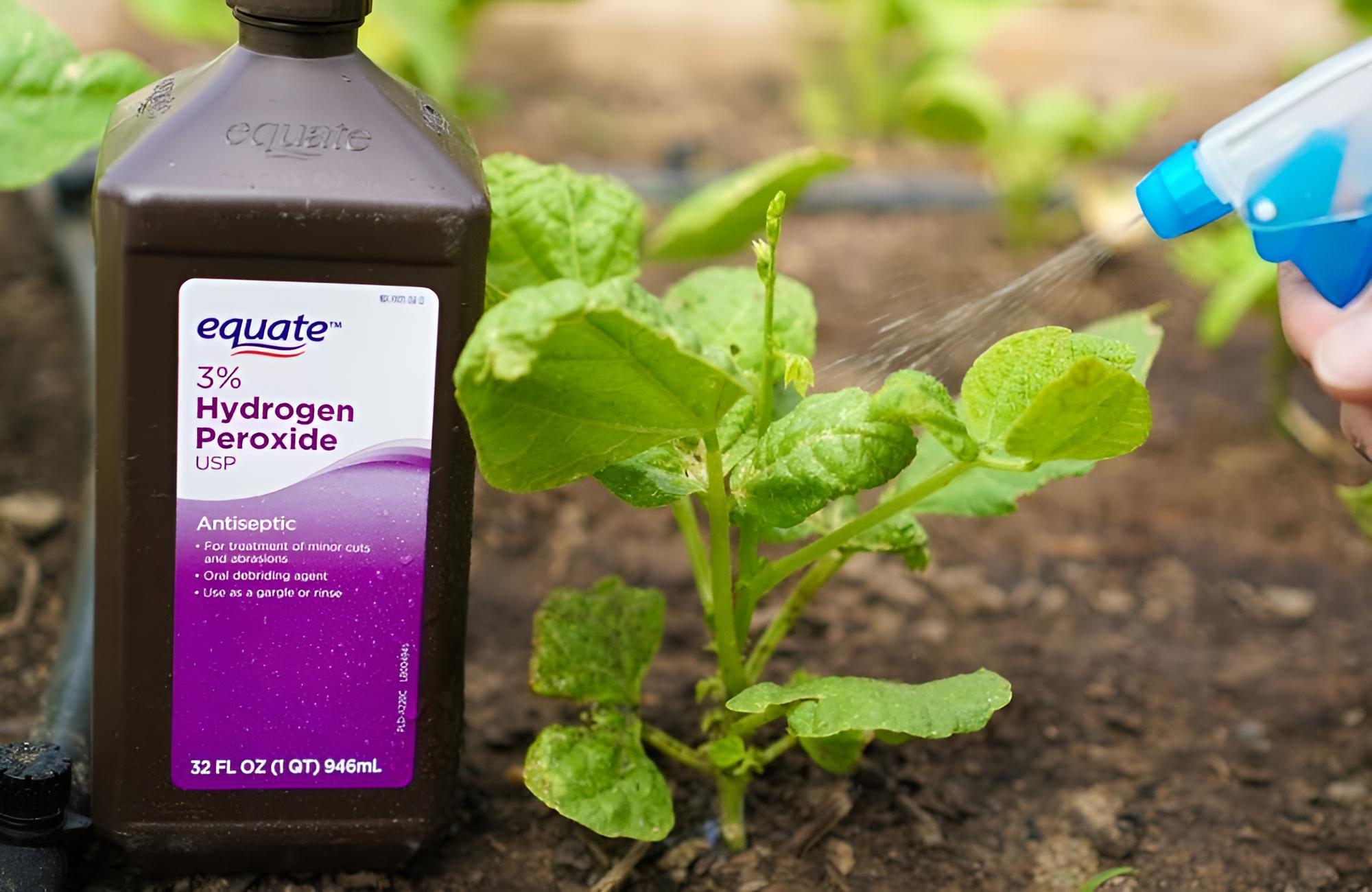
You might think that strong-smelling hydrogen peroxide can hurt plants, but you’d be wrong. Actually, this solution can help your plants, due to the extra oxygen that it provides. After all, hydrogen peroxide is H202. When you add hydrogen peroxide to plants, you add extra oxygen to their roots.
Use Hydrogen Peroxide To Help Plants @DaisyCreekFarms/Youtube
This boosts the plants’ healing process, treating fungal growth on the roots. Hydrogen peroxide bursts through the fungi’s cell walls, killing it and keeping more from growing. You’ll need to sufficiently dilute the solution, mixing one tablespoon of 3% H202 with a gallon of water. Spray your plants every week, if you’re using this mix as a preventative measure.
156. DIY Self-Sharpening Garden Tool Holder
Materials needed: Terracotta pot, sand, mineral oil
Cost To Make: $10*
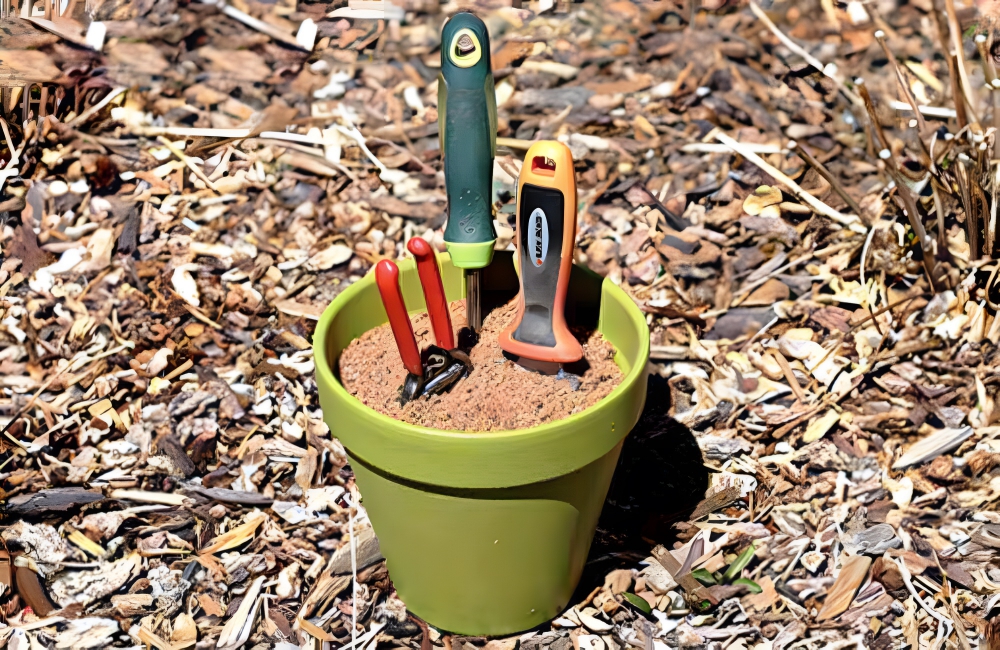
Do you have an old terracotta pot lying around that you never use? Put it to work as a DIY tool holder and organizer. When you’re in the garden, you probably don’t just want to strew your tools everywhere, as that could lead them to get dirty or rust.
DIY Self-Sharpening Garden Tool Holder @byjillee/Pinterest
In a terracotta pot, add sand and mineral oil, creating, essentially, damp, chunky mixture. When you put your tools in the pot, the consistency of the mix will keep them standing, while the mineral oil and sand will both clean and sharpen them simultaneously. All in all, this hack shouldn’t cost more than around $10.
157. Smother Weeds With Newspaper
Materials needed: Newspaper, water
Cost To Make: $1-$5*
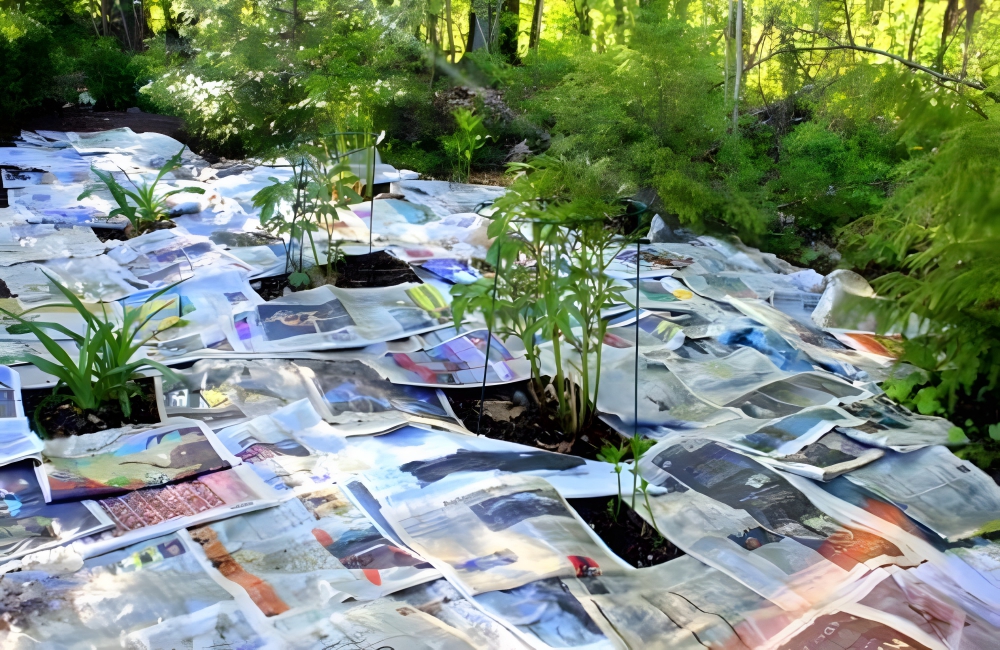
Newspaper is one household item that can be put to work in your garden. Weeds, like pests, are a nuisance that every gardener eventually has to put up with. You can use newspapers to, effectively, smother weeds. First, you’ll need to water your flower bed (that way, the newspaper will stick to the soil).
Smother Weeds With Newspaper @thegardeningsoul/Pinterest
Cover the bed in newspapers and re-water it. The newspaper will suffocate weed, while still letting water and nutrients through to penetrate the plants you do want there. You can also do this hack with cardboard, if that works better for what you have on-hand.
158. Don’t Skip The Mulch In Your Garden
Materials needed: Mulch
Cost To Make: $10-$50 per bag*
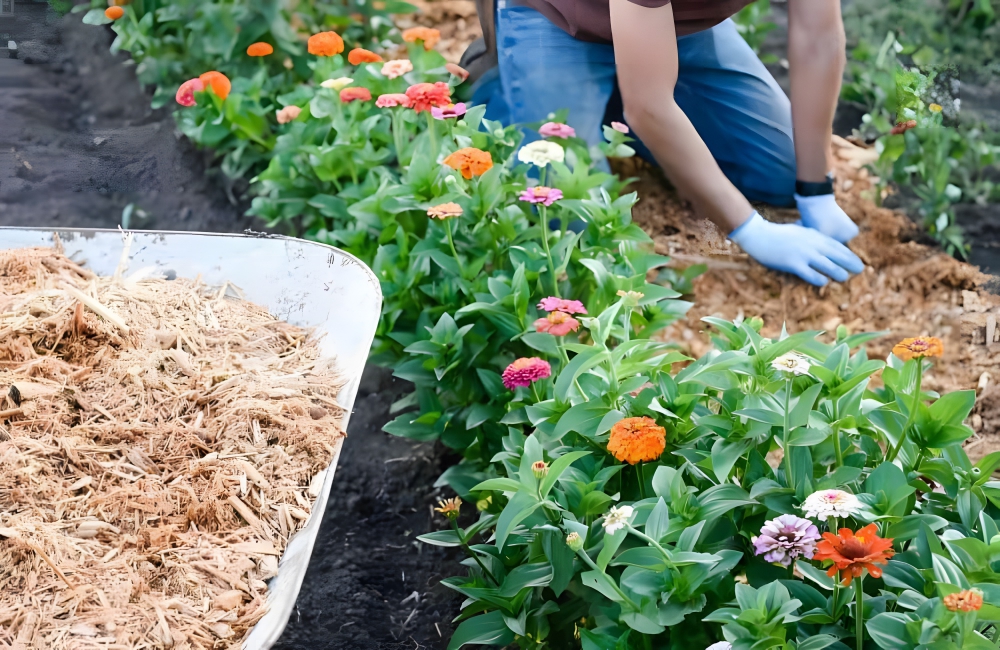
Mulch is very important, and, though it is an extra step (and a bit of a smelly one, too, depending on what kind of mulch you purchase), it is worth it. Mulch is an insulator, helping regulate soil temperature. It keeps your plants’ roots warm in winter and cool in summer.
Don’t Skip The Mulch In Your Garden @bhg/Pinterest
This process is especially important for new planting in the fall, as these plants are tender, but have to survive the temperatures dropping rapidly. Additionally, mulching conserves moisture. The more time you spend mulching, the less you have to spend watering. The best types of mulch include shredded hardwood, wood chips, cocoa shells, compost, shredded rubber, and stone. You can also buy premade mulch from your local garden supply store.
159. Plastic Wrap Can Be Helpful In The Garden
Materials needed: Plastic wrap
Cost To Make: $5-$8*
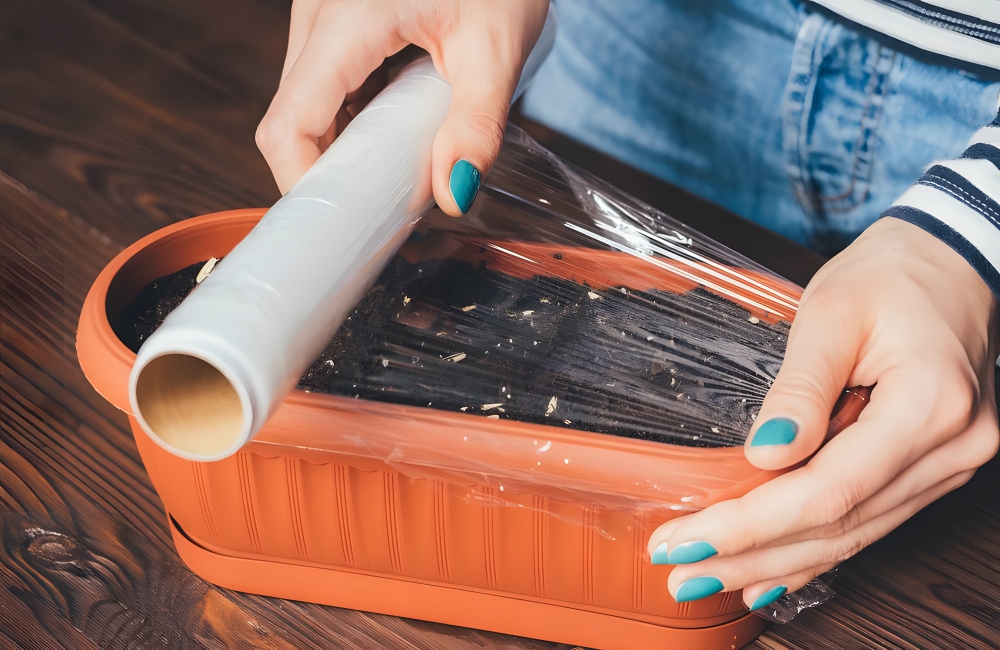
The same plastic wrap (also known as Saran wrap or cling film) that you use in your kitchen might also have benefits in your garden. This film holds in heat and moisture, making it a great tool if you’re looking to get a greenhouse effect with your plants.
Plastic Wrap Can Be Helpful In The Garden ©progressman/Shutterstock.com
If you’re planting plants that might need a little T.L.C. to get started, consider covering the pot or planter with plastic wrap. This will enhance the greenhouse effect, shielding these seedlings and helping them grow as efficiently as possible. You can find this wrap at your local grocery store, as well as on Amazon.
160. Plant With Pests In Mind
Materials needed: Pest-resistant flowers
Cost To Make: $5-$50 per flower* (Price Varies)
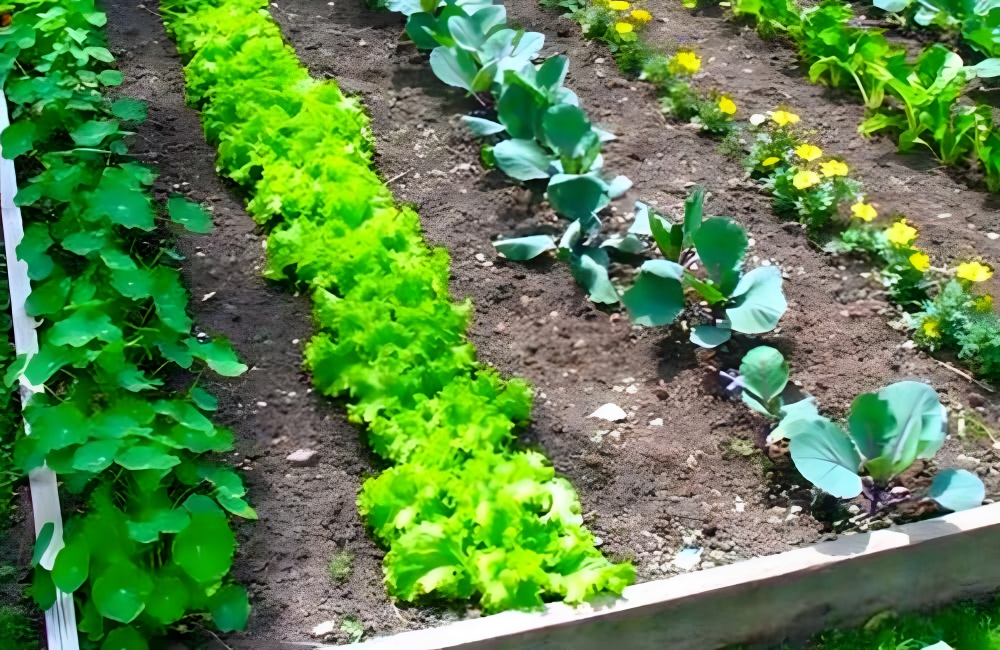
While a lot of gardening how-tos are focused on pest treatment, it’s also important to keep pest prevention in mind, too. When you’re planting your garden, keep pests in mind. Plant flowers that will act as pest deterrents. You can find hardy, beautiful flowers that will deter insects from setting foot in your garden.
Plant With Pests In Mind @onelittleproject/Pinterest
Petunias, nasturtiums, marigolds, lavender, geraniums, chrysanthemums, calendula, asters, and, and more all act as pest deterrents. Intersperse your more delicate vegetable and fruit plants with these flowers to create an attractive, hardy, functional garden that is protected against nasty insects.
161. Check Soil pH At Home
Materials needed: Two tbsp. soil, water, bowl, vinegar, baking soda
Cost To Make: $5*
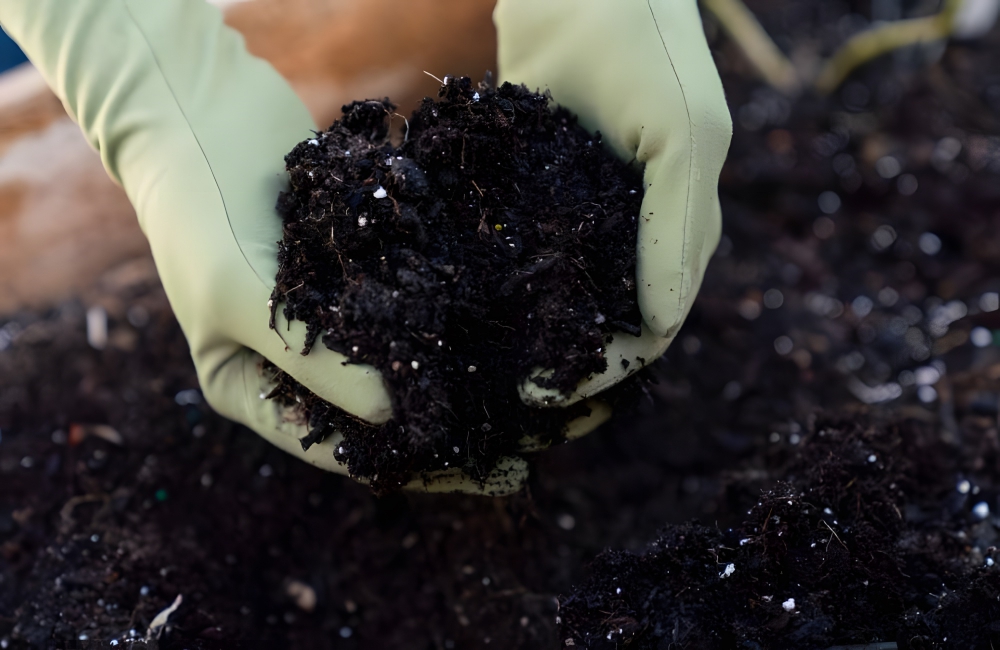
While you can buy a soil pH tester at stores like Amazon and Walmart for $7-$12, you can also test it at home using the “Pantry pH Test.” For this test, you’ll need two tablespoons of the soil you want to test, as well as a bowl and a half-cup of vinegar. Put the soil into the vinegar and, if it fizzes, you have alkaline soil.
Check Soil pH At Home @thespruceofficial/Pinterest
If it doesn’t fizz, it’s time to do another test. For this one, you’ll need distilled water and a half-cup of baking soda. Moisten two new tablespoons of soil with distilled water. Then, add a half-cup of baking soda. If the mix fizzes, your soil is acidic.
162. Tool Bucket
Materials needed: 5-gallon bucket
Cost To Make: $5 at Home Depot*
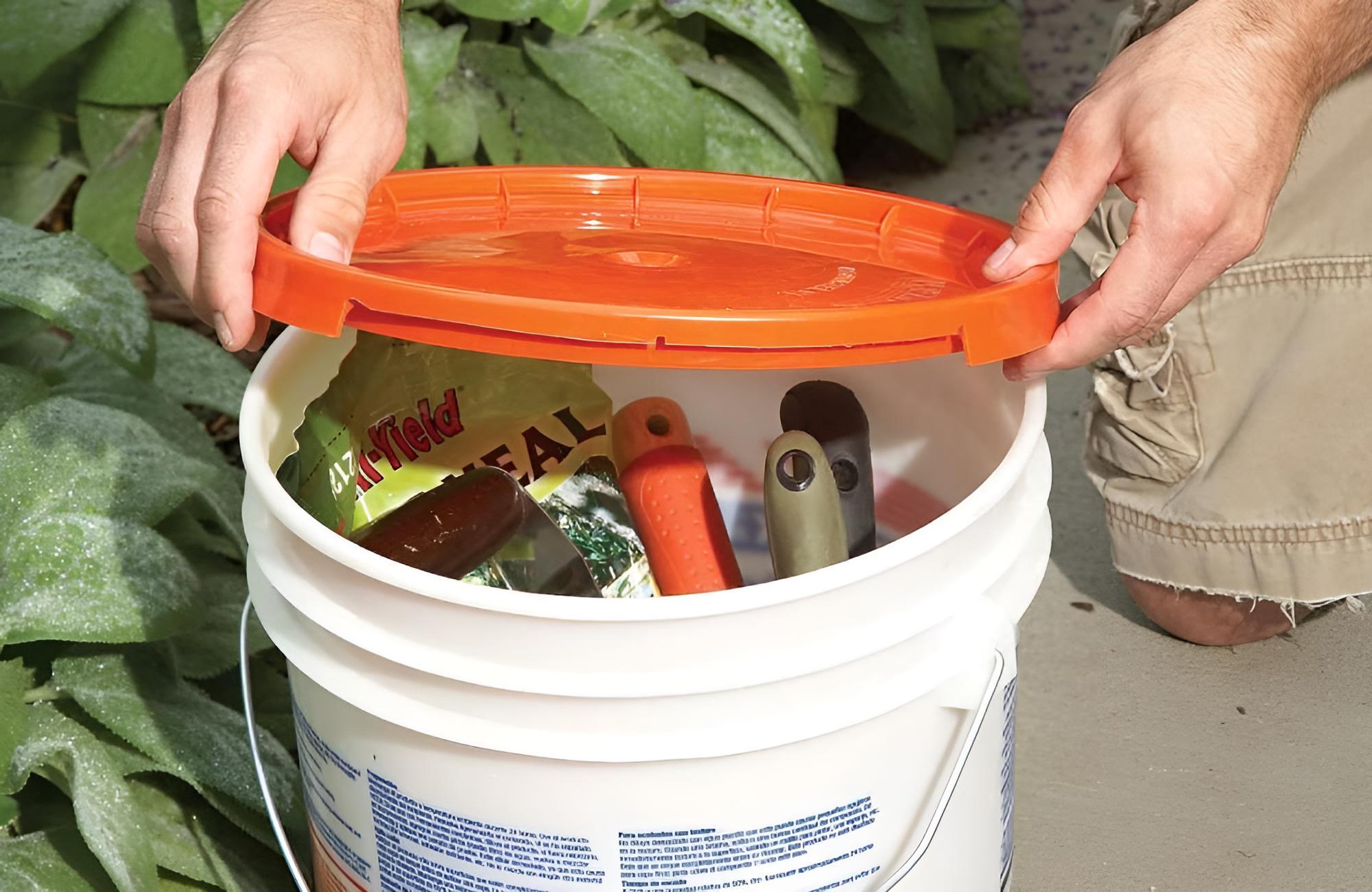
Gardeners have been sharing their advice for how they make working in the yard easier, and this hack is pretty ingenious. A five-gallon bucket is an excellent way to hold tools, as you can pop the lid on to protect them from rain.
Tool Bucket @family_handyman/Pinterest
Additionally, this bucket acts as a portable stool when you need to do some pruning (or just take a rest). The lid can be a bit hard to pry off, but you can solve that issue by cutting off all but two of its plastic tabs. After you do that, the lid will pop on and off quickly and easily. You can find this bucket for just $5 at Home Depot.
163. Plant Perennials
Materials needed: Perennials
Cost To Make: $10-$50 per plant*
Perennial plants are very hardy, as they live for more than two years and can be planted, essentially, whenever the soil is workable (though there are some seasons that are better than others). The word “perennials” differentiates these plants from biennials and annuals, both of which are shorter-lived.
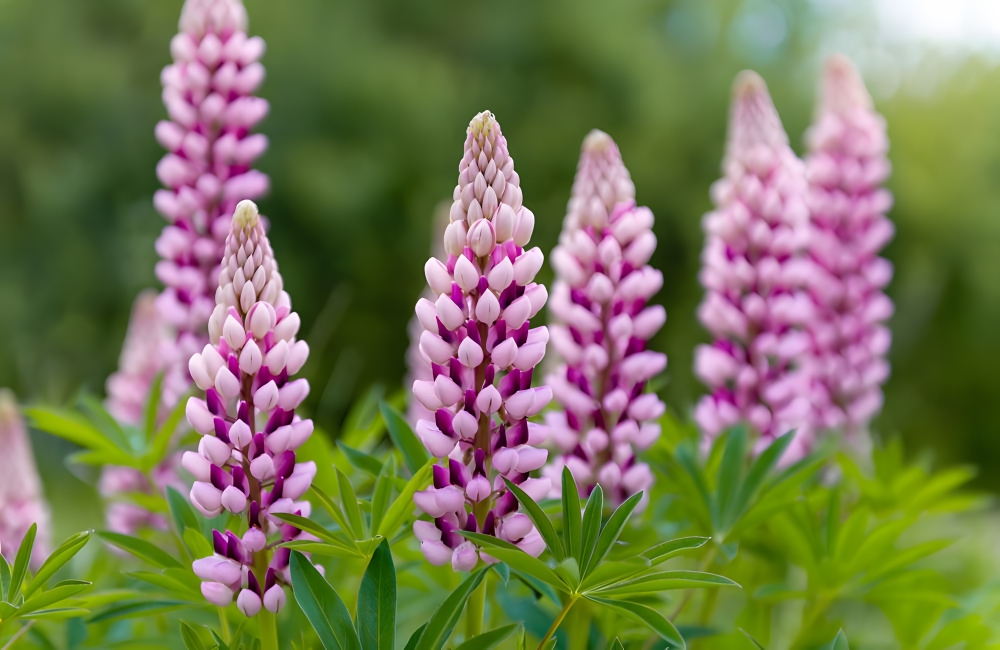
Plant Perennials ©Vladiri/Shutterstock.com
Some of the most beautiful perennials include Russian Sage, Cranesbill Geranium, Salvia, Bleeding Heart, Poppy, Giant Allium, Black-Eyed Susan, and the Money Plant. The best times to plant these perennials are during the fall and spring, though, as mentioned, you can technically put them in the ground so long as the soil is workable.
164. Choose Easy Crops
Materials needed: Seeds, soil, water
Cost To Make: $5-$25* (Varies Based On Plant)
If you want to be a crop farmer, no one says that you have to start at Level 10 first. Grow easy crops, such as lettuce, peas, radishes, turnips, sunflowers, beans, winter squash (pumpkins included), and sweet potatoes. According to Southern Exposure, these are all “easy crops to grow from seed.”
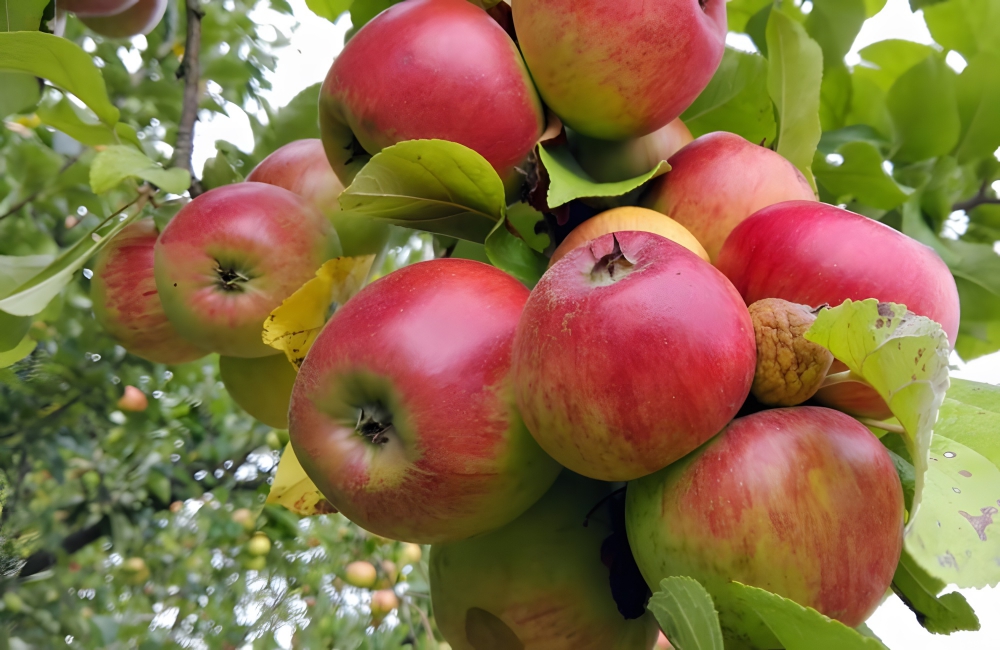
Choose Easy Crops ©Sunny25/Shutterstock.com
Green beans are particularly easy to grow, even in bad soil, as they fix the nitrogen while they sprout. Conversely, some of the hardest crops to grow and maintain (the so-called “Level 10” crops) include celery, carrots, watermelon, cauliflower, artichoke, and onion. Once you’ve tackled the easy crops, you can, if you’re feeling brave, try a hard one or two.
165. Use A Fork To Harvest Herbs
Materials needed: Fork
Cost To Make: $0*
Each herb requires a different type of harvesting. For example, basil, a leafy annual herb, needs to be pinched at its stem’s tip, gathering multiple leaves at once. Cilantro, rosemary, and parsley, by contrast, should be cut off near the bottom of the branch. Meanwhile, oregano, sage, thyme, and tarragon should be harvested by their stem in the sprigs.
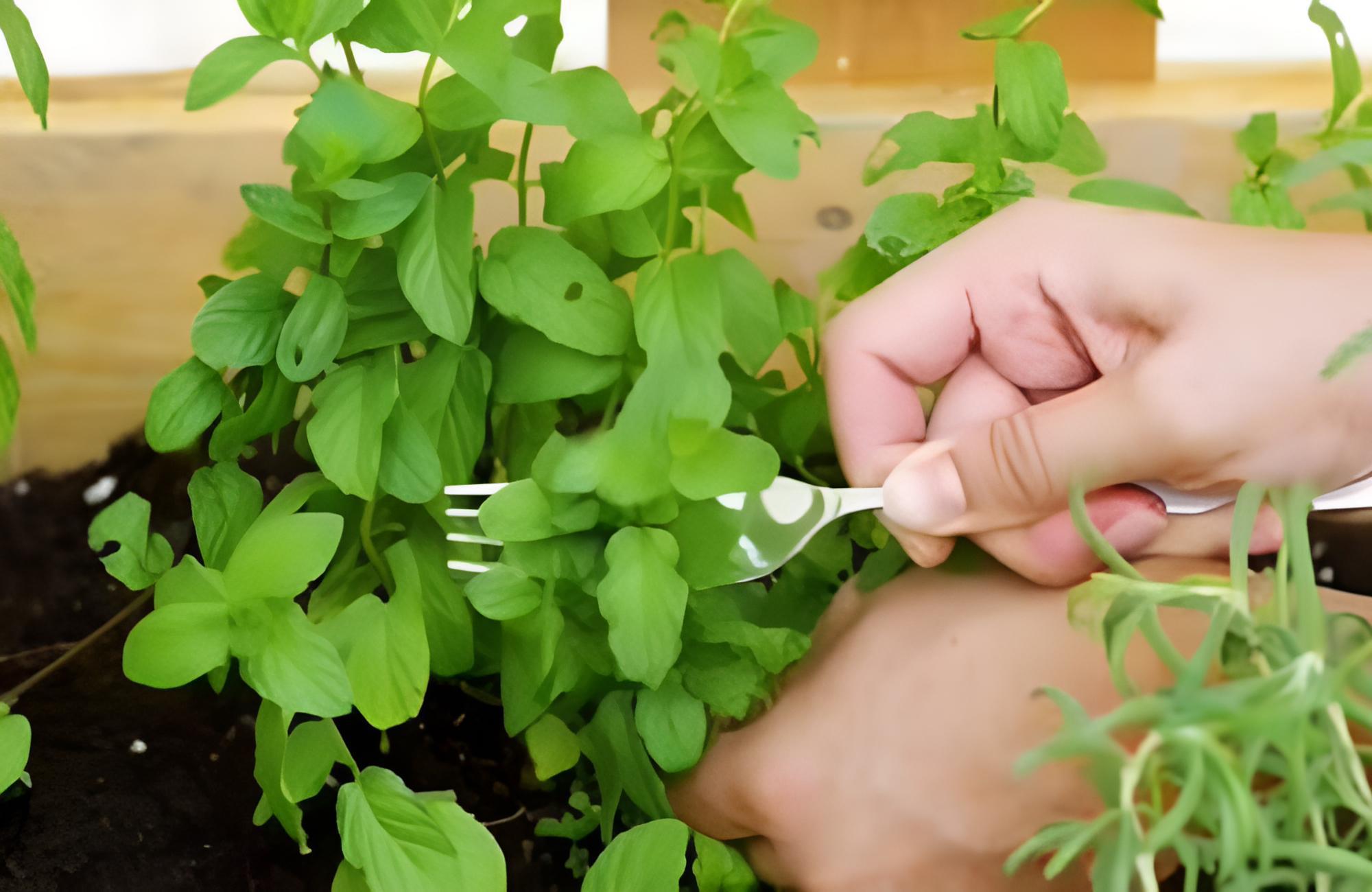
Use A Fork For Harvesting Herbs @5-Minute Crafts/Youtube
For some herbs, you might find that a fork is an easy way to harvest herbs, rather than use your hands or clumsier tool. Forks are precise, and their tines make harvesting easy. They can also loosen the soil around the plant, if you need to dig up the roots.
166. Ladybugs Might Actually Help You
Materials needed: Ladybugs
Cost To Make: $0*
When it comes to your garden, you might be of a mind to remove any and all insects you catch wandering through your precious plants. However, when it comes to the red-and-black ladybug, you might want to let this friendly critter pass.
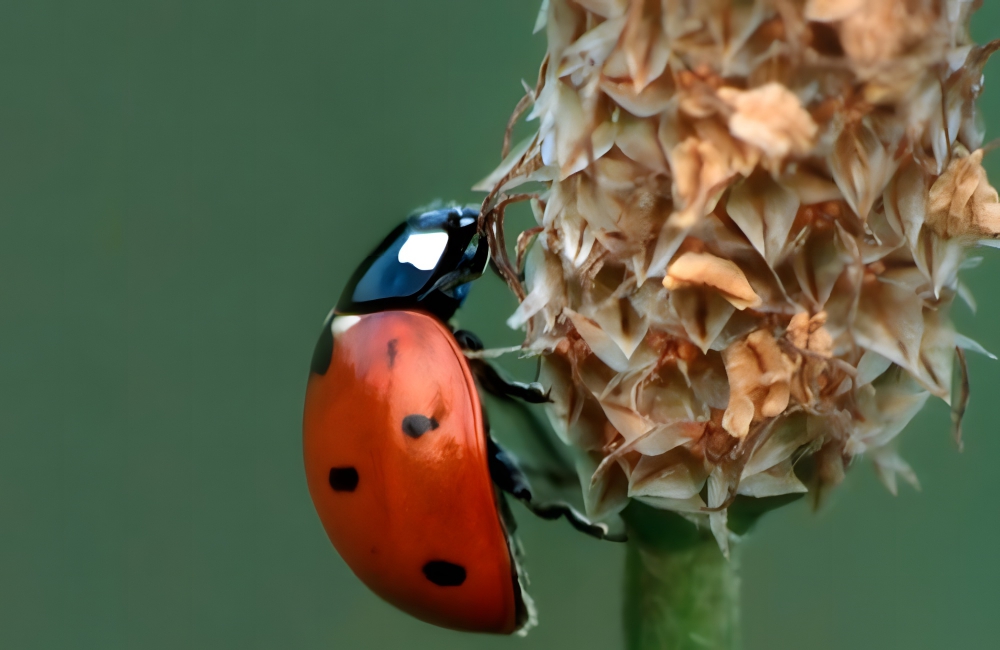
Ladybugs Might Actually Help You @dengarden0056/Pinterest
According to HGTV, these bugs are beneficial insects in the garden, as they love eating common garden pests. Ladybugs have a particularly voracious appetite for aphids. That said, don’t get fooled. Multicolored Asian Beetles have been known to look a lot like ladybugs, but these invasive beetles are their own species, and these yellowish bugs can do damage to your garden.
168. Keep Those Instructions Handy
Materials needed: Instructions
Cost To Make: N/A
Just like with baking, failure to read the instructions on the back of a seed packet can lead to an unforeseen disaster. On every seed packet, bag of mulch, and gardening tool, there are instructions. Read these instructions, especially if you’re new to gardening.
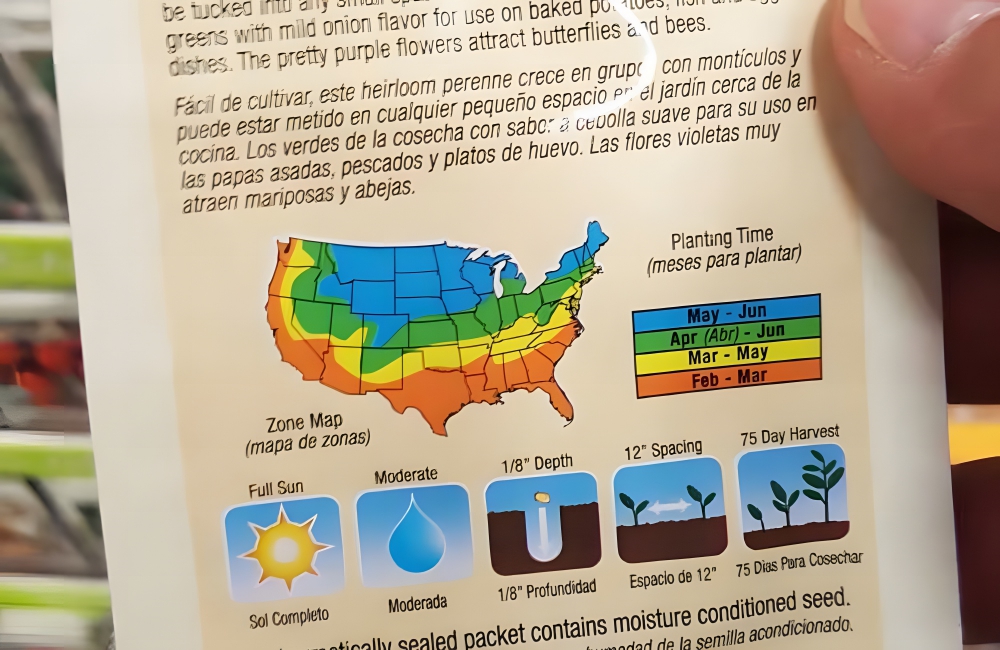
Keep Those Instructions Handy @gardenerspath/Pinterest
The instructions will tell you how much to water, how to plant, and what to avoid. If you follow the basic how-tos, you’ll stand a good chance of success while planting. Each plant is different, and you need to treat them as such to ensure that they grow properly.
169. Check Your Grocery Bag For Crops
Materials needed: Scraps
Cost To Make: $0*
Believe it or not, there are some herbs, fruits, and vegetables that you can regrow just from cuttings and scraps. Check the bottom of your grocery bag before you toss it out or recycle it, as you might have a whole new plant sitting there that needs some T.L.C. to grow.
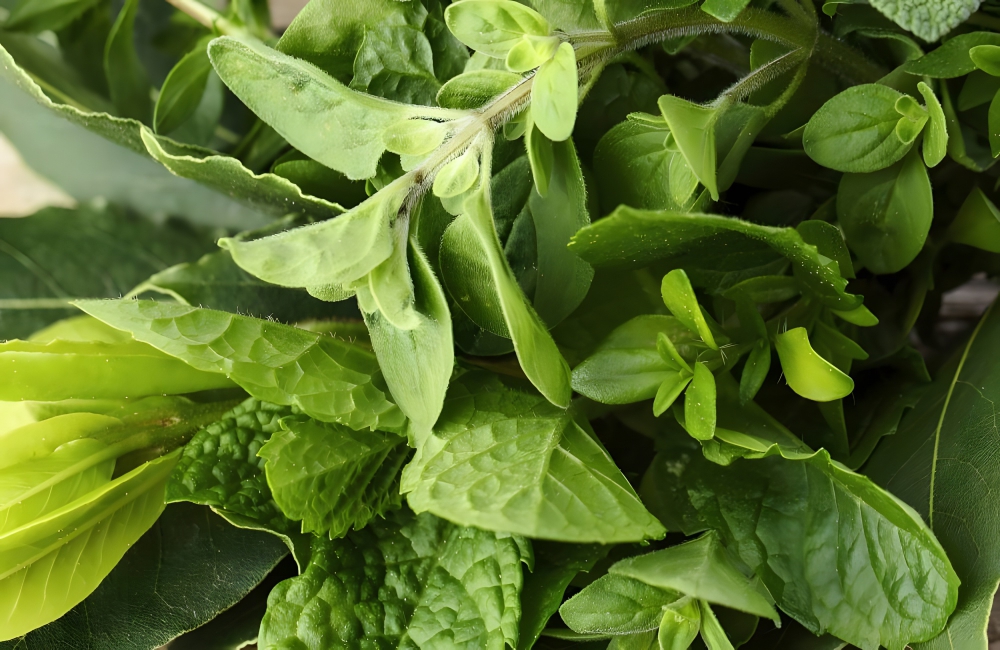
Check Your Grocery Bag For Crops @ella777111/Pinterest
Green onions, celery, romaine lettuce, garlic, potato, sweet potato, ginger, and cilantro, basil, and other herbs can all be grown from scraps. Each has their own directions and instructions, with varying levels of difficulty, but you’ll find, with a little work, that you have a self-growing supply of some of your favorite kitchen staples.