
123. Put Up Shelves
Materials needed: Old shelves, nails, drill
Cost To Make: $5-$10*
When most of us think about putting up shelves, we think about doing it inside the house. However, adding shelves in your garden can be a great way to get more space and add more stylish touches to your yard.
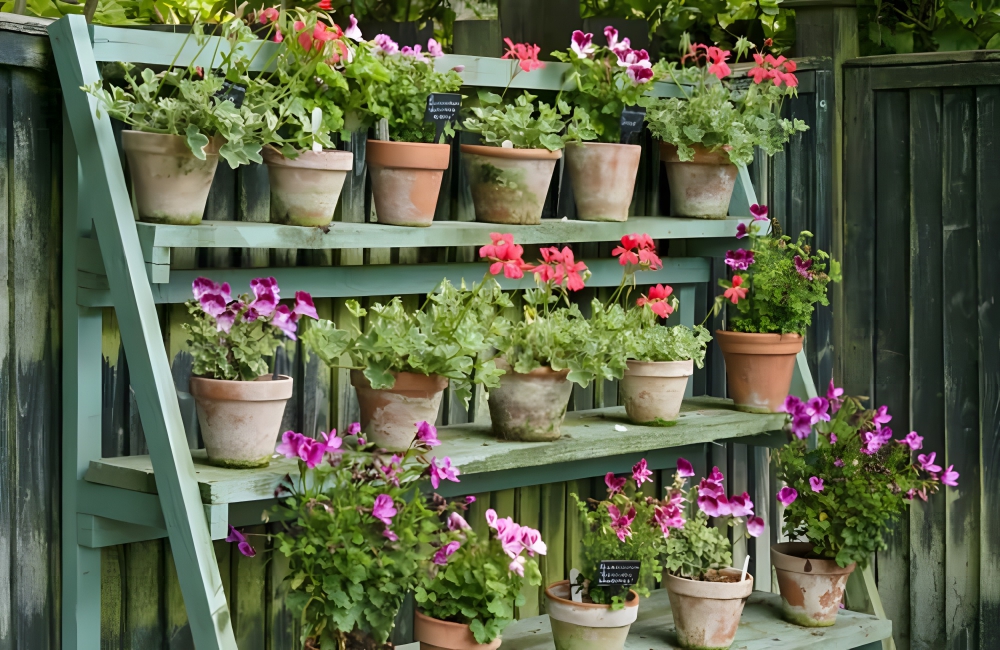
Put Up Shelves ©Fotimageon/Shutterstock.com
If you don’t have any wall space, you can put shelves up on your fence. Just be sure to check with your neighbor first if the fence falls on their land, and don’t put anything too weighted up. No one wants a falling down fence just because it looks nice.
124. Make A Bike Rack With Pallets
Materials needed: An old wooden pallet, screws, drill
Cost To Make: $5-$10*
If you don’t have a shed or a garage, leaving bikes in the yard freestanding can be a logistical nightmare. They fall over, get in the way, and look generally untidy. You don’t have to spend a fortune on a special bike rack, though. Instead, pick up a couple of old pallets.
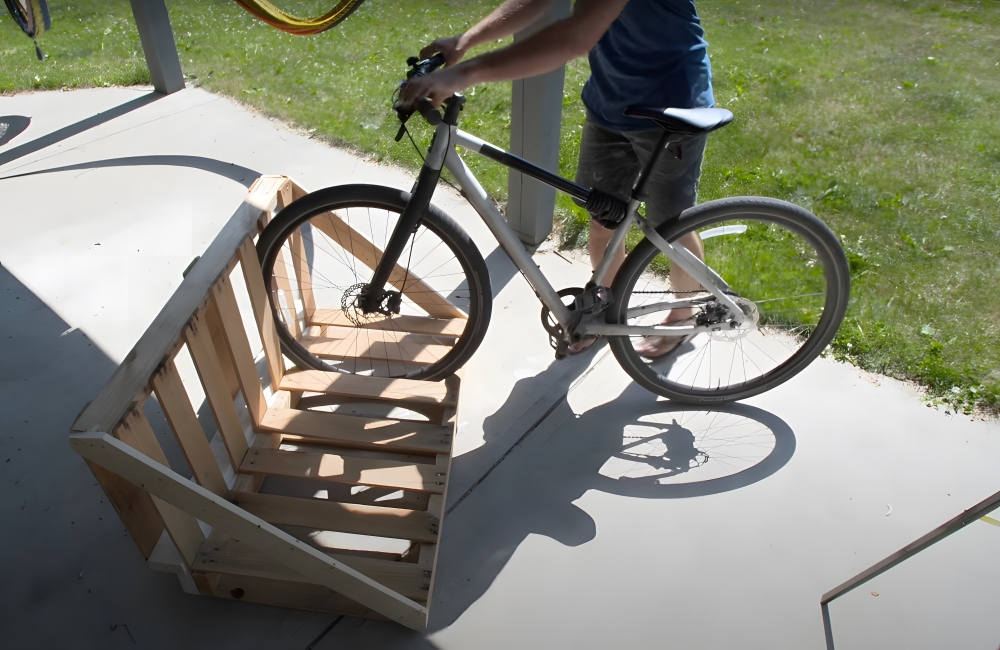
Make A Bike Rack With Pallets @Tim Shaw/Youtube
By putting them together, you can make a bike rack that is just as good as the last. It will need a little bit of drilling and cutting down, but if it saves you cash in the long run then it’s worth every single second. Plus, the pallet can be painted to make the garden decor.
125. Keep Dogs Off The Lawn In Wet Weather
Materials needed: N/A
Cost To Make: N/A
This one is easier said than done, but it will make a huge difference when spring and summer come around. In the winter time, do your best to keep your dogs off of the lawn – especially in wet weather. Dogs absolutely ruin lawns with their paws and running around.
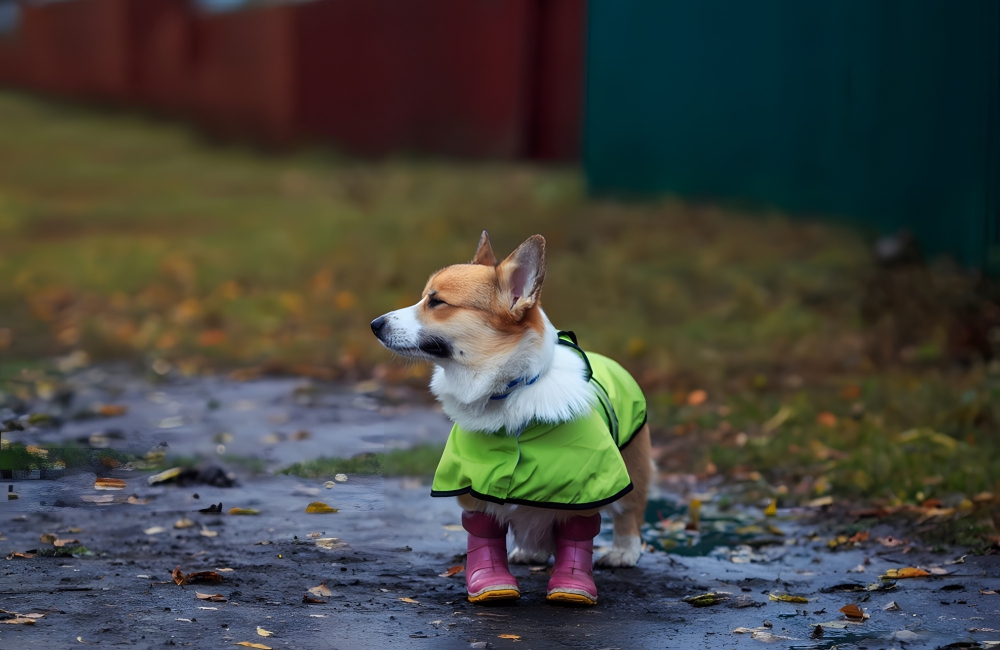
Keep Dogs Off The Lawn In Wet Weather ©Bachkova Natalia/Shutterstock.com
If you don’t take steps to keep Fido on the paving slabs, you may need to re-seed the entire lawn. That’s an added expense that no one wants, especially in these trying times. Acting now will seriously impact your chances of having a beautiful, green slice of paradise.
127. Get Creative With Fence Panels
Materials needed: Paint
Cost To Make: $50*
Fencing is one of the most dominant parts of the garden, but it’s also one of the most overlooked parts. Most people settle on standard colors for their fencing, from brown to grey. However, you can get fence paint in almost any color you like.
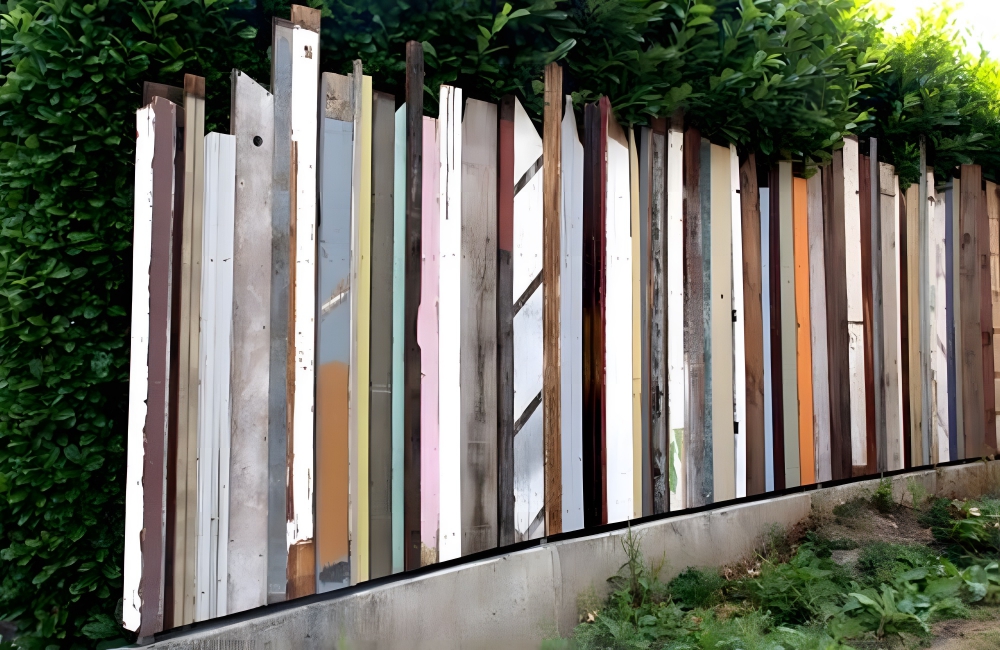
Get Creative With Fence Panels @sweedey/Pinterest
It’s a big job and a big commitment, but why not get creative with your fence panels? You can chose whatever colors you like and inject some brightness into your yard. If you’re on a budget, this could totally transform your space with just a little bit of effort.
128. Stop Blight With A Penny
Materials needed: Four to six pennies
Cost To Make: $0.04-$0.06*
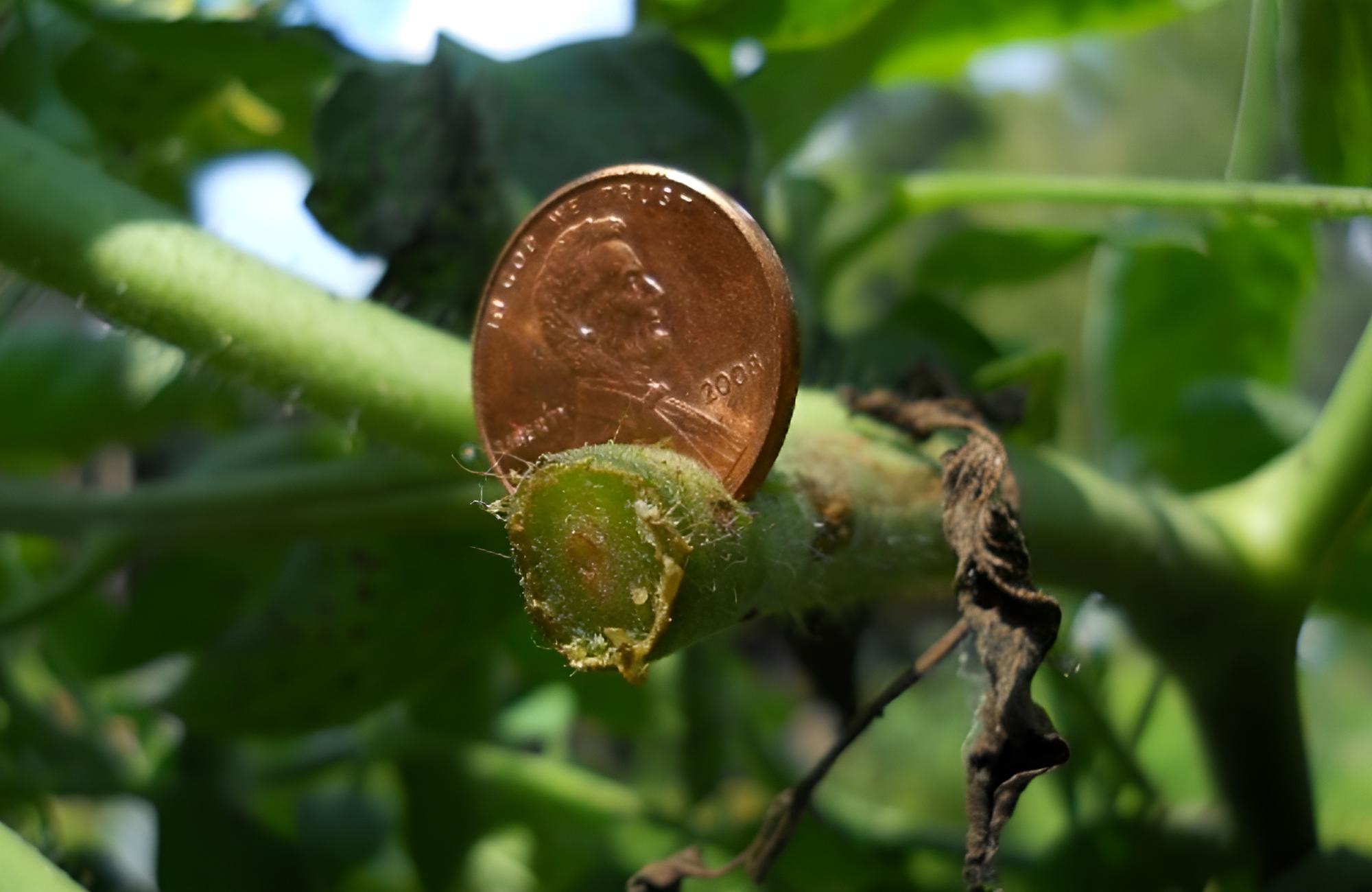
Blight is the Grim Reaper of the garden. It is a plant disease that causes your beloved flora to wither. The root cause of blight is usually mildew, rust, smut, and other fungi. An old gardening folk tale has suggested that a simple penny can stop blight if you insert it into your plants the right way.
Stop Blight With A Penny @balconygardenwe/Pinterest
Walden Effect has a step-by-step photo tutorial on how to insert the penny. These pennies work particularly well on soils that are highly alkaline or acidic, as that soil type causes the copper levels to deplete. Another way to make sure your soil retains its copper is to insert four to six pennies in the plant pot.
129. Keep Melons Safe With Pantyhose
Materials needed: Pantyhose, twine
Cost To Make: $10*
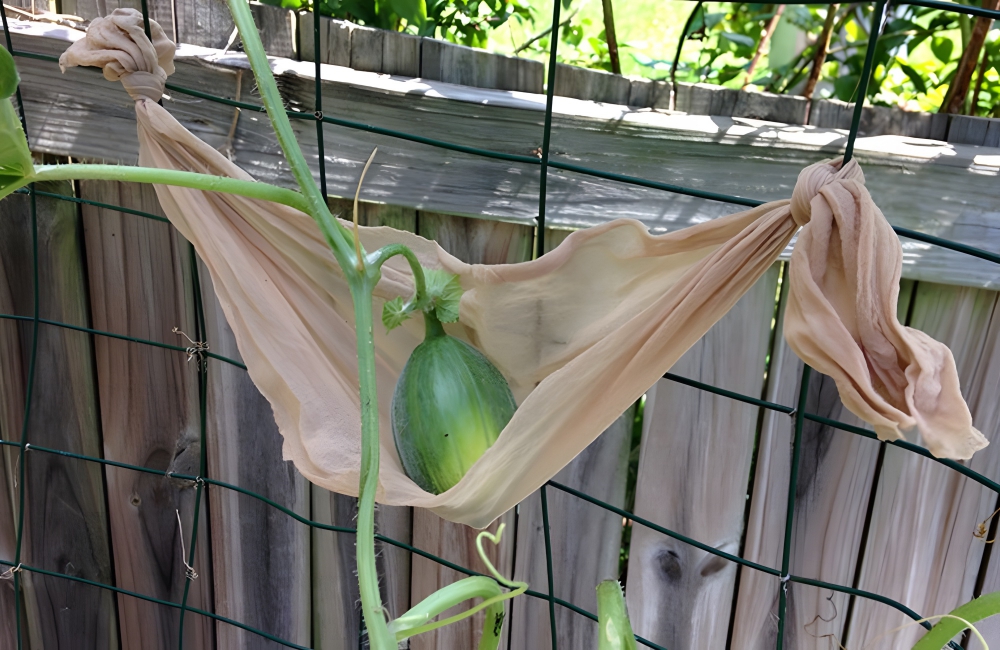
You worked hard to grow your melons, and the last thing you want is for them to spoil. Pantyhose can keep your fruit from rotting, as they will hold the melons, elevating them above the soil to keep the bottom from rotting out.
Keep Melons Safe With Pantyhose @arielrebaugh/Pinterest
Wrap the hose around the melon, ensuring that the bottom of the melon and the bottom of the pantyhose connect. At the top of the hosiery, tug and gather it so that you can tie a piece of twine around the gathered section. Use this to elevate the melon above the ground level, keeping it safe from rot.
130. Keep Your Nails Dirt-Free By Using Soap
Materials needed: Bar of soap
Cost To Make: $1-$3*
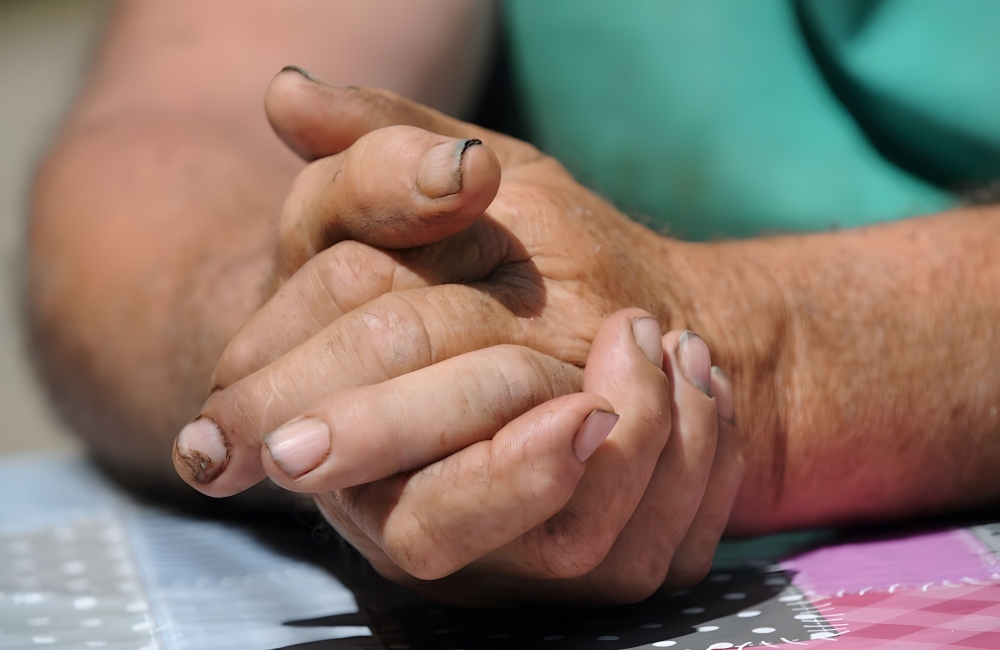
Dirt under the nail is a common problem for gardeners. But, there is a way to prevent this irritating skin problem with just a bar of soap. Before going out to dig in the soil, run each nail over a bar of soap. The soap will act as a buffer to keep the dirt from getting in. When you’re done working in the garden, rinse away any residue.
Keep Your Nails Dirt-Free By Using Soap @buzzfeed/Pinterest
It’s pretty important that you keep the area around and underneath your nails clean, lest you harbor bacteria that can cause a nasty skin infection. Regularly wash your hands thoroughly, regardless of whether you’re a gardener or not.
131. Banish Flies With This Apple Cider Vinegar Mix
Materials needed: Apple cider vinegar, molasses, water, sugar
Cost To Make: $10*
There are a lot of reasons you might not want to use chemicals to defend your garden against pests. These chemicals can harm plants, animals, kids, and anyone else that wanders into the area. Sometimes, the natural way is best.
Banish Flies With This Apple Cider Vinegar Mix @thekitchn/Pinterest
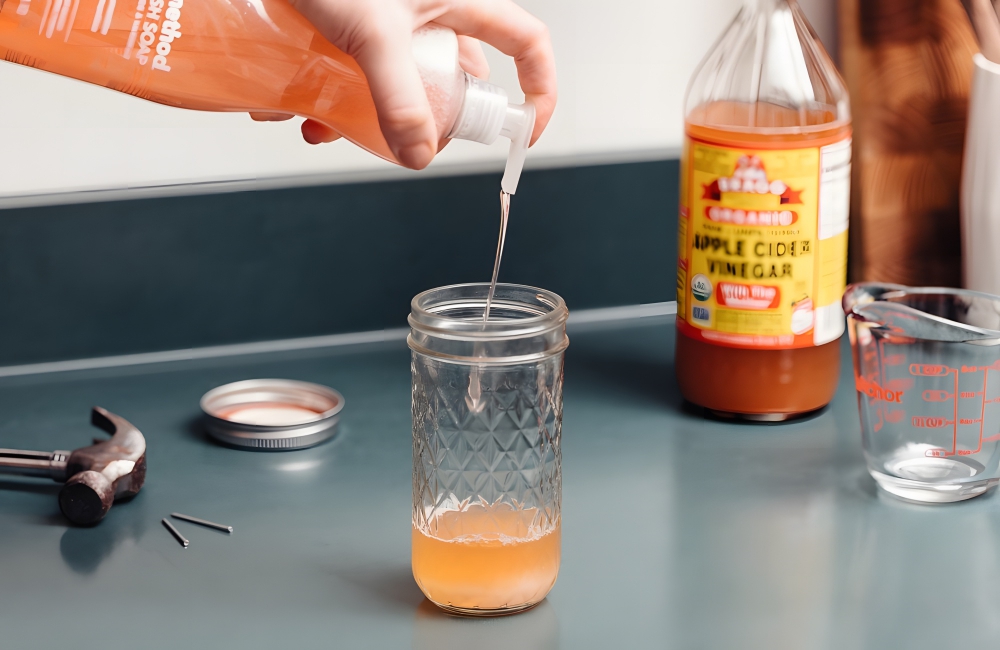
Just because you’re using a natural solution doesn’t mean that it will be weaker. If you want to get rid of pesky, irksome flies, mix a quarter-cup of sugar, a tablespoon of molasses, a half-cup of apple cider vinegar, and one cup of water. Place this mix into open containers and put these containers around your garden. The flies will be attracted to the sugar, but the sticky, viscous solution will trap them in it for good.
132. Feed Your Roses
Materials needed: High-nitrogen and high-potash feed
Cost To Make: $20-$25*
Roses are beautiful plants, but they are hungry and require a lot of attention. They need to be fed and watered regularly throughout their lifespan to make sure you get maximum blooms and growth. To feed your roses, Classic Roses recommends a nitrogen-filled feed after February’s late-winter prune, followed by a high-potash feed every two weeks during the flowering period.
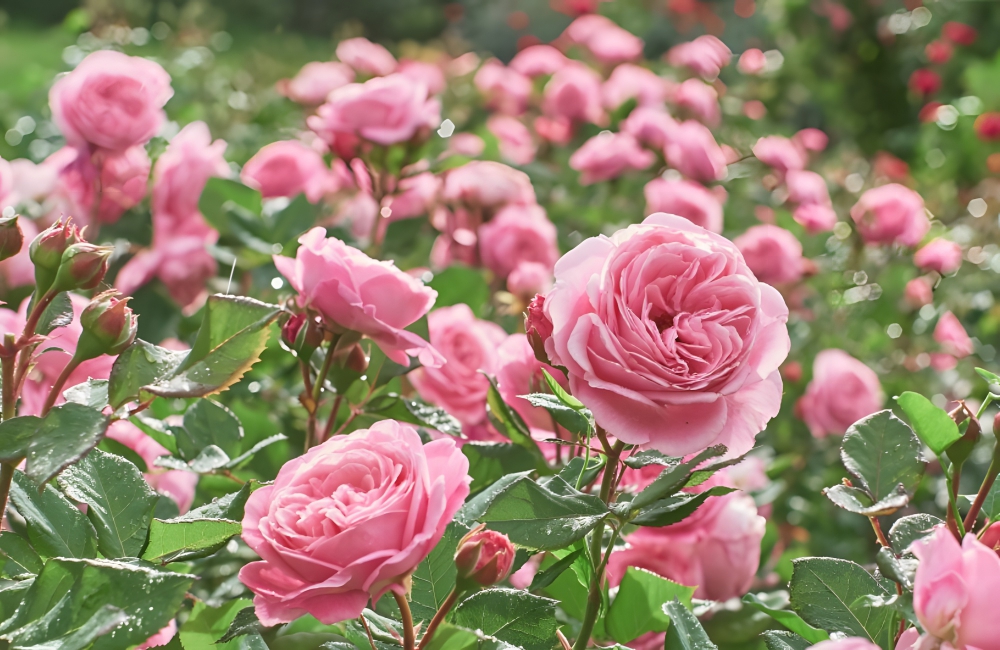
Feed Your Roses ©Serhii Brovko/Shutterstock.com
When you look at comparison photos between roses that have been fed and those that haven’t, the difference is clear. Brands like Uncle Tom’s Rose Tonic, Tomorite, and similar solutions are all proven ways to keep your roses beautiful, healthy, and well-fed.
133. Sow Wildflower Seeds For Stress-Free Flowers
Materials needed: Wildflower seeds
Cost To Make: $5-$10*
Unless you’re going for a certain uniform look in your garden, there is nothing wrong with sowing wildflower seeds. In fact, the whole planting process might be less stressful and much easier. Though sowing wildflower seeds is not difficult, you can’t just scatter them at random.
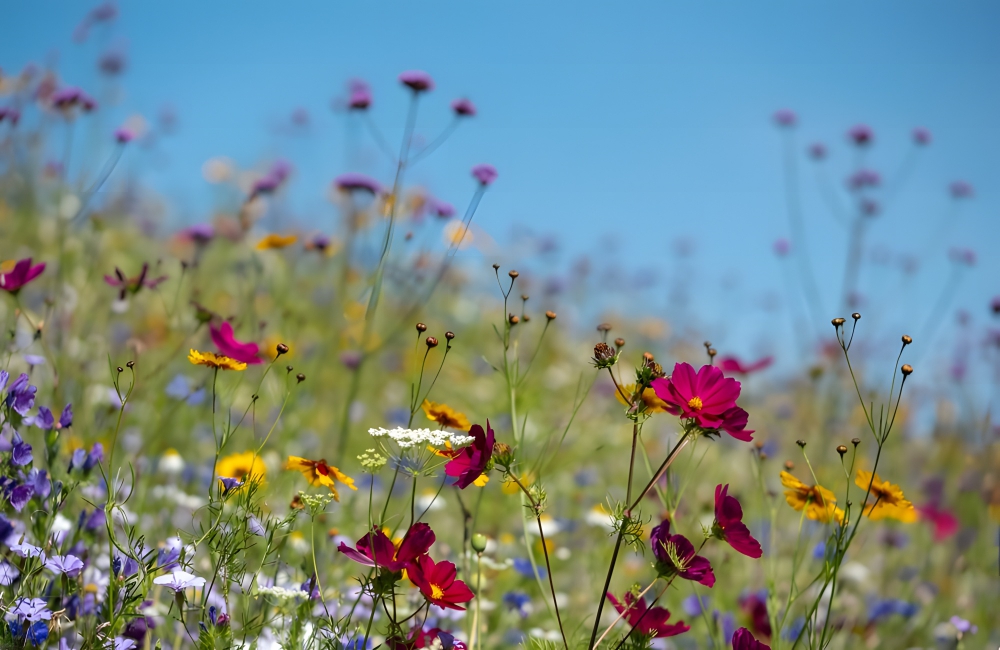
Sew Wildflower Seeds For Stress-Free Flowers ©Lois GoBe/Shutterstock.com
There is a bit of preparation involved. You’ll want to remove the grass from the area and prep the soil for the seeds. The best time to sow wildflower seeds is spring and early fall. Once you spread the seeds by hand, compress them into the soil. Don’t cover them; that way, there will be a better chance of germination and they can get full sunlight.
134. Blend Your Bugs
Materials needed: 2-4 hot peppers, a small onion, mild green pepper, 1 quart of water
Cost To Make: $10*
According to the Farmer’s Almanac, you can try a blend of ingredients that you already have in your kitchen to get rid of aphids like these (and grasshoppers, too). Aphids can wreak havoc and destruction in vegetable gardens and flower beds, so you’ll want to get rid of them quickly.
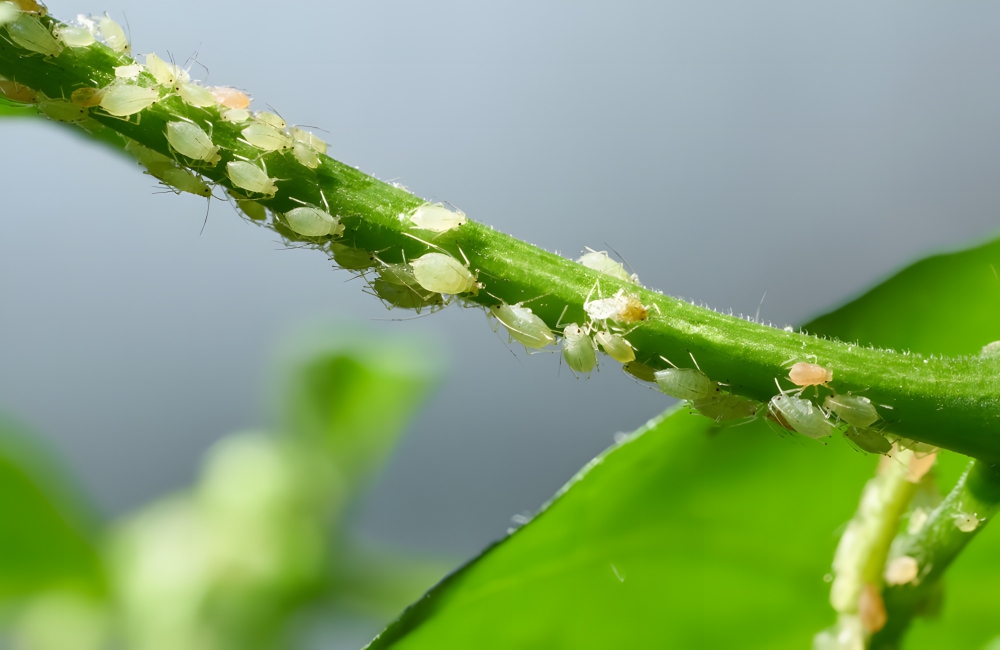
Blend Your Bugs ©Aleksandr Rybalko/Shutterstock.com
Blend two to four hot peppers, one small onion, one mild green pepper, and a one-quart jug of water. Pour this mixture into a spray bottle after it has been thoroughly blended. Apply as needed to any aphids you see. They’ll be repelled in no time, leaving your garden pest-free.
135. Plant In Odd Numbers
Materials needed: Odd numbers of plants
Cost To Make: Varies
You might have heard the old saying, “Plant in threes.” An odd number of plants are visually appealing, which means this hack is all about the aesthetic. Planting in an odd number creates an “eye appeal,” as the group can be arranged in an irregular, natural-looking cluster.
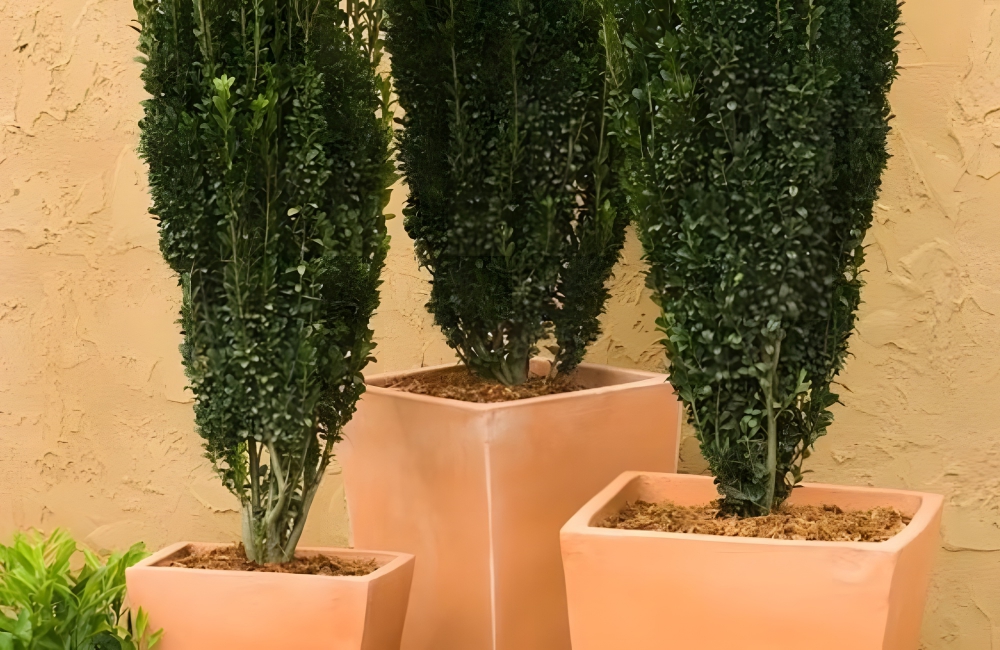
Plant In Odd Numbers @savvygardening/Pinterest
This gives the plants some visual heft, and they look far more natural than a block of a straight line. But, on the flip side, if you’re someone who wants an even, segmented look to your garden, this cluster-in-odd-numbers hack won’t work for you. It all depends on your personal aesthetic preference.
136. Mix Packing Peanuts With Soil
Materials needed: Packing peanuts
Cost To Make: $0*
Foam packing peanuts work well for plant drainage, though you’re going to want to avoid this for outdoor plants that are not in pots. To get maximum drainage, fill one-third to one-half of the pot with foam packing peanuts.
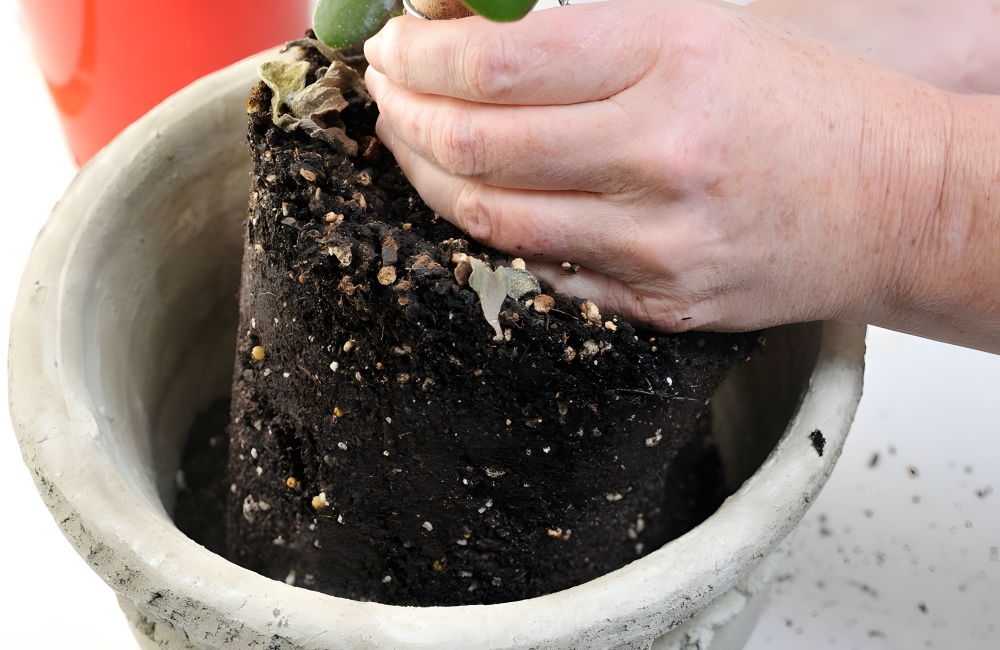
Mix Packing Peanuts With Soil @bobvilahome/Pinterest
This will make the pot lighter. Also, the peanuts have spaces around them, so they will easily allow water to drain from the above layer of soil. Plus, packing peanuts cannot be recycled, so this is a good way to reuse them and give them a second purpose, rather than just toss them in the landfill. Also, they’re free if you order a package.
137. Clean Your Garden Tools With Apple Cider Vinegar
Materials needed: Bucket, water, apple cider vinegar
Cost To Make: $10*
Apple cider vinegar has a ton of different uses, including in the kitchen, for cleaning, and in the garden. In the garden, you can use it to clean rust from your tools. This is one of the most popular methods for rust removal (and it’s also pretty cheap).
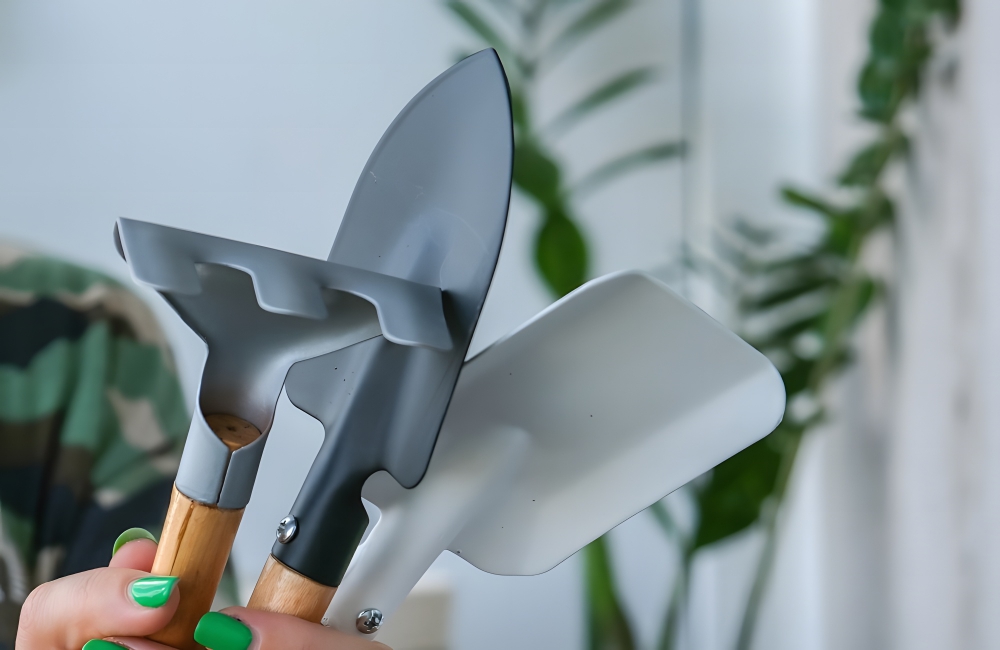
Clean Your Garden Tools With Apple Cider Vinegar ©yanishevska/Shutterstock.com
You’ll need a bucket of half water and half apple cider vinegar. Soak your tools overnight in the mixture. Then, in the morning, using steel wool, a crumpled ball of tin foil, or a brush, scrub the rust from the tools in a circular motion. You’ll be amazed at how good-as-new your tools look when you’re done.
138. Turn Your Tools Into Rulers
Materials needed: Sharpie, ruler
Cost To Make: $3*
While you can always buy a ruler and add it to your gardening tool collection, you might find it helpful just to mark lengths and widths on your tools. That way, you have them on hand when you need them.
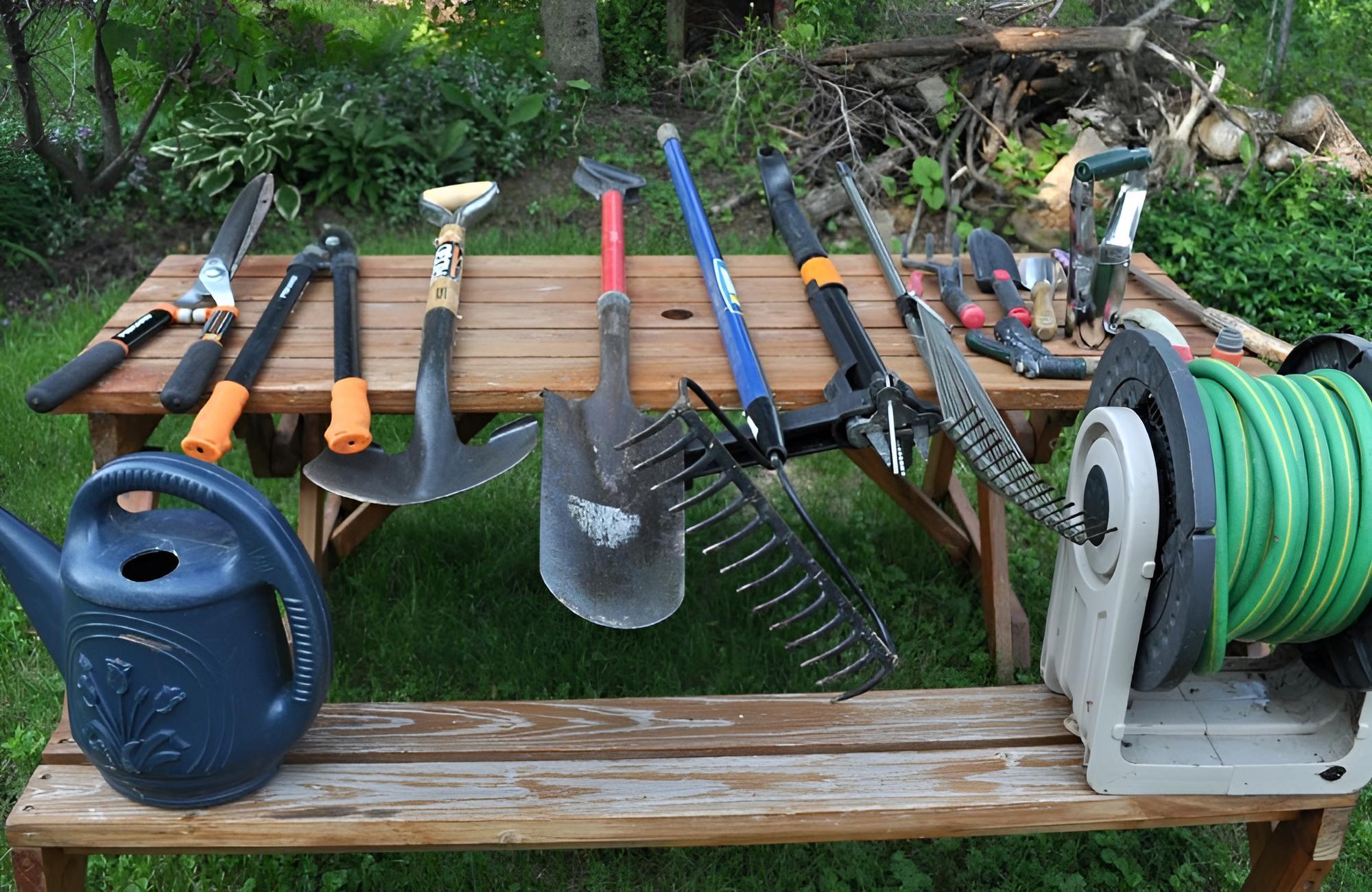
Turn Your Tools Into Rulers @prepperpathenry/Pinterest
There are plenty of reasons why you might need a ruler in the garden. For example, some vegetables and fruits have specific depths under the soil that you’re supposed to plant them in. Having a tool with the measurements on hand ensures accuracy. While we might think we can eyeball it, it’s best to measure to be sure.