
31. Build a Small Two-Door Shed
Materials Needed: Saw, shed door
Cost to Make: $50-$100*
We all know that not every garden is sprawling enough to have a garden shed – but that doesn’t mean you have to veto the idea entirely. In fact, if you have a small space like a walkthrough, you could buy a small shed and still keep this entry point.
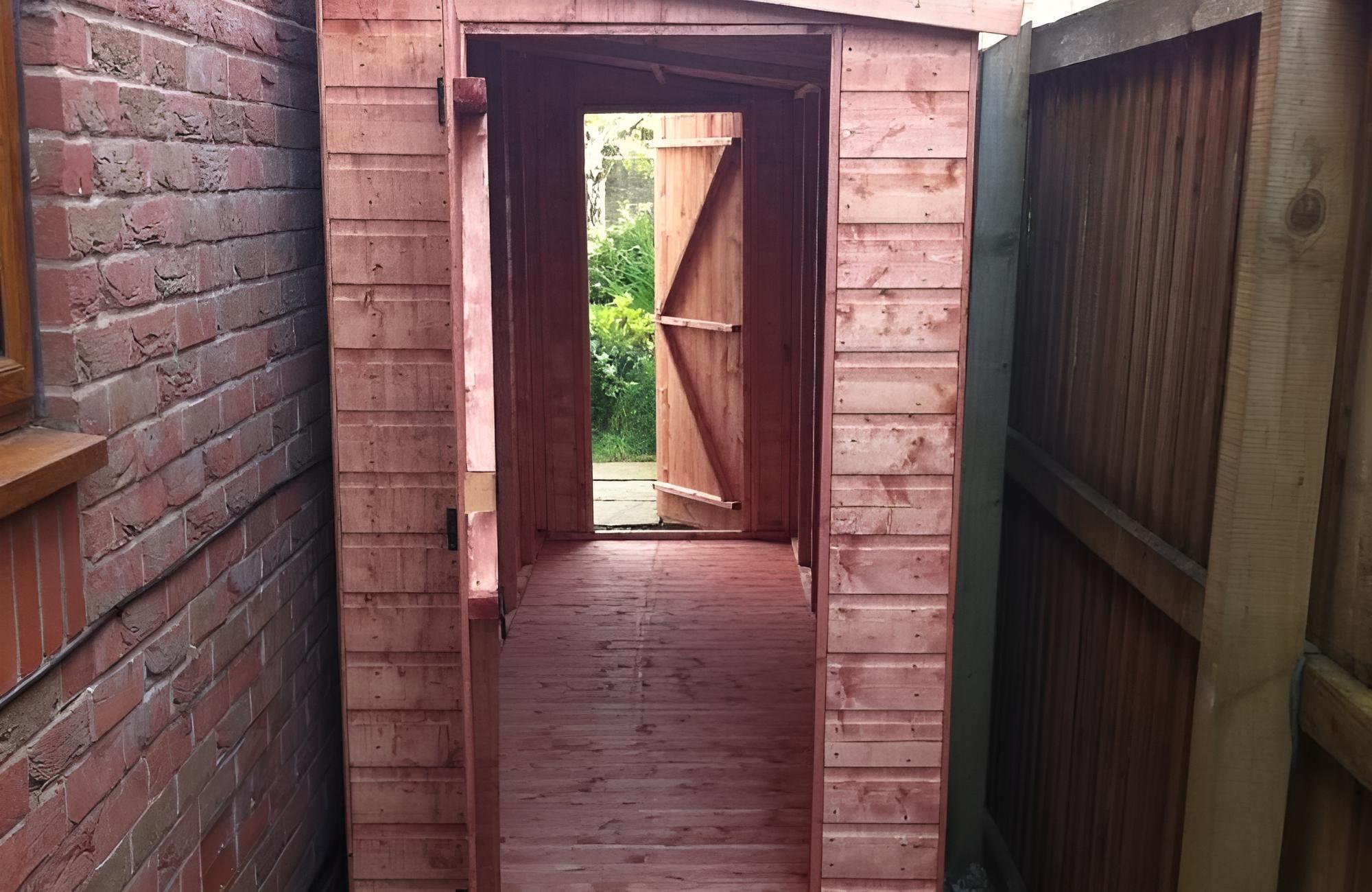
Two-Door Shed @suzetteasplund / Pinterest.com ©/
All you need to do is fit a door on the other side of the shed as well, making it a two-door shed. It might sound like more trouble than it’s worth, but in reality, it won’t cost that much, and at the end of it, you’ve got a space that’s both a walkway and a storage space!
32. Use Mirrors In Your Garden
Materials Needed: Two old window frames, two mirrors cut to size
Cost to Make: $20*
If you want to add a new backyard decoration, this recycled idea could be a way to save two window frames from going into the landfill. All you need are two shabby, old window frames, preferably with rustic touches like chipped paint. You also need two mirrors that are cut to fit in the window frame.
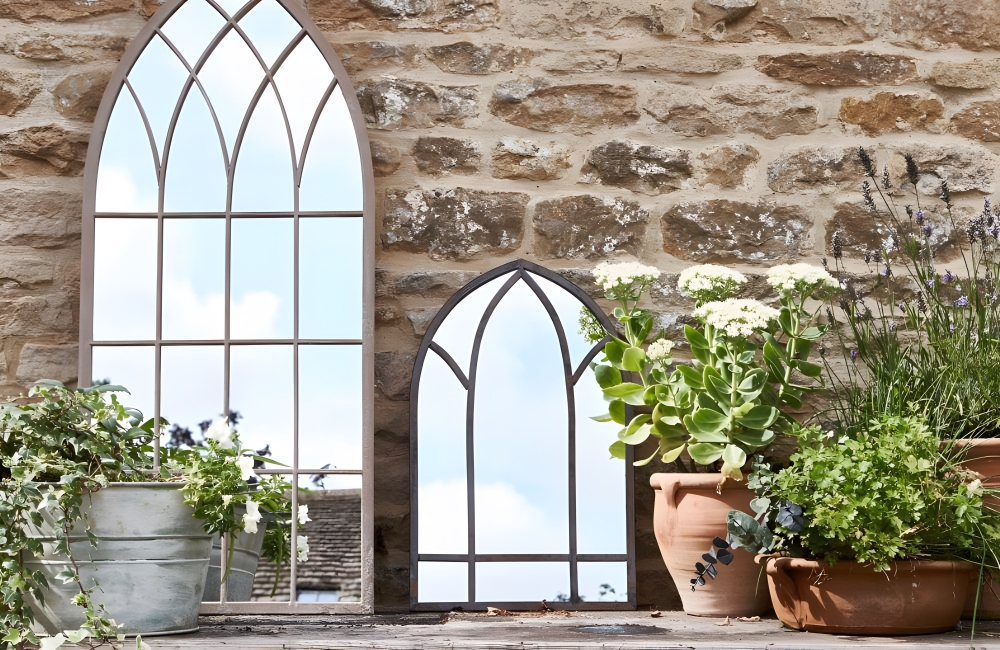
@Gardening Etc/Pinterest
Attach the mirrors to the window frames and then hang them on the sides of your shed or fence. This will create an illusion of space, as they reflect the forest or your garden. Note, if you have a lot of birds in your yard, you might want to avoid this idea, as birds will fly into the glass.
33. Turn An Old Sink Into A Birdbath
Materials Needed: Wall-mounted vintage sink, 3” wood screws, PVC pipe, drain plug, hand saw, brick, seashells or stones (decorative)
Cost to Make: $40* (Minus Sink)
If you have an old, raggedy sink that you’ve ripped out of the wall, you might be tempted to just throw it in the trash. However, you could be missing your opportunity to create a nice haven for birds. You’ll need a wall-mount, vintage sink for this project for our feathered friends.
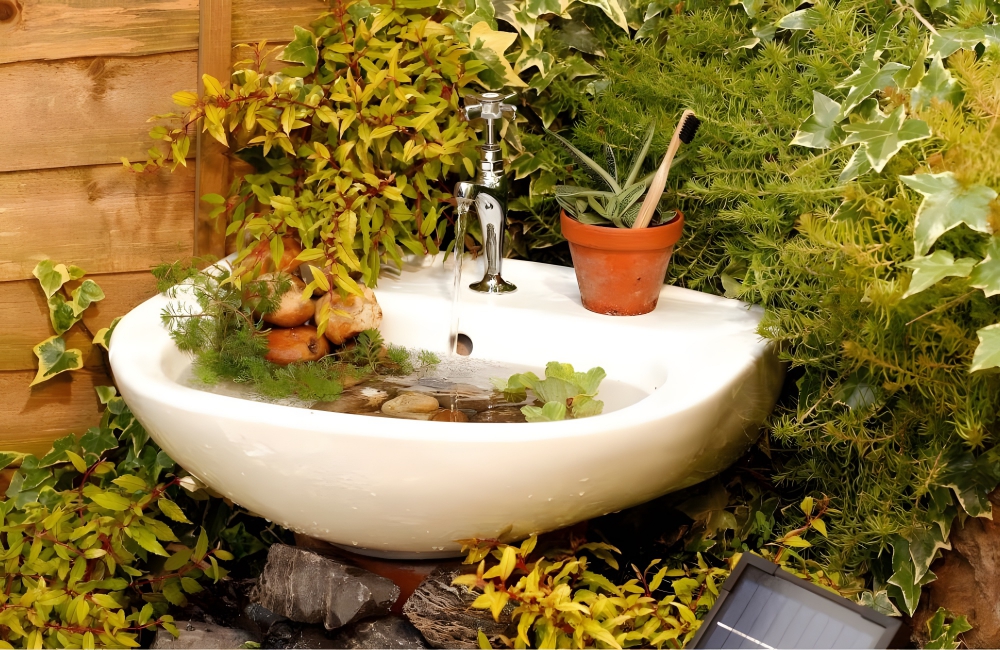
Bird Bath From Old Sink @Beautynat/Pinterest
HGTV came up with the idea for the project, advising that you choose a tree with a level trunk. The sink will have to be mounted thirty inches off the ground, with a drain plug, PVC pipe, and wood screws. When the sink is mounted to the tree, you can add decorative shells or stones to the birdbath after filling it with water.
34. Plant Lemongrass For Mosquitoes
Materials Needed: Lemongrass seeds, soil
Cost to Make: $2.58* (250-pack of seeds)
Lemongrass is an attractive way to keep mosquitoes away, and you can plant it outside your home, where it will blend in with your garden. Citronella oil is found in the lemongrass plant, and this repellent is commonly used in candles and bug sprays. Citronella keeps pesky mosquitoes from chomping down on you while you’re trying to enjoy the outdoors.
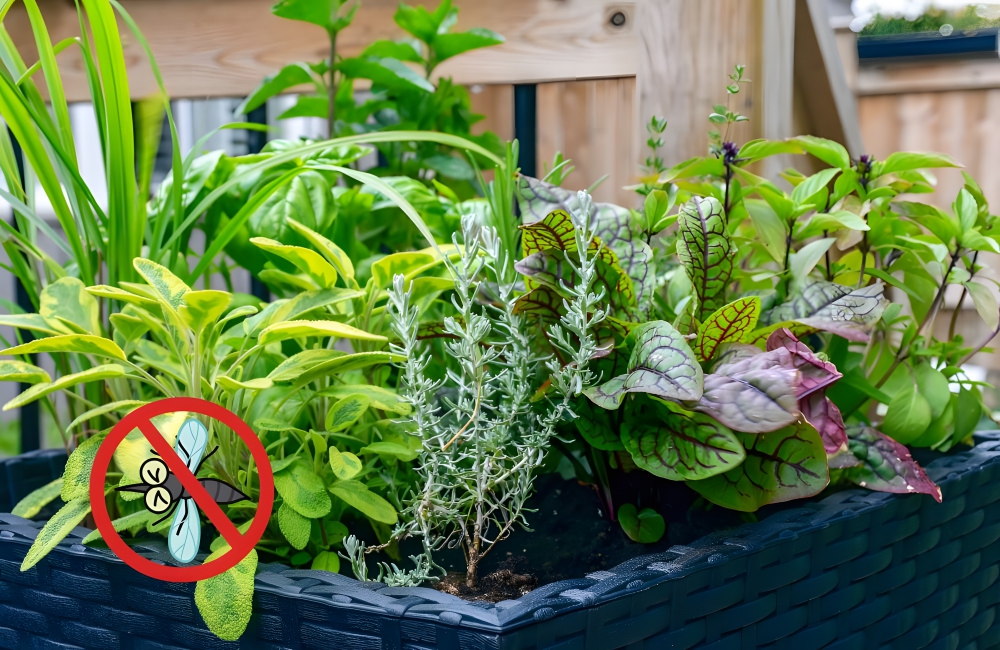
Lemongrass ©Joanne Dale/stock.adobe.com
After you’ve grown the lemongrass in your garden, you can extract the citronella yourself. Crush the lemongrass leaves and rub them onto your skin. You can also squeeze the stem to extract the oil. Cutting the leaves and stems before extraction might make it easier.
35. Double-Pot Plants For An Easy Switch
Materials Needed: Pots of the same size
Cost to Make: $40-$50*
When you’re planting seeds, you’re really just taking a guess that the seeds will look good as mature plants in your garden. If you want to be able to reorganize your garden after the mature plants have grown, double-pot growing will allow you to do so.
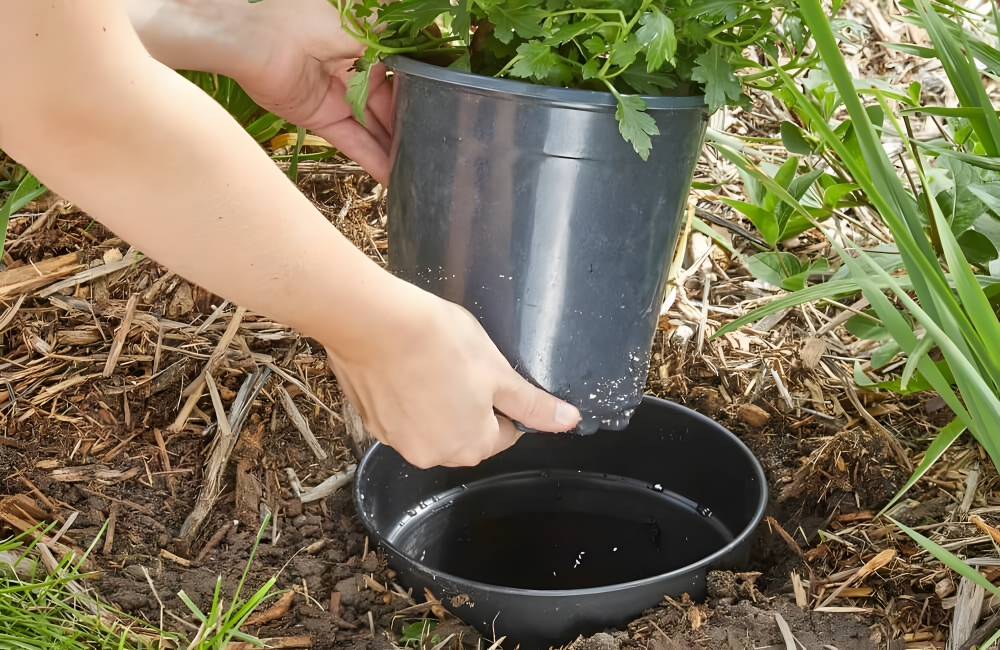
Double-Pot Plants For An Easy Switch @iluvadeal / Pinterest.com
You’ll need a lot of planters and pots. Make sure they’re the same size, so they nest in each other. Plant plants into double pots and bury the pots at ground level. When you want to move one around, just lift the top pot and replace it with a different pot. This method also works for bringing plants inside during the winter.
36. Croquet Hose Stakes
Materials Needed: Croquet Wickets
Cost to Make: $0* (If you already have the set)
Have a croquet set you’re not using? You don’t need to let it rust away in your garage. Instead, Ryne Rover, a homeowner, told Family Handyman his own gardening hack for old croquet sets. When Rover was dragging his hose across the yard, he caused a lot of damage to his garden and flowers.
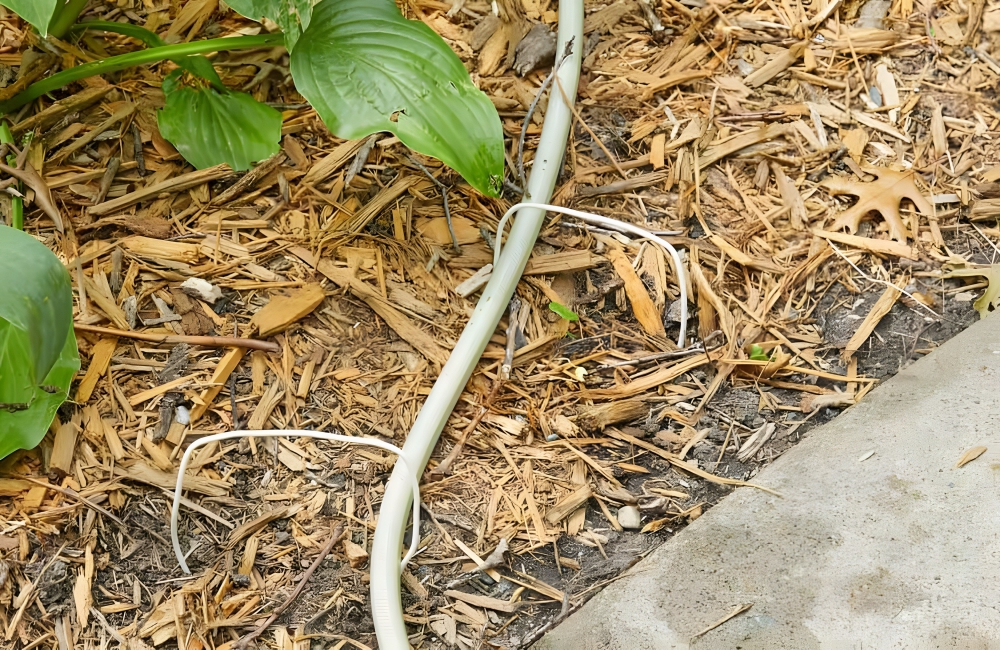
Croquet Hose Stakes @family_handyman / Pinterest.com
He realized that he could avoid that by using the wickets from his croquet set to make a path for his hose. The wickets keep the hose from moving and trampling the flowers. Just feed the hose through the wickets before you start watering.
37. Zip Tie Trailing Plants
Materials Needed: Zip ties
Cost to Make: $0.55 per pack* (Kable Kontrol)
Climbing plants can have a mind of their own. You want to be able to control where they grow without stifling their growth, and striking that balance is quite a task in and of itself. However, if you use zip ties, you’ll be able to direct and control vines and other climbing plants.
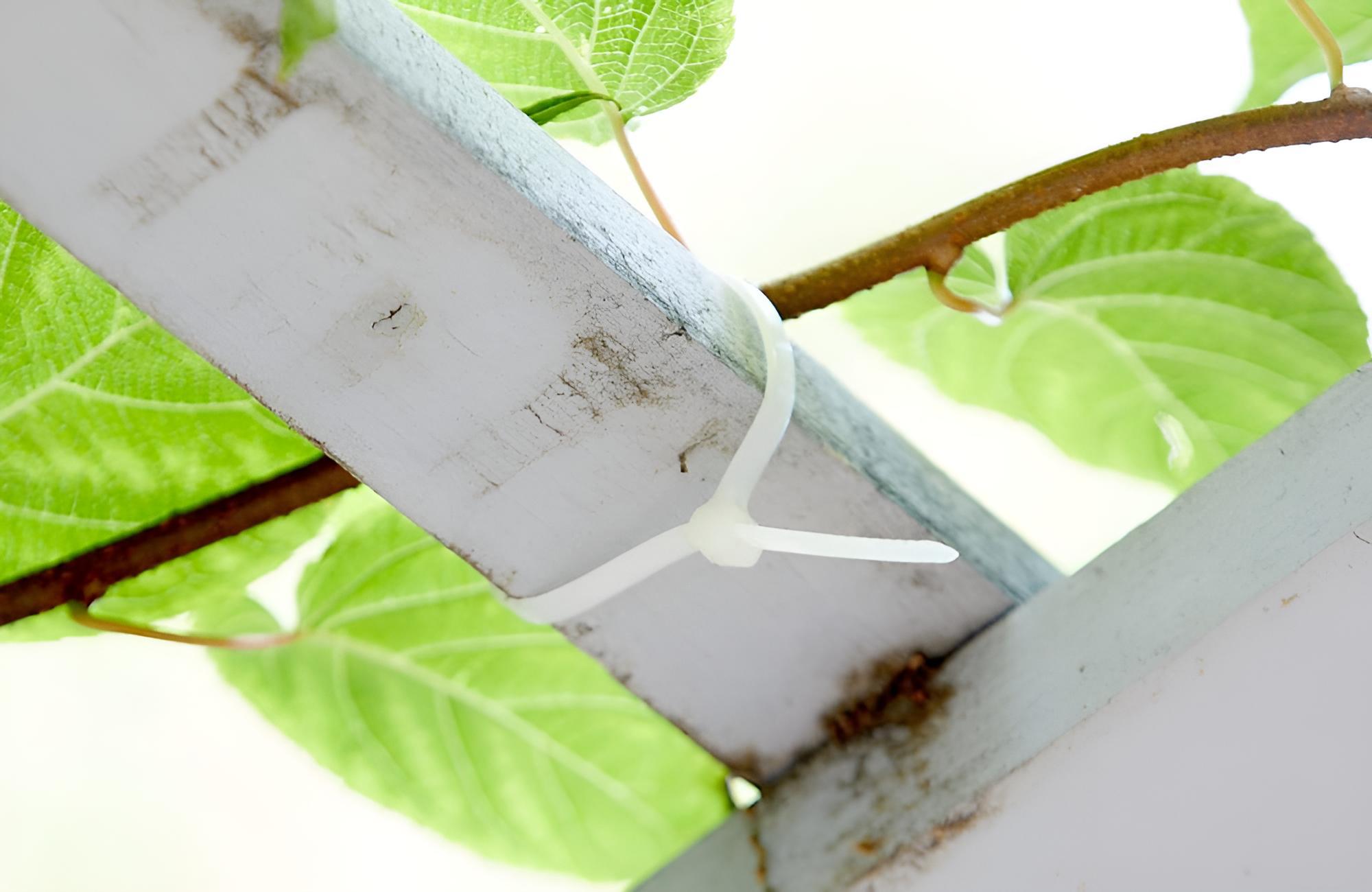
Zip Tie Trailing Plants @family_handyman / Pinterest.com
Just fasten the zip ties around the plants’ stalks. Strap them to anything stable, but don’t tie them too tightly, as they need to still be able to grow and move. Zip ties are pretty sturdy, so they won’t break down over time, keeping your plants nice and secure.
38. Hide Garden Tools in an Old Mailbox
Materials Needed: Mailbox
Cost to Make: $20-$35*
DIY’ers always accumulate a lot of tools over time, whether they’re starting new projects or continuing old ones. Storing all of your tools in your garage is a pain, and you need somewhere to put them where they’ll be safe. Consider using an old mailbox.
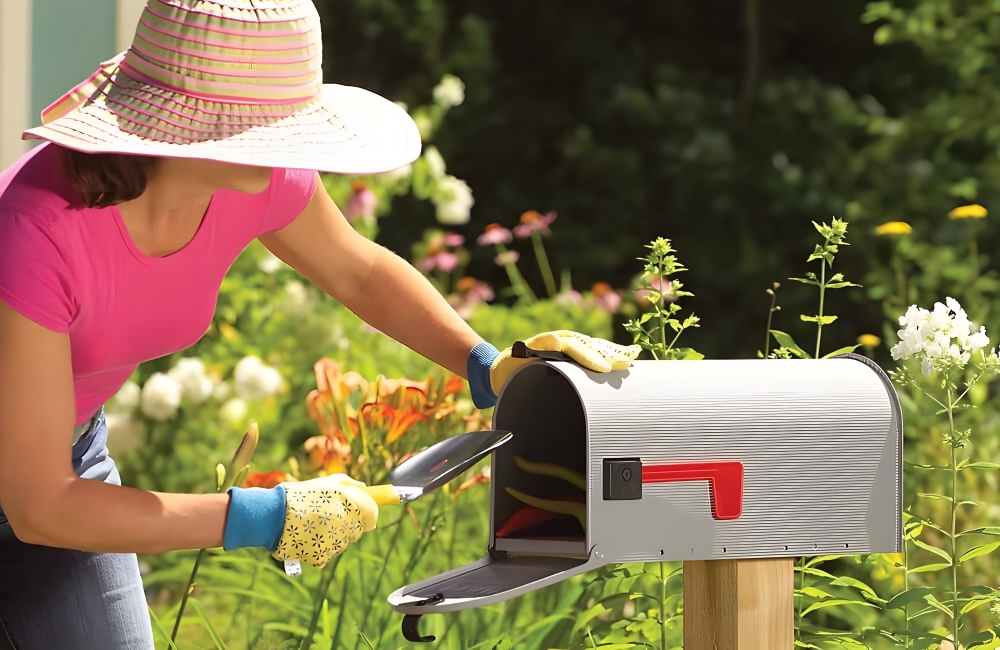
Hide Garden Tools in an Old Mailbox @family_handyman / Pinterest.com
If you don’t have one on hand, you can get one at your local hardware store. Small models cost around $20, while large ones cost $35 or so. Hide the mailbox in the shrubs, storing your tools there. The mailbox is durable and waterproof, so you won’t have to worry about rust. The tools you need will always be on hand.
39. Slice Open Nursery Pots to Replant
Materials Needed: Very sharp knife
Cost to Make: $20-$25*
Picture the scene: you’ve just brought home new shrubs or flowers for your garden. You’re ready to transplant them, and you reach to pull them out by the stem. Stop! That method, though everyone does it, can actually hurt the plants, even if you think you’re getting all of the roots with your pull.
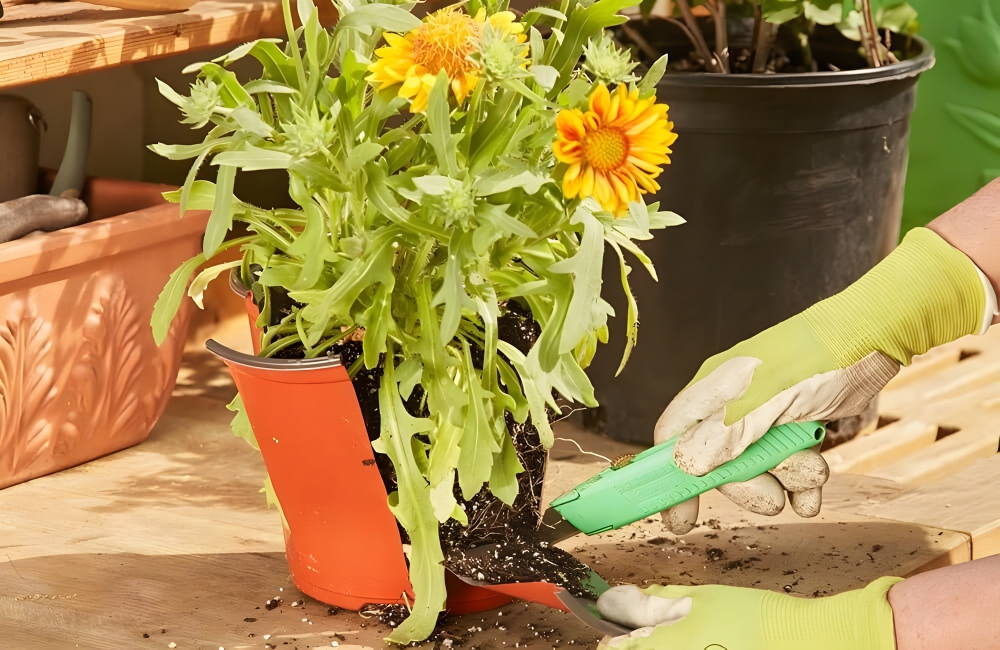
Slice Open Nursery Pots to Replant @xisibo107 / Pinterest.com
Instead, take a sharp knife and cut down two or more sides of the pot. Let the loose soil fall away, and the plant that’s left will be undamaged. When separating the soil out from the container, be careful not to tear any of the plant’s delicate roots.
40. Companion Planting For Better Results
Materials Needed: N/A (Depends on Plants)
Cost to Make: $0.50-$2 per seed packet*
Plants, just like us, have best friends. We always like hanging out with our best friends, and our green friends are the same way. Plants can benefit from having the right neighbors planted near them. For example, strawberries will taste more flavorful when they are grown near thyme.
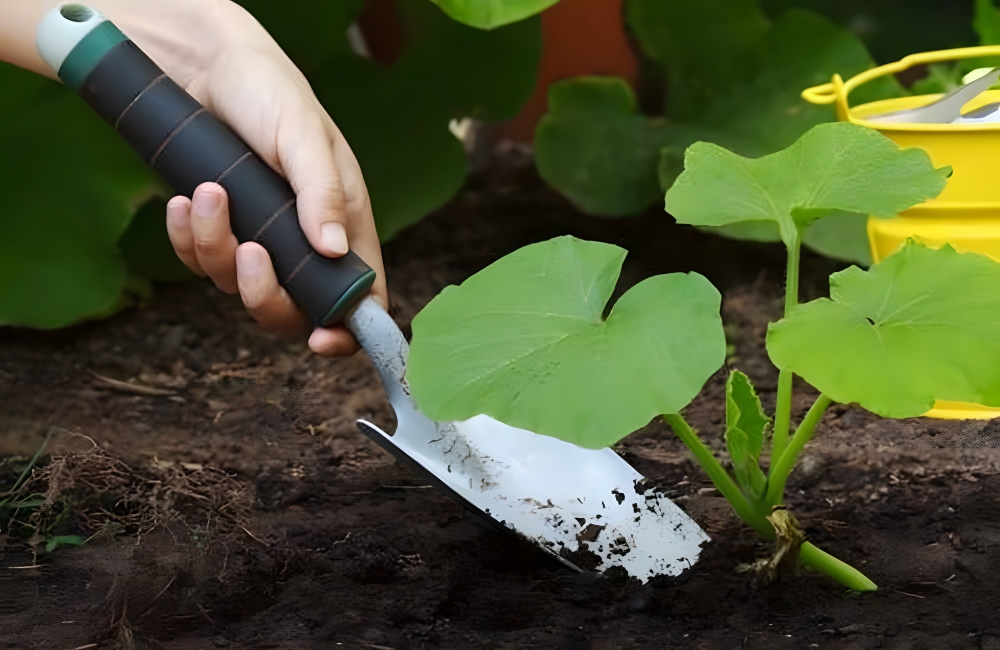
Companion Planting For Better Results @TierneyMJ / Shuatterstock
Another example of companion planting is corn and beans. Corn will provide bean plants with a natural trellis. Third, you can plant a bright marigold border around your squash plants, which will discourage squash bugs from eating your crop. Before you plant anything, do your research to see who your proposed plant’s “best friend” is.