
7. Aira Caldera, Japan
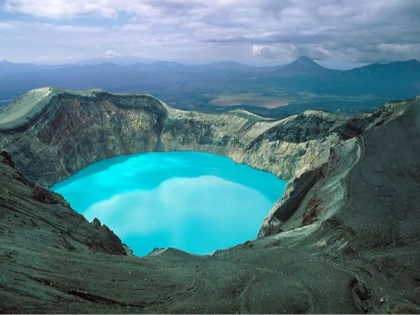
Found in Kagoshima Prefecture on the island of Kyushu, Japan, the geological wonder known as the Aira Caldera shows the dynamic and sometimes turbulent interaction between human society and volcanic activity. About 17 kilometres in diameter, this large crater was created by a catastrophic eruption some 22,000 years ago. With an estimated 400 cubic kilometres of debris expelled, this eruption—known as the Aira-Tanzawa event—probably changed the topography of southern Kyushu and might have influenced world climatic trends.
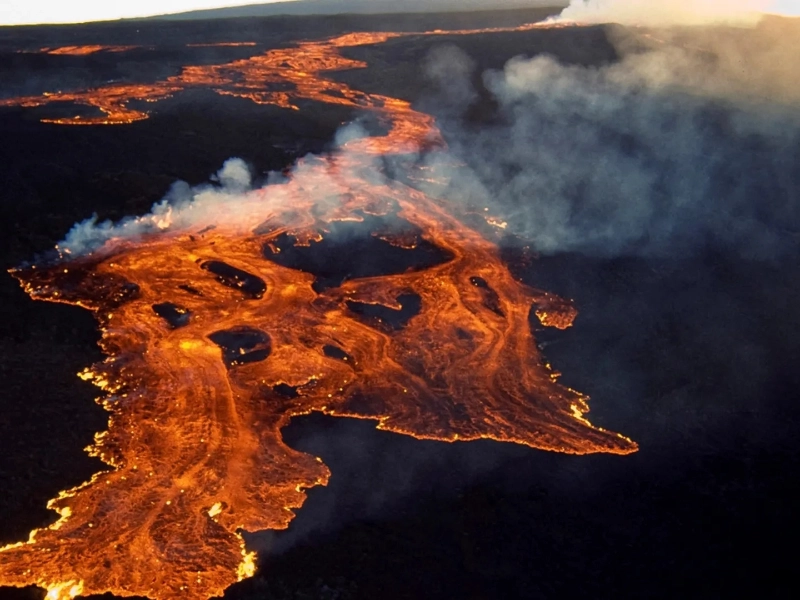
Sakurajima, one of Japan’s most active volcanoes and a continual reminder of the unstable geology of the area, sits at the centre of the Aira Caldera Once an island in Kagoshima Bay, Sakurajima was joined to the mainland following a huge eruption in 1914. The biggest eruption in Japan during the 20th century, this one lasted for months and generated enormous lava flows between the volcano and the Osumi Peninsula.
Frequent eruptions of Sakurajima, marked by ash plumes and sporadic pyroclastic flows, have attracted great scientific attention and become the main focus of Japan’s volcano monitoring activities. With a population of more than 600,000, the volcano’s close proximity to Kagoshima City offers major difficulties for managing volcanic hazards and has forced the creation of advanced early warning systems and evacuation plans.
Underlying the complicated geological context of the Aira Caldera is the subduction of the Philippine Sea Plate under the Eurasian Plate. Along the Kagoshima Graben, a rift valley including the Aira Caldera and stretches southward to the Kikai Caldera, this tectonic activity has produced a sequence of volcanic centres. This geological setting helps to explain the great degree of seismic and volcanic activity in the area.
For thousands of years, the area around the Aira Caldera has been continuously populated notwithstanding natural hazards. While the region’s spectacular scenery and many hot springs have drawn tourists, the rich volcanic soils have supported agriculture. This lengthy history of human living near active volcanism offers important new perspectives on the coexistence of human communities with dynamic geological settings.
Scientifically speaking, the Aira Caldera and Sakurajima have unmatched chances for researching several facets of volcanism. From magma chamber dynamics and eruption mechanisms to the environmental and health effects of protracted ash fall, researchers probe subjects ranging. The regular activity of Sakurajima also makes it possible to test and improve models of volcano monitoring and eruption prediction.
The management of volcanic hazards in the Aira Caldera region reflects the difficulties experienced by numerous volcanic regions all throughout the globe. It calls for a careful mix of public safety, economic growth, and scientific inquiry. Particularly in other highly populated volcanic areas, the knowledge and techniques acquired here affects worldwide volcanic risk management.
Our ongoing research and monitoring of the Aira Caldera and Sakurajima helps us not just to better grasp Earth’s geological processes but also to learn important lessons in resilience and adaptability. The continuous narrative of this amazing volcanic system reminds us of the importance of constant alertness, study, and worldwide cooperation in the face of natural risks.
 zi ang