
27. California High-Speed Rail
Location: California, USA
Total Cost: $~100 Billion*
Year Finished: Mid 2030s
Construction may have begun in 2015 on the California High-Speed Rail but the ball got rolling seven years earlier when Assembly Bill 3034 was approved by the state legislature and signed by Governor Schwarzenegger himself in 2008. Funded by the California High-Speed Rail Authority, engineering firm WSP USA won the contract, and plans for the railway were underway.
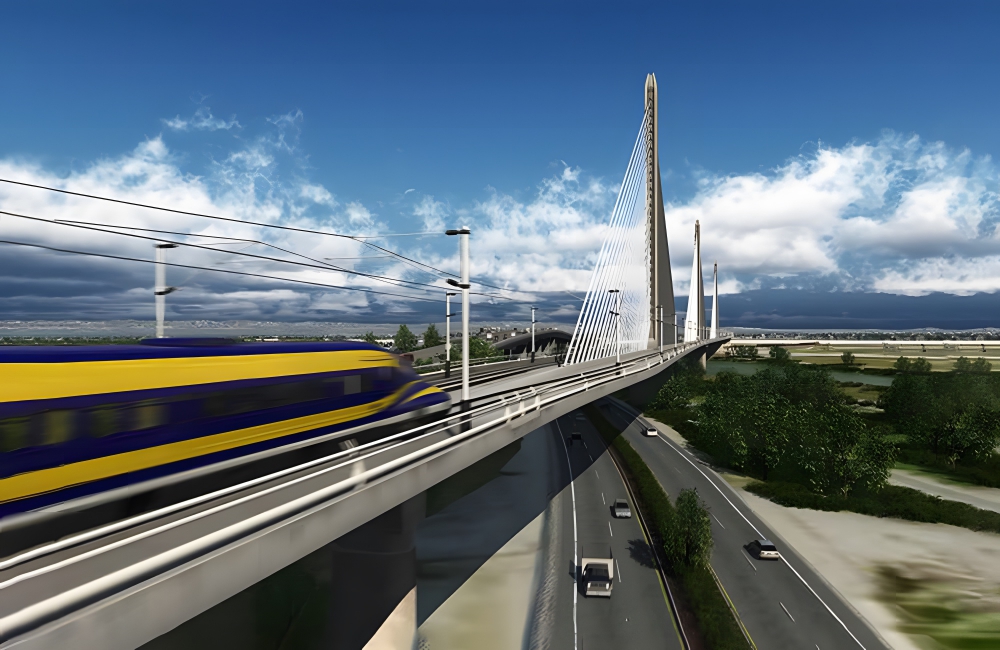
California High-Speed Rail @guillermoalvarezcalderon / Pinterest
The opening of the Initial Operating Segment, which was to bring passengers throughout the bay area has been postponed due to delays in construction. Projected to be completed by the early to mid-2030s, Phase 1 of the High-Speed Rail, will take commuters the three hundred and eighty miles from Union Station in Los Angeles, to San Francisco in just two hours and forty minutes.
28. Kashagan Field
Location: Kazakhstan
Total Cost: $116 Billion+*
Year Finished: 2040s
Discovered in the Northern Part of the Caspian Sea in 2000, the Kashagan Field is widely considered to be one the biggest discoveries of the past thirty years, with over thirty-eight billion barrels of crude oil in place and thirteen billion barrels of those potentially being recoverable. In 2013, President Xi of the People’s Republic of China paid five billion dollars for an 8.4% stake in the fields. The deal should work out rather well for Xi, as the Kashagan Oil Fields are expected not to tap out until sometime in the 2040s.
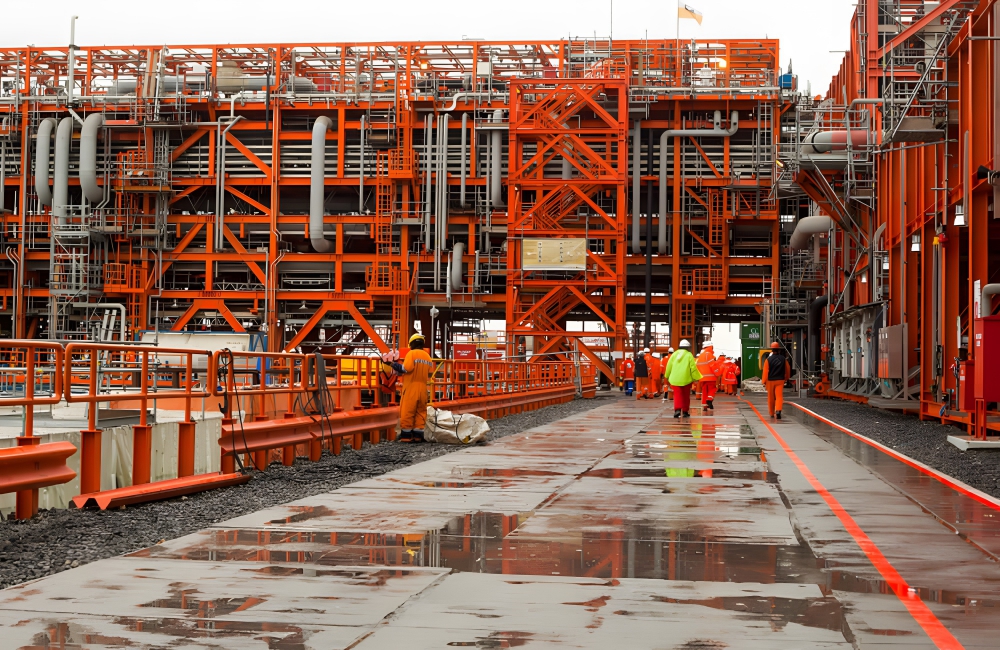
Kashagan Field ©V.Baturin / Shutterstock
The waters near Kashagan are less than five meters deep, which makes it a considerable effort to reach the deposits that are more than five thousand meters below the surface, and due to the high percentage of the hydrogen sulfide which the oil contains, workers are forced to carry emergency breathing gear with them just in case any emergencies do arise.
29. The Channel Tunnel
Location: France & The UK
Total Cost: $16.9 Billion*
Year Finished: 1994
French mining engineer, Albert Mathieu-Favier, first proposed the idea of building a tunnel under The English Channel in 1802. 192 years and nearly $6.9 Billion USD later ($16.9 billion in today’s money), the Channel Tunnel opened for business.
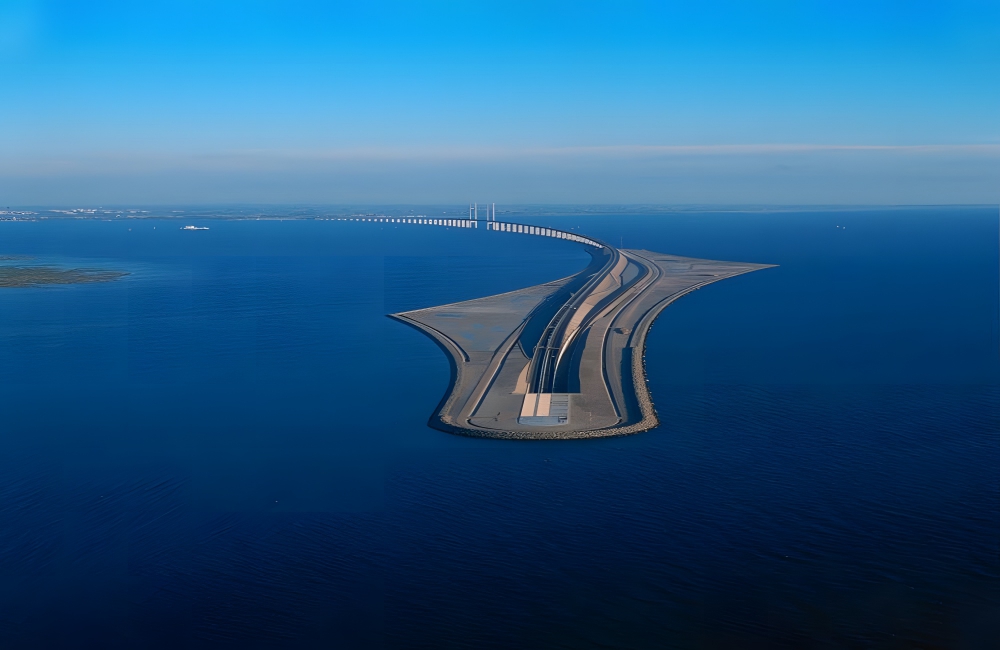
The Channel Tunnel @Documentary Films / Youtube.com
Funded by the British and French Governments, it was Eurotunnel who were the lucky winners of the building contract. Recognized as one of “The Seven Wonders of the Modern World”, The Chunnel measures 31.4 miles in length.
The English Channel Tunnel has the distinction of being the world’s longest undersea tunnel with 23.5 of those miles being under the sea. Nowadays, more than 25% of goods traded between the UK and continental Europe travels through the tunnel. That comes to more than $170 billion in goods that are sent under the English Channel annually.
30. Three Gorges Dam
Location: China
Total Cost: $37.2 Billion*
Year Finished: 2006
When it was completed in 2006, three years after it first opened, the Three Gorges Dam became the world’s largest fully functioning hydroelectric dam and as of 2018 was generating twenty times more power than the Hoover Dam.
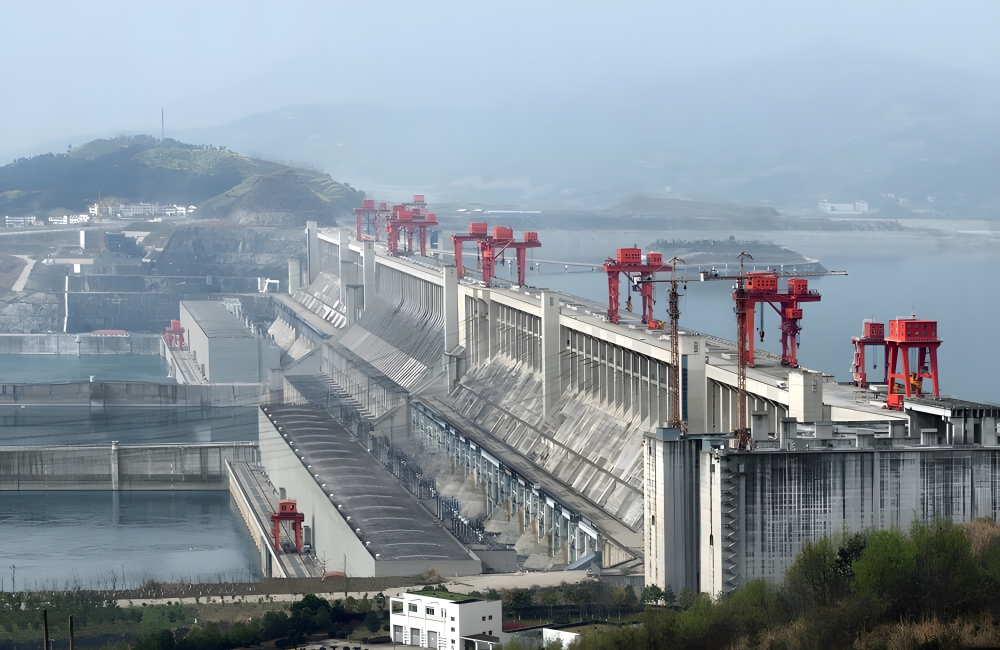
Three Gorges Dam ©PRILL / Shutterstock
Included in the cost of the project was the price paid in order to flood the reservoir that the dam filled. With such a large amount of water being displaced by the dam, it has the ability to literally slow down the rotation of the Earth.
The space is so large that it used to house 13 cities, 140 towns, thousands of villages and was home to 1.3 million, now relocated and compensated, people. By 2013 the Three Gorges Dam had already made back the estimated $37.2 billion that it cost to bring the idea to fruition.
31. Hinkley Point C
Location: Somerset UK
Total Cost: ~$32 Billion*
Year Finished: 2026
Currently under construction, the power plant at Hinkley Point C is going to be one of the largest nuclear facilities in the world. The financing for construction was provided by the mostly French state-owned, EDF. Subsequently, in 2015 the Chinese state-owned CGN agreed, in principle, to make an investment of approximately one-third the cost of the project.
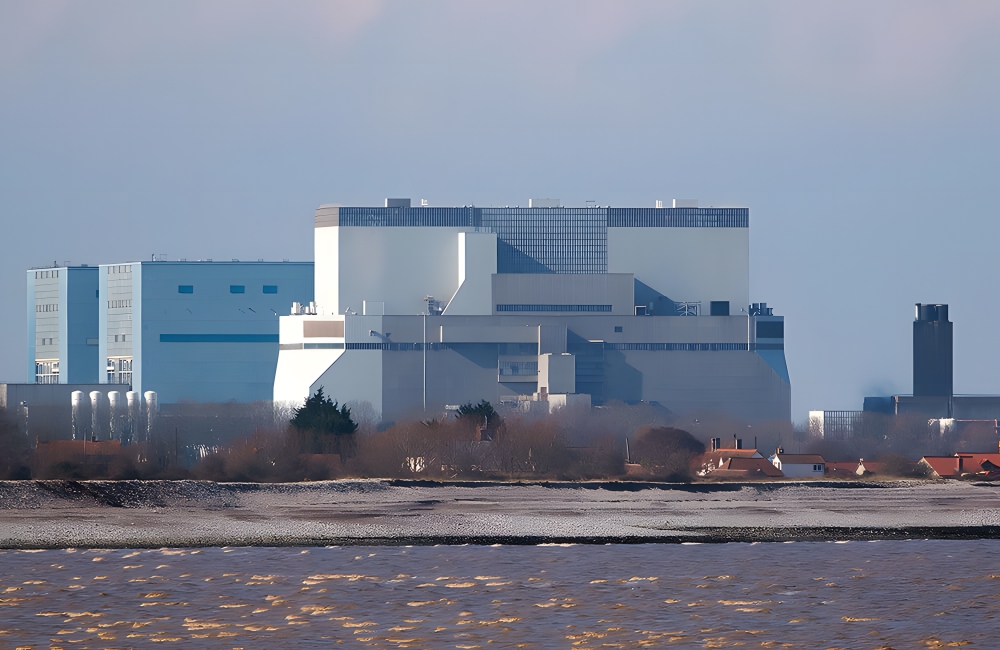
Hinkley Point C ©jgolby / Shutterstock
By 2020, the project had already generated 10,300 jobs and is ultimately expected to create at least another 15,000 jobs before all is said and done, and with a sixty-year lifespan, the power plant at Hinkley Point C can be expected to be creating jobs for years to come. Once completed, the facility is going to be the size of over eight hundred football fields so it is no surprise. This project is expected to take at least another five years to complete.
32. AVE High-Speed Rail Network
Location: Madrid, Spain
Total Cost: $1.69 Billion*
Year Finished: 1992
With the first line opening for passenger travel in 1992, the Spanish state-owned Alta Velocidad Española (AVE) High-Speed Rail Network has been gradually expanding its reach ever since. The AVE High-Speed Rail Network travels at speeds of up to 192 mph and helped more than twenty million people get to their destinations annually, in each of the four years prior to 2020. The numbers for 2020 are expected to be a great deal lower than normal due to the restrictions on travel.
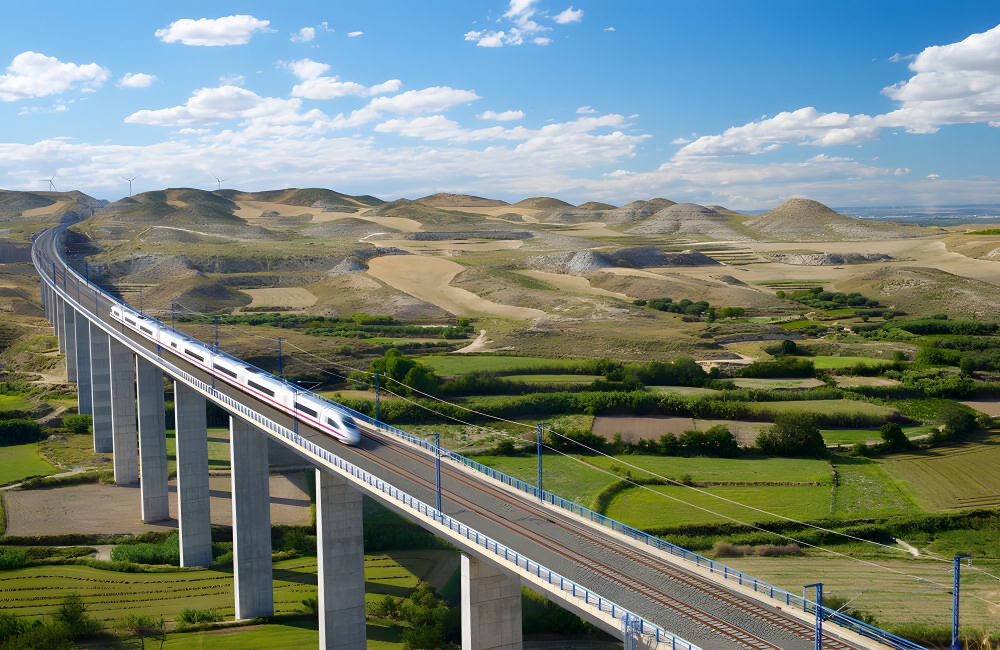
AVE High-Speed Rail Network @pedrosala / Shutterstock
The Spanish high-speed rail network is already the largest in Europe and second-largest in the world, only to China, and there are ten more lines currently under construction, with multiple lines expected to be operational in each of the next three years.
33. Dubailand
Location: Dubai, UAE
Total Cost: $64.3 Billion*
Year Finished: Ongoing
The property where Dubailand is being built is 107 square miles and when completed, it will be twice as large as the Walt Disney World Resort in Orlando, Florida, and also the largest collection of theme parks anywhere in the world. One of its big features was to be the 607-foot high Great Dubai Wheel, but in 2012 the plan for the giant Ferris wheel was scrapped. Tatweer of Dubai Holdings was estimated to have been paying more than $64 billion dollars for the forty-five mega and two-hundred sub-projects which Dubailand was meant to include.
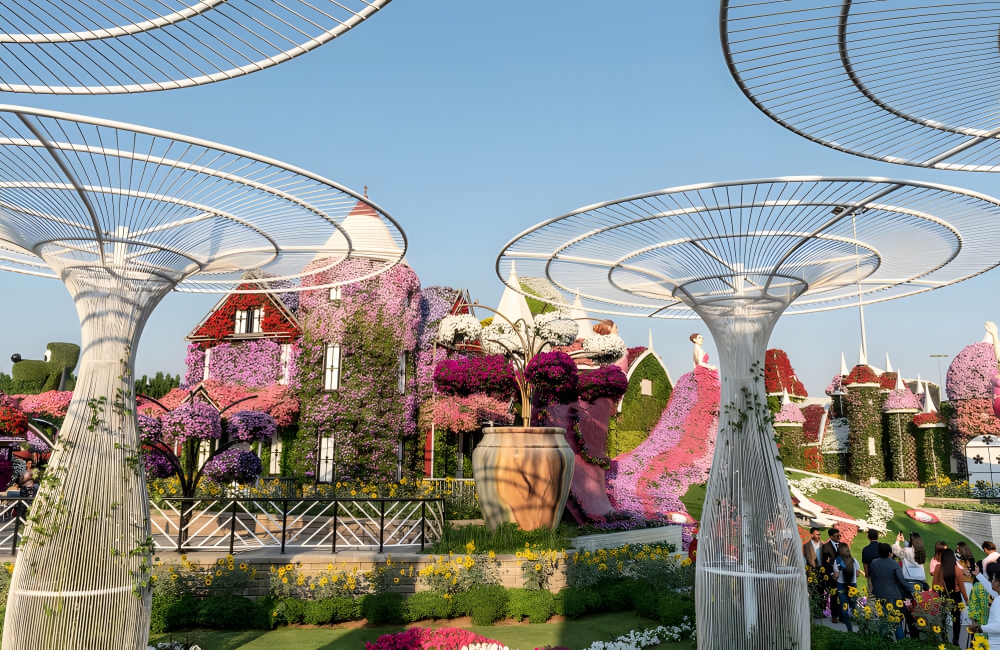
Dubailand ©PhotoLohi / Shutterstock
Twenty-two projects are currently underway but seventeen of the projects that were originally listed as being part of this enormous undertaking have since been canceled for various reasons, including Universal Studios Dubailand.
34. American Interstate Highway System
Location: USA
Total Cost: $27.2 Billion*
Year Finished: 1955
Stretching across 47,622 miles of America, the Interstate Highway System has ten different transcontinental routes that range anywhere from 17.6 to 3085.3 miles. First put into action in 1955, it was only supposed to take ten years to build. The Federal-Aid Highway Act of 1956 was signed into law in June of that year by Dwight D. Eisenhower, with an original authorization of $25 billion dollars allocated towards the more than forty thousand miles.
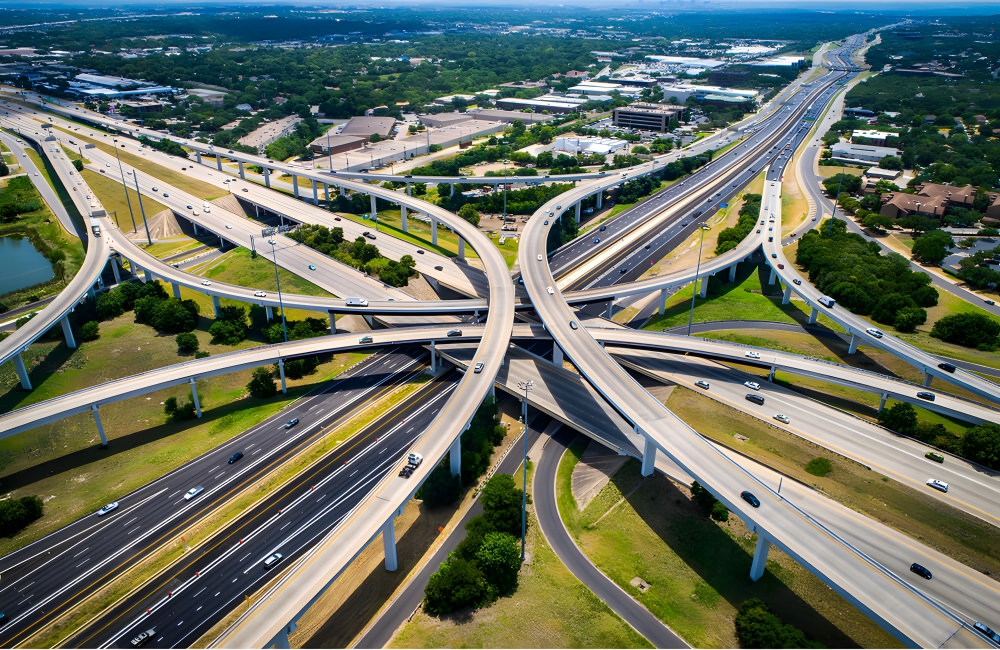
American Interstate Highway System ©Roschetzky Photography / Shutterstock
The $114 billion dollars spent over the thirty-five years that it took to complete the original Interstate Highway System was just a little bit more than the twelve years and $25 billion dollars that it was expected to take for completion. Future plans for expansion include improving land routes by extending the Interstate Highway to connect Tamaulipas, Mexico to Ontario, Canada, and Sonora, Mexico to Alberta, Canada.
35. Honshu-Shikoku Bridge Project
Location: Sea of Japan
Total Cost: $3.6 Billion*
Year Finished: 1998
The Honshu-Shikoku Bridge Project is a series of three bridge systems and their expressways that connect the Honshu and Shikoku Islands to one another. The first of the three systems to be completed was the ‘Great Set Bridge’ which uses eighteen bridges between the three systems, including the longest suspension bridge in the world, The Akashi Kaikyo Bridge.
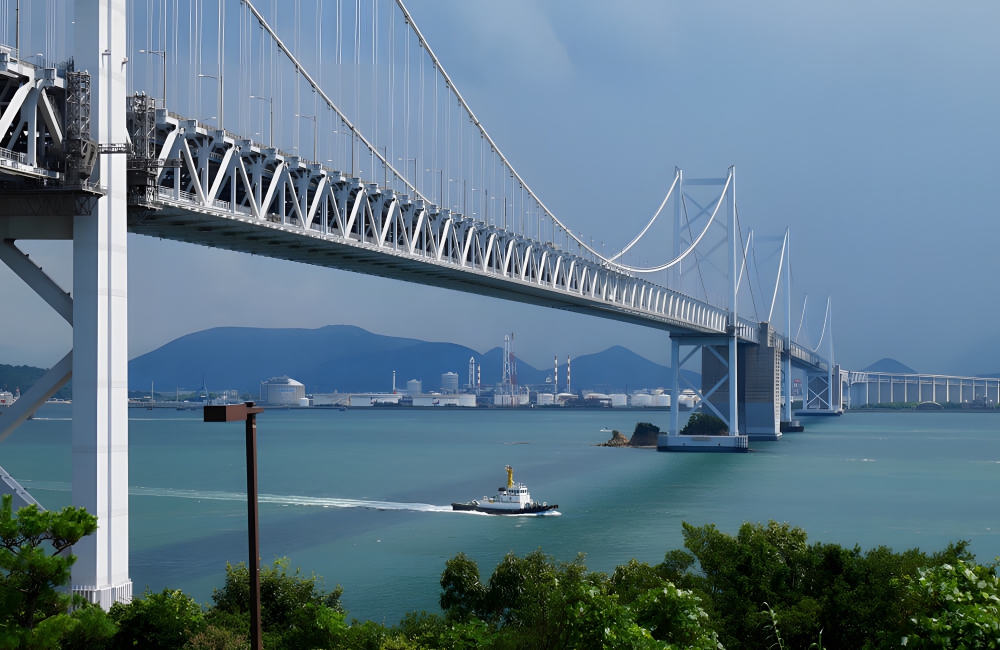
Honshu-Shikoku Bridge Project ©take_p / Shutterstock
Engineers fitted each tower of the Akashi Kaikyo Bridge with twenty tuned mass dampeners that cause the bridge to sway in the opposite direction that the wind is blowing. What makes this suspension bridge even more impressive, is the one hundred and eighty thousand tonnes of steel and two million-plus workers it took to build it over the ten years of construction.
36. Hong Kong International Airport
Location: Hong Kong, China
Total Cost: $20 Billion*
Year Finished: 1998
It took six years and about $20 billion dollars to build but upon completion, in 1998 the Hong Kong International Airport was the home of the world’s largest passenger terminal building. In 2012, an expansion plan was agreed upon by the Hong Kong government that would see the completion of a third runway that would run parallel to the other two runways, completed by 2030 and create more than a hundred and fifty thousand new jobs.
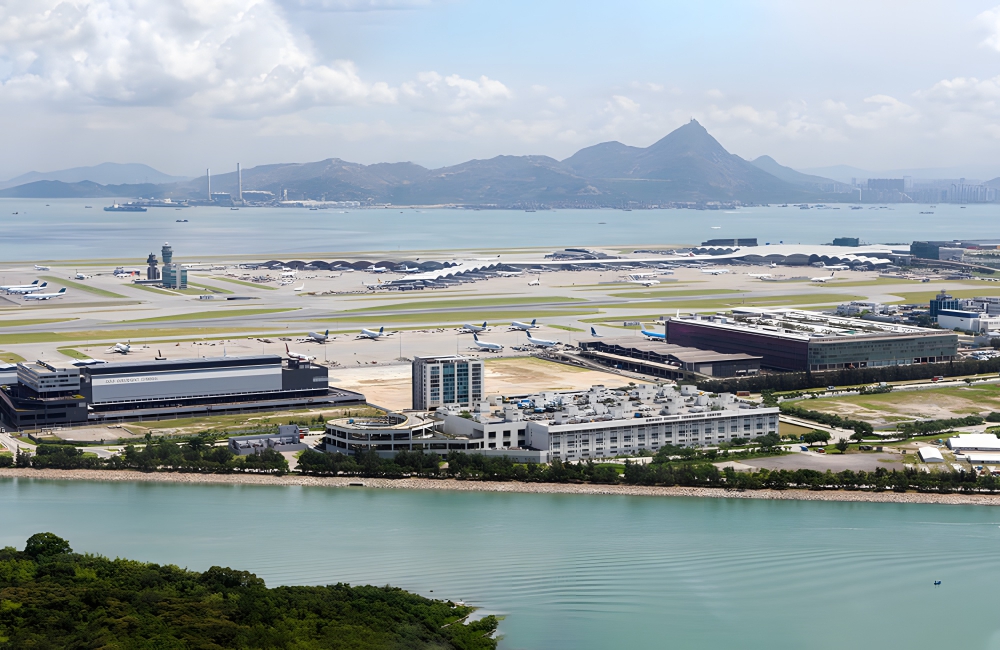
Hong Kong International Airport ©Phillip Kraskoff / Shutterstock
With the third runway looking to be completed early (by 2024), the Hong Kong International Airport would max out at approximately six hundred and twenty thousand flights a year. That turns out to be a flight taking off every thirty-six seconds. With almost 5 million tonnes of cargo traveling through it each year, no other airport in the world moves more cargo than the Hong Kong International Airport and with the new runway’s completion, that throughput of cargo will be increased by an additional 80% to approximately 8.9 million tonnes annually.
37. King Abdullah Economic City
Location: Saudi Arabia
Total Cost: $100 Billion*
Year Finished: 2010
Emaar Properties are the main developers and the Saudi Arabian General Investment Authority (SAGIA) are the facilitator responsible for the gargantuan $100 billion, King Abdullah Economic City. By bringing in both domestic and foreign investments, the aim of this city is to diversify the Saudi oil-based economy. Approximately half a million people are expected to move into the city, filling the two-hundred and sixty thousand apartments and fifty-six thousand villas that are being built.
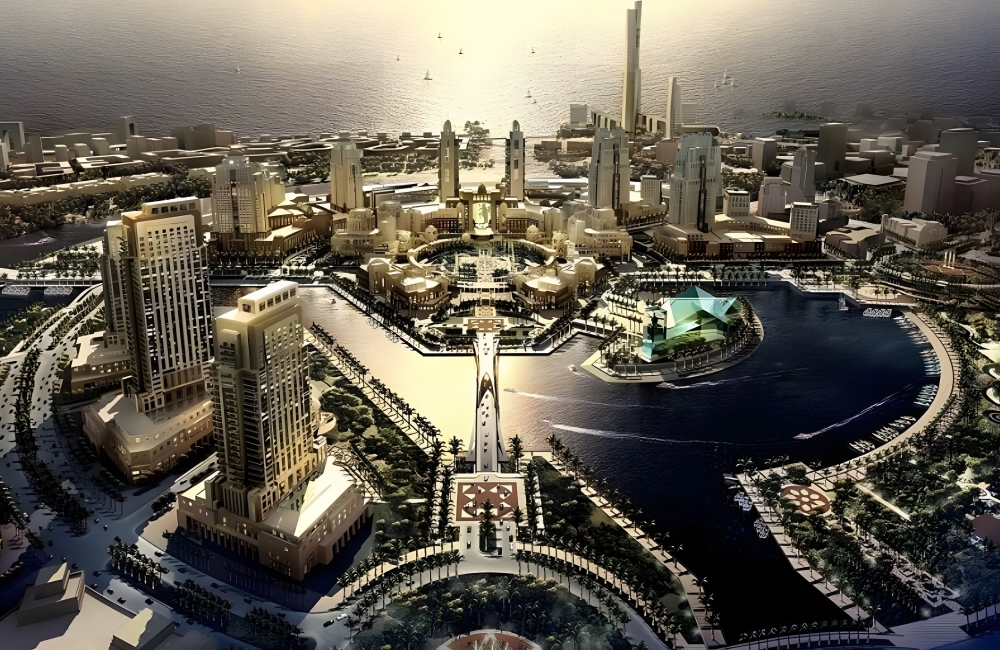
King Abdullah Economic City @somovalik / Pinterest
The King Abdullah Port will have the capacity for more than twenty million containers a year along the 17 square kilometer area. Two of the more noteworthy things about the port however are the state-of-the-art Ship-to-shore cranes that are able to carry twenty-five containers at a time, and that the port connects Asia, Africa, and Europe to each other.
38. NEOM, Saudi Arabia
Location: Saudi Arabia
Total Cost: $500 Billion*
Year Finished: 2025
Covering a huge, 10,200 square miles upon completion, the planned cross-border city of NEOM was announced by Saudi Crown Prince, Mohammad bin Salman, in October of 2017, will cost an estimated $500 billion dollars to complete, and will have its own tax and labor laws which will be independent of the existing framework of the Saudi government.
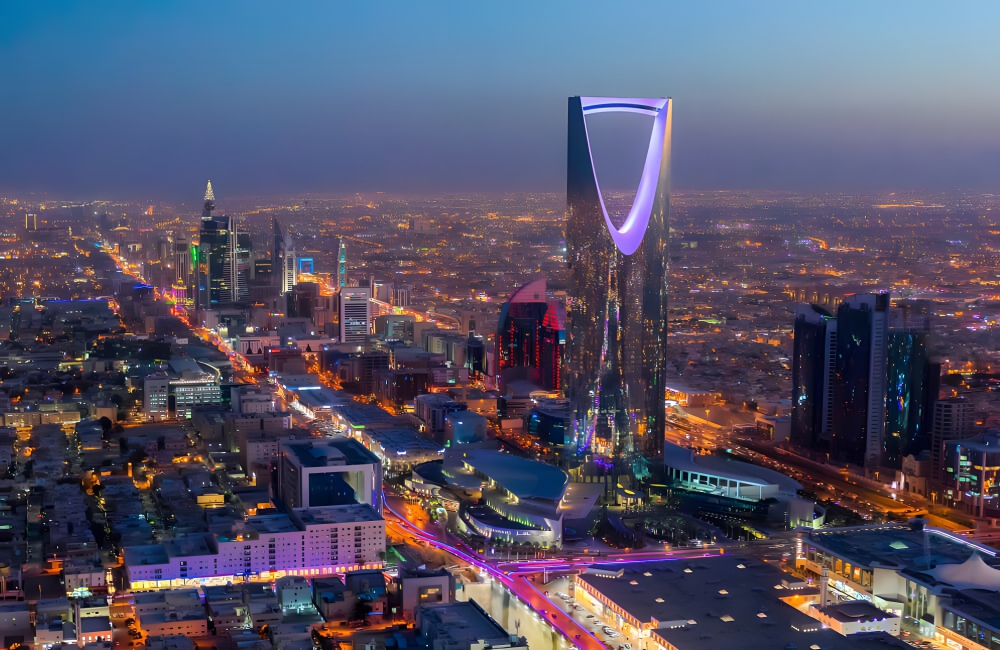
NEOM, Saudi Arabia ©adznano3 / Shutterstock
The goal of the project is for the city to be powered entirely by renewable energy, most notably solar and wind power. NEOM will have its own airport, located on the North-Western coast of Saudi Arabia, on the Red Sea. Despite setbacks and work stoppages, the first area of NEOM is set to be completed by 2025.
39. Dubai World Central Airport Expansion
Location: Dubai, UAE
Total Cost: $32 Billion*
Year Finished: 2030
Opening in June of 2010 the government-owned Al Maktoum Airport (Dubai World Central Airport) flew its first cargo flight off of its one runway and it was not until almost a year later that the first passenger flight touched down. By 2014’s first quarter, over a hundred thousand passengers were passing through the airport each year. That total more than quadrupled over the next two years and is still only a fraction of what the goal is for when the Airport is fully functional.
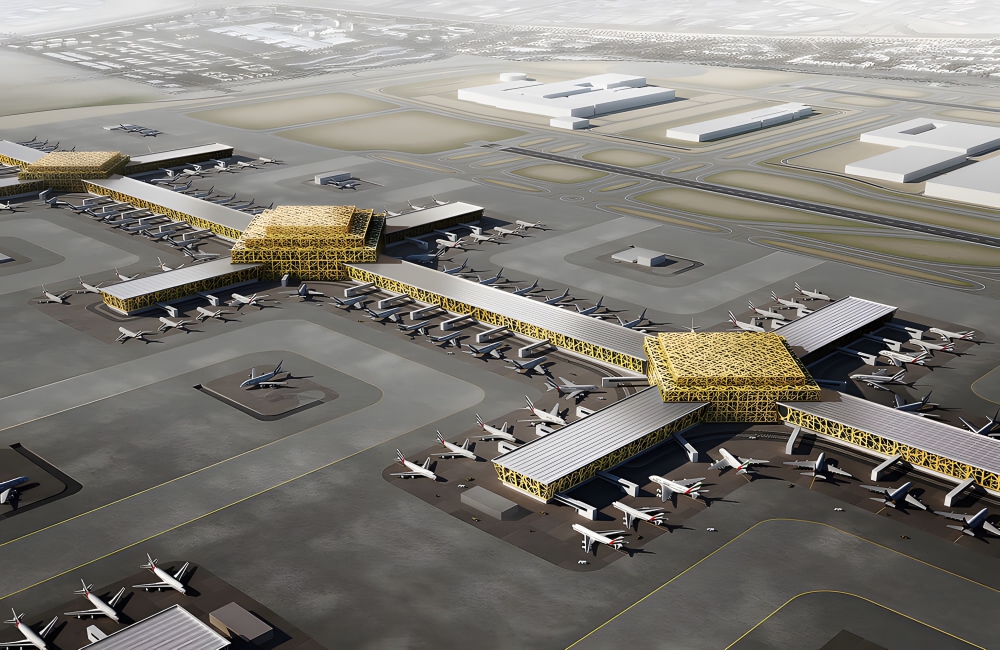
Dubai World Central Airport expansion @archdaily / Pinterest
Its annual capacity is projected to reach close to twelve million tonnes of cargo and close to two hundred million passengers a year who will be able to enjoy the many shops and multiple hotels that will be within the complex. Following the global financial crisis of 2007-2012, completion of the airport was pushed back ten years from 2017 to 2027 and is not expected to be delayed until 2030.
40. Eglinton Crossroad LRT
Location: Toronto, Canada
Total Cost: $10 Billion*
Year Finished: 2021
The day that the late Toronto Mayor Rob Ford took office in 2010, he announced the cancellation of the plan by his predecessor Mayor David Miller that was to have a partially underground, light rail system built across mid-town Toronto. The old plan was to have forty-three stops spread right across the city. Starting at Pearson International Airport to the west and terminating at Kennedy station to the east. The new plan that Mayor Ford would propose was an excellent blueprint for what would eventually become the twenty-five station, 19 km Eglinton Crossroad or Line 5. A consortium of more than twenty-six companies called Crosslinx Transit Solutions was awarded the thirty-year contract to build and maintain the Eglinton Crossroad Line.
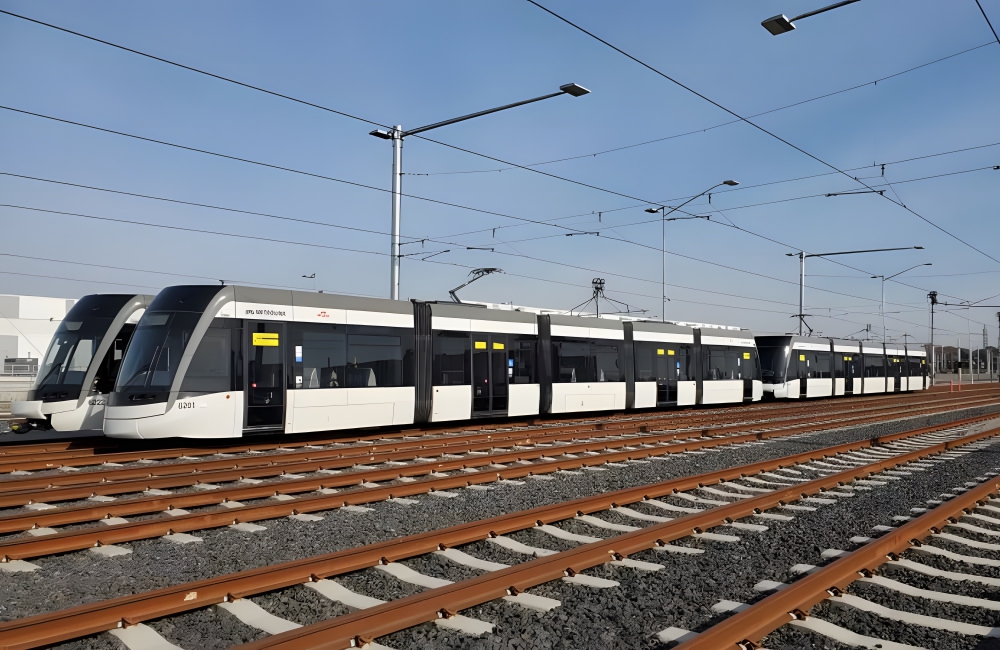
Eglinton Crossroad LRT @blogto / Pinterest
Ground was officially broken in November of 2011. By 2018 only 6.2 of the 29 miles of track had been built but Crosslinx was certain they would still have the project completed by 2021. Much to the chagrin of midtown Torontonians, in February of 2020 a further delay was announced, as Metrolinx gave a new estimated completion date of “well into 2022”. In March of 2020, due to the seemingly endless delays on construction, the provincial government of Ontario dedicated $3 million CAD to the aid of local businesses affected by the ongoing construction. The finish date for ‘Line 5’ is still expected to be sometime in 2022 but due to the Covid-19 pandemic, there are no guarantees.
41. The Exchange 106
Location: Kuala Lumpur, Malaysia
Total Cost: ~$10 Billion*
Year Finished: 2019
Standing at 1462-feet high, The Exchange 106 in Kuala Lumpur is now one of the fifteen tallest buildings in the world and was aptly named for the 106 floors of which the building comprises. Designed and developed by the Mulia Group, Peter Chan is the architect on record for this behemoth of a building. The designs for the project were completed with the goal of a speedy and efficient build, which was made evident by the two to three-day average that it took in order to complete each floor of the exchange.
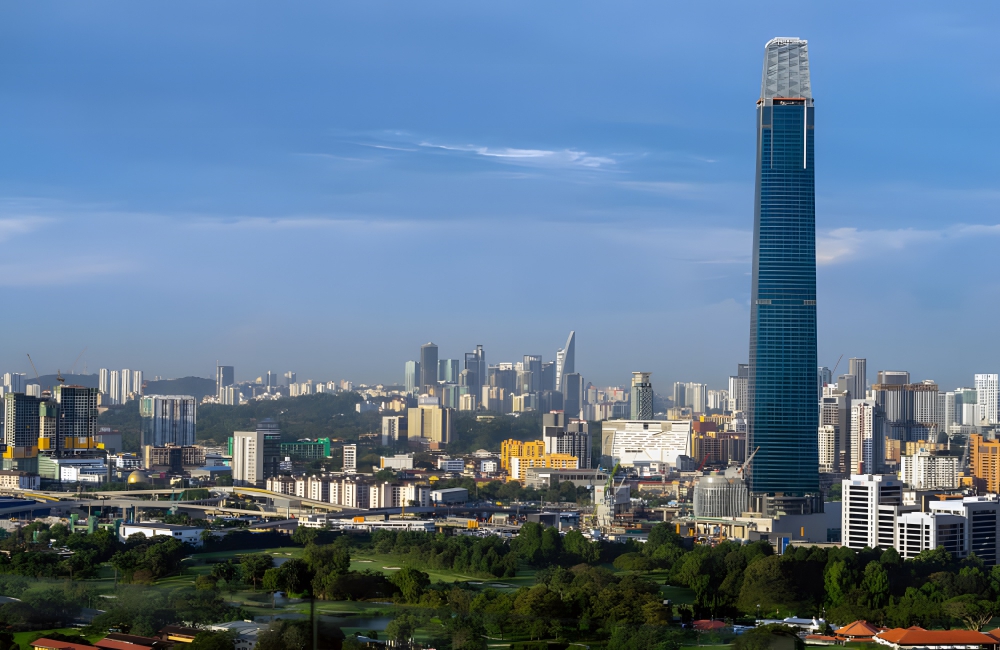
The Exchange 106 ©shaifulzamri / Shutterstock
From the time that groundwork on the plot began, it took only three years for workers to start moving into their offices, which is an amazing feat considering the magnitude of the project. In an area the size of eight Olympic swimming pools, the 20,200 cubic meters of concrete that was used in the building of the tower was done only in an astonishing forty-eight hours, thus making The Exchange 106 the second-largest concrete pour in world history. The project is expected to be completed in its entirety by the third quarter of 2021.