
Potatoes ©yuris/Shutterstock | Finger @buzzfeed.com
As shoppers, the importance of adhering to expiration dates on consumable products is drummed into us pretty early on. But outside of the pantry, there are plenty of household items that can also expire. We just don’t realize it.
It’s not just about what you eat, but how safe a product is to use. Simple goods that we thought were a one-time purchase can deteriorate over time, while other staples don’t last as long as we think they do. When it comes to expiration dates, it’s a minefield. Read on to make sure your products are in the safe zone.
After all, no one wants to be caught out washing their clothes in outdated detergent or brushing their teeth with toothpaste long past its sell-by date. In some cases, you have just a fraction of the time you think you do after you’ve made the purchase.
1. Moisturizer
Expires In: 2 years
Average Price: $12*
How many of us are guilty of keeping hoards of cosmetics in our toiletry bags for way longer than we really should. Moisturizers and lotions might still look good and smell good even though you got them two Christmases ago. But more importantly: are they still healthy?

Moisturizer @LightField Studios / Shutterstock
The shelf life of these products isn’t indefinite. Lotions in pump pots or tubes should be tossed out after two years, however, those in tubs and pots can be breeding grounds for bacteria. Always make sure you wash your hands before using these and replace every 3-6 months to be on the safe side.
No one wants a face full of nasties when you’re trying to stay wrinkle-free and supple. It sort of defies the point and certainly won’t help keep signs of aging at bay. Plus, moisturizers can be a little on the expensive side depending on what you buy, so it’s important to get the most out of them.
2. Sunscreen
Expires In: 3 years
Average Price: $10*
We all know how important sunscreen is. Science has proved time and time again that it’s vital to protect ourselves from harmful UV rays. It’s such a popular item, but many of us keep the tube until it’s run out, no matter how long that might be.

Sunscreen ©NadyaEugene / Shutterstock
In fact, according to the Mayo Clinic, sunscreen is good for about three years before it needs to be thrown away. Even if there’s an expiration date on the bottle that says two years, it should be fine for another 12 months. Once that time has elapsed, it won’t have the same protective qualities.
Still, three years is a long time to make sure a product is used by, so this could be a positive fact for those of us that buy a new bottle each summer. No need to throw them out immediately, but definitely worth checking if you’re prone to leaving bottles lingering in the back of the cupboard.
3. Laundry Detergent
Expires In: 6 months
Average Price: $10*
While laundry detergents don’t strictly expire, they do break down over time, making them much less effective. If you buy in bulk because it’s a cheaper way of doing it, you might want to think again. According to the Huffington Post, it’s best to buy a new bottle every six months.
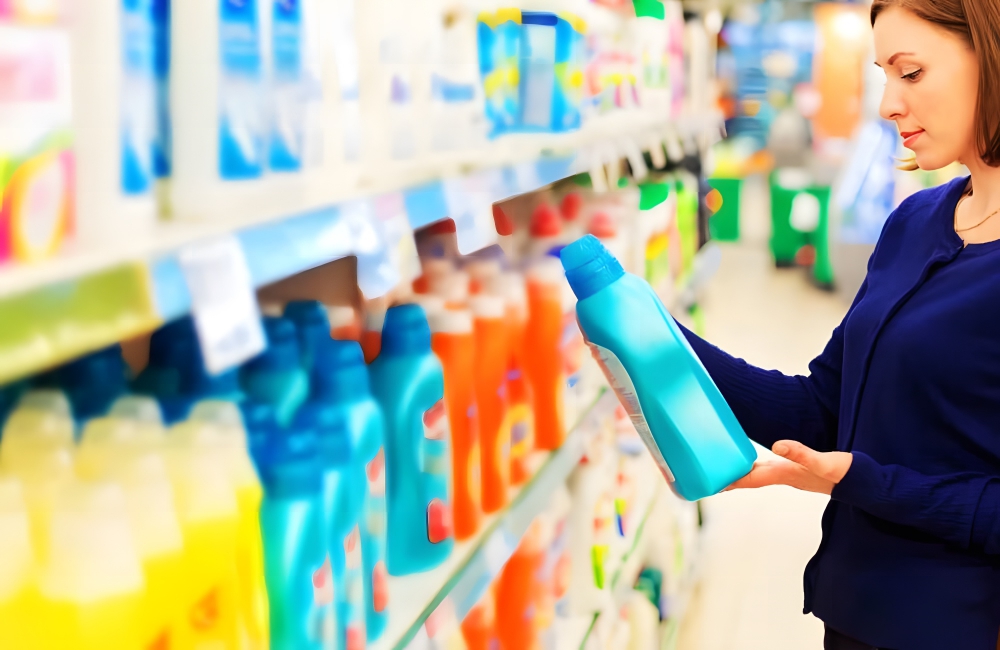
Laundry Detergent @97 / Shutterstock
Leave detergent lingering on the shelf for any longer than that and it’s virtually useless. It’s tempting to stock up on laundry goods when they’re half price, but in reality, you’re not doing yourself any favors in the long run.
The bottle of detergent will likely look and smell good even past its sell-by date, but the product won’t clean your clothes as it should. Take a marker and write the date on the bottle when you open it, that way you’re one step ahead of the game.
4. Hydrogen Peroxide
Expires In: 2 months
Average Price: $6*
Hydrogen peroxide is an invaluable first aid kit staple that usually only costs around $6. In most cases (if we’re lucky) first aid boxes can go untouched for months before we need them, making it pretty easy to forget about the products inside.
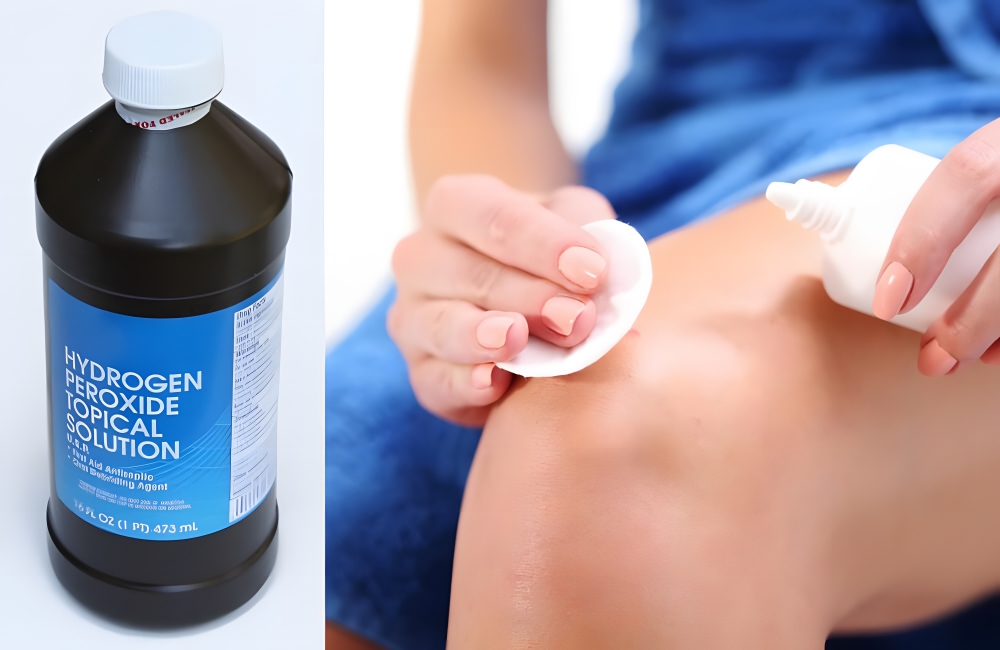
Hydrogen peroxide © Robert Przybysz / Shutterstock
An unopened bottle of hydrogen peroxide will last a year before it needs to be replaced, but an open bottle lasts only two months before it effectively turns to water. It’s best to review everything in your first aid kit every couple of months just to be on the safe side. No one wants to be caught short during an emergency.
Hydrogen Peroxide is used to clean wounds, so it’s not something you want to mess around with. If it’s outdated you could run the risk of developing an infection and nobody wants to be visiting the hospital right now given the current climate. It’s better to be safe than sorry with this one.
5. Kitchen Sponge
Expires In: 1 week
Average Price: $2*
How many of us are guilty of using a kitchen sponge until it starts to crumble? If we could see the bacteria lingering on it, we might think twice. Sponges are great for washing the dishes and wiping down the sides, but they should be replaced far more often than we think.
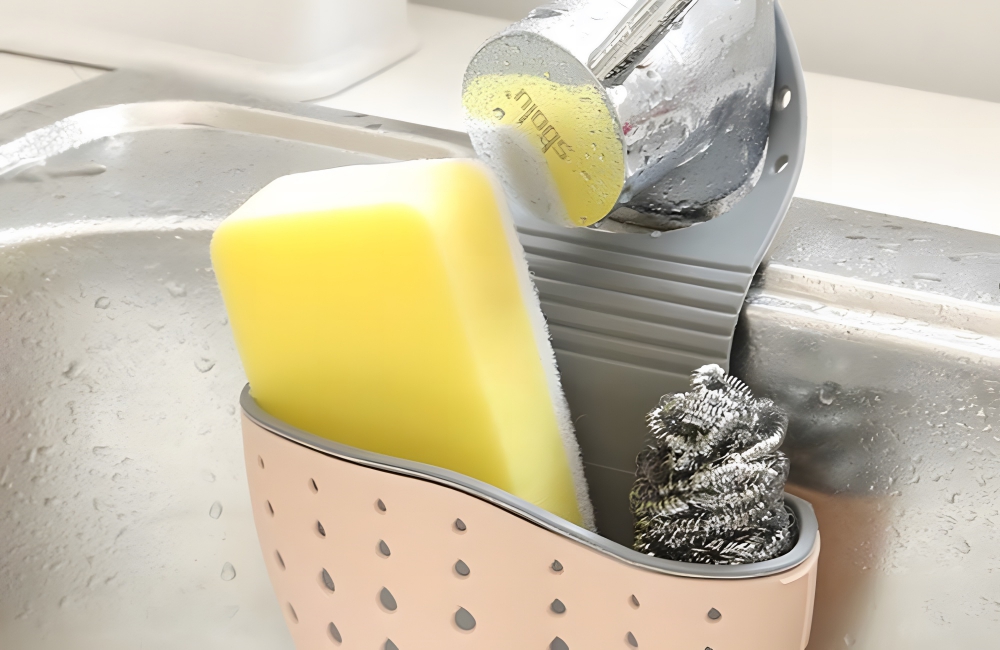
Kitchen Sponge @janeritte_ / Twitter.com
A 2017 study by German scientists suggested that we should be replacing our sponges at least once every week to stop the risk of spreading germs. Even cleaning and disinfecting them isn’t a sure-fire way to rid them of all the nasties they’ve picked up.
A pack of sponges costs around $2 at stores like Walmart, so replacing them doesn’t have to be an expensive chore. Yes, we would all rather save our money and spend it on more exciting things, but when it comes to keeping our families safe it’s a no-brainer.
6. Running Shoes
Expires In: 6 months
Average Price: $40-80*
Investing in a new pair of running shoes every couple of years is a luxury for many people, but it turns out we should be buying new kicks more often. The more you run, the more frequently you should replace your footwear.

Running shoes / Shutterstock
For runners that hit the pavements frequently, sneakers should be replaced every 200 to 300 miles. Those that only use running shoes to workout in the gym or jog less frequently should look at buying a new pair every six months. It’s all down to the cushioning wearing away which puts extra pressure on your joints.
Plus, when you think about it, running shoes are the perfect breeding ground for bacteria. They’re warm, damp, and full of dead skin. It sounds horrible, but it’s true. So, to keep your tootsies away from any lingering bugs or potential skin infections, it’s doubly important to replace them.
7. Car Seat
Expires In: 5-6 years
Average Price: $100-300*
It isn’t only liquid goods that can expire. Things that you thought would last forever sometimes have a shelf life, too. Car seats are one just one of many items that we don’t think about. According to one Buzzfeed study, the materials used to make car seats often expand and contract with age.

Car Seat ©Dmitry Kalinovsky / Shutterstock
Factor in the varying temperatures in a car, from freezing cold in winter to boiling hot in summer, and the structure of the seat can change over time. It’s suggested that these should be changed every 5 to 6 years to ensure the safety of little ones.
We all know how important it is for our little ones to be in the correct car seat for their age, but the quality of the seat is just as important. It’s these little changes that we may not notice by just looking, but that could make all the difference if the worst comes to the worst.
8. House Paint
Expires In: 2 years
Average Price: $20*
Once rooms are painted, many people squirrel away the leftover paint cans just in case any spots need to be touched up in the future. This may sound like a savvy plan, but in reality, paint isn’t immortal.
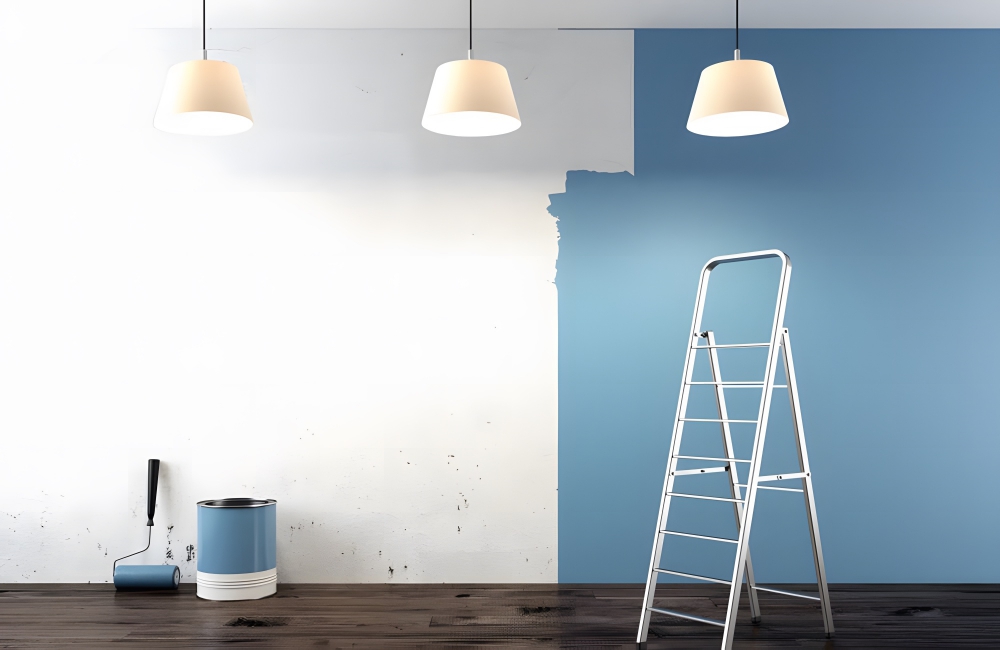
House Paint ©Kostsov / Shuttersock.com
In fact, oil-based paints should only be kept for two years before they expire. They’ll either be rock hard when you open it the next time, or the quality of the paint will be separated and useless. If you’re decorating a new room and plan on keeping it that color for the foreseeable future, it might be best to buy an extra unopened can as a safety net.
Even then, unopened paint has a shelf life. A brand new tin will last just a couple of years too, so think carefully before you’re planning on painting a room. Choosing a hardwearing color or one that’s continuously made might be a good bet to avoid any touch-up problems.
9. Fire Extinguishers
Expires In: 5-10 years
Average Price: $25*
Every safety-conscious house has a fire extinguisher waiting on stand-by just in case the worst happens. Extinguishers have an impressive shelf life of around 5-10 years, making them a worthy investment that won’t break the bank. However, it’s not the extinguisher itself you need to be wary of.
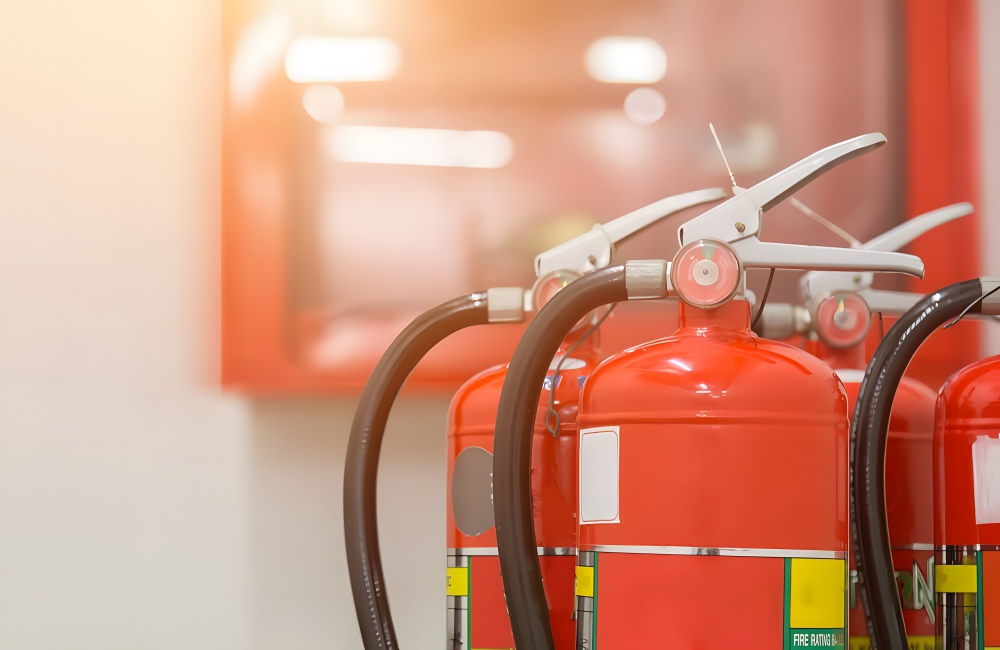
©A_stockphoto / Shutterstock
The hoses of fire extinguishers can often crack and become problematic, which is why they should always be stored correctly. To be on the safe side, check the pressure gauge frequently, and should you ever have to use it, make sure it’s refilled straight away.
Fire safety isn’t something that should be messed around with, so consider putting a reminder in your phone or on a calendar to regularly check the state of your extinguishers. No one wants to be caught out in a disastrous situation, especially if you’ve got kids at home.
10. Makeup
Expires In: 6 months
Average Price: $10*
Makeup lovers are often guilty of buying a few items and not using them all within a certain time frame. Perhaps it’s a lipstick for special occasions or a mascara for everyday wear. While it’s tempting to think these products only need throwing away once they’ve run out, we’ve got news for you.
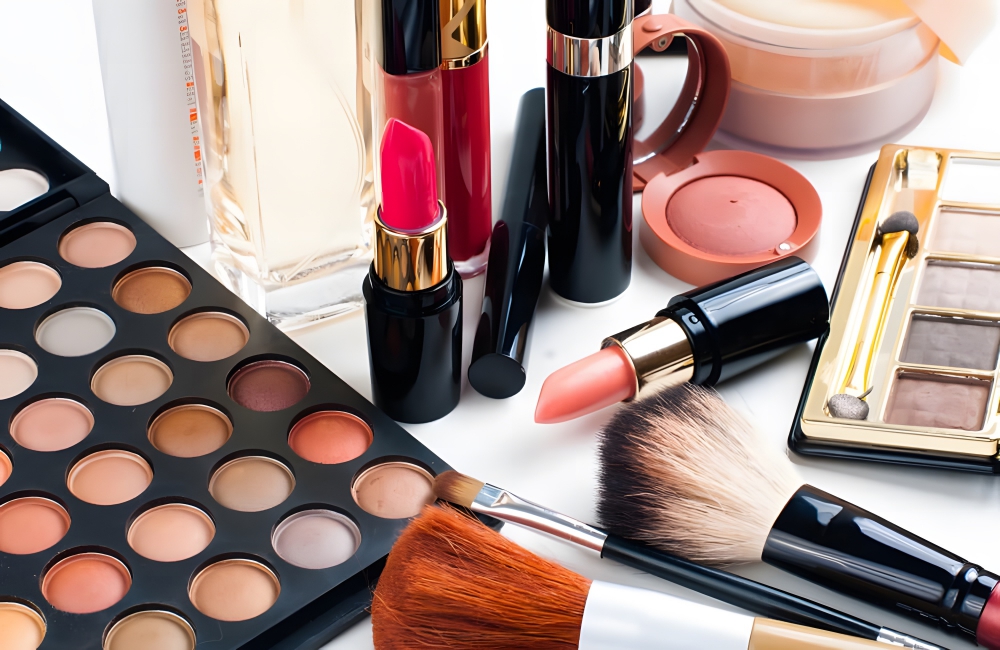
Makeup ©Daria Minaeva / Shutterstock
Your drug store bill should be bigger than it is. Many make-up items should be thrown out and replaced every six months, regardless of how much is left in the pot. Bacteria loves mascara wands so be sure to toss that one out first.
Lipstick lasts slightly longer than most other products at one year, but then it’s time to give it the boot and take a trip to Sephora. After all, these items come into contact with the delicate skin on your face so cleanliness is next to godliness when dealing with cosmetics.
11. Gasoline
Expires In: 6 months
Average Price: $2.3 per gallon*
Keeping a spare can of gas in the garage for those days you’re in a rush and can’t make the station in time is a great idea for many. However, it needs to be used up in 6 months instead of lingering behind the unused mountain bikes for years.
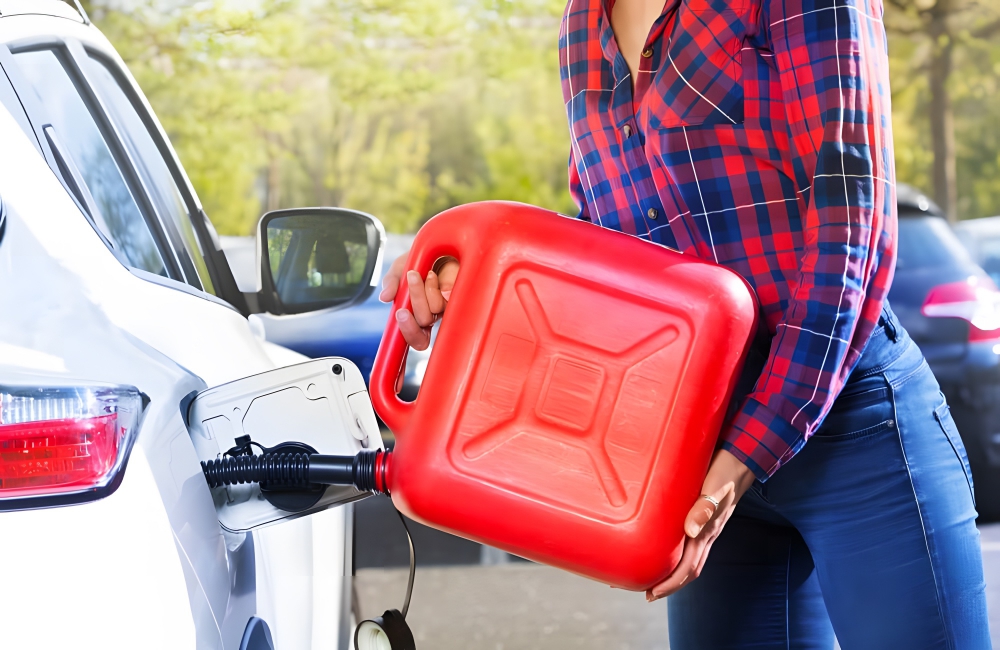
Gas ©Sergey Novikov / Shutterstock
Some specialists also believe that gasoline inside of a car should be used up in 30 to 60 days or it will start to have an adverse effect on the engine. Diesel, on the other hand, can be stored in a can for up to a year before it goes bad.
Whatever fuel you use, be sure to take note of when you make the purchase and change it out for a fresh can as soon as that date rolls around. It’s not worth the damage it could do to your car when it’s only a couple of bucks per gallon.
12. Bike Helmet
Expires In: 3-5 years
Average Price: $25*
Just like car seats, bike helmets can warp and become ineffective over time. This is especially true depending on where you store them. What’s more, if the helmet has been involved in any sort of accident or taken any knocks, it should be replaced immediately.

Bike Helmet © Tyler Olson / Shutterstock
You can’t be too careful when it comes to safety equipment. The general consensus is that bike helmets that haven’t had any bumps should be replaced every 3 to 5 years to make sure they’re doing the job they need to do in case of an emergency.
Run the risk of not replacing them and you could be in for a nasty shock should you ever have an accident. Helmets that aren’t in tip-top condition can split, shatter, or just not protect your skull in the way that they were originally designed to.
13. Power Strips
Expires In: 7 years
Average Price: $10*
Have you ever bought a power strip and thought you were set for life? Don’t worry, most of us have. Sadly, it’s a misguided decision. Power strips should be replaced at least every 7 years to avoid the risk of a potential fire hazard and stay up to date with compliances.
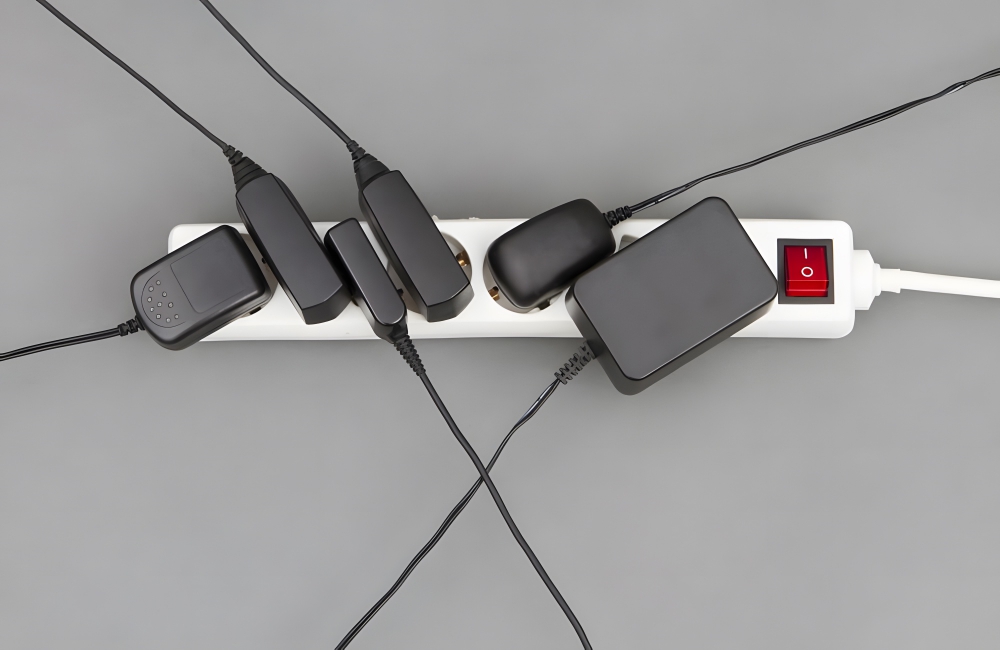
Power Strip ©Biehler Michael / Shutrerstock.com
If the power strip’s wiring looks loose or any of the plug sockets stop working, it should be thrown out and replaced straight away. As these things handle a lot of electricity, it’s never worth the risk when they only cost $10 to replace.
Many homes make use of several power strips in different rooms, so be extra careful if you’re using them to power appliances like washing machines or dryers. If something goes wrong it could cause problems with the machine it’s supplying, too.
14. Perfume/Cologne
Expires In: 2 years
Average Price: $50*
It’s tempting to use an expensive perfume sparingly as they can often be costly to replace. However, that vintage Chanel no.5 you picked up at the thrift store might smell good, but it’s probably expired.
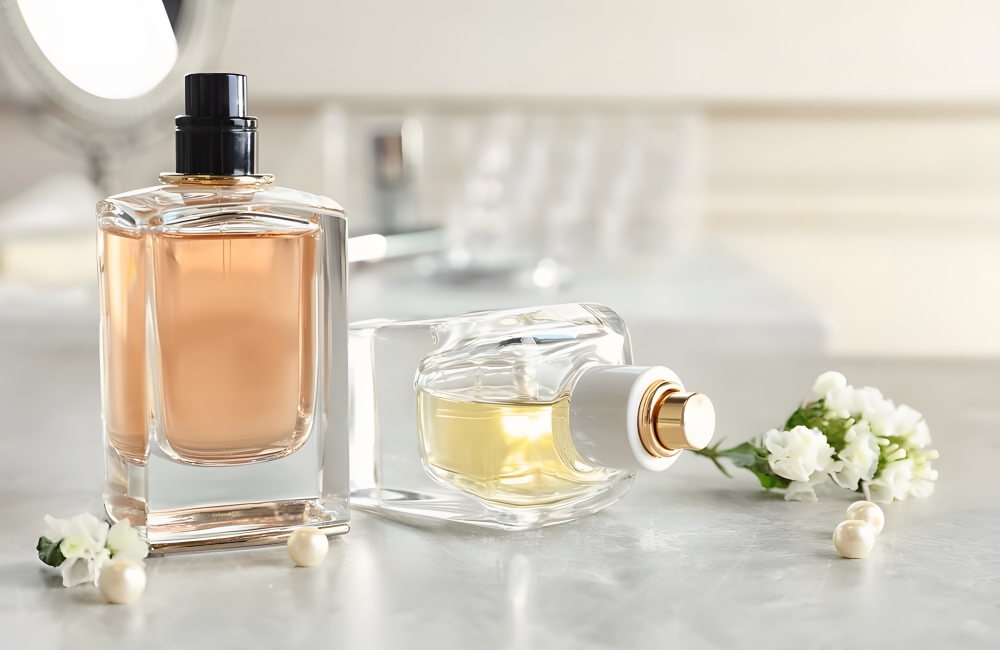
Perfume © Africa Studio / Shutterstock
Most perfume and colognes should be replaced within 30 months of opening. To try and keep your products as fresh as possible, store them in a cool, dry place and never put them in the fridge. Temperature fluctuations will only help the quality diminish further. Bonus tip: don’t shake the bottle and avoid decanting into sprayers.
Decanting a perfume can adversely affect the quality of the product, causing it to lose its smell quicker than it would if it were left in the original bottle. Many perfumes are costly to buy, so keep an eye on them and store them correctly to get the biggest bang for your buck.
15. Hand Sanitizer
Expires In: 2 years
Average Price: $3.99*
Thanks to the COVID-19 pandemic, the hand sanitizer market has gone through the roof. Prices have skyrocketed with some retailers as it’s such a demanded product. Many of us might have a bottle or two kicking around in the cupboard but think twice before you whip it out and start using it.
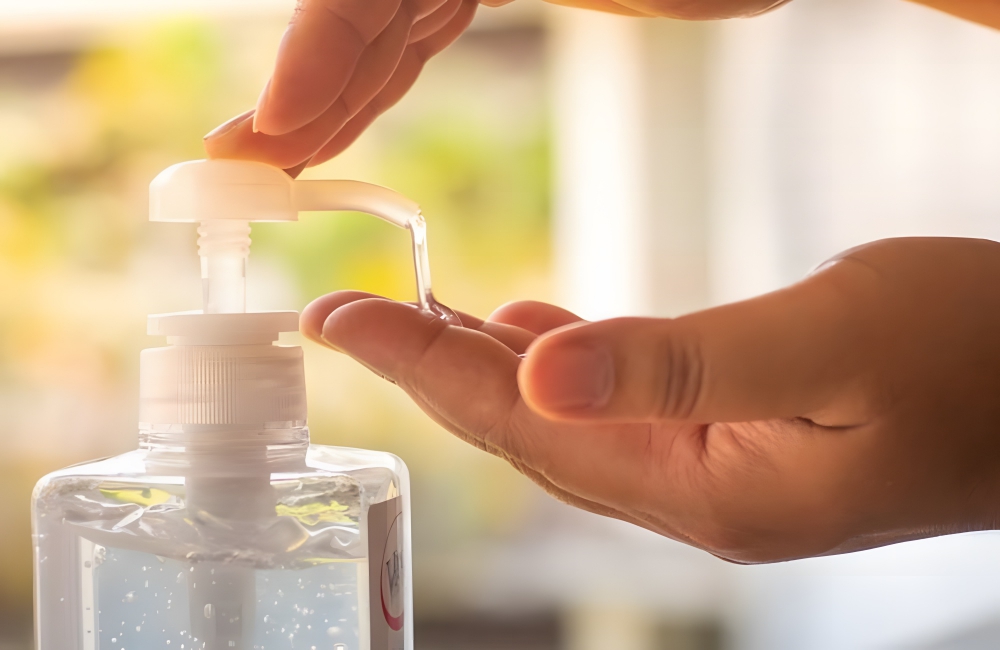
Hand Sanitizer / Shutterstock
The alcohol in sanitizer is what kills the germs, but this starts to dissolve as the years tick by. On the whole, hand sanitizers should be replaced every two to three years so that it does the job it’s supposed to do.
Being extra attentive when it comes to hand sanitizers is especially important given the current climate. If there was ever a time to check the dates of any leftover bottles lingering at the bottom of a briefcase or purse, this would be it.