
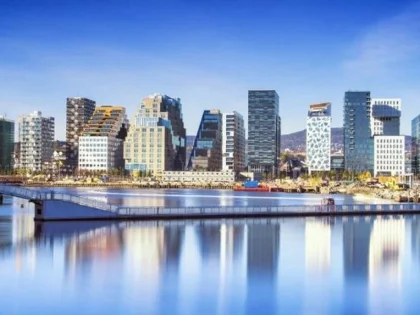
We frequently perceive the capital cities of today as timeless representations of the states in which they are located. Nonetheless, some fifteen major cities changed their names or locations over the 20th century. The Egyptian government currently intends to relocate Cairo, the country’s capital, to a new location. These are the top ten capitals that have moved:
1 New Cairo, 2021
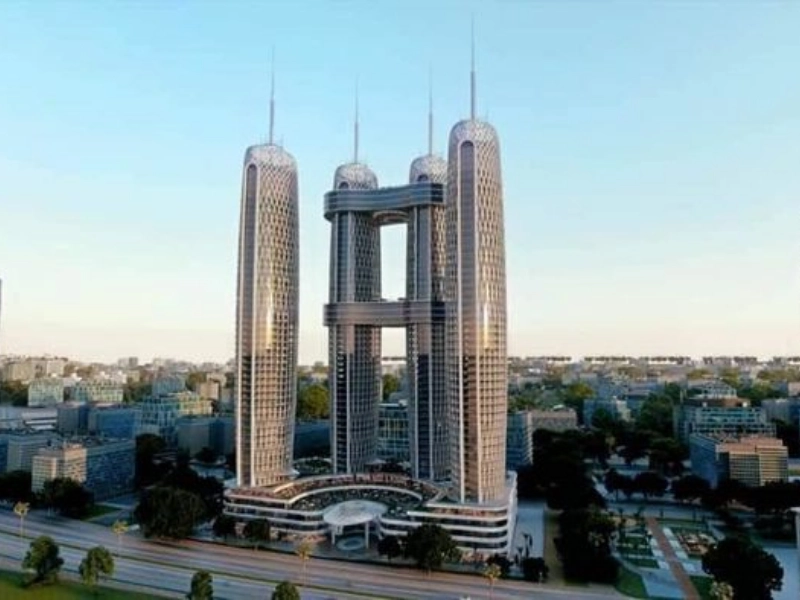
New Cairo, Egypt’s upcoming capital, is currently being built. Due to the pandemic, the capital relocation was not finished by the end of 2021 as initially scheduled. As Egypt’s 21st capital, New Cairo will have the biggest church for Christians in the Middle East, an arts and cultural hub, and the tallest towers in Africa. It is anticipated that there will be 6.5 million residents.
2 Islamabad, 1960
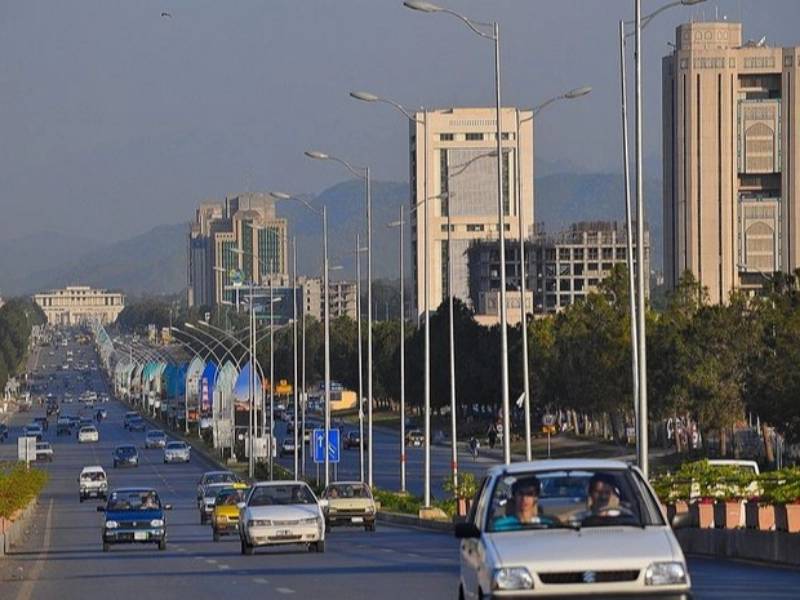
Pakistan’s most developed area historically was centred in the south, along the Arabian Sea coast, where the country’s capital and one of the biggest cities in the world, Karachi, was situated. The purpose of the creation of Islamabad was to develop and diversify the country’s northern areas. The transfer of the capital occurred in phases, with Islamabad acting as the temporary capital from 1960 until the entire process was finished in 1966.
3 Brasília, 1960
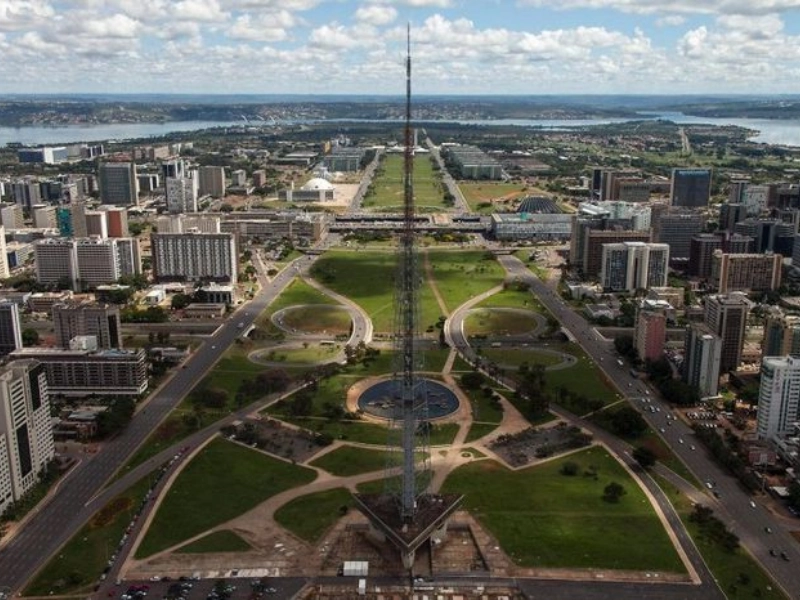
Brazil’s capital was relocated from Rio de Janeiro to Brasília in 1960 as a result of population growth and to encourage development in the country’s interior regions. Rio de Janeiro’s susceptibility to maritime assaults was another reason for the move.
4 Canberra, 1927
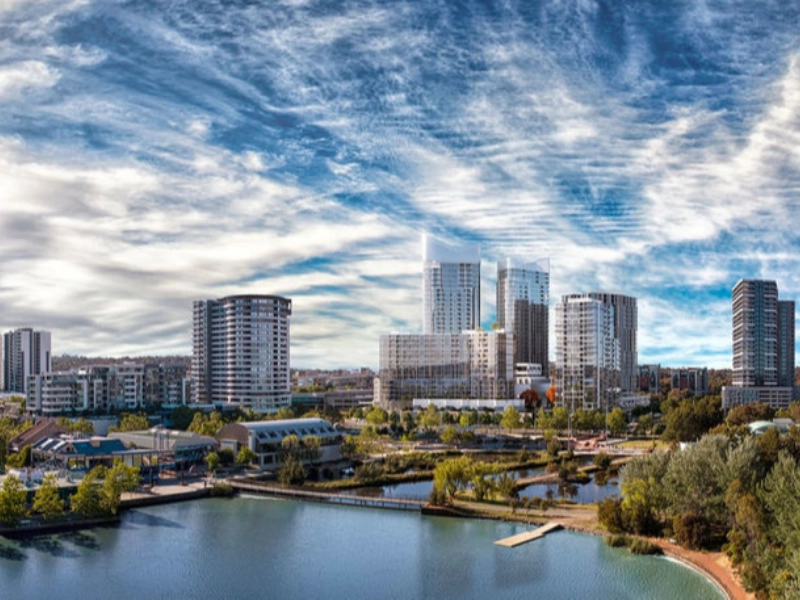
Australia’s 1901 federal constitution stipulated that the country’s new capital city had to be at least 161 kilometres from Sydney and located inside the state of New South Wales. The two biggest cities in Australia, Sydney and Melbourne, had rival claims, and this decision was a compromise between them. The capital relocation was finished in 1927, with Canberra having been constructed in 1913.
5 Ankara, 1923
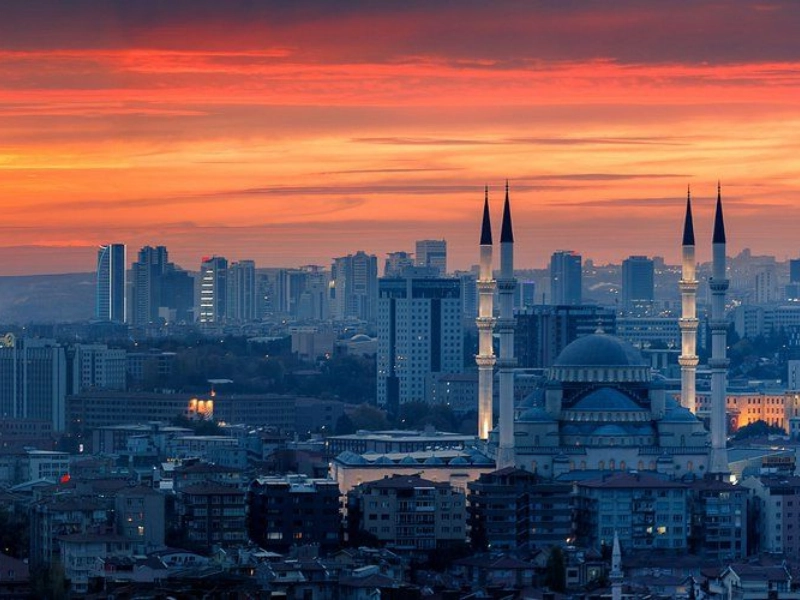
After the republic was established on October 29, 1923, Istanbul was replaced as the capital city of Turkey by Ankara. Galatia, an ancient Celtic state, and subsequently the Roman province of the same name, both had Ankara as their capital.
6 New Delhi, 1912
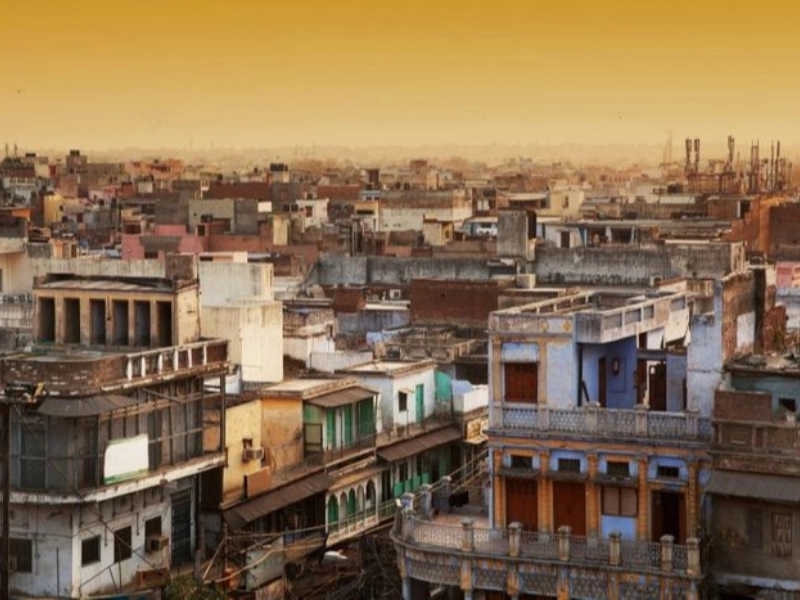
Calcutta served as the capital of British India from 1757 to 1911. Historically, Delhi, a city in northern India, served as the political and economic hub of multiple empires. India’s George V, the Emperor, suggested that Delhi be the new capital of the Indian Empire instead of Calcutta.
7 Pretoria, 1860
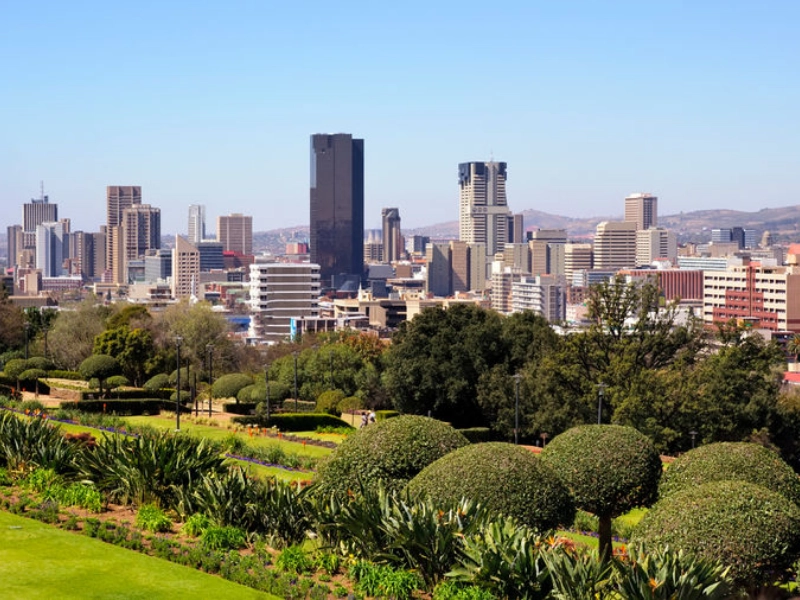
The Boer commander Marthinus Pretorius established the capital city of South Africa, Pretoria, in 1855, naming it after his father, Andries Pretorius. It was selected to replace Cape Town as the South’s new capital.
8 Washington, 1800
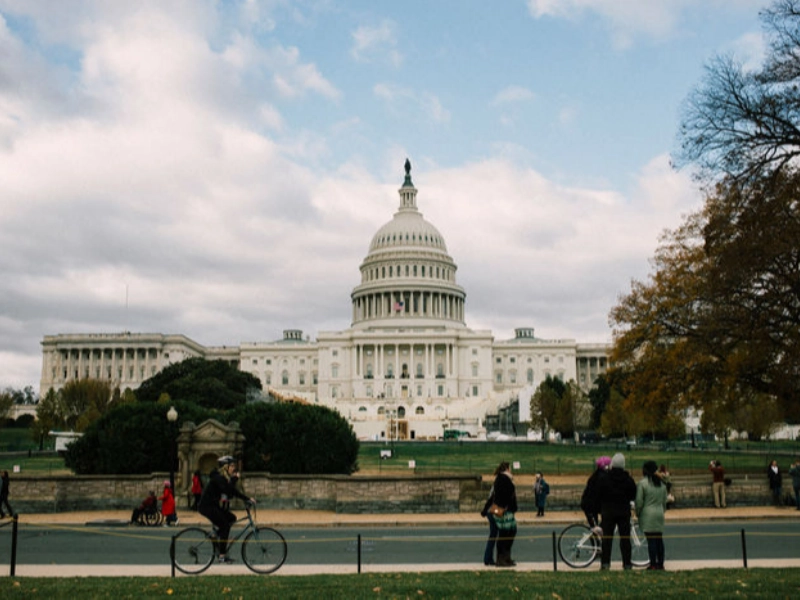
Washington replaced Philadelphia as the nation’s capital in 1800, following years of building in the District of Columbia. The federal government was given permission under the U.S. Constitution to designate the federal district as the capital of the country. This action was a component of the Jefferson-Hamilton Compromise of 1790, which permitted the US Department of the Treasury to take on state debt in return for relocating the nation’s capital to the South. Maryland and Virginia gave up territory for the capital.
9 Kyiv, 1934
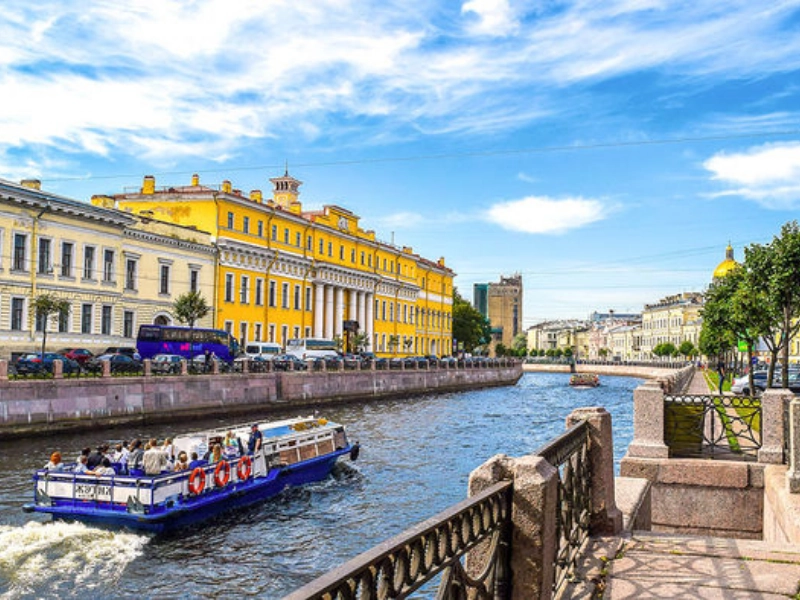
The Bolsheviks moved the capital to Kharkiv in 1919 with the intention of russifying the city because they believed that Kyiv had too much national heritage and Ukrainian culture. Kyiv was restored as the capital of Ukraine in 1934.
10 Christiania, 1624
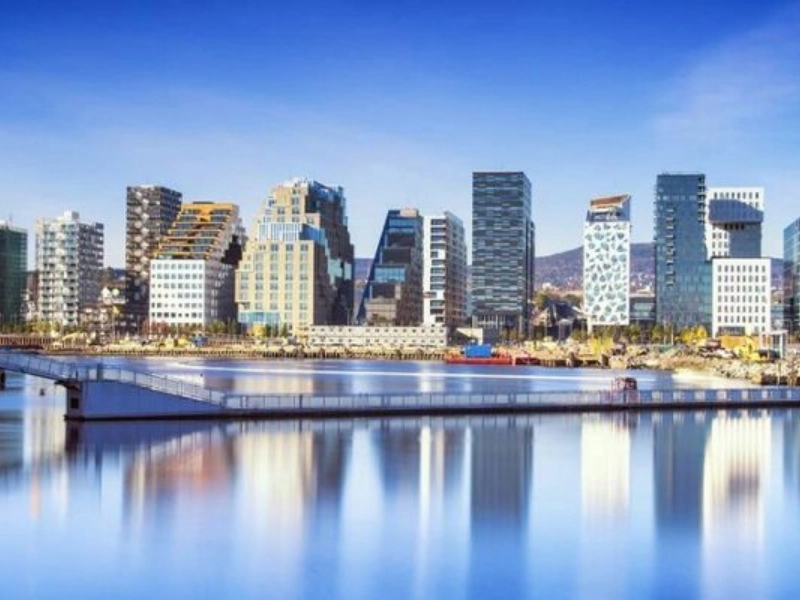
Following the devastation of mediaeval Oslo by fire in 1624, Christian IV, the King of Norway, commanded the reconstruction of the city, moving it closer to the citadel and westward, giving it the new name Christiania. The previous Oslo region was incorporated into the city’s limits beginning in 1859. The city reverted to using its old name, Oslo, in 1925.
 zw
zw