
7. Bauxite (Aluminum Ore)
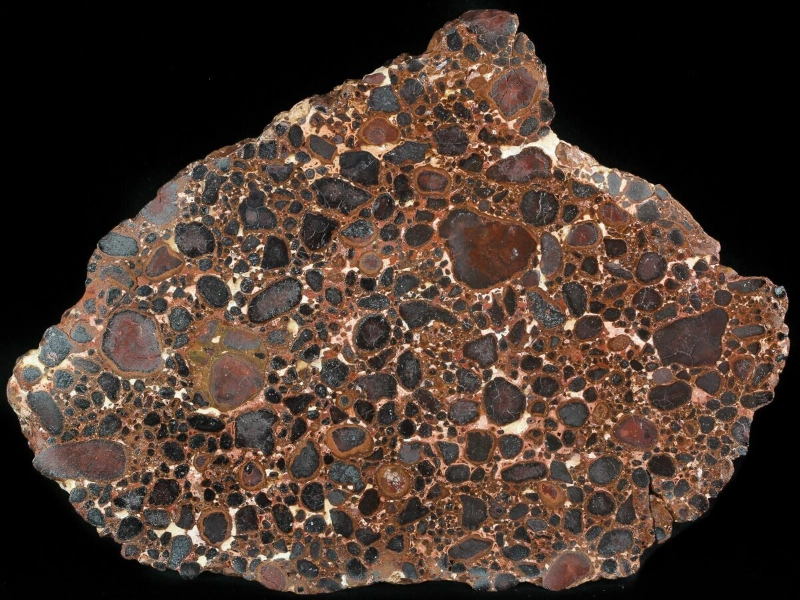
The main ore of aluminium, bauxite is a combination of aluminium hydroxide minerals mostly gibbsite (Al(OH)3), boehmite (�-AlO(OH)), and diaspore (α-AlO(OH). Although aluminium is not a semiconductor like silicon or a main conductor like copper, its special mix of characteristics—light weight, great thermal conductivity, and corrosion resistance—makes it indispensable in the electronics business.
Extraction of aluminium from bauxite is a complicated, energy-intensive operation. It starts with the Bayer process, whereby sodium aluminate is formed by dissolving bauxite in sodium hydroxide under high temperature and pressure. The dissolved aluminium then precipitates out when the solution cools and seeds it with aluminium hydroxide crystals. The aluminium hydroxide is subsequently calcined to produce aluminium oxide, sometimes known as alumina. The Hall-Héroult method comes last: alumina is electrolytically reduced in a molten cryolite bath to produce metallic aluminium.
Aluminium finds many uses in the electronics sector since its unique qualities help to improve the performance and lifetime of different tools and parts. Device casings and enclosures make one of the most obvious applications for aluminium in electronics. Because aluminium is light-weight, strong, and aesthetically pleasing, many computers, cellphones, tablets, and other portable electronic gadgets are built of metal. Excellent thermal conductivity of aluminium also enables these enclosures to function as passive heat sinks, therefore helping to dissipate heat produced by interior components.
Especially as devices get more powerful and small, heat control is a fundamental component of electronic design. Heat sink and thermal management systems find perfect use for aluminium since of its great thermal conductivity. Particularly for CPUs, GPUs, and other high-performance circuits, these parts are absolutely vital in computers. Aluminum’s capacity for effective heat transmission and dissipating helps to preserve ideal running temperatures, therefore guaranteeing the dependability and lifetime of electronic equipment.
Within the field of electronic manufacturing, electrolytic capacitors are produced extensively from aluminium. Fundamental in many electronic circuits, these parts store and release electrical energy. While maintaining the component’s whole modest size, the aluminium foil utilised in these capacitors offers a great surface area for charge storage. This use highlights how easily aluminium can be made into incredibly thin, yet strong, sheets.
Although not as high as copper’s, aluminum’s great electrical conductivity qualifies for some wiring uses, especially where weight is a major consideration. Aluminium wiring can be a desirable substitute for copper in some uses in aerospace and automobile electronics, where fuel economy depends on lowering total weight. Some high-voltage power transmission lines also have aluminium in their cores, where its low weight enables larger spans between support buildings.
Another great advantage of the metal for electronics uses is its corrosion resistance. Aluminium rapidly creates a thin, protective oxide coating in air that stops more corrosion. Aluminium is perfect for usage in parts that can be subjected to hostile surroundings or changing weather conditions because of its inherent protection; examples of such parts are outdoor electronic displays, weather-resistant enclosures for electronic equipment, and maritime electronics.
Aluminium is occasionally used as a substrate material for printed circuit boards (PCBs), especially for uses needing better heat dissipation. High-power LED lighting, automotive electronics, and other uses where thermal management is crucial use aluminum-core PCBs—where a layer of aluminium is placed between layers of insulating material and copper circuitry.
Aluminum’s importance will probably increase as the electronics sector develops and trends towards smaller, more powerful, and energy-efficient devices take hold. Investigating aluminum-based materials—such as aluminum-air batteries and aluminum-based semiconductors—points to possible future uses that could raise the significance of this flexible metal in electronics even more.
Growing need for aluminium in electronics and other sectors has prompted more attention on environmentally friendly manufacture and recycling. The recyclability of aluminium is well-known; recycled aluminium just requires roughly 5% of the energy required to create primary aluminium from bauxites. From an environmental standpoint, aluminum’s metal durability and reusability along with this energy efficiency make it an increasingly appealing material.
In essence, even although bauxite and aluminium might not be as instantly connected with electronics as certain other elements, their importance is both noteworthy and rising. From lightweight, robust enclosures to effective thermal management and helping to make different electronic components functioning, aluminium generated from bauxite is still a vital component in the always changing field of electronic technology.
 zi ang