
6. Hematite (Iron Ore)
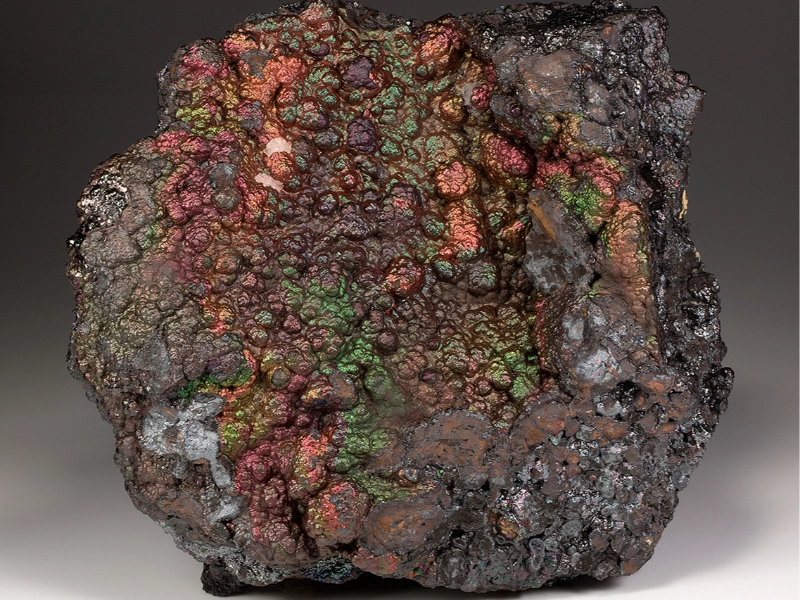
With a chemical formula Fe2O3, haematite is among the most important iron ores and a vital mineral used in the manufacturing of iron and steel. Though iron is not usually connected with electronics in the same way as copper or silicon, it is really important in many different electrical uses, especially in the field of magnetic materials. From haematite and other iron ores, the magnetic qualities of iron are basic for the operation of many electrical devices and components.
Iron is a main component of magnetic materials used in transformers, inductors, and magnetic storage devices in the electronics sector. To maximise their efficiency, transformers—which are necessary for voltage conversion in power supplies for electronic devices—rely on iron cores. Iron is perfect for use in transformer cores since its great magnetic permeability lets one create large magnetic fields with rather low currents. A key consideration in the construction of small electronic devices, this quality is essential in downsizing power supply components while preserving great efficiency.
Another often used electronic component, inductors, likewise make advantage of iron cores. Applications for these parts abound; they include radio frequency circuits, power sources, and audio equipment filters. Smaller components with better performance are made possible by the iron core raising the coil’s inductance. In the continuous drive towards miniaturisation in electronics, this is very crucial.
In terms of data storage, iron-based materials have been absolutely vital. Although newer solid-state drives are becoming more and more widespread, hard disc drives (HDDs) still find great usage particularly in applications needing high-capacity, reasonably priced storage. Usually covered with thin films made of iron, either in the form of iron oxide or more sophisticated iron alloys, the magnetic platters found in HDDs These materials give the magnetic qualities required for data retrieval and storage.
Many soft and hard magnetic materials used in electronics also depend critically on iron. Applications include magnetic sensors, magnetic amplifiers, and electromagnetic interference (EMI) shielding make use of soft magnetic materials—that which may be readily magnetised and demagnetised. Permanent magnets, sometimes known as hard magnetic materials, find use in speakers, microphones, and electric motors used in many different kinds of electronic equipment.
Haematite iron production consists in multiple phases. The ore is crushed and filtered to get a constant size following mining. It then passes through a beneficiating process—which can call for flotation, magnetic separation, or gravity separation—to raise the iron concentration. Usually then, the concentrated ore is combined with coke and limestone in a blast furnace. Reduced to metallic iron, the iron oxide is then further purified to provide different grades of iron and steel.
Iron-based materials in advanced electronic applications have attracted increasing attention in recent years. Research on iron-based superconductors, for example, has created fresh opportunities for high-temperature superconductivity, which might have major consequences for next electronic and energy technologies. Furthermore under investigation for usage in both electronic and biological contexts are iron oxide nanoparticles, including tailored medication delivery systems and magnetic resonance imaging (MRI) contrast agents.
The environmental effects of haematite iron manufacture have prompted further recycling initiatives and efficiency enhancement of extraction techniques. Although it does not consume iron the most, the electronics sector gains from these initiatives since the availability of premium, sustainably made iron-based products for different uses guarantees.
The function of iron in magnetic components and new technologies guarantees haematite stays a mineral of major relevance to the sector as electronics develop. From the cores of small inductors in cellphones to the large transformers in power distribution systems supporting our electronic infrastructure, iron derived from haematite continues to be a vital, if sometimes disregarded, component in allowing the functionality and efficiency of modern electronic devices and systems.
 zi ang