
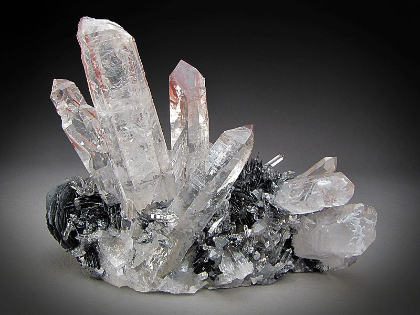
4. Galena (Lead Sulfide)
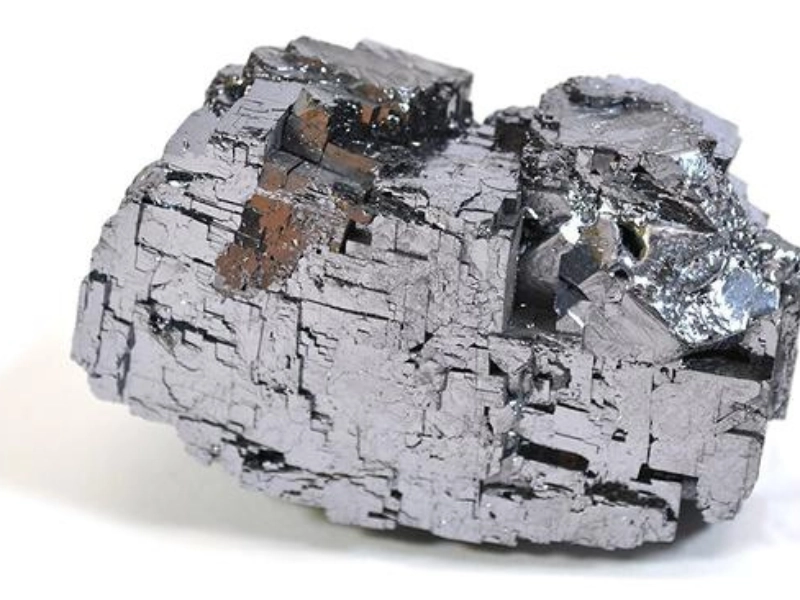
The main resource of lead is galena, with unique cubic crystal form and metallic lustre. PbS, its chemical formula, captures its lead and sulphur content. Lead is still very important in several parts of the electronics sector, especially in energy storage and radiation shielding, even if health and environmental issues have led to growing limits in many applications.
Lead produced from galena finds most use in lead-acid batteries among electronic devices. Designed in the 19th century, these batteries are now a vital technology for many uses including backup power systems for infrastructure and electronic devices, uninterruptible power supplies (UPS), and vehicle starting batteries. Lead-acid batteries’ basic chemistry consists in the conversion between lead, lead oxide, and lead sulphate in an electrolyte solution of sulphuric acid. The reversible process lets one store and release electrical energy.
Within the framework of electrical gadgets, UPS systems especially benefit from lead-acid batteries. These systems guarantee uninterrupted operation of important electronic equipment including servers, data centres, telecommunications equipment, and medical devices by means of emergency power when the main power supply fails. Lead-acid batteries are ideal for various uses because of their dependability, low cost, capacity to produce high currents, Lead-acid batteries remain somewhat popular despite developments in other battery technologies because of their well-known manufacturing techniques, recyclability, and performance qualities.
Lead extraction from galena proceeds in various phases. The ore is crushed and pulverised following mining, then sent through froth flotation to isolate the galena from other minerals. The concentrated galena is next burned to turn the lead sulphide into lead oxide. Often with iron added to eliminate residual sulphur, this oxide is subsequently converted to metallic lead in a blast furnace or reverberatory furnace. The resulting crude lead is refined once more to eliminate contaminants and reach the high purity levels needed for battery manufacture and other uses.
Lead finds use in other electrical devices outside batteries, albeit in declining amounts because of legal limits. For some specialised solders, for example, lead is still employed where its specific qualities are necessary. For some electronic devices, especially those used in medical and scientific equipment involving X-rays or other types of ionising radiation, it also serves in radiation shielding.
Lead’s environmental and health issues have spurred major campaigns to minimise its use and guarantee appropriate recycling. With a recycling rate far above 99% in many developed nations, lead-acid batteries are among the most recycled consumer goods available. This great recycling rate guarantees a consistent supply of lead for the manufacturing of new batteries in addition to lessening of environmental impact.
Research on lead replacements and better lead-acid battery technologies is continuous as the electronics sector develops. Improved performance and safety abound from advanced lead-acid battery designs like absorbent glass mat (AGM) batteries and valve-regulated lead-acid (VRLA) batteries. Driven by environmental concerns and legal demands, lead-free substitutes for many different electronic uses keep evolving. Notwithstanding these trends, lead’s special qualities guarantee that galena will always be a valuable mineral in the field of electronic materials, especially in energy storage uses where lead-acid batteries still provide a combination of performance, cost-effectiveness, and dependability difficult to match with other technologies.
 zi ang