
2. Cassiterite (Tin Ore)
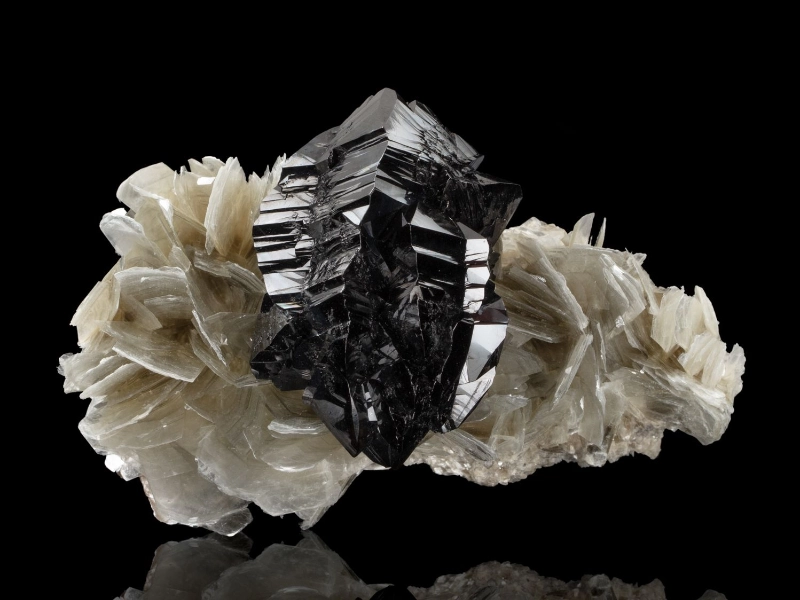
Especially in the field of soldering materials, cassiterite, the main mineral of tin with the chemical formula SnO2, is absolutely important in the electronics sector. An essential component in the manufacturing of several solder alloys is tin, taken from cassiterite using smelting techniques. Usually made of tin mixed with other metals like lead, silver, or copper, these alloys are crucial for maintaining correct electrical connections and attaching electronic components on circuit boards. Since lead-free soldering techniques were adopted in response to environmental and health issues related with lead-based solders, tin has become much more important in electronics.
Starting with mining activities either open-pit or underground depending on the nature of the deposit, the process of extracting tin from cassiterite consists in various stages. After extraction, the ore is crushed and ground to cut particle size; next, gravity separation methods include spirals or table shaking concentrate the cassiterite. To get contaminants out, further purification could call for magnetic separation or flotation. The concentrated cassiterite is then burned with carbon in furnaces to convert tin oxide to metallic tin, hence reducing the tin oxide. Additional refining processes help this crude tin reach the high purity levels needed for electronic uses.
Reliable mechanical and electrical connections between components and circuit boards in the framework of electronics manufacture depend on tin-based solders. For this use tin is perfect because of its low melting point, great wetting qualities, and capacity to create strong intermetallic connections with copper and other metals. Apart from its electrical conductivity, tin-based solders act as a physical anchor for components, therefore guaranteeing their stability on the circuit board. Lead-free solders—mostly based on tin alloys with tiny amounts of copper, silver, or other elements—have been a major breakthrough in enabling electronics more environmentally friendly while preserving the required performance characteristics.
Beyond soldering, tin from cassiterite finds use in various spheres of electronics. For solar cells and touchscreens, for example, transparent conductive coatings are made from tin oxide. Certain specialist alloys used in the production of electronic connections and switches also contain tin. The metal’s non-toxic character and corrosion resistance make it valuable for the manufacture of protective coatings for electronic components, therefore extending their dependability and lifetime. The need of cassiterite as a source of tin remains critical as the demand for electronic gadgets keeps rising internationally. This motivates continuous research and development of tin mining activities all around to guarantee a consistent supply for the electronics sector.
 zi ang