
1. Quartz (Silicon Dioxide)
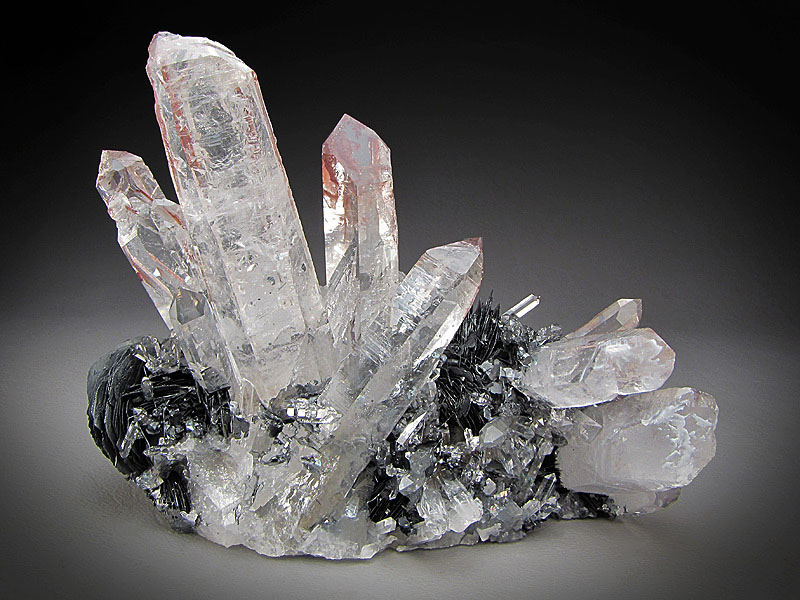
Quartz, with its chemical formula SiO2, stands as one of the most abundant and widespread minerals found in the Earth’s crust. Its significance in the realm of electronics and technology cannot be overstated, as it serves as the primary raw material for silicon, which forms the foundation of the semiconductor industry. The journey from quartz to silicon wafers is a complex process that involves multiple steps of purification and refinement. Initially, high-purity quartz is melted in an electric arc furnace with carbon, resulting in the production of metallurgical-grade silicon. This silicon, while purer than its mineral form, still contains impurities that make it unsuitable for electronic applications. To achieve the level of purity required for semiconductors, the metallurgical-grade silicon undergoes further refinement through processes such as the Siemens process or zone refining. These methods produce electronic-grade silicon with impurity levels measured in parts per billion.
The refined silicon is then used to grow single crystal ingots, typically through the Czochralski process. In this method, a seed crystal is dipped into molten silicon and slowly pulled upwards while rotating, resulting in a large, single-crystal cylindrical ingot. This ingot is then sliced into thin wafers, which serve as the base material for the production of integrated circuits, microchips, and other electronic components. The exceptional electrical properties of silicon, including its semiconducting nature and ability to be precisely doped with other elements, make it ideal for these applications. Silicon’s wide bandgap and thermal stability allow for the creation of electronic devices that can operate reliably under various conditions.
Moreover, quartz itself finds direct applications in electronics beyond its role as a source of silicon. Its piezoelectric properties make it valuable in the production of oscillators, resonators, and filters used in various electronic devices. Quartz crystals are employed in watches, clocks, and timing circuits to provide precise frequency control. The stability and accuracy of quartz oscillators have made them essential components in telecommunications, navigation systems, and scientific instruments. Additionally, fused quartz, a high-purity form of silica glass, is used in the production of optical fibers, which have revolutionized telecommunications by enabling high-speed, long-distance data transmission. The unique properties of quartz, including its hardness, chemical inertness, and thermal stability, also make it valuable in the manufacturing of specialized laboratory equipment and high-temperature industrial applications related to electronics production.
2. Cassiterite (Tin Ore)
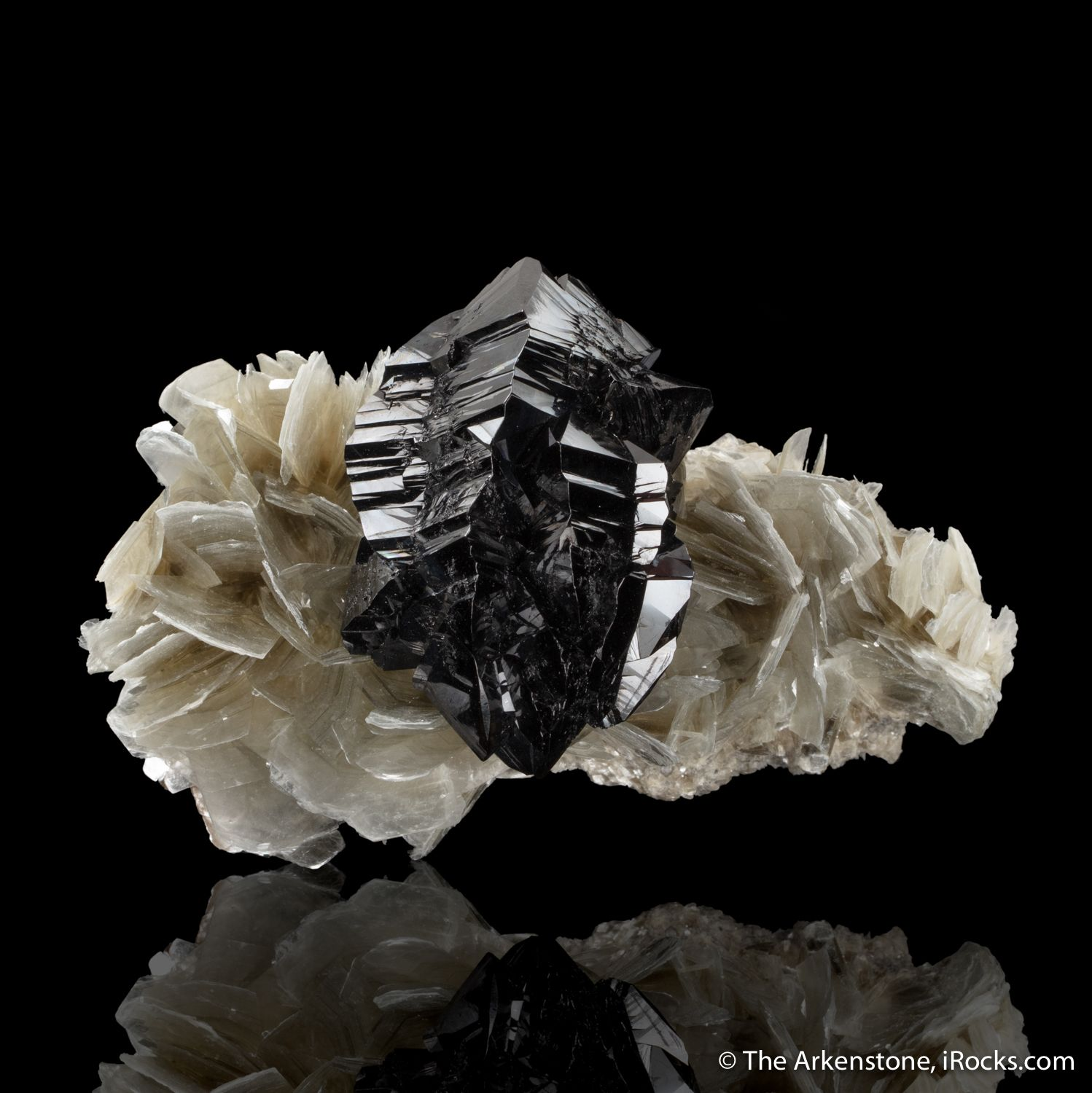
Cassiterite, the primary ore of tin with the chemical formula SnO2, plays a crucial role in the electronics industry, particularly in the realm of soldering materials. Tin, extracted from cassiterite through smelting processes, is a critical element in the production of various solder alloys. These alloys, typically composed of tin combined with other metals such as lead, silver, or copper, are essential for joining electronic components on circuit boards and ensuring proper electrical connections. The importance of tin in electronics has grown significantly since the implementation of lead-free soldering practices in response to environmental and health concerns associated with lead-based solders.
The process of extracting tin from cassiterite involves several stages, beginning with mining operations that can be either open-pit or underground, depending on the deposit’s characteristics. Once extracted, the ore undergoes crushing and grinding to reduce particle size, followed by gravity separation techniques such as shaking tables or spirals to concentrate the cassiterite. Further purification may involve flotation or magnetic separation to remove impurities. The concentrated cassiterite is then smelted in furnaces, where it is heated with carbon to reduce the tin oxide to metallic tin. This crude tin undergoes additional refining steps to achieve the high purity levels required for electronic applications.
In the context of electronics manufacturing, tin-based solders are indispensable for creating reliable electrical and mechanical connections between components and circuit boards. The unique properties of tin, including its low melting point, excellent wetting characteristics, and ability to form strong intermetallic bonds with copper and other metals, make it ideal for this purpose. Tin-based solders provide not only electrical conductivity but also serve as a physical anchor for components, ensuring their stability on the circuit board. The development of lead-free solders, primarily based on tin alloys with small amounts of silver, copper, or other elements, has been a significant advancement in making electronics more environmentally friendly while maintaining the necessary performance characteristics.
Beyond soldering, tin from cassiterite finds applications in other areas of electronics. Tin oxide, for instance, is used in the production of transparent conductive coatings for touchscreens and solar cells. Tin is also a component in some specialized alloys used in the manufacturing of electronic connectors and switches. The metal’s corrosion resistance and non-toxic nature make it valuable in the production of protective coatings for electronic components, helping to extend their lifespan and reliability. As the demand for electronic devices continues to grow globally, the importance of cassiterite as a source of tin remains paramount, driving ongoing exploration and development of tin mining operations worldwide to ensure a stable supply for the electronics industry.
3. Wolframite (Tungsten Ore)
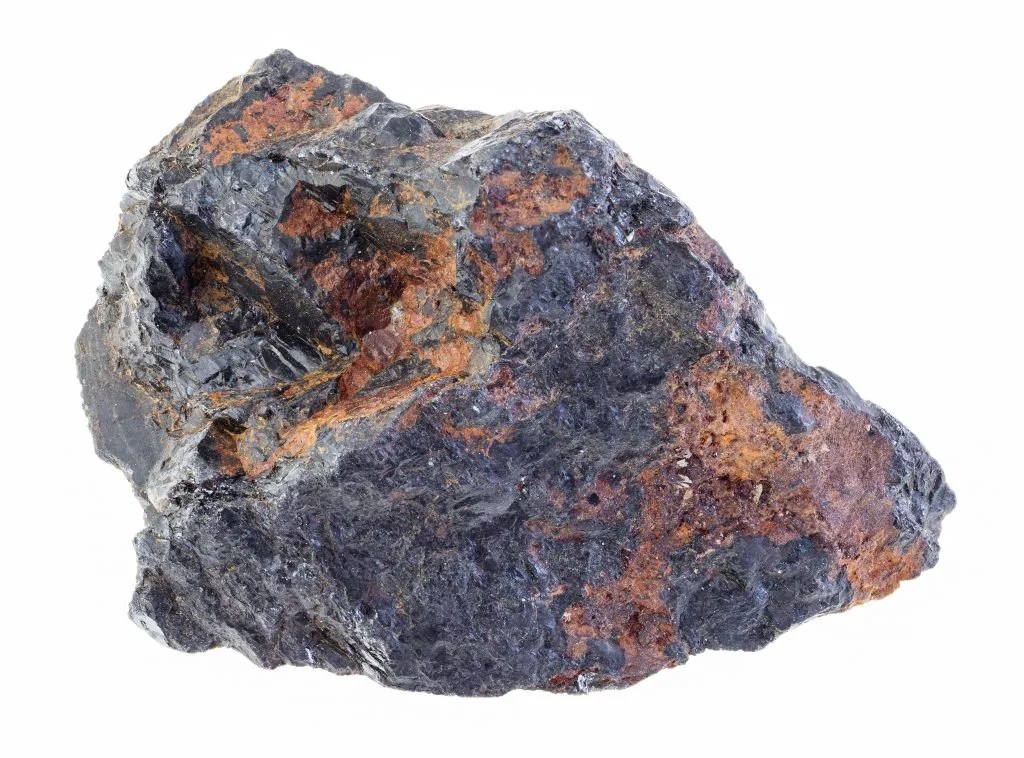
Wolframite, a mineral with the chemical formula (Fe,Mn)WO4, is the primary ore of tungsten, a metal that plays a crucial role in various electronic applications. Tungsten, derived from wolframite through complex extraction and refining processes, is renowned for its exceptional properties, including the highest melting point of all metals, excellent electrical conductivity, and remarkable strength. These characteristics make tungsten an indispensable element in the production of numerous electronic components and devices.
One of the most well-known applications of tungsten in electronics is its use in the production of filaments for incandescent light bulbs. The high melting point and low vapor pressure of tungsten allow it to withstand the extreme temperatures required for light emission without significant evaporation, ensuring the longevity of the bulb. Although incandescent bulbs are being phased out in many applications due to energy efficiency concerns, tungsten filaments continue to be used in specialized lighting applications where their unique properties are advantageous.
In the realm of vacuum tubes and X-ray tubes, tungsten serves as an excellent electron emitter source. Its high melting point allows it to withstand the intense heat generated during electron emission without degradation. Vacuum tubes, while largely replaced by solid-state devices in consumer electronics, still find use in high-power radio transmitters, certain audio amplifiers, and scientific instruments. X-ray tubes, which rely on tungsten targets to produce X-rays, are essential in medical imaging, security screening, and materials analysis.
Beyond these traditional applications, tungsten continues to find new uses in cutting-edge electronics. For instance, tungsten is employed in the fabrication of through-silicon vias (TSVs) in advanced 3D integrated circuits, where its high thermal conductivity helps manage heat in densely packed chip structures. Tungsten’s ability to form thin, uniform films makes it valuable in the production of diffusion barriers and contact materials in semiconductor devices.
The extraction of tungsten from wolframite involves a series of complex processes. After mining, the ore is crushed and undergoes gravity separation to concentrate the wolframite. The concentrate is then treated with sodium carbonate at high temperatures to form sodium tungstate. This compound is further processed through ion exchange, solvent extraction, or other methods to produce high-purity tungsten oxide. The oxide is then reduced to metallic tungsten powder using hydrogen in a process called hydrogen reduction. This powder can be further refined and formed into various shapes and forms required for different electronic applications.
As the electronics industry continues to evolve, with trends towards miniaturization, increased power density, and higher operating temperatures, the unique properties of tungsten ensure its ongoing importance. Research into new tungsten alloys and composites promises to expand its applications further, potentially leading to more efficient and durable electronic components. The continued demand for tungsten in electronics underscores the critical role of wolframite mining and processing in supporting technological advancement and innovation in the global electronics industry.
4. Galena (Lead Sulfide)
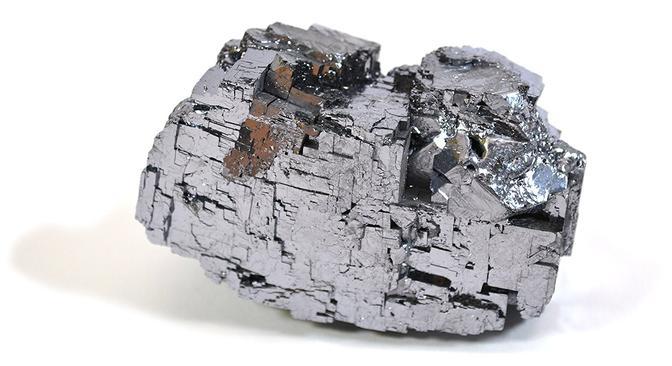
Galena, with its distinctive cubic crystal structure and metallic luster, is the primary ore of lead. Its chemical formula, PbS, reflects its composition of lead and sulfur. While lead has faced increasing restrictions in many applications due to health and environmental concerns, it continues to play a significant role in certain areas of the electronics industry, particularly in energy storage and radiation shielding.
The most prominent electronic application of lead derived from galena is in lead-acid batteries. These batteries, invented in the 19th century, remain a crucial technology for various applications, including automotive starting batteries, uninterruptible power supplies (UPS), and backup power systems for electronic devices and infrastructure. The fundamental chemistry of lead-acid batteries involves the conversion between lead, lead dioxide, and lead sulfate in an electrolyte solution of sulfuric acid. This reversible reaction allows for the storage and release of electrical energy.
In the context of electronic devices, lead-acid batteries are particularly valuable in UPS systems. These systems provide emergency power when the main power source fails, ensuring continuous operation of critical electronic equipment such as servers, data centers, telecommunications equipment, and medical devices. The reliability, low cost, and ability to deliver high currents make lead-acid batteries well-suited for these applications. Despite advancements in other battery technologies, lead-acid batteries continue to hold a significant market share due to their established manufacturing processes, recyclability, and performance characteristics.
The extraction of lead from galena involves several stages. After mining, the ore is crushed and ground, then subjected to froth flotation to separate the galena from other minerals. The concentrated galena is then roasted to convert the lead sulfide to lead oxide. This oxide is then reduced to metallic lead in a blast furnace or reverberatory furnace, often with the addition of iron to remove residual sulfur. The resulting crude lead undergoes further refining to remove impurities and achieve the high purity levels required for battery production and other electronic applications.
Beyond batteries, lead finds use in other electronic applications, albeit in decreasing quantities due to regulatory restrictions. For instance, lead is still used in some specialized solders where its unique properties are essential. It’s also employed in radiation shielding for certain electronic devices, particularly those used in medical and scientific equipment that involve X-rays or other forms of ionizing radiation.
The environmental and health concerns associated with lead have led to significant efforts to reduce its use and ensure proper recycling. Lead-acid batteries are one of the most recycled consumer products, with a recycling rate exceeding 99% in many developed countries. This high recycling rate not only reduces the environmental impact but also ensures a steady supply of lead for new battery production.
As the electronics industry continues to evolve, research into lead alternatives and improved lead-acid battery technologies is ongoing. Advanced lead-acid battery designs, such as valve-regulated lead-acid (VRLA) batteries and absorbent glass mat (AGM) batteries, offer improved performance and safety. Meanwhile, the development of lead-free alternatives for various electronic applications continues, driven by regulatory pressures and environmental considerations. Despite these trends, the unique properties of lead ensure that galena remains an important mineral in the landscape of electronic materials, particularly in energy storage applications where lead-acid batteries continue to offer a combination of performance, cost-effectiveness, and reliability that is challenging to match with alternative technologies.
5. Chalcopyrite (Copper Ore)
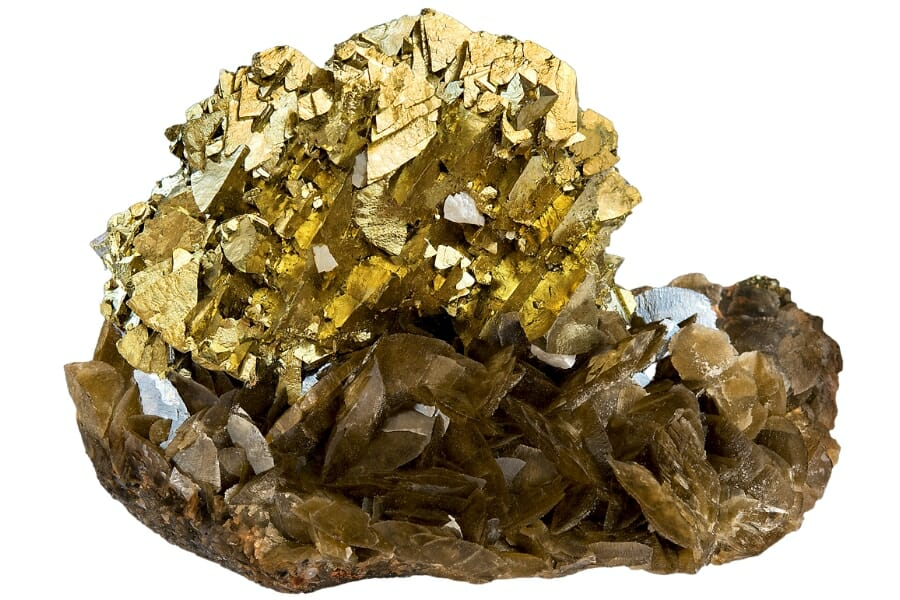
Chalcopyrite, a copper iron sulfide mineral with the chemical formula CuFeS2, is the most abundant and economically significant source of copper. Copper, extracted from chalcopyrite through various metallurgical processes, plays a vital role in the electronics industry due to its exceptional electrical conductivity, thermal properties, and malleability. The importance of copper in electronics cannot be overstated, as it forms the backbone of electrical systems in devices ranging from smartphones to large-scale data centers.
The journey from chalcopyrite ore to the high-purity copper used in electronics involves several stages of processing and refinement. After mining, the ore is crushed and ground to a fine powder. This powder then undergoes froth flotation, where the chalcopyrite is separated from other minerals. The resulting copper concentrate is then subjected to pyrometallurgical processes, including roasting to remove sulfur, smelting to produce copper matte, and converting to blister copper. The blister copper, which is about 98-99% pure, undergoes electrolytic refining to achieve the 99.99% purity required for most electronic applications.
In the realm of electronics, copper’s primary use is in wiring and circuitry. Its high electrical conductivity allows for efficient transmission of electrical signals with minimal energy loss. Copper wires and traces form the pathways through which electricity flows in printed circuit boards (PCBs), connecting various components and enabling the functionality of electronic devices. The advent of high-speed digital communications has further emphasized the importance of copper, as it is used extensively in data transmission cables, including Ethernet cables and USB connectors.
Copper’s excellent thermal conductivity also makes it invaluable in heat management applications within electronic devices. As electronic components become more powerful and compact, effective heat dissipation becomes crucial for maintaining performance and longevity. Copper heat sinks and thermal management solutions are widely used to draw heat away from processors, graphics cards, and other heat-generating components in computers and other high-performance electronic devices.
In the field of semiconductor manufacturing, copper has become increasingly important. The transition from aluminum to copper interconnects in integrated circuits, which began in the late 1990s, allowed for smaller, faster, and more energy-efficient microprocessors. Copper’s superior electrical conductivity and resistance to electromigration make it ideal for the fine interconnect lines in modern semiconductor devices.
The demand for copper in electronics has also driven innovation in copper alloys and composites. For instance, beryllium copper alloys are used in electrical connectors and switches due to their high strength and excellent spring properties. Copper-clad materials, where a layer of copper is bonded to another metal or substrate, are used in various electronic applications to combine copper’s electrical properties with the mechanical or cost advantages of other materials.
As the world becomes increasingly digitized and interconnected, the demand for copper in electronics continues to grow. This has led to concerns about the long-term supply of copper and has spurred efforts to improve copper recycling and develop more efficient extraction technologies. The recycling of electronic waste (e-waste) has become a significant source of copper, helping to meet demand while reducing the environmental impact of mining.
The ongoing development of new technologies, such as 5G networks, electric vehicles, and renewable energy systems, is expected to further increase the demand for copper in electronics. This underscores the continued importance of chalcopyrite as a crucial mineral resource. As the electronics industry evolves, the role of copper extracted from chalcopyrite remains central, driving ongoing research into more efficient extraction methods, improved copper alloys, and innovative applications that leverage copper’s unique properties to enable the next generation of electronic devices and infrastructure.
6. Hematite (Iron Ore)
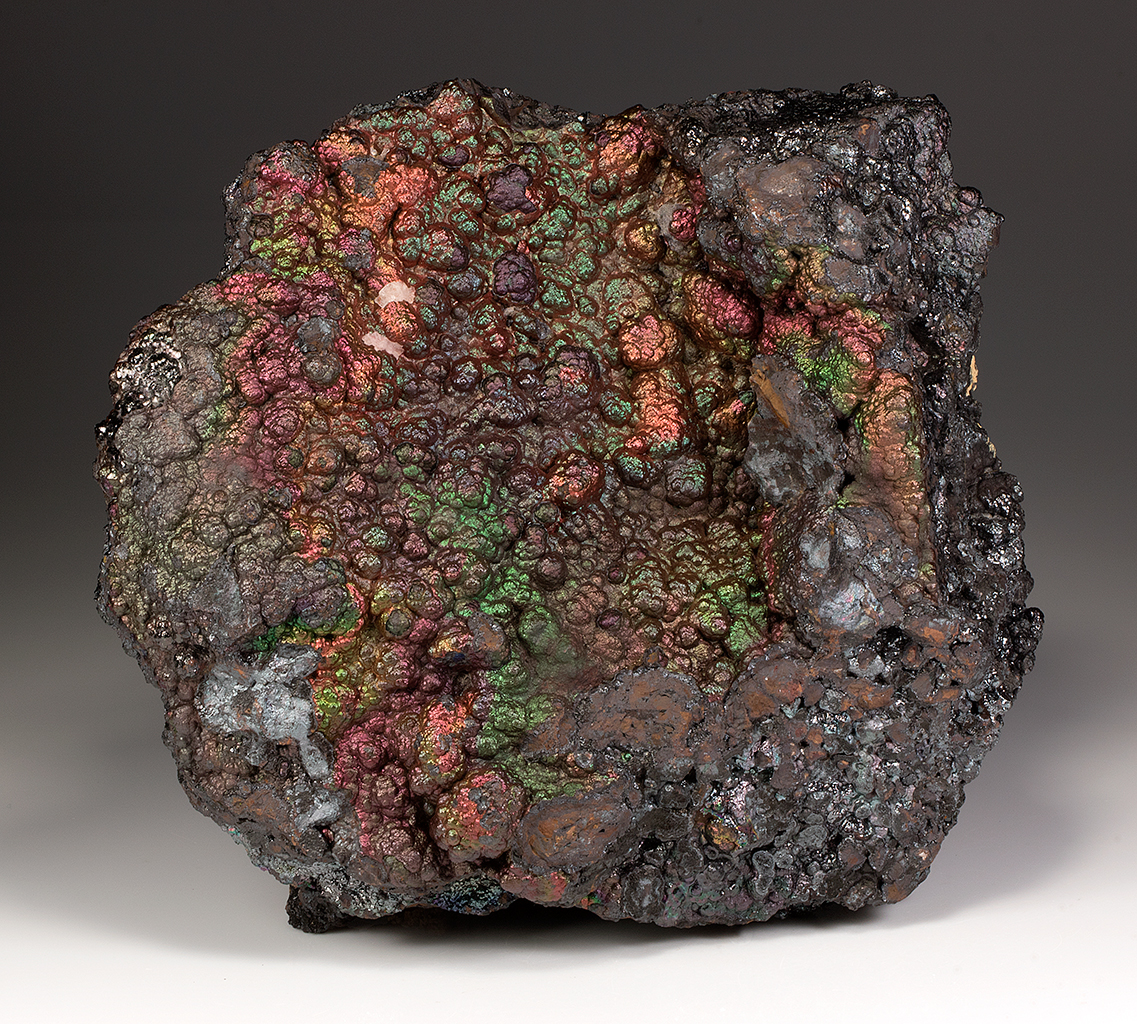
Hematite, with its chemical formula Fe2O3, is one of the most important iron ores and a crucial mineral in the production of iron and steel. While iron is not typically associated with electronics in the same way as copper or silicon, it plays a significant role in various electronic applications, particularly in the realm of magnetic materials. The magnetic properties of iron, derived from hematite and other iron ores, are fundamental to the functioning of numerous electronic devices and components.
In the electronics industry, iron is a key component in magnetic materials used in transformers, inductors, and magnetic storage devices. Transformers, which are essential for voltage conversion in power supplies for electronic devices, rely on iron cores to enhance their efficiency. The high magnetic permeability of iron allows for the creation of strong magnetic fields with relatively low currents, making it ideal for use in transformer cores. This property is crucial in miniaturizing power supply components while maintaining high efficiency, a critical factor in the design of compact electronic devices.
Inductors, another common electronic component, also frequently utilize iron cores. These components are used in various applications, including filters in audio equipment, power supplies, and radio frequency circuits. The iron core increases the inductance of the coil, allowing for smaller components with higher performance. This is particularly important in the ongoing trend towards miniaturization in electronics.
In the field of data storage, iron-based materials have played a crucial role. While modern solid-state drives are becoming increasingly common, hard disk drives (HDDs) that use magnetic storage continue to be widely used, especially in applications requiring high-capacity, cost-effective storage. The magnetic platters in HDDs are typically coated with thin films containing iron, often in the form of iron oxide or more complex iron alloys. These materials provide the magnetic properties necessary for storing and retrieving data.
Iron is also a key component in many soft and hard magnetic materials used in electronics. Soft magnetic materials, which can be easily magnetized and demagnetized, are used in applications such as electromagnetic interference (EMI) shielding, magnetic sensors, and magnetic amplifiers. Hard magnetic materials, or permanent magnets, find applications in speakers, microphones, and electric motors used in various electronic devices.
The production of iron from hematite involves several stages. After mining, the ore is crushed and screened to achieve a consistent size. It then undergoes a beneficiation process to increase the iron content, which may include methods such as gravity separation, magnetic separation, or flotation. The concentrated ore is then typically processed in a blast furnace, where it is mixed with coke and limestone. The iron oxide is reduced to metallic iron, which is then further refined to produce various grades of iron and steel.
In recent years, there has been growing interest in the use of iron-based materials in advanced electronic applications. For instance, research into iron-based superconductors has opened up new possibilities for high-temperature superconductivity, which could have significant implications for future electronic and energy technologies. Additionally, iron oxide nanoparticles are being explored for use in various electronic and biomedical applications, including magnetic resonance imaging (MRI) contrast agents and targeted drug delivery systems.
The environmental impact of iron production from hematite has led to increased efforts in recycling and improving the efficiency of extraction processes. The electronics industry, while not the largest consumer of iron, benefits from these efforts through the availability of high-quality, sustainably produced iron-based materials for various applications.
As electronics continue to evolve, the role of iron in magnetic components and emerging technologies ensures that hematite remains a mineral of significant importance to the industry. From the cores of tiny inductors in smartphones to the massive transformers in power distribution systems that support our electronic infrastructure, iron derived from hematite continues to play a crucial, if often overlooked, role in enabling the functionality and efficiency of modern electronic devices and systems.
7. Bauxite (Aluminum Ore)
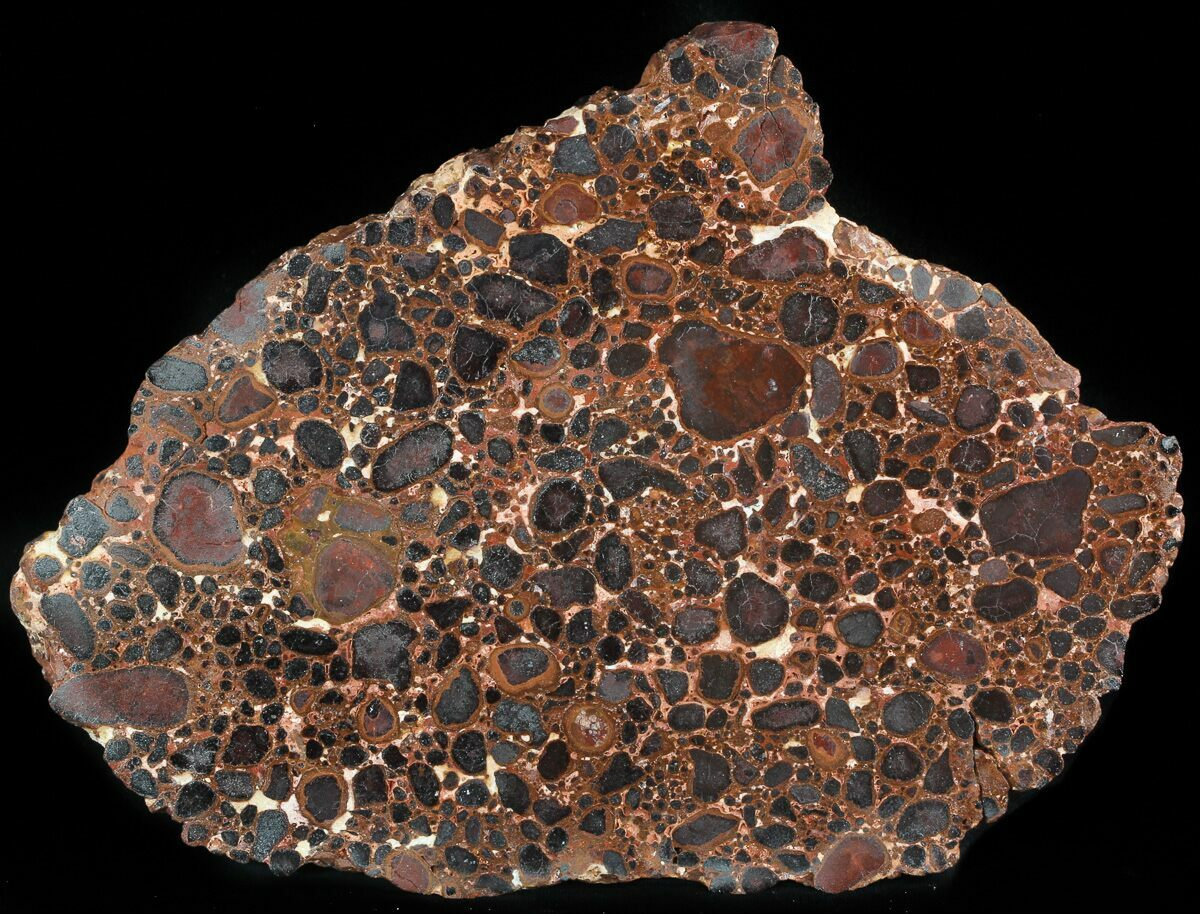
Bauxite, the primary ore of aluminum, is a mixture of aluminum hydroxide minerals, primarily gibbsite (Al(OH)3), boehmite (γ-AlO(OH)), and diaspore (α-AlO(OH)). While aluminum is not a semiconductor like silicon or a primary conductor like copper, it plays a crucial role in the electronics industry due to its unique combination of properties, including light weight, excellent thermal conductivity, and corrosion resistance.
The process of extracting aluminum from bauxite is complex and energy-intensive. It begins with the Bayer process, where bauxite is dissolved in sodium hydroxide at high temperature and pressure to form sodium aluminate. The solution is then cooled and seeded with aluminum hydroxide crystals, causing the dissolved aluminum to precipitate out. This aluminum hydroxide is then calcined to form aluminum oxide (alumina). The final step is the Hall-Héroult process, where alumina is electrolytically reduced to metallic aluminum in a molten cryolite bath.
In the electronics industry, aluminum finds numerous applications, leveraging its distinctive properties to enhance the performance and durability of various devices and components. One of the most visible uses of aluminum in electronics is in device casings and enclosures. Many laptops, smartphones, tablets, and other portable electronic devices utilize aluminum in their construction due to its light weight, strength, and aesthetic appeal. Aluminum’s excellent thermal conductivity also allows these casings to act as passive heat sinks, aiding in the dissipation of heat generated by internal components.
Heat management is a critical aspect of electronic design, particularly as devices become more powerful and compact. Aluminum’s high thermal conductivity makes it an ideal material for heat sinks and thermal management solutions. These components are essential in computers, particularly for cooling CPUs, GPUs, and other high-performance chips. The ability of aluminum to efficiently conduct and dissipate heat helps maintain optimal operating temperatures, ensuring the reliability and longevity of electronic devices.
In the realm of electronic manufacturing, aluminum is widely used in the production of electrolytic capacitors. These components, which store and release electrical energy, are fundamental in many electronic circuits. The aluminum foil used in these capacitors provides a large surface area for charge storage while keeping the overall size of the component small. This application showcases aluminum’s ability to be formed into very thin, yet durable, sheets.
Aluminum’s excellent electrical conductivity, while not as high as copper’s, makes it suitable for certain wiring applications, particularly where weight is a critical factor. In aerospace and automotive electronics, where reducing overall weight is crucial for fuel efficiency, aluminum wiring can be an attractive alternative to copper in some applications. Additionally, aluminum is used in the cores of some high-voltage power transmission lines, where its lighter weight allows for longer spans between support structures.
The metal’s corrosion resistance is another valuable property in electronics applications. When exposed to air, aluminum quickly forms a thin, protective oxide layer that prevents further corrosion. This natural protection makes aluminum ideal for use in components that may be exposed to harsh environments or varying weather conditions, such as outdoor electronic displays, weather-resistant enclosures for electronic equipment, and marine electronics.
In the field of printed circuit boards (PCBs), aluminum is sometimes used as a substrate material, particularly for applications requiring improved heat dissipation. Aluminum-core PCBs, where a layer of aluminum is sandwiched between layers of insulating material and copper circuitry, are used in high-power LED lighting, automotive electronics, and other applications where thermal management is critical.
As the electronics industry continues to evolve, with trends towards more compact, powerful, and energy-efficient devices, the role of aluminum is likely to grow. Research into aluminum-based materials, such as aluminum-air batteries and aluminum-based semiconductors, points to potential future applications that could further increase the importance of this versatile metal in electronics.
The growing demand for aluminum in electronics and other industries has led to increased focus on sustainable production and recycling. Aluminum is notable for its recyclability, with recycled aluminum requiring only about 5% of the energy needed to produce primary aluminum from bauxite. This energy efficiency, combined with the metal’s durability and reusability, makes aluminum an increasingly attractive material from an environmental perspective.
In conclusion, while bauxite and aluminum may not be as immediately associated with electronics as some other materials, their role is both significant and growing. From providing lightweight, durable enclosures to enabling efficient thermal management and contributing to the functionality of various electronic components, aluminum derived from bauxite continues to be an indispensable material in the ever-evolving landscape of electronic technology.
8. Gypsum (Calcium Sulfate Dihydrate)
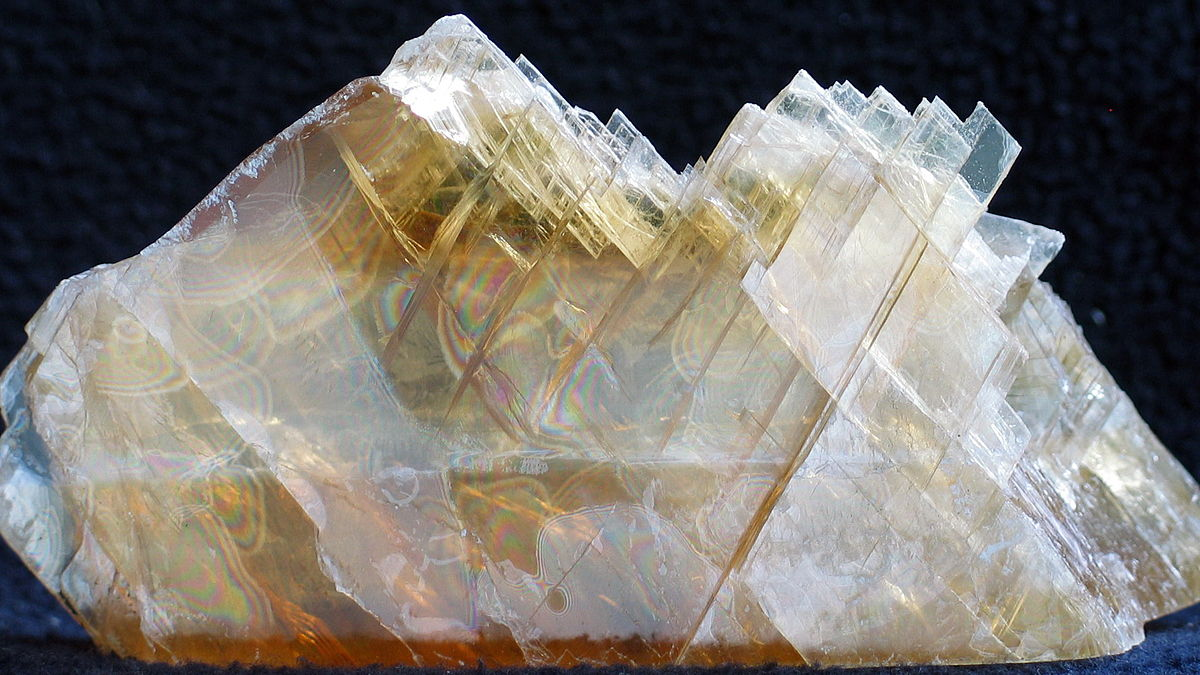
Gypsum, a soft sulfate mineral with the chemical formula CaSO4·2H2O, might not be the first material that comes to mind when thinking about electronics. However, this versatile mineral plays a crucial role in the production of printed circuit boards (PCBs), which are the foundation of nearly all electronic devices. The use of gypsum in electronics manufacturing showcases how even seemingly unrelated materials can become integral to the production of high-tech components.
In the context of PCB manufacturing, gypsum is utilized primarily as a masking agent during the etching process. The production of PCBs involves creating intricate patterns of conductive traces on a non-conductive substrate, typically made of fiberglass reinforced epoxy resin. These traces form the pathways for electrical signals within the electronic device. The creation of these patterns requires a precise and controlled etching process, where unwanted copper is removed from the board, leaving only the desired circuit pattern.
This is where gypsum comes into play. A gypsum-based resist is applied to the areas of the PCB that should not be etched. The resist is typically a mixture of gypsum and other materials that can be applied in a precise pattern using screen printing or photolithographic techniques. Once applied and cured, this gypsum-based resist protects the underlying copper from the etching chemicals.
The effectiveness of gypsum in this application stems from several of its properties. First, gypsum is chemically inert to the etchants used in PCB manufacturing, typically acidic solutions or alkaline ammonia-based chemicals. This inertness ensures that the resist remains intact during the etching process, protecting the copper traces it covers. Second, gypsum can be easily removed after the etching process is complete, typically by washing with water or a mild solvent. This easy removal is crucial for the subsequent steps in PCB production, such as the application of solder mask or surface finishes.
Moreover, gypsum’s ability to be finely powdered and mixed into stable suspensions allows for the creation of resist materials with excellent resolution. This high resolution is essential for producing the increasingly fine and densely packed circuit patterns required by modern electronic devices. As electronics continue to miniaturize and increase in complexity, the ability to create ever-finer circuit patterns becomes more critical, and the role of materials like gypsum in enabling this precision becomes more significant.
The use of gypsum in PCB manufacturing also has environmental implications. As a naturally occurring mineral, gypsum is relatively abundant and can be sourced with less environmental impact compared to some synthetic alternatives. Additionally, the water solubility of gypsum means that waste from the PCB manufacturing process can often be treated more easily than if more persistent chemicals were used.
Beyond its role in PCB manufacturing, gypsum finds other, albeit more indirect, applications in the electronics industry. For instance, gypsum is used in the production of specialized plasters and cements used in the construction of clean rooms and other controlled environments where electronic components are manufactured or assembled. The low dust and particulate emissions of gypsum-based materials make them suitable for these sensitive environments.
The extraction and processing of gypsum for use in electronics and other industries involve several steps. Gypsum is typically mined from open-pit mines or underground deposits. The raw gypsum is then crushed and screened to achieve the desired particle size. For high-purity applications like electronics, the gypsum may undergo further processing, including washing to remove impurities and calcination to produce anhydrous calcium sulfate, which can then be rehydrated under controlled conditions to produce gypsum of the required purity and consistency.
As the electronics industry continues to evolve, with trends towards more compact devices, flexible electronics, and three-dimensional circuit structures, the role of materials like gypsum in manufacturing processes may also evolve. Research into new resist materials and etching techniques may lead to modifications in how gypsum is used or to the development of alternatives. However, the fundamental properties that make gypsum valuable in PCB production – its chemical inertness, ease of application and removal, and ability to create high-resolution patterns – suggest that it will likely continue to play a role in electronics manufacturing for the foreseeable future.
In conclusion, while gypsum may not be a component of the final electronic products we use, its role in the manufacturing process of PCBs makes it an essential material in the electronics industry. The use of gypsum in this high-tech application demonstrates the interconnectedness of various industries and materials, and how traditional minerals continue to find new and crucial roles in advanced technology production.
9. Fluorite (Fluorspar)
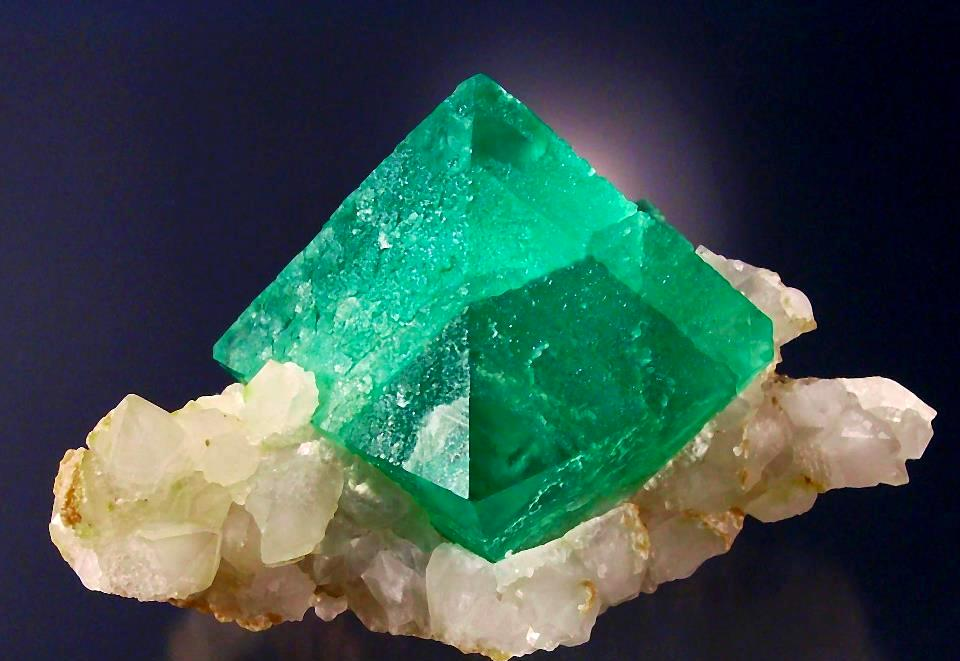
Fluorite, also known as fluorspar, is a mineral composed of calcium fluoride (CaF2). This visually striking mineral, often found in vibrant purple, green, or yellow crystals, plays a significant role in the electronics industry, particularly in the production of specialty glasses and as a flux in metallurgy. Its unique properties make it invaluable in several key areas of electronic component manufacturing and optical applications.
One of the primary uses of fluorite in electronics is in the production of high-performance lenses and optics for electronic devices. Fluorite has exceptional optical properties, including low dispersion and high transmission across a wide range of wavelengths, from ultraviolet to infrared. These characteristics make it ideal for use in camera lenses, particularly in high-end digital cameras and scientific instruments. Fluorite lenses offer superior color correction and sharpness compared to many other optical materials, making them crucial in applications where image quality is paramount.
In the realm of semiconductor manufacturing, fluorite plays a critical role in the production of photolithography equipment used to create integrated circuits. Advanced photolithography systems, which use deep ultraviolet (DUV) or extreme ultraviolet (EUV) light to pattern semiconductor wafers, often incorporate fluorite lenses. These lenses are essential for focusing the light with extreme precision, allowing for the creation of increasingly smaller and more densely packed transistors and other semiconductor components.
Fluorite is also used in the production of specialty glasses for electronic applications. When added to glass melts, fluorine from fluorite can alter the optical and physical properties of the resulting glass. This can lead to glasses with improved transmission in certain wavelengths, altered refractive indices, or enhanced durability. Such specialty glasses find applications in display technologies, fiber optics, and protective coverings for electronic devices.
In the field of fiber optics, which is crucial for modern telecommunications and high-speed data transmission, fluoride glasses (glasses containing fluorine derived from fluorite) have shown promise for use in specialized applications. While silica-based fibers dominate the market, fluoride glass fibers offer lower signal loss over certain wavelengths, making them potentially valuable for long-distance data transmission or specific scientific applications.
Another significant application of fluorite in the electronics industry is as a flux in metallurgical processes, including the production of aluminum and other metals used in electronic components. As a flux, fluorite helps to lower the melting point of the materials being processed and helps to remove impurities, resulting in higher-quality metals. This is particularly important in the production of high-purity metals required for various electronic applications, from conductive pathways in integrated circuits to the metallic components in batteries and other energy storage devices.
The extraction and processing of fluorite for use in electronics involve several stages. Fluorite is typically mined from deposits found in sedimentary or igneous rocks. After extraction, the ore is crushed and undergoes beneficiation processes such as froth flotation to separate the fluorite from other minerals. For high-purity applications in electronics, the fluorite may undergo additional purification steps, including chemical treatment and recrystallization.
The increasing demand for fluorite in electronics and other industries has led to concerns about its long-term supply. Fluorite is considered a critical mineral by many countries due to its importance in various high-tech applications and the concentration of its production in a few countries. This has spurred efforts to improve recycling methods and to find alternative materials for some applications.
As the electronics industry continues to advance, with trends towards higher performance, miniaturization, and new types of devices, the role of fluorite is likely to evolve. Research into new optical materials, alternative fluxes, and novel applications for fluorine-containing compounds may lead to new uses for fluorite in electronics. At the same time, environmental concerns and the push for more sustainable practices in electronics manufacturing may drive innovations in fluorite processing and recycling.
In conclusion, while fluorite may not be as widely recognized as some other materials in electronics, its role is crucial in several key areas. From enabling the production of high-performance optics and precision semiconductor manufacturing equipment to contributing to the quality of metals used in electronic components, fluorite continues to be an essential mineral in the advancement of electronic technology. Its unique properties ensure that it will remain a valuable resource in the ongoing evolution of the electronics industry, highlighting the continued importance of natural minerals in even the most cutting-edge technological applications.
10. Sphalerite (Zinc Sulfide)
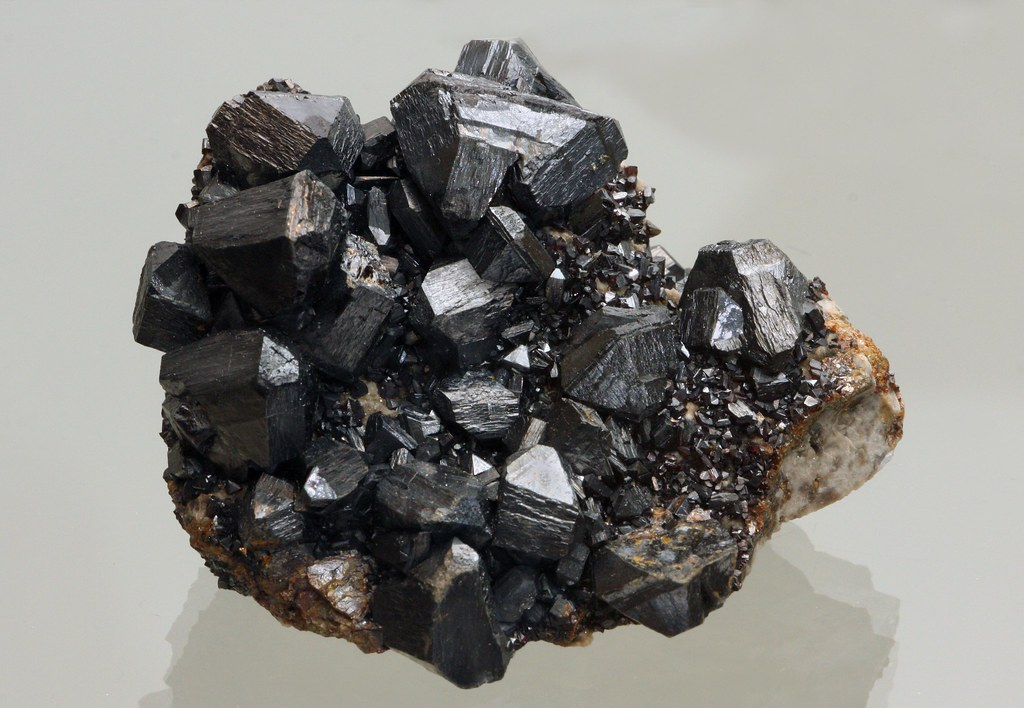
Sphalerite, the primary ore of zinc with the chemical formula (Zn,Fe)S, plays a significant role in the electronics industry, primarily through its contribution to the production of zinc metal and zinc compounds. While zinc may not be as prominently featured in electronic devices as copper or silicon, its applications in electronics are diverse and crucial, particularly in protective coatings and specialized electronic components.
The most widespread application of zinc derived from sphalerite in the electronics industry is in galvanization. Galvanization is the process of applying a protective zinc coating to steel or iron components to prevent corrosion. This technique is extensively used in the production of electronic device casings, chassis for larger electronic equipment, and the infrastructure that supports electronic systems. The galvanized coating protects the underlying metal from oxidation and corrosion, significantly extending the lifespan of electronic devices and infrastructure, especially those exposed to harsh environmental conditions.
In the context of electronic devices, galvanized steel is often used in the construction of server racks, telecommunications equipment enclosures, and outdoor electronic display housings. The corrosion resistance provided by the zinc coating is crucial in maintaining the integrity of these structures, protecting the sensitive electronic components they house from environmental damage. This is particularly important in applications where electronics are exposed to varying weather conditions, high humidity, or corrosive atmospheres.
Beyond its role in protective coatings, zinc finds applications in various electronic components. Zinc oxide (ZnO), which can be produced from zinc derived from sphalerite, is used in the manufacture of varistors. Varistors are voltage-dependent resistors used for surge protection in electronic circuits. They help protect sensitive electronic components from voltage spikes and transients, which is crucial in maintaining the reliability and longevity of electronic devices.
Zinc is also used in the production of certain types of batteries, particularly zinc-carbon batteries and zinc-air batteries. While not as common in consumer electronics as lithium-ion batteries, these zinc-based batteries find applications in specific areas. Zinc-air batteries, for instance, are used in hearing aids and some portable electronics due to their high energy density and long shelf life.
In the field of semiconductor manufacturing, zinc sulfide (ZnS), the primary component of sphalerite, has applications in optoelectronics. Zinc sulfide can be used as a phosphor material in certain types of displays and as an optical coating in some specialized electronic applications. Its wide bandgap and transparency to visible light make it useful in the production of optical windows for infrared devices.
The extraction of zinc from sphalerite involves several stages. After mining, the ore is crushed and undergoes froth flotation to separate the sphalerite from other minerals. The concentrated sphalerite is then roasted to convert the zinc sulfide to zinc oxide. This zinc oxide is then typically reduced to metallic zinc through either pyrometallurgical processes (such as the Imperial Smelting Process) or hydrometallurgical processes (such as electrowinning). The choice of process depends on the composition of the ore and economic factors.
The increasing focus on sustainability and environmental protection in the electronics industry has implications for zinc production and use. Zinc is highly recyclable, and a significant portion of zinc used in electronics and other industries comes from recycled sources. This recycling helps to reduce the environmental impact of zinc production and ensures a more stable supply of the metal.
As electronics continue to evolve, with trends towards miniaturization, increased durability, and new form factors, the role of zinc in the industry may expand. Research into zinc-based nanomaterials, for instance, is exploring potential applications in flexible electronics and energy storage devices. Additionally, the development of more environmentally friendly coatings and corrosion protection methods may lead to new applications for zinc in electronics manufacturing.
The use of zinc in electronics also intersects with other emerging technologies. For example, in the growing field of Internet of Things (IoT) devices, many of which are designed for outdoor or industrial use, the corrosion resistance provided by zinc coatings is crucial for ensuring long-term reliability. Similarly, in the development of ruggedized electronics for military, aerospace, or extreme environment applications, zinc’s protective properties play a vital role.
In conclusion, while sphalerite and zinc may not be as prominently featured in discussions of electronic materials as some other elements, their role is nonetheless crucial. From providing essential corrosion protection to enabling the functionality of specific electronic components, zinc derived from sphalerite continues to be an important material in the electronics industry. As the industry continues to advance and new challenges in electronic design and manufacturing emerge, the versatility and unique properties of zinc ensure that sphalerite will remain a valuable mineral resource in the ongoing evolution of electronic technology.