
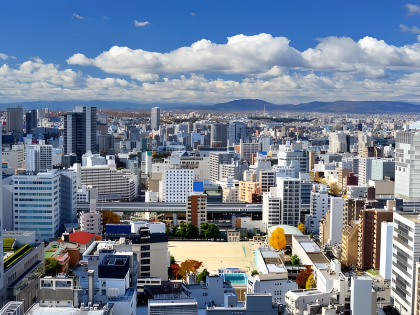
8 Fukuoka, 1,517,650
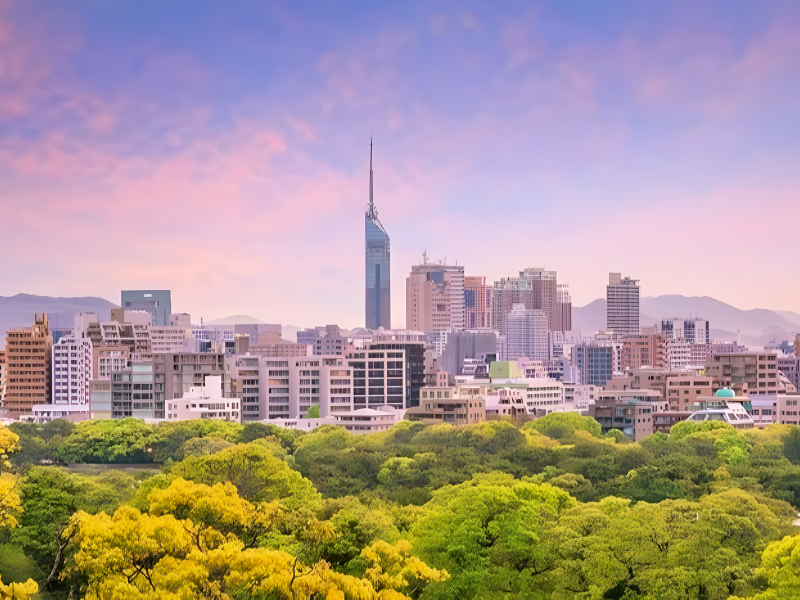
Fukuoka, a vibrant metropolis on the northern shore of Kyushu, Japan’s third-largest island, is a city that seamlessly blends modern urban living with rich cultural heritage. With a population of approximately 1.5 million, Fukuoka stands as the largest city on Kyushu and serves as the economic and cultural hub of the region. Its strategic location has historically made it an important gateway for cultural exchange between Japan and the rest of Asia, contributing to its unique character and cosmopolitan atmosphere.
The city is renowned for its contemporary shopping malls, which epitomize Japan’s cutting-edge retail culture. Canal City Hakata, one of Fukuoka’s most iconic shopping complexes, is a prime example of the city’s modern architectural prowess and retail innovation. This “city within a city” spans several buildings interconnected by open-air walkways and a central canal, offering visitors a diverse array of shopping, dining, and entertainment options. The complex’s futuristic design, complete with a musical fountain that performs water shows throughout the day, encapsulates Fukuoka’s forward-thinking urban development.
Another notable shopping destination is the Tenjin Underground Shopping Center, one of the largest underground malls in Japan. Stretching for several blocks beneath the city’s main streets, this subterranean shopping paradise houses hundreds of stores, ranging from high-end boutiques to local specialty shops. The mall not only provides a comfortable shopping experience regardless of weather conditions but also serves as a testament to Japan’s efficient use of urban space.
Fukuoka’s beaches are another major draw for both residents and tourists. Momochi Seaside Park, with its artificial beach stretching along Hakata Bay, offers a unique urban beach experience. The park’s pristine sandy shores are juxtaposed against the backdrop of the city skyline, creating a striking visual contrast. The beach area is equipped with various facilities for sports and leisure activities, making it a popular spot for relaxation and recreation throughout the year. During summer months, the beach comes alive with events, beach volleyball tournaments, and open-air concerts, embodying the city’s vibrant outdoor culture.
While Fukuoka embraces modernity, it also cherishes its historical and cultural heritage. The Tocho-ji Temple, home to the impressive 10-meter-tall wooden Buddha statue, stands as a testament to the city’s rich spiritual tradition. This colossal Buddha, known as the Fukuoka Daibutsu, is one of the largest wooden Buddha statues in Japan. Carved from a single piece of wood, the statue is not only a remarkable feat of craftsmanship but also a significant religious icon that draws both worshippers and art enthusiasts.
Tocho-ji Temple itself has a history dating back to the 8th century and is associated with the famous Buddhist monk Kukai, the founder of the Shingon sect of Japanese Buddhism. The temple complex includes several other notable structures, including a five-story pagoda and a unique reclining Buddha statue. Visitors to the temple can also experience a pitch-black tunnel with a single spinnable metal sphere, said to represent the transition from this life to the afterlife, adding an element of spiritual intrigue to the visit.
Fukuoka’s cultural landscape extends beyond its temples. The city is famous for its vibrant food scene, particularly its yatai (open-air food stalls) that line the streets of the Nakasu district. These mobile kitchens offer a variety of local specialties, with Hakata ramen being the most renowned. This tonkotsu (pork bone broth) based ramen is a local delicacy that has gained national and international acclaim. The yatai culture not only provides delicious food but also offers a unique social dining experience that embodies the friendly and laid-back spirit of Fukuoka.
The city’s commitment to green spaces is evident in its numerous parks and gardens. Ohori Park, centered around a large pond, is a favorite spot for locals and visitors alike. The park’s design, inspired by the West Lake in Hangzhou, China, includes walking trails, a Japanese garden, and an art museum, providing a tranquil oasis in the heart of the city.
Fukuoka is also known for its festivals, with the Hakata Gion Yamakasa being one of the most spectacular. This UNESCO Intangible Cultural Heritage event features teams of men racing through the streets carrying enormous, elaborately decorated floats weighing up to a ton. The festival, which dates back over 700 years, showcases the city’s community spirit and dedication to preserving cultural traditions.
In terms of education and innovation, Fukuoka has positioned itself as a startup-friendly city, with various initiatives to attract entrepreneurs and foster innovation. The Fukuoka Growth Next, a startup support facility housed in a former elementary school, symbolizes the city’s commitment to blending its educational heritage with future-oriented economic development.
Fukuoka’s international airport, located remarkably close to the city center, further underscores its role as a gateway city. This proximity not only makes Fukuoka highly accessible but also contributes to its appeal as a business and tourism destination within Asia.
In conclusion, Fukuoka presents a multifaceted urban experience that harmoniously combines modernity with tradition. From its state-of-the-art shopping malls and beautiful beaches to its ancient temples and vibrant food culture, the city offers a diverse range of experiences. As Fukuoka continues to grow and evolve, it maintains a balance between preserving its cultural heritage and embracing innovation, making it a dynamic and exciting destination that captures the essence of contemporary Japan while honoring its historical roots.
 zi ang