
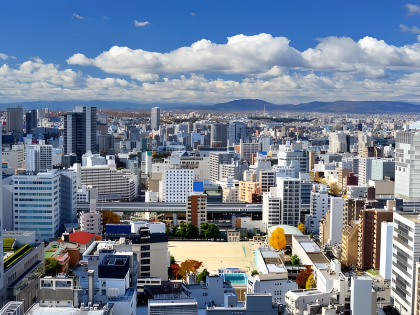
7 Kyoto, 1,464,890
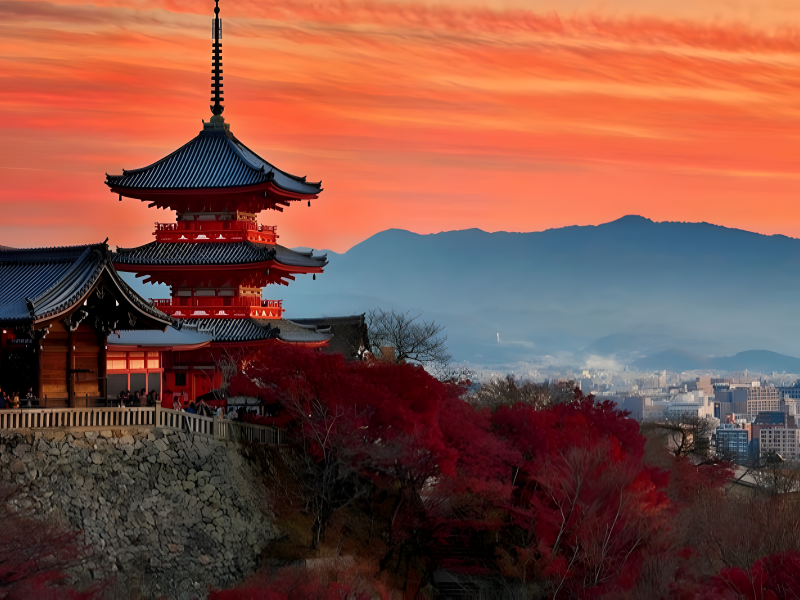
Kyoto, the ancient capital of Japan, stands as a testament to the country’s rich cultural heritage and enduring traditions. Located on the island of Honshu, Kyoto served as the imperial capital for over a thousand years, from 794 to 1868, shaping much of what we now recognize as classical Japanese culture. Today, with a population of approximately 1.5 million, Kyoto strikes a delicate balance between preserving its historical legacy and embracing modernity, making it one of Japan’s most captivating cities.
The city’s landscape is dotted with an impressive array of Buddhist temples, Shinto shrines, imperial palaces, and traditional gardens, many of which are recognized as UNESCO World Heritage sites. Among these, the golden pavilion of Kinkaku-ji, the serene rock garden of Ryoan-ji, and the towering bamboo groves of Arashiyama stand out as iconic symbols of Kyoto’s beauty and cultural significance. These sites not only attract millions of visitors annually but also continue to play vital roles in the spiritual and cultural life of the city’s residents.
At the heart of Kyoto’s cultural allure lies the Gion district, renowned worldwide for its preservation of traditional Japanese arts and the elusive world of the geisha. Gion, with its narrow cobblestone streets lined with traditional wooden machiya houses, offers a glimpse into Japan’s past, seemingly untouched by time. This historic neighborhood is the stage where geisha, known in Kyoto dialect as geiko, and their apprentices, called maiko, continue to practice their ancient arts.
The geisha of Gion are far more than mere entertainers; they are the custodians of a centuries-old tradition that encompasses various Japanese arts. These highly skilled women dedicate their lives to mastering the arts of conversation, dance, music, and hospitality. Their performances, known as ozashiki, take place in traditional teahouses called ochaya, where they entertain guests with exquisite grace and refinement.
During an ozashiki, geisha and maiko engage their guests in witty conversation, perform traditional dances, play musical instruments such as the shamisen (a three-stringed instrument), and participate in drinking games. The art of the geisha is not about overt entertainment but rather about creating an atmosphere of refined pleasure through subtle gestures, elegant movements, and cultivated conversation. Their makeup, elaborate kimono, and distinctive hairstyles are works of art in themselves, requiring hours of preparation.
The training to become a geisha is rigorous and begins at a young age. Maiko typically start their apprenticeship in their mid-teens, spending years learning the intricate arts of their profession before debuting as full-fledged geisha. This training includes not only the performing arts but also lessons in etiquette, tea ceremony, flower arrangement, and the art of wearing kimono. The dedication and discipline required to master these skills ensure that the geisha tradition remains a respected and integral part of Kyoto’s cultural landscape.
While Gion is the most famous geisha district in Kyoto, it is not the only one. Areas such as Pontocho and Kamishichiken also maintain active geisha communities, each with its own unique character and traditions. These districts come alive in the evening when lanterns are lit, and the soft sounds of shamisen music drift from teahouses, creating an enchanting atmosphere that transports visitors to another era.
The geisha tradition in Kyoto has faced challenges in modern times, with changing societal norms and economic pressures threatening its continuity. However, there has been a renewed interest in preserving this cultural heritage, both from within Japan and internationally. Efforts to support and promote the geisha arts have included public performances, educational programs, and even opportunities for visitors to experience geisha entertainment in more accessible settings.
Kyoto’s commitment to preserving its cultural heritage extends beyond the world of geisha. The city is home to numerous traditional craft industries, including Kyo-yuzen (silk dyeing), Kiyomizu pottery, and Nishijin textile weaving. These crafts, along with traditional performing arts like Noh theater and Kabuki, continue to thrive in Kyoto, supported by both local patronage and international interest.
The juxtaposition of this rich cultural heritage with modern urban life is what makes Kyoto truly unique. While one can step back in time in districts like Gion, the city also boasts cutting-edge technology companies, world-class universities, and a vibrant contemporary arts scene. This blend of old and new is perhaps best exemplified by Kyoto Station, a massive modern structure of steel and glass that serves as a gateway to the ancient capital.
Kyoto’s culinary scene is another aspect that draws visitors from around the world. The city is famous for its refined kaiseki cuisine, a multi-course dining experience that emphasizes seasonal ingredients and beautiful presentation. Traditional sweets, matcha green tea, and local specialties like Kyoto-style sushi and yudofu (boiled tofu) offer a taste of the city’s gastronomic heritage.
In conclusion, Kyoto stands as a living museum of Japanese culture, where ancient traditions coexist with modern life. The geisha of Gion and other districts are not mere relics of the past but active participants in the ongoing cultural narrative of the city. Their artistry, along with Kyoto’s temples, gardens, and traditional crafts, offers visitors a unique window into the soul of Japan. As Kyoto continues to evolve, it remains committed to preserving its cultural treasures, ensuring that future generations can experience the beauty and depth of Japanese traditions in this extraordinary city.
 zi ang