
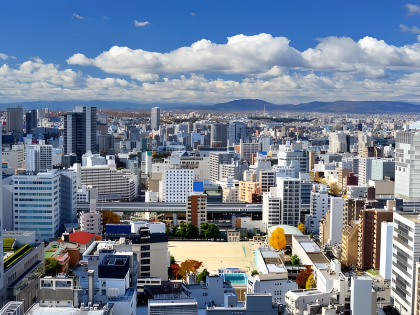
6 Kobe, 1,538,267
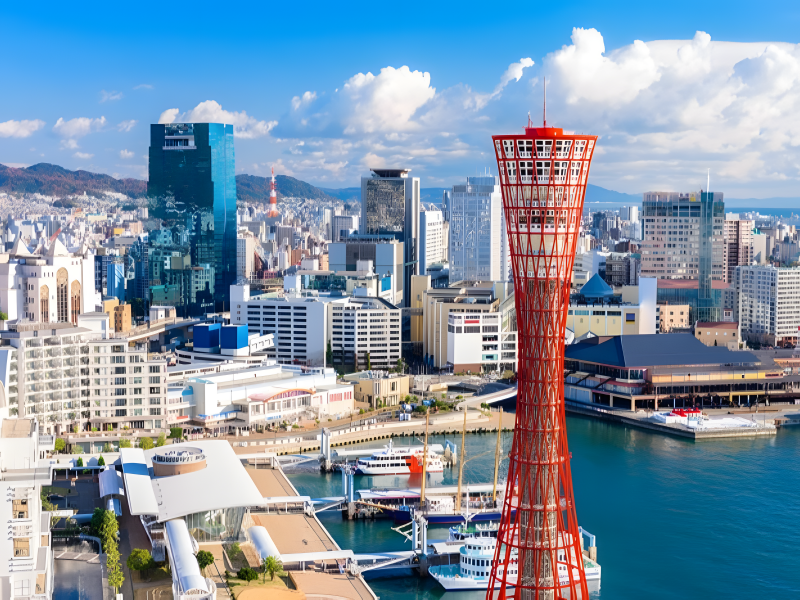
Kobe, a central port city in Japan, is a vibrant metropolis that seamlessly blends modernity with tradition, natural beauty with urban sophistication. Nestled between the Rokko mountain range and the calm waters of Osaka Bay, Kobe boasts a population of approximately 1.5 million residents, making it the sixth-largest city in Japan. Its strategic location has historically positioned it as a crucial gateway for international trade, contributing significantly to its cosmopolitan atmosphere and economic importance.
The city’s claim to fame on the global culinary stage is undoubtedly Kobe beef, a variety of Wagyu beef that is renowned worldwide for its exceptional marbling, tenderness, and flavor. This delicacy, often referred to as “marble beef” due to its intricate fat distribution, has become synonymous with luxury and gastronomic excellence. The production of Kobe beef adheres to strict standards, including the specific lineage of the cattle, their diet, and the methods of rearing and processing. Visitors to Kobe can indulge in this exquisite beef at numerous high-end restaurants throughout the city, where skilled chefs prepare it using various traditional and innovative cooking methods.
Kobe’s harbor, one of Japan’s busiest ports, offers breathtaking vistas that have long captivated both residents and visitors. The cityscape, when viewed from the harbor, presents a stunning panorama of urban development harmoniously coexisting with natural beauty. The iconic Kobe Port Tower, standing at 108 meters tall, serves as a symbol of the city and offers panoramic views of the harbor and surrounding areas. At night, the tower is illuminated, creating a mesmerizing spectacle that reflects off the water, embodying the city’s vibrant energy.
The Kobe Harborland area, a waterfront complex, exemplifies the city’s modern face. This district features a plethora of shopping centers, restaurants, and entertainment facilities, all set against the backdrop of the picturesque harbor. The Mosaic, a large shopping and dining complex, is particularly popular among locals and tourists alike, offering a perfect vantage point to enjoy the harbor views while indulging in retail therapy or culinary delights.
One of Kobe’s hidden gems is the Arima Onsen, a renowned hot spring resort located in the northern part of the city. Nestled in the Rokko mountains, Arima Onsen is one of Japan’s oldest hot spring towns, with a history dating back over a thousand years. The resort is famous for its two types of hot spring waters: the “Kinsen” (golden water), rich in iron and salt, and the “Ginsen” (silver water), containing carbonate and radon. These waters are believed to have various therapeutic properties, attracting visitors seeking relaxation and health benefits.
The Arima Onsen area not only offers numerous public baths and ryokan (traditional Japanese inns) with private hot spring facilities but also exudes a charming, traditional atmosphere. Its narrow streets are lined with souvenir shops, cafes, and restaurants, creating a quaint ambiance that transports visitors to a bygone era of Japan. The contrast between the bustling modernity of downtown Kobe and the serene, historical atmosphere of Arima Onsen showcases the city’s diverse attractions.
Kobe’s international heritage is evident in its architecture and cultural landmarks. The Kitano-cho district, known for its concentration of Western-style houses (ijinkan) built by foreign merchants in the late 19th century, stands as a testament to the city’s historical role as a point of cultural exchange. Many of these houses are open to the public, offering insights into the lifestyle of Kobe’s foreign residents during the Meiji era.
The Great Hanshin Earthquake of 1995 left an indelible mark on Kobe’s history and urban landscape. The city’s remarkable recovery from this devastating event is commemorated at the Kobe Earthquake Memorial Museum, which not only serves as a tribute to those affected but also as an educational center for disaster prevention and preparedness.
Kobe’s culinary scene extends far beyond its famous beef. The city is known for its diverse food culture, influenced by its history as an international port. Nankinmachi, Kobe’s Chinatown, offers authentic Chinese cuisine, while the city’s bakeries and cafes, many of which trace their roots to early foreign settlers, serve delectable pastries and coffee.
The city’s commitment to green spaces is evident in its numerous parks and gardens. The Kobe Nunobiki Herb Gardens, accessible by ropeway, offer stunning views of the city alongside beautifully landscaped herb gardens and a greenhouse. The Sorakuen Garden, a traditional Japanese landscape garden, provides a tranquil oasis in the heart of the city.
Kobe’s economic significance extends beyond its port activities. The city is home to several major corporations and has a strong presence in industries such as biotechnology, fashion, and sake production. The Nada district, famous for its sake breweries, allows visitors to explore the intricate process of sake making and sample some of Japan’s finest rice wines.
In conclusion, Kobe stands as a multifaceted city that offers a rich tapestry of experiences. From its world-famous beef and stunning harbor views to its historical hot springs and international heritage, Kobe captivates with its unique blend of natural beauty, culinary excellence, and cultural diversity. As it continues to evolve and grow, Kobe remains true to its roots as a cosmopolitan port city, welcoming visitors to explore its many charms and discover the perfect balance between tradition and modernity that defines this remarkable Japanese metropolis.
 zi ang