
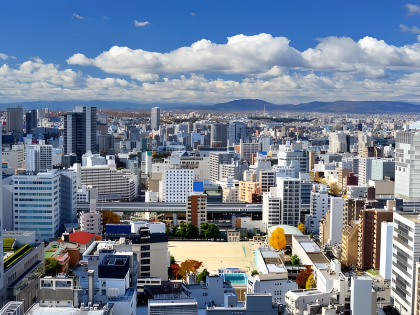
5 Sapporo, 1,933,787
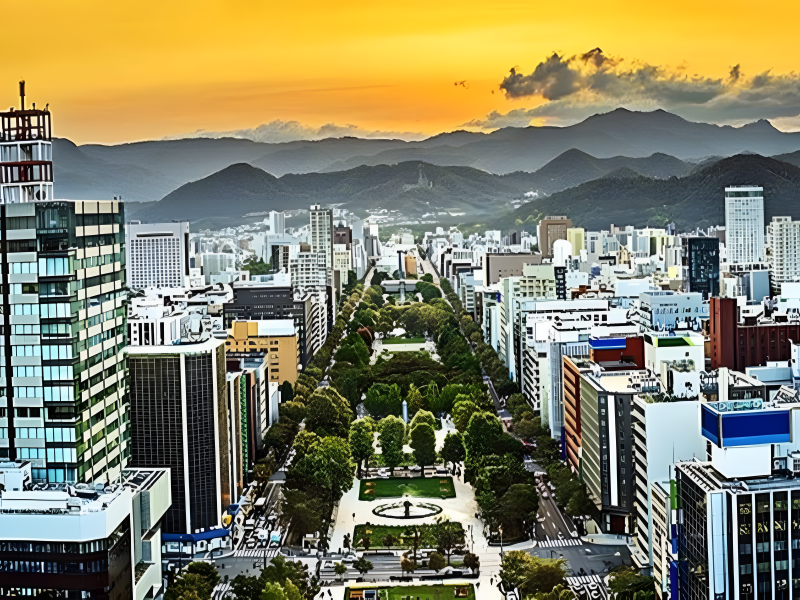
Sapporo, the capital city of Hokkaido Prefecture, stands as a vibrant urban center in the northernmost reaches of Japan. With a population approaching two million, it is the fifth-largest city in the country and the largest on the island of Hokkaido. Sapporo’s unique blend of natural beauty, modern amenities, and rich cultural heritage makes it a captivating destination for both domestic and international visitors.
The city’s history is relatively young by Japanese standards, having been officially founded in 1868 during the Meiji period. However, in its short existence, Sapporo has grown from a frontier town to a major metropolis, showcasing Japan’s rapid modernization and development. The city gained international recognition when it hosted the 1972 Winter Olympics, becoming the first Asian city to host the winter games. This event left an indelible mark on Sapporo’s identity and infrastructure, cementing its reputation as a world-class winter sports destination.
Sapporo is renowned for its ski areas, which attract winter sports enthusiasts from around the globe. The surrounding mountains offer excellent skiing and snowboarding opportunities, with resorts like Sapporo Teine and Sapporo Kokusai Ski Resort providing thrilling slopes for all skill levels. The nearby Niseko area, though not in Sapporo proper, is internationally famous for its powder snow and is easily accessible from the city. These ski areas not only cater to sports enthusiasts but also contribute significantly to the local economy, with tourism being a major industry in the region.
The city’s relationship with snow extends beyond sports. The Sapporo Snow Festival, held annually in February, is one of Japan’s most famous winter events. This week-long festival transforms the city into a winter wonderland, featuring enormous snow and ice sculptures that draw millions of visitors. The main site at Odori Park becomes a gallery of frozen art, with some sculptures reaching heights of over 15 meters. The festival showcases the creativity and technical skill of its artists while celebrating the city’s snowy climate.
Equally famous as its winter attractions are Sapporo’s breweries. The city is the birthplace of Sapporo Beer, one of Japan’s oldest and most popular beer brands. The Sapporo Beer Museum, located in a beautiful red-brick building that was once a sugar factory, offers visitors a journey through the history of beer in Japan. Adjacent to the museum is the Sapporo Beer Garden, where visitors can enjoy fresh beer and Hokkaido’s famous “Genghis Khan” barbecue – a local specialty of grilled lamb and vegetables.
Sapporo’s culinary scene extends far beyond beer and barbecue. The city is famous for its ramen, particularly its miso ramen, which is considered one of the three major ramen styles in Japan alongside Tokyo and Hakata styles. The Susukino district, known for its nightlife, is also a food lover’s paradise, with numerous restaurants serving local specialties. Hokkaido’s reputation for high-quality dairy products, seafood, and agricultural produce is well-represented in Sapporo’s cuisine.
The city’s layout reflects its planned origins, with wide, tree-lined boulevards and spacious public parks. Odori Park, a green belt running through the heart of the city, serves as a central gathering place for residents and hosts various events throughout the year. The nearby TV Tower, standing at 147.2 meters, offers panoramic views of the city and has become an iconic part of Sapporo’s skyline.
Sapporo’s cultural life is rich and diverse. The Sapporo Concert Hall “Kitara” is renowned for its exceptional acoustics and hosts world-class musical performances. The Hokkaido Museum of Modern Art showcases both Japanese and international artworks, while the Historical Village of Hokkaido on the city’s outskirts provides a glimpse into the region’s pioneer past.
Education plays a significant role in Sapporo’s identity, with Hokkaido University being one of Japan’s top national universities. The university’s beautiful campus, particularly picturesque during autumn when the ginkgo trees turn golden, is a popular spot for both students and visitors.
Despite its northern location, Sapporo experiences all four seasons distinctly. While winters are indeed snowy and cold, summers can be warm and pleasant, making it an ideal time for outdoor activities. The nearby Jozankei Onsen area offers a perfect retreat for those seeking relaxation in natural hot springs, surrounded by beautiful forested mountains.
Transportation in Sapporo is efficient, with a well-developed subway system, streetcars, and buses connecting various parts of the city. The JR Sapporo Station serves as a major transportation hub, linking the city to other parts of Hokkaido and, via the undersea Seikan Tunnel, to Honshu.
In conclusion, Sapporo stands as a unique jewel in Japan’s urban landscape. Its harmonious blend of natural beauty, modern urban planning, rich cultural offerings, and world-class winter sports facilities make it a city of diverse attractions. From the powdery slopes of its ski resorts to the bustling beer halls, from the serene parks to the vibrant festivals, Sapporo offers a multifaceted experience that captivates visitors and residents alike. As it continues to grow and evolve, Sapporo remains true to its roots as a frontier city, always looking towards the future while honoring its past and the natural beauty that surrounds it.
 zi ang