
4 Nagoya, 2,275,171
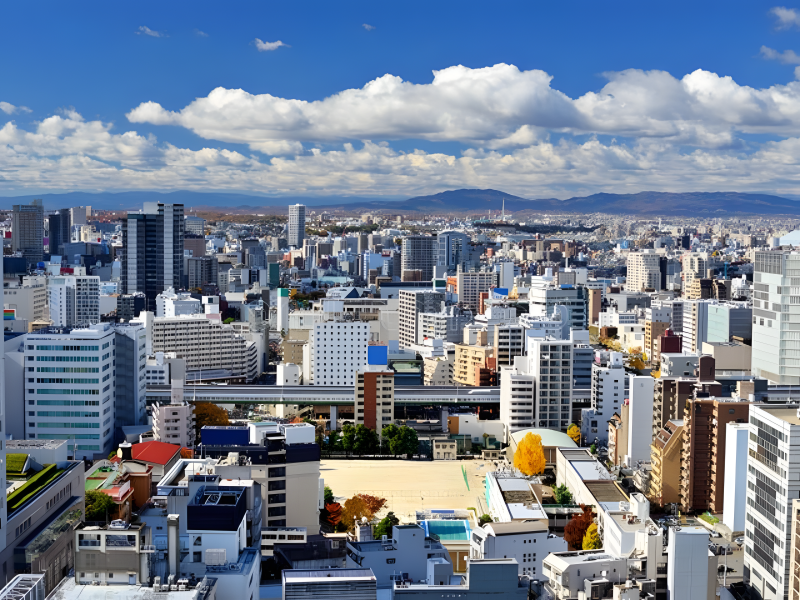
Nagoya, the capital city of Aichi Prefecture, stands as a vibrant urban center on Japan’s main island of Honshu. With a population of 2,275,171, it is the fourth-largest city in Japan and serves as a crucial industrial and economic hub for the nation. Nagoya’s strategic location on the Pacific coast has historically made it an important port city, facilitating trade and contributing to its growth as a major metropolis.
The city’s skyline is a testament to its modernity and economic prowess, with sleek skyscrapers and innovative architectural designs punctuating the urban landscape. Among these modern marvels, the Nagoya TV Tower stands out as an iconic landmark, reminiscent of the Eiffel Tower and offering panoramic views of the city. However, it is the “Sky Boat” Ferris wheel that has become one of Nagoya’s most recognizable and popular attractions in recent years.
The “Sky Boat” Ferris wheel is a unique architectural feat, seamlessly integrated into the Sunshine Sakae shopping center in the heart of the city. This innovative design exemplifies Nagoya’s approach to urban development, blending entertainment and commerce in a single structure. Standing at 52 meters tall, the Ferris wheel offers riders breathtaking views of the cityscape, particularly stunning at night when the urban lights create a mesmerizing spectacle. The integration of the Ferris wheel into a shopping complex not only provides a novel experience for visitors but also serves as a symbol of Nagoya’s creative approach to urban planning and entertainment.
Sakae, the district where the “Sky Boat” is located, is Nagoya’s premier entertainment and shopping area. This bustling neighborhood is a microcosm of modern Japanese urban life, featuring an eclectic mix of department stores, boutiques, restaurants, cafes, and nightlife venues. The streets of Sakae come alive with neon lights and the energy of locals and tourists alike, particularly in the evenings and weekends. The district is not just a shopping destination but a cultural hub, hosting events, performances, and seasonal festivals throughout the year.
While Sakae represents the modern face of Nagoya, the city also boasts a rich historical heritage. The Atsuta Shrine, one of Shinto’s most important shrines, has a history dating back nearly 2,000 years and houses the sacred sword Kusanagi, one of the three Imperial Regalia of Japan. The reconstructed Nagoya Castle, originally built in the early 17th century, stands as a proud reminder of the city’s feudal past. Although the original structure was destroyed during World War II, the current reconstruction faithfully replicates the castle’s grandeur and serves as a museum showcasing samurai culture and local history.
Nagoya’s significance extends beyond its historical and entertainment offerings. The city is a major industrial center, particularly renowned for its automotive industry. It is the headquarters of Toyota Motor Corporation, and numerous automotive suppliers and related industries have clustered in and around the city, earning it the nickname “Japan’s Detroit.” This industrial heritage is celebrated at the Toyota Commemorative Museum of Industry and Technology, which offers visitors insights into Japan’s technological evolution and the history of the automotive giant.
The city’s commitment to education and research is evident in institutions like Nagoya University, one of Japan’s leading national universities. The presence of such institutions contributes to Nagoya’s reputation as a center of innovation and technological advancement.
Culinary enthusiasts find much to explore in Nagoya’s unique food culture. The city is famous for its distinctive local cuisine, known as Nagoya meshi. Specialties include hitsumabushi (grilled eel served in a special way), miso katsu (pork cutlet with rich miso sauce), and tebasaki (crispy chicken wings). These local delicacies reflect the region’s rich culinary traditions and are a source of pride for Nagoya residents.
Transportation in Nagoya is efficient and well-developed, with an extensive network of subway lines and buses connecting various parts of the city. The Nagoya Station, one of the world’s largest train stations by floor area, serves as a major transportation hub not only for the city but for central Japan as a whole. The station complex, with its towering JR Central Towers, is a city within a city, offering shopping, dining, and hotel accommodations.
Nagoya’s position as a port city continues to play a crucial role in its economy. The Port of Nagoya is one of the largest and busiest in Japan, handling a significant portion of the country’s trade volume. This maritime connection has historically contributed to Nagoya’s cosmopolitan character, with influences from various cultures evident in its architecture, cuisine, and local traditions.
The city also serves as a gateway to other attractions in Aichi Prefecture. The Chubu Centrair International Airport, built on an artificial island in Ise Bay, provides convenient access for international visitors and serves as a symbol of the region’s global connections.
In essence, Nagoya represents a harmonious blend of Japan’s industrial might, technological innovation, and cultural heritage. From the towering “Sky Boat” Ferris wheel to the ancient grounds of Atsuta Shrine, from the bustling streets of Sakae to the cutting-edge automotive factories, Nagoya offers a multifaceted urban experience. As it continues to evolve and grow, Nagoya remains a vital center of Japanese industry, culture, and innovation, attracting visitors and residents with its unique charm and opportunities.
 zi ang