
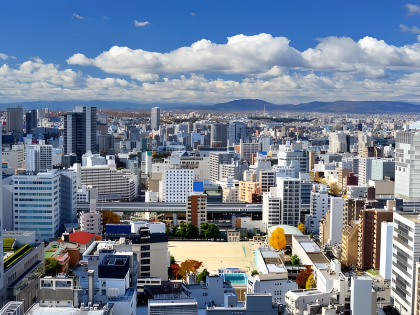
Japan is a highly special nation that has managed to protect its culture from outside influences. Japan was closed off to outsiders for a very long period; in fact, so closed off that many of the city names are unknown to us. Nevertheless, Japan has a massive population and numerous large cities. The top ten largest Japanese cities are shown below.
1 Tokyo, 14,002,973
Tokyo, the vibrant heart of Japan, stands as a testament to the country’s remarkable ability to blend tradition with cutting-edge modernity. As the nation’s capital and its most populous city, Tokyo is a mesmerizing metropolis that captivates visitors and residents alike with its unique fusion of ancient culture and futuristic innovation.
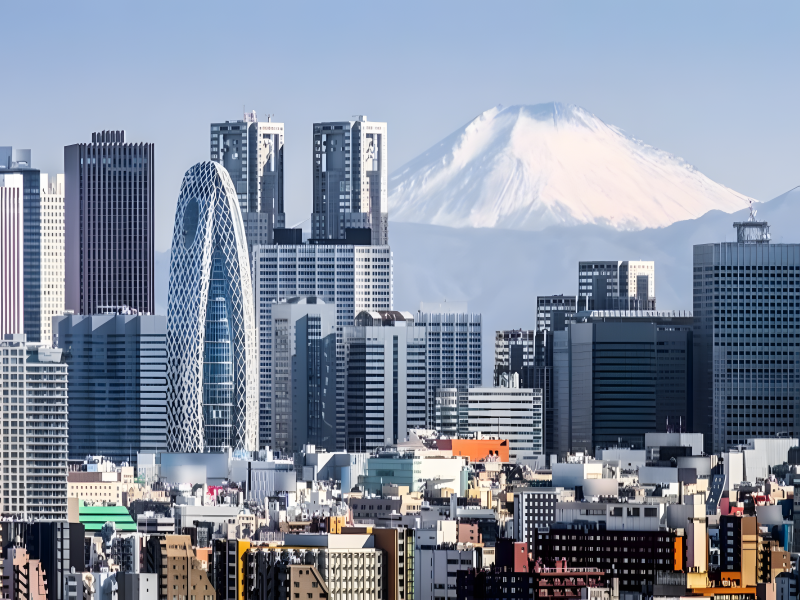
The city’s skyline is a striking visual representation of this duality. Towering skyscrapers of glass and steel rise alongside centuries-old temples and shrines, creating a cityscape unlike any other in the world. The juxtaposition of these architectural styles is not just visually stunning but also symbolizes Tokyo’s journey through time, from its origins as a small fishing village named Edo to its current status as a global economic powerhouse.
At night, Tokyo transforms into a dazzling spectacle of neon lights and LED displays. Districts like Shibuya and Shinjuku come alive with vibrant colors, creating an electric atmosphere that has become iconic of modern Japanese urban life. The famous Shibuya Crossing, often referred to as the world’s busiest pedestrian intersection, exemplifies the energy and organized chaos that characterizes Tokyo.
Yet, amidst this bustling modernity, Tokyo maintains strong connections to its cultural roots. Serene gardens and historic temples offer pockets of tranquility within the urban landscape. The Imperial Palace, home to Japan’s imperial family, stands as a green oasis in the heart of the city, its grounds a stark contrast to the surrounding concrete jungle. Similarly, ancient shrines like Senso-ji in Asakusa continue to draw both worshippers and tourists, their timeless architecture a reminder of Tokyo’s rich heritage.
One of Tokyo’s most iconic natural landmarks is not actually within the city limits but forms an unforgettable backdrop. Mount Fuji, Japan’s tallest mountain and a UNESCO World Heritage site, can be seen from various vantage points in Tokyo on clear days. This majestic volcano, with its perfectly symmetrical cone, has been a source of artistic and spiritual inspiration for centuries and adds a breathtaking dimension to Tokyo’s already impressive skyline.
The sheer scale of Tokyo is difficult to comprehend. Its metropolitan area, which includes neighboring cities and prefectures, is the most populous in the world, home to over 37 million people. This vast urban expanse is a testament to Japan’s economic might and the city’s magnetic pull on both domestic and international populations. Despite its size, Tokyo manages to function with remarkable efficiency, boasting one of the world’s most extensive and punctual public transportation systems.
Tokyo’s global significance extends beyond its population. It ranks among the world’s top ten largest cities and is a major player in global finance, technology, and culture. The Tokyo Stock Exchange is one of the largest in the world, while districts like Akihabara have become synonymous with cutting-edge electronics and pop culture exports like anime and manga.
The city’s influence on global cuisine cannot be overstated. Tokyo boasts more Michelin-starred restaurants than any other city in the world, offering everything from high-end sushi experiences to humble yet delicious ramen shops. This culinary prowess is a reflection of the city’s dedication to quality and attention to detail, traits that permeate many aspects of Tokyo life.
As a hub of innovation, Tokyo is constantly evolving. The city has been at the forefront of technological advancements, from robotics to artificial intelligence. This forward-thinking approach extends to urban planning and sustainability efforts, with Tokyo aiming to become a model for eco-friendly megacities of the future.
Despite its modernity, Tokyo retains a strong sense of community and tradition. Neighborhood festivals, or matsuri, continue to bring locals together in celebration of cultural heritage. The changing seasons are marked by cherished traditions, from hanami (cherry blossom viewing) in spring to watching the leaves turn color in autumn.
In essence, Tokyo is a city of contrasts and harmonies. It’s a place where the ultramodern and the traditional not only coexist but complement each other, creating a unique urban tapestry. From its neon-lit streets to its serene gardens, from its towering skyscrapers to the enduring presence of Mount Fuji, Tokyo offers a multifaceted experience that continues to fascinate and inspire people from around the world. As Japan’s capital and largest city, Tokyo stands as a dynamic symbol of the nation’s past, present, and future, constantly reinventing itself while honoring its rich cultural heritage.
 zi ang