
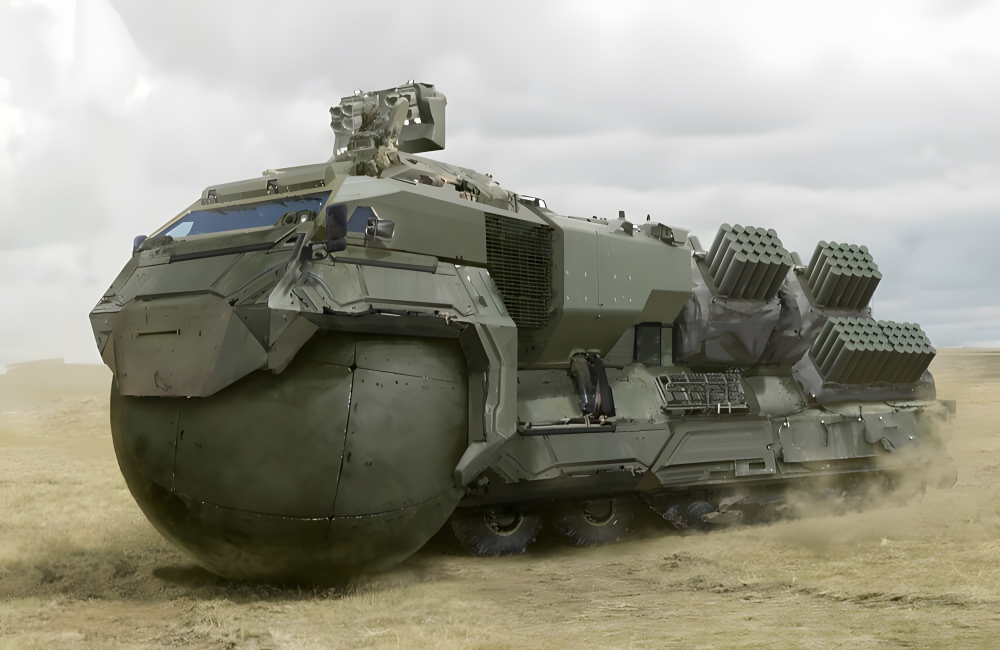
Concept design © camilkuo/Shutterstock
The modern global defense industry is one of the most profitable in the world. The United States is the leader for military expenditures, comprising 38% of the total world defense spending. But other countries including China, India, Russia, and Saudi Arabia are major big spenders. All in all, the global defense industry will reach $2.1 trillion in 2023.
Lockheed Martin (based in Maryland) is the largest defense contractor in the world, employing 110,000 people. In addition to Lockheed and other American companies, international firms like Almaz-Antey, Leonardo, BAE Systems, and Airbus also design and manufacture some of the most cutting-edge military tech on the market.
Kiplinger put together a list of some of the most amazing advances in military technology so far, including self-steering bullets, unmanned submarines, laser cannons, plasma protection fields, invisibility, extra-stealth bombers, and satellite meters. Military.com also revealed that there is a chance that robots/artificial intelligence could even join human military squads. Read on to see some of the most expensive military vehicles travailing the world’s seas, land and skies.
1. F/A-18 Hornet – Canada
Manufacturer: McDonnell Douglas, Northrop, Boeing
Primary Users: Kuwait, Israel, France, U.S., Canadian & Swiss Air forces
Program Cost: $270.53 million*
Unit Cost: $70.64 million* (FY2017)
Originally made by McDonnell Douglas, the Hornet is the Canadian version of the American F/A 18-Hornet. This famous fighter jet was awarded to McDonnell Douglas after the defense company won the New Fighter Aircraft Project in 1980. Deliveries of the Hornet to the Canadian Forces started in 1982.
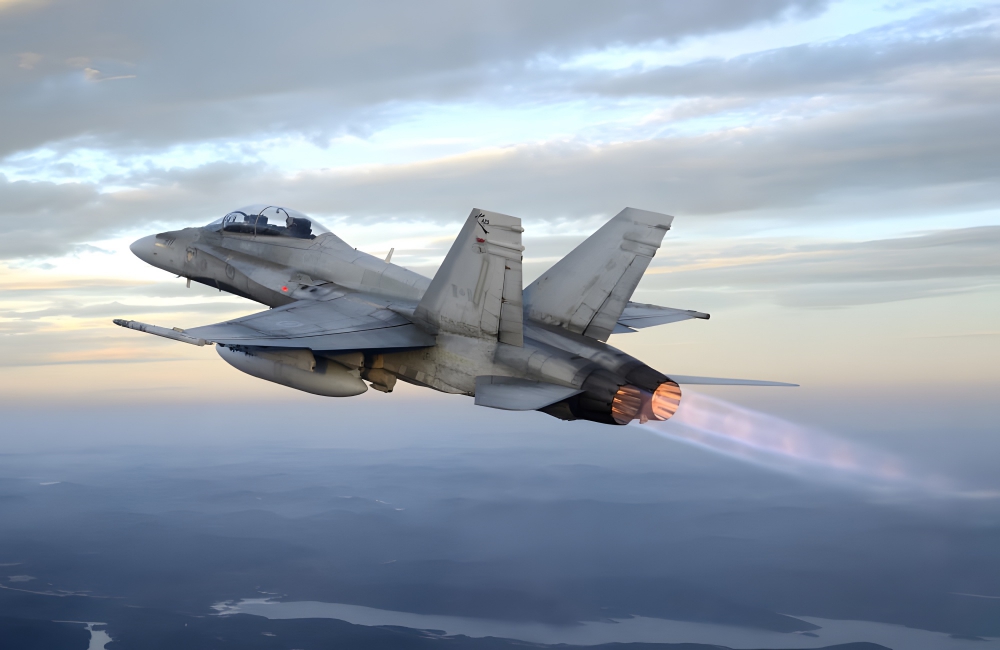
F/A-18 Hornet Canada @MilitaryPhotosHQ / Facebook.com
CF-18s are a huge part of NORAD (North American Aerospace Defense Command) patrols. The CF-18 Hornets have two variants: A and B. The CF-18A is a single-seater fighter/ground attack aircraft, of which 98 were built. The CF-18B is a two-seater aircraft that is used for training. Only 40 have been built. CF-18As have flown air-strike missions all the way up until February 15, 2016.
Improvements and design chances to the F/A-18 Hornet came from the Incremental Modernization Project, which took two phases to complete after it was launched in 2001. The improvements included upgrades to the sensors and defensive suite, as well as improved air-to-ground and air-to-air combat abilities. The datalinks were also replaced, along with the communications system.
2. Type 10 Tank – Japan
Manufacturer: Mitsubishi Heavy Industries
Primary Users: Japan Self-Defense Forces
Program Cost: $890.4 million*
Unit Cost: $8.4 million* (FY2014)
This next-generation battle tank is already slated to be the primary battle tank of the Japanese military. The Type 10 is made by Toyota competitor Mitsubishi, which has a military-related subsidiary, Mitsubishi Heavy Industries. When compared to other tanks in the Japanese Ground Self Defense Force, the Type 10 has made some major improvements, particularly to its anti-tank warfare response.
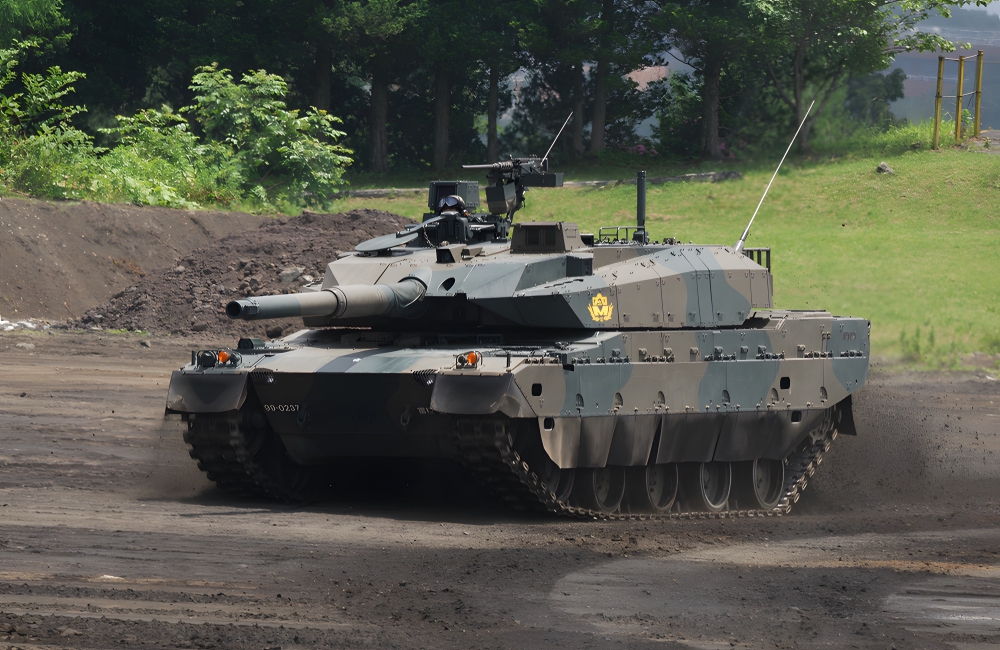
Japan Ground Self-Defense Force Mitsubishi Type 10 MBT ©viper-zero/Shutterstock
The Type 10 has an operational range of nearly 311 miles. The Type 10 uses an all-new gun, developed right in Japan. The Type 10 has a longer-barrel of 50-55 calibers. The new cannon can fire both JM33 APFSDS mortars, as well as NATO ammunition (the standard 120mm).
Japan has been reluctant to export the Type 10, despite interest from Turkey. In 2014, Turkey tried to license deals for tank engines, but negotiations with Japan completely crumbled. Within a few months, the deal was off the table. Reasons for the failure included Turkey’s own military intentions, as well as stringent arms export laws in Japan.
3. Typhoon-Class Submarine [Akula class] – Russia
Manufacturer: Amur Shipyard, Sevmash
Primary Users: Russian Navy, Indian Navy
Program Cost: $1.55 billion (FY1995)*
Unit Cost: $700 million*
Akula means “shark” in Russian; a fitting name for this stunning military craft. This Typhoon class submarine was designated as Project Akula by the Soviet Union, which made this nuclear-powered submarine. The Typhoon class is the largest class of submarines in existence, even larger than subs from US-based companies like Huntington Ingalls Industries.
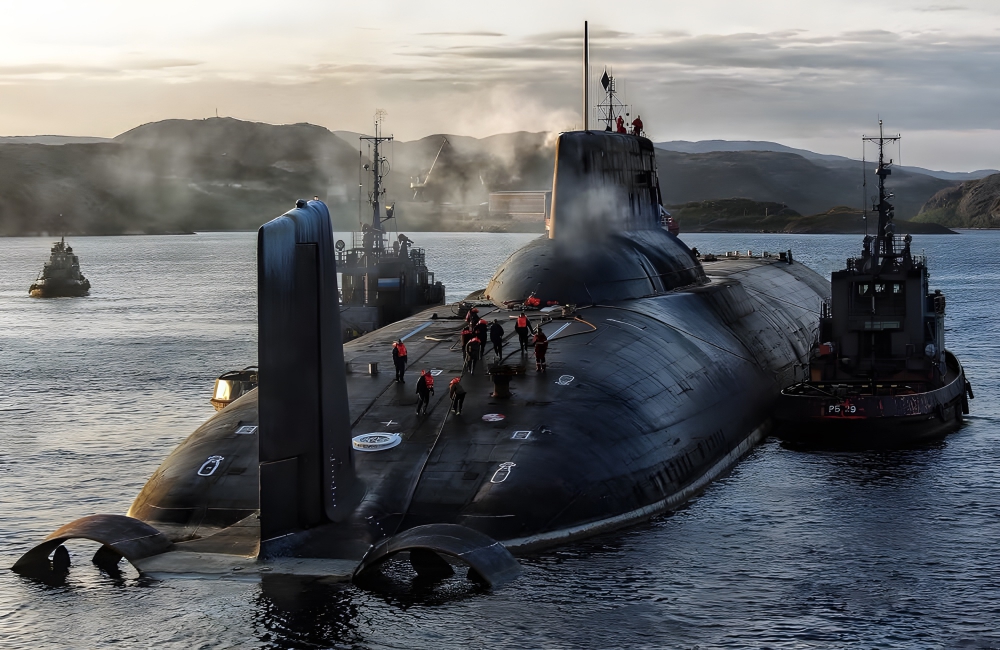
Typhoon-Class Submarine [Akula class] (Russia)@CcibChris / Twitter.com
Six Typhoon-class submarines have been completed out of a planned seven. The submarines can house 160 crew comfortably. The Typhoon class’ development was reportedly a reaction of the Soviet Union to the new Ohio class of submarines that the U.S. Navy developed during the Cold War. Russia canceled its modification plans for the Typhoon class in 2012, claiming the cost was too prohibitive.
The costs would be as pricey as constructing two completely new Borei submarines. Russia also announced at the time that it had eliminated the Sturgeon SLMBs in 2012. Just one Typhoon is still in service to this day, and the Typhoon-class submarine, titled Dmitry Donskoy, has RSM-56 Bulava SLBM armaments.
4. 8×8 Boxer CRV – Australia
Manufacturer: Rheinmetall Defence
Primary Users: Australian Army
Program Cost: $5.2 billion*
Unit Cost: $24.64 million*
This multi-armored fighting vehicle has been around since the 2010s, though the nations behind the program have changed as the Boxer’s design developed. The Boxer was originally crafted by an international consortium of nations, as opposed to one single company like Lockheed or BAE, and the development is managed by the OCCAR (Organization for Joint Armament Cooperation).
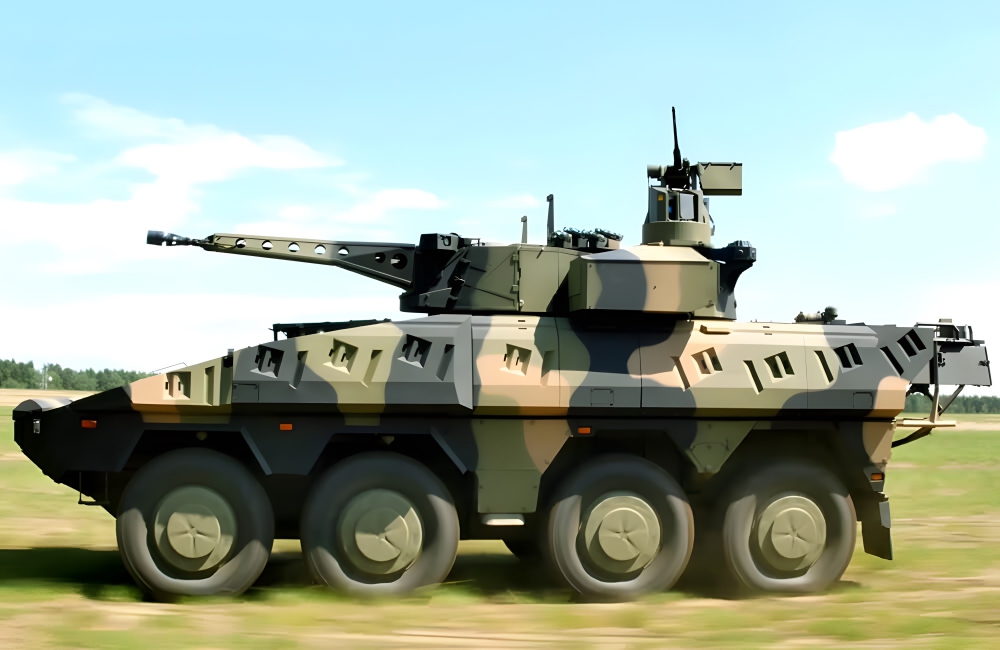
8×8 Boxer Combat Reconnaissance Vehicle (Australia) @Rheinmetall Defence / Youtube.com
Australia is one such operator of this 8×8 fighting vehicle. The Boxer was one of two vehicles competing for the Land 400 Phase contract, which would determine which vehicle would become the Australian Army’s replacement for the ASLAV fleet. The Boxer won, and it will replace 257 ASLAVs by 2021.
The fighting vehicle’s development dwarfed most of its contemporary vehicles by 20,000 pounds. As years have gone on, the size difference between Boxers and the rest of the vehicles have decreased. The Boxer’s main competitors in the market include the Patria AMV, General Dynamics Piranha V, and the Nexter VBCI, among others.
5. Northrop Grumman X-47B – USA
Manufacturer: Northrop Grumman
Primary Users: U.S. Navy
Program Cost: $813 million*
Unit Cost: $405 million*
This unmanned combat aerial vehicle (also known as a UCAV) was part of the J-UCAS program from legendary developer DARPA. It is a tailless jet-powered aircraft with a blended-wing body. It has aerial refueling and semi-autonomous operation capabilities. The X-47B had its first flight in 2011, and, four years later, became an integral part of the US Navy.
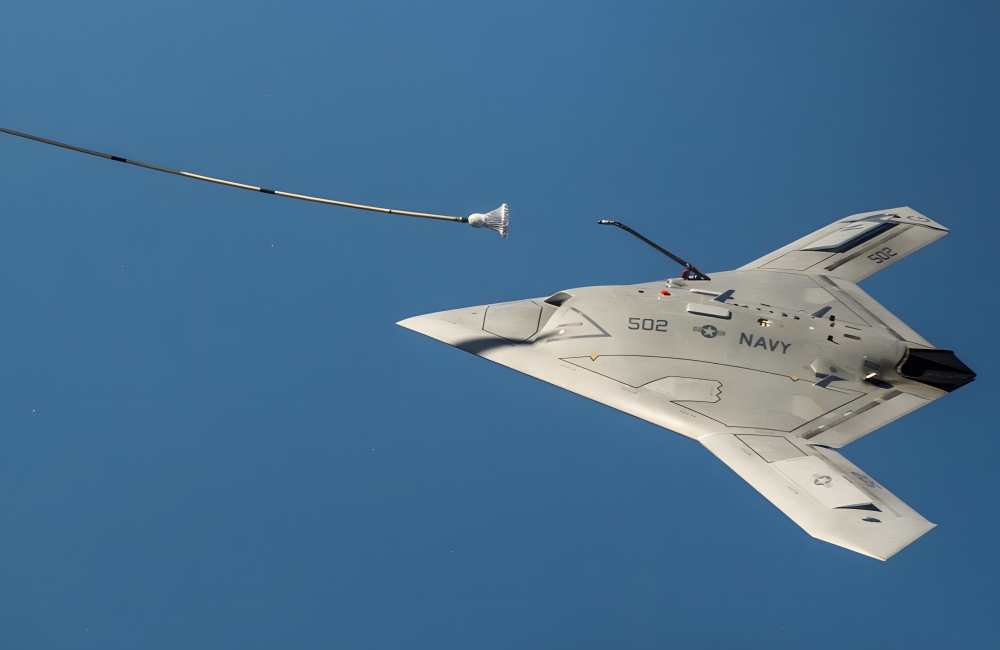
Northrop Grumann X-47B (USA) @carlos_alva0448 / Pinterest
However, the X-47B has yet to be tested through actual combat. Only two exist, and the Navy is keeping them in pristine condition for “future developments.” Northrop Grumman pulled the plane from the MQ-25 competition, citing problems with the contract’s terms. The X-47B’s predecessor is the X-47A Pegasus.
The Northrop Grumman X-47B’s cancelation was murky. Northrop Grumman didn’t go into detail, saying only in October of 2017 that it would have been “unable” to complete the program “under the terms” of the proposal request. Northrop Grumman had to pay to not only transport the Northrop Grumman X-47B from Palmdale, it had to pay to have it shipped back after the defense tycoon changed its mind.
6. P-8A Poseidon – India
Manufacturer: Boeing
Primary Users: Indian Navy, U.S. Navy, RAAF & Royal Air Force
Program Cost: $33.638 billion* (FY2013)
Unit Cost: $256.5 million* (procurement cost FY2015)
Built by Boeing, the P-8 Poseidon (formerly known as the Multimission Maritime Aircraft) is a modification of the 737-800ERX. The U.S. Navy, Indian Navy, Royal Australian Air Force, and the Royal Air Force are its main operators. The Boeing P-8 operates in several roles, including interdiction, anti-surface warfare, and anti-submarine warfare.
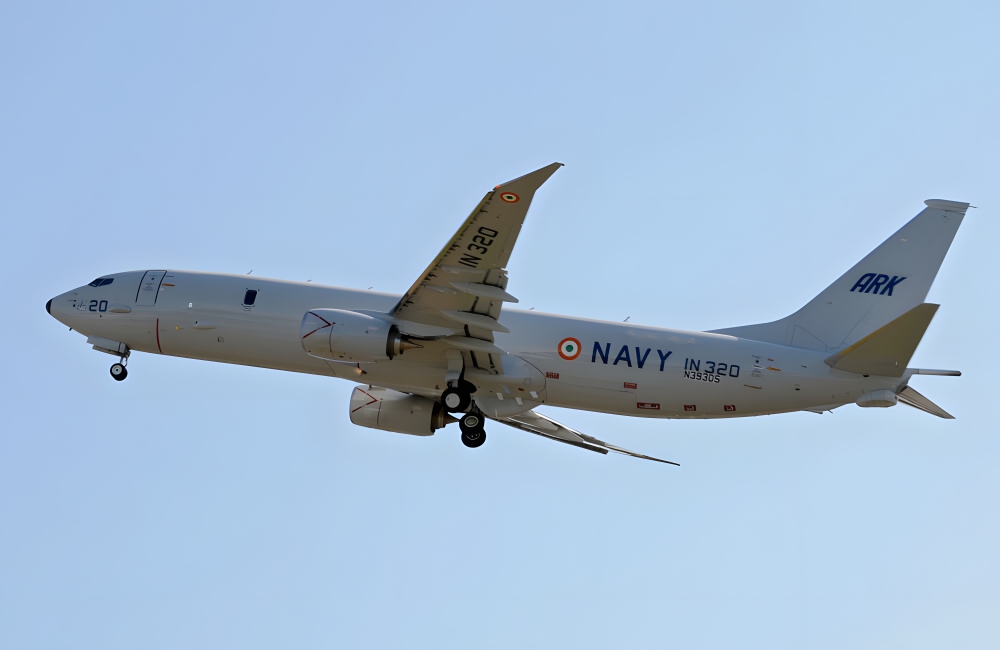
P-8A Poseidon (India) @areamilitarof / Twitter.com
The P-8 is armed with Harpoon anti-ship missiles, torpedoes, and a HAAWC ALA, which can turn a Mark 54 torpedo to a glide bomb, deploying the bomb from up to 30,000 feet. The P-8 has improvements over its predecessor, the P-3, both in terms of avionics and weapons. It also offers a smoother flight with less fumes and turbulence.
The P-8A Poseidon has a few derivatives, including a modified P-8 that it wanted to replace the E-8s with. The derivative, which would be used by the U.S. Air Force, would have AESA radar, GMTI, and SAR capabilities. It would also get a pod-mounted radar that would prevent the engine nacelles from obstructing its line of vision.
7. Le Terrible Triomphant-Class Submarine – France
Manufacturer: DCNS
Primary Users: French Navy
Program Cost: $17.1 billion* (FY2009)
Unit Cost: $3.1 billion* (FY2009) for Terrible
In English, this Triomphant-class submarine’s name translates to the “Next-Gen Device Launching Nuclear Submarine” from its original French title. The Terrible has been in service since 1997, with building beginning in 1986. Building ended in 2010, with four of the class completed (all that was planned).
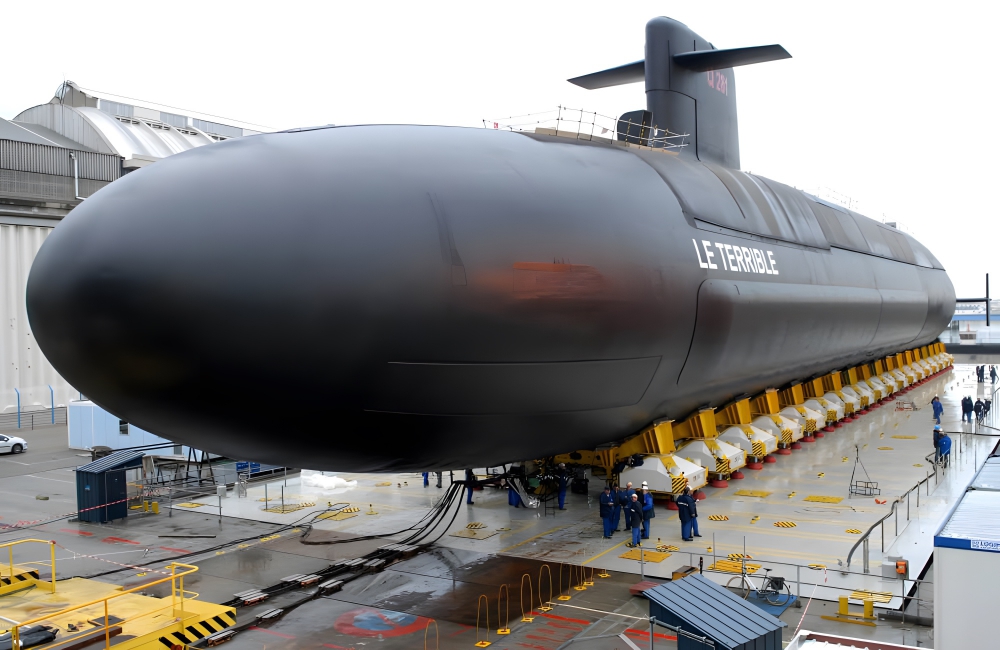
Le Terrible Triomphant-Class Submarine (France) @Bill Thomas / Pinterest
The Triomphant class replaced the Redoutable class, which was aging. The Triomphant provides the Force oceanique strategique for France. The nuclear deterrent capabilities of the Terrible include sixteen M51 SLBM missiles (made by Boeing competitor Airbus), as well as Exocet anti-ship missiles and conventional torpedoes. Le Terrible joins Le Vigilant, Le Temeraire, and Le Triomphant in the class’ lineup.
Le Terrible was launched in 2008 and put into service in 2010. It is armed with sixteen M51 missiles, as well as a brand-new System de Combat Barracuda SSBN. The SYCOBS will also be installed on all Barracuda-class SSNs. In January of 2010, Le Terrible had a successful missile launch test, hitting its target from 1,200 miles away.
8. F-35 Lightning II – USA
Manufacturer: Lockheed Martin, Northrop Grumman, and BAE Systems
Primary Users: U.S. Air Force, U.S. Marine Corps, U.S. Navy, Royal Air Force
Program Cost: $428.4 billion* (through 2044 in then-year dollars)
Unit Cost: $77.9 million*
The F-35 Lightning II is a class of single-engine, single-seat, stealth multirole combat fighter jets that can perform both strike and air superiority missions. Built by Lockheed Martin with assistance from BAE Systems and Northrop Grumman, the Lightning II jets have three variants: A, B, and C.
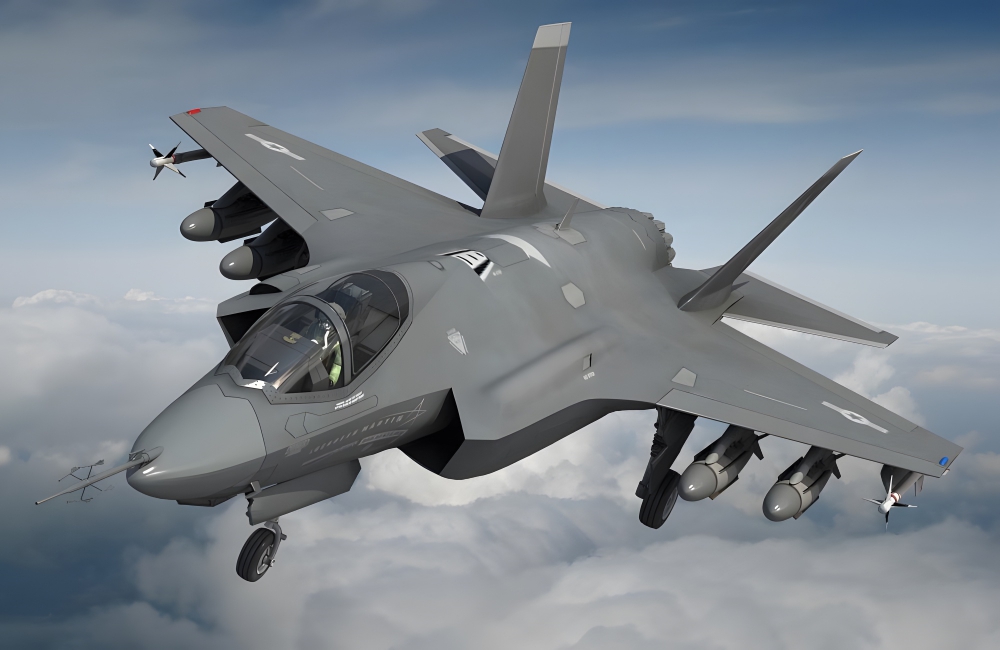
F-35 Lightning II (USA) @3dexport / Pinterest
The Lightning II won the JSF program contract in 2001, famously beating out Boeing the project. The US is the primary operator of the F-35, but the program was funded in part by NATO and other U.S. allies. The US Air Force uses the Lightning II for SEAD missions (Suppression of Enemy Air Defense), mainly because of the jet’s advanced mission systems and sensors.
The weapons system on the F-35 Lightning II also isn’t anything to scoff at. The F-35 has two weapons bays and four weapons stations, and its armaments include JDA, Paveway bombs, JSOW, cluster munitions, GBU-39 SDBs,, and SPEAR 3 anti-tank missiles. The total weapons ordnance capacity is 2,500 pounds maximum.
9. TAI Anka – Turkey
Manufacturer: Turkish Aerospace Industries
Primary Users: Turkish Armed Forces
Program Cost: $200+ million*
Unit Cost: $100 million*
The TAI Anka, made by Turkish Aerospace Industries, is an unmanned combat aerial vehicle that bears a strong similarity to drones made by General Atomics and Lockheed Martin. The TAI Anka is named after the Zumrud-u Anka (in Turkish, the Anka kusu), which is a phoenix from Turkish mythology.
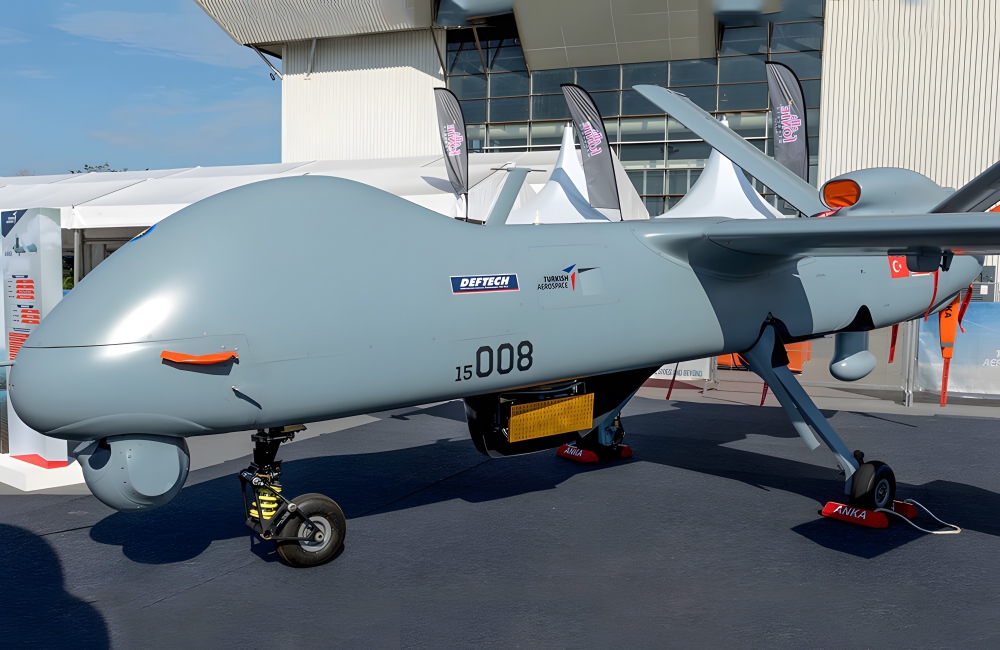
TAI Anka (Turkey) @Murad Hashan / Facebook.com
The TAI Anka is used by the Turkish Armed Forces. The basic model, the Anka-A, is a MALE UAV (Medium Altitude Long Endurance Unmanned Aerial Vehicle). The Anka has become a modular platform, as it has satellite communication, synthetic aperture radar, and precise weapons systems. Anka variants include the Anka-A, -B, -S, -1 and -2.
The TAI Anka can carry several payloads, including an EO day TV, EO/FLIR/LRF/LDS camera, SAR/GMTI, and ISAR. The testing of the TAI Anka was fraught with problems, but it eventually took off, though there were a few crashes. Testing began in 2010, and the UAV crashed after fifteen minutes. It got itself straightened out eventually.
10. K2 Black Panther – South Korea
Manufacturer: Hyundai Rotem
Primary Users: Republic of Korea Armed Forces
Production Cost: $7.8 billion*
Unit Cost: $8.5 million* (constant FY2009)
The K2 Black Panther is a next-gen battle tank that will be used by South Korean forces. It was designed by the Agency for Defense Development, and the manufacturer is Hyundai Rotem (Rotem is owned by Honda competitor Hyundai as somewhat of a military-related subsidiary).
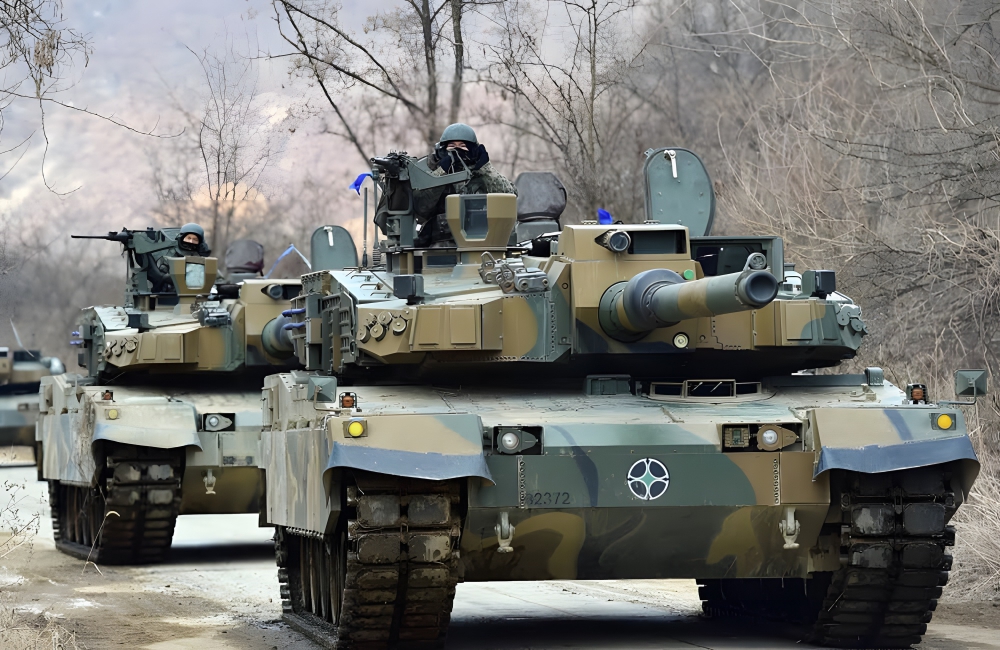
K2 Black Panther (South Korea) @South Korean Military Channel / Youtube.com
The Black Panther’s main armament is an auto-loaded 120mm 55 caliber machine gun. It has soft-kill active protection capabilities, combined with highly-advanced composite armor. The Black Panther’s production began in 2013, and the Korean military received the first K2s in 2014. 100 have been produced so far. Another 160 are in the works (106 in “Lot 2” and 54 in “Lot 1”).
The K2 Black Panther holds the distinction of being one of the most expensive tanks in service of any country in the world. Each unit costs over $8.5 million. The K2 Black Panther’s first model was the XK2, an experimental tank. The K2 was the first variant, with 206 planned. The Altay and K2PL are both variants on the K2.
11. Arleigh Burke DDG 51 Destroyer – USA
Manufacturer: Ingalls Shipbuilding, Bath Iron Works
Primary Users: United States Navy
Program Cost: Undisclosed
Unit Cost: $1.843 billion per ship* (DDG 114–116, FY2011/12)
The Arleigh Burke DDG 51 Destroyer is the flagship of the Arleigh Burke-class, which was named after Admiral Arleigh Burke, who was a destroyer officer during WWII and later became the Chief of Naval Operations. The lead ship of the class was developed during the former Chief’s life. This class of DDGs numbers 68 so far. Seven are in development now, and three more are on order.
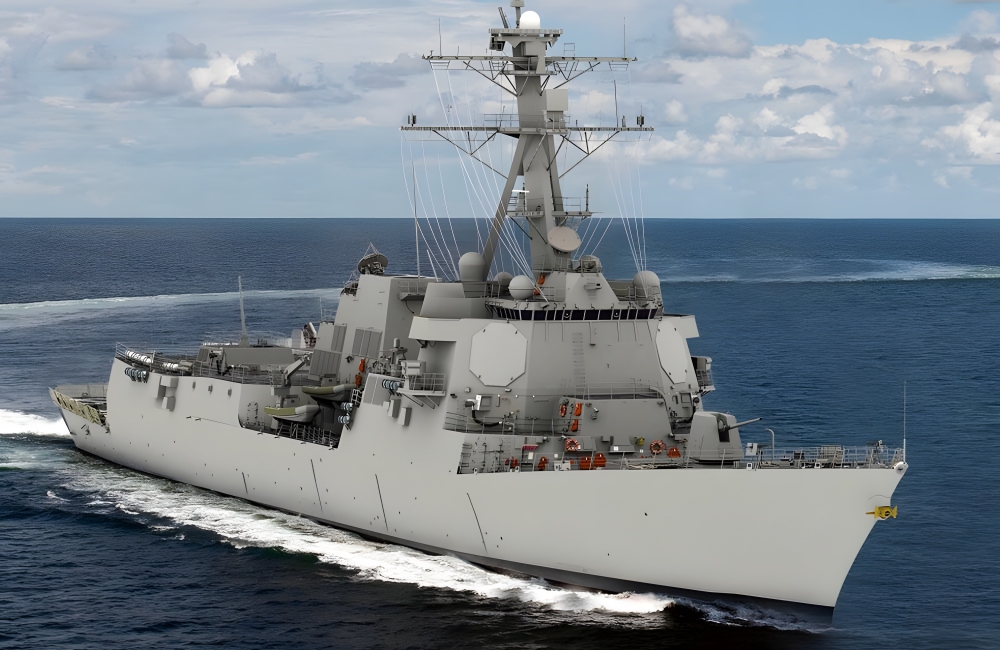
Arleigh Burke DDG 51 Destroyer (USA) @beiruttime / Pinterest
The Arleigh Burke-class, made by Huntington Ingalls Industries, is much more heavily-armed and larger than other DDGs. It measures almost 510 feet long, displaces up to 9,700 tons, and has over ninety missiles onboard. Some of this class’ highlights include Aegis radar, ASW, anti-submarine rockets, surface-to-air missiles, and ASuW Harpoon missiles.
Currently, there are plans in place to replace the Arleigh Burke with a “Future Surface Combatant” class, but that is a long way off. The U.S. Navy doesn’t think the FSC class will be ready until the early 2030s. Emerging technologies, such as on-board power generations, AI, lasers, and more next-gen weapons will be featured.
12. F-22 Raptor – USA
Manufacturer: Lockheed Martin, Boeing
Primary Users: U.S. Air Force
Program Cost: $67.3 billion* (FY2010)
Unit Cost: $150 million* (flyaway cost for FY2009)
The F-22 Raptor is a twin-engine, single-seat, all-weather tactical fighter that was developed for the US Air Force. Made by Lockheed Martin, this fighter jet numbers 187 operational aircraft and eight tester craft. The F-22 was produced from 1996 until 2011. The F-22 is the product of the Advanced Tactical Fighter Program.
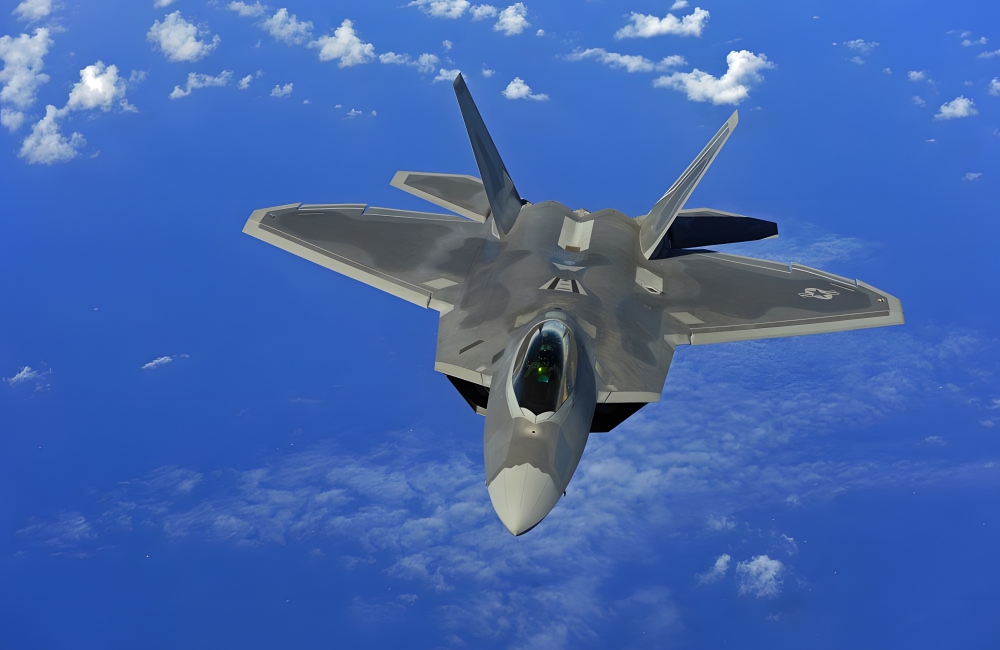
Lockheed Martin F-22 Raptor (USA) ©Everett Collection / Shutterstock
The F-22 is an air superiority fighter. It also has signal intelligence, electronic warfare, and ground attack capabilities. Though Lockheed built the weapons systems and airframe, Boeing made the training systems, avionics integration, aft fuselage, and wings. The Air Force has stated that the F-22 is critical to its tactical airpower and air combat capabilities.
Originally, military officials planned to buy 750 ATFs. However, in 2009, that was cut significantly to just 187 aircraft because of high costs, bans on certain exports, and the development of the F-35, a more versatile aircraft. There was also a lack of air-to-air missions because fighter programs in Russia and China were delayed.
13. Queen Elizabeth-Class Aircraft Carrier – UK
Manufacturer: Aircraft Carrier Alliance
Primary Users: United Kingdom’s Royal Navy
Program Cost: $7.6 billion*
Unit Cost: $3.8 billion*
The Queen Elizabeth class consists of two aircraft carriers, one named after Queen Elizabeth I and the other named after the Prince of Wales. The HMS Queen Elizabeth was the first of its class, christened on July 4, 2014. The class is used by the UK’s Royal Navy. The HMS Prince of Wales launched on December 21, 2017.
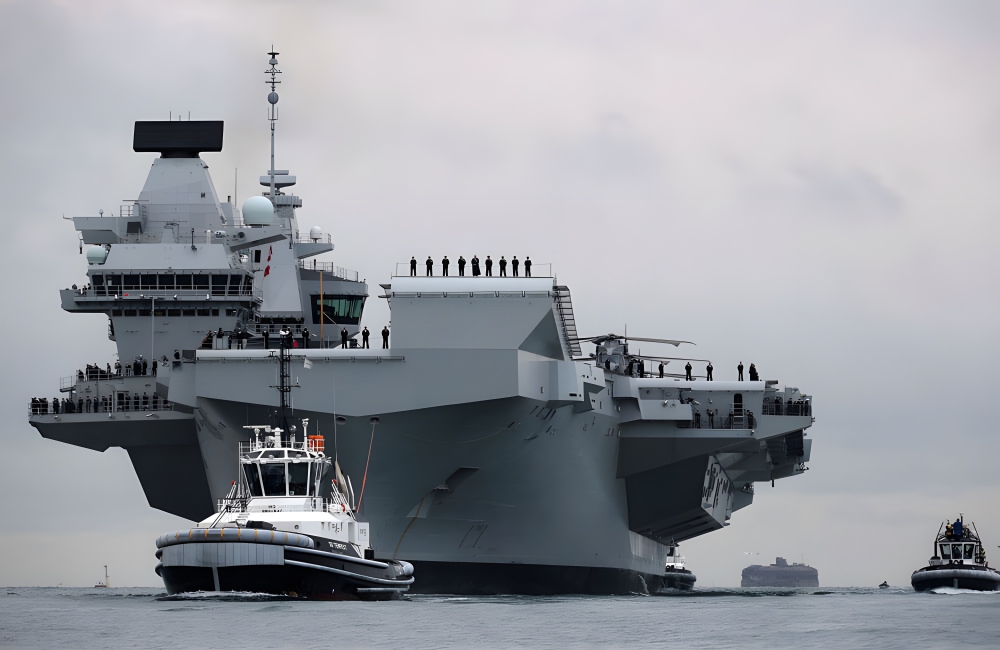
Queen Elizabeth-class aircraft carrier (UK) @LargestAircraftCarriers / Facebook.com
The carriers are configured in a STOVL arrangement, and they deploy the Lockheed Martin F-35B. Though Prince of Wales was originally intended to be built to a CATOBAR configuration, the rising costs of that project (nearly twice the original quote), led the British government to scrap that plan in 2012.
The ship can hold 1,600 people, including crew. The average crew size is far below that, according to the UK government, who said that there are 672 people aboard. The ship’s displacement is 65,000 tons, but the design allows for an extra 5,000 tons to be added as the class is upgraded over its lifetime.
14. Sikorsky CH-53K King Stallion – USA
Manufacturer: Sikorsky Aircraft
Primary Users: U.S. Marines
Program Cost: $25 billion* (FY2015)
Unit Cost: $87 million*
The CH-35K King Stallion is an interesting departure from the usual US Marine Corps aircraft, which generally is designed by Boeing, General Dynamics, or other American companies. The King Stallion is actually made by Sikorsky Aircraft, a Russian corporation. Sikorsky won the contract over Boeing Vertol.
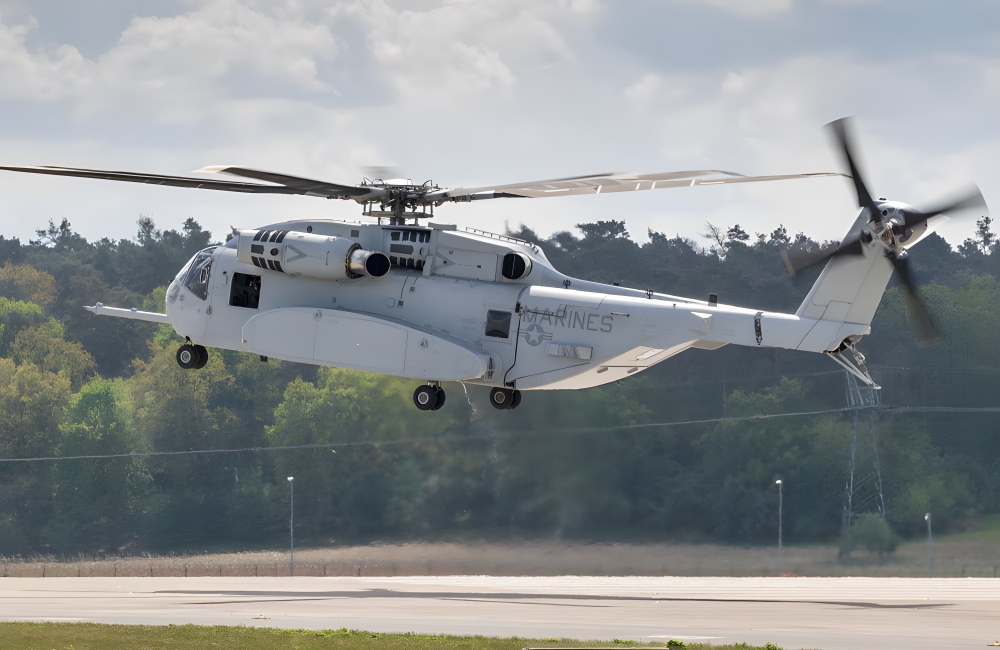
Sikorsky CH-53K King Stallion (USA) ©VanderWolf Images / Shutterstock
The King Stallion is a heavy-lift cargo helicopter. It differs from prior CH-53 variants because it has a wider aircraft cabin, three 7,500HP engines, and new composite blades. The King Stallion will be the largest, heaviest helicopter in the entire US military. The Marines ordered 200 of these helicopters, the first of which was delivered in 2018.
The King Stallion wasn’t ready for combat until late 2019, though a test showed that one was able to lift a payload of nearly 36,000 pounds. There were delivery delays that revealed technical flaws in testing, which meant the entire program had to be restructured. The delivery of CH-53Ks, ready for combat, was pushed until May of 2020.
15. Barracuda-Class Submarine – France
Manufacturer: Naval Group
Primary Users: French Navy
Program Cost: $9.9 billion* (FY2013)
Unit Cost: $1,300 million* (FY2013)
Not to be confused with the General Dynamics ships from WWI which share the same name, the Barracuda-class is far newer and possesses cutting-edge weapons and avionics technology. Also called the Suffren-class, the Barracuda-class is a nuclear attack submarine. Naval Group, a French shipbuilder, constructed the class, which will be used by the French Navy, beginning sometime in 2020.
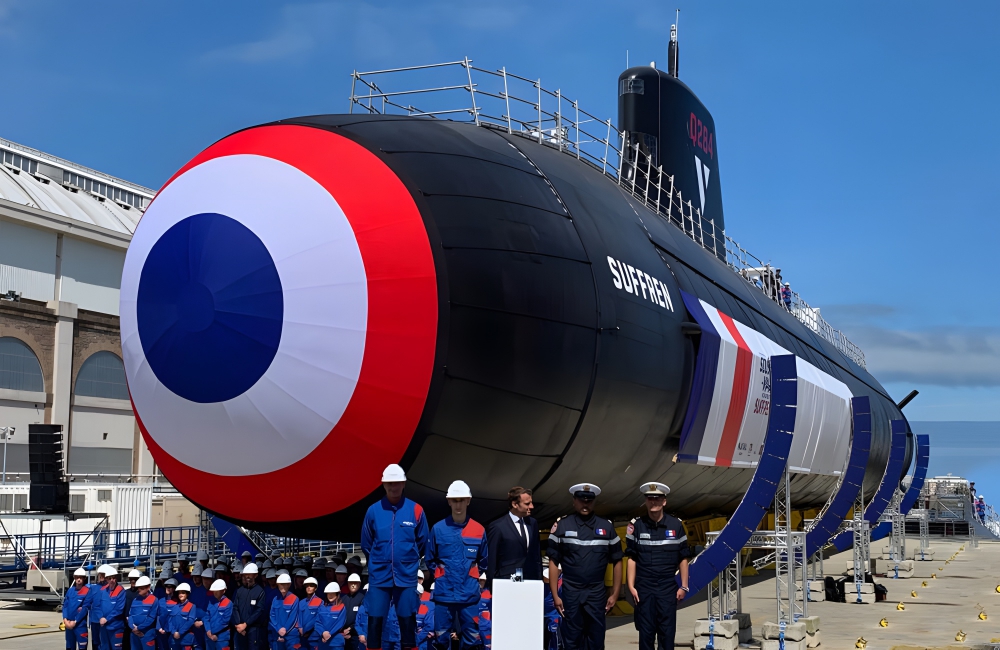
Barracuda-Class Submarine (France) @manjeetnegilive / Twitter.com
The Barracuda-class uses much of the same technology from the Triomphant-class. Barracuda-class ships will be fitted with equipment for anti-submarine warfare, land attack, anti-surface, intelligence gathering, special ops (accommodating up to fifteen commandos in a mobile pod), and crisis management missions.
There is also a variant called the shortfin Barracuda, which is a diesel-electric variation on the design. Naval Group submitted the proposal in 2015, and it was selected in 2016 to build twelve of these variants. Much of the details are being kept under wraps, and construction is expected to begin sometime in 2021.