
46. Tupolev Tu-160 – Russia
Manufacturer: Tupolev, Kazan Aircraft Production Association
Primary Users: Russian Air Force
Cost: Program cost $1.236 billion* (FY2006) / Unit cost $34.33 million* (FY2006)
Designed by Tupolev and built by Kazan, the Tu-160 is the largest, heaviest Mach 2 supersonic aircraft ever constructed. It is the second-longest, next to the XB-70 Valkyrie. The Tu-160 is a variable-sweep wing, supersonic, heavy strategic bomber that entered into service in the late eighties with the Soviet Union. Now, it is used by the Russian Air Force.
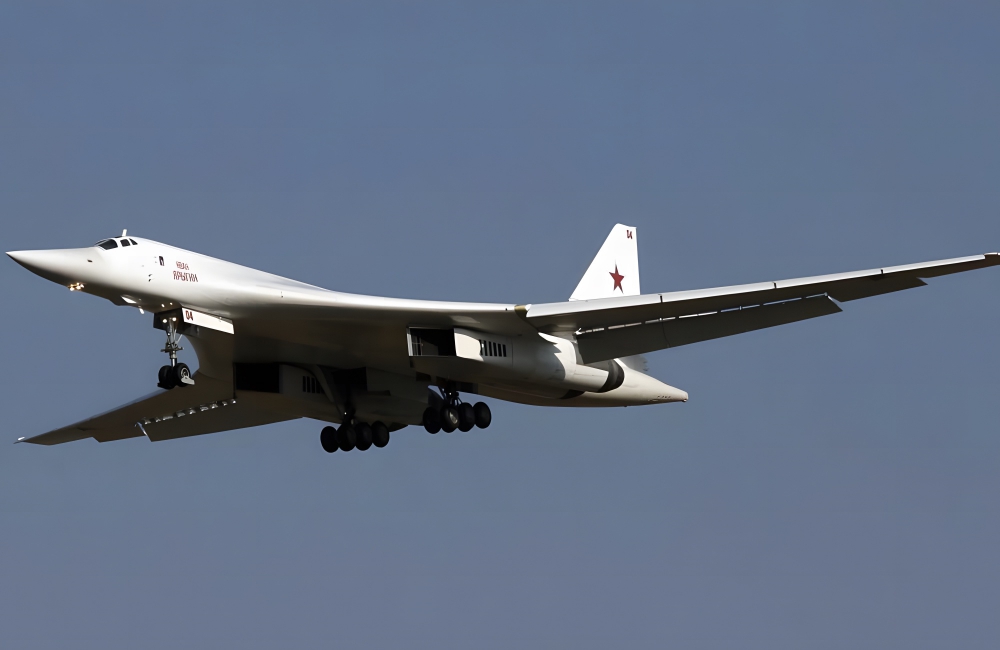
Tupolev Tu-160 @EmbassyofRussia / Twitter.com
The Tu-160’s modernization program commenced in the early 2000s. The first modernized Tu-160 was delivered in 2014. There are thirty-seven Tu-160s in existence today, and twenty-seven of those are serial. In 2018, the Russian President suggested converting a Tu-160 to civilian use, but the feasibility of that remains to be seen.
47. Denel AH-2 Rooivalk Helicopter – South Africa
Manufacturer: Denel Aviation (AKA Atlas Aircraft Corporation)
Primary Users: South African Air Force
Cost: Program cost $1 billion* (FY2007) / Unit cost $40 million* (FY2007)
Rooivalk means “Red Falcon” in Afrikaans. The Denel Rooivalk, designed by Denel Aviation when the company went under the name Atlas Aircraft Corporation, was developed in 1984. The development was closely related to the Atlas Oryx, a transport helicopter, and both the Oryx and the Rooivalk are based on the SA 330 Puma by Aerospatiale.
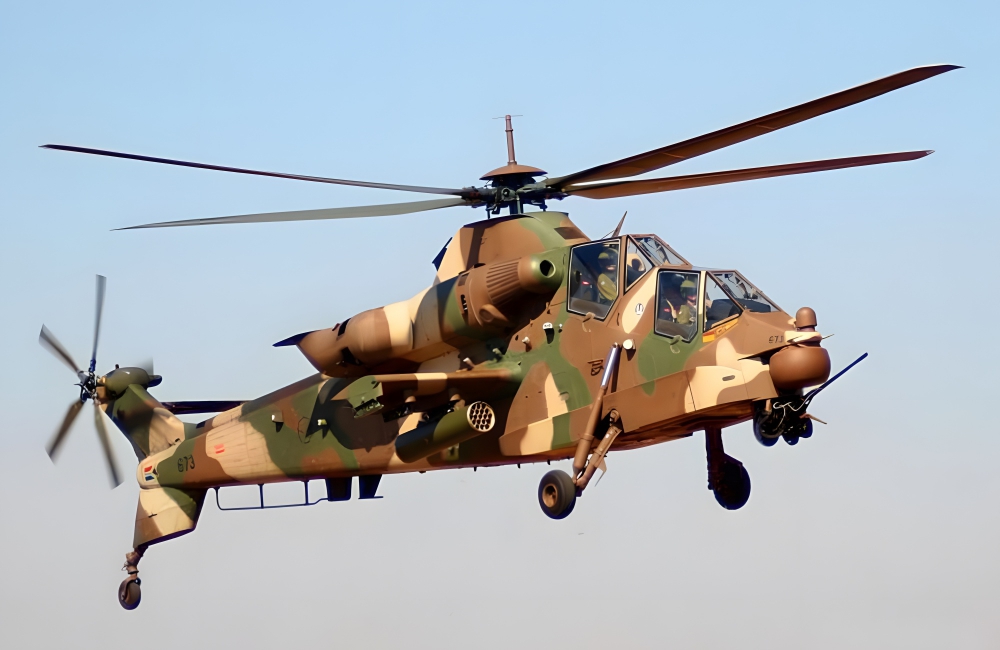
Denel AH-2 Rooivalk Helicopter (South Africa) @The Blues / Pinterest
The Rooivalk is an attack helicopter. Designated AH-2, the Rooivalk can operate for long periods of time in the harsh African climate without sophisticated support. The Rooivalk is equipped with a 20mm cannon, and it has the capacity to carry anti-armor and air-to-air missiles, as well as unguided rockets. Its fire control system uses Doppler and GPS.
48. Black Hawk Helicopter – USA
Manufacturer: Sikorsky Aircraft
Primary Users: U.S. Army, U.S. Navy, U.S. Coast Guard, U.S. Air Force, Japan Self Defense Forces, Republic of Korea Armed Forces, Columbian Armed Forces
Cost: Program cost $85.2 billion* (FY2012) / Unit cost $21.3 million* (FY2012)
Black Hawk, designed by Sikorsky, was named after a Native American warrior of the same name. The helicopter is a four-blade, medium-lift, twin-engine utility copter. The Black Hawk’s primary user is the U.S. Army, but it also has variations in use with the Coast Guard, Air Force, and Navy.
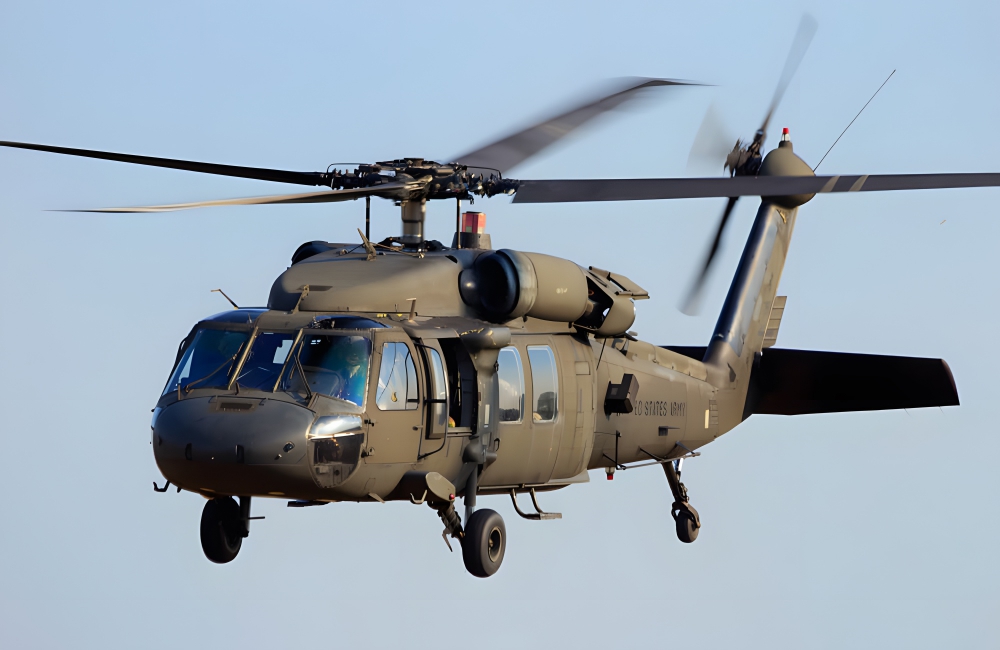
Black Hawk Helicopter (USA) ©VanderWolf Images / Shutterstock
The UH-60 Black Hawk has been in service since 1979. It had its first flight on October 17, 1974. Each unit costs $21.3 million, and 4,000 have been built since 1974. The Black Hawk has been with the American military branches in conflicts all around the world, from the Balkans to Africa.
49. Soryu Class Submarine – Japan
Manufacturer: Kawasaki Shipbuilding Corporation, Mitsubishi Heavy Industries
Primary Users: Japan Maritime Self Defense Force
Cost: Program Cost $5.903 billion* (FY2015) / Unit cost $536.7 million* (FY2015)
The Soryu class of submarines are attack submarines that run on a mix of diesel and electric power. The first boat in the Soryu class entered service in 2009 with the Japan Maritime Self-Defense Force. The design of the Soryu-class came from the Oyashio-class, though the Soryu is easy to distinguish because it has X-shaped rudders and diving planes on its stern.
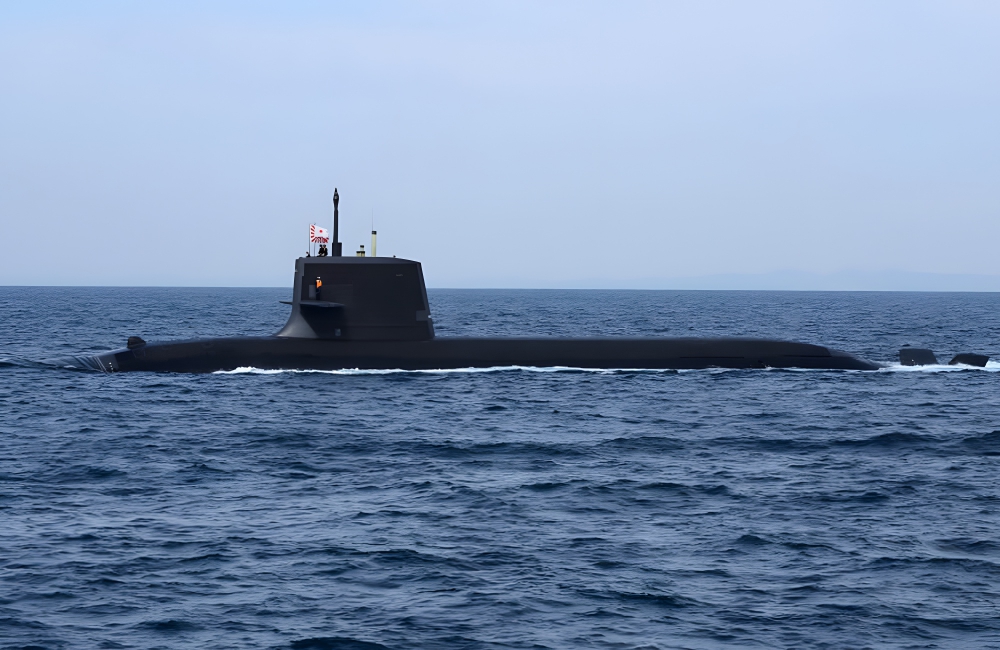
Soryu Class Submarine (Japan) ©viper-zero / Shutterstock
Twelve are planned, eleven have been completed, and one is in the process of building. The attack submarine has the largest displacement of any post-WWII submarine in Kapan (4,134 long tons when submerged). The Soryu class is the first Japanese submarine to use air-independent propulsion.
50. Apache Helicopter – USA
Manufacturer: Boeing (formerly Hughes Helicopters and McDonnell Douglas)
Primary Users: U.S. Army, Israeli Air Force, Royal Netherlands Air Force, Egyptian Air Force
Cost: Program cost $85.2 billion* (FY2014) / Unit cost $35.5 million* (FY2014)
The U.S. Army’s primary attack helicopter is the AH-64 Apache, made by Boeing. The helicopter was first flown on September 30, 1975. It was introduced in April of 1986. Over 2,400 have been produced as of April 2020. The Apache attack helicopter has been the pioneer of many advanced features, including the helmet-mounted display and the IHADDS.
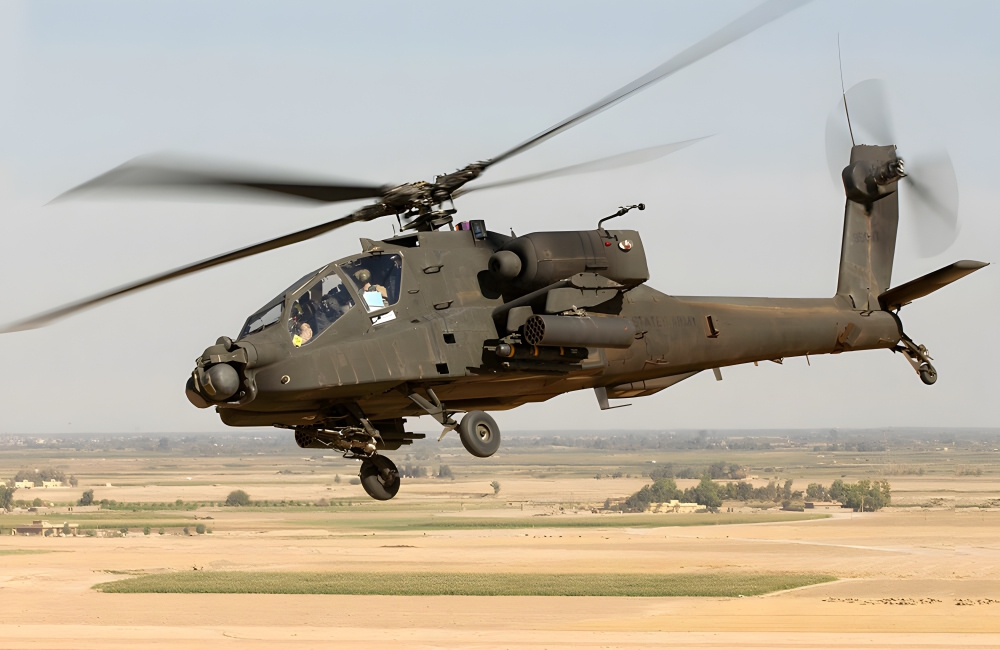
Apache Helicopter (USA) ©Andy Dunaway / Shutterstock
The pilot is able to slave the 30mm chain gun to the helmet, which means that the gun tracks head movements wherever the pilot looks. The Apache is designed to perform in the front lines of battlefields, and its TADS/PNVS, GPS, and passive infrared countermeasures, among many other features, make it a force to be reckoned with.
51. BvS 10 Viking – UK/Sweden
Manufacturer: BAE Systems Land Systems, Hagglunds
Primary Users: British Royal Marines, Netherlands Marine Corps
Cost: $990,740*
The BandvagenS 10, better known by its abbreviation, the BvS 10, is a BAE Systems all-terrain armored vehicle. It is similar to the BV206S, except it is larger and fully amphibious. Each unit costs nearly $1 million to produce, and the five-ton fighting vehicle is used by the British and Netherlands Marines.
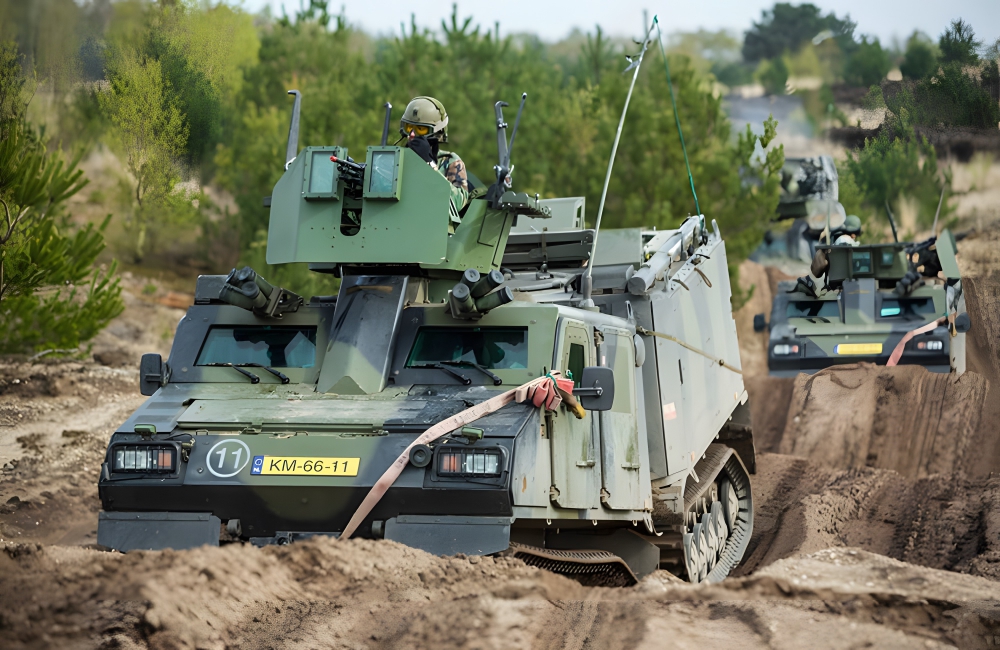
BvS 10 Viking (UK/Sweden) @markbrouwer2010 / Twitter.com
The BvS 10 is also on order from French, Swedish, and Austrian militaries. The armored vehicle I prized because it has a powerful Cummins 5.9L engine, better ground clearance, and a new chassis and powertrain, which make it faster and more comfortable on the road. It has a greater load capacity now, too.
52. Iveco Light Multirole Vehicle (LMV) / Panther – UK
Manufacturer: Iveco, BAE Systems (UK), MVPS (Russia)
Primary Users: Spanish Army, Russian Army, Norwegian Army, Belgian Army, Austrian Army, Albanian Army, Italian Army, British Army (Known As Panther)
Cost: $661,425*
Iveco developed the Iveco LMV (AKA, Light Multirole Vehicle). It’s known as the Panther within the British Army. This 6.5-ton tactical vehicle won the British Army’s Future Command and Liaison Vehicle competition, thanks to its resistance to IEDs.
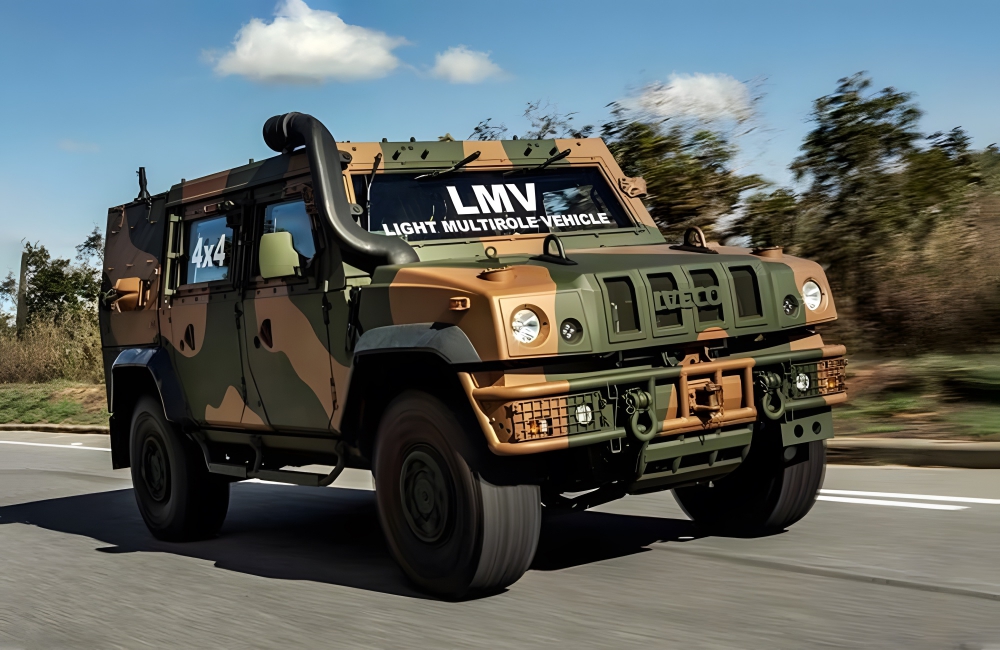
Iveco Light Multirole Vehicle (LMV) / Panther (UK) @DefesaNet / Twitter.com
The LMV is able to protect its occupants through its modular armor packs, which adjust to the appropriate level of protection as the mission requires. The ground clearance on the LMV has increased to nineteen inches without changing the overall height of this ingenious vehicle. Mine blasts are absorbed and deflected, thanks to a v-hull under the body, suspended seats, and a collapsible sandwich structure in the LMV’s floor.
53. LGS Fennek – Germany
Manufacturer: Dutch Defence Vehicle Systems, Kraus-Maffei Wegmann, FNSS Defence (Turkey)
Primary Users: German Army, Royal Netherlands Army
Cost: $1.904 million*
The Fennek is a 4WD armored recon vehicle made by Dutch Defence Vehicle Systems, in partnership with Kraus-Maffei Wegmann. The other producer is FNSS Defence, which makes the vehicle for Turkey. The German and Royal Netherlands Army replaced their current four-wheeled reconnaissance vehicles with Fenneks.
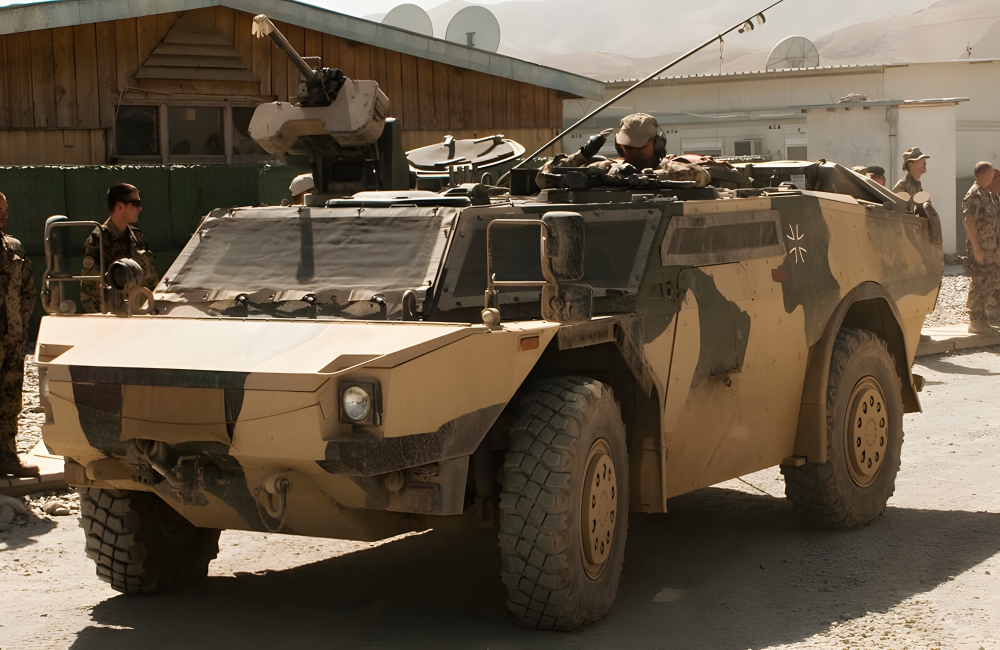
LGS Fennek (Germany) @gordonormiston / Pinterest
The Fennek runs on a Deutz diesel engine, which gives it a top speed of 71.4 miles per hour. The Fennek can fit various weapons, including a 12.7mm machine gun, Rafael Spike anti-tank missile, Rheinmetall MG3, and more. The vehicle can add additional armor if required, and it is baseline protected against 7.62mm rounds.
54. NMS 4×4 – Turkey
Manufacturer: Nurol Makina
Primary Users: Qatar Army, Multiple Orders Currently Undisclosed
Cost: $209,000*
The NMS 4×4 is one of the newer vehicles on this list. It’s made by Nurol Makina, and it was first unveiled to the public in May of 2017 at the International Defence Industry Fair in Istanbul. The NMS 4×4 is a light armored vehicle. It has anti-air-defense and anti-tank capabilities, two requirements that countries ordering this vehicle specified.
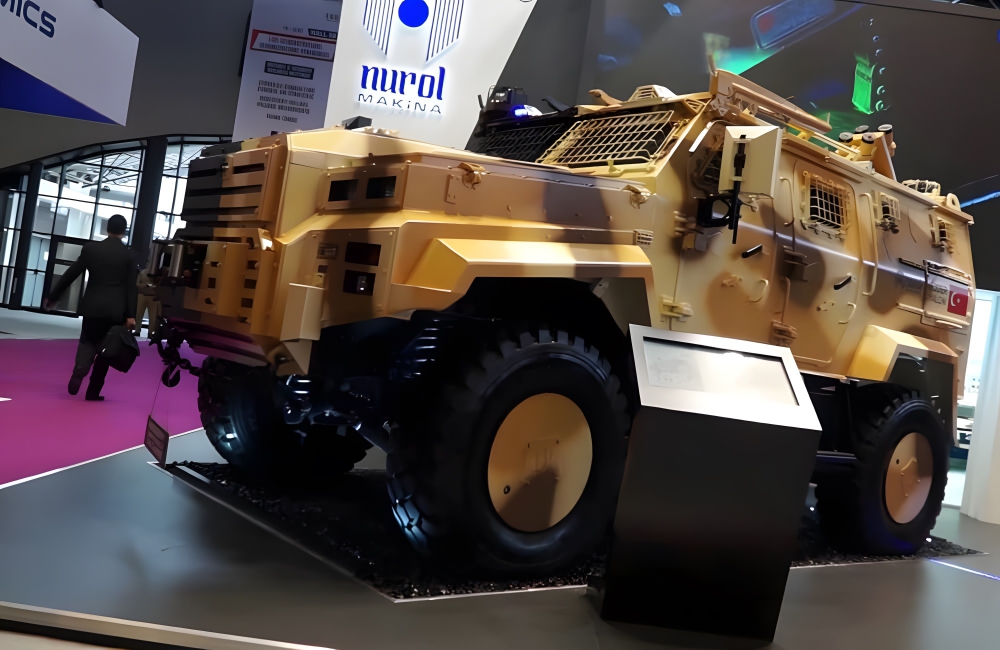
NMS 4×4 (Turkey) @muzafferunsaldi / Twitter.com
The NMS 4×4’s chassis is indigenously built, with four-wheel drive. The 4×4 has a modular design and a monocoque hull, the latter of which provides strength and flexibility for the vehicle, whatever the mission may be. The total gross weight of the NMS 4×4 is eleven tons.
55. Aardvark JSFU Mark 4 – USA/UK
Manufacturer: Aardvark Clear Mine Ltd.
Primary Users: British Armed Forces, U.S. Armed Forces. United Nations
Cost: Unlisted
Aardvark Clear Mine Ltd., a Scottish company, developed this ingenious mine flail vehicle. A mine flail system is a device mounted on a vehicle that cuts a safe path through a minefield, purposefully detonating landmines in front of it. The Aardvark JSFU Mark 4 is the vehicle on which the mine flail is mounted.
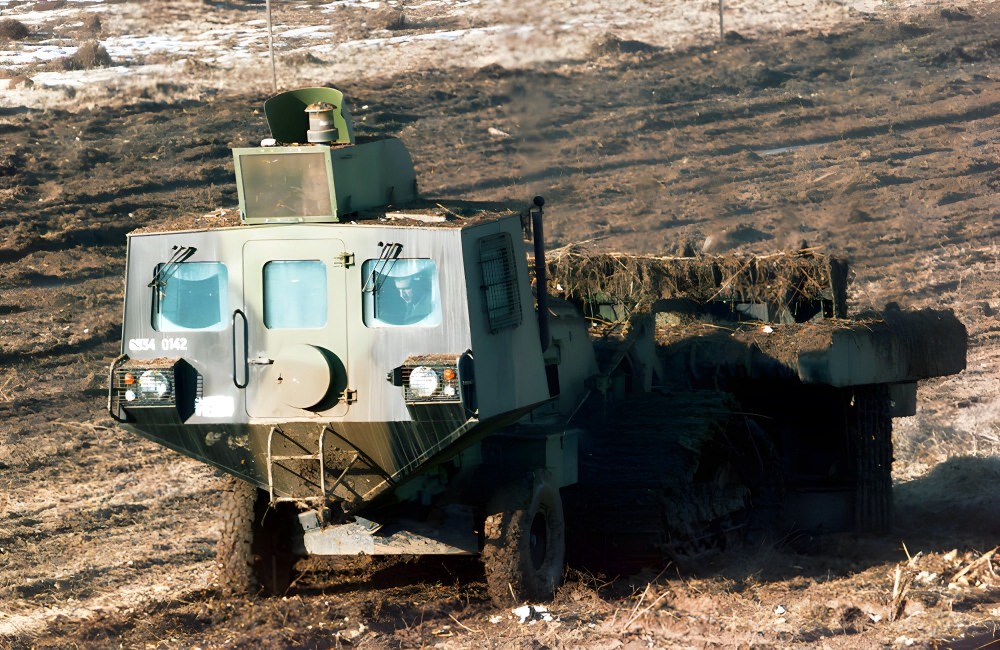
Aardvark JSFU Mark 4 (USA/UK) ©PHAN Charles L. Withrow / Wikimedia.org
The JSFU, in addition to its Aardvark clearance machine, has an armored cab with 56mm armored glass windows and a double-skin cab floor. The JFSU runs on a 160HP New Holland diesel engine that’s connected to a sixteen-speed transmission. The flail system has seventy-two chains and sixty-six tips.
56. Buffalo MPV – USA
Manufacturer: Force Protection Inc. (General Dynamics)
Primary Users: Militaries of US, France, Canada, Italy, Pakistan, United Kingdom
Cost: $2.09 million*
Designed by a division of General Dynamics, the Buffalo is based on the Casspir, a mine-protected vehicle made in South Africa. The Buffalo differs because it is a six-wheeled, not four-wheeled, MRAP. The Buffalo also has a giant articulated arm, which is used for disposing of ordnances.
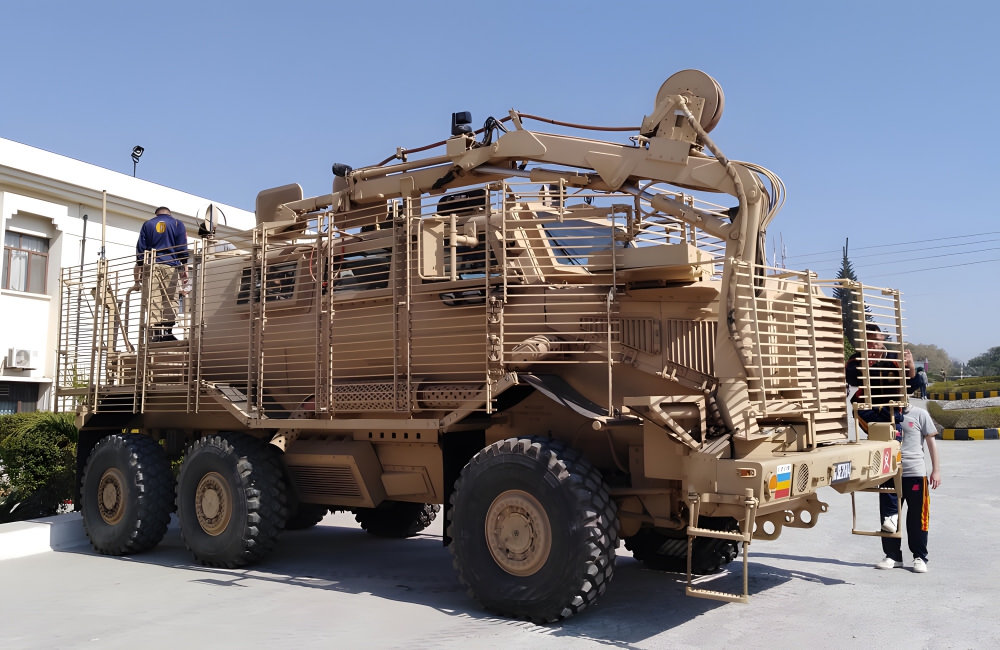
Buffalo MPV (USA) @AhmAdTipu7 / Twitter.com
The Buffalo MRAP has LROD cage armor from BAE systems, which protects the vehicle against RPG-7 anti-tank rounds. The glass armor is six inches thick, and run-flat tires are mounted on each of the six wheels. The Buffalo uses infrared technology to detect ordnances before dismantling them itself, providing ballistic and blast protection.
57. MPV-1 APC – India
Manufacturer: Defense Land Systems, Mahindra & Mahindra Limited, BAE Systems
Primary Users: Indian Military
Cost: $14 million*
The Mahindra Mine-Protected Vehicle is an armed personnel carrier that is made by Defense Land Systems, BAE Systems, and Mahindra & Mahindra Ltd. It was the first vehicle to come from this joint venture. The vehicle is an improved version of the South African Casspir. The MPV-I was designed for rugged forests and hilly terrains.
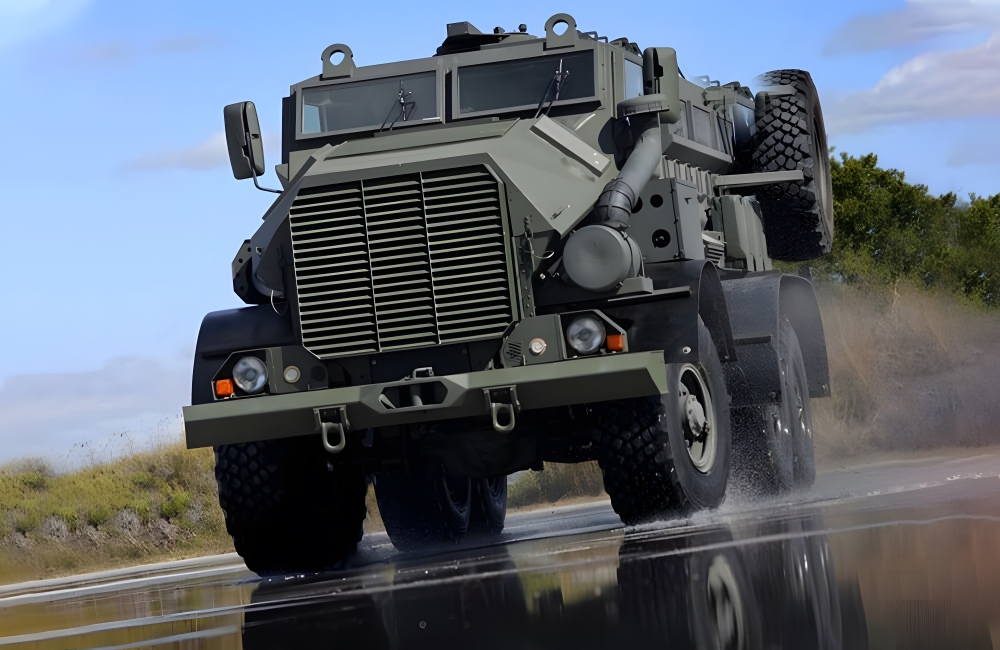
MPV-1 APC (India) @MahindraArmored / Twitter.com
It has a 230HP diesel engine and a 6×6 transmission. The MPV-I protects against land mines and ballistic missiles using a V-shaped hull. The hull is made of steel monocoque construction, which directs the blast away from the vehicle’s occupants. The MPV-I can withstand over 46 pounds of TNT explosions under any of its wheels.
58. L-ATV Joint Light Tactical Vehicle (JLTV) – USA
Manufacturer: Oshkosh Defense
Primary Users: U.S. Marine Corps, U.S. Army
Cost: $465,127*
The L-ATV Joint Light Tactical Vehicle, also known as the JLTV, is used by the U.S. Army and Marine Corps, and it is a partial replacement of the good old Humvee. The JLTV is more survivable than the Humvee, and it has a greater payload. Early studies for the vehicle’s program began in 2006, and Oshkosh Defense was selected for the building.
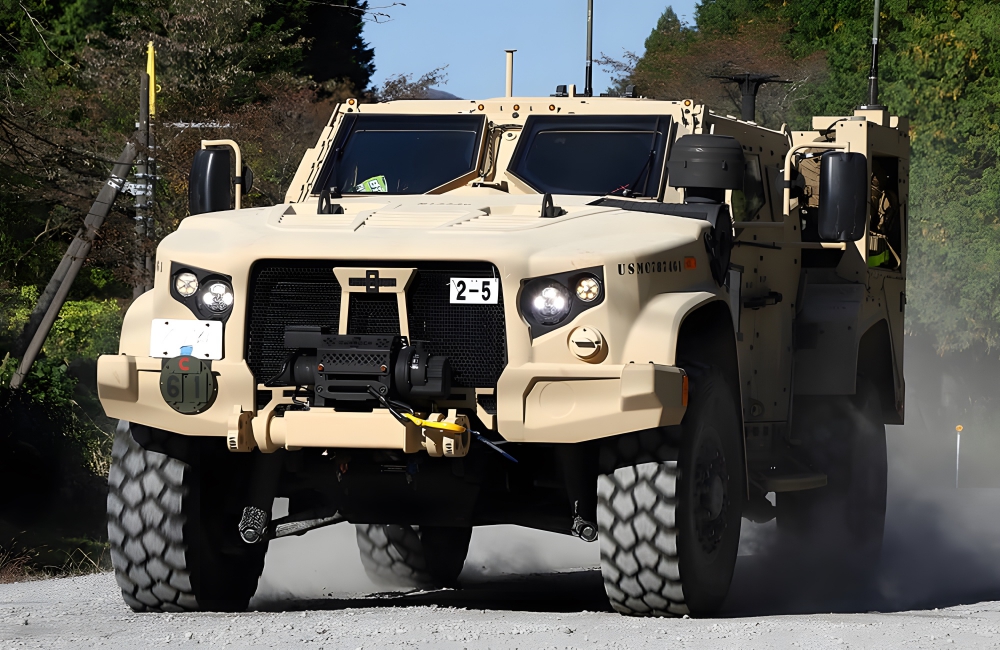
L-ATV Joint Light Tactical Vehicle (JLTV) (USA) @matsu20_1101 / Twitter.com
The JLTV can perform pretty much any task you ask of it, including ambulance, recon, command and control, utility, and armament carrying. The JLTV has two levels of armor protection, which is in accordance with the Long Term Armor Strategy from the U.S. Army.
59. Trojan Armored Vehicle Royal Engineers – UK
Manufacturer: BAE Land Systems
Primary Users: British Army, Royal Engineers
Cost: $6.694 million*
The AVRE (Trojan Armored Vehicle Royal Engineers) is constructed by BAE Land Systems, and all Trojans are made at the company’s factory in Newcastle upon Tyne. Originally, the contract for this combat engineering vehicle was awarded to Vickers, but BAE bought Vickers three years later, subsuming production.
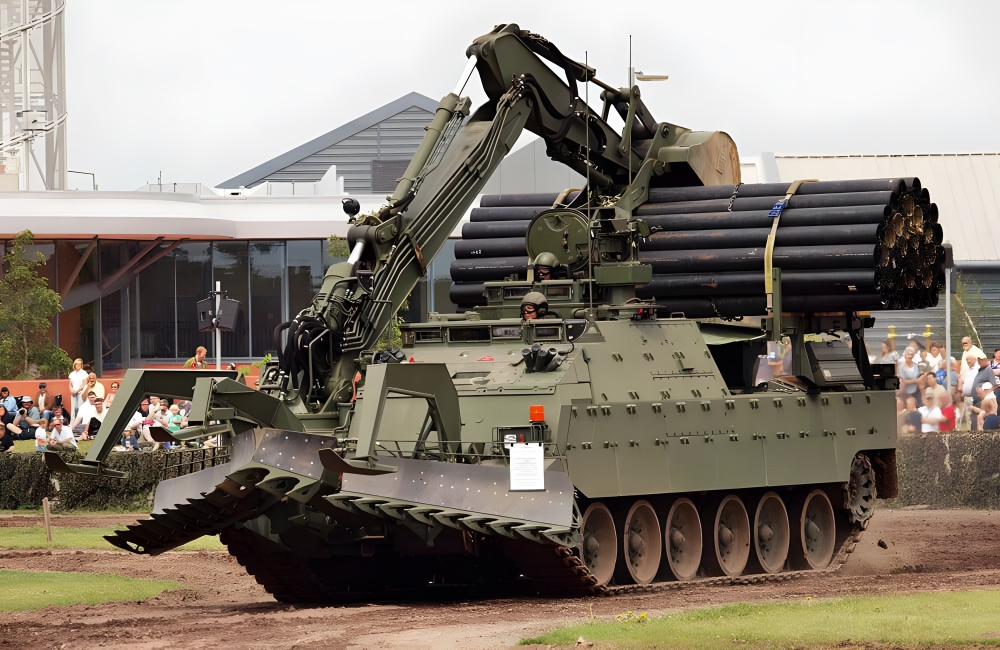
Trojan Armored Vehicle Royal Engineers (UK) @AncientAndModernWarfare / Facebook.com
The AVRE has nearly the same tank chassis as the Challenger 2, but it doesn’t have the main armament. Instead of a turret, it has a hydraulic excavator arm, which can clear obstacles, excavate areas, detonate mines on contact, and deposit fascine. Each unit costs nearly $6.7 million to build. Thirty-three have been built so far.
60. ShKH Vzor 77 DANA – Czech Republic
Manufacturer: Konstrukta Tencin, ZTS Dubnica nad Vahom
Primary Users: Militaries of Slovakia, Azerbaijan, Georgia, Poland, Libya, Czech Republic
Cost: Unlisted
The concept for the DANA began in the late seventies when Konstruka Trencin wanted to provide the Czech Army with a self-propelled, indigenous, indirect fire support weapon that wouldn’t require the Czechoslovakians to buy anything from the Soviet Union. The DANA project was completed and allowed into service in 1981.
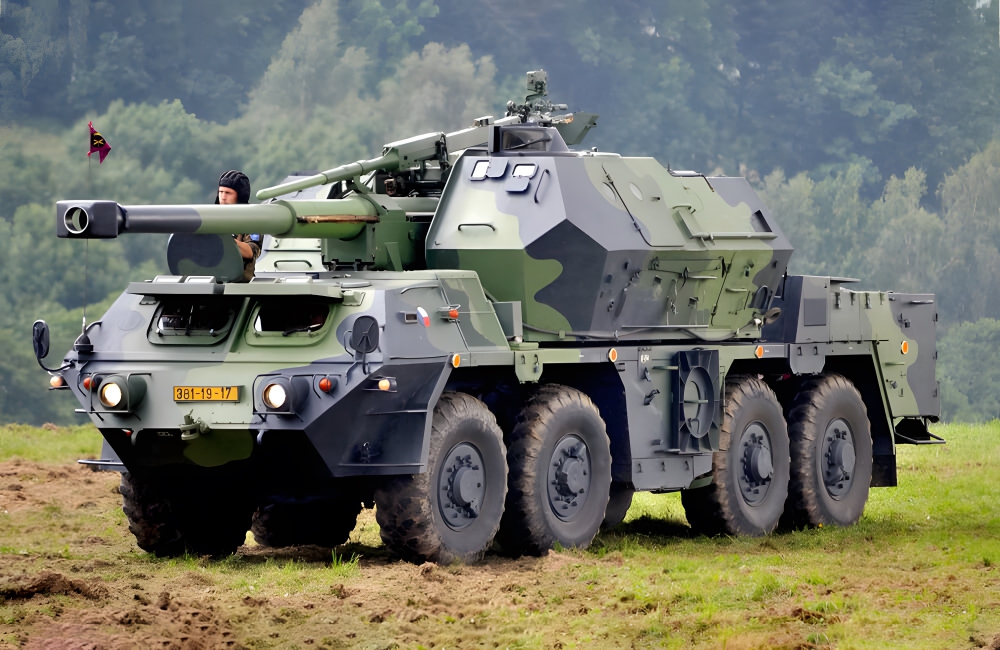
ShKH Vzor 77 DANA (Czechoslovakia) ©Thomas T. / flickr.com
The DANA’s major differential features included an innovative automatic loading system and wheeled chassis. It was the first of its kind at the time. The DANA’s main weapon is a 152mm howitzer, with a semi-automatic breech. The autoloader is able to load a cartridge and shell into any level of the barrel.