
41. Cyprus and the UN Buffer Zone
Border: Green Line
Area: 180 km*
Est. Gross Domestic Product: $42 billion (Cyprus)*
The Green Line, extending approximately 180 kilometers, acts as a buffer zone dividing Cyprus into the Republic of Cyprus and the Turkish Republic of Northern Cyprus, a division enforced since 1974 following Turkish invasion. Overseen by the United Nations, this demilitarized zone is a living symbol of the island’s long-standing conflict and the ongoing efforts toward peace and reconciliation.
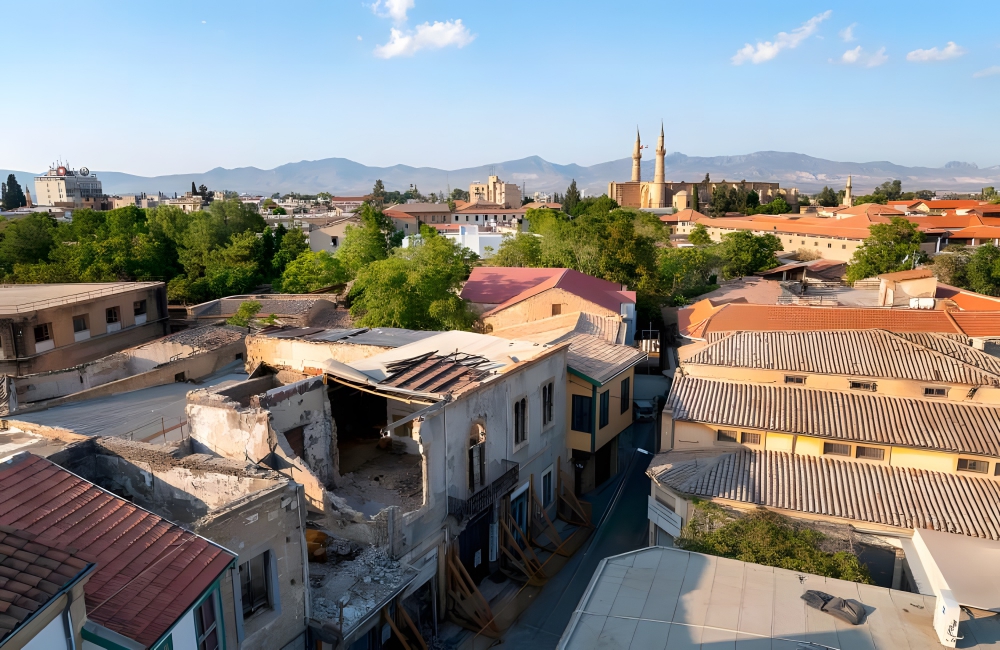
Cyprus and the UN Buffer Zone @Google/Pinterest
Laced with abandoned homes and overgrown with vegetation, the Green Line stands as a poignant reminder of the island’s divided history. It not only separates geographical areas but also encapsulates the complex interplay of political, cultural, and personal narratives that define the Cyprus conflict.
42. Norway and Sweden
Border: Svinesund Bridge
Area: 1,630 km*
Est. Gross Domestic Product: $547 billion (Norway) / $577 billion (Sweden)*
The Svinesund Bridge elegantly arches over the Iddefjord, connecting Norway and Sweden in a symbolic gesture of Scandinavian connectivity and cooperation. This impressive structure not only facilitates the movement of people and goods between the two countries but also stands as a testament to their shared history and values.
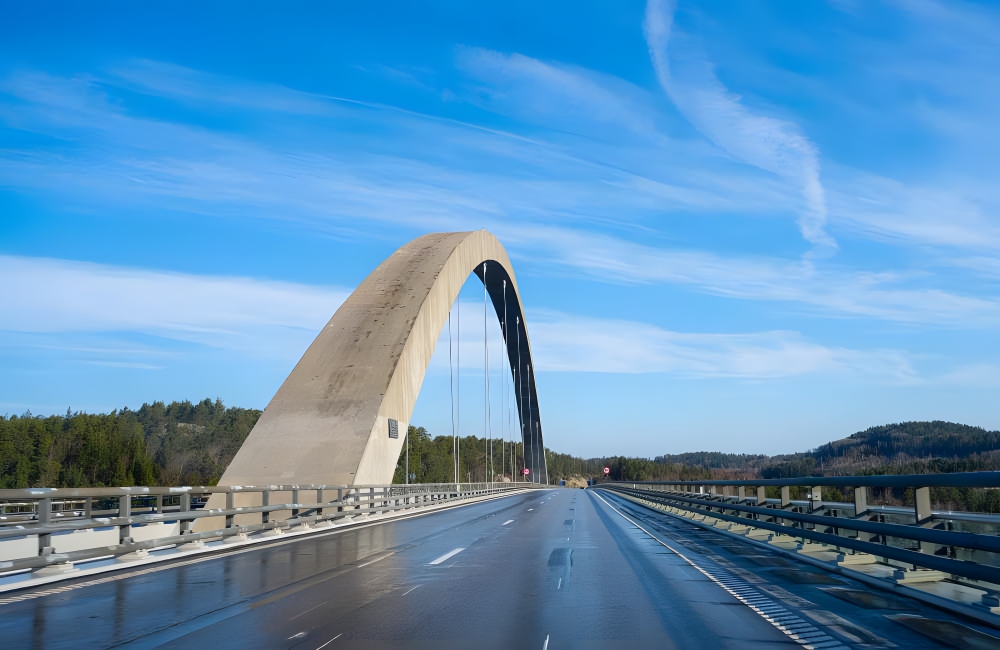
Norway and Sweden ©Trygve Finkelsen/Shutterstock
Opened in 2005, the bridge replaced an older crossing, accommodating the increasing cross-border traffic and enhancing the regional infrastructure. Its design reflects the natural beauty of the surrounding landscapes, blending engineering prowess with environmental sensitivity.
43. Argentina, Brazil, and Paraguay
Border: Triple Frontier
Area: Unknown
Est. Gross Domestic Product: $1.013 trillion (Argentina) / $3.351 trillion (Brazil) / $43 billion (Paraguay)*
The Triple Frontier marks the point where Argentina, Brazil, and Paraguay converge, each country separated by the natural boundaries of the Iguazu and Parana rivers. This trijunction is famed not just for its geopolitical significance but also for the stunning natural beauty that surrounds it, including the world-renowned Iguazu Falls.
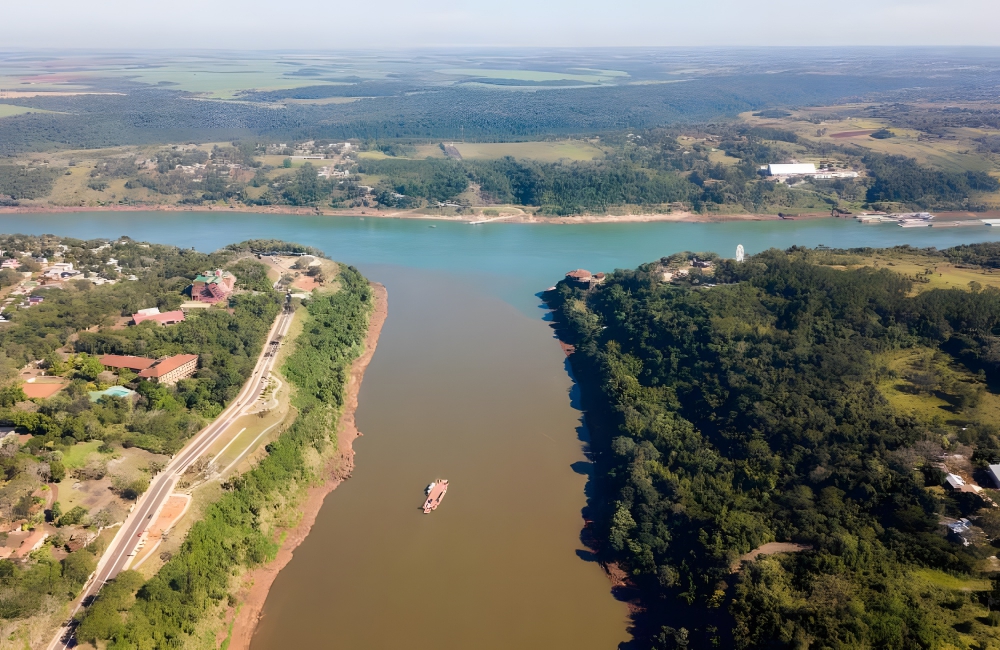
Argentina, Brazil, and Paraguay ©maloff/Shutterstock
The area is a melting pot of cultures, languages, and economies, symbolizing a confluence of diverse South American identities. It has become a popular tourist destination, offering unique experiences that reflect the rich cultural heritage and natural wonders of the region.
44. Croatia and Montenegro
Border: Bay of Kotor
Area: 25 km*
Est. Gross Domestic Product: $174.55 billion (Croatia) / $2.151 billion (Montenegro)*
The Bay of Kotor, a serene maritime border between Croatia and Montenegro, is renowned for its scenic beauty and historic significance. This majestic inlet of the Adriatic Sea facilitates not just ecological and cultural exchanges but also a vibrant flow of people between the two countries.
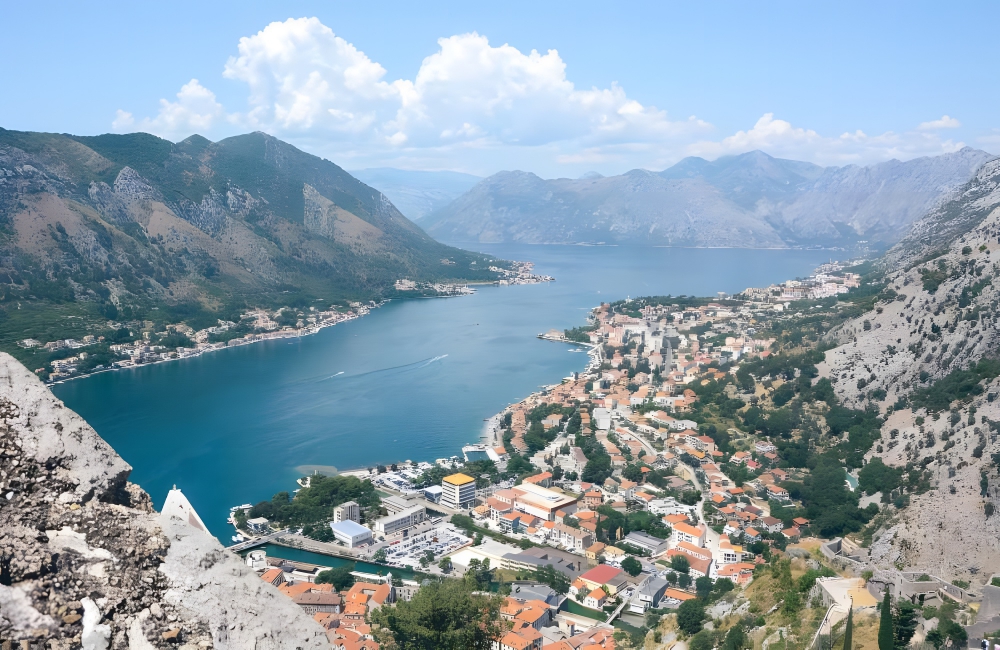
Croatia and Montenegro ©Hanna Khator/Shutterstock
Civilians from both nations frequently travel back and forth, utilizing roadways that offer stunning coastal views and maritime routes that connect various ports and towns along the bay. This ease of movement is enhanced by both countries’ efforts to streamline border crossings, fostering tourism and bolstering local economies.
45. Brunei and Malaysia
Border: Limbang District enclaves
Area: 381 km*
Est. Gross Domestic Product: $27 billion (Brunei) / $1.007 trillion (Malaysia)*
The border between Brunei and Malaysia is intricately drawn around the Limbang District enclaves, creating a complex geographical relationship. These enclaves split Brunei into two separate parts, illustrating the quirks of historical border agreements.
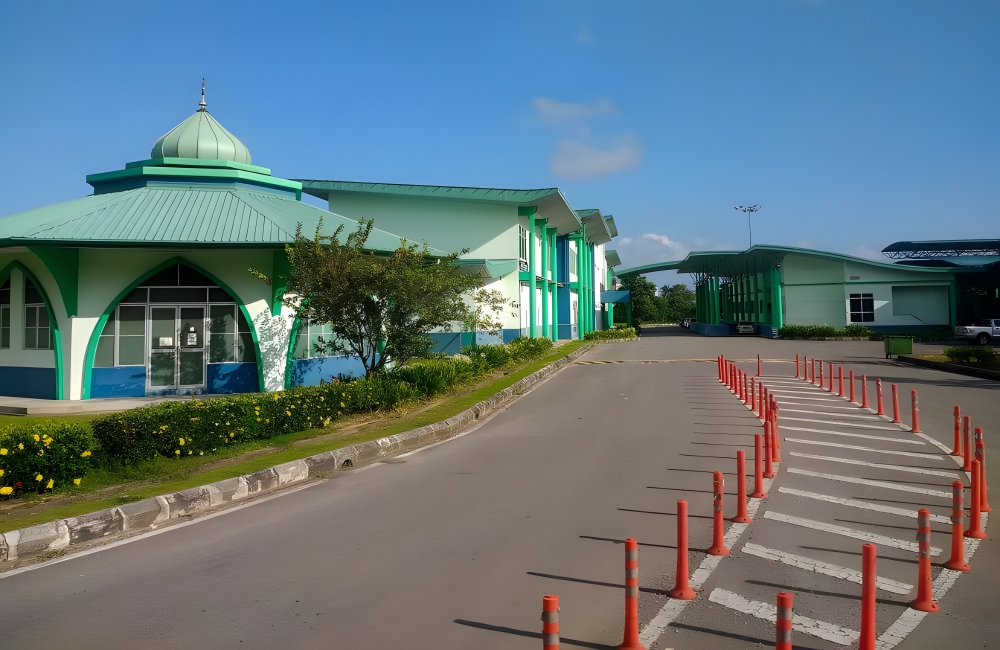
Brunei and Malaysia ©Mx. Granger/Wikimedia
This division is a result of territorial treaties and negotiations dating back to the British colonial era, which have left Brunei with a fragmented territory. Despite the potential for discord, the countries maintain a peaceful and cooperative relationship, with shared cultural and economic ties that bridge the divides.
46. Italy and Switzerland
Border: Monte Ceneri
Area: 734 km*
Est. Gross Domestic Product: $2.629 trillion (Italy) / $870 billion (Switzerland)*
The border between Italy and Switzerland at Monte Ceneri encapsulates the blend of Alpine beauty and cultural exchange that characterizes the region. This area, marked by the picturesque Monte Ceneri Pass, has historically facilitated the movement of people, goods, and ideas between the Italian-speaking Ticino canton in Switzerland and the northern regions of Italy.
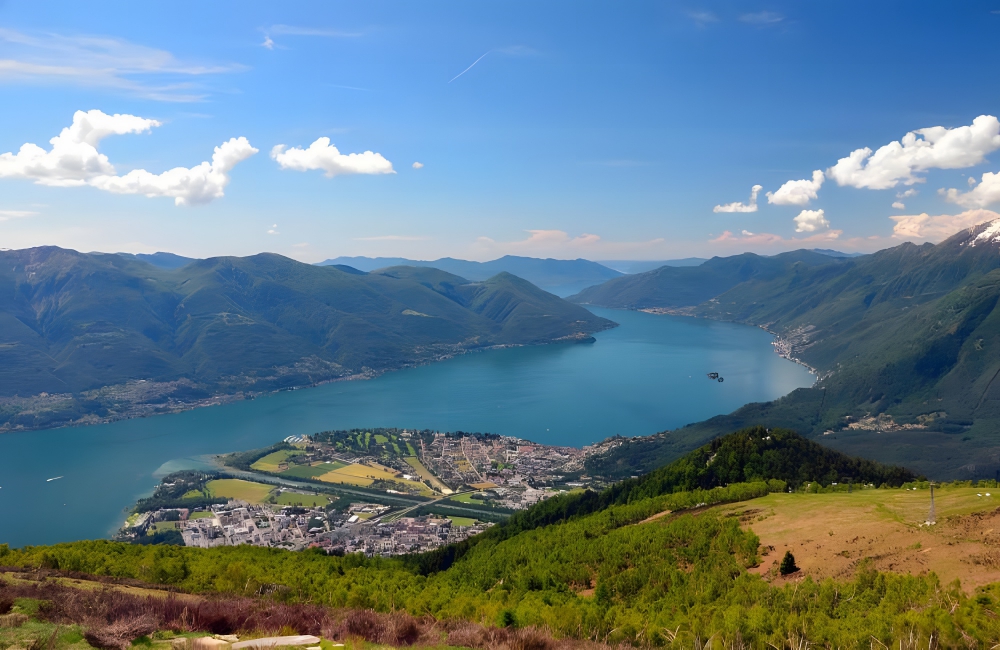
Italy and Switzerland ©Gzzz/Wikimedia
Today, civilians traverse this border with ease, thanks to agreements like the Schengen Accord, which allows for passport-free travel between the two countries. The pass is not just a transit route but a symbol of the deep-rooted connections between Italian and Swiss cultures, showcasing shared values and mutual respect.
47. Finland, Norway, and Russia
Border: Treriksröset
Area: N/A
Est. Gross Domestic Product: $275 billion (Finland) / $547 billion (Norway) / $4.148 trillion (Russia)*
Treriksröset marks the unique tripoint where Finland, Norway, and Russia converge, creating a singular point of intersection for these three distinct nations. This border landmark is situated in the Arctic wilderness, accessible through a trek across tundra and through the dense boreal forests, symbolizing not just the meeting of geopolitical boundaries but also a point of cultural confluence and environmental significance.
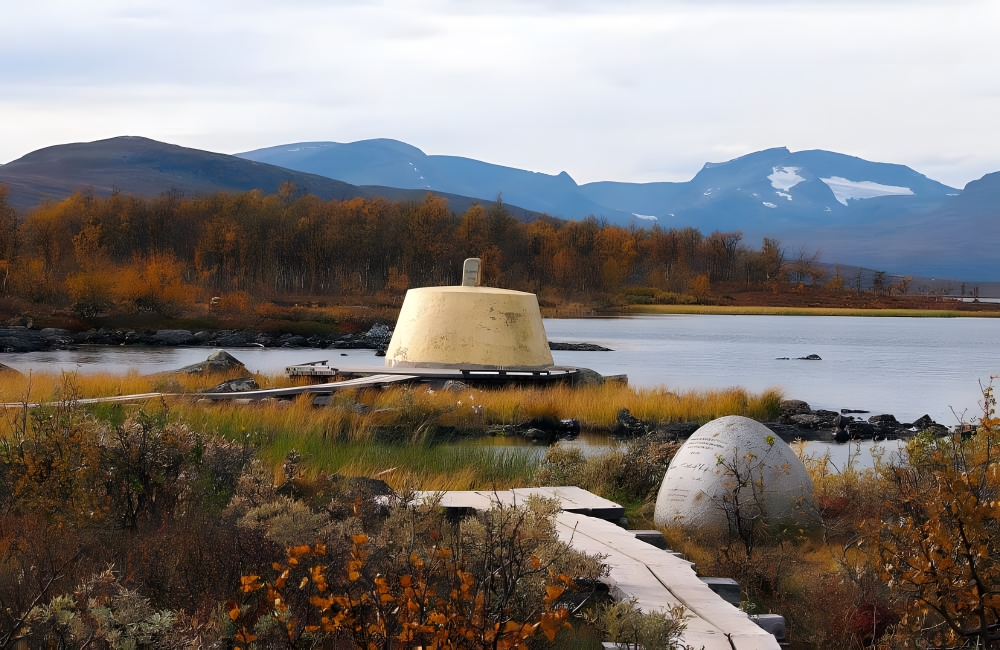
Finland, Norway, and Russia ©TylerTheTraveler/Wikimedia
Civilians from the three countries can visit the monument, often embarking on hikes to experience the unity and peace it represents. The ease of access for visitors from each country highlights a commitment to shared natural heritage and cross-border cooperation, even in this remote corner of the world.
48. Germany and Belgium
Border: High Fens-Eifel Nature Park
Area: 167 km*
Est. Gross Domestic Product: $4.5 trillion (Germany) / $627 billion (Belgium)*
Straddling the border between Germany and Belgium, the High Fens-Eifel Nature Park serves as an extraordinary example of a natural border territory where visitors can find themselves in two countries simultaneously.
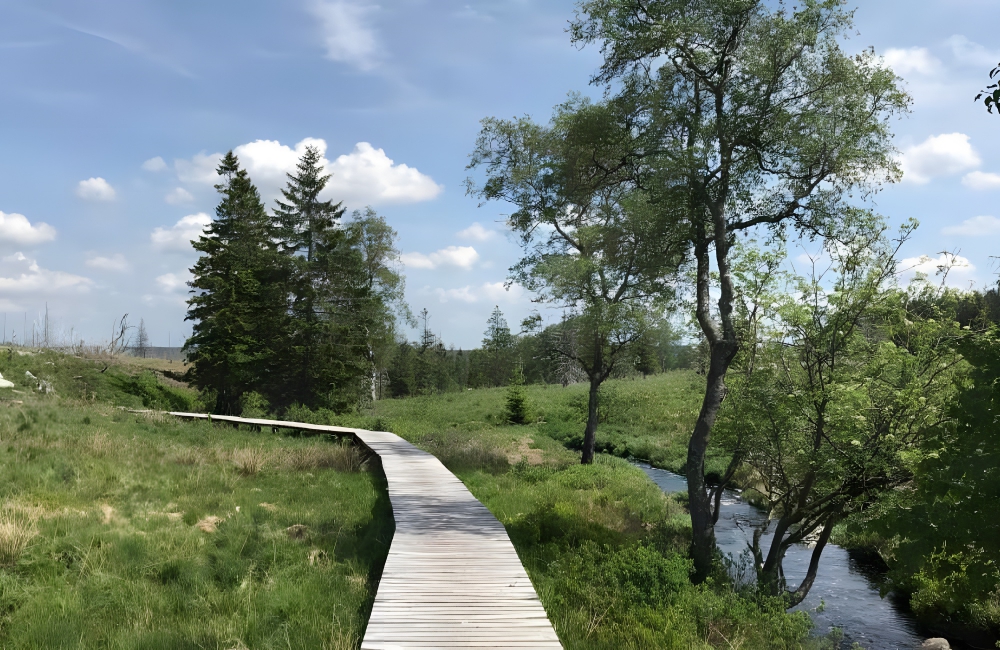
Germany and Belgium @Google/Pinterest
This vast expanse of protected landscape, with its unique peat bogs, dense forests, and winding rivers, blurs the lines between national boundaries, allowing nature to dictate the divide. As wanderers traverse the park’s trails, they seamlessly cross from one nation to the other, often without realizing it. This unusual border situation underscores the park’s role as a bridge between cultures and a shared commitment to environmental preservation.
49. India and China
Border: Line of Actual Control (LAC)
Area: 3,488 km*
Est. Gross Domestic Product: $3.73 trillion (India) / $17.52 trillion (China)*
The Line of Actual Control (LAC) delineates the contentious border between India and China, stretching over rugged terrain and high-altitude regions. Unlike typical international boundaries, the LAC is not a clearly demarcated line but a broad, disputed zone where the territories controlled by India and China meet.
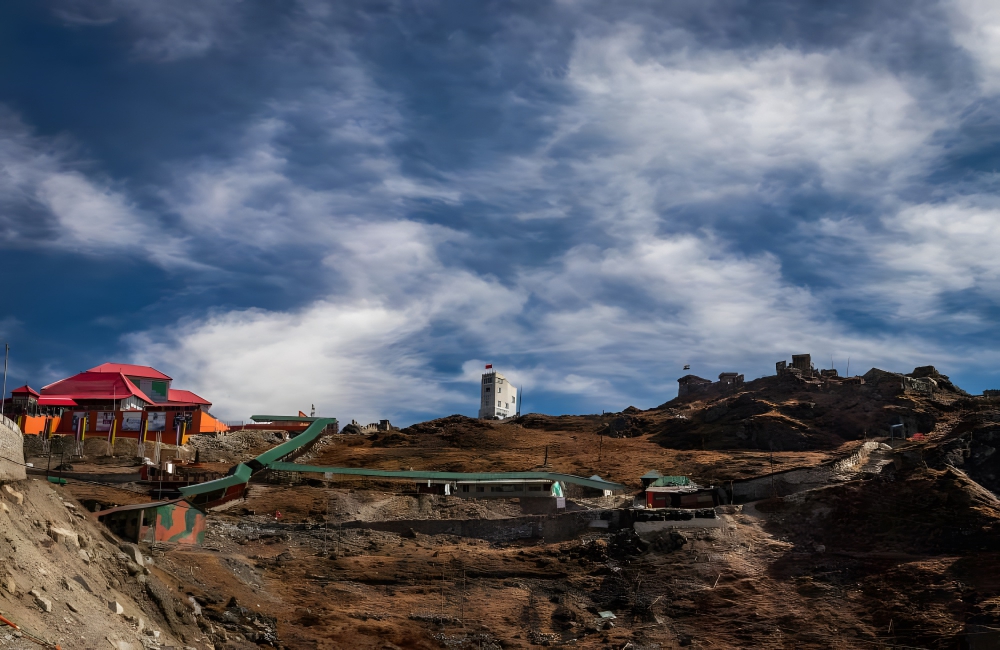
India and China ©explorewithinfo/Shutterstock
This unusual border is characterized by its lack of physical markers and the presence of vast, uninhabited areas that are challenging to patrol. The ambiguity of the LAC leads to frequent stand-offs and tensions, highlighting the complexity of territorial disputes in regions of strategic importance.
50. India and Sri Lanka
Border: Palk Strait and Adam’s Bridge (Rama Setu)
Area: 48 km* wide
Est. Gross Domestic Product: $3.73 trillion (India) / $375.5 billion (Sri Lanka)*
The border between India and Sri Lanka is uniquely marked by the Palk Strait and the ancient chain of limestone shoals known as Adam’s Bridge or Rama Setu. This natural formation, stretching between the southeastern coast of India and the northwestern coast of Sri Lanka, is steeped in mythological significance and historical intrigue.
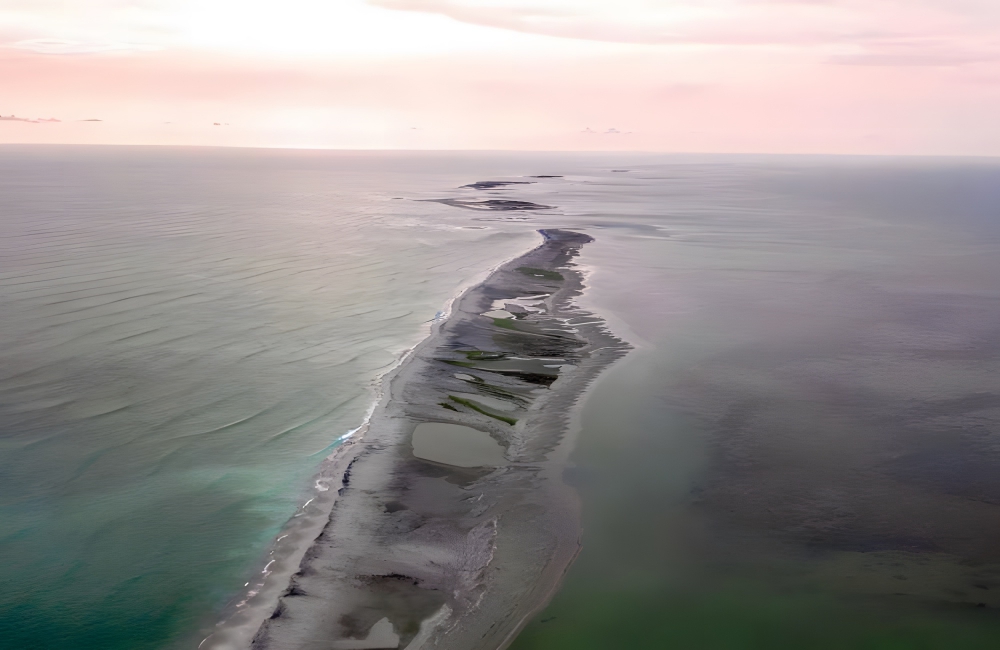
India and Sri Lanka ©1992mamic/Shutterstock
Unlike conventional borders defined by clear demarcations, this area blends geographical features with cultural heritage, making the divide between the two nations both a physical and a mythical one. The presence of Adam’s Bridge highlights the ancient maritime links and shared mythologies that bind India and Sri Lanka.