
88. Zil 131 Hyd – Russia
Manufacturer: ZiL
Primary Users: Soviet Union (Now Russian Armed Forces)
Cost: $66,390-$75,484*
Made by ZiL, originally for the Soviet Union, the ZIL-131 is a 3.5-ton, 6×6 army truck that was used for general cargo transport. There are a few variants to the ZIL-131, including a dump truck, tractor-trailer, fuel truck, and a 6×6 used to tow a four-wheeled trailer.
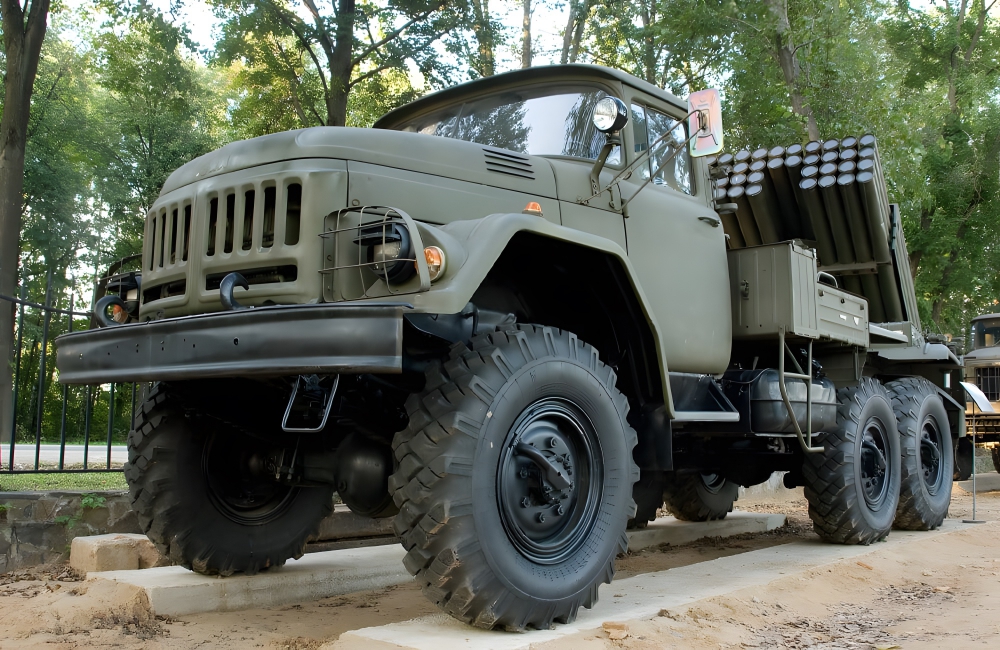
Zil 131 Hyd ©Dmitry A. Mottl / Wikimedia.org
The 131 is also a platform for the 9P138, a thirty-tube rocket launcher based on the BM-21 Grad. The ZIL-131 was first introduced in the mid-sixties, and it was in production at AMUR, a truck plant, until 2012. In 2012, AMUR filed bankruptcy and shut down. These trucks cost $7,300-$8,300 to produce in the 1960s.
89. Ratel 20 IFV 6 X 6 – South Africa
Manufacturer: Springfield Bussing, Sandock Austral
Primary Users: Middle Eastern Militaries, South Africa, Cameroon, Morocco
Cost: Unknown
The Ratel 20 IFV 6×6 is a South African infantry fighting vehicle, and it was the first of its kind to enter service worldwide. The 20 IFV is built on a MAN truck chassis, and it was designed when the South African army asked for a LAV that would be suited to the demands of offensives requiring strategic mobility and maximum firepower.
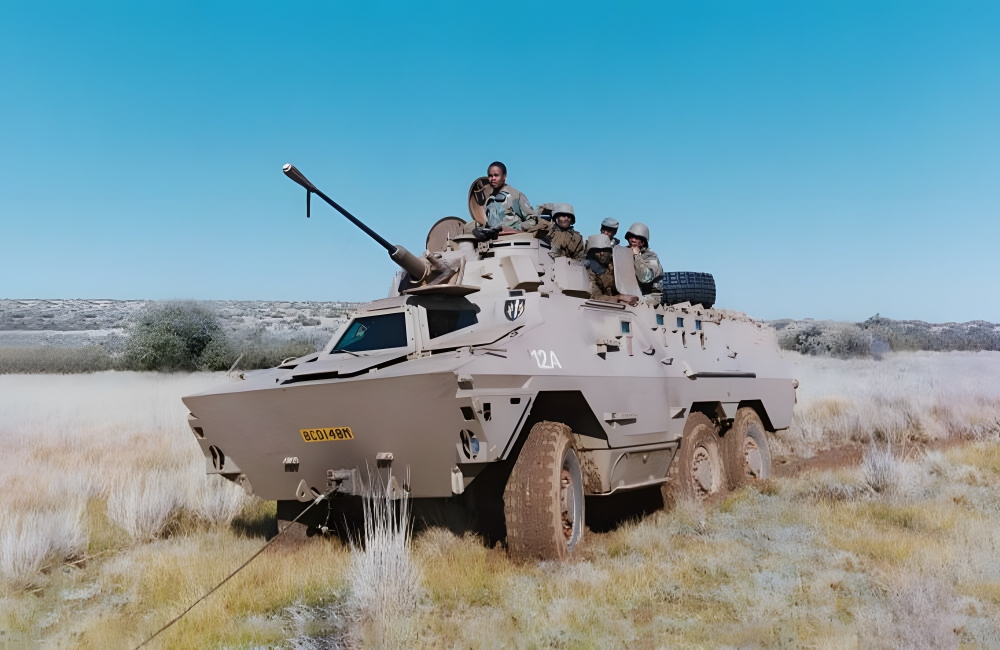
Ratel 20 IFV 6 X 6 @wietzesteyn / Pinterest
The 20’s design was simple and economical, and it helped reduce the logistical commitment that was necessary to keep heavy combat vehicles running in undeveloped regions. The 20 was a very influential concept, thanks to then-innovative features like a mine-resistant hull, extended operating range, and high-tech autocannon.
90. Kettenkrad – Germany
Manufacturer: NSU
Primary Users: Nazi Germany
Cost: $135,000* (Sale Price)
The Kettenkrad, also known as the Kettenkraftrad HK 101, was a WWII half-track motorcycle that had one front wheel. It began its military life as a light tractor used by German airborne troops. The Kettenkrad was designed to be delivered not by parachute, but by a landing Ju 52.
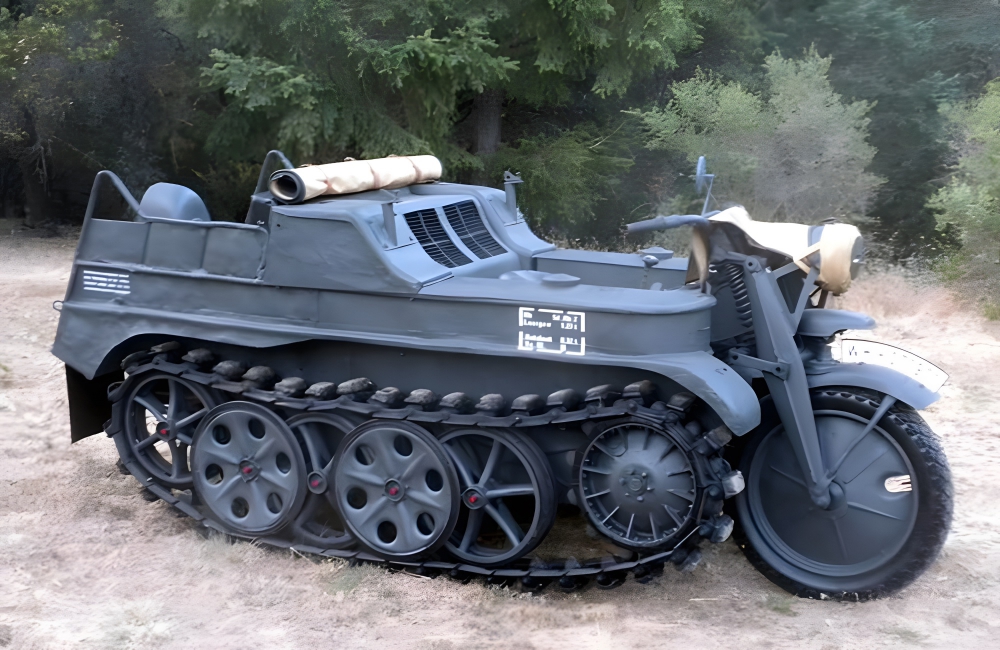
Kettenkrad @vikingviii / Pinterest
The Kettenkrad was the lightest-mass-produced German military vehicle to ever use the Schachtellaufwerk wheels. The Kettenkrad, designed by NSU, was in use from 1938 to 1948. When Nazi Germany collapsed, the Kettenkrad was mainly used for agricultural jobs, having completely been phased out of military service. The Kettenkrad saw action on the Western Front and in the North African Theater.
91. RM-70 – Czech Republic
Manufacturer: Raketomet
Primary Users: Czechoslovakian Army
Cost: $2,000*
The RM-70 is a self-propelled multiple rocket launcher that originated in Czechoslovakia. The RM-70 is a heavier variation of the BM-21 Grad, and it provides enhanced performance over the prior rocket system, which was introduced in the early 1970s.
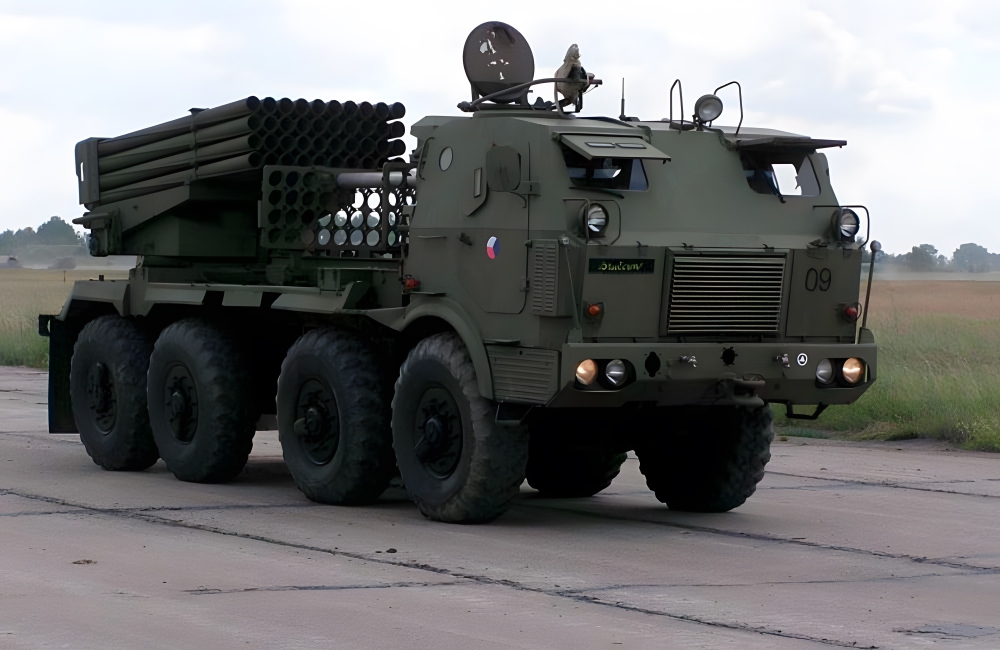
RM-70 ©Tomas Kovarik / Wikimedia.org
The RM-70 has been in service since the 1970s, and it was novel at the time for the Czech Army because it could carry forty additional 120mm rockets. The RM-70’s performance is similar to the Grad in terms of range and speed, and it can fire volleys and individual rounds of rockets, mainly by means of indirect fire. The steel-armored, 8×8 vehicle requires six people to crew it.
92. Vespa 150 TAP – France
Manufacturer: ACMA
Primary Users: French Army
Cost: $7,500*
The Vespa 150 TAP is certainly one of the more unique-looking vehicles on this list. It was made in the fifties from a Vespa scooter that was used by French paratroopers. It was produced by ACMA, which was the licensed Vespa assembler in France at the time.
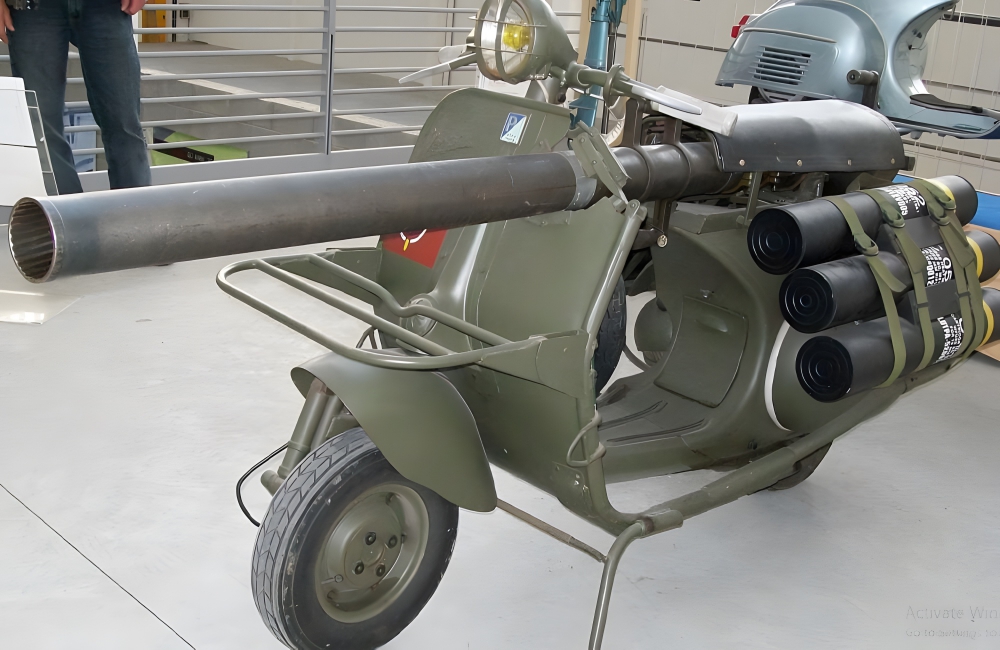
Vespa 150 TAP ©R.I.V.A.R.S. / Wikimedia.org
The 150 TAP had a mounted M20 75mm recoil rifle, which was a light anti-armor weapon made in America. The weapon was lightweight when compared to a 75mm cannon, but it could still penetrate through 100mm of armor, thanks to its HEAT warhead. The scooters were parachute-dropped in pairs, along with a two-man team. The gun was carried on one Vespa, while the ammo was carried on the other.
93. Kugelpanzer – Japan
Manufacturer: Unknown
Primary Users: Nazi Germany, Japanese Empire (Kwantung Army)
Cost: Unknown
“Kugelpanzer” means “spherical tank” in German, and the Kugelpanzer was exactly that. The round tank was a one-man armored vehicle that Nazi Germany and the Japanese Empire (AKA the Kwantung Army) used during WWII and the Sino-Japanese War.
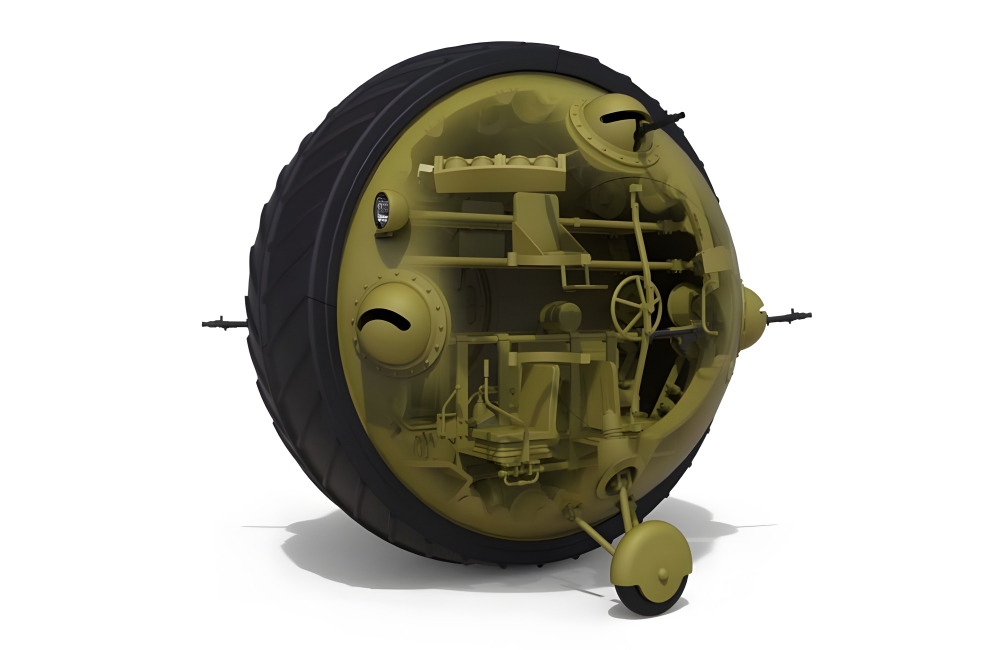
Kugelpanzer @mach5hk / Pinterest
The Kugelpanzer’s history is a bit murky. Not much is known, other than the fact that only one was actually used by the Japanese. The machine is a mystery, thanks to its lack of records and the tattered condition of the sole surviving model. The 1.8-ton vehicle was used for light recon, as its armor was only 5mm thick. Beyond that, not much else is known.
94. Surcouf – France
Manufacturer: Cherbourg Arsenal
Primary Users: French Navy, Free French Naval Forces
Cost: $500 million-$1 billion*
This submarine served in the French Navy, as well as the Free French Naval Forces. The Surcouf served during WWII until she was lost at sea in mid-February in 1942. She was lost in the Caribbean Sea, giving rise to all sorts of Bermuda Triangle speculation.
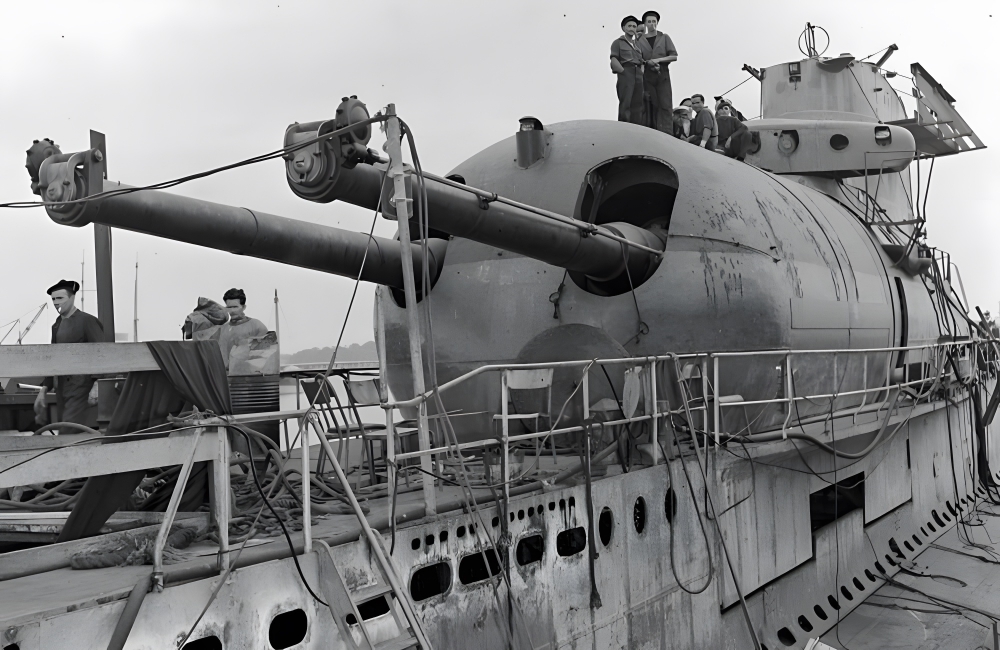
Surcouf @u/Tsquare43 / Reddit.com
Surcouf may have collided with an American freighter, which also would have been lost in the wreck. She was the largest cruiser submarine the French Naval Forces had at the time, and her destruction came as a shock. So far, no one has dived down to confirm the wreckage, though, if its sinking location is correct, it is sunk 9,800 feet below the surface of the sea.
95. BV XCH-62 – USA
Manufacturer: Boeing Vertol
Primary Users: U.S Army (Prospective)
Cost: N/A (Never Produced)
The BV XCH-62, made by Boeing Vertol and also called the Model 301, was a heavy-lift helicopter designed for use by the U.S. Army. It was approved in the 1970s, and only one prototype of the military vehicle was created. The idea was officially relegated to the scrap heap in 2005.
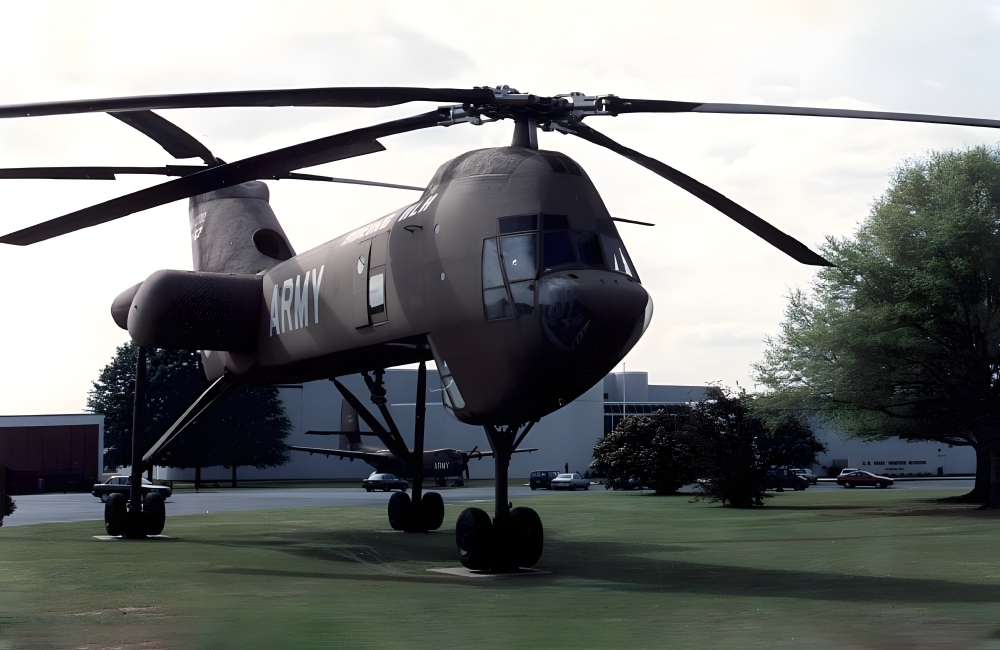
BV XCH-62 @Rod808 / Pinterest
The XCH-62 was intended to bolster the Chinook, which was dwarfed by the payload capacities of Soviet Union heavy-lift copters. The Chinook had a payload of just 28,000 pounds, while Soviet copters could lift 44,000 pounds. The XCH-62 was deemed too expensive, though there were several attempts to finish the project. Congress declined funding in 1989 ($71 million was too much for one helicopter), and it went downhill since then.
96. Carmel Tank – Israel
Manufacturer: Elbit Systems, Israel Aerospace Industries
Primary Users: Israel Defense Forces
Cost: Unknown
The Israel Defense Forces realized that it needed a new type of tank after 2014, as its heavily-armored vehicles couldn’t traverse narrow city streets very well. Thus, the Carmel Tank was born. Currently, there are three prototypes in the works for this urban warfare tank.
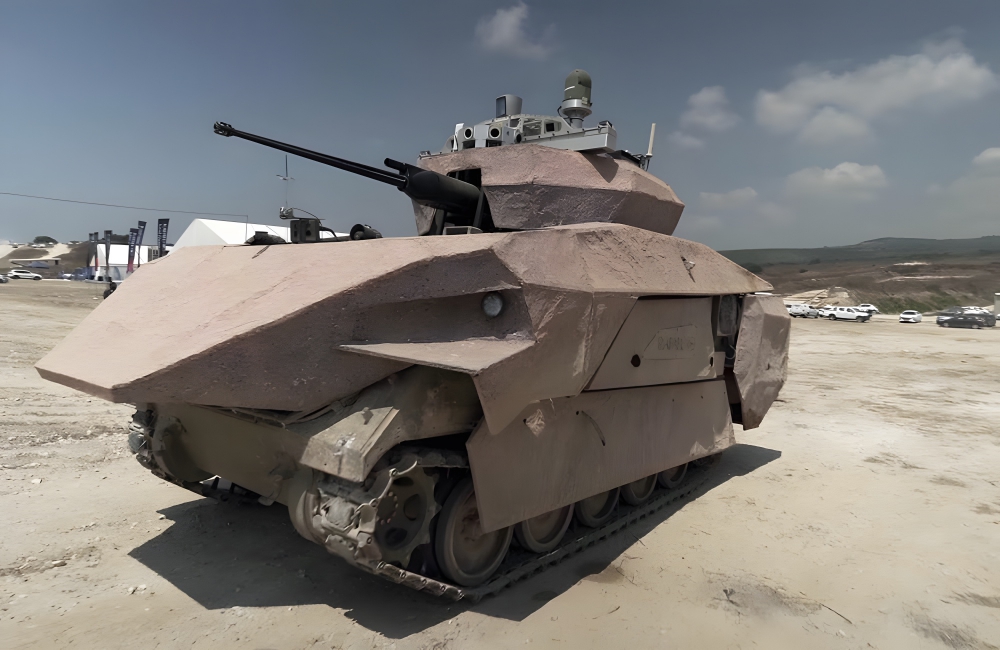
Carmel Tank @defenseupdate / Youtube.com
The Carmel will be far narrower than a normal tank, though it will have a tank-like turret at the top for weapons. New technologies on the Carmel include modular transparent armor, IED alert and neutralization systems, hybrid engines, and next-gen cooperative active protection. The Carmel will also let two-man crew drive with a closed hatch, while still being able to see the entire field (or city street).
97. Bartini Beriev VVA-14 – Soviet Union
Manufacturer: Beriev, Robert Bartini
Primary Users: Soviet Union
Cost: $1.2 million*
The Bartini Beriev VVA-14 was a wing-in-ground effect craft that was intended to be an amphibious aircraft with VTOL capabilities. The craft was developed by the Soviets in the early seventies, and it was designed to take off from the water and then fly at a high speed for a long distance.
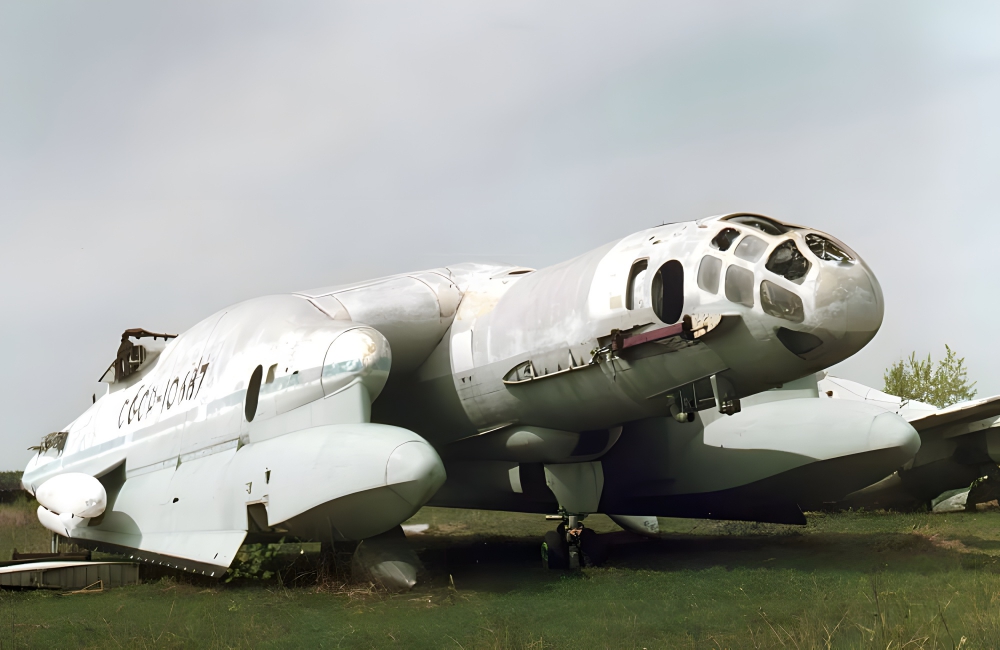
Bartini Beriev VVA-14 ©Jno / Wikimedia.org
It would be able to fly efficiently at the surface of the sea and at high altitudes. The VVA-14 was designed by Robert Bartini, who was tasked with coming up with a craft that could destroy an American-made Navy Polaris missile submarine. Two prototypes were made, but the project, ultimately, failed.
98. BRDM-2 – Russia
Manufacturer: V.K. Rubtsov, GAZ
Primary Users: Russian Armed Forces, 37 other countries
Cost: $12,100* (Sale Price)
The BRDM-2 is an armored amphibious patrol car used now by Russia and, formerly, the Soviet Union. The Boevaya Razvedyvatelnaya Dozornaya Mashina has been exported to many different countries and is still in use by thirty-eight of them, including its home country.
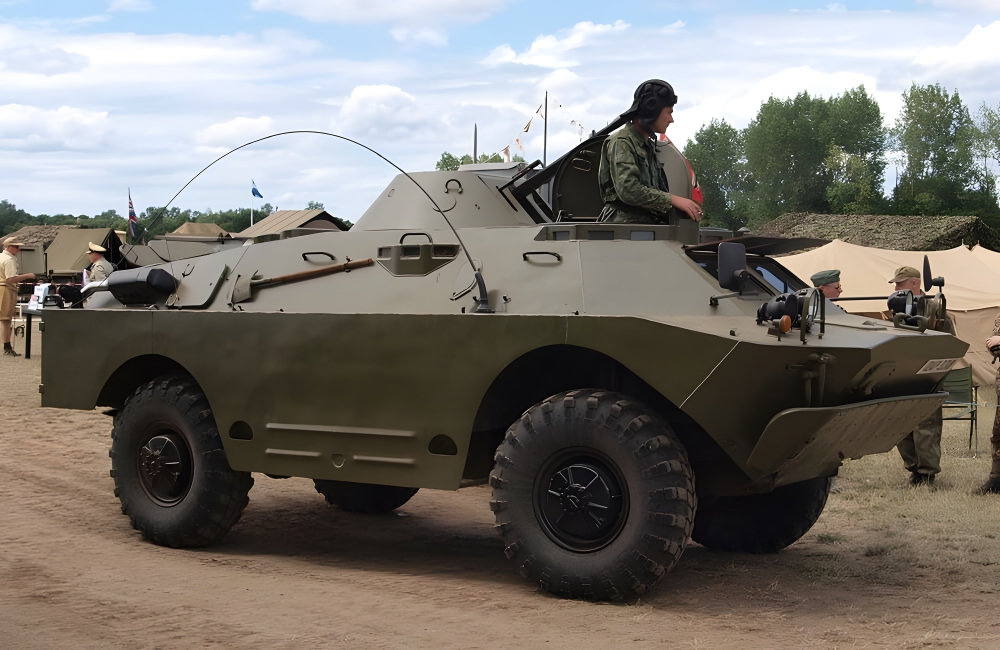
BRDM-2 ©AlfvanBeem / Wikimedia.org
The BRDM-2 is armed the same as a BTR-60PB armored personnel carrier. It might have heavy armaments, but it is a uniquely flawed vehicle. The only way in and out is through the front hatches, which means that it’s nearly impossible to leave the vehicle during combat, as any exit would put crew members directly into the line of fire. There have been modernizations, but this flaw remains on the majority of BRDMs.
99. SHKH VZ.77 DANA – Czech Republic
Manufacturer: Konstrukta Trencin, ZTS Dubnica nad Váhom
Primary Users: Czechoslovak People’s Army
Cost: $6,056* (Sale Price)
The SHKH VZ.77 DANA comes from the DANA family of wheeled, self-propelled artillery pieces. The VZ.77 is a Slovak upgrade of the DANA. It has higher accuracy and a higher rate of fire. The Slovak upgrade has a new, on-board control system, which enables a crew reduction of five to four and higher combat efficiency.
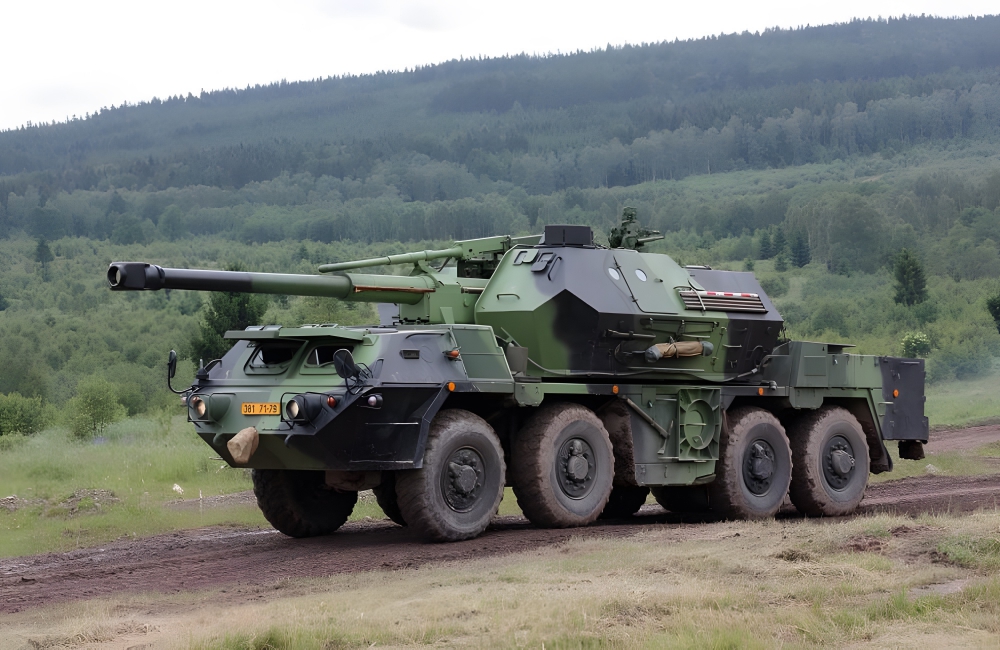
SHKH VZ.77 DANA @haigg1954 / Pinterest
The DANA was designed in the late seventies by Konstrukta Trencin. It provided the Czechoslovak People’s Army with a self-propelled, indigenous, indirect-fire support weapon. The indigenous nature of the DANA meant that the Czechoslovakians didn’t have to buy 2S3 Akatsiya SPG from the Soviet Union, so the government was thrilled at the development.
100. Carmor Mantis – Israel
Manufacturer: Carmor
Primary Users: Israel Defense Forces
Cost: Unknown
Previously called Hatehof, Carmor makes military vehicles for the Israel Defense Forces, including armored vehicles, special-purpose trailers, tankers, firefighter trucks, aircraft refuelers, and more. The Carmor Mantis is one such military vehicle from the company, which brings in nearly $250 million in revenue each year.
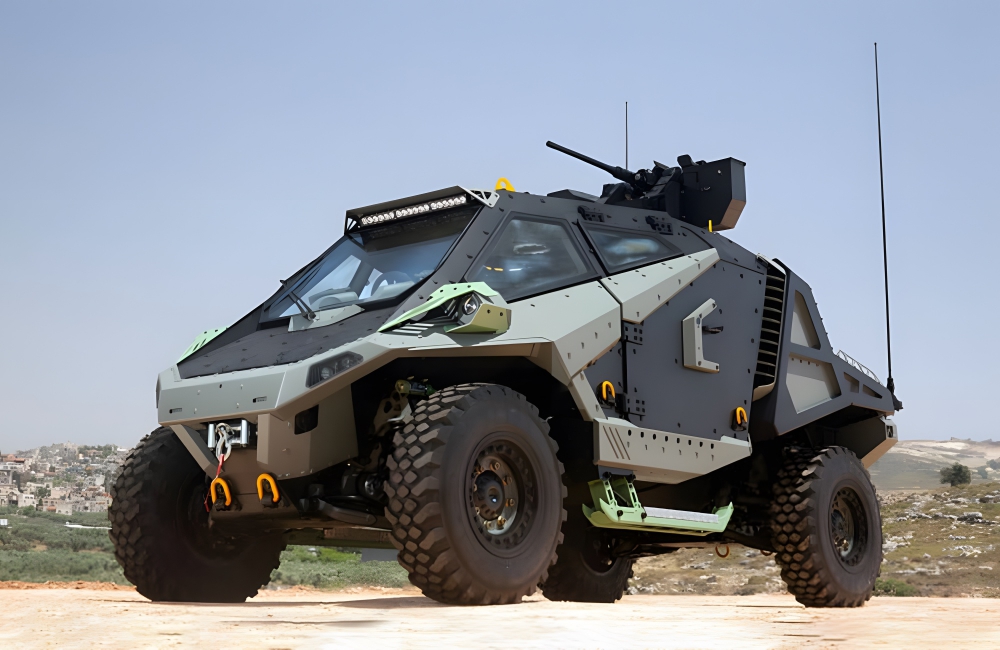
Carmor Mantis @shootingstar014 / Pinterest
The Mantis is a tactical armored fighting vehicle. Carmor designed the Mantis to provide front-line IDF units with high-end, multi-roll platforms that could complete a variety of missions. The Mantis is still in production since its big reveal in 2018, when The Drive called it a “futuristic, Lego-like” vehicle. Carmor said it was “answer[ing] the global demand” for LAVs when it came up with the Mantis concept.
101. Air Force One
Manufacturer: Boeing
Primary Users: The President of the United States
Cost: $5 billion*
Air Force One might not be a jet that’s built to go into the fray, but it’s still an important military aircraft in times of crisis. While the call sign has remained the same since 1953, the plane itself has changed multiple times since then.
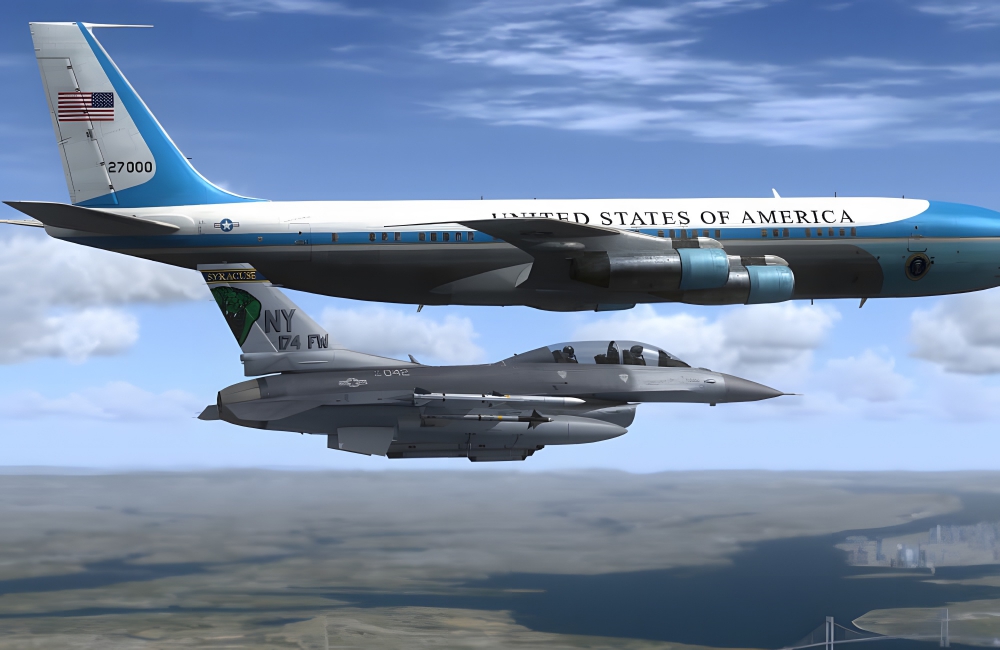
Air Force One @goodfon.com
It’s thought that the current version cost somewhere in the region of $5 billion, which is an impressive amount. Eagle-eyed plane fanatics will notice that on occasion, Air Force One is accompanied by fighter jets, but this depends on many things, such as where it is and whether there has been any other cause for concern in the lead up to the flight.
102. Z-MAG All-Terrain Vehicle – Israel
Manufacturer: Israel Aerospace Industries
Primary Users: IDF
Cost: $31 million project cost*
Israel Aerospace Industries is the manufacturer behind the Z-MAG ,which has captivated the public, thanks to its ability to maneuver even the most extreme terrain and topographical conditions. It was designed for the IDF and its Maneuvering Units. The IDF has signed a contract with IAI and, if they’re pleased with the off-roader, they’ll buy more in the next few years.
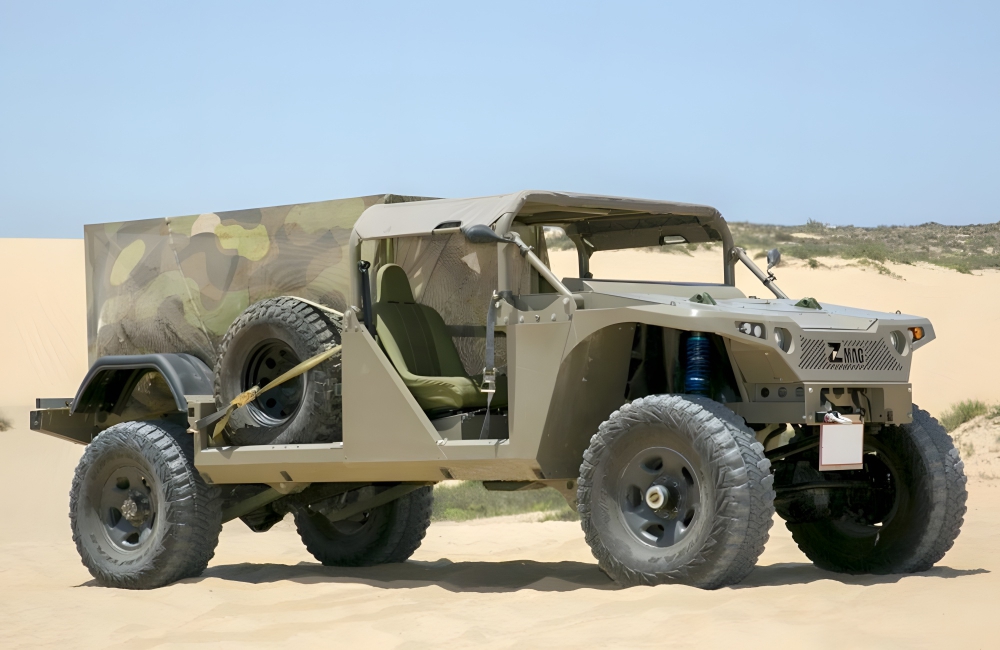
Z-MAG All-Terrain Vehicle (Israel) @ReviewVayu / Twitter.com
IAI certainly seems optimistic about its future with the IDF, as the military manufacturer has invested approximately $31 million into the project, and it’s building an assembly line for its “Z Vehicles.” Right now, the IDF is in line for nine Z-Mags. If all goes well, they have an option to order another twenty-one.