
145. ZTZ-99A – China
Manufacturers: China North Industries Corporation
Primary Users: People’s Liberation Army
Program Cost: $2 billion* (Type 99 Program)
Unit Cost: $2.5 million*
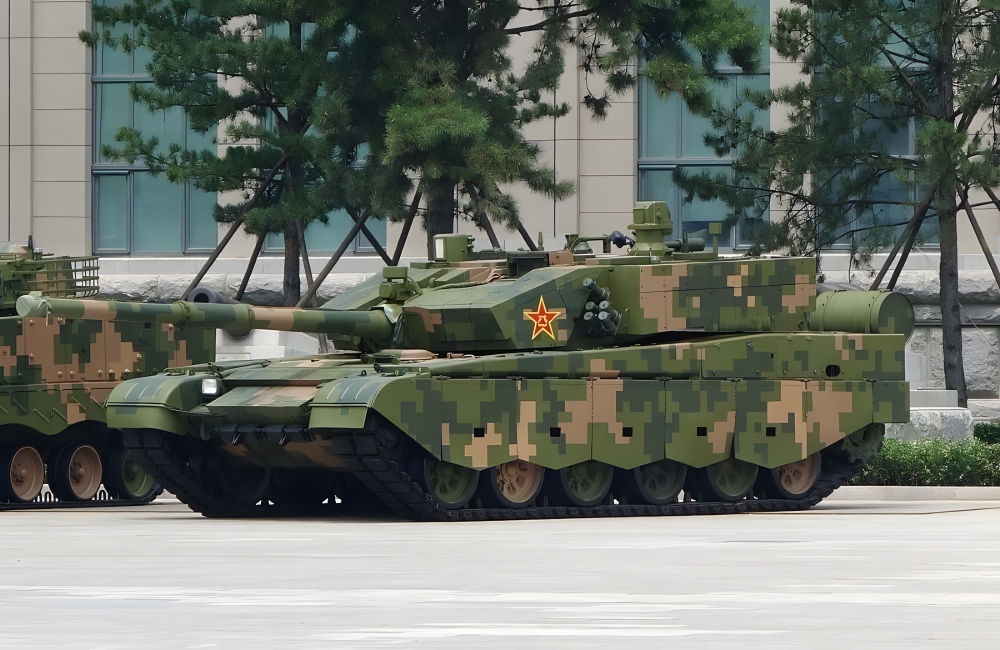
Also known as the Type 99, the ZTZ-99A is an offshoot of the ZTZ-99, China’s third-gen main battle tank. Though not much is known about most of its armaments, as that is classified, the A variation is a lethal update and tough opponent for anyone who faces it. The 99A has a 125mm gun, along with a modern fire control system.
©Tyg728 / Shutterstock
The advanced network and sensor systems might make you think that this tank will be extremely expensive, but the price, at $2.5 million per unit, is relatively cost-effective. So far, 814 Type 99 tanks have been produced, with more and more 99As making up that segment.
146. Fuji FFRS – Japan
Manufacturers: Fuji Heavy Industries, Subaru Corporation
Primary Users: Japan Air Self-Defense Force
Program Cost: $87 million*
Unit Cost: $100,000-$500,000*
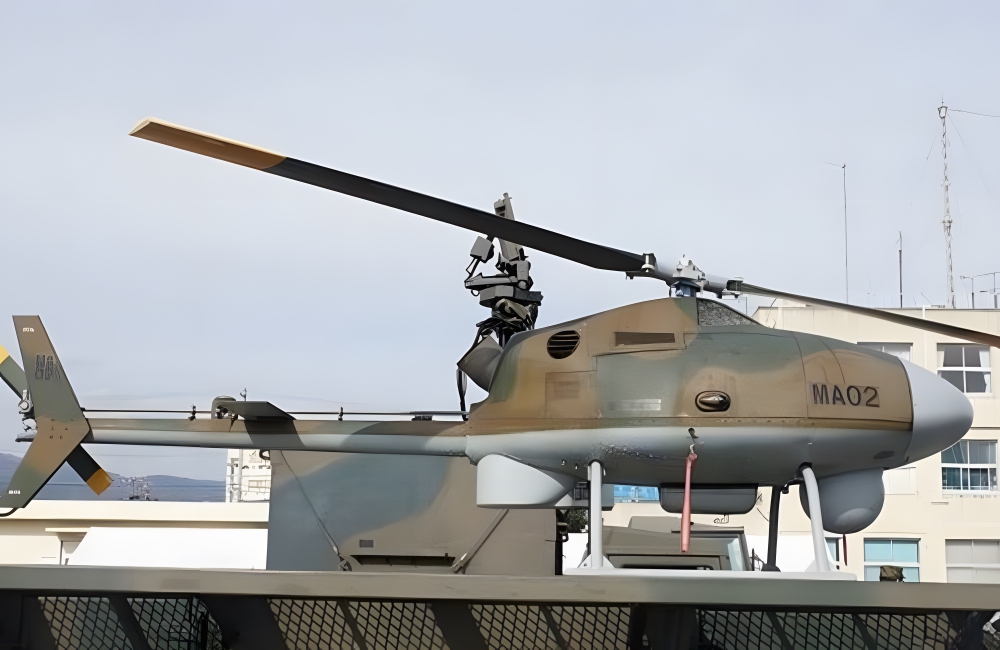
The Fuji FFRS, which stands for “Flying Forward Reconnaissance System,” is an upgraded UAV from Fuji Heavy Industries. The FFRS is part of the longstanding TACOM program, which was launched in the 1990s to study UAVs systems. FHI won the contract from the Japanese government, and they designed six UAVS, along with related equipment, and tested it in the early 2000s.
©15min.lt
The FFRS is a high-speed, low-observable drone. The air-launched drone has a delta-wing design and single engine. The drone has been designed to carry an F-4EJ, and it has a parachute and air bags to ensure it isn’t destroyed when it lands.
147. Dassault Rafale – France
Manufacturers: Dassault Aviation
Primary Users: French Air and Space Force, French Navy, Qatar Emiri Air Force, Indian Air Force
Program Cost: $51.94 billion*
Unit Cost: $100-$120 million*
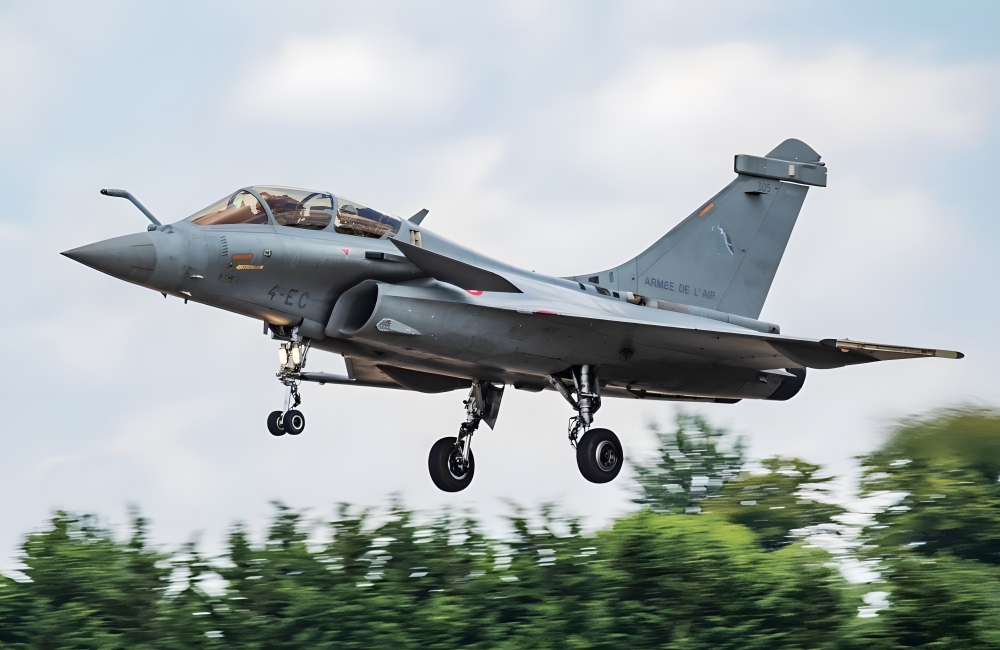
The Dassault Rafale is a twin-engine multirole fighter plane developed by Dassault Aviation. It has been in production since the 1980s, and Dassault has made 237 of these planes as of 2021. The Rafale has a wide range of weapons, and it is intended for a lot of different missions, including interdiction, air supremacy, ground support, anti-ship strike, in-depth strike, aerial recon, and nuclear deterrence.
©Soos Jozsef / Shutterstock
The Rafale is distinct from other fighter jets in Europe, as it is nearly entirely built by just one country. The Rafale is on its way out, however, as Dassault announced in 2018 that it would be replacing the plane with something new called the “New Generation Fighter.” The NGF is a long way off, as it isn’t expected to replace the Rafale until 2030-2040.
148. Shenyang FC-31 – China
Manufacturers: Shenyang Aircraft Corporation, 601 Institute
Primary Users: People’s Liberation Army
Program Cost: $280 million*
Unit Cost: $70 million*
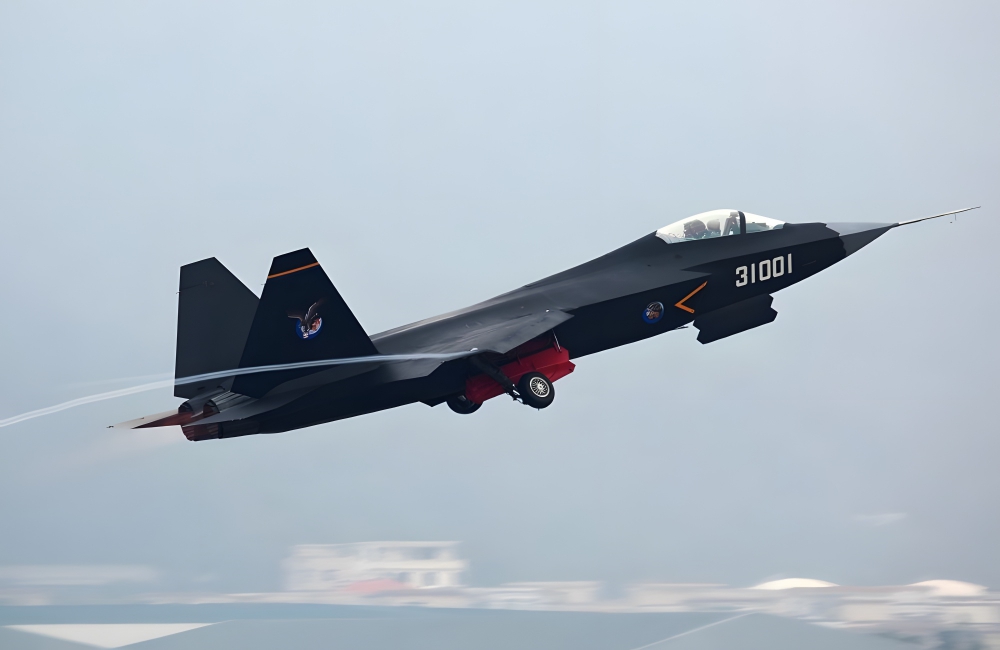
The Shenyang FC-31 has a top speed of 1,367 miles per hour. It is a protype for now, and the mid-sized twinjet fifth-gen fighter had its first flight in 2012. So far, Shenyang Aircraft Corporation has built four of these planes at a cost of $70 million apiece, financed by the PLA. Nicknamed the “Gyrafalcon,” the FC-31 will be more than a match for the F-15 Eagle and other, similar planes.
©Danny Yu / commons.wikimedia.org
The main highlight of the J-31 is its stealth design, as it incorporates characteristics like forward-swept intakes with DSI bumps, contoured weapons bays, two oblique vertical stabilizers, and a two-piece bubbly canopy.
149. Sukhoi Su-57 – Russia
Manufacturers: Sukhoi, Komsomolsk-on-Amur Aircraft Plant
Primary Users: Russian Air Force
Program Cost: $2.63 billion*
Unit Cost: $100 million*
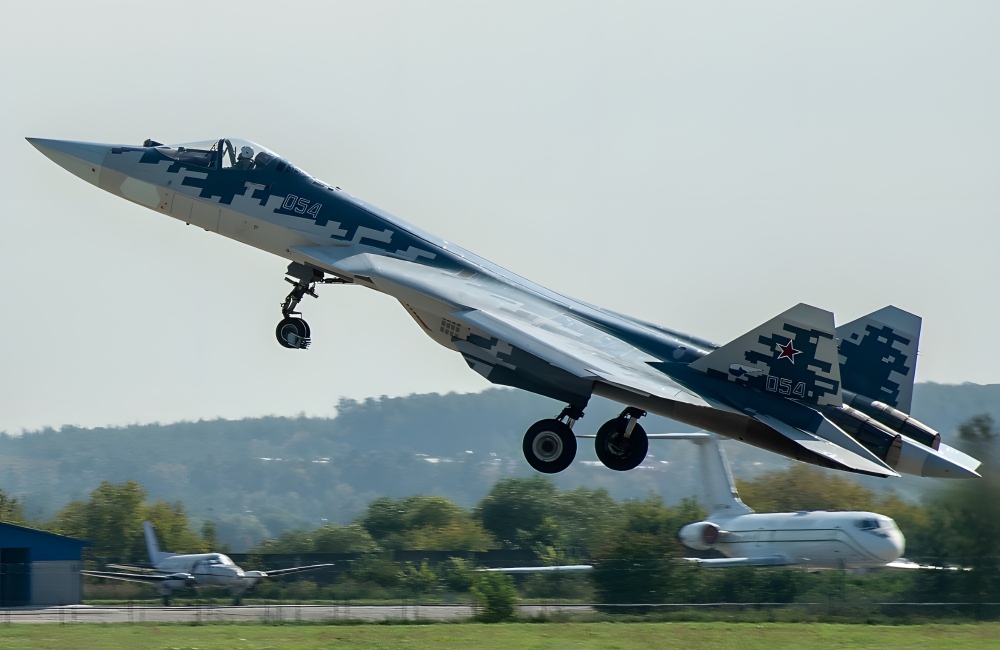
The Sukhoi Su-57, with a NATO reporting name of “Felon,” is a single-seater, stealth multirole fighter jet that is the product of PAK FA’s fighter program. The Su-57 is the first combat plane in Russia to have stealth technology. Though designed by Sukhoi, it is manufactured by the Komsomolsk-on-Amur Aircraft Plant.
©fifg / Shutterstock
The plane had its first flight in 2010, and, ten years later, it was introduced to the Russian Air Force. Fourteen have been built thus far at a cost of $100 million. Moscow has set aside $2.63 billion for these planes, a number that surprised many military experts, as it is relatively low. Some officials suggested this could mean that the Russians are working on (and funding) a new stealth fighter.
150. Coyote Armoured Vehicle – Canada
Manufacturers: General Dynamics Land Systems
Primary Users: Canadian Forces
Program Cost: $100-$200 million*
Unit Cost: $500,000-$1 million*
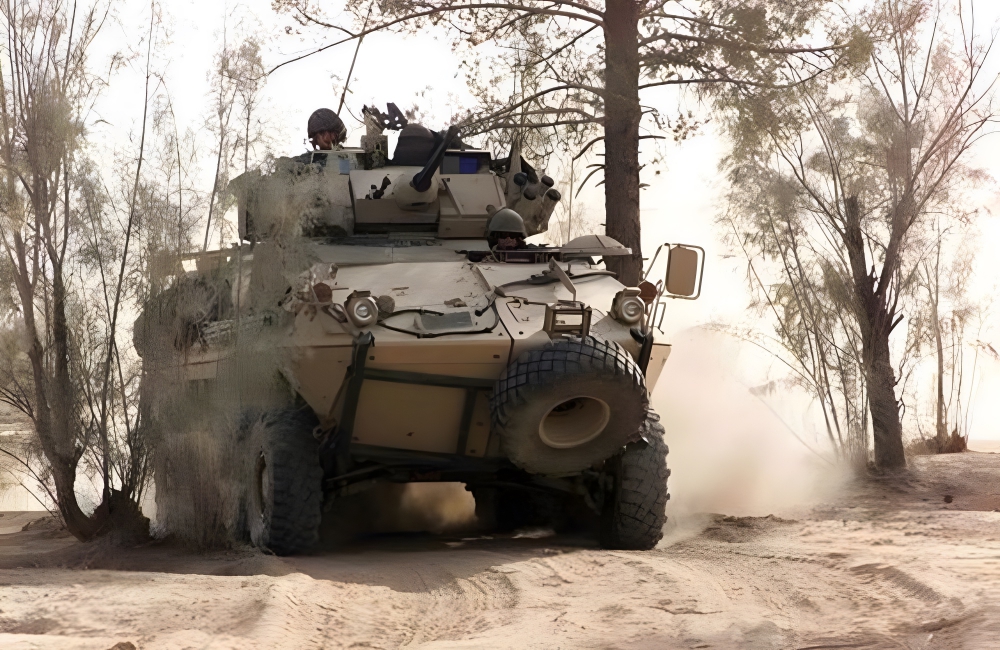
The Coyote, mentioned above, is the sibling vehicle of the Bison and is in use by the Canadian Armed Forces. The LAV II, as it is known, is an armored personnel carrier that is part of General Dynamics Land Systems’ Light Armored Vehicle family. The Coyote is based on another carrier called the MOWAG Piranha, an 8×8 vehicle.
@youngthree / Pinterest
The Coyote first entered service in 1996 for use in a scout role. The non-amphibious armored recon vehicle is armed with a 25x137mm M232 Bushmaster chain gun, along with two NATO C6 machine guns. There is an option to add-on a kit to the Coyote that could protect it against large projectiles, and the carrier is already protected against biological, nuclear, and chemical weapons. Should there be a chemical attack, the carrier has a NBC respiration system to ventilate it out.
151. ZTZ-96 Tank – China
Manufacturers: Norinco
Primary Users: People’s Liberation Army
Program Cost: $4-$5 billion*
Unit Cost: $1-$2 million*
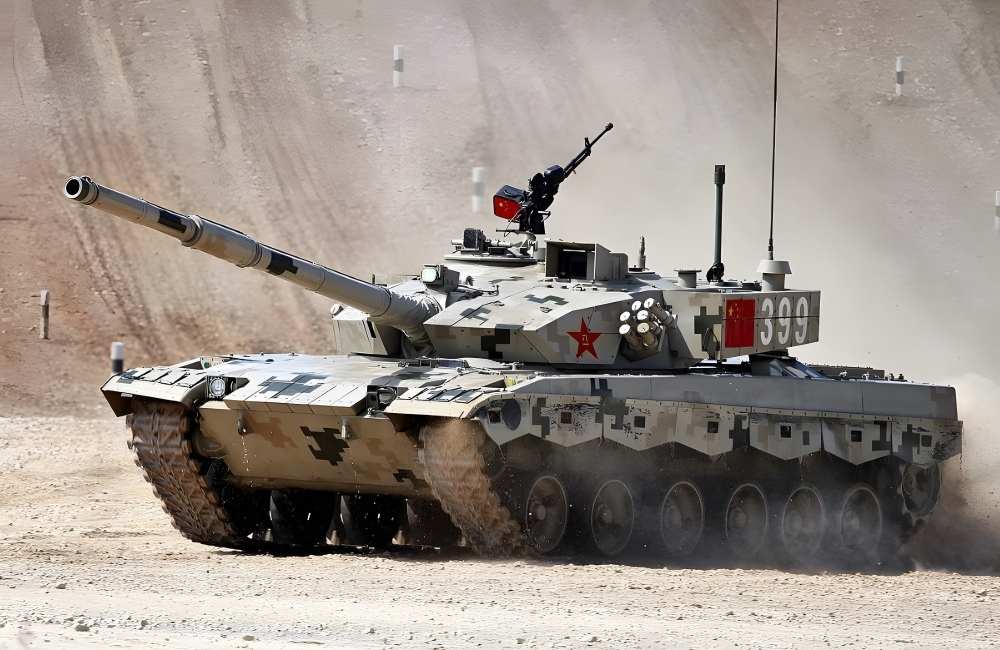
The Type 96, AKA the ZTZ96, is a second-generation main battle tank that serves China’s PLA. The 96 is the final evolution of its predecessor, the Type 88, and it entered service in the late 1990s. So far, there are over 2,000 Type 96s in service (as compared to 814 Type 99s). That makes up a large percentage of the 7,000 tanks in active service that China has.
©Vitaly V. Kuzmin / commons.wikimedia.org
The Type 96’s main armament is a two-plane stabilized ZPT-98 smoothbore gun with a carousel autoloader. The Type 96 has had two main variants, A and B. B was first seen in 2016, and it has a high-performance gun, upgraded fire-control mechanism, and a new transmission, computer and communications system, suspension, exhaust, chassis, and ventilator.
152. VT-2 Tank – China
Manufacturers: Norinco
Primary Users: People’s Liberation Army
Program Cost: $4-$5 billion*
Unit Cost: $1-$2 million*
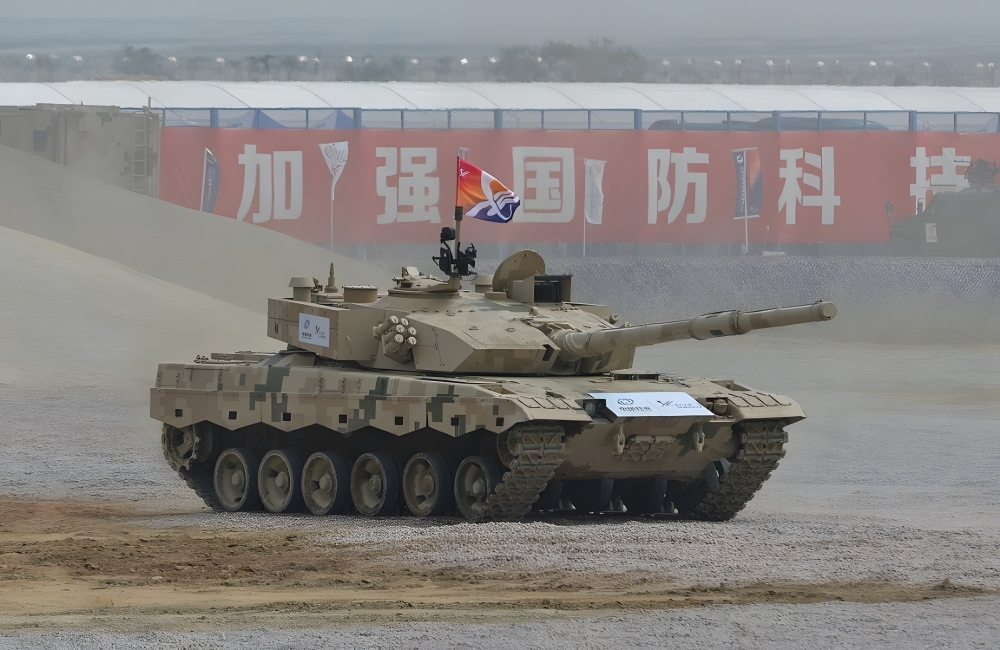
Along the same lines as the Type 96 is the VT-2. This is different than the Type-96A because it is the export variant. The VT-2 debuted in 2012 at the Defence Services Asia Exhibition, and people were amazed at its capabilities. It can be equipped with a Remote Weapons Station, which is a remotely-operated, weaponized system.
©emperornie / commons.wikimedia.org
Other capabilities of the VT-2 include its top speed, which is 43.4 miles per hour on the road (that’s pretty quick for a tank), and ability to turn on its own axis. The tank has around the same specs as the Type 96, as far as finances go, through it is a little cheaper than the VT1 and VT4 tanks, thanks to the materials used.
153. M104 Wolverine – USA
Manufacturers: General Dynamics Land Systems, Krauss-Maffei Wegmann
Primary Users: U.S. Army
Program Cost: $400 million*
Unit Cost: $17.2 million*
This is one of the more interesting vehicles on this list, as it is literally a giant bridge on wheels. The M104 Wolverine is a vehicle-launched, armored bridge that can be laid down during combat to cross rough terrain. The U.S. Army has made use of these types of vehicles since the 1960s.
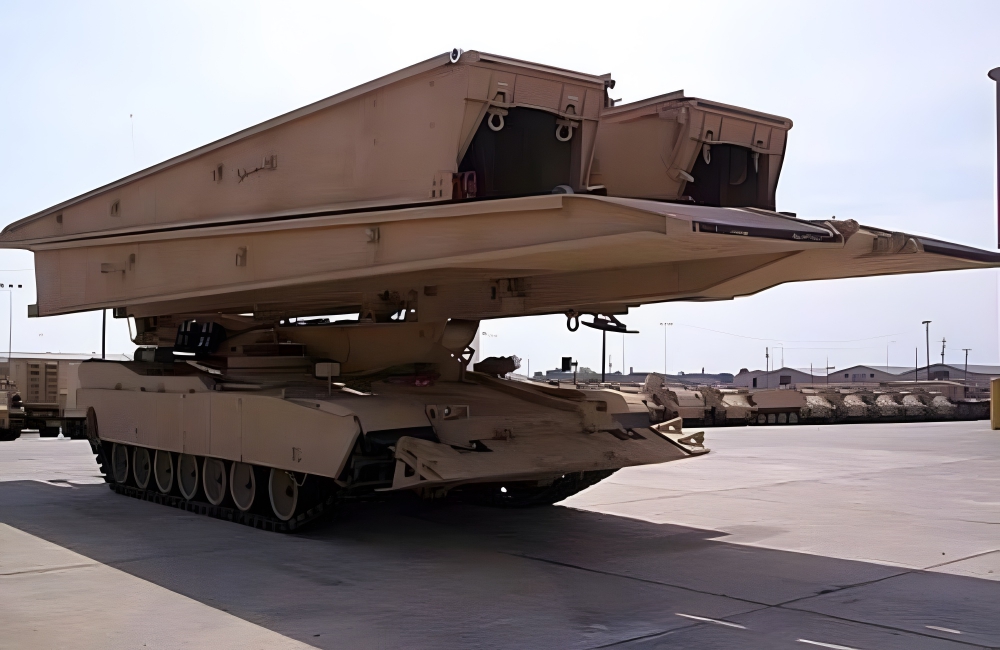
M104 Wolverine (USA) Public domain/commons.wikimedia.org
After it is launched, this sixty-foot-plus Leguan bridge can support a seventy-ton vehicle moving ten miles per hour. The Wolverine allows the heaviest of U.S. military vehicles to cross damaged bridges, craters, ditches, and sand traps at combat speed. This makes for a decisive advantage for the Army’s armored units.
154. CM-11 Brave Tiger – China
Manufacturers: General Dynamics, Republic of China Armored Vehicle Development Center
Primary Users: Republic of China Army
Program Cost: $2 billion*
Unit Cost: $3.5 million*
Developed via a partnership between China’s Armored Vehicle Development Center and General Dynamics, the CM-11 Brave Tiger is a Main Battle Tank that was introduced in 1990. The CM-11 is, essentially, an M60 hybrid chassis that has been fitted with the turret from an older M48 Patton.
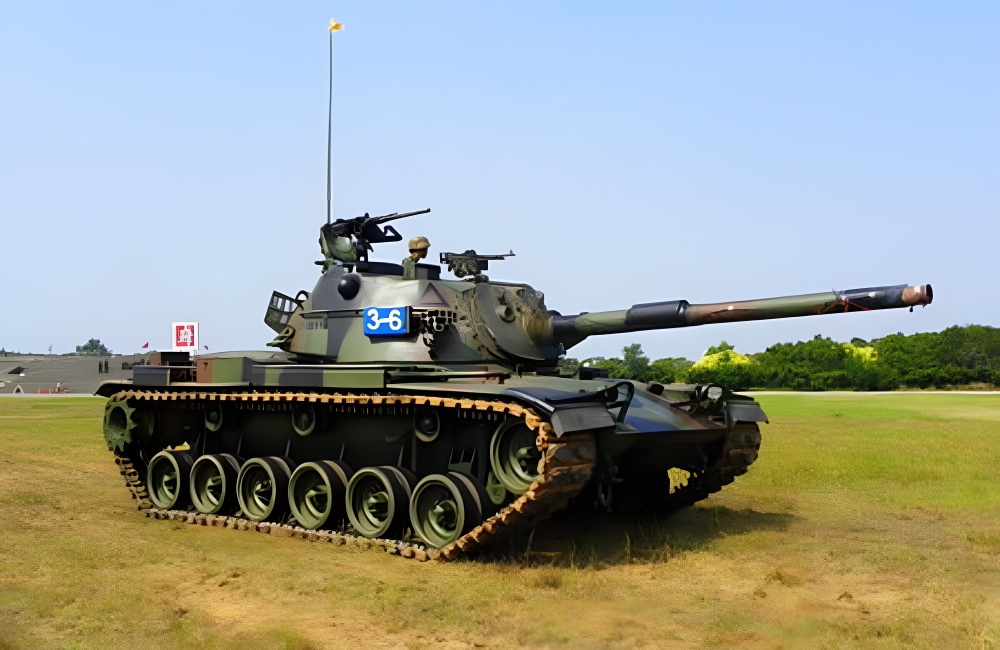
CM-11 Brave Tiger (China) 玄史生/commons.wikimedia.org
It also has the fire control system of an M1 Abrams. The Republic of China designated this the Brave Tiger, as the tiger is an important figure in Chinese history and mythology. The 50-ton battle tank is armed with a .50 BMG M2 Browning, as well as a NATO M240 machine gun.
155. CM-12 Tank – China
Manufacturers: Chinese Armored Vehicle Development Center
Primary Users: Republic of China Army
Program Cost: $350 million*
Unit Cost: $3.5 million*
The CM-12 is, basically, a modified M48A3 that was made for the Republic of China Army. The ADVC used 100 fire-control systems from the CM-11 Brave Tiger’s production to modify existing M48A3s into tanks for the ROC Army. By 1993, the modifications were fully complete.
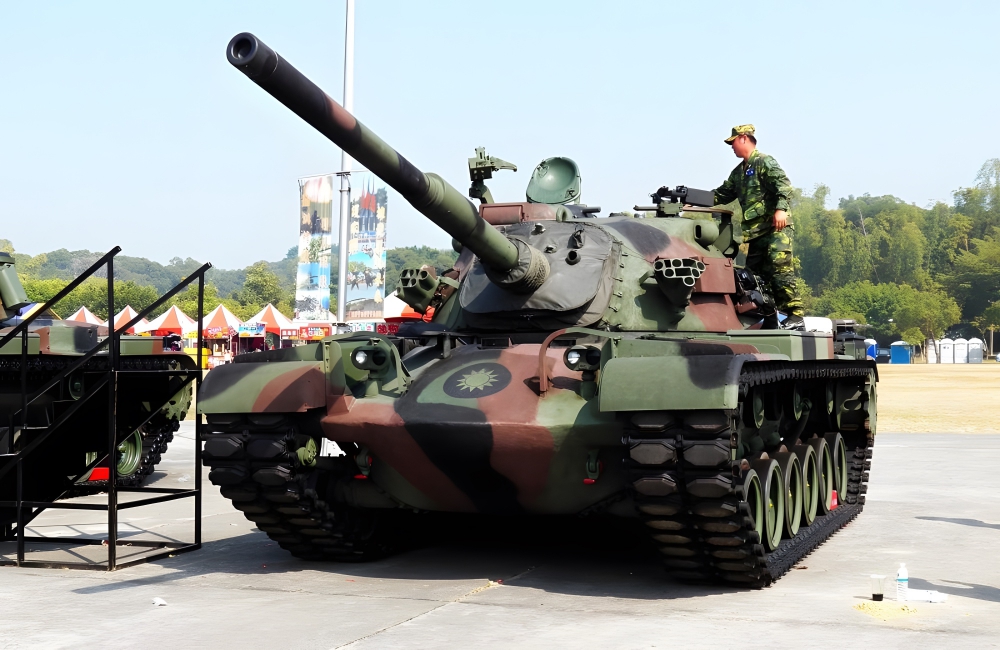
CM-12 Tank (China) 玄史生/commons.wikimedia.org
You can distinguish the CM-12 through its round glacis plates. It is distinguishable from the M48A3 by its 105mm M68A1 cannon, longer artillery than that of the M48A3. Around half of these military vehicles are now retired, as the armament and protection on them have been rendered outdated by new, improved technology.
156. A27 Cromwell Cruiser Tank – UK
Manufacturers: Birmingham Railway Carriage and Wagon Company
Primary Users: British Army, Greek Army, Portuguese Army, Israeli Army
Program Cost: $804 million*
Unit Cost: $200,323*
Thousands of these tanks were constructed during the Second World War, though the majority of them have since been relegated to museums. The Cromwell A27 was a cruiser tank named after Oliver Cromwell, a leader of the English Civil War. The Cromwell was the first tank England put into service that combined a reliable Rolls Royce engine with reasonable armor.
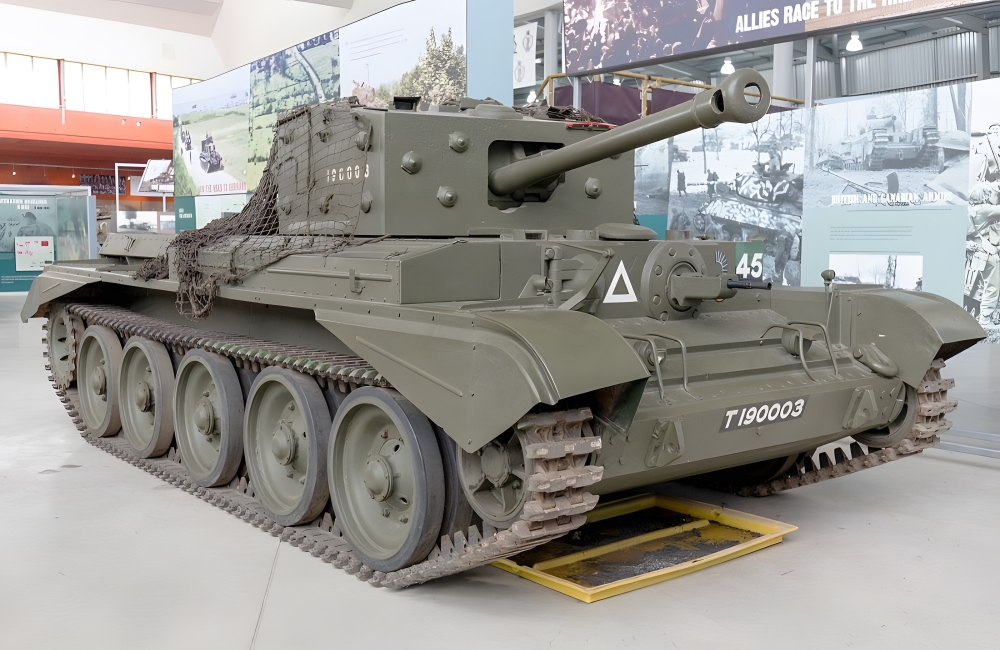
A27 Cromwell Cruiser Tank (UK) Morio/commons.wikimedia.org
At the time, the Cromwell couldn’t be fitted with anything other than a medium-velocity gun, though the Comet fixed that problem later on. The Cromwell saw action for the first time in the famed Battle of Normandy in the summer of 1944.
157. Achzarit – Israel
Manufacturers: Israeli Defense Forces Corps of Ordnance
Primary Users: Israeli Defense Forces
Program Cost: Unknown
Unit Cost: $750,000*
Achzarit means “Cruel One” in Hebrew, and this battle tank can certainly be cruel if you get on the wrong side of it. The Achzarit is based on the T-54 and T-55, two tanks from the Soviet Union. The personnel carrier can withstand armor-piercing projectiles and shaped charges that would destroy more conventional IFVs.
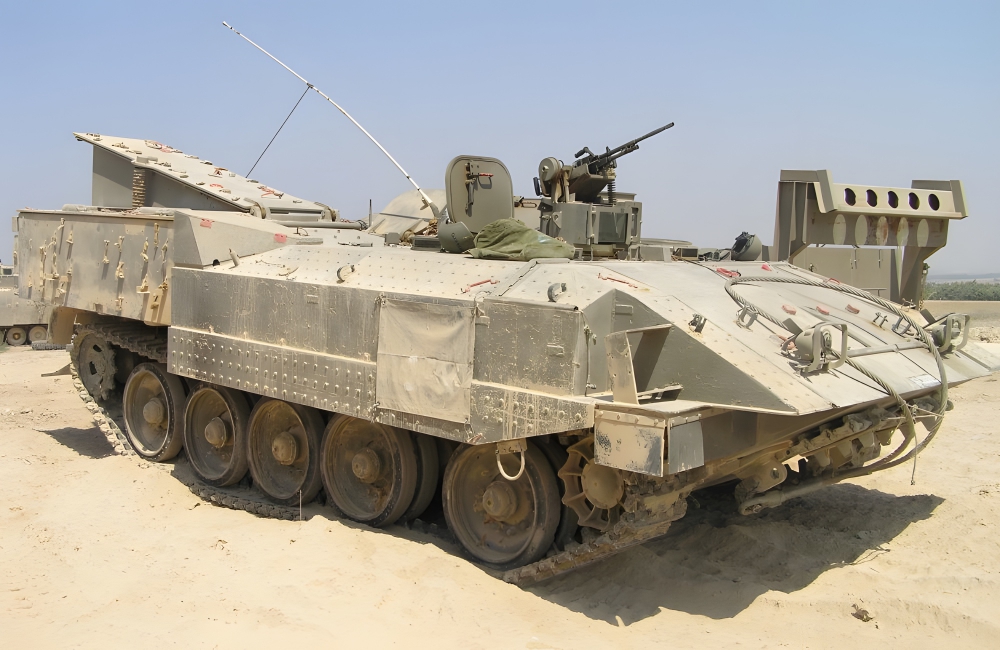
Achzarit (Israel) gkirok/commons.wikimedia.org
The manufacturers, the IDF Corps of Ordnance, claim that the Achzarit can withstand repetitive 124mm hits over its frontal arc. The Achzarit is pretty heavy for an infantry carrier, as it weighs 44 tons, fourteen of which are taken up with advanced composite armor. Basically, the Achzarit is one of the toughest carriers in the IDF.
158. Interim Fast Attack Vehicle – USA
Manufacturers: Magna Steyr for Mercedes Benz
Primary Users: U.S. Marine Force Recon & Expeditionary Units
Program Cost: $32.8 million*
Unit Cost: $209,000*
This vehicle is deployed by the U.S. Marines, though it is manufactured by Austria for the German company Mercedes-Benz. The Interim Fast Attack Vehicle was popularized by the SEALs as a “black dune buggy,” though the Marines preferred an armored G-Wagon-type vehicle like the IFAV.
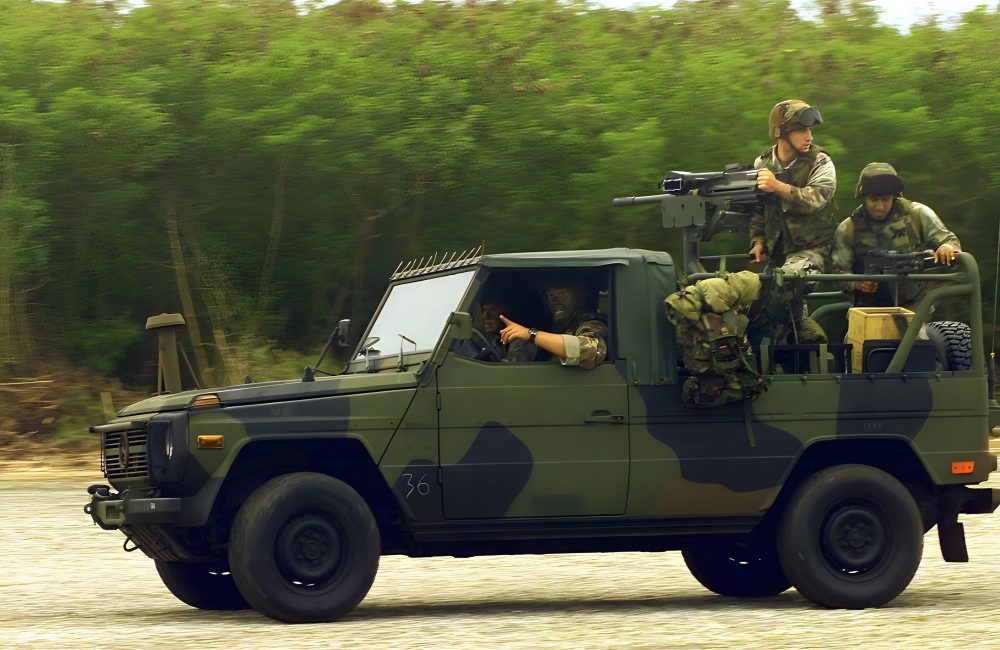
Interim Fast Attack Vehicle (USA) Public domain/commons.wikimedia.org
The IFAV was the “it” military vehicle in the nineties, though it has since been replaced by the ITV-LSV. The IFAV itself was created to replace the jeep that the Marines were using before realizing they needed an upgrade. Each unit cost around $209,000 to make, and the Marines acquired over 150 of these IFAVs in total.
159. M1200 Armored Knight – USA
Manufacturers: DRS Sustainment Systems, Inc.
Primary Users: U.S. Army, U.S. Marine Corps
Program Cost: $16.55 million*
Unit Cost: $200,000*
This armored vehicle is used by the U.S. military, and most of the M1200 Armored Knights have seen use in Iraq. The M1200 entered service in the late 2000s, as they were developed as part of an effort to find an armored vehicle capable of keeping up with Combat Observation and Lasing Teams.
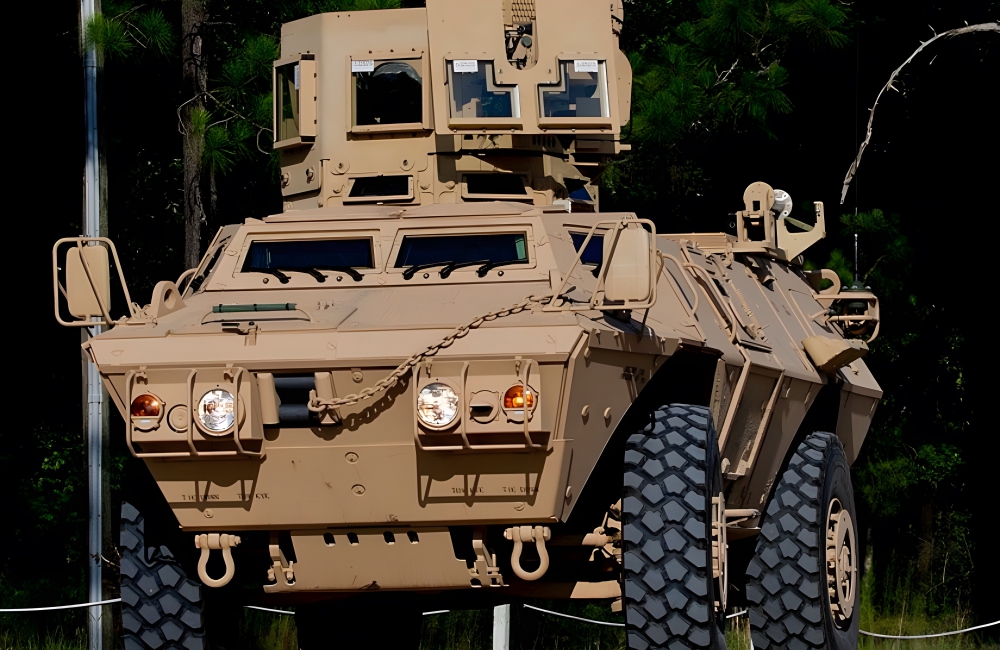
M1200 Armored Knight (USA) Georgia National Guard from United States/commons.wikimedia.org
The M1200 replaced the M707 Knight, which was, essentially, a stripped-down Humvee. The M1200 provides protection to fire support teams performing a mission in a high-threat environment. Among its equipment are a laser designator and rangefinder, GPS, radios, computers, and many other data-gathering equipments that can get firepower onto a target within mere minutes.
160. AML 245 – France
Manufacturers: Panhard
Primary Users: French Army
Program Cost: $1.79 billion*
Unit Cost: $448,739*
At one time, the AML 245, made by Panhard, was one of the heaviest-armed scout vehicles in the world, with a low-velocity rifle cannon that fired high explosive anti-tank shells. The AML could destroy targets that were thousands of feet away using its D921 gun.
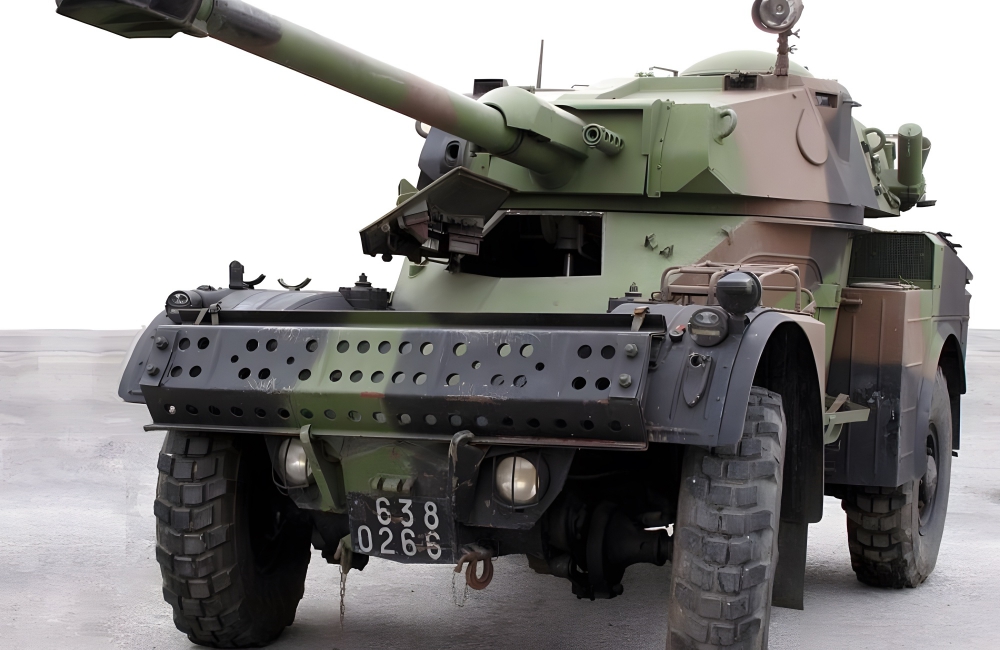
AML 245 (France) Rama/commons.wikimedia.org
Panhard AMLs have appeared most often in conflicts in Iraq, Chad, Angola, and Lebanon. The AML is relatively cheap to make, compared to other armored cars, especially when you consider its recon abilities. The AML weighs just 5.5 tons, as it is designed on a light armored, small, 4×4 chassis. Since 1959, these vehicles have been sold on five different continents.