
118. HQ-9B – Morocco
Manufacturer: China Precision Machinery Import-Export Corporation
Primary Users: People’s Liberation Army Air Force & Navy
Cost: $2 million per unit*
The HQ-9, also known as the Red Banner 9, is a long-range, radar-homing, surface-to-air missile. It’s similar to the Patriot and S-300 systems, which are in use by the U.S. and Russia, respectively. The HQ-9 has a HT-233 PESA radar system and has an operational range of over 186 miles.
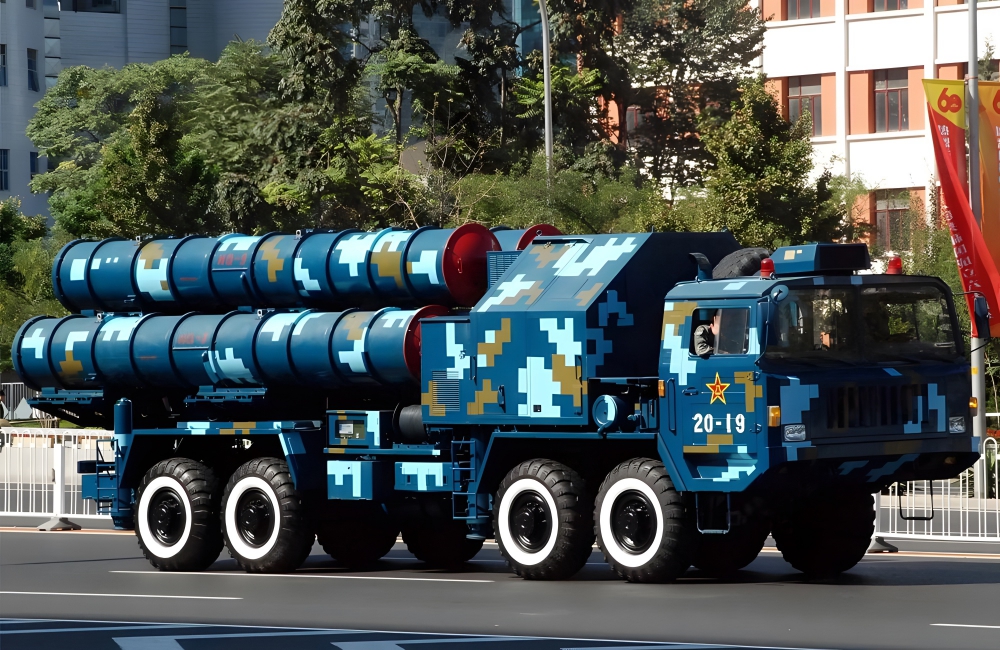
HQ-9B (Morocco) ©Jian Kang / Wikimedia.org
The HQ-9B, one of the later iterations, is the newest in a long line of missiles from the China Precision Machinery Import-Export Corporation. The missile’s top speed is Mach 4.2, and its engine is a two-stage solid propellant rocket. Each HQ-9B costs about $2 million, though costs have been reduced because the HQ-9B is able to employ many different types of radars.
119. Bushmaster Protected Mobility Vehicle – Jamaica
Manufacturer: Thales Australia
Primary Users: Jamaica Defence Force, Australian Army, Royal Australian Air Force
Cost: $500,000 per unit*
Designed and manufactured by Thales Australia, the Bushmaster Protected Mobility Vehicle is in use with various military branches of Australia, Jamaica, the Netherlands, Britain, Japan, Fiji, and New Zealand. The Bushmaster has been in combat since 1997, and each unit costs about half a million dollars. All variants can carry ten people.
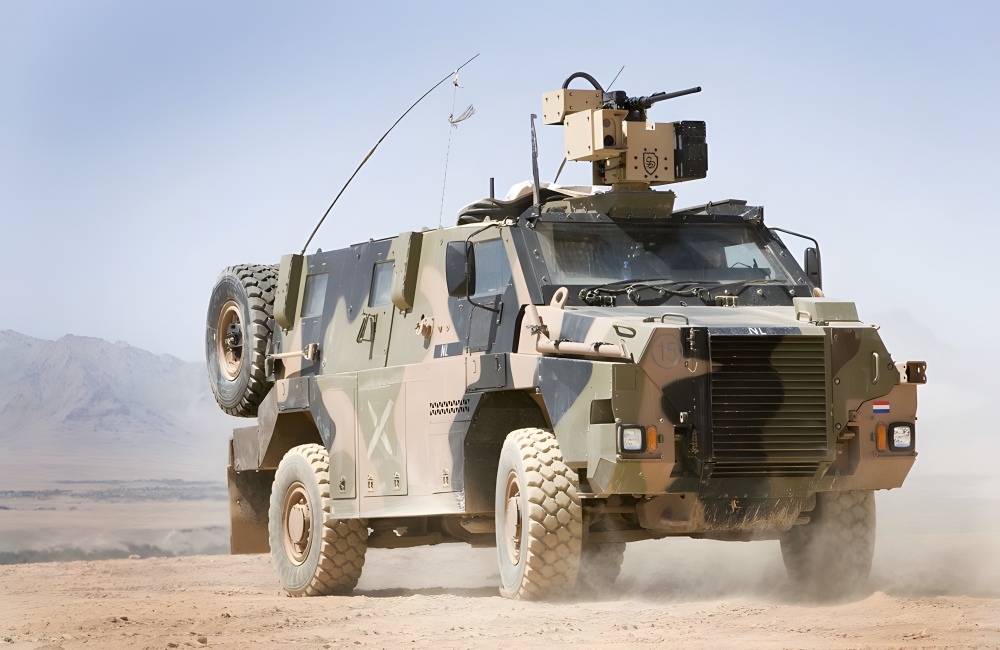
Bushmaster Protected Mobility Vehicle (Jamaica) ©Ministerie van Defensie / Wikimedia.org
There are several variants, including Command, Ambulance, IED, Utility, and Troop. The Bushmaster is lightly armored, so it isn’t the same as a tracked armored personnel carrier or a heavier wheeled PMV, though it does have basic ballistic and IED protection. In addition to being in military use in Australia, the Bushmaster is also in use by the Victoria Police for heavy-duty operations.
120. Komodo Tactical 4×4 – Indonesia
Manufacturer: Pindad
Primary Users: Indonesian Armed Forces
Cost: $250,000-$300,000*
Named after the Komodo Dragon, this 4×4 light armored vehicle is in use by Pindad. It was developed after the president of Indonesia visited Pindad’s main office and requested that they create their own tactical vehicle, which would be indigenous, meaning that Indonesia wouldn’t have to order Humvees anymore.
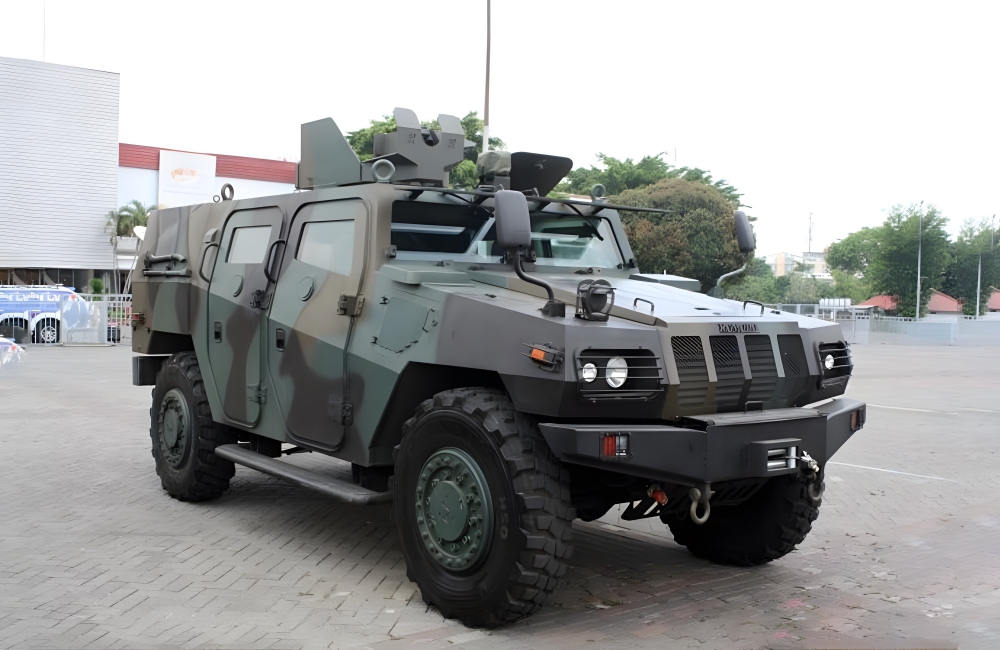
Komodo tactical 4×4 (Indonesia) @hshawd / Pinterest
The Komodo Tactical 4×4 was unveiled in 2012 at the Jakarta, Indonesia Indo Defence Expo and Forum. The design features on this Indonesian 4×4 are similar to the Sherpa Light Scout, made by Renault. The exterior looks a lot like Humvee, despite the Indonesian president’s desire to get away from non-indigenous vehicles. Each Komodo costs $250,000-$300,000 to make.
121. Sikorsky CH-53 Sea Stallion – USA
Manufacturer: Sikorsky Aircraft
Primary Users: U.S. Marine Corps & Air Force, German Air Force, Israeli Air Force, Mexican Air Force
Cost: $138 million per unit*
The Sikorsky S-65, also known as the CH-53 Sea Stallion, is a heavy-lift transporter that is designed and constructed by Sikorsky Aircraft. It was originally developed for the U.S. Air Force and Marine Corps., but it is now in use by the Germans, Mexicans, and Israelis as well.
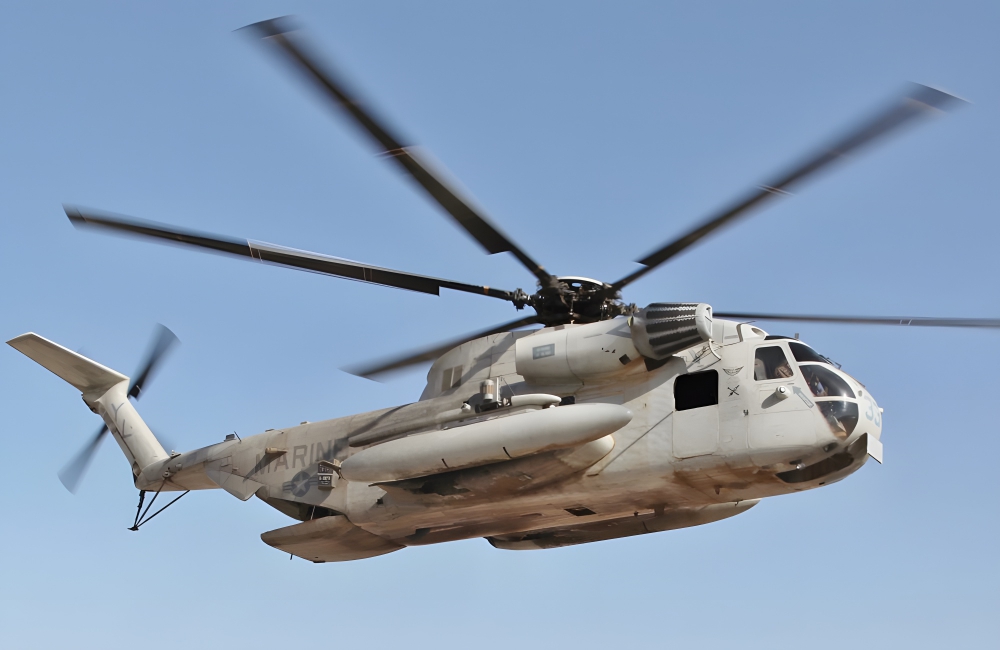
Sikorsky CH-53 Sea Stallion (USA) ©Raul Gonzalez / Wikimedia.org
The S-65 got the nickname “Super Jolly Green Giant” during the Vietnam War, as it was a common, green-painted feature of that armed conflict. The S-65 is a close cousin to the Super Stallion, which is an improved version of the Sea Stallion. Not only can it lift more, it also has a more powerful engine, which makes it key in heavy-lift missions.
122. Panzer 68 – Switzerland
Manufacturer: Eidgenössische Konstruktionswerkstätte
Primary Users: Swiss Army
Cost: $481.95 million project cost (101 tanks in total)*
Built by Eidgenössische Konstruktionswerkstätte, the Panzer 68 was once the main battle tank of the Swiss Army. It was developed in the 1960s, and it dominated the Swiss Army’s inventory until the late 1990s. In 1979, an article was published by Weltwoche, a highly-regarded publication in Switzerland, that discussed the 68’s shortcomings.
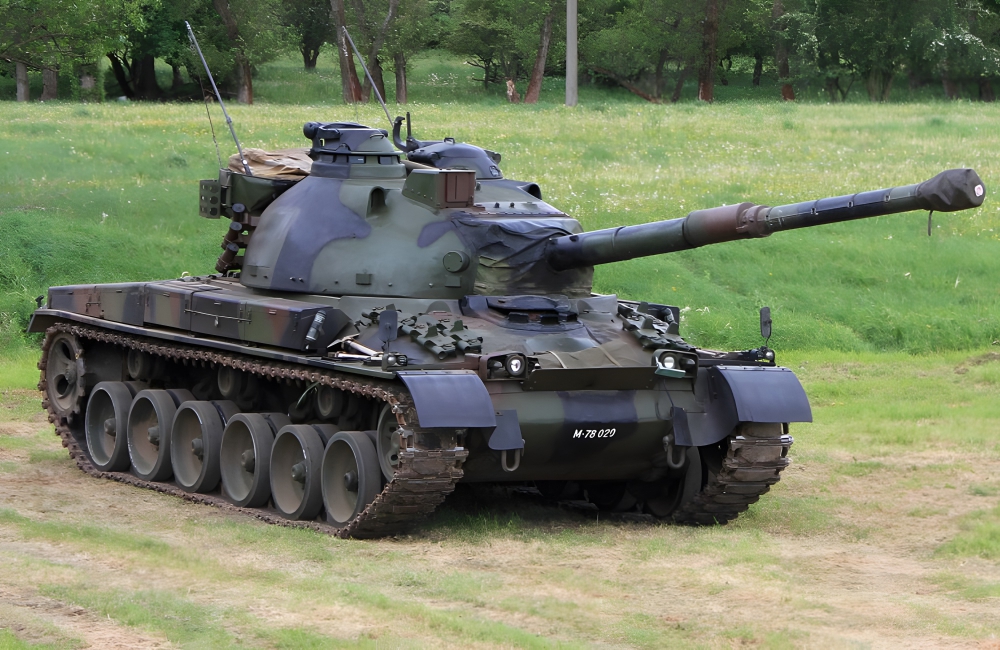
Panzer 68 (Switzerland) ©LutzBruno / Wikimedia.org
The article was explosive, and it led to the Swiss Minister of Defense’s resignation. One major example of the 68’s shortcomings was the heating system which, when switched on, could possibly cause the main gun to fire a round. The problems were resolved when the 68 was updated, but it lost its status as the main battle tank a decade later.
123. Lockheed C-130 Hercules – U.S.
Manufacturer: Lockheed Martin
Primary Users: U.S. Air Force, Royal Canadian Air Force, U.S. Coast Guard, Royal Air Force
Cost: $11.9 million per unit*
The Lockheed C-130, also known as Hercules, is a four-engine, turboprop aircraft that was originally built by Lockheed Corporation, before it became Lockheed Martin. The Hercules can use unprepared runways for taking off and landing, and it was initially designed for cargo duty, medevac, and troop transport.
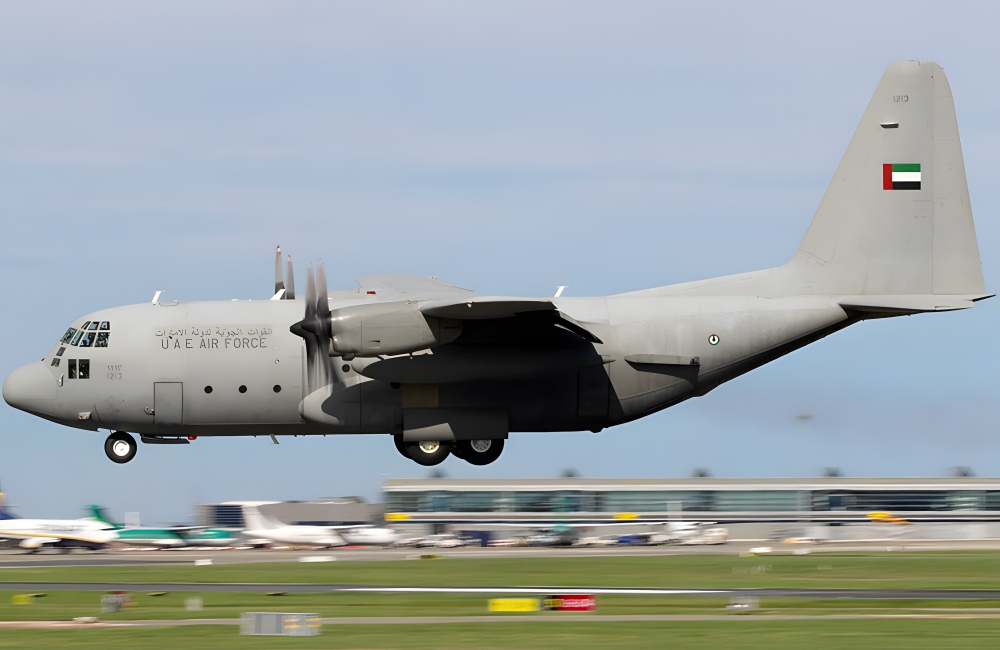
Lockheed C-130 Hercules (UAE) @Donal Morrissey / flickr.com
The Hercules’ versatile aircraft also gets used as a gunship for airborne assault, and it is the main tactical airlifter for a lot of worldwide military forces. There are forty versions of the Hercules, including non-military variations. The Lockheed L-100 is in operation in over sixty nations, but its mainstays are the U.S., Canada, and the U.K.
124. Eurocopter AS332 Super Puma – France
Manufacturer: Aerospatiale (now Airbus)
Primary Users: French Air and Space Force, CHC Helicopter, Babcock Mission Critical Services Offshore, Spanish Air Force
Cost: $15.5 million per unit*
The Eurocopter A S332 Super Puma has been in service since the late 1970s. It is currently primarily used by the French Air and Space Force, CHC Helicopter, Babcock Mission Critical Services Offshore, and the Spanish Air Force. The Super Puma, which is now called the Airbus Helicopters H215, is a utility helicopter.
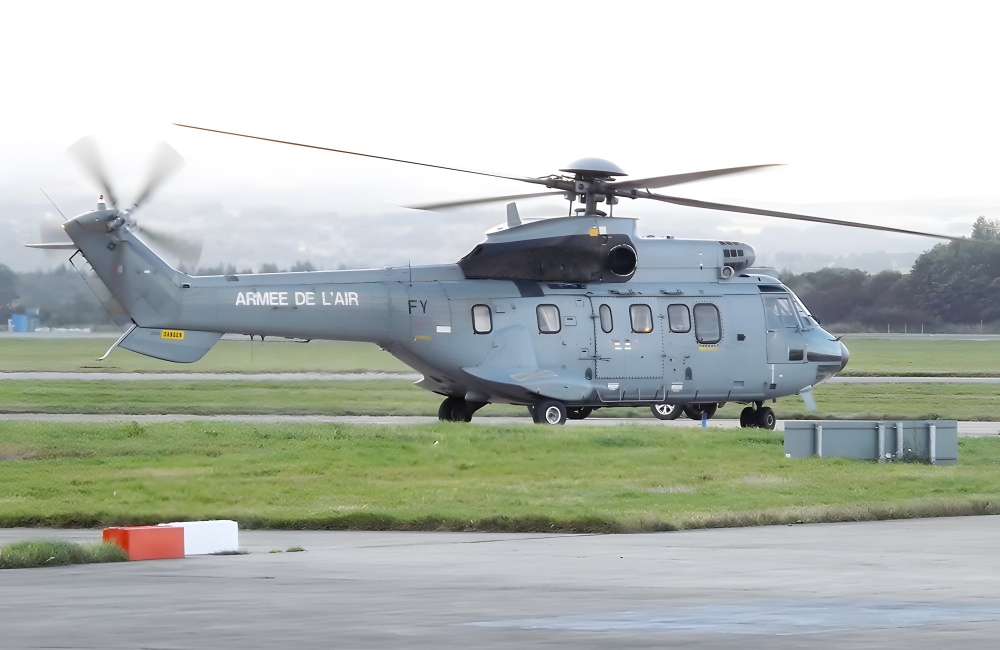
Eurocopter AS332 Super Puma (France) ©Mark Harkin / Wikimedia.org
Developed by Aerospatiale (Airbus), the Super Puma has a few distinguishing features, such as a streamlined nose and a ventral fin underneath its tail boom. 1,000 of these units have been produced. It costs around $15.5 million per unit to produce, though certain cost-saving efforts have been put in place to try to reduce the price.
125. Soryu Class Submarine – Japan
Manufacturer: Mitsubishi Heavy Industries, Kawasaki Shipbuilding Corporation
Primary Users: Japan Maritime Self-Defense Force
Cost: $601.3 million per unit*
In service with the Japan Maritime Self-Defense Force, the Soryu-class of submarines is diesel-electric attack vehicles. The first of the class entered service in 2009, and the design was an evolved version of the Oyashio class. You can distinguish the two classes because Soryu has an X-shaped stern that combines rudders and diving planes.
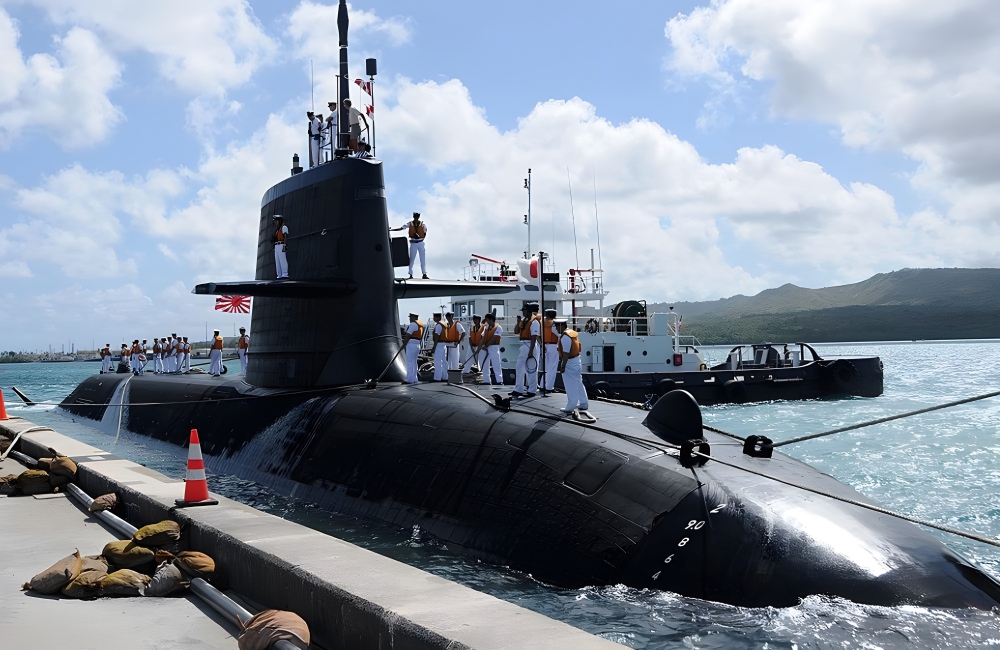
Soryu Class Submarine (China) ©commons.wikimedia.org
The Soryu-class is noteworthy because it was the first air-independent propulsion submarine in Japan. It is fitted with Kawasaki-built Stirling engines, which means that the subs can stay underwater for long periods of time. Oryu, a member of the class, was a lithium-ion battery submarine—the first of its kind in the world.
126. NHIndustries NH90 – Italy
Manufacturer: NHIndustries
Primary Users: Italian Armed Forces, French Armed Forces, Australian Defence Forces, Bundeswehr
Cost: $42 million per unit*
The NHIndustries NH90 is in service with the Italian Armed Forces, French Armed Forces, Australian Defence Forces, and Bundeswehr. The NH90 is a twin-engine, medium-sized, multirole helicopter that was created in response to NATO’s requirement that battlefield helicopters be able to be operated in naval environments.
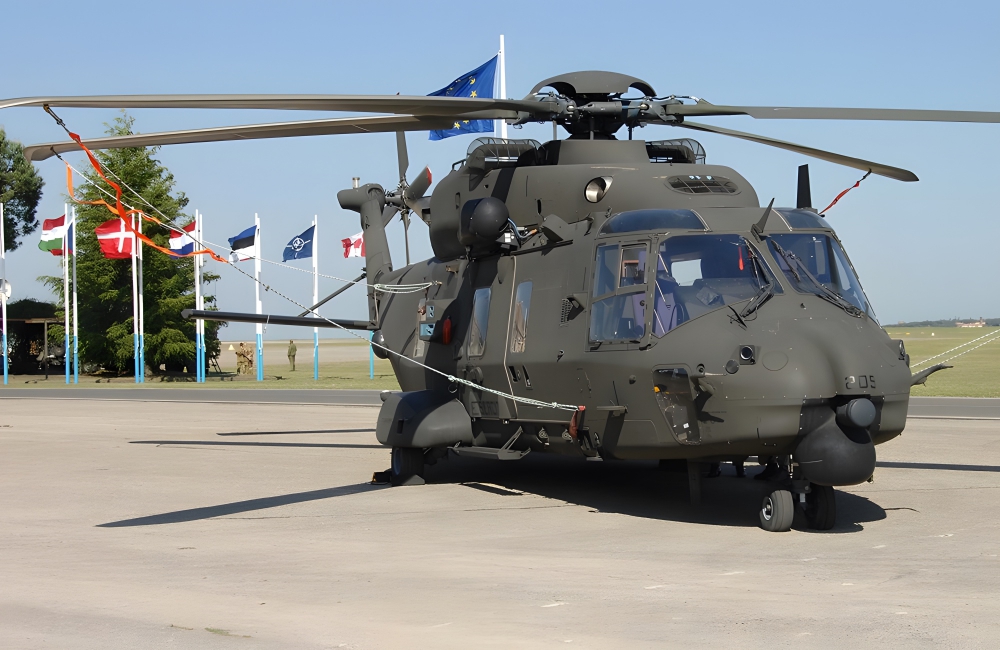
NHIndustries NH90 (Italy) ©Wikimedia.org
The NH90 is unique because it’s the first helicopter to use completely fly-by-wire flight controls. The NH90 has two main variants: an NFH, which is a NATO Frigate Helicopter, and a TTH, a Tactical Transport Helicopter. 446 of these helicopters have been produced since 1995, and each unit costs around $42 million to produce.
127. LAPCAT A2 – Great Britain
Manufacturers: Reaction Engines Limited
Primary Users: Commercial Flights From Sydney to Brussels (in the future)
Program Cost: Unknown
Unit Cost: $1.1 billion
Even if this aircraft hasn’t been built quite yet, it is a project that has taken a lot of time and effort from the British aerospace company in charge of developing it. Its name is LAPCAT A2, and it will be a plane with an engine system that will achieve what was thought impossible.
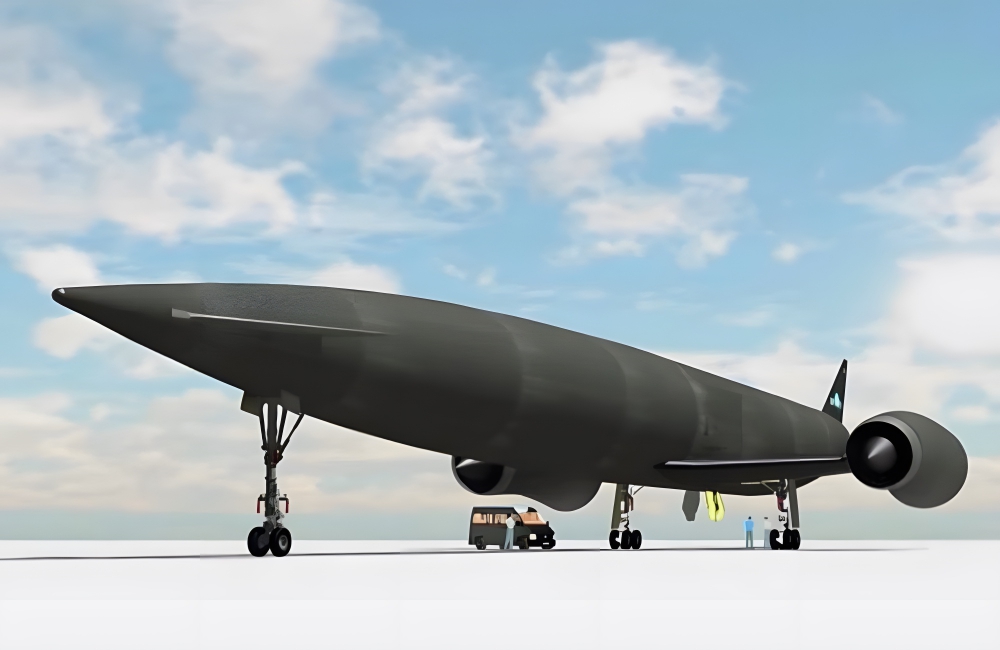
@mentertained100 / Pinterest
The LAPCAT A2 is planned to transport 300 passengers to any part of the world… in only four hours! This project is so ambitious that the cost to pay for its development is incredibly high: 1.1 billion dollars.
128. Gunship
Manufacturers: Alex Ichim
Primary Users: N/A
Program Cost: N/A
Unity cost: N/A
This impressive vehicle appears to have been taken from a futuristic action movie. It is not surprising that this image has been popping up lately on various websites dedicated to military vehicles enthusiasts. However, there is one significant detail about this aircraft: it doesn’t exist.
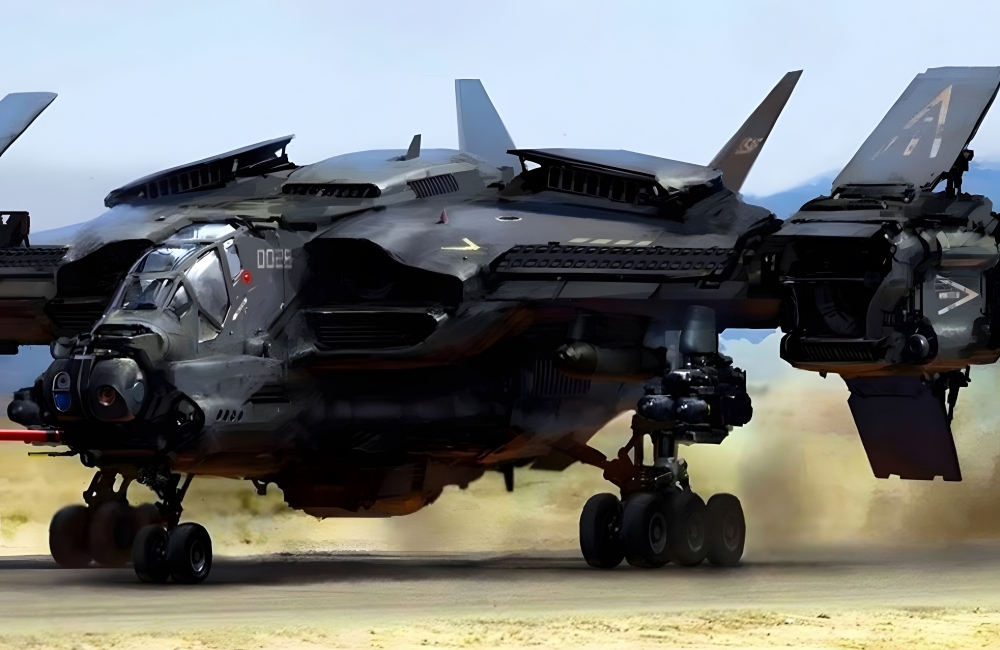
Gunship @ArtStation_HQ / Pinterest
What appears to be the picture of an aircraft is an impressive design created by the artist Alex Ichim. But even if this piece is only fiction, the artist who drew it is so talented that he could make a career of creating professional designs of actual military vehicles.
129. Chengdu J-20 – USA
Manufacturers: Chengdu Aerospace Corporation
Primary Users: People’s Liberation Army Air Force
Program Cost: $3.5 billion*
Unit Cost: $30 million*
Also named “The Mighty Dragon,” the Chengdu J-20 is a twinjet, steal, all-weather fighter aircraft that the Chengdu Aerospace Corporation designed for the PLAAF. The J-20 is part of the J-XX program, which began in the 1990s. It had its maiden flight in 2011, and, in 2016, China officially revealed it at the China International Aviation and Aerospace Exhibition.
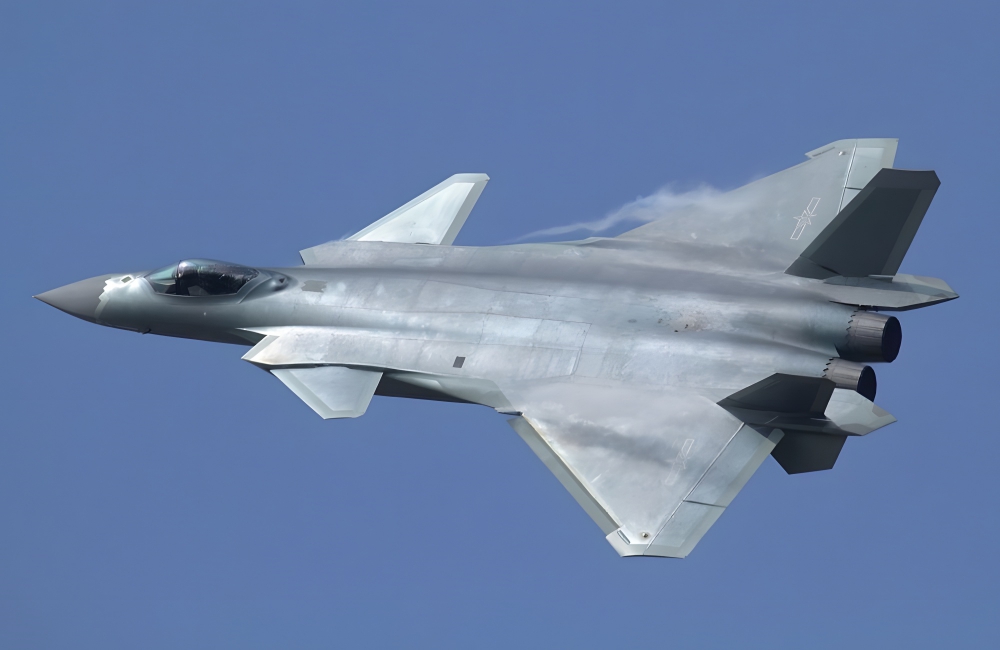
©Alert5 / commons.wikimedia.org
In 2017, the J-20 entered service and began combat training. As of 2021, there have been 150 of these units built. The J-20 is only the third fifth-gen stealth fighter craft in the world, next to the F-35 and F-22.
130. M1097 Avenger – USA
Manufacturers: Humvee
Primary Users: U.S. Army
Program Cost: $6.9 million contract to build the vehicles*
Unit Cost: $220,000 per Humvee*
The Avenger Air Defense System is a US self-propelled STA missile system that provides short-range, mobile air defense for ground units. The System protects ground units from UAVs, cruise missiles, helicopters, and low-flying, fixed-wing planes. Originally, the Avenger and its variant, the M1097, was developed for all the Armed Forces.
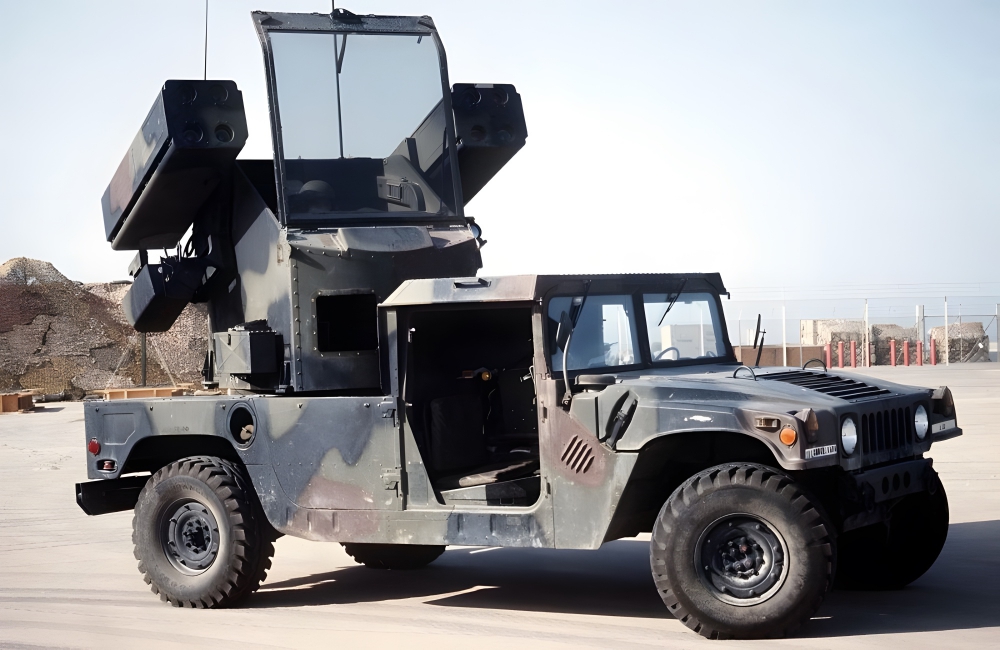
Public Domain / commons.wikimedia.org
Now, only the Army uses it, but the Marines did at one point as well. The M1097 is the weapons carrier on which the Avengers Air Defense System is based. The Humvee is a high-payload, high-capacity troop carrier from the Humvee family. The heavy-hitting carrier has a classic American V8, diesel engine under its hood.
131. Bison Armoured Vehicle – Canada
Manufacturers: General Dynamics Land Systems
Primary Users: Canadian Army, Australian Army, U.S. National Guard
Program Cost: $3 billion to build Bison and Coyotes*
Unit Cost: $1.6 million*
The Bison has been around since 1980, and it is related to the Coyote. This armored car, constructed by General Dynamics Land Systems, is in use with the Canadian Forces. The Bison is based on a LAV-25, and, because GDLS used that basic framework, the design process of the vehicle only took one week.
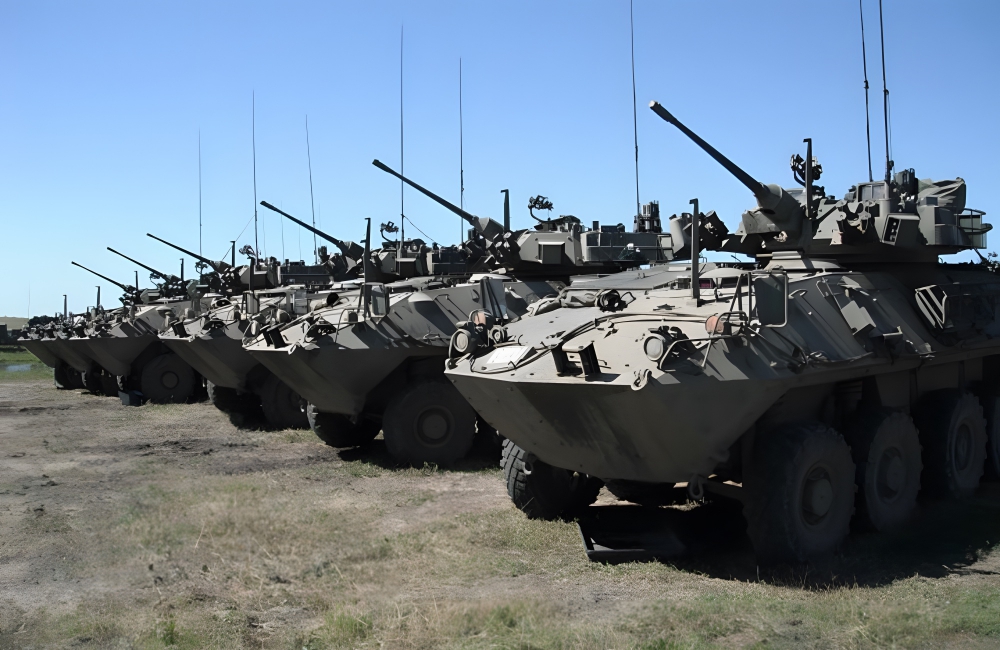
©Jimderkaisser / commons.wikimedia.org
There are a few differences between the two. The Bison has a higher roof, rail mount system, no turret rung, and different seating configurations. There are about 310 Bisons in use now, by the Canadian Army, Australian Army, and the U.S. National Guard. The latter uses the Bison for the States’ fight against the illegal drug trade.
132. T-72 Battle Tank – Russia
Manufacturers: Leonid Kartsev-Valeri Venediktov, Uralvagonzavod’s Heavy Vehicles Factory
Primary Users: Soviet Union/Russian Armed Forces
Program Cost: $12.5 billion*
Unit Cost: $500,000*
The T-72 was an offshoot of the T-64, which didn’t work because it had high costs and was reliant on immature technology. The T-72 was much more successful, and 25,000 of these tanks have been built so far since 1969. Leonid Kartsev-Valeri Venediktov designed these tanks, which are manufactured in Uralvagonzavod’s Heavy Vehicles Factory.
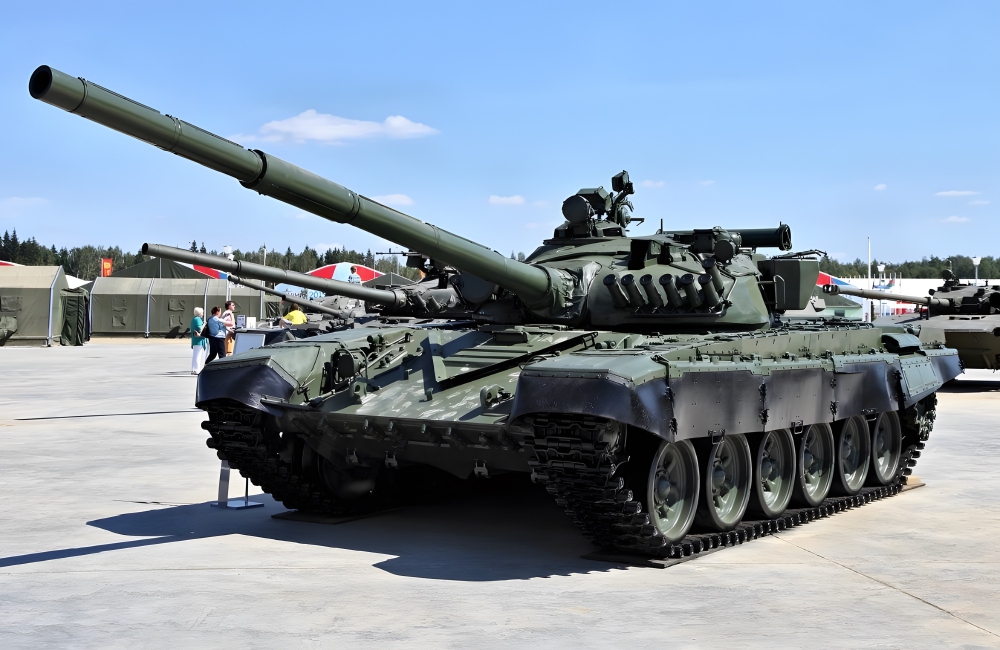
©Vitaly V. Kuzmin / commons.wikimedia.org
The T-72 has been widely exported, and it has seen service in forty countries and a ton of conflicts. The T-72’s first variant came in 1973. The Ural was the same as the original version, except it was armed with a 125mm smoothbore tank gun and an optical coincidence rangefinder.