
1. Alexandrite
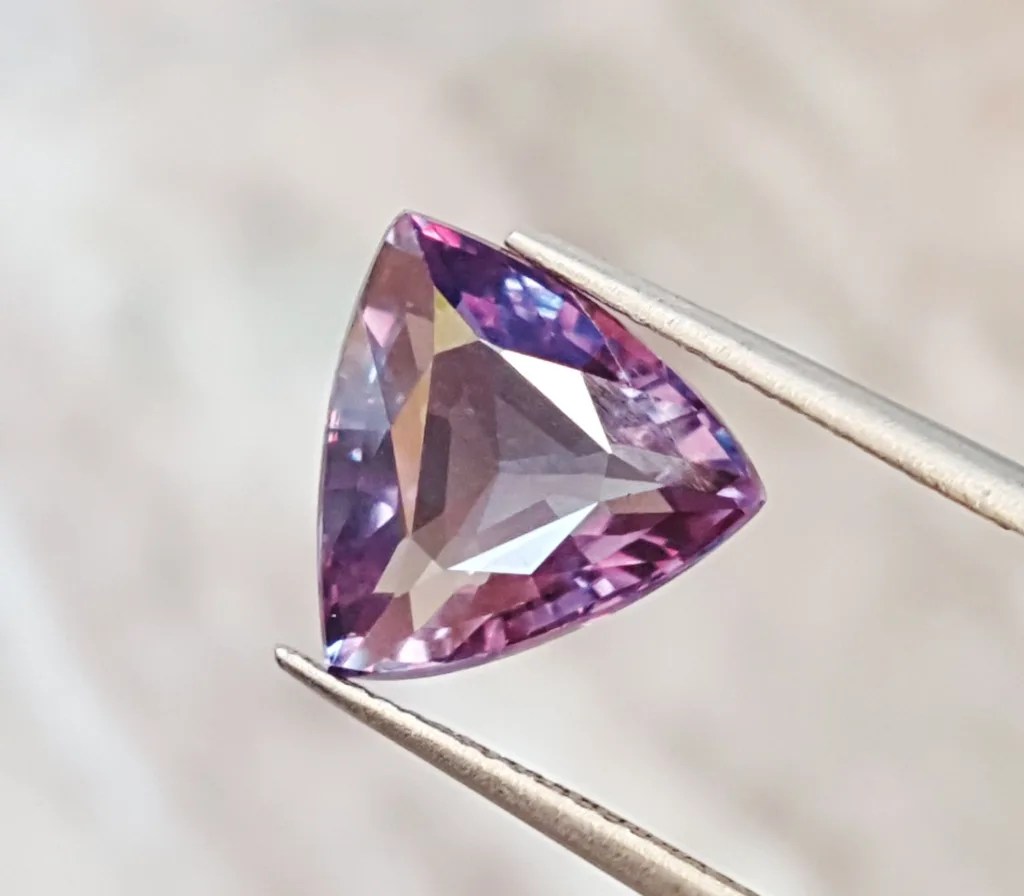
Alexandrite is one of the most fascinating and highly prized gemstones in the world, primarily known for its remarkable color-changing properties. This unique gemstone is a variety of chrysoberyl and exhibits a phenomenon known as pleochroism, where it appears green in daylight and transforms to a red hue under incandescent light. The ability to change colors depending on the light source makes alexandrite incredibly captivating and sought after by gem collectors and enthusiasts.
The discovery of alexandrite dates back to the early 19th century in the Ural Mountains of Russia. It was named in honor of Tsar Alexander II, and its striking color change was thought to represent the national colors of imperial Russia. This historical connection adds to the allure and mystique of the gemstone. Alexandrite’s rarity is another factor that contributes to its high value. The original deposits in Russia have long been depleted, making high-quality alexandrite increasingly scarce. Today, smaller quantities are mined in Brazil, Sri Lanka, and East Africa, but these sources are not as prolific as the original Russian mines.
From a gemological perspective, the color change in alexandrite is due to the presence of chromium ions within the crystal structure. This element causes the gemstone to absorb light differently depending on the wavelength, resulting in the dramatic shift in color. The most prized alexandrites exhibit a vivid green to red color change, with stones showing a pure green in daylight and a rich, purplish-red under incandescent light being the most valuable.
In addition to its visual appeal, alexandrite is also known for its durability. It ranks 8.5 on the Mohs scale of hardness, making it suitable for various types of jewelry, including rings, earrings, and pendants. This hardness, combined with its unique optical properties, makes alexandrite a favorite among jewelers and designers who seek to create pieces that are both beautiful and enduring.
Collectors and gem enthusiasts value alexandrite not only for its beauty and rarity but also for its storied history and the mystique associated with its color-changing abilities. Owning an alexandrite is often seen as possessing a piece of nature’s magic, a gemstone that can transform and reveal different facets of its personality depending on the light. This enchanting quality ensures that alexandrite remains one of the most coveted and admired gemstones in the world.
2. Red Beryl (Bixbite)
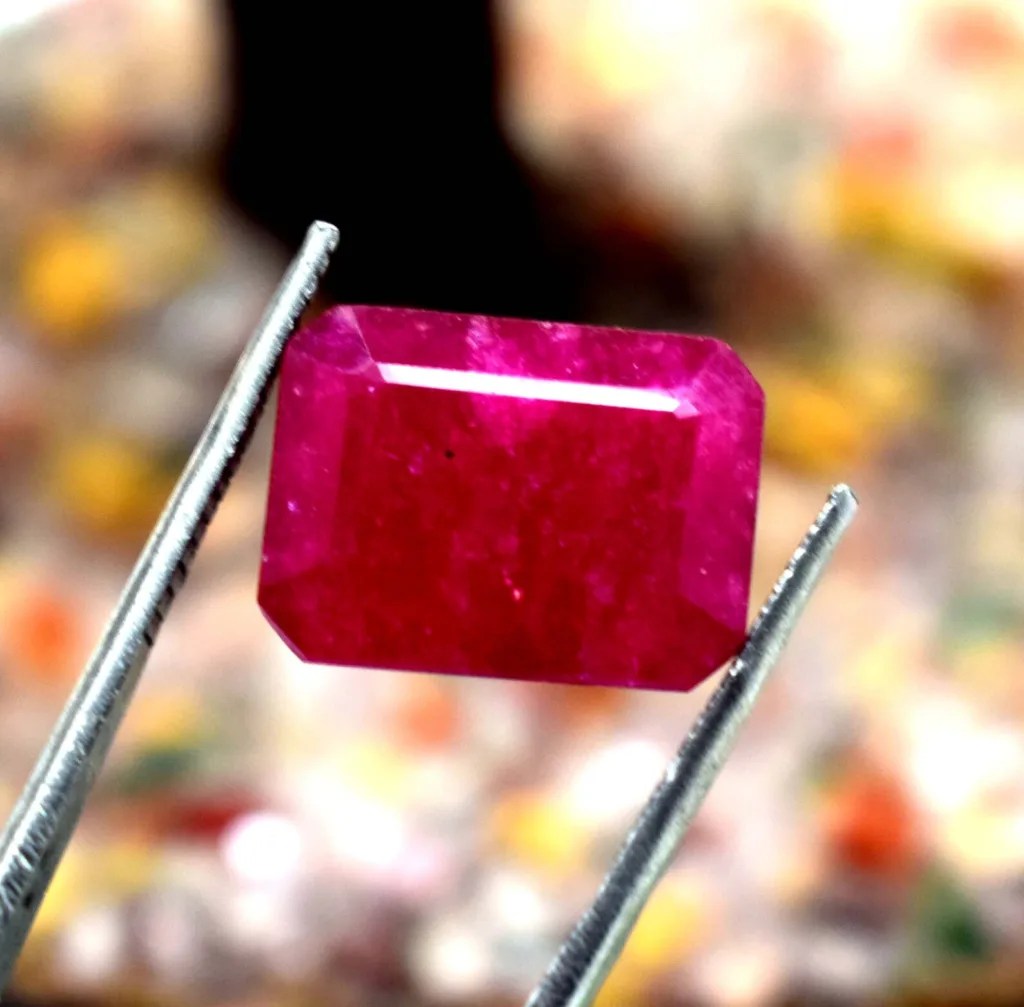
Red Beryl, also known as Bixbite, is one of the rarest and most sought-after gemstones in the world, even surpassing diamonds in terms of rarity. This vivid red gemstone is a variety of beryl, which includes other well-known gemstones such as emerald and aquamarine. However, red beryl’s striking color and extreme scarcity set it apart as a true gemological treasure.
The discovery of red beryl dates back to the early 20th century in the Wah Wah Mountains of Utah, USA. It was named in honor of Maynard Bixby, the mineralogist who first identified it. The gemstone’s vibrant red hue is attributed to the presence of manganese within its crystal structure. This intense color, combined with the gemstone’s rarity, makes red beryl highly valuable and prized by collectors and gem enthusiasts.
Unlike other gemstones that can be found in multiple locations around the world, red beryl is primarily sourced from a single location: the Ruby-Violet Claims in Utah. This limited geographical distribution contributes to its rarity. The mining process is challenging and yields only small quantities of gem-quality red beryl, further enhancing its scarcity and value. In fact, it is estimated that for every 150,000 diamonds mined, only one red beryl crystal is discovered.
From a gemological standpoint, red beryl is relatively hard, ranking 7.5 to 8 on the Mohs scale. This makes it suitable for various types of jewelry, although its rarity often means that it is more commonly found in collector’s pieces rather than everyday wear. The gemstone’s allure lies not only in its stunning color but also in its exclusivity. Owning a piece of red beryl is akin to possessing a rare and precious artifact, a testament to the wonders of nature.
In addition to its visual appeal and rarity, red beryl has also captured the imagination of gemologists and mineralogists. Its formation process is complex and requires specific geological conditions, including high temperatures and pressures, as well as the presence of manganese. These conditions are rare, which explains why red beryl is found in such limited quantities.
Collectors and gem enthusiasts highly value red beryl not only for its beauty but also for its scarcity and the unique circumstances of its formation. The gemstone’s vivid red color, combined with its rarity, makes it a highly coveted addition to any collection. For those fortunate enough to own a piece of red beryl, it represents a tangible connection to the Earth’s geological history and the incredible forces that shape our planet.
3. Padparadscha Sapphire
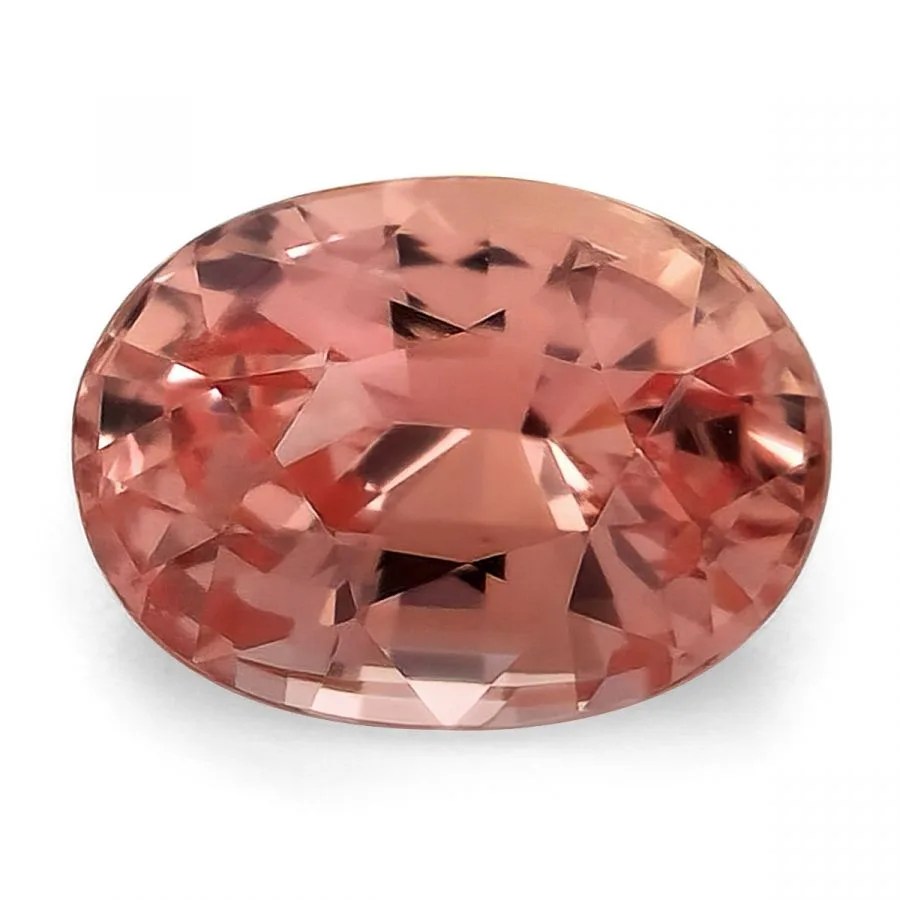
Padparadscha Sapphire is a rare and highly prized variety of sapphire that is renowned for its delicate pink-orange hue, reminiscent of a lotus blossom. The name “Padparadscha” is derived from the Sinhalese word for “lotus flower,” reflecting the gemstone’s unique and enchanting color. This exquisite gemstone is considered one of the most beautiful and valuable sapphires, captivating gem enthusiasts and collectors alike.
The origins of Padparadscha Sapphire can be traced back to Sri Lanka, where it was first discovered. Sri Lanka remains one of the primary sources of this rare gemstone, although it has also been found in Madagascar and Tanzania. The gemstone’s distinctive color is the result of a combination of trace elements, including iron and chromium, within its crystal structure. This unique blend of elements creates the mesmerizing pink-orange hue that distinguishes Padparadscha Sapphire from other sapphires.
Padparadscha Sapphires are highly valued for their rarity and beauty. The ideal Padparadscha exhibits a perfect balance of pink and orange, with neither color dominating. This delicate balance is what makes the gemstone so captivating and sought after. However, finding a Padparadscha Sapphire with the perfect color balance is incredibly rare, which adds to its allure and value. Gemologists and collectors often debate the exact definition of Padparadscha, with some accepting a broader range of pink-orange hues, while others insist on a more specific color criteria.
In addition to its stunning color, Padparadscha Sapphire is also prized for its durability. Like other sapphires, it ranks 9 on the Mohs scale of hardness, making it suitable for various types of jewelry, including rings, earrings, and pendants. This hardness, combined with its unique color, makes Padparadscha Sapphire a favorite among jewelers and designers who seek to create pieces that are both beautiful and enduring.
The rarity and beauty of Padparadscha Sapphire have made it a highly coveted gemstone in the gem market. High-quality specimens can command significant prices, reflecting their desirability and exclusivity. Collectors and gem enthusiasts value Padparadscha Sapphires not only for their visual appeal but also for their rarity and the unique circumstances of their formation. Owning a Padparadscha Sapphire is often seen as possessing a piece of nature’s artistry, a gemstone that embodies the delicate balance of colors found in a lotus blossom.
In conclusion, Padparadscha Sapphire is a gemstone of exceptional beauty and rarity. Its delicate pink-orange hue, combined with its durability and exclusivity, makes it one of the most prized and sought-after sapphires in the world. For gem enthusiasts and collectors, Padparadscha Sapphire represents the pinnacle of nature’s artistry, a gemstone that captures the essence of a lotus blossom in its captivating colors.
4. Musgravite
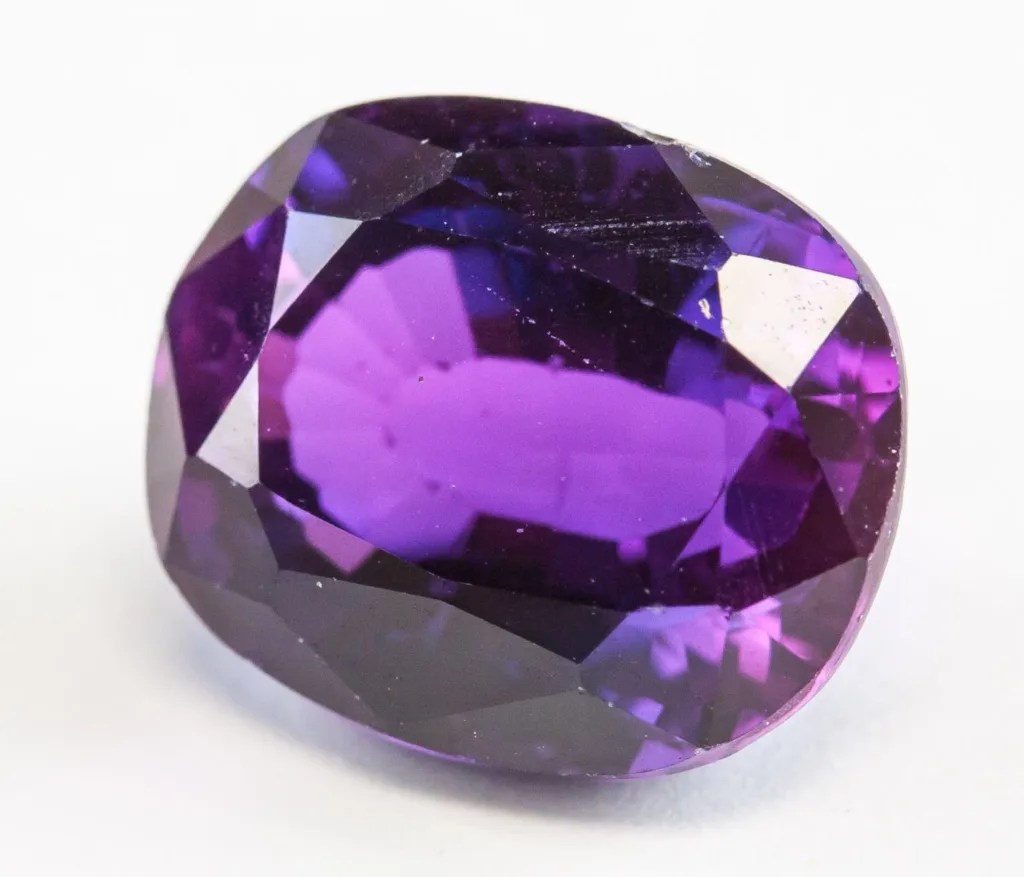
Musgravite is an exceedingly rare and highly sought-after gemstone that was first discovered in the Musgrave Range of South Australia. This gemstone is named after its place of discovery and has since captured the attention of gem enthusiasts and collectors due to its scarcity and unique color range. Musgravite can exhibit a variety of colors, from green to purple, making it a versatile and intriguing gemstone.
The discovery of Musgravite dates back to 1967, and it was initially mistaken for another rare gemstone, Taaffeite. It wasn’t until later that Musgravite was recognized as a distinct mineral species. The gemstone’s rarity is one of its most defining characteristics. High-quality gem-grade Musgravite is incredibly scarce, and only a few specimens are known to exist. This scarcity makes Musgravite one of the most valuable and coveted gemstones in the world.
From a gemological perspective, Musgravite belongs to the oxide mineral group and has a hexagonal crystal system. It ranks 8 to 8.5 on the Mohs scale of hardness, making it suitable for various types of jewelry. However, due to its rarity, Musgravite is often found in collector’s pieces rather than everyday wear. The gemstone’s colors can range from green to grayish-green, purplish, and even bluish-gray. The presence of trace elements such as iron and magnesium within its crystal structure contributes to its diverse color palette.
The mining locations for Musgravite are extremely limited. In addition to the Musgrave Range, small quantities have been found in Greenland, Madagascar, and Tanzania. These locations produce only minute amounts of gem-quality Musgravite, further enhancing its rarity and value. The gemstone’s scarcity and the difficulty in obtaining it make Musgravite highly prized among gem collectors and enthusiasts.
The allure of Musgravite lies not only in its rarity but also in its unique optical properties. The gemstone can exhibit a phenomenon known as pleochroism, where it shows different colors when viewed from different angles. This optical effect adds to the gemstone’s mystique and makes it even more captivating. Collectors value Musgravite for its beauty, rarity, and the unique circumstances of its formation.
In conclusion, Musgravite is a gemstone of exceptional rarity and beauty. Its discovery in the remote Musgrave Range and its subsequent recognition as a distinct mineral species have made it a highly coveted gemstone. The diverse color range, combined with its optical properties and scarcity, makes Musgravite a true gemological treasure. For collectors and gem enthusiasts, owning a piece of Musgravite is akin to possessing one of the rarest and most extraordinary gemstones in the world.
5. Jeremejevite
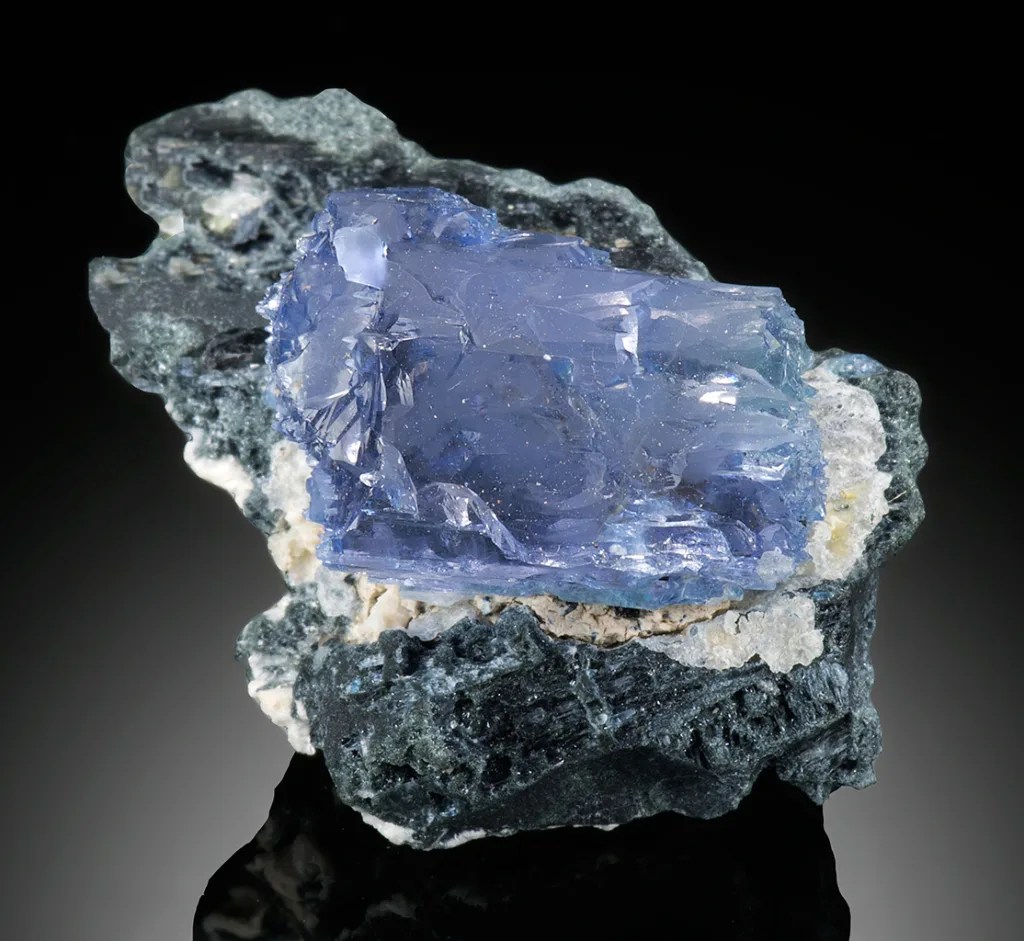
Jeremejevite is a rare and fascinating mineral that captivates gem enthusiasts and collectors with its unique colors and scarcity. This gemstone was first discovered in Siberia in the late 19th century and has since been found in various locations around the world. Jeremejevite can occur in a range of colors, from colorless to pale blue or yellow, and gem-quality specimens are exceptionally rare and highly valued.
The discovery of Jeremejevite dates back to 1883 when it was first identified by the Russian mineralogist Pavel Jeremejev, after whom the gemstone is named. The initial discovery was made in the Nerschinsk district of Siberia, and it quickly gained attention for its unique properties and rarity. Since then, Jeremejevite has been found in other locations, including Namibia, Myanmar, and Madagascar. However, these sources produce only small quantities of gem-quality Jeremejevite, contributing to its scarcity.
From a gemological standpoint, Jeremejevite belongs to the borate mineral group and has a hexagonal crystal system. It ranks 6.5 to 7.5 on the Mohs scale of hardness, making it suitable for certain types of jewelry. However, due to its rarity, Jeremejevite is often found in collector’s pieces rather than everyday wear. The gemstone’s colors can range from colorless to pale blue, yellow, and even greenish-blue. The presence of trace elements such as iron and manganese within its crystal structure contributes to its diverse color palette.
One of the most prized colors of Jeremejevite is pale blue, which is highly sought after by collectors. The gemstone’s color can be enhanced by its transparency and luster, making high-quality specimens particularly captivating. The rarity of gem-quality Jeremejevite adds to its allure, as finding a specimen with good color, clarity, and size is exceptionally challenging.
In addition to its visual appeal, Jeremejevite is also valued for its unique optical properties. The gemstone can exhibit pleochroism, where it shows different colors when viewed from different angles. This optical effect adds to the gemstone’s mystique and makes it even more intriguing. Collectors and gem enthusiasts highly value Jeremejevite not only for its beauty but also for its rarity and the unique circumstances of its formation.
In conclusion, Jeremejevite is a gemstone of exceptional rarity and beauty. Its discovery in Siberia and subsequent findings in other locations have made it a highly coveted gemstone. The diverse color range, combined with its optical properties and scarcity, makes Jeremejevite a true gemological treasure. For collectors and gem enthusiasts, owning a piece of Jeremejevite represents a connection to the Earth’s geological history and the incredible forces that shape our planet.
6. Taaffeite
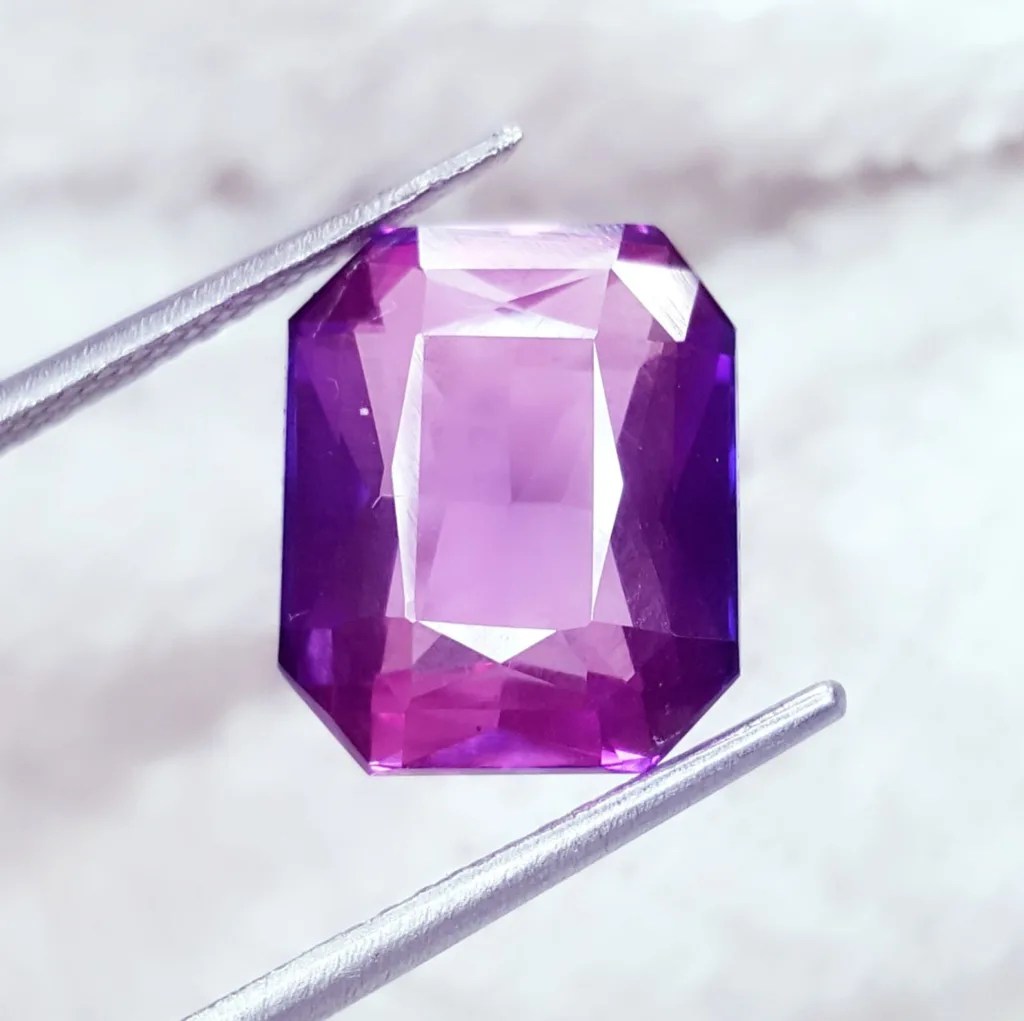
Taaffeite is a gemstone that holds a unique place in gemological history due to its initial misidentification and subsequent recognition as a distinct mineral species. This rare gemstone comes in various colors, including lavender, mauve, and pink, and is highly prized by collectors for its beauty and scarcity. Taaffeite’s story began in the early 20th century when it was first mistaken for spinel, only to be later identified as a new and rare gemstone.
The discovery of Taaffeite dates back to 1945 when gemologist Richard Taaffe purchased a spinel gemstone in a Dublin jewelry shop. Upon closer examination, Taaffe noticed that the gemstone exhibited different optical properties from typical spinel. Further analysis revealed that the gemstone was, in fact, a new mineral species, which was subsequently named Taaffeite in his honor. This serendipitous discovery marked the beginning of Taaffeite’s journey as one of the rarest gemstones in the world.
From a gemological perspective, Taaffeite belongs to the oxide mineral group and has a hexagonal crystal system. It ranks 8 to 8.5 on the Mohs scale of hardness, making it suitable for various types of jewelry. However, due to its rarity, Taaffeite is often found in collector’s pieces rather than everyday wear. The gemstone’s colors can range from lavender to mauve, pink, and even bluish-gray. The presence of trace elements such as iron, magnesium, and zinc within its crystal structure contributes to its diverse color palette.
The primary sources of Taaffeite are Sri Lanka and Myanmar, with smaller quantities found in Tanzania and China. These locations produce only limited amounts of gem-quality Taaffeite, contributing to its scarcity. The gemstone’s rarity and the difficulty in obtaining it make Taaffeite highly prized among gem collectors and enthusiasts. High-quality specimens with good color, clarity, and size are particularly valuable.
In addition to its visual appeal, Taaffeite is also valued for its unique optical properties. The gemstone can exhibit pleochroism, where it shows different colors when viewed from different angles. This optical effect adds to the gemstone’s mystique and makes it even more captivating. Collectors highly value Taaffeite for its beauty, rarity, and the unique circumstances of its discovery and formation.
In conclusion, Taaffeite is a gemstone of exceptional rarity and beauty. Its initial misidentification and subsequent recognition as a distinct mineral species have made it a highly coveted gemstone. The diverse color range, combined with its optical properties and scarcity, makes Taaffeite a true gemological treasure. For collectors and gem enthusiasts, owning a piece of Taaffeite represents a connection to the fascinating history of gemology and the incredible forces that shape our planet.
7. Black Opal
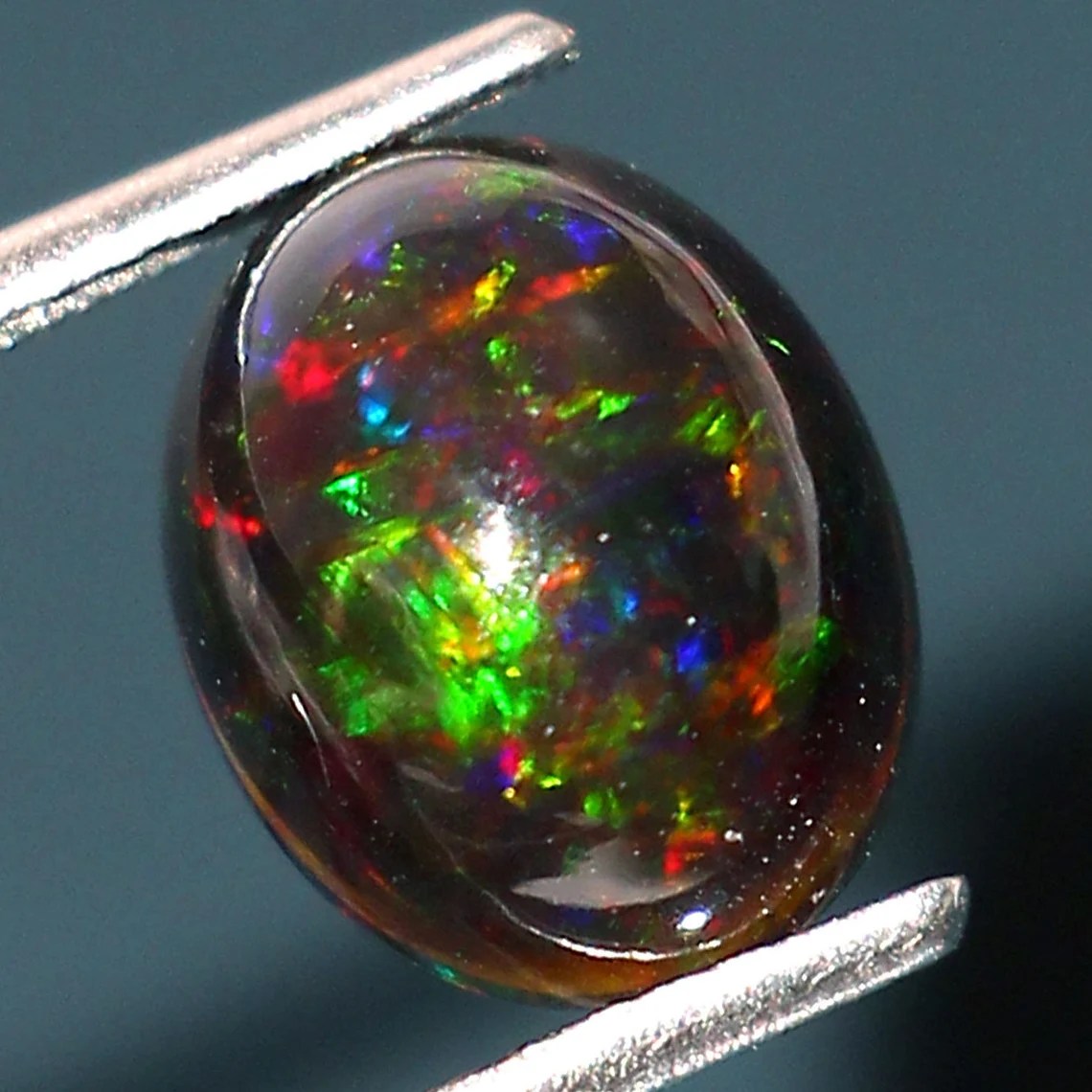
Black Opal is a type of opal that is renowned for its striking play-of-color against a dark background. This unique gemstone is primarily found in Lightning Ridge, Australia, and is highly valued for its intense colors and rarity. Black Opal’s mesmerizing play-of-color, combined with its dark body tone, makes it one of the most sought-after and valuable opals in the world.
The discovery of Black Opal dates back to the early 20th century in Lightning Ridge, New South Wales, Australia. This region remains the primary source of Black Opal, producing some of the finest specimens known to exist. The gemstone’s dark body tone, ranging from dark gray to black, enhances the vivid play-of-color, creating a stunning visual effect. The play-of-color in Black Opal is caused by the diffraction of light as it passes through the microscopic silica spheres within the gemstone’s structure.
From a gemological perspective, Black Opal belongs to the mineraloid group and has an amorphous crystal structure. It ranks 5.5 to 6.5 on the Mohs scale of hardness, making it suitable for various types of jewelry, although care must be taken to avoid scratches and damage. The gemstone’s play-of-color can exhibit a wide range of colors, including red, orange, yellow, green, blue, and violet. The most prized Black Opals display a full spectrum of colors, with red being the rarest and most valuable.
The mining process for Black Opal is challenging and labor-intensive. Miners often work in harsh conditions, digging deep underground to extract the precious opal-bearing material. The rarity of gem-quality Black Opal, combined with the difficulty of mining, contributes to its high value. Each Black Opal is unique, with no two stones exhibiting the same play-of-color pattern, making each piece a one-of-a-kind treasure.
In addition to its visual appeal, Black Opal is also valued for its cultural significance. In Australian Aboriginal culture, opal is considered a symbol of hope, purity, and truth. The gemstone’s enchanting play-of-color is believed to bring positive energy and protection to its wearer. This cultural connection adds to the allure and mystique of Black Opal, making it a cherished gemstone in both the gem market and cultural heritage.
Collectors and gem enthusiasts highly value Black Opal not only for its beauty but also for its rarity and the unique circumstances of its formation. The gemstone’s dark body tone and vivid play-of-color create a mesmerizing effect that captivates the imagination. Owning a piece of Black Opal is often seen as possessing a piece of nature’s artistry, a gemstone that embodies the beauty and wonder of the natural world.
In conclusion, Black Opal is a gemstone of exceptional beauty and rarity. Its striking play-of-color against a dark background, combined with its cultural significance and exclusivity, makes it one of the most prized and sought-after opals in the world. For gem enthusiasts and collectors, Black Opal represents the pinnacle of nature’s artistry, a gemstone that captures the essence of the Australian outback in its captivating colors.
8. Paraiba Tourmaline
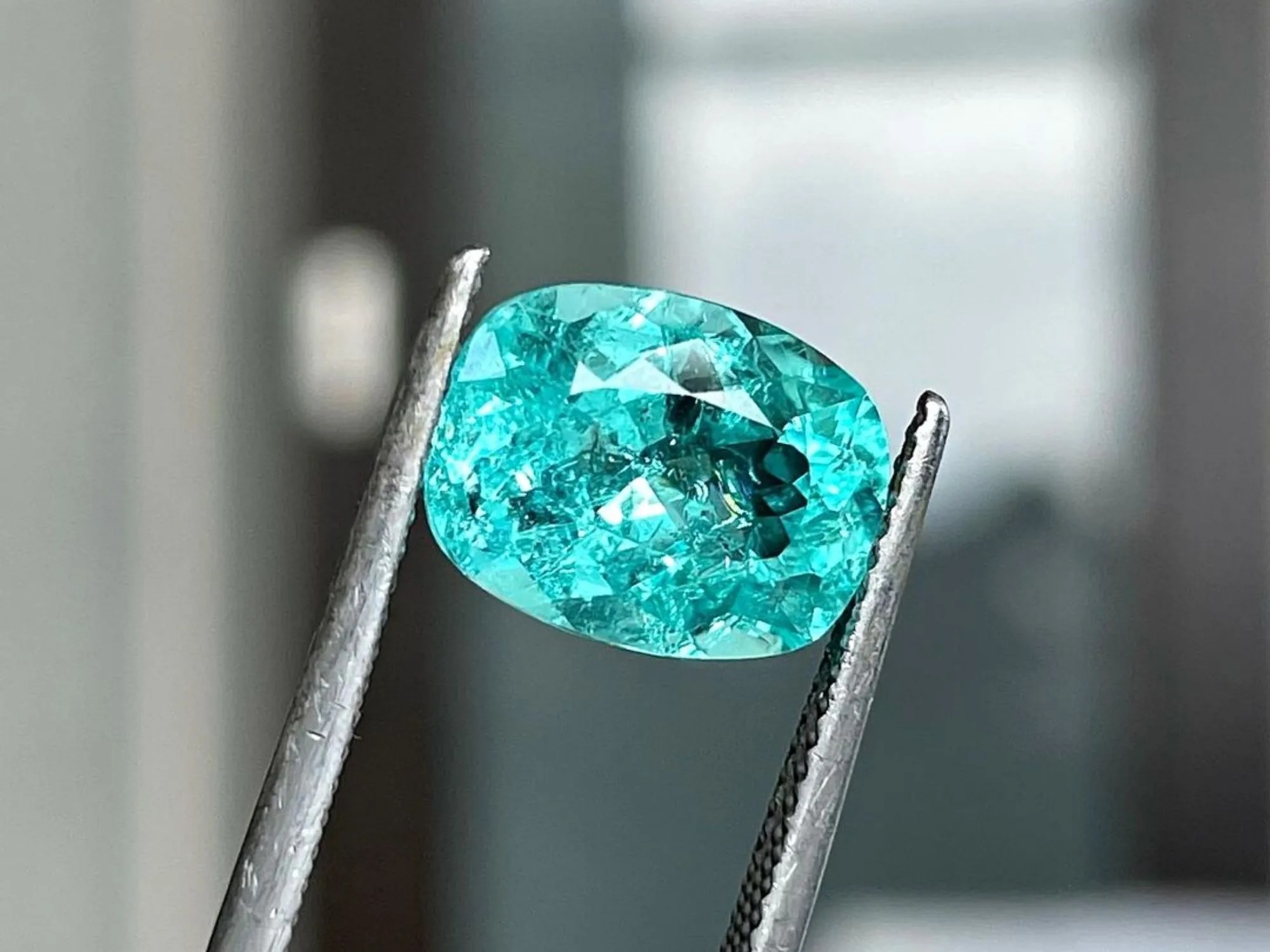
Paraiba Tourmaline is a gemstone that has captivated the gem world with its vibrant neon blue to green colors, caused by trace amounts of copper within its crystal structure. This unique and highly prized gemstone was first discovered in the Brazilian state of Paraíba in the 1980s, and its striking colors and rarity have made it one of the most sought-after tourmalines in the world.
The discovery of Paraiba Tourmaline is attributed to Heitor Dimas Barbosa, a Brazilian miner who dedicated years to uncovering this extraordinary gemstone. In the late 1980s, Barbosa’s perseverance paid off when he unearthed the first specimens of Paraiba Tourmaline in the Mina da Batalha in Paraíba, Brazil. The gemstone’s vivid neon blue to green hues, unlike anything seen before, quickly garnered attention and admiration from gemologists, jewelers, and collectors worldwide.
From a gemological perspective, Paraiba Tourmaline belongs to the tourmaline group and has a trigonal crystal system. It ranks 7 to 7.5 on the Mohs scale of hardness, making it suitable for various types of jewelry, including rings, earrings, and pendants. The gemstone’s vibrant colors are primarily due to the presence of copper, with manganese also contributing to the color variations. The most prized Paraiba Tourmalines exhibit a bright neon blue or green color, often referred to as “electric” or “neon” due to their intense saturation and brilliance.
The rarity of Paraiba Tourmaline is another factor that contributes to its high value. The original deposits in Paraíba, Brazil, were quickly depleted, and subsequent discoveries in other locations, such as Nigeria and Mozambique, have produced only limited quantities of gem-quality Paraiba Tourmaline. These newer sources, while valuable, often produce stones with slightly different color characteristics compared to the original Brazilian material. Nonetheless, all Paraiba Tourmalines are highly prized for their unique and striking colors.
In addition to its visual appeal and rarity, Paraiba Tourmaline is also valued for its unique optical properties. The gemstone can exhibit a phenomenon known as pleochroism, where it shows different colors when viewed from different angles. This optical effect adds to the gemstone’s mystique and makes it even more captivating. Collectors and gem enthusiasts highly value Paraiba Tourmaline not only for its beauty but also for its rarity and the unique circumstances of its formation.
The allure of Paraiba Tourmaline extends beyond its physical properties. The gemstone’s discovery and the subsequent rush to find more of this rare material have become a part of gemological lore. The story of Heitor Dimas Barbosa’s determination and the eventual discovery of such an extraordinary gemstone add to the mystique and desirability of Paraiba Tourmaline. Owning a piece of Paraiba Tourmaline is often seen as possessing a piece of modern gemological history, a gemstone that embodies the spirit of discovery and the beauty of nature’s artistry.
In conclusion, Paraiba Tourmaline is a gemstone of exceptional beauty and rarity. Its vibrant neon blue to green colors, combined with its unique optical properties and exclusivity, make it one of the most prized and sought-after tourmalines in the world. For gem enthusiasts and collectors, Paraiba Tourmaline represents the pinnacle of nature’s artistry, a gemstone that captures the essence of the Brazilian landscape in its captivating colors.
9. Benitoite
Benitoite is a rare and captivating blue gemstone that was first discovered in San Benito County, California. This unique gemstone is highly prized for its vivid blue fluorescence under ultraviolet light and its intense color, making it a favorite among collectors and gem enthusiasts. Benitoite’s rarity and striking appearance have earned it a special place in the world of gemstones.
The discovery of Benitoite dates back to 1907 when it was first identified by prospector James M. Couch. Initially, Couch believed he had found sapphire, but further analysis by mineralogist George D. Louderback revealed that the gemstone was a new mineral species. Benitoite was subsequently named after its discovery location, San Benito County. The gemstone’s vivid blue color and unique optical properties quickly garnered attention, and it was designated as the official state gem of California in 1985.
From a gemological perspective, Benitoite belongs to the barium titanium silicate mineral group and has a hexagonal crystal system. It ranks 6 to 6.5 on the Mohs scale of hardness, making it suitable for certain types of jewelry, although care must be taken to avoid scratches and damage. The gemstone’s most striking feature is its vivid blue fluorescence under ultraviolet light, which adds to its allure and makes it easily identifiable. The presence of trace elements such as iron and titanium within its crystal structure contributes to its intense blue color.
The primary source of Benitoite is the Benitoite Gem Mine in San Benito County, California. This location remains the only significant source of gem-quality Benitoite, contributing to its rarity. The mining process is challenging, and the yield of high-quality Benitoite is limited, further enhancing its scarcity and value. Each Benitoite gemstone is unique, with no two stones exhibiting the same color and fluorescence pattern, making each piece a one-of-a-kind treasure.
In addition to its visual appeal, Benitoite is also valued for its unique optical properties. The gemstone can exhibit a phenomenon known as double refraction, where light entering the gemstone is split into two separate rays, creating a distinctive optical effect. This property, combined with its vivid blue fluorescence, makes Benitoite a highly prized gemstone among collectors and gem enthusiasts.
The allure of Benitoite extends beyond its physical properties. The gemstone’s discovery and the subsequent recognition as a new mineral species have made it a part of gemological history. Collectors highly value Benitoite not only for its beauty and rarity but also for its unique place in the world of gemstones. Owning a piece of Benitoite is often seen as possessing a piece of California’s geological heritage, a gemstone that embodies the beauty and wonder of the natural world.
In conclusion, Benitoite is a gemstone of exceptional rarity and beauty. Its vivid blue fluorescence under ultraviolet light, combined with its unique optical properties and exclusivity, makes it one of the most prized and sought-after gemstones in the world. For gem enthusiasts and collectors, Benitoite represents the pinnacle of nature’s artistry, a gemstone that captures the essence of the California landscape in its captivating colors.
10. Painite
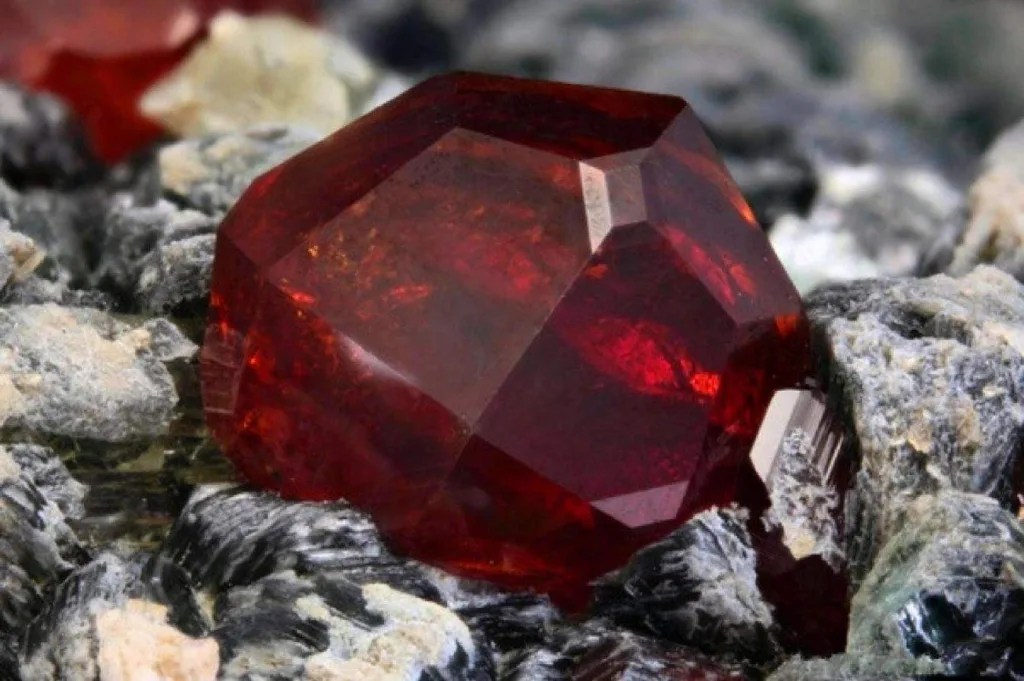
Painite is a gemstone that was once considered the rarest mineral on Earth, with only a handful of specimens known to exist. This striking reddish-brown gemstone was first discovered in Myanmar in the 1950s and has since become highly sought after by collectors due to its scarcity and unique appearance. Painite’s rarity and captivating color make it a true gemological treasure.
The discovery of Painite dates back to 1951 when British mineralogist Arthur C.D. Pain first identified the gemstone in Myanmar. Initially, Pain believed he had found a new variety of tourmaline, but further analysis revealed that the gemstone was a new mineral species. Painite was subsequently named in honor of its discoverer. For many years, only a few specimens of Painite were known to exist, leading to its reputation as the rarest mineral on Earth.
From a gemological perspective, Painite belongs to the borate mineral group and has a hexagonal crystal system. It ranks 8 on the Mohs scale of hardness, making it suitable for various types of jewelry, although its rarity often means that it is more commonly found in collector’s pieces rather than everyday wear. The gemstone’s color can range from reddish-brown to brownish-red, with some specimens exhibiting a slight orange or pink hue. The presence of trace elements such as iron and chromium within its crystal structure contributes to its distinctive color.
The primary source of Painite is Myanmar, although small quantities have also been found in other locations such as Madagascar. The mining process for Painite is challenging, and the yield of high-quality gem-grade Painite is extremely limited. This scarcity, combined with the gemstone’s unique color and optical properties, makes Painite highly prized among gem collectors and enthusiasts.
In addition to its visual appeal, Painite is also valued for its unique optical properties. The gemstone can exhibit a phenomenon known as pleochroism, where it shows different colors when viewed from different angles. This optical effect adds to the gemstone’s mystique and makes it even more captivating. Collectors highly value Painite not only for its beauty and rarity but also for its unique place in the world of gemstones.
The allure of Painite extends beyond its physical properties. The gemstone’s discovery and the subsequent recognition as the rarest mineral on Earth have made it a part of gemological lore. Collectors and gem enthusiasts highly value Painite not only for its visual appeal but also for its rarity and the unique circumstances of its formation. Owning a piece of Painite is often seen as possessing a piece of geological history, a gemstone that embodies the beauty and wonder of the natural world.
In conclusion, Painite is a gemstone of exceptional rarity and beauty. Its striking reddish-brown color, combined with its unique optical properties and exclusivity, makes it one of the most prized and sought-after gemstones in the world. For gem enthusiasts and collectors, Painite represents the pinnacle of nature’s artistry, a gemstone that captures the essence of the Earth’s geological heritage in its captivating colors.